Upstate South Carolina · Practical, low-disruption pest work
Wasp Hornet Control in Spartanburg, SC
Paladin handles wasp hornet control the way Upstate homes actually need it: confirm the species, find the harborage, treat the right zones, and close the conditions that brought them in.
- Treatments built around how your family actually uses the home
- Local dispatch from Spartanburg across the Upstate
- If a visit isn't needed, we'll say so on the phone
Quick Answer
Paladin handles wasp hornet control the way Upstate homes actually need it: confirm the species, find the harborage, treat the right zones, and close the conditions that brought them in.
For the next step, compare wasp and hornet control, read about family protection from wasps, or check where Paladin works across Upstate SC.
Key Takeaways
- We scope wasp hornet control to the home in front of us rather than a generic checklist.
- Wasp and hornet control in the Upstate covers paper wasps under eaves, bald-faced hornets in trees, yellow jackets in ground holes, and mud
- We focus on nests near doorways, decks, soffits, and children's play areas. A nest 30 feet off in a tree often gets observed, not treated.
- We use targeted dust and aerosol applications. We don't blanket-spray eaves or soffits.
- Call (864) 816-7658 to schedule wasp hornet control. Quarterly programs and one-time visits are both available.
What does Paladin's wasp hornet control look like?
A typical wasp hornet control visit covers eaves, soffits, decks, ground holes and treats the harborage directly rather than blanket-spraying surfaces.
Wasp and hornet control in the Upstate covers paper wasps under eaves, bald-faced hornets in trees, yellow jackets in ground holes, and mud daubers on walls. This connects closely with Paladin services overview when you are comparing next steps.
Different species need different timing and tactics. Paper wasps treat well in the early evening. Yellow jackets are most aggressive in late summer.
What this means for your home
- Family and pet awareness means we explain treated areas, re-entry timing, and simple prep steps before work begins.
- We name every product we place if you want to know, there are no mystery sprays here
- We schedule around your week, including evenings and Saturdays, so the visit fits your routine
- Treatment targets eaves, soffits, decks, ground holes rather than painting product across living surfaces
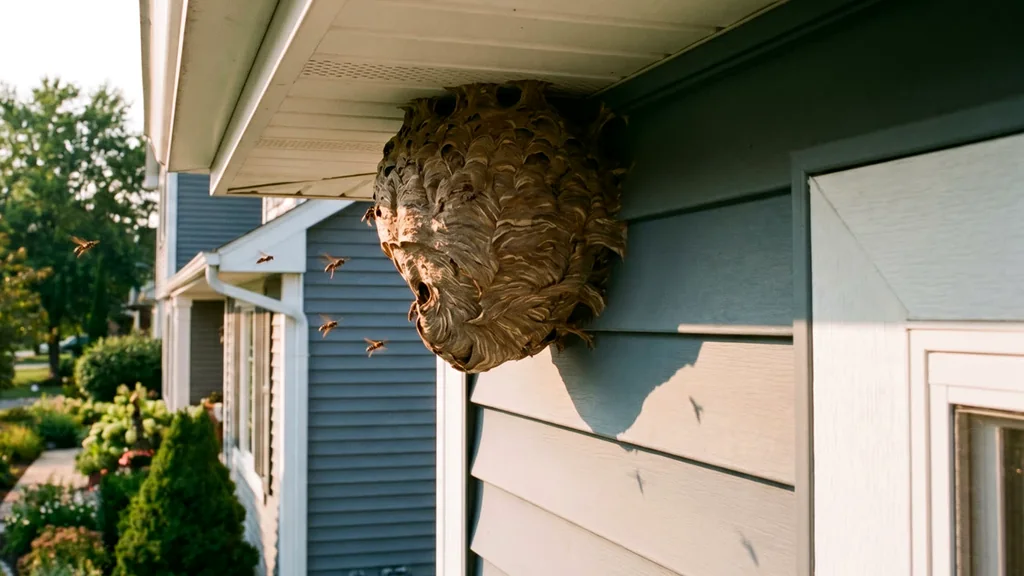
Why are wasps and hornets a problem in Upstate homes?
Wasps and hornets are a problem because they paper-wasp nests under eaves, bald-faced hornet nests in trees, yellow jackets in ground holes.
We focus on nests near doorways, decks, soffits, and children's play areas. A nest 30 feet off in a tree often gets observed, not treated. Homeowners seeing similar pressure can also review Quarterly program before scheduling.
We use targeted dust and aerosol applications. We don't blanket-spray eaves or soffits.
What this means for your home
- Spartanburg service is adjusted to the home style, season, and pressure pattern instead of using the same checklist everywhere.
- Documentation should summarize findings, treated areas, product locations where applicable, and the recommended follow-up plan.
- Most Upstate homes are built over a vented crawl space, which means moisture management is a first-class pest-management problem.
How fast can Paladin start wasp hornet control in the Upstate?
Timing depends on current capacity, preparation needs, and the scope of the wasps and hornets issue. Call (864) 816-7658 and the office will confirm the next available appointment.
Prefer to skip the guessing?
We'll identify the pest, point out conditions, and quote what's actually needed.

How does Paladin actually handle wasps and hornets?
For wasps and hornets, Paladin follows an Integrated Pest Management (IPM) approach: identify the species first, correct the conditions driving the problem, target harborage where the population actually lives, and document the visit.
We focus on nests near doorways, decks, soffits, and children's play areas. A nest 30 feet off in a tree often gets observed, not treated. We rotate active ingredients on quarterly programs so pests do not adapt. We document what we did, why, and what to watch for between visits. For a wider plan, pair this with family protection from wasps so the whole property is covered.
We use targeted product placement (cracks, harborage, voids) rather than blanket spraying living surfaces. We use targeted dust and aerosol applications. We don't blanket-spray eaves or soffits.
What this means for your home
- Older crawl-space homes and newer slab homes get different attention for wasp hornet control
- Family and pet awareness means we explain treated areas, re-entry timing, and simple prep steps before work begins.
- Follow-up visits confirm whether the wasp and hornet control activity is dropping and whether any new entry points or pressure signs appeared.
- We name every product we place if you want to know, there are no mystery sprays here
- Service notes should tell you what was found, what was treated, and what to watch for before the next visit.

Is Paladin’s wasp hornet control safe for kids and pets?
Yes. For wasps and hornets, the family-safety question is real. We build the wasp hornet control visit around the way the home is actually lived in, picking placements that keep kids and pets away from product.
Different species need different timing and tactics. Paper wasps treat well in the early evening. Yellow jackets are most aggressive in late summer. We tell you what we are using, where we put it, and how long until you and your pets can be back in that area. This connects closely with wasp nest removal when you are comparing next steps.
Our goal is the smallest amount of product that solves the problem at the source, not the most product applied across the most surface. Babies, toddlers, pregnancies, immune conditions, and pet medical issues all change our application choices, please tell us.
What this means for your home
- Family and pet awareness means we explain treated areas, re-entry timing, and simple prep steps before work begins.
- We will name every product on the truck if you want to know what is going down
- Targeted treatment focuses on cracks, voids, exterior edges, nesting areas, and travel paths instead of blanket-spraying open surfaces.
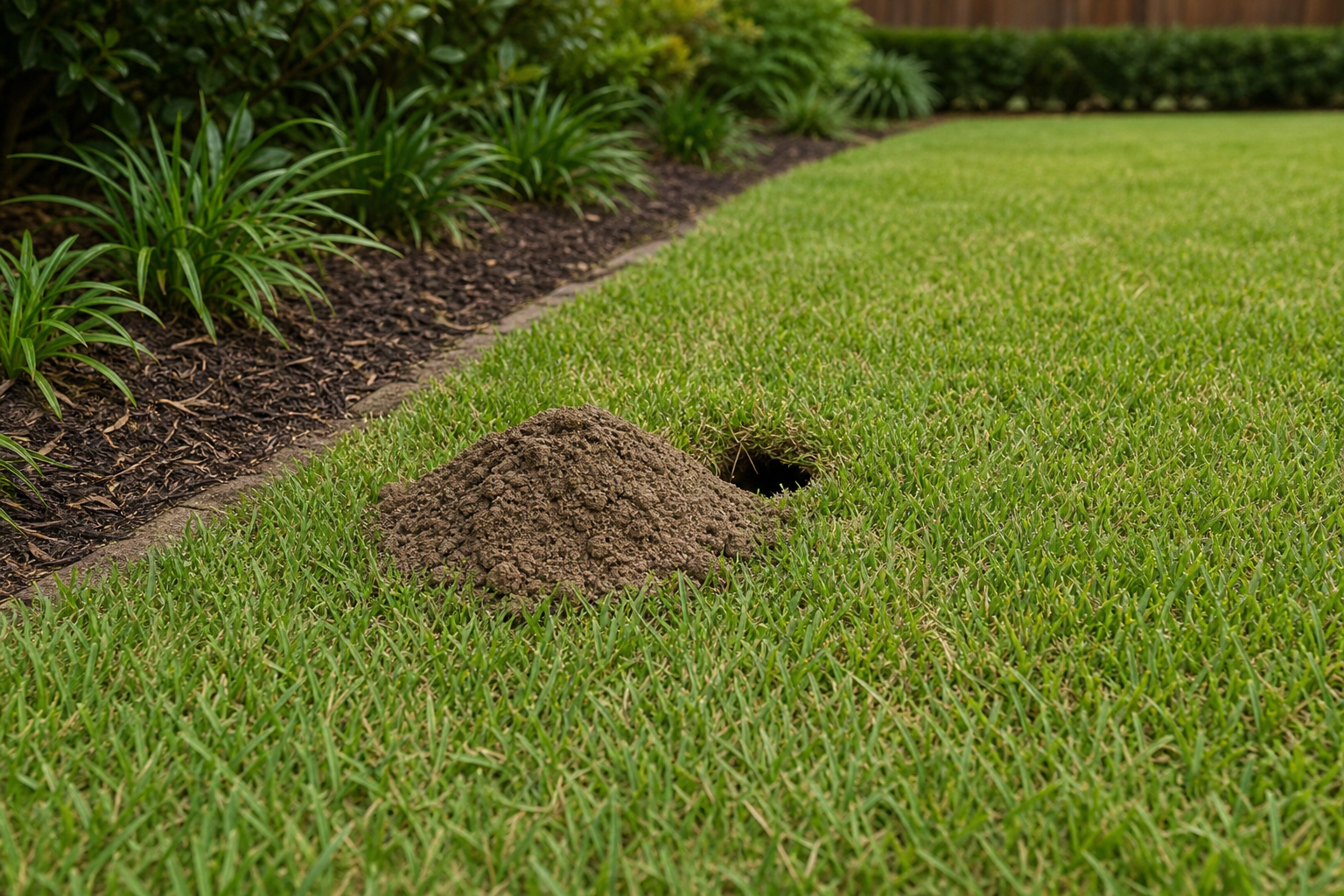
When should I call Paladin about wasps and hornets?
Call as soon as you see signs you can't explain. For wasps and hornets, that usually means a fresh trail you can’t explain, sawdust-like frass near deck posts, or repeated ant lines after a DIY attempt.
If something feels off, it's usually worth a phone call. For wasps and hornets specifically, the smartest move is calling before the population builds. We'd rather walk the property and say nothing needs doing than be called after the problem has been quietly growing for months. Homeowners seeing similar pressure can also review wasp nest removal before scheduling.
Our office is open Mon to Fri 8am to 8pm and Sat 10am to 4pm. Reach us at (864) 816-7658 or info@paladinpestsolutions.com.
What this means for your home
- Appointment timing depends on route openings and urgency, so tell the office what's been happening and where you've been spotting it.
- Call earlier rather than later, since wasps and hornets populations build quietly before they are obvious
How does the Upstate climate change how we treat wasps and hornets?
Upstate South Carolina has a longer pest season than most of the country, and wasps and hornets adapt accordingly. Spartanburg County and Greenville County sit in the Carolina Piedmont. Humid summers and mild winters keep insect pressure high for ten months of most years.
We use targeted dust and aerosol applications. We don't blanket-spray eaves or soffits. For a wider plan, pair this with requesting service from Paladin so the whole property is covered.
Wasp Hornet Control is a service we have refined over many Upstate visits. The biggest difference between a confident treatment and a half-confident one is identification, the species, the harborage, and the conditions that brought them in. We do that confirmation step before we apply anything.
If you would rather hand off the diagnosis to us, that is exactly what a Paladin visit is for. Call (864) 816-7658 and we will schedule a walk-through. Homeowners seeing similar pressure can also review family protection from wasps before scheduling.
What this means for your home
- We watch how spring colony build, late-summer peak aggression shifts where wasps and hornets move so the timing of each visit earns its keep
- Treatment is tuned to how wasps and hornets actually behave on Upstate properties, not a national protocol
- Vented crawl-space homes get extra attention at the perimeter and the foundation gap
- Targeted treatment focuses on cracks, voids, exterior edges, nesting areas, and travel paths instead of blanket-spraying open surfaces.
- Piedmont service is adjusted to the home style, season, and pressure pattern instead of using the same checklist everywhere.
Wasps, hornets, and yellow jackets
Sting-risk inspection at eaves, decks, and play areas
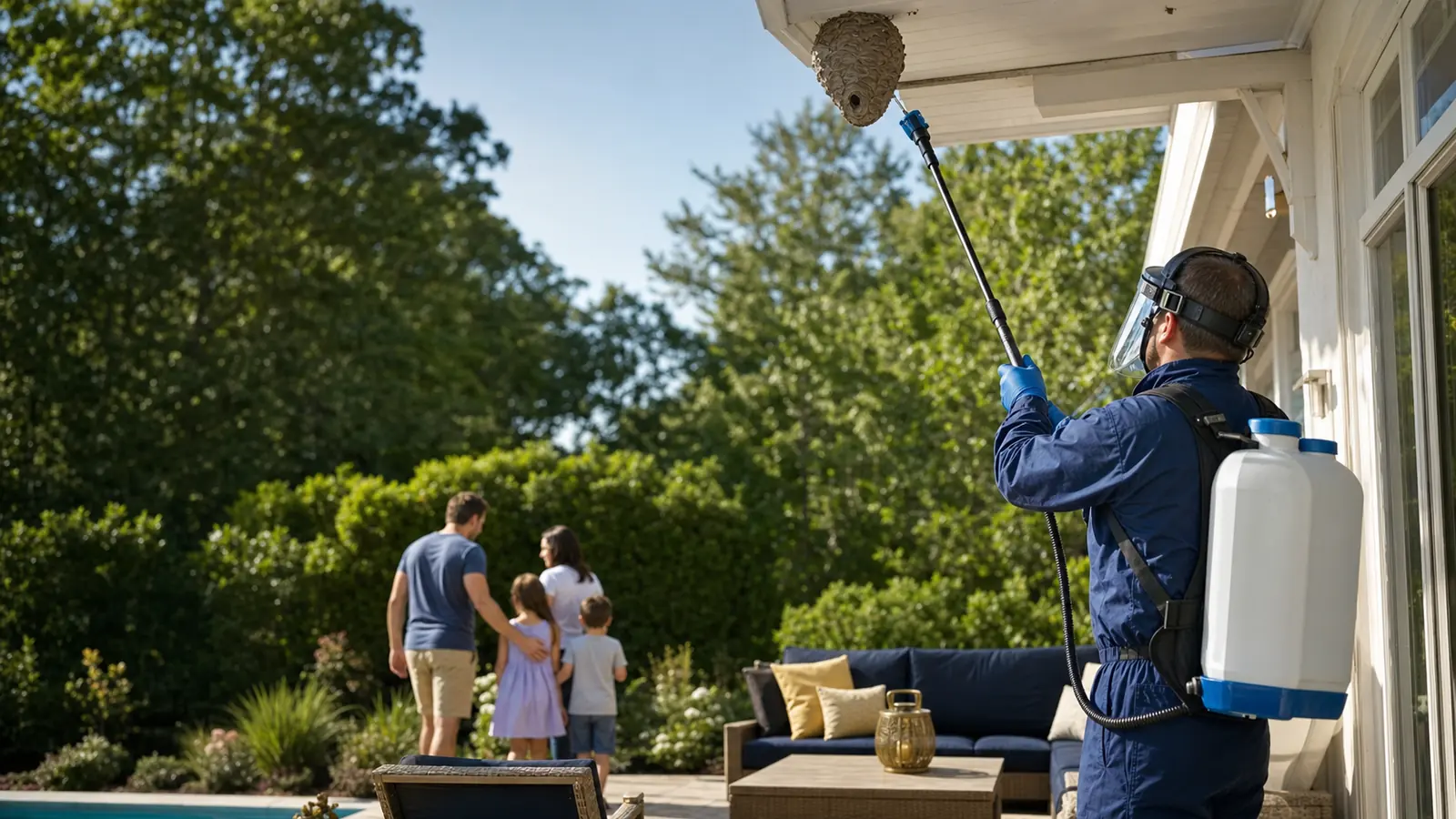
Paladin treats stinging-insect work as a family-safety call. We map active nests on the exterior, eaves, soffit corners, decks, mailboxes, shrubs, and choose timing that puts the family at the lowest risk.
Most paper-wasp nests can be treated late-evening with a residual product and removed safely. Yellow-jacket ground holes need a different protocol and are not a DIY job.
How Paladin actually treats this on a real Upstate home
Identification first: we confirm the species at the wall, not at the desk. Insect pressure on Upstate homes usually trails one of three conditions, humidity that lingers past sunset, soft mulch piled against siding, or a single moisture gap inside the kitchen or bath. Our visit takes a notebook to each of those before any product comes off the truck. After the walk we treat the harborage with targeted application (gel bait into a cabinet hinge, dust into a wall void, residual along the foundation perimeter) and leave the visible surfaces of your living areas alone.
A first Paladin visit is intended to document the activity, inspect relevant areas, and explain the proposed scope before work begins. Appointment timing and the exact inspection areas depend on the request and property access. Call (864) 816-7658 or use the contact form so the office can confirm the current options.
Paladin is based in Boiling Springs, SC and serves the approved Upstate locations listed on this site. Each recommendation should be tied to conditions documented at the property, including pest evidence, moisture, entry points, food, water, shelter, and access. The office confirms address availability without promising a route frequency or response window.
How a Paladin visit actually works
Four steps. Same rhythm whether the visit is one-time, quarterly, or an emergency.
Listen
We start on the phone or at your door with what you've actually been seeing, where, when, and what you've already tried.
Identify
We confirm the species and the harborage at the wall. No blanket spraying, no guess-and-treat.
Treat targeted
Application goes where the pest lives, cabinet hinges, wall voids, perimeter cracks. Living-room surfaces stay clean.
Document & follow up
We leave a written record of what we used and where, and the next visit is scheduled before we leave.
Keep exploring Paladin
Related Paladin services and guides for Upstate homeowners.
Related Paladin services
Paladin services overview
Learn more about how Paladin handles this for Upstate families.
Read more →Pest control
Learn more about how Paladin handles this for Upstate families.
Read more →Family-safe pest control
Learn more about how Paladin handles this for Upstate families.
Read more →Quarterly program
Learn more about how Paladin handles this for Upstate families.
Read more →Why IPM protects families
Learn more about how Paladin handles this for Upstate families.
Read more →
Kids, pets, and pest control safety
Learn more about how Paladin handles this for Upstate families.
Read more →Frequently asked questions
What does wasp hornet control cost in the Upstate?
Cost depends on the home size, the severity of the wasps and hornets issue, and whether you choose a one-time visit or a recurring program. Different species need different timing and tactics. Paper wasps treat well in the early evening. Yellow jackets are most aggressive in late summer. Pricing and scope are provided in writing before work begins.
Do I have to sign a long contract for wasp hornet control?
Service term, renewal, cancellation, and payment details are defined in the written proposal. Review that document before authorizing recurring work.
Do you guarantee results on wasp hornet control?
No blanket outcome is promised. Any follow-up for wasps and hornets is limited to the target pest, time period, exclusions, and scope stated in the written service terms.
How do I schedule wasp hornet control?
Call (864) 816-7658, email info@paladinpestsolutions.com, or use our contact form. Office hours are Mon-Fri 8am-8pm and Sat 10am-4pm.
Ready to shield your family?
One call to Paladin and we’ll meet you where you are, from a quick walk-through to a long-term protection plan.