Upstate South Carolina · Pest control built around your household
Why Integrated Pest Management Protects Families in Spartanburg, SC
Integrated Pest Management (IPM) is a four-step rhythm, identify, correct conditions, target harborage, document, that Paladin uses on every Upstate visit. It protects families by minimizing product use, focusing on the actual…
- Careful, targeted treatments built around your household
- Local Upstate route, real callbacks from our Spartanburg office
- Honest scoping, never a sales script
Quick Answer
Integrated Pest Management (IPM) is a four-step rhythm, identify, correct conditions, target harborage, document, that Paladin uses on every Upstate visit. It protects families by minimizing product use, focusing on the actual cause of the problem, and refusing to blanket-spray surfaces kids and pets touch.
For the next step, compare rodent control and exclusion, read about rodent entry-point sealing, or check where Paladin works across Upstate SC.
Key Takeaways
- IPM is not anti-treatment, it is anti-blanket-treatment.
- Identification of the exact species drives the choice of product and placement.
- Conditions outside the home (mulch, gutters, foliage) drive most pest pressure.
- Targeted harborage treatment is more effective and uses less product than perimeter spraying alone.
- IPM is the framework EPA recommends for schools, healthcare facilities, and family homes.
What does IPM stand for and what does it actually mean?
Integrated Pest Management is a framework for handling pests that combines identification, condition correction, targeted treatment, and monitoring rather than relying on routine blanket spraying.
IPM grew out of agricultural science in the 1950s and 60s and is the model the U.S. Environmental Protection Agency promotes for schools, public buildings, and homes. The core idea: treat the cause, not the surface, and use the smallest amount of the most targeted product needed to get a real result. This connects closely with Eco-friendly pest control when you are comparing next steps.
On the practical side, IPM means our technicians spend the first chunk of a visit looking and asking questions before any product comes off the truck. That looks slower from the outside. It is not, it is the only reason the visit actually solves the problem instead of pushing the population deeper into the walls.
What this means for your home
- IPM is a framework, not a product line, it shapes how the visit runs
- The U.S. EPA recommends IPM for schools and healthcare buildings because the safety logic is the same as in your home
- Condition correction lowers repeat pressure by addressing moisture, food sources, harborage, and easy entry points.
- Family and pet awareness means we explain treated areas, re-entry timing, and simple prep steps before work begins.
Why does IPM matter for families specifically?
Because IPM minimizes product use in living spaces while maximizing actual control, the exact trade-off families care about.
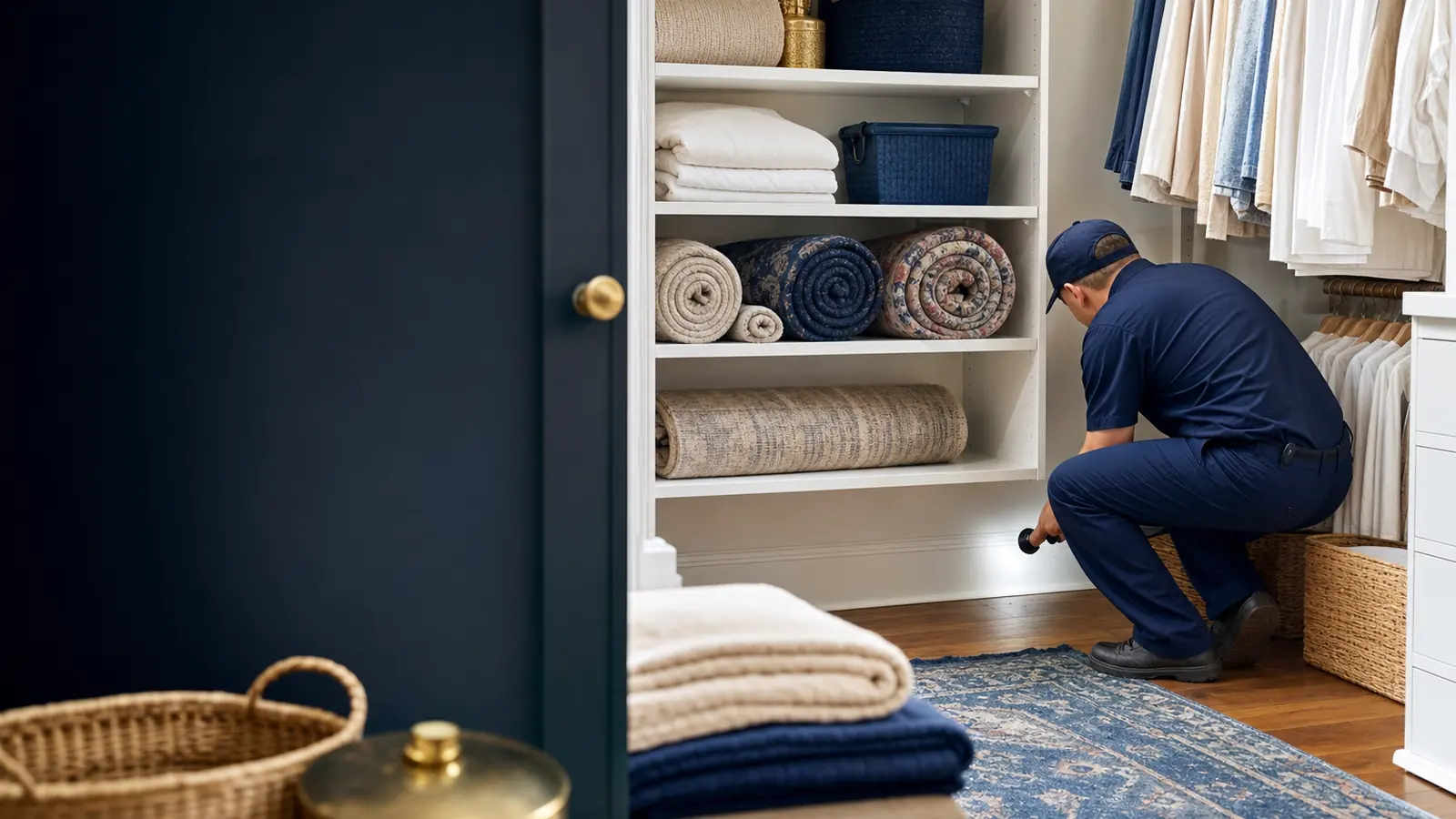
A blanket-spray approach treats visible surfaces, baseboards, countertops, outdoor patios, because those are easy to reach. IPM treats the harborage instead: the cracks, voids, soffit corners, gel-bait points, and exterior shield zones where the population actually lives. The result is more product where it matters and less product where your kids put their hands. Homeowners seeing similar pressure can also review Eco-friendly pest control before scheduling.
IPM also means we ask. Babies, pregnancies, immune issues, asthma, pet medical conditions, garden ponds, beehives, and vegetable beds all change our choices. A monthly-spray model does not have room for those conversations.
What this means for your home
- Treatment placements avoid the surfaces little hands and paws actually touch
- Family and pet awareness means we explain treated areas, re-entry timing, and simple prep steps before work begins.
- Asthma, allergies, and chemical sensitivities are part of the intake conversation, not an afterthought
- Pregnancy in the household shifts product choice and timing
- Vegetable beds, beehives, and ornamental gardens get explicit no-spray buffers
Does IPM mean you never use chemicals?
No. IPM means we use the most targeted product needed, only where it is needed, after confirming the species and the harborage. It is not anti-chemical, it is anti-waste.
Talk to the Paladin office.
Ask about the next available appointment and what the inspection includes.
What does a Paladin IPM visit actually look like, step by step?
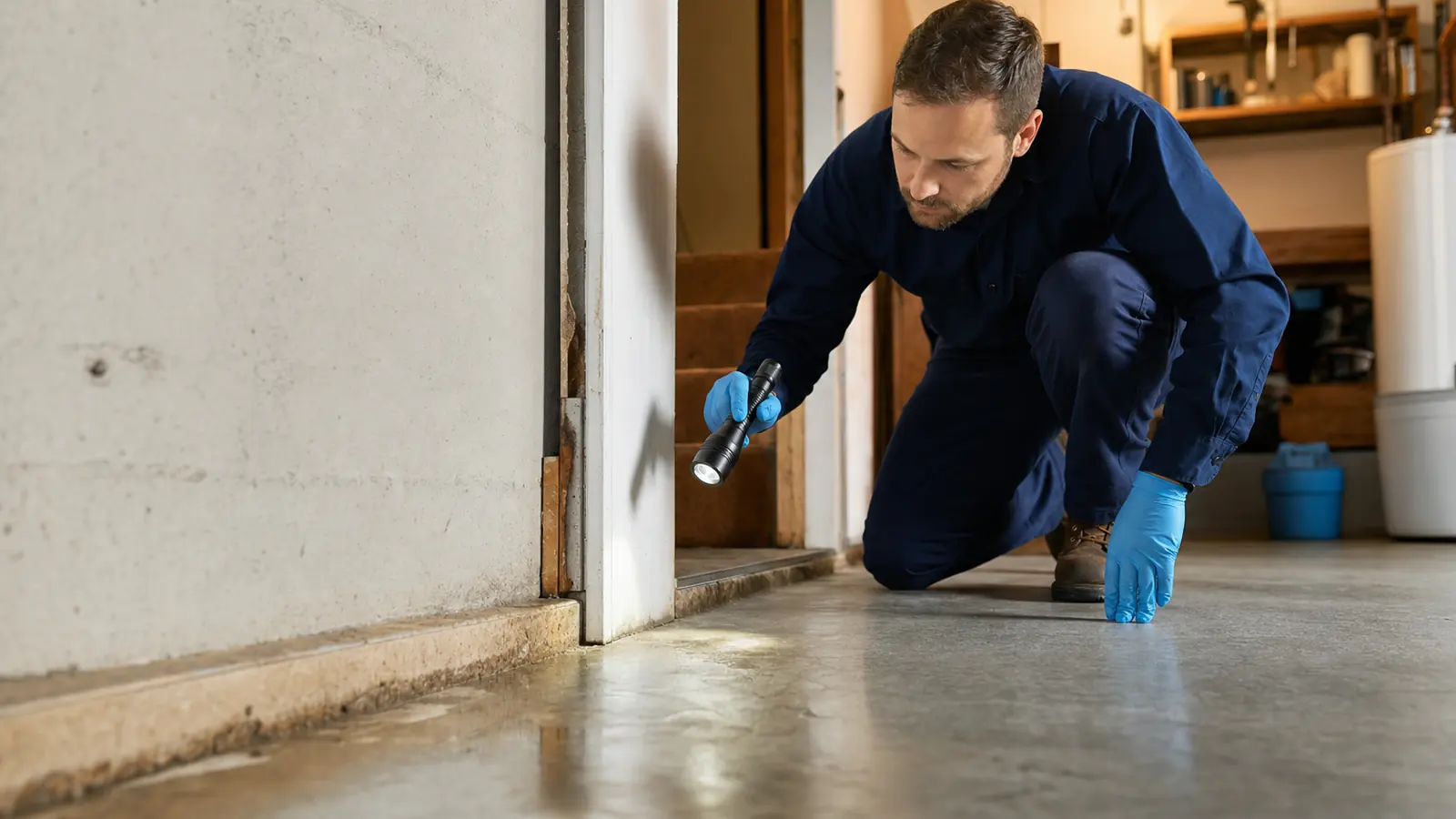
Four steps every time: listen, inspect, treat or report, explain.
Step 1: listen. We hear what you've been seeing and where, what you've already tried, who lives in the home, and what medical or environmental sensitivities are in play. For a wider plan, pair this with rodent control and exclusion so the whole property is covered.
Step 2: inspect. We walk the perimeter, then the interior areas you mentioned, then any high-leverage spaces (kitchen, crawl space, attic, garage). We confirm species and harborage.
Step 3: treat or report. If treatment is the right move, we apply targeted product to the harborage and shield the exterior. If it isn't, we tell you that. Homeowners seeing similar pressure can also review Upstate SC service areas before scheduling.
Step 4: explain. We talk you through what we did, what to expect, and what to watch for. We schedule any follow-up before we leave.
What this means for your home
- Step one is listening, we'd rather hear ten minutes of context than guess
- Inspection covers perimeter, interior trouble spots, and high-leverage zones like the kitchen and crawl space
- Documentation should summarize findings, treated areas, product locations where applicable, and the recommended follow-up plan.
- Re-entry timing and product details are explained before we leave
- Service notes should tell you what was found, what was treated, and what to watch for before the next visit.
Rodent control in the Upstate
Seal the entry, set the right trap, then prevent the next migration
Most rodent problems trace back to a gap you can fit a pencil through. We walk the exterior envelope first and identify entry points before we set a single trap.
Inside, traps go on the actual runway. Exterior bait stations live in tamper-resistant housings. We schedule the re-visit before we leave so we catch the second wave.
How this looks for a real Upstate family
Family-protection work starts before any product. We ask who lives in the house, babies, pregnancies, asthma, immune conditions, pet medical issues, garden beds, beehives, and we choose differently when it matters. The visit treats the harborage where the pests live, not the surfaces kids and pets touch. We name what we used, where we placed it, and how long until the area is back to normal. We listen, and we adjust.
IPM is not anti-chemical. It is anti-waste. We use the smallest amount of the most targeted product needed, in the places kids and pets do not touch, after confirming the species. The framework is the U.S. EPA recommendation for schools, healthcare facilities, and family homes.
A first Paladin visit is intended to document the activity, inspect relevant areas, and explain the proposed scope before work begins. Appointment timing and the exact inspection areas depend on the request and property access. Call (864) 816-7658 or use the contact form so the office can confirm the current options.
Paladin is based in Boiling Springs, SC and serves the approved Upstate locations listed on this site. Each recommendation should be tied to conditions documented at the property, including pest evidence, moisture, entry points, food, water, shelter, and access. The office confirms address availability without promising a route frequency or response window.
How a Paladin visit actually works
Four steps. Same rhythm whether the visit is one-time, quarterly, or an emergency.
Listen
We start on the phone or at your door with what you've actually been seeing, where, when, and what you've already tried.
Identify
We confirm the species and the harborage at the wall. No blanket spraying, no guess-and-treat.
Treat targeted
Application goes where the pest lives, cabinet hinges, wall voids, perimeter cracks. Living-room surfaces stay clean.
Document & follow up
We leave a written record of what we used and where, and the next visit is scheduled before we leave.
Keep exploring Paladin
Related Paladin services and guides for Upstate homeowners.
- See the full rodent program at Paladin
- Mouse control and trap placement
- Rat control with exterior bait stations
- Rodent entry-point exclusion
- Kids, pets, and rodent treatment safety
- Rodent entry-point and exclusion guides
- Find a city near you on our Upstate route
- Tell Paladin what you are seeing and ask about current availability
Related Paladin services
Eco-friendly pest control
Learn more about how Paladin handles this for Upstate families.
Read more →Paladin services
Learn more about how Paladin handles this for Upstate families.
Read more →Kids, pets, and pest control safety
Learn more about how Paladin handles this for Upstate families.
Read more →Frequently asked questions
Is IPM an actual standard or just marketing language?
IPM is a defined framework promoted by the U.S. EPA and by state extension services. It is the recommended approach for schools, healthcare facilities, and many federal buildings.
How do I know my technician is actually doing IPM, beyond calling it IPM?
Ask them to identify the species and explain the harborage before they apply anything. A real IPM visit can answer both questions.
Ready to shield your family?
One call to Paladin and we’ll meet you where you are, from a quick walk-through to a long-term protection plan.