Upstate South Carolina · Local pest crew, plain-English answers
What a Paladin Pest Control Visit in Spartanburg, SC Looks Like
A Paladin visit starts with the activity you have noticed, moves through an inspection of the relevant interior and exterior areas, and ends with a clear explanation of the findings, treatment scope, safety instructions, and next steps.
- We identify the species first, then treat the actual harborage
- Same Upstate technicians on your route, visit after visit
- Clear notes after every visit, what we did and why
Quick Answer
A Paladin visit starts with the activity you have noticed, moves through an inspection of the relevant interior and exterior areas, and ends with a clear explanation of the findings, treatment scope, safety instructions, and next steps.
For the next step, compare Paladin pest control services, read about Upstate SC service areas, or check where Paladin works across Upstate SC.
Key Takeaways
- The visit starts with your observations and any deadline or safety concern.
- Inspection comes before treatment so the scope is tied to evidence.
- Product placement and re-entry instructions are explained before application.
- Visit notes document what was found, what was done, and what to monitor.
- Any follow-up terms come from the written service scope, not a blanket promise.
What happens before the inspection begins?
The technician asks what you saw, where you saw it, when it happens, and what you have already tried. Those details help set a focused inspection path.
Photos, saved specimens, droppings locations, damaged materials, and a simple timeline can all help. Mention children, pets, pregnancies, respiratory concerns, or rooms that need special handling before any product is discussed. This connects closely with Paladin's pest control FAQ when you are comparing next steps.
If the request involves a real-estate deadline, a sensitive business area, or another documented requirement, bring that up during intake so the office can confirm whether the requested scope fits.
What this means for your home
- Describe the pest activity in your own words
- Point out every room or exterior area involved
- Practical takeaway: The technician asks what you saw, where you saw it, when it happens, and what you have already tried.
- Explain household safety or access constraints
- Documentation should summarize findings, treated areas, product locations where applicable, and the recommended follow-up plan.
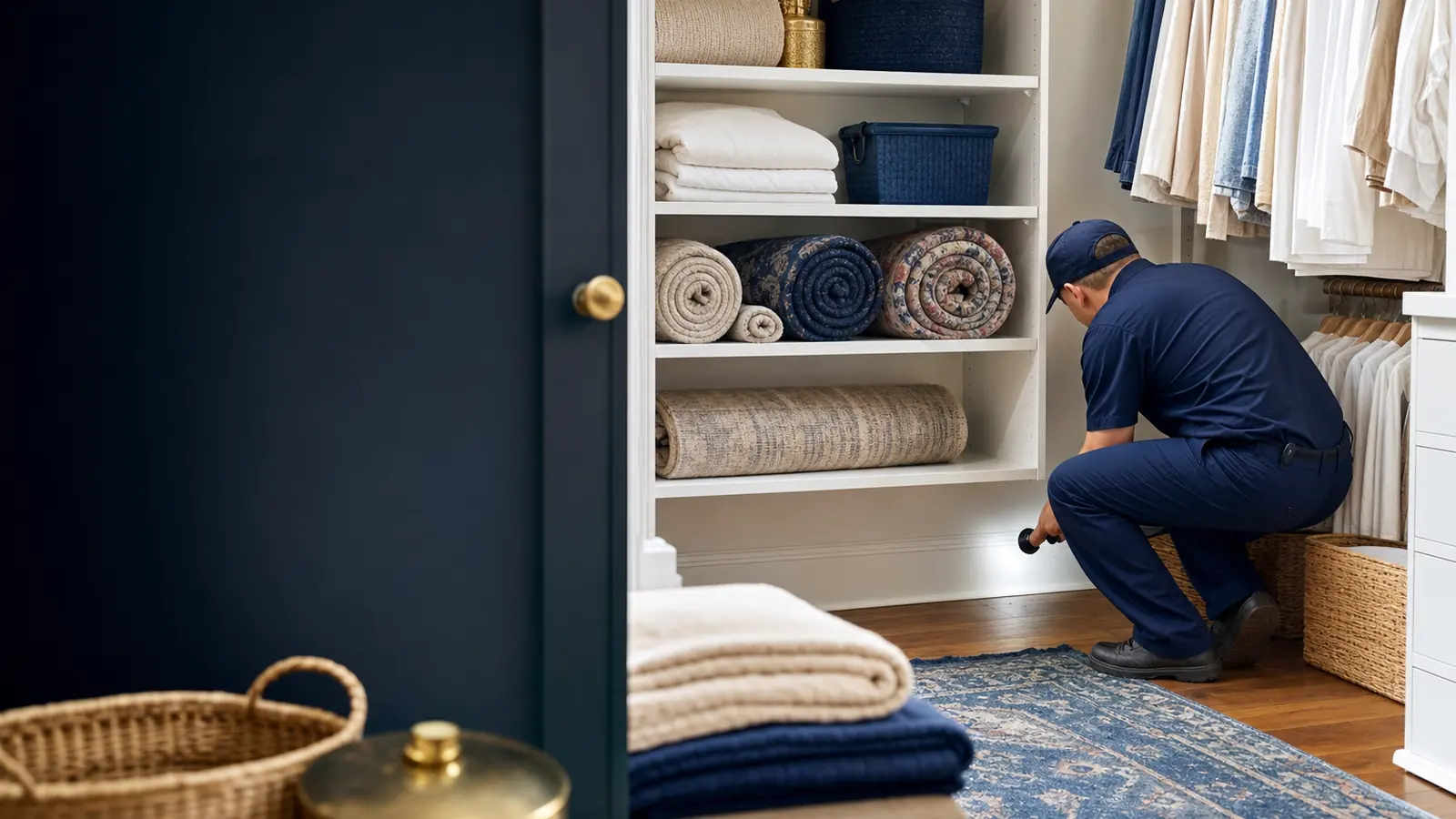
What does the technician inspect?
Inspection follows the evidence. Depending on the issue, that may include entry points, harborage, moisture, food and water sources, foundations, crawl spaces, attics, utility penetrations, bedrooms, landscaping, or detached structures.
The goal is to separate the pest you noticed from the conditions supporting it. For example, an indoor ant trail may lead to an exterior colony, while a rodent sound may require checking roofline and foundation access before traps are placed. Homeowners seeing similar pressure can also review pest-proofing your home before scheduling.
Not every visit needs every part of the property. A focused inspection protects the home from unnecessary treatment and gives the written recommendation a clear reason tied to what was actually observed.
What this means for your home
- Practical takeaway: Inspection follows the evidence.
- Condition correction lowers repeat pressure by addressing moisture, food sources, harborage, and easy entry points.
- Targeted treatment focuses on cracks, voids, exterior edges, nesting areas, and travel paths instead of blanket-spraying open surfaces.
Does every first visit include treatment?
Not necessarily. The correct next step depends on the requested service, the evidence found, preparation needs, and the written scope agreed to before work begins.
Not sure what you're dealing with?
Tell us the activity you've noticed and we'll point you the right direction.
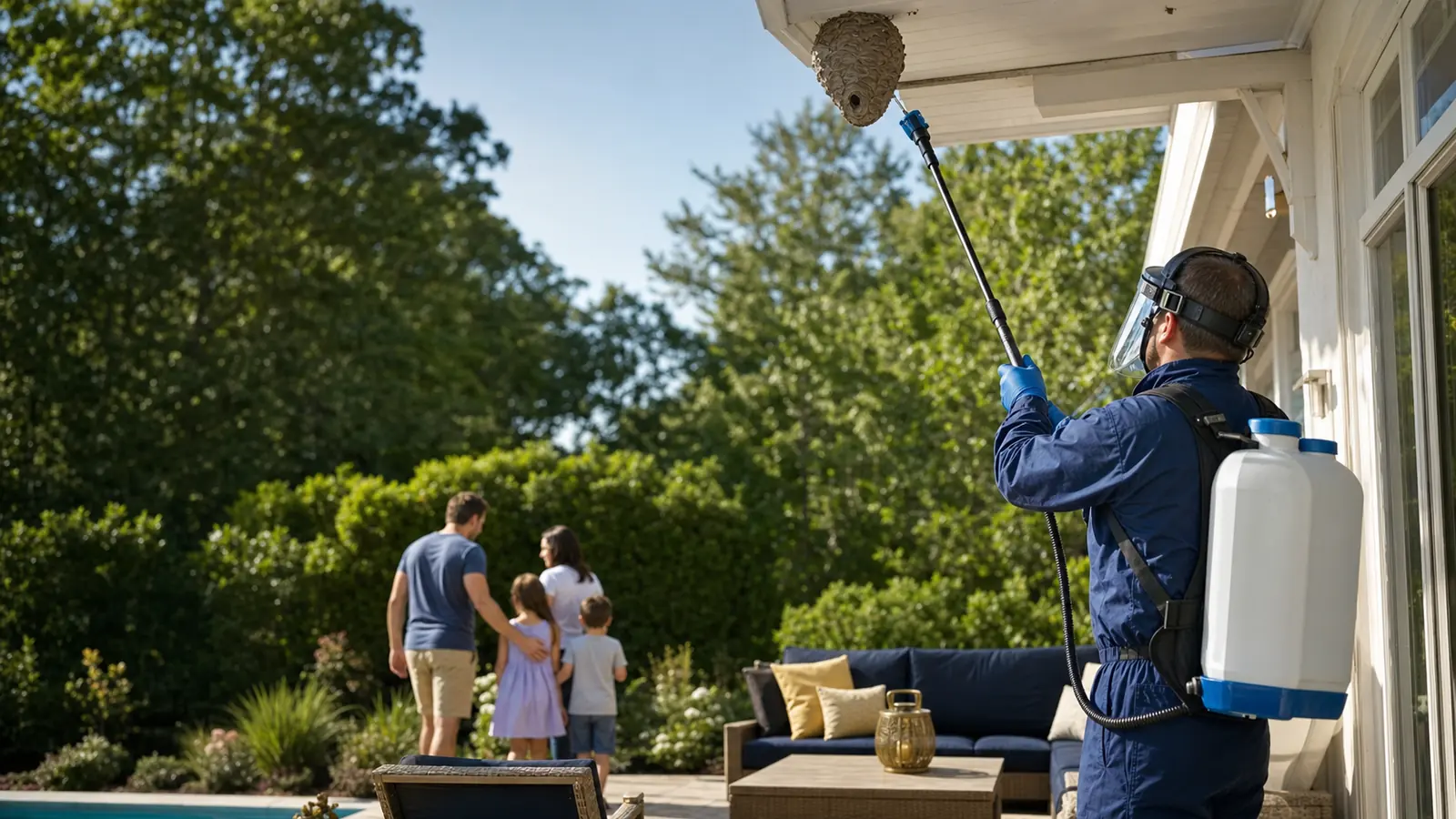
What should you receive before the visit ends?
You should understand the findings, the work performed or recommended, the product placement, any preparation or re-entry instructions, and the written next steps.
Ask questions while the findings are fresh. If treatment occurs, confirm which areas were addressed and which conditions remain for the homeowner or another qualified trade to correct. For a wider plan, pair this with Paladin pest control services so the whole property is covered.
If additional work is proposed, compare it with the inspection notes and written scope. Appointment timing and follow-up coverage depend on that document and current capacity; the site does not promise a fixed response window or outcome.
What this means for your home
- Practical takeaway: You should understand the findings, the work performed or recommended, the product placement, any preparation or re-entry instructions, and the written next steps.
- Condition correction lowers repeat pressure by addressing moisture, food sources, harborage, and easy entry points.
- Service notes should tell you what was found, what was treated, and what to watch for before the next visit.
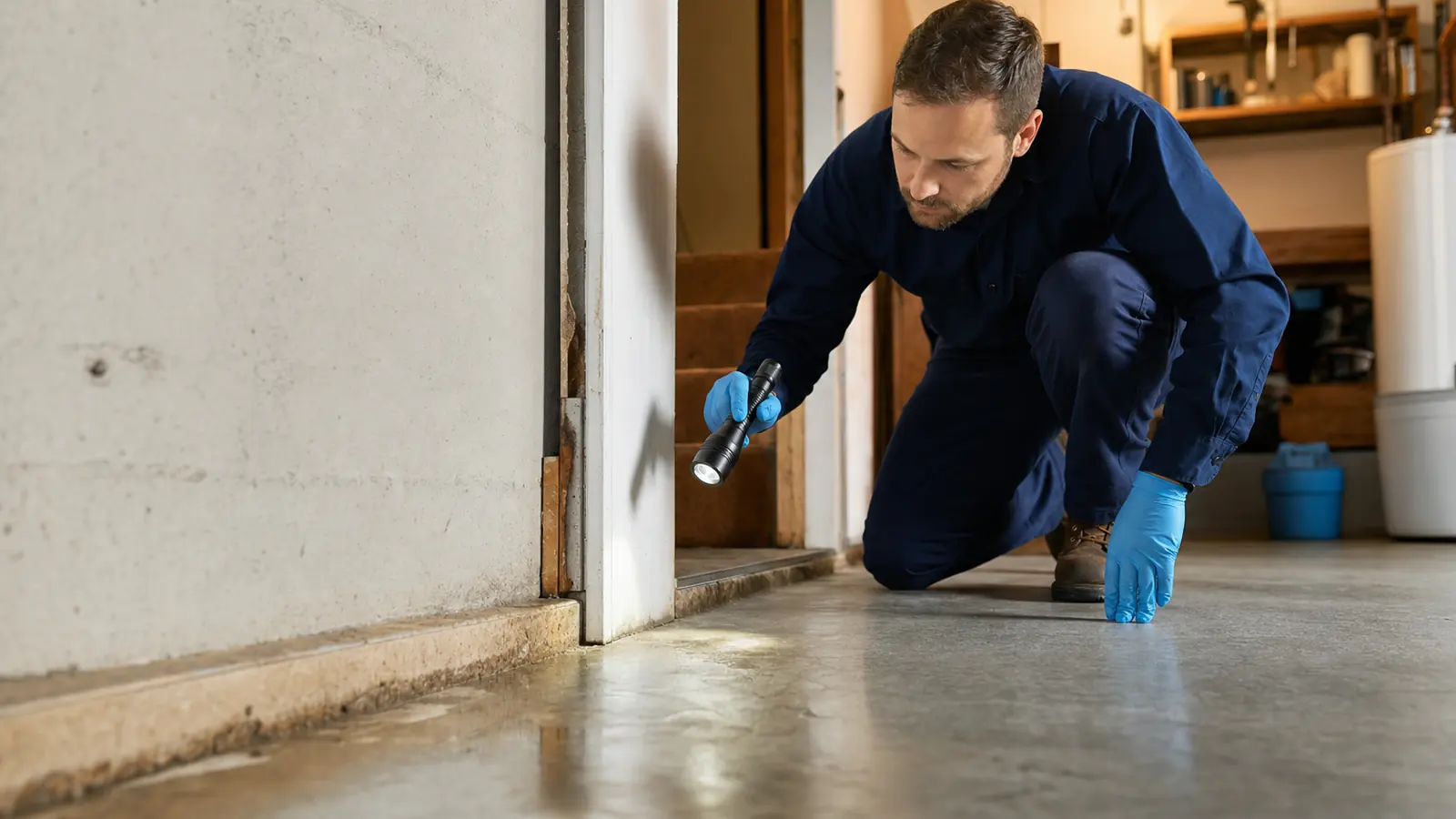
How Paladin actually handles this in the Upstate
This Paladin service follows the same rhythm as every other Upstate visit, identify, correct conditions, target harborage, document, schedule any follow-up before we leave. The result is fewer surprises, less product applied in living areas, and a written record you can read.
A first Paladin visit is intended to document the activity, inspect relevant areas, and explain the proposed scope before work begins. Appointment timing and the exact inspection areas depend on the request and property access. Call (864) 816-7658 or use the contact form so the office can confirm the current options.
Paladin is based in Boiling Springs, SC and serves the approved Upstate locations listed on this site. Each recommendation should be tied to conditions documented at the property, including pest evidence, moisture, entry points, food, water, shelter, and access. The office confirms address availability without promising a route frequency or response window.
How a Paladin visit actually works
Four steps. Same rhythm whether the visit is one-time, quarterly, or an emergency.
Listen
We start on the phone or at your door with what you've actually been seeing, where, when, and what you've already tried.
Identify
We confirm the species and the harborage at the wall. No blanket spraying, no guess-and-treat.
Treat targeted
Application goes where the pest lives, cabinet hinges, wall voids, perimeter cracks. Living-room surfaces stay clean.
Document & follow up
We leave a written record of what we used and where, and the next visit is scheduled before we leave.
Keep exploring Paladin
Related Paladin services and guides for Upstate homeowners.
Related Paladin services
kid and pet safety guidance
Learn more about how Paladin handles this for Upstate families.
Read more →Integrated Pest Management
Learn more about how Paladin handles this for Upstate families.
Read more →pest-proofing your home
Learn more about how Paladin handles this for Upstate families.
Read more →browse Paladin services
Learn more about how Paladin handles this for Upstate families.
Read more →Ready to shield your family?
One call to Paladin and we’ll meet you where you are, from a quick walk-through to a long-term protection plan.