Upstate South Carolina · Pest control built around your household
Pest Proofing Your Home in Spartanburg, SC
Pest-proofing your Upstate home is a project, not a day. Walk the exterior envelope, fix water and food sources, seal entry points by size class, and treat the few interior chase points pests use. This guide walks each room and…
- Careful, targeted treatments built around your household
- Local Upstate route, real callbacks from our Spartanburg office
- Honest scoping, never a sales script
Quick Answer
Pest-proofing your Upstate home is a project, not a day. Walk the exterior envelope, fix water and food sources, seal entry points by size class, and treat the few interior chase points pests use. This guide walks each room and exterior zone in the order Paladin uses on a real visit.
For the next step, compare Paladin pest control services, read about Upstate SC service areas, or check where Paladin works across Upstate SC.
Key Takeaways
- Sealing entry points by size class matters: 1/4 inch for mice, 1/2 inch for rats, anything wider for wildlife.
- Water is more important than food, most pests die without water in days, not weeks.
- Most pest pressure starts within 10 feet of the foundation.
- Crawl spaces and attics are the two zones homeowners forget but that pests favor.
- Quarterly visits keep small openings from becoming big problems.
Where do I start outside?
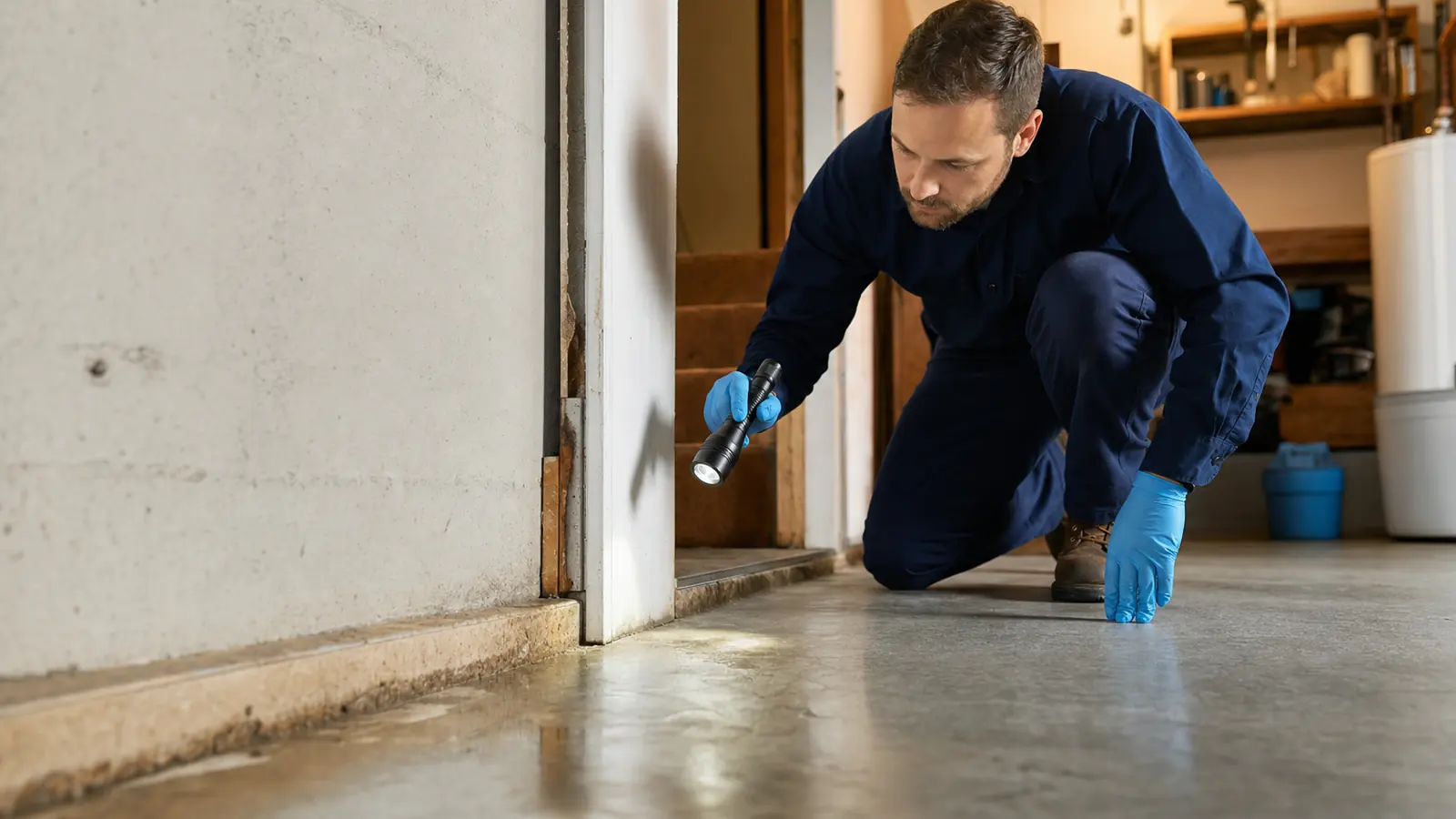
Start at the foundation. Walk the home slowly and look at every penetration, pipes, dryer vents, sill plates, soffit corners, gable vents, crawl-space vents, garage-door bottoms.
Carry a notebook and a small flashlight. Note any opening you can fit a pencil into, that's mouse-sized. Note any opening you can fit a quarter into, that's rat- and wildlife-sized. This connects closely with Entry point sealing when you are comparing next steps.
Walk back from the foundation a few feet. Look at where mulch touches siding (it shouldn't), where gutters drip on a wall (they shouldn't), where shrubs touch the building (they shouldn't), and where wood piles sit against the house (they shouldn't).
What this means for your home
- Pencil-width gaps at pipes, vents, and sill plates are the most common mouse entries
- Crawl-space vent screens tear or rust through more often than homeowners expect
- Soffit corners and gable vents are favorite squirrel and bird access points
- Garage-door sweeps wear out quietly, check the corners every spring
- Anything quarter-sized or larger is rat- and wildlife-capable
What about the kitchen and bath?
These are the two rooms where DIY pest-proofing pays off the fastest, because they offer the food and water pests need most.
Kitchen: pull the dishwasher out once a year if you can. The pan under it collects crumbs and water, both magnets. Look behind the fridge. Check the gap where plumbing comes through the back of base cabinets, most of these are wider than the pipe and never sealed. Homeowners seeing similar pressure can also review Silverfish control before scheduling.
Bath: the bath fan should vent outside, not into the attic. Check the gasket around the tub access panel (if there is one). Check under the sink for slow leaks, silverfish, drain flies, and roaches all need that water.
What this means for your home
- The pan under the dishwasher collects crumbs and water, both magnets for roaches and rodents
- Bath fans that vent into the attic instead of outside soak insulation and invite mold and pests
- Slow under-sink drips support silverfish, drain flies, and roaches more than crumbs do
- Pull the fridge and dishwasher once a year, it's the single highest-ROI clean in the kitchen
- Plumbing penetrations behind base cabinets are almost always wider than the pipe and never sealed
Does steel wool actually work to plug a mouse hole?
Yes, copper mesh works even better because it doesn't rust. Either is fine when packed tightly and capped with a sealant compatible with the material.
Talk to the Paladin office.
Ask about the next available appointment and what the inspection includes.
What about the attic and crawl space?
These are the two highest-leverage zones for both pest pressure and home health. If you do nothing else, walk these once a year.
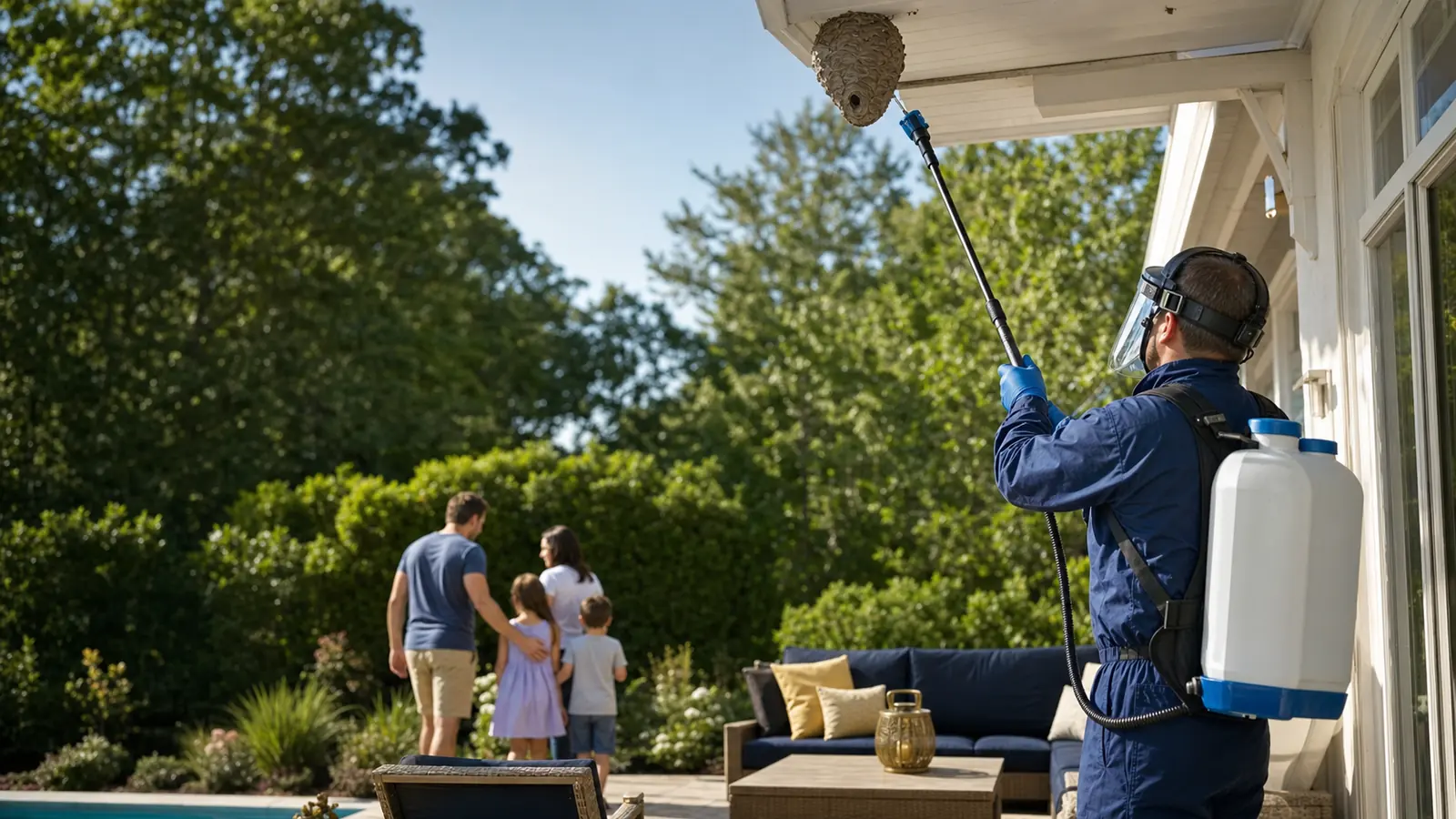
Attic: look at insulation depth and condition. Check for daylight at the soffit corners (a sign of gaps). Look at the chimney chase, any plumbing vents, and bath-fan ducts. Listen. For a wider plan, pair this with Attic wildlife removal so the whole property is covered.
Crawl space: walk the perimeter from inside with a flashlight. Look at the vapor barrier, is it sealed to the piers and walls, or is it loose and torn? Look at sill plates for mud tubes or sawdust. Check the crawl-space door for fit and seal.
What this means for your home
- Insulation that's flattened, stained, or smells musty is usually telling you something
- Vapor barriers that are loose or torn lose most of their value in a single season
- Crawl-space doors that don't seal tight are an open invitation for rodents and snakes
- Daylight visible at a soffit corner means wildlife can see it too
- Mud tubes on sill plates are a termite signal, call before swarming season
When should we just call Paladin?
When you find more than three obvious entry points, when you see active signs (droppings, mud tubes, frass, web nests), or when your fix-it list outpaces a weekend.
We will walk the property with you, identify what we find, separate homeowner maintenance from professional scope, and put any recommended work in writing. Many straightforward gaps can be handled with ordinary sealant or hardware cloth when the location is safe to reach. This connects closely with kids and pets pest control safety when you are comparing next steps.
Reach us at (864) 816-7658 or info@paladinpestsolutions.com. Office hours Mon-Fri 8am-8pm and Sat 10am-4pm.
What this means for your home
- A walk-through visit is fine even if you only want a punch list, we'll point out what's worth handing off
- Spartanburg service is adjusted to the home style, season, and pressure pattern instead of using the same checklist everywhere.
- Greenville service is adjusted to the home style, season, and pressure pattern instead of using the same checklist everywhere.
- Quotes for seal-up work are itemized so you can decide what to DIY and what to hand off
- Quarterly programs and one-time walk-throughs are both honest options, pick the one that fits your home
Family-first by design
We ask who lives in the house before we pick a product
Babies, pregnancies, asthma, immune conditions, pet medical issues, garden beds, beehives, they all change the visit. Paladin treats harborage where pests live, not the surfaces kids and pets touch.
Every visit names what was used, where, and when the area is back to normal. If a different approach is the actual answer, we say so.
How this looks for a real Upstate family
Family-protection work starts before any product. We ask who lives in the house, babies, pregnancies, asthma, immune conditions, pet medical issues, garden beds, beehives, and we choose differently when it matters. The visit treats the harborage where the pests live, not the surfaces kids and pets touch. We name what we used, where we placed it, and how long until the area is back to normal. We listen, and we adjust.
Pest-proofing is a season-of-the-year project, not a single Saturday. The biggest returns are at the crawl-space door, the dryer vent, the garage corner, the soffit edge, and the kitchen plumbing penetration. Tackle one zone at a time and the home gets tighter without ever feeling overwhelming.
A first Paladin visit is intended to document the activity, inspect relevant areas, and explain the proposed scope before work begins. Appointment timing and the exact inspection areas depend on the request and property access. Call (864) 816-7658 or use the contact form so the office can confirm the current options.
Paladin is based in Boiling Springs, SC and serves the approved Upstate locations listed on this site. Each recommendation should be tied to conditions documented at the property, including pest evidence, moisture, entry points, food, water, shelter, and access. The office confirms address availability without promising a route frequency or response window.
How a Paladin visit actually works
Four steps. Same rhythm whether the visit is one-time, quarterly, or an emergency.
Listen
We start on the phone or at your door with what you've actually been seeing, where, when, and what you've already tried.
Identify
We confirm the species and the harborage at the wall. No blanket spraying, no guess-and-treat.
Treat targeted
Application goes where the pest lives, cabinet hinges, wall voids, perimeter cracks. Living-room surfaces stay clean.
Document & follow up
We leave a written record of what we used and where, and the next visit is scheduled before we leave.
Keep exploring Paladin
Related Paladin services and guides for Upstate homeowners.
Related Paladin services
Entry point sealing
Learn more about how Paladin handles this for Upstate families.
Read more →Foundation pest barrier
Learn more about how Paladin handles this for Upstate families.
Read more →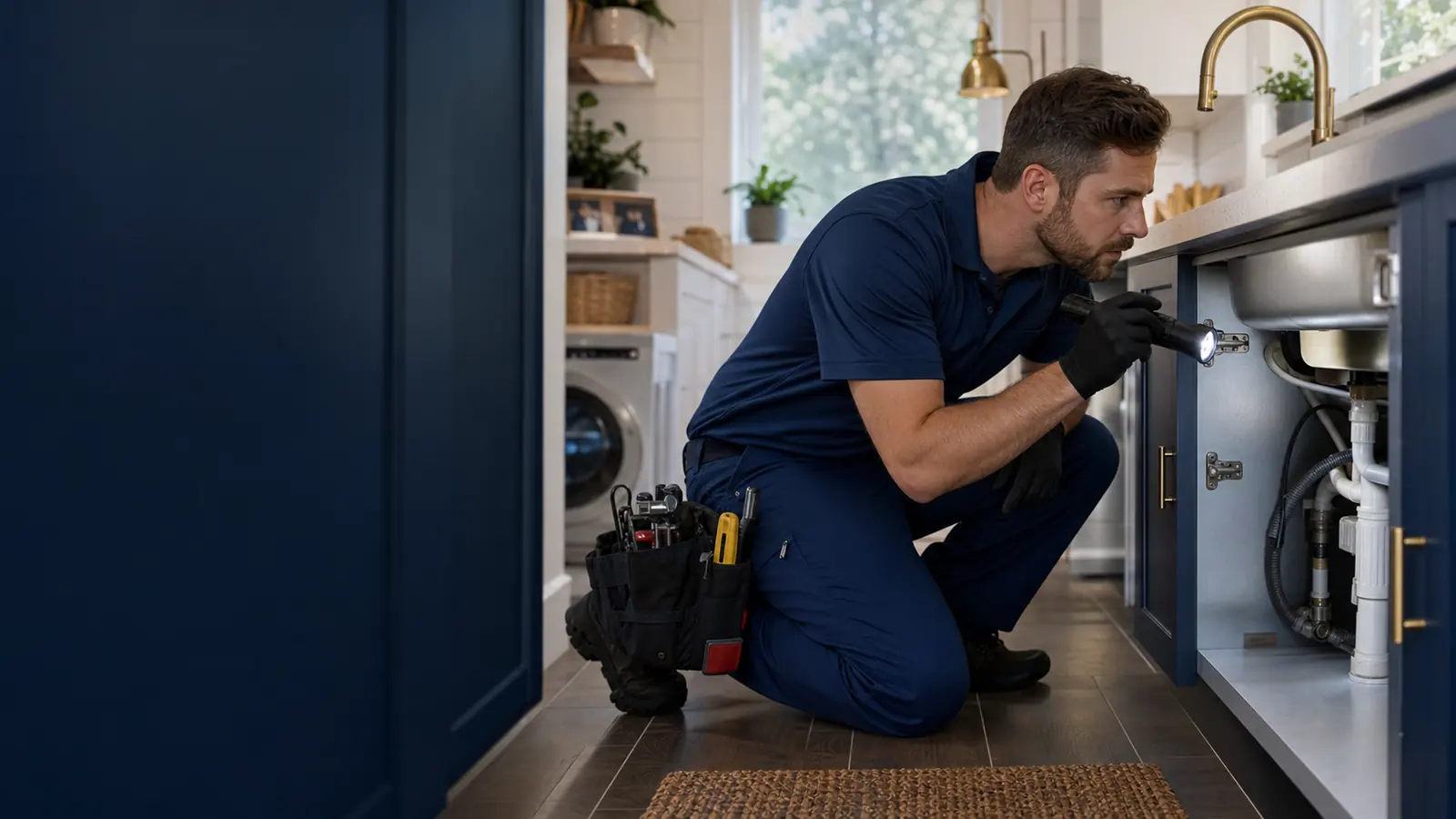
Roach control
Learn more about how Paladin handles this for Upstate families.
Read more →Silverfish control
Learn more about how Paladin handles this for Upstate families.
Read more →
Moisture remediation
Learn more about how Paladin handles this for Upstate families.
Read more →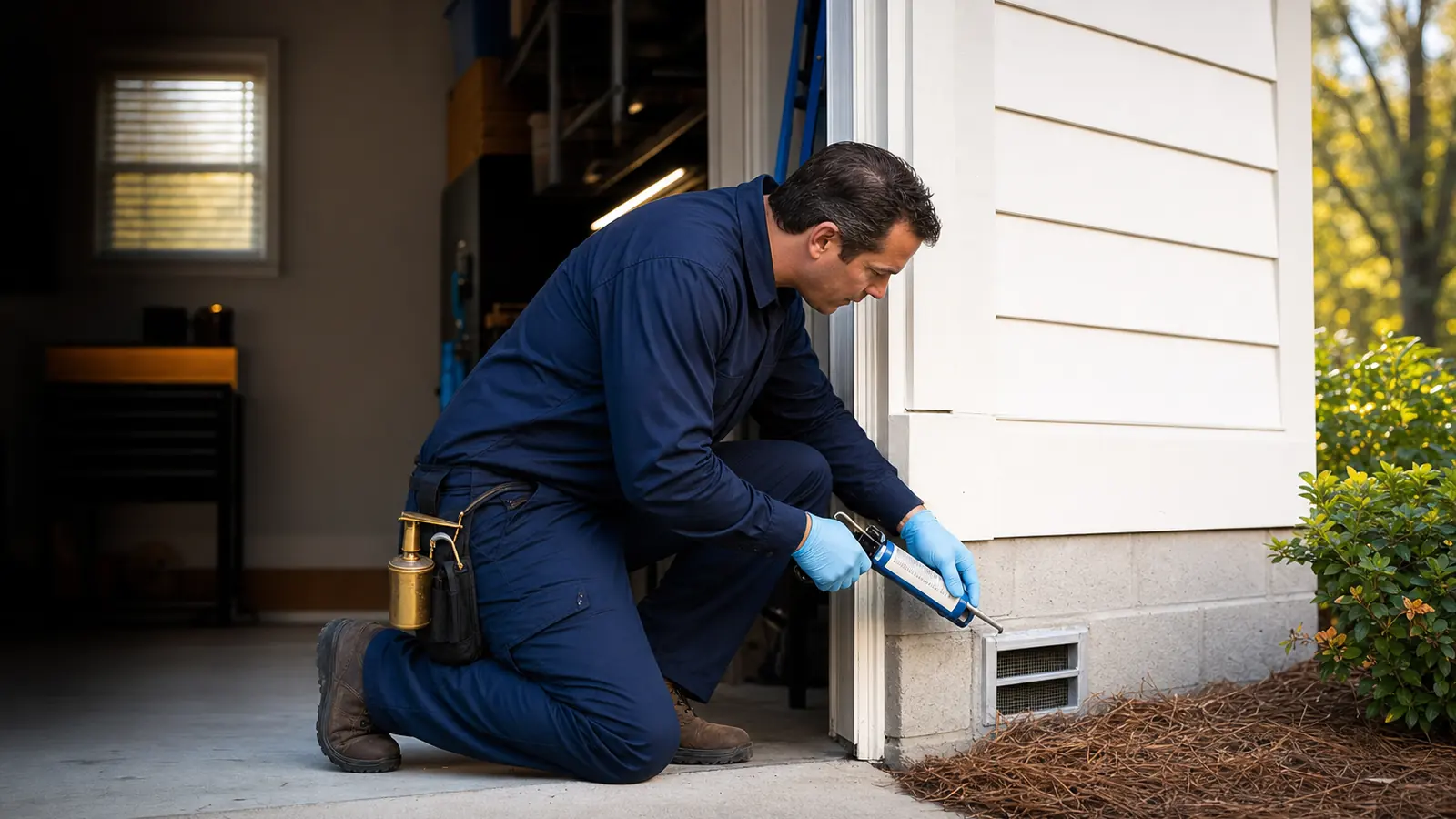
Crawl space rodent control
Learn more about how Paladin handles this for Upstate families.
Read more →Frequently asked questions
How long does pest proofing last?
Mechanical seals (mesh, hardware cloth, sealed sweeps) last for years. Caulking lasts 5-10 years in shaded areas. We re-inspect annually for active customers.
How much does pest proofing cost?
It depends entirely on the home, most homes need a few specific repairs, not an everything-everywhere job. We tell you up front what's worth doing.
Ready to shield your family?
One call to Paladin and we’ll meet you where you are, from a quick walk-through to a long-term protection plan.