Upstate South Carolina · Practical, low-disruption pest work
Yellow Jacket Nests in Spartanburg, SC: Safe Removal
Yellow jacket nests in Spartanburg, SC grow fastest from midsummer into early fall, and the most dangerous ones are hidden in the ground, in wall voids, or under decks where people stumble onto them by accident. The safest…
- Treatments built around how your family actually uses the home
- Local dispatch from Spartanburg across the Upstate
- If a visit isn't needed, we'll say so on the phone
Quick Answer
Yellow jacket nests in Spartanburg, SC grow fastest from midsummer into early fall, and the most dangerous ones are hidden in the ground, in wall voids, or under decks where people stumble onto them by accident. The safest response is to keep your distance, avoid spraying a nest you cannot fully see, and have the colony identified and treated at the source. Yellow jacket nest removal in Spartanburg, SC works best when the entry point is found, the colony is treated, and the void is handled so a new colony does not reuse it.
For the next step, compare wasp and hornet control, read about family protection from wasps, or check where Paladin works across Upstate SC.
Key Takeaways
- Yellow jackets are ground- and void-nesting wasps, so the nest is often hidden, and the first sign is usually steady insect traffic in and out of a single spot in the lawn, wall, or deck.
- Colonies are small in spring and large and defensive by late summer, which is exactly when Spartanburg families spend the most time in the yard.
- Yellow jackets can sting repeatedly and will defend a disturbed nest aggressively, so mowing, blowing leaves, or spraying a partly hidden nest is how most stings happen.
- A store-bought spray aimed at a visible opening rarely reaches the full nest inside a void, which can leave an angry, intact colony behind.
- Safe yellow jacket nest removal finds the true entry point, treats the colony at the source, and addresses the void so the same spot is not reused next season.
How do you know if you have a yellow jacket nest in Spartanburg?
You usually know you have a yellow jacket nest when you see a steady stream of wasps flying in and out of a single point: a hole in the lawn, a gap in siding, a crack near a foundation, or an opening under a deck or step. The insects move with purpose to and from that one spot, especially on warm afternoons, and the traffic builds as summer goes on.
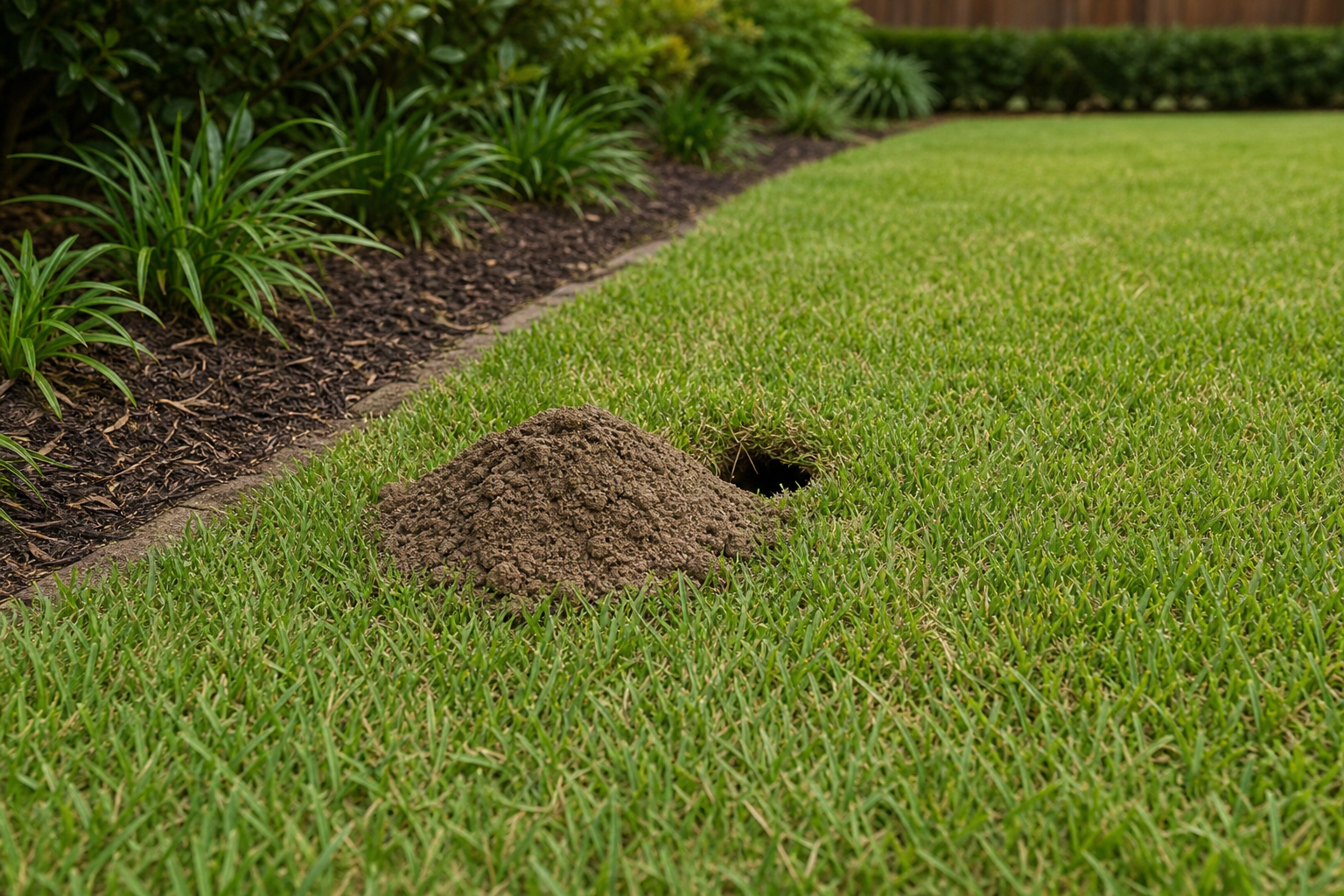
Yellow jackets are not the same as the paper wasps that build open, umbrella-shaped nests under eaves. Yellow jackets are cavity nesters. In Spartanburg yards, that often means an abandoned rodent burrow in the lawn, a void behind siding, a space under a concrete step, or a hollow in a retaining wall. Because the nest itself is hidden, most homeowners notice the traffic before they ever see the nest. Watch for a defined flight line: wasps arriving and leaving from one repeatable point rather than wandering randomly across the yard. This connects closely with Spartanburg pest control when you are comparing next steps.
Timing matters in the Upstate. A yellow jacket colony starts in spring with a single overwintered queen and only a handful of workers. Through June, July, and August the colony grows, sometimes to thousands of workers by late summer. That growth curve is why a nest you never noticed in May can feel like it appeared overnight in August. It did not appear overnight; it simply crossed the threshold where the traffic became impossible to miss. This is also why late June is a smart time to start paying attention, before the colony reaches peak size and peak defensiveness.
If you suspect a nest but cannot find the opening, resist the urge to go poking around at dusk with a flashlight. Instead, watch from a safe distance during active daytime hours and note where the flight line concentrates. That observation is genuinely useful information for a technician, and it keeps you out of stinging range. When you are ready for help, you can describe exactly what you saw to Spartanburg pest control so the visit starts with a clear target instead of a yard-wide search.
What this means for your home
- Look for a defined flight line: wasps entering and leaving one repeatable point.
- Spartanburg service is adjusted to the home style, season, and pressure pattern instead of using the same checklist everywhere.
- Traffic builds through summer as the colony grows, so late-June attention beats an August surprise.
Why are yellow jackets more dangerous than other Upstate wasps?
Yellow jackets are more dangerous than many other Upstate wasps because they nest in hidden cavities, defend the colony aggressively, and can sting repeatedly without dying. A disturbed ground nest can send out dozens of workers at once, which is how a routine chore like mowing or weeding turns into multiple stings in seconds.
Unlike a honey bee, which loses its barbed stinger and dies after one sting, a yellow jacket has a smooth stinger and can sting again and again. When the nest is threatened, workers release an alarm signal that recruits more wasps to defend it. That combination, repeat stings plus group defense, is what makes a hidden yellow jacket nest a real safety concern rather than a nuisance. For anyone with a known venom allergy, the risk is higher still, and a sting event can become a medical emergency. Homeowners seeing similar pressure can also review wasp nest removal before scheduling.
The hidden location is the second half of the danger. A paper wasp nest under an eave is visible, so people naturally give it space. A yellow jacket nest in the lawn or wall is invisible until it is disturbed. The most common Spartanburg sting stories start with an ordinary task: running a lawn mower over a ground hole, raking near a retaining wall, trimming a shrub against the siding, or a child stepping near a deck post. The vibration and disturbance read as an attack to the colony, and the defense is immediate.
Because the consequences can be serious, this is one of the clearer cases where professional help is worth it. The Clemson Cooperative Extension factsheet on yellowjackets notes that a yellowjacket does not leave its stinger behind and can sting several times, which is exactly why a large or hidden nest is best handled carefully rather than with a casual spray. Knowing the behavior is the first step to making a safe decision about what to do next, which is also where stinging insect control comes in.
What this means for your home
- Yellow jackets can sting repeatedly and recruit nestmates to defend the colony.
- Hidden ground and wall nests are disturbed by everyday yard work, causing sudden stings.
- Anyone with a venom allergy faces higher risk, so a careful approach matters.
Can I just spray a yellow jacket nest myself?
You can sometimes treat a small, fully visible paper-wasp nest with a proper wasp spray from a safe distance, but a hidden yellow jacket nest in the ground or a wall is a different situation. The spray usually cannot reach the whole colony, the disturbance provokes the workers, and you can end up with multiple stings and a surviving nest. If the nest is hidden, near foot traffic, or large, or if anyone in the home has a venom allergy, it is safer to have it treated professionally.
Prefer to skip the guessing?
We'll identify the pest, point out conditions, and quote what's actually needed.

Why is DIY yellow jacket nest removal so risky?
DIY yellow jacket nest removal is risky because the nest is usually larger and deeper than the visible opening suggests, and a can of spray aimed at the entrance rarely reaches the whole colony. The disturbance provokes the workers, the spray falls short, and the homeowner is left exposed to repeated stings with an intact, angry nest still in place.
The core problem is that you are treating something you cannot see. A ground nest opening the size of a quarter can lead to a nest cavity the size of a basketball or larger. Consumer wasp sprays are designed to knock down wasps at a visible nest from a distance, but they cannot follow the tunnels and chambers of a hidden colony. The result is a partial knockdown: some workers drop, many do not, and the survivors are now agitated and defensive. That is the worst of both worlds. For a wider plan, pair this with wasp and hornet control so the whole property is covered.
Here is a Top 6 list of common DIY mistakes that lead to Spartanburg yellow jacket stings:
- Spraying a partly hidden opening. The product cannot reach the full void, so the colony survives and reacts.
- Pouring gasoline or boiling water into a ground hole. This is dangerous, damages soil and plants, and still often fails.
- Plugging the entrance. Sealing one opening can drive wasps to chew a new exit, sometimes into the house.
- Working at the wrong time. Midday is peak activity; disturbing the nest then maximizes the defensive response.
- Wearing the wrong clothing. Shorts, sandals, and loose sleeves give stinging insects easy access.
- No exit plan. Standing close with no clear path to retreat turns one sting into many.
None of this means homeowners are helpless. You can reduce risk by keeping lids on outdoor trash, cleaning up fallen fruit and sugary spills, and noting where flight lines concentrate. But the actual removal of a hidden or large nest is a different task with real consequences for getting it wrong. When the nest is in a wall void, under a slab, or anywhere near a high-traffic part of the yard, the safer path is to let a professional handle the treatment rather than improvise.
What this means for your home
- The visible opening hides a much larger nest that sprays cannot fully reach.
- Partial treatment leaves agitated survivors and an intact colony behind.
- Homeowner prevention helps, but removal of a hidden or large nest is best left to a professional.
What does safe yellow jacket nest removal involve?
Safe yellow jacket nest removal involves identifying the species and the true nest location, choosing a treatment time when workers are calmer, applying control product directly into the nest void with proper protective equipment, and then verifying the colony is gone before sealing or correcting the void so it is not reused.
The first step is identification. Confirming that the insects are yellow jackets, and finding where the nest actually is, shapes everything that follows. A ground nest in open lawn is approached differently than a colony inside a wall void next to a bedroom. The technician traces the flight line to the real entry point, which is often a few feet from where the homeowner thought the nest was. Getting that location right is the difference between treating the colony and just annoying it. This connects closely with family protection from wasps when you are comparing next steps.
Timing and protection come next. Yellow jackets are calmer and more fully inside the nest early in the morning or after dusk, so treatment is often timed to the colony's schedule rather than the homeowner's convenience. Proper protective equipment matters because the work happens close to a defensive colony. The product is applied into the nest void itself, where the workers and brood are, rather than misted at an opening. That direct application is what actually collapses the colony instead of scattering it.
The last step is verification and follow-up, which homeowners often skip. After treatment, activity should drop sharply over the following days as returning foragers contact the treated nest. Once the colony is confirmed gone, the void can be cleaned out or sealed so a future queen does not move into the same convenient cavity. If a nest is inside a structure, that may also mean coordinating a small repair. If you want this handled before a backyard event or before the late-summer peak, you can schedule a wasp inspection and describe the flight line you have seen.
What this means for your home
- Identification comes first because the right pest control plan depends on species, activity level, and where the pressure is living.
- Treatment is timed to the colony and uses protective equipment and direct nest application.
- Verification and sealing the void keep a new colony from reusing the same spot.

How can Spartanburg homeowners prevent yellow jacket nests?
Spartanburg homeowners can lower the odds of yellow jacket nests by removing food sources, sealing potential cavities in spring before colonies establish, and checking common nest sites early in the season. Prevention does not guarantee a nest-free yard, but it makes the property less convenient and catches small colonies before they grow large and defensive.
Yellow jackets are drawn to protein in early summer and sugar later in the season, which is why they crash cookouts in August. Keep outdoor trash cans tightly lidded, rinse recycling, clean up fallen fruit, and wipe down sugary spills on patios and decks. Hummingbird feeders, open soda cans, and pet food bowls all read as easy meals. Reducing those attractants will not move an established nest, but it lowers the foraging pressure that draws scouts into your yard in the first place. Homeowners seeing similar pressure can also review wasp nest removal before scheduling.
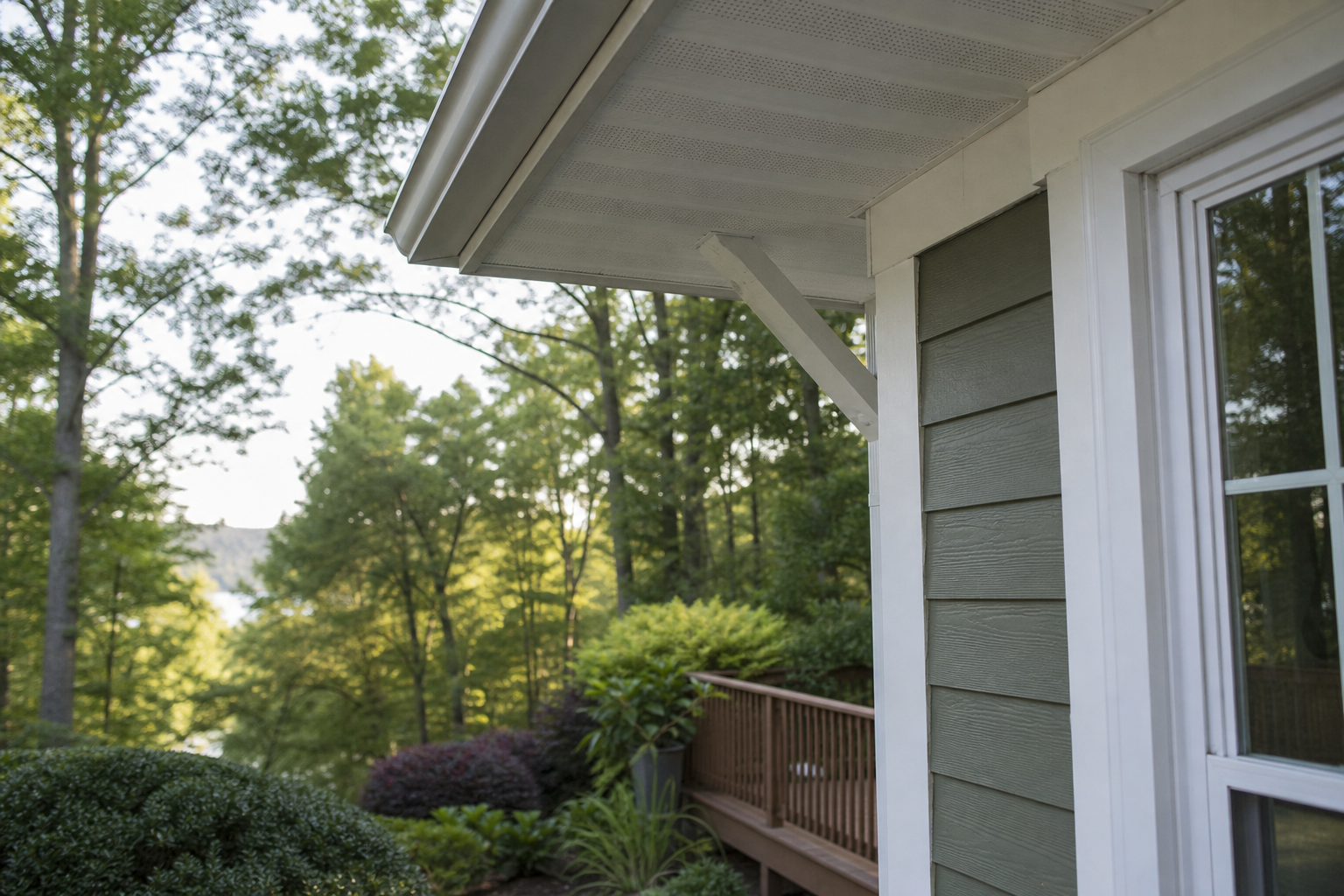
Spring is the quiet window for prevention. Before colonies build, walk the property and look for the kinds of cavities yellow jackets favor: gaps in siding, unscreened vents, cracks around the foundation, hollow fence posts, and old rodent burrows in the lawn. Sealing or correcting these openings in spring is far safer than dealing with them once a colony is inside. The same walk is a good time to note any spots that gave you trouble last year, since a good cavity often attracts a new queen season after season.
Early-season checks are the third piece. A nest that is found in May or June, when the colony is small, is a much smaller problem than the same nest in August. If you see a few wasps repeatedly working one spot early in the season, that is the moment to act, not after the colony has grown. For homes that have had repeated stinging-insect pressure, a seasonal plan can fold these checks into a broader routine. The wider wasp and hornet safety guides walk through how to judge which nests can wait and which should not.
What this means for your home
- Remove protein and sugar attractants like open trash, fallen fruit, and sugary spills.
- Seal cavities such as siding gaps, vents, and foundation cracks in spring before colonies build.
- Catch small colonies early in the season when they are far easier and safer to handle.
When should you call a professional for a yellow jacket nest?
Call a professional when the nest is hidden in the ground, a wall, or a structure, when it sits near a doorway, walkway, or play area, when the colony is large or active, or when anyone in the home has a stinging-insect allergy. These are the situations where a careful, equipped approach matters most and where DIY attempts most often go wrong.
Location is the clearest trigger. A nest near a front door, along a path the kids use, beside a deck where you grill, or inside a wall shared with a bedroom is not something to experiment on. The closer the nest is to daily foot traffic, the higher the chance of an accidental disturbance and the more important it is to remove the colony correctly the first time. A nest tucked in a far back corner of a large lot is a different calculation than one beside the steps you use every day. For a wider plan, pair this with Upstate SC service areas so the whole property is covered.
Colony size and health factors raise the priority. By late summer a mature colony can be very large and very defensive, and the safe margin for a casual approach shrinks. If anyone in the household has a known venom allergy, the math changes entirely: the goal is to keep people away from the nest and let a professional handle it, full stop. There is no prize for proving you can do it yourself when an allergic reaction is on the table.
Paladin Pest Solutions is based in Boiling Springs and serves Spartanburg and the wider Upstate, so a yellow jacket call is local work rather than a national call-center script. A good visit starts with what you have noticed: where the flight line is, when activity peaks, and how close the nest is to where your family spends time. From there, the technician can confirm the species, locate the nest, and recommend a safe treatment and follow-up. To get ahead of the late-summer peak, call (864) 816-7658 or reach Paladin pest service.
What this means for your home
- Nests near doors, walkways, decks, or play areas should be treated by a professional.
- Large late-summer colonies and any venom allergy in the home raise the priority sharply.
- Identification comes first because the right pest control plan depends on species, activity level, and where the pressure is living.
Wasps, hornets, and yellow jackets
Sting-risk inspection at eaves, decks, and play areas
Paladin treats stinging-insect work as a family-safety call. We map active nests on the exterior, eaves, soffit corners, decks, mailboxes, shrubs, and choose timing that puts the family at the lowest risk.
Most paper-wasp nests can be treated late-evening with a residual product and removed safely. Yellow-jacket ground holes need a different protocol and are not a DIY job.
Keep exploring Paladin
Related Paladin services and guides for Upstate homeowners.
- See the full wasp program at Paladin
- Yellow jacket ground-nest removal
- Hornet nest treatment for eaves and decks
- Active wasp nest removal
- Protect your family from wasps and hornets
- Wasp, hornet, and yellow-jacket safety guides
- Find a city near you on our Upstate route
- Tell Paladin what you are seeing and ask about current availability
Related Paladin services

Spartanburg pest control
Learn more about how Paladin handles this for Upstate families.
Read more →wasp and hornet control
Learn more about how Paladin handles this for Upstate families.
Read more →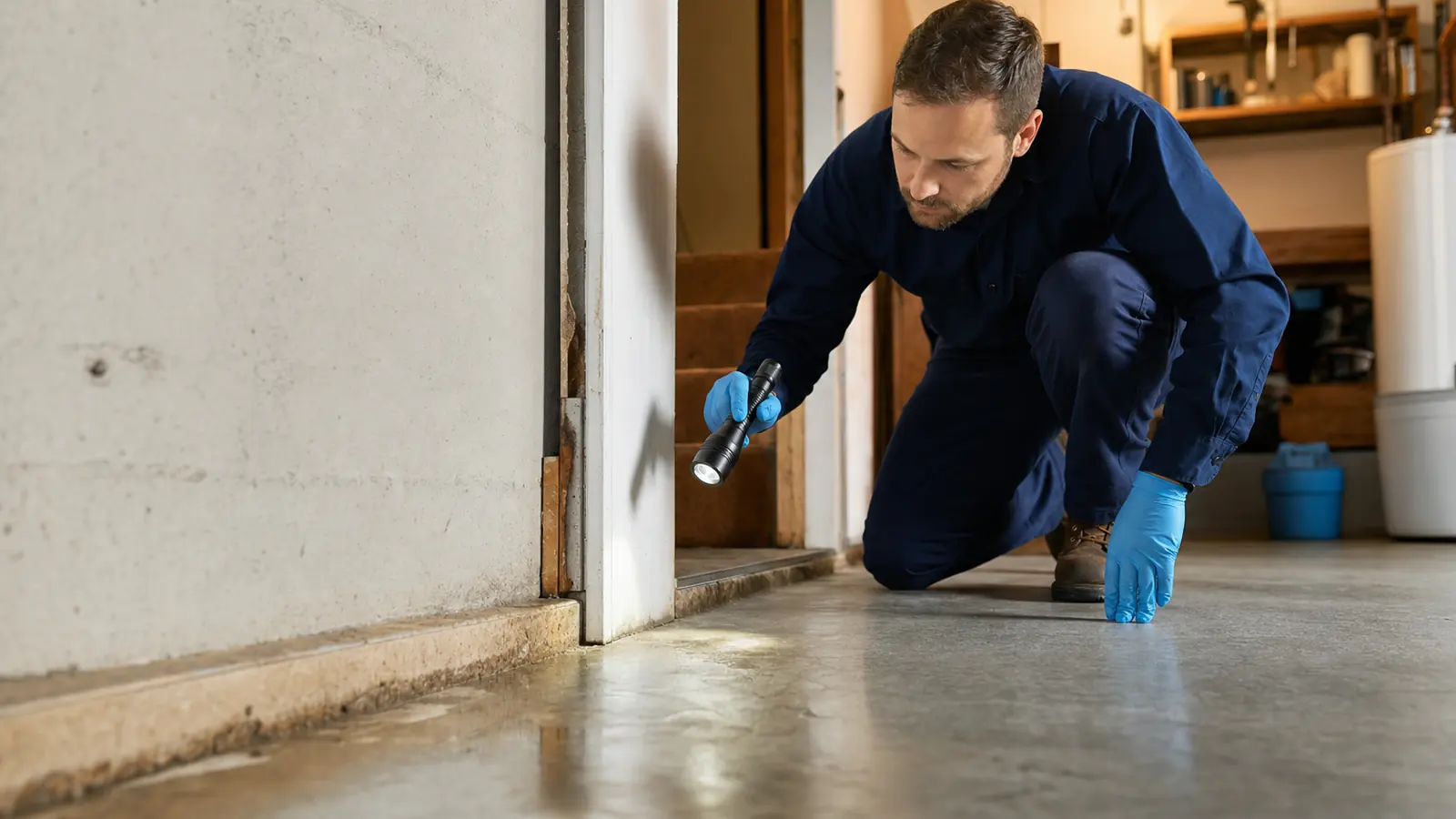
stinging insect control
Learn more about how Paladin handles this for Upstate families.
Read more →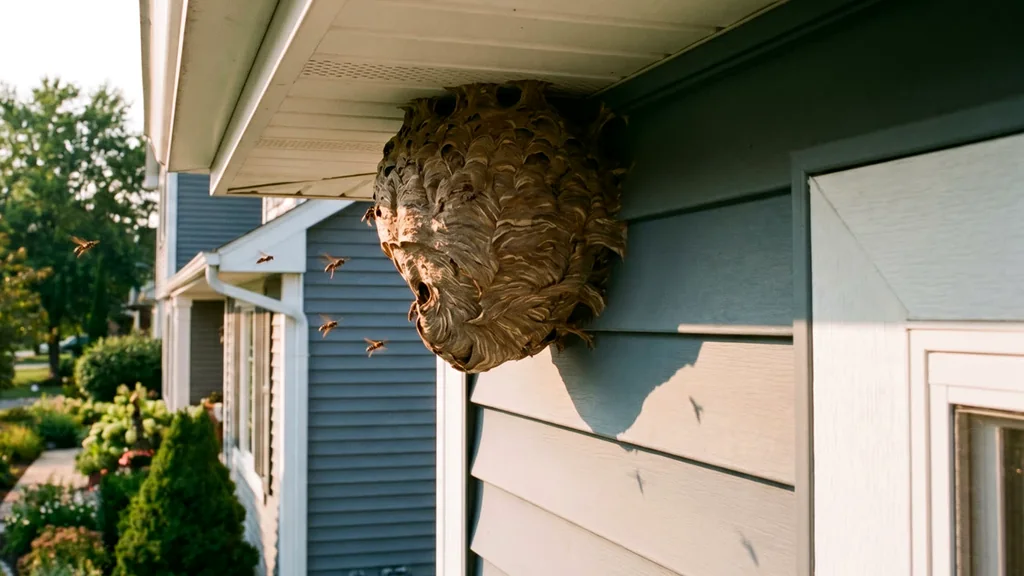
wasp nest removal
Learn more about how Paladin handles this for Upstate families.
Read more →yellow jacket control
Learn more about how Paladin handles this for Upstate families.
Read more →
Spartanburg exterminator service
Learn more about how Paladin handles this for Upstate families.
Read more →Frequently asked questions
What time of year are yellow jackets worst in Spartanburg, SC?
Yellow jacket colonies are smallest in spring and reach peak size and defensiveness from midsummer into early fall. In Spartanburg that usually means late July through September is the most active and aggressive window, which is also when families spend the most time outdoors. Starting to watch for flight lines in June helps you catch a colony before it reaches that peak.
Where do yellow jackets usually build nests around a home?
Yellow jackets favor hidden cavities. Common spots include old rodent burrows in the lawn, voids behind siding, gaps around the foundation, spaces under decks and steps, hollow fence posts, and unscreened vents. Because the nest is concealed, homeowners usually notice steady wasp traffic to a single point before they ever see the nest itself.
How is a yellow jacket different from a paper wasp or hornet?
Paper wasps build open, umbrella-shaped nests in visible spots like eaves, so people tend to give them space. Yellow jackets nest in hidden ground or wall cavities, which makes accidental disturbance more likely. Hornets are larger and often build enclosed aerial nests. The hidden, cavity-nesting habit is what makes yellow jackets a more common source of surprise stings during yard work.
Is it safe to plug a yellow jacket ground nest hole?
Sealing the entrance is not a reliable fix and can make things worse. Trapped workers may chew a new exit, sometimes into a wall or living space, and the disturbance can trigger defensive stinging. Effective removal treats the colony inside the void first; only after the colony is confirmed gone should the cavity be cleaned out or sealed to prevent reuse.
How long does it take for a treated yellow jacket nest to die off?
After a proper treatment that reaches the nest void, activity typically drops sharply within a day or two as returning foragers contact the treated nest, and the colony usually collapses within several days. It is normal to see a few stragglers during that window. If steady traffic continues after that, the nest may not have been fully reached, and a follow-up visit should be scheduled.
Ready to shield your family?
One call to Paladin and we’ll meet you where you are, from a quick walk-through to a long-term protection plan.