Upstate South Carolina · Pest control for homes with kids and pets
Quarterly Pest Control in Lyman, SC: Family Plan Tips
Quarterly pest control in Lyman, SC gives a family a regular prevention rhythm instead of waiting for ants, roaches, spiders, wasps, or occasional invaders to become a bigger problem. A good plan checks entry points, moisture…
- We identify the species first, then treat the actual harborage
- Same Upstate technicians on your route, visit after visit
- Clear notes after every visit, what we did and why
Quick Answer
Quarterly pest control in Lyman, SC gives a family a regular prevention rhythm instead of waiting for ants, roaches, spiders, wasps, or occasional invaders to become a bigger problem. A good plan checks entry points, moisture clues, exterior pressure, interior concerns, and seasonal pest changes at every visit.
For the next step, compare Paladin pest control services, read about Upstate SC service areas, or check where Paladin works across Upstate SC.
Key Takeaways
- Quarterly service is built around prevention, inspection, and seasonal adjustment, not a one-size spray route.
- Lyman homes see changing pest pressure through the year because warm weather, rain, mulch beds, crawl spaces, and porch lights all affect activity.
- The best visit starts with what the family noticed since the last service, then checks exterior pressure before treating targeted areas.
- A quarterly plan should include clear notes, family-safe product placement, and advice on simple homeowner fixes that reduce pest pressure.
- Professional help is worth considering when pests return between visits, when nests appear near family spaces, or when moisture and entry gaps keep feeding activity.
What does quarterly pest control cover in Lyman, SC?
Quarterly pest control in Lyman, SC usually covers exterior inspection, perimeter treatment, entry-point review, targeted interior service when needed, and seasonal pest prevention. The goal is to lower pest pressure before insects and rodents move into family spaces.
A useful quarterly visit is more than a calendar appointment. It is a reset point for the home. In Lyman, warm seasons can push ants, spiders, roaches, wasps, mosquitoes, and occasional invaders closer to doors, crawl-space openings, garages, and shaded porch areas. A technician should check what changed around the property since the last visit, then adjust the plan instead of repeating the same route every time. This connects closely with Lyman pest control when you are comparing next steps.
The exterior inspection matters because most routine household pests begin outside. Mulch beds, downspouts, stacked firewood, crawl doors, door thresholds, garage seals, utility penetrations, and porch lighting all affect pest pressure. If ant trails are forming near a kitchen wall, the real route may start at the foundation. If spiders keep appearing inside, the issue may be the insects gathering around lights and entry gaps. That is why a quarterly plan connects naturally with quarterly pest control service instead of one-time indoor spraying.
The U.S. Environmental Protection Agency integrated pest management guidance explains that pest control should start with monitoring, identification, prevention, and targeted treatment. That is the right mindset for recurring service. The visit should identify current activity, reduce the conditions that support it, and place products where they belong rather than treating every visible surface.
What this means for your home
- Quarterly service should adjust to the season and the home, not follow a blind script.
- Family and pet awareness means we explain treated areas, re-entry timing, and simple prep steps before work begins.
- Lyman service is adjusted to the home style, season, and pressure pattern instead of using the same checklist everywhere.
Why do Lyman families need a seasonal pest plan?
Lyman families need a seasonal pest plan because pest pressure changes with weather, rain, nesting cycles, and household activity. Ants, roaches, spiders, wasps, fleas, ticks, and occasional invaders do not all peak at the same time.
A quarterly schedule lines up with the way pest pressure moves across the year. Spring often brings ants, wasps, and termite concerns. Summer can increase mosquitoes, fleas, ticks, spiders, and roach activity around moisture. Fall drives more occasional invaders and rodents toward protected spaces. Winter does not erase pest pressure; it simply shifts the inspection toward gaps, garages, crawl spaces, and warm indoor routes. Homeowners seeing similar pressure can also review kids, pets, and pest control safety before scheduling.
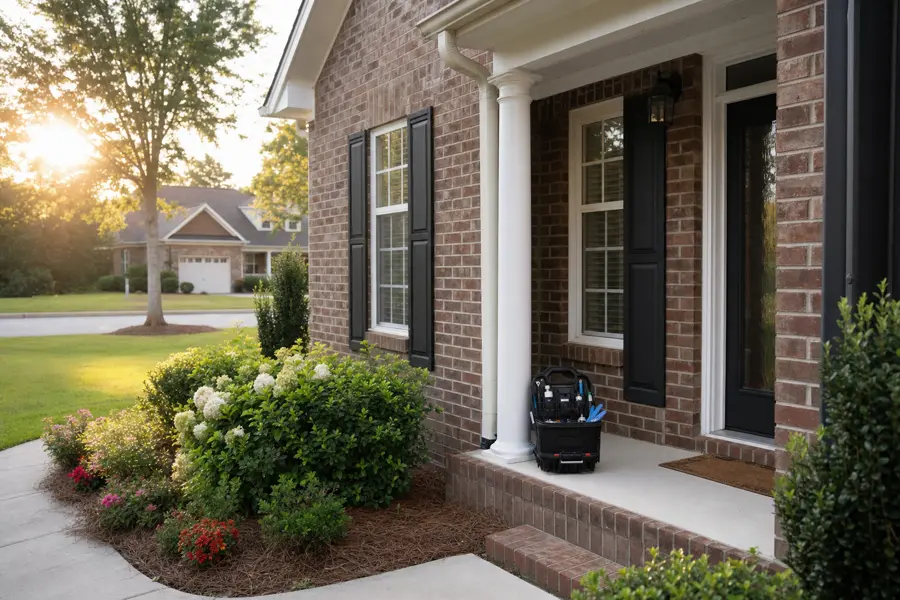
For a family home, the service plan should pay attention to where people and pets actually spend time. That includes porch furniture, play areas, pet bowls, garage doors, trash storage, crawl-space access, and the paths kids use to come in from the yard. A quarterly visit can check those areas without turning the home into a treatment zone. The best prevention often happens around cracks, voids, exterior edges, and entry points rather than in the middle of family living spaces.
A practical seasonal plan also gives the family a record. If ants appear in the same bathroom every spring, that pattern matters. If wasps build near the same porch column in late summer, that pattern matters too. If roaches show up after long rainy stretches, moisture and utility penetrations deserve another look. Paladin Pest Solutions can connect those patterns with Lyman pest control so the next visit is based on what is happening at the property, not a generic checklist.
What this means for your home
- Different pests peak during different parts of the Upstate year.
- Family and pet awareness means we explain treated areas, re-entry timing, and simple prep steps before work begins.
- Service notes should tell you what was found, what was treated, and what to watch for before the next visit.
Is quarterly pest control worth it for every Lyman home?
Quarterly pest control is most useful when a home has recurring seasonal pests, crawl-space access, porch activity, pets, kids using the yard, or past problems with ants, roaches, spiders, wasps, fleas, ticks, or rodents. A very low-pressure home may only need occasional service, but recurring activity usually benefits from a prevention plan.
Not sure what you're dealing with?
Tell us the activity you've noticed and we'll point you the right direction.
What are 7 checks that belong in a quarterly visit?
Seven checks belong in a strong quarterly visit: exterior pest pressure, entry points, moisture clues, crawl-space access, garage and door seals, porch and yard activity, and interior sightings since the last service. Together, these checks help prevent small issues from spreading.
Use this list to understand what a thorough visit should cover. It does not mean every visit needs the same treatment. It means the technician should look for the conditions that make pest activity likely, then explain what needs treatment, what needs exclusion, and what the family can change between visits. For a wider plan, pair this with residential pest control so the whole property is covered.
- Foundation pest pressure. Check mulch beds, soil edges, cracks, and utility penetrations for trails, shelter, and gaps.
- Door and garage seals. Look for light under doors, worn weatherstripping, and gaps at corners.
- Moisture clues. Inspect downspouts, hose bibs, damp crawl doors, and shaded soil that stays wet.
- Crawl-space access. Review the crawl door, vents, pipe openings, and signs of rodent or insect movement.
- Porch and deck activity. Watch for wasp starts, spider webs, and insects gathering near lights.
- Pet and play areas. Ask about fleas, ticks, ants, and mosquito pressure where the family spends time.
- Indoor sightings. Review where pests appeared since the last visit so the route can be traced back to a source.
These checks work because they focus on the property as a system. A roach in a bathroom may be tied to moisture, a plumbing gap, or activity near the crawl space. Ants near the sink may be following a foundation trail. Spiders in a hallway may be feeding on insects that gather near an exterior light. When the service visit follows those clues, it supports home pest inspection rather than quick guesswork.
What this means for your home
- A quarterly visit should include inspection, treatment.
- Entry points and moisture clues often explain why pests return between visits.
- Indoor sightings should be traced back to outside routes when possible.
How does quarterly service protect kids and pets?
Quarterly service protects kids and pets by focusing treatment where pests travel, not where family contact is highest. A technician should explain product placement, access guidance, drying time when relevant, and simple steps that reduce pest pressure between visits.
Families often worry that pest control means heavy product use inside the home. A better quarterly plan does the opposite. It starts outside, checks the conditions that pests use, and uses interior service only when the inspection supports it. Cracks, voids, exterior edges, garage thresholds, crawl-space access points, and pest routes are different from toys, pet bedding, kitchen counters, and playroom floors. This connects closely with kids and pets pest control safety when you are comparing next steps.
The honest limitation is that no pest control plan removes the need for label directions and common sense. If a product has a drying time or access instruction, the family needs to hear it clearly. If a treatment area should stay undisturbed, that should be explained before the technician leaves. If a pet has a sensitive area, an outdoor kennel, or a favorite sleeping spot near a threshold, the service plan should account for that rather than treating around it casually.
Paladin Pest Solutions built the site around protecting families from ants, wasps, roaches, mosquitoes, ticks, and other pests. That family-first idea only works when the service is specific. A visit for protecting your family from ants may focus on trails and cracks, while flea or tick pressure may require a yard and pet-area conversation. Quarterly service keeps those conversations recurring instead of waiting until the problem is already stressful.
What this means for your home
- Family and pet awareness means we explain treated areas, re-entry timing, and simple prep steps before work begins.
- Exterior and crack-and-crevice work can reduce pest pressure without unnecessary indoor treatment.
When should a family call between quarterly visits?
A family should call between quarterly visits when pests return quickly, when stinging insects build near family spaces, when droppings or gnaw marks appear, when fleas or ticks affect pets, or when moisture seems to be feeding repeat activity.
Quarterly service reduces risk, but it is not a promise that nature will stay on schedule. Heavy rain, yard work, nearby construction, new mulch, travel, guests, pet activity, and changing weather can all move pests. Calling between visits is not a failure of the plan. It is how the plan stays accurate. Homeowners seeing similar pressure can also review pest-proofing your home before scheduling.
Some situations should not wait for the next scheduled visit. Wasps near a porch, playset, doorway, or grill area create a safety concern. Rodent droppings in a garage or crawl space should be handled before the route becomes established. Fleas and ticks can move from yard to pet bedding quickly. Roaches near kitchens or bathrooms may point to moisture and hidden gaps. Repeat ants after a store-bought spray often mean the trail or colony source was not addressed.
When you call, give the details that help the technician make a better decision. Say where you saw the pest, when it appeared, whether rain or yard work happened recently, whether pets or kids use that area, and whether you tried anything already. That information helps Paladin decide whether the issue belongs with one-time pest control, the existing quarterly plan, or a more specific service such as wasp, rodent, ant, or moisture-related work.
What this means for your home
- Condition correction lowers repeat pressure by addressing moisture, food sources, harborage, and easy entry points.
- Stinging insects, rodents, fleas, ticks, and repeated roach or ant activity should not be ignored.
- Useful details help the technician target the actual source instead of guessing.
What should happen after each quarterly pest visit?
After each quarterly pest visit, you should know what was found, what was treated, what the technician recommends, and what to watch before the next appointment. Clear service notes make the plan easier to trust and improve.
The end of the visit matters. A homeowner should not be left wondering what happened. Good notes explain active pest pressure, likely entry points, treatment areas, product placement guidance where relevant, and homeowner steps that may help. Those steps might be simple: trim vegetation off the siding, move firewood away from the wall, fix a door sweep, reduce moisture near a crawl door, or keep pet food sealed. For a wider plan, pair this with Upstate SC service areas so the whole property is covered.
A quarterly plan also needs feedback. If the last visit reduced ants but spiders increased near the porch, say that. If mosquitoes are worse near a low area after rain, say that too. If the family has a new puppy, a new play area, or someone with sensitivities in the home, the technician should know before treatment starts. Pest control works better when service notes and family feedback meet in the middle.
Paladin Pest Solutions serves Lyman and nearby Upstate communities from its Boiling Springs base. If your current plan feels generic, the next step is to ask for a visit that reviews the home, the yard, and the family-use areas together. Call (864) 816-7658 or use the form to contact Paladin Pest Solutions and describe what you want the quarterly plan to cover.
What this means for your home
- Follow-up visits confirm whether the pest control activity is dropping and whether any new entry points or pressure signs appeared.
- Family and pet awareness means we explain treated areas, re-entry timing, and simple prep steps before work begins.
- Appointment timing depends on route openings and urgency, so tell the office what's been happening and where you've been spotting it.
Family-first by design
We ask who lives in the house before we pick a product
Babies, pregnancies, asthma, immune conditions, pet medical issues, garden beds, beehives, they all change the visit. Paladin treats harborage where pests live, not the surfaces kids and pets touch.
Every visit names what was used, where, and when the area is back to normal. If a different approach is the actual answer, we say so.
Keep exploring Paladin
Related Paladin services and guides for Upstate homeowners.
Related Paladin services

quarterly pest control service
Learn more about how Paladin handles this for Upstate families.
Read more →
Lyman pest control
Learn more about how Paladin handles this for Upstate families.
Read more →kids, pets, and pest control safety
Learn more about how Paladin handles this for Upstate families.
Read more →
home pest inspection
Learn more about how Paladin handles this for Upstate families.
Read more →entry point sealing
Learn more about how Paladin handles this for Upstate families.
Read more →
protecting your family from ants
Learn more about how Paladin handles this for Upstate families.
Read more →Frequently asked questions
How often should pest control be done in Lyman, SC?
Many Lyman homes do well with quarterly pest control because the schedule catches seasonal changes before they become large indoor problems. Some homes may need more frequent follow-up for a specific issue, while low-pressure homes may use one-time service. The right schedule depends on pest history, moisture, pets, and entry points.
Does quarterly pest control include inside treatment?
Quarterly service can include inside treatment when the inspection supports it, but it should not rely on routine indoor spraying by default. Many visits focus on exterior pressure, cracks, voids, entry points, and family-safe prevention. Interior work should target actual sightings, routes, or pest evidence.
What pests are usually covered by a quarterly plan?
A general quarterly plan often focuses on common household pests such as ants, spiders, roaches, occasional invaders, and exterior insect pressure. Specialty problems such as termites, bed bugs, wildlife, and some moisture-related work may require a separate inspection or service plan because they involve different methods.
Can quarterly pest control help with wasps?
Quarterly visits can help spot early wasp activity around eaves, porches, lights, fences, and play areas, but active nests may need targeted service between scheduled visits. If wasps are building near a door, grill, or family area, call before the next quarterly appointment so the risk can be handled sooner.
What should I do before a quarterly pest control visit?
Before the visit, note where you have seen pests, move items away from key access areas if possible, secure pets, and tell the technician about kids, sensitive areas, pet spaces, or recent yard work. Clear details help the technician target the right routes and avoid unnecessary treatment in family-contact areas.
Ready to shield your family?
One call to Paladin and we’ll meet you where you are, from a quick walk-through to a long-term protection plan.