Upstate South Carolina · Careful, targeted pest control
Integrated Pest Management Services in Boiling Springs, SC: What a Provider Should Explain
Integrated Pest Management Services in Boiling Springs, SC should follow a clear order. First, a provider identifies what is present. Then thresholds get set. Prevention comes early. Monitoring happens on a steady basis. Targeted…
- Treatments built around how your family actually uses the home
- Local dispatch from Spartanburg across the Upstate
- If a visit isn't needed, we'll say so on the phone
Quick Answer
Integrated Pest Management Services in Boiling Springs, SC should follow a clear order. First, a provider identifies what is present. Then thresholds get set. Prevention comes early. Monitoring happens on a steady basis. Targeted action follows only when needed. Results get reviewed and the plan adjusts.
For the next step, compare Paladin pest control services, read about Upstate SC service areas, or check where Paladin works across Upstate SC.
Key Takeaways
- IPM starts with identification before any action is taken
- Thresholds decide when a response is actually needed
- Prevention and exclusion reduce reliance on other methods
- Monitoring tracks changes and confirms if thresholds are met
- Targeted action follows findings, not a fixed schedule
- Regular review lets the plan adjust to new conditions
- Documentation gives homeowners a clear record over time
What should a provider explain about inspection, thresholds, prevention, monitoring, and targeted action?
A provider should walk through each step in order. This means explaining how the property gets inspected first. It should cover how thresholds get set and what prevention comes early. It should also describe how monitoring works over time. All of this should be clear before work begins.
Integrated Pest Management is a process. It is not a single visit. A provider using this approach should describe each phase before starting work. Homeowners should know what to expect at every stage. This connects closely with residential pest control when you are comparing next steps.
Ask how inspection findings connect to the rest of the plan. A good explanation shows how what is observed shapes the thresholds and prevention steps that follow. Each step should build on the last.
Request a plain description of when monitoring happens. Ask how often it occurs. This helps homeowners understand the ongoing nature of IPM. It is not a one-time fix. For a wider plan, pair this with Upstate SC service areas so the whole property is covered.
The EPA describes Integrated Pest Management as a strategy. It uses information and prevention together with other tactics. The goal is managing pests with as little risk as possible.
What this means for your home
- Boiling Springs service is adjusted to the home style, season, and pressure pattern instead of using the same checklist everywhere.
- Practical takeaway: A provider should walk through each step in order.
- The process should be clear before work starts: inspect, explain findings, treat the right zones, and document the next step.
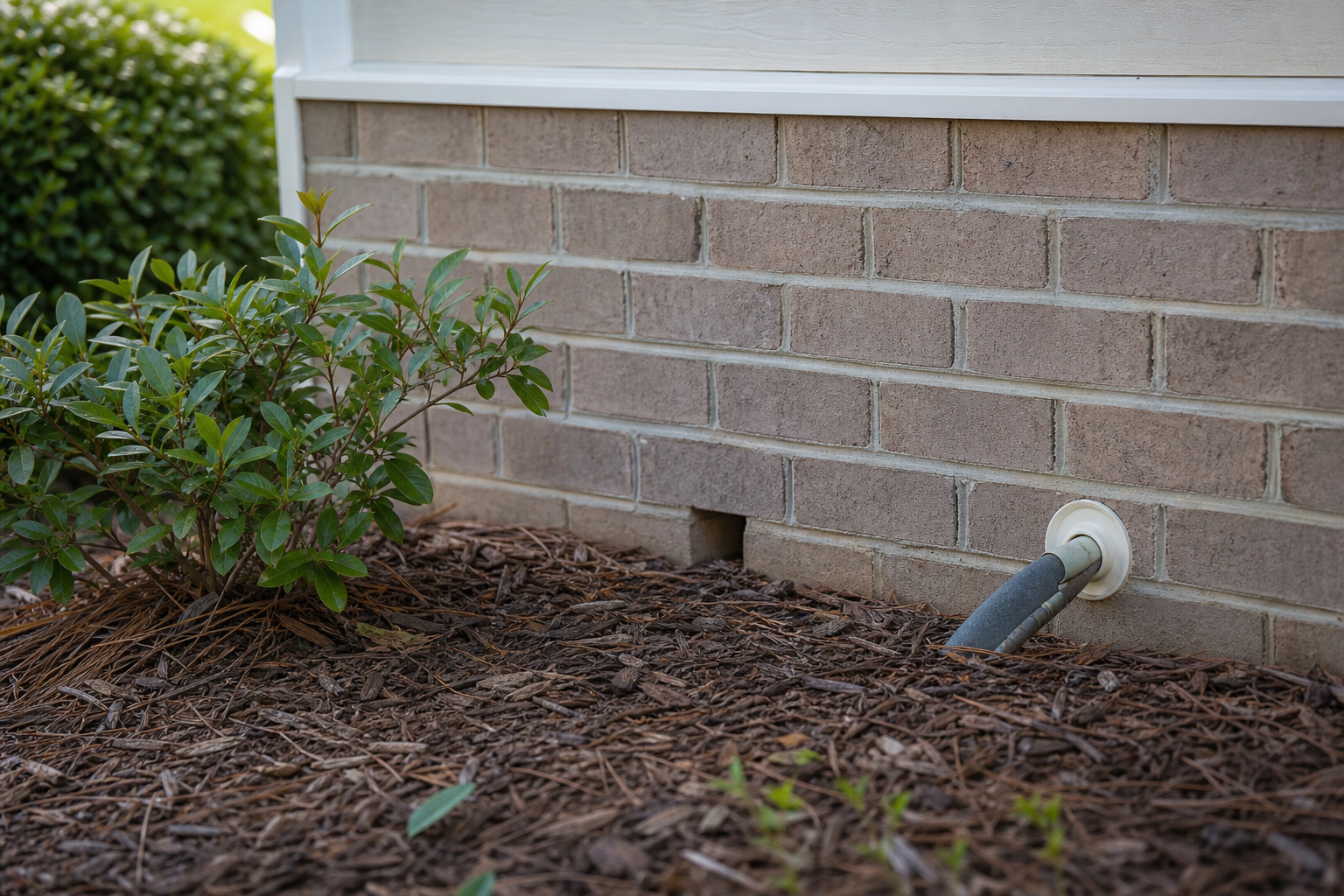
How does a professional inspection support an Integrated Pest Management plan?
A professional inspection gathers observations about the property. This includes entry points, moisture areas, and signs of activity. These findings become the foundation for setting thresholds. They also guide which prevention steps come first. The inspection should be thorough and clearly documented for later reference.
An inspection under an IPM approach looks broadly at the property. It does not focus on just one spot. This includes checking exterior gaps, vents, and common entry areas. Homeowners seeing similar pressure can also review kids and pets pest control safety before scheduling.
Ask what areas get checked during a multi-point inspection. Knowing the scope helps homeowners understand what has been reviewed. It also shows what may need a follow-up look.
Findings should be written down clearly. The homeowner should be able to reference this record later. It supports future monitoring visits and tracks changes over time. This connects closely with requesting service from Paladin when you are comparing next steps.
Homeowners can prepare by noting when and where they saw activity. Sharing these observations gives the inspection more context. It helps focus attention where it matters most.
What this means for your home
- Practical takeaway: A professional inspection gathers observations about the property.
- Service notes should tell you what was found, what was treated, and what to watch for before the next visit.
What makes Integrated Pest Management different from a single treatment visit?
IPM follows a sequence of steps. These include inspection, thresholds, prevention, monitoring, and review. This is different from a one-time treatment. The process adjusts based on what is actually observed at the property over time.
Prefer to skip the guessing?
We'll identify the pest, point out conditions, and quote what's actually needed.
What should a professional Integrated Pest Management inspection document?
An inspection should document what was observed and where. It should note conditions that could support pest activity, such as gaps or moisture. This record supports later decisions about thresholds. It also shapes prevention steps and helps track whether monitoring needs to change going forward.
Good documentation includes specific locations. A note about a gap near a specific vent is more useful than a general comment about the exterior. Detail matters here. For a wider plan, pair this with pest-proofing your home so the whole property is covered.
Photos or written notes help track changes between visits. This makes it easier to see whether a prevention step made a difference. It builds a simple timeline over time.
Ask whether documentation includes prevention steps tied to specific findings. This connects what was seen to what happens next. It keeps the plan grounded in real observations. Homeowners seeing similar pressure can also review residential pest control before scheduling.
Homeowners benefit from keeping copies of this documentation. It creates a simple history to reference during future visits. It also helps if new activity appears later.
What this means for your home
- Documentation should summarize findings, treated areas, product locations where applicable, and the recommended follow-up plan.
- Condition correction lowers repeat pressure by addressing moisture, food sources, harborage, and easy entry points.
- Practical takeaway: An inspection should document what was observed and where.
How are thresholds set within an Integrated Pest Management plan?
Thresholds mark the point where activity calls for a response. Below that point, continued monitoring is enough. A provider should explain how these points get set for a given property. They should also note how thresholds may differ by area of the home or by season.
Not every sighting requires immediate action under an IPM approach. Thresholds help separate minor, isolated observations from patterns that need more attention. This connects closely with Upstate SC service areas when you are comparing next steps.
Ask how thresholds get chosen for a specific home. Structure type, surrounding grounds, and past activity can all play a role. Each property is a little different.
A clear explanation of thresholds helps homeowners understand the pace of a plan. It shows why some findings lead to next steps and others do not. For a wider plan, pair this with kids and pets pest control safety so the whole property is covered.
Thresholds are not fixed forever. They can be adjusted as monitoring provides more information about a property over time.
What this means for your home
- Practical takeaway: Thresholds mark the point where activity calls for a response.
Which findings can change the Integrated Pest Management service scope?
Findings such as new entry points can shift the scope of a plan. Signs of rodent activity matter too. Conditions that support wildlife access are another factor. A provider should explain how these discoveries lead to changes in prevention steps, monitoring frequency, or timing of targeted action.
Some findings are minor and simply get logged for later reference. Others, like a newly found gap near a foundation, may prompt an update to the exclusion plan. Homeowners seeing similar pressure can also review requesting service from Paladin before scheduling.
Ask how the provider decides when a finding is significant. This helps set expectations about how flexible the service will be over time as conditions change.
Rodent activity and signs relevant to wildlife access often prompt a scope discussion. The provider should explain how these are handled within the broader plan. This connects closely with pest-proofing your home when you are comparing next steps.
Homeowners should expect updates in plain language when scope changes. A clear explanation of what changed and why supports an informed decision on next steps.
What this means for your home
- Practical takeaway: Findings such as new entry points can shift the scope of a plan.
Why does prevention come before other Integrated Pest Management steps?
Prevention addresses the conditions that let pests enter or thrive. Gaps, moisture, and clutter near a structure are common examples. Addressing these first can reduce the need for more involved steps later. This is why prevention usually comes early in an IPM plan.
Sealing entry points and reducing attractive conditions are common prevention steps. These address root causes rather than only responding after activity is seen. For a wider plan, pair this with residential pest control so the whole property is covered.
Ask what specific prevention measures apply to a given property. A provider should connect these steps directly to what was found during inspection.
The EPA describes prevention as a key part of reducing pest problems. It lowers reliance on other methods. This makes it a practical starting point for most plans. Homeowners seeing similar pressure can also review requesting service from Paladin before scheduling.
Prevention steps are not one-time actions. They often need periodic review as a property changes, such as after yard work or repairs.
What this means for your home
- Practical takeaway: Prevention addresses the conditions that let pests enter or thrive.
- Condition correction lowers repeat pressure by addressing moisture, food sources, harborage, and easy entry points.
How does ongoing monitoring keep an Integrated Pest Management plan on track?
Monitoring involves regular checks on the property. It confirms whether conditions or activity have changed since the last visit. This tracking shows whether thresholds have been reached. It also helps confirm whether the current plan still fits the property or needs an update.
Monitoring can include visual checks of areas noted during inspection. It also involves a review of any new signs of activity. This creates a pattern of information over time. This connects closely with kids and pets pest control safety when you are comparing next steps.
Ask how often monitoring happens and what gets checked. This helps homeowners understand the pace of a plan and what to expect between visits.
Consistent monitoring helps a provider notice small changes before they grow into larger patterns. This supports the threshold-based approach described earlier. For a wider plan, pair this with residential pest control so the whole property is covered.
Homeowners can support monitoring by reporting new observations between visits. Sharing this information helps keep the plan accurate and current.
What this means for your home
- Practical takeaway: Monitoring involves regular checks on the property.
- Documentation should summarize findings, treated areas, product locations where applicable, and the recommended follow-up plan.
Should targeted action always follow the same schedule?
No, targeted action should follow findings and thresholds. It should not follow a fixed calendar. A provider should explain how monitoring results and threshold levels drive the timing of action. Steps should respond to actual conditions rather than a routine schedule applied regardless of what is found.
Fixed schedules can lead to unnecessary steps when conditions do not call for them. An IPM approach ties action to actual findings instead of a routine. Homeowners seeing similar pressure can also review pest-proofing your home before scheduling.
Ask how the provider decides a threshold has been reached. This should be based on documented observations rather than a general assumption about the property.
Targeted action should be proportional to what was found. A provider should explain why a particular response fits the specific situation on the property. This connects closely with kids and pets pest control safety when you are comparing next steps.
This approach also supports a clearer review process afterward. The reasons for any action are already documented and easy to reference.
What this means for your home
- Targeted treatment focuses on cracks, voids, exterior edges, nesting areas, and travel paths instead of blanket-spraying open surfaces.
- Practical takeaway: No, targeted action should follow findings and thresholds.
- The plan is adjusted for the home type and pest pressure instead of forcing a generic pest control checklist.
How should a provider handle review and plan adjustments over time?
A provider should schedule periodic reviews based on monitoring history. Property changes should factor in too. These reviews confirm whether thresholds, prevention steps, and monitoring frequency still fit current conditions. The plan should be adjusted as needed, with any changes explained clearly to the homeowner.
Properties change over time due to weather, yard work, or repairs. A review checks whether the original plan still matches current conditions on site. For a wider plan, pair this with Upstate SC service areas so the whole property is covered.
Ask how often reviews happen and what triggers an earlier one. Some providers may review after specific findings rather than waiting for a set interval.
A review should reference the documentation gathered from earlier visits. This keeps adjustments grounded in real observations rather than guesswork. Homeowners seeing similar pressure can also review pest-proofing your home before scheduling.
Homeowners should expect a brief explanation of any changes made during a review. This keeps the process transparent and easy to follow.
What this means for your home
- Practical takeaway: A provider should schedule periodic reviews based on monitoring history.
- Documentation should summarize findings, treated areas, product locations where applicable, and the recommended follow-up plan.
Family-first by design
We ask who lives in the house before we pick a product
Babies, pregnancies, asthma, immune conditions, pet medical issues, garden beds, beehives, they all change the visit. Paladin treats harborage where pests live, not the surfaces kids and pets touch.
Every visit names what was used, where, and when the area is back to normal. If a different approach is the actual answer, we say so.
Why this post exists on the Paladin blog
This post was written by someone who actually does this work on Upstate homes, not by a contractor or a marketing team that has never seen the species in person. The Paladin blog exists to answer the questions we hear on real service calls, honestly, in plain English, without selling you a service you do not need. If a post helps you solve the problem on your own, that is a successful post for us. If you read it and decide you would rather have a trained technician on site, that is what the phone is for. Either path is fine.
A first Paladin visit is intended to document the activity, inspect relevant areas, and explain the proposed scope before work begins. Appointment timing and the exact inspection areas depend on the request and property access. Call (864) 816-7658 or use the contact form so the office can confirm the current options.
Paladin is based in Boiling Springs, SC and serves the approved Upstate locations listed on this site. Each recommendation should be tied to conditions documented at the property, including pest evidence, moisture, entry points, food, water, shelter, and access. The office confirms address availability without promising a route frequency or response window.
Keep exploring Paladin
Related Paladin services and guides for Upstate homeowners.
Frequently asked questions
What should I ask a provider about their inspection process before scheduling?
Ask what areas get checked and how findings get documented. Also ask how those findings connect to prevention and monitoring steps. A clear answer shows the provider follows a structured process. It should feel like a real plan, not a generic walk-through of the property.
How do thresholds affect whether action is taken on my property?
Thresholds set the point where observed activity calls for a response. Below that point, monitoring simply continues. A provider should explain how these points get determined for your specific home. They can vary based on your structure, surrounding grounds, and past activity patterns.
Why is prevention emphasized before other steps in an IPM plan?
Prevention addresses conditions like entry points and moisture. These conditions let pests establish themselves in a home. Addressing these first, as EPA guidance describes, can reduce reliance on other methods later. It sets a stronger foundation for the rest of the plan.
What kind of documentation should I expect after an inspection?
You should expect a written or photographic record. It should note what was observed and exactly where it was found. This documentation supports future monitoring visits. It also gives you a clear reference point if conditions on your property change later.
Can findings during monitoring change my service plan?
Yes, new findings can lead to adjustments. Additional entry points or fresh signs of activity are common examples. These might affect prevention steps or how often monitoring happens. A provider should explain any scope changes clearly and tie them directly to specific observations.
How often should an Integrated Pest Management plan be reviewed?
Review frequency varies by property and by provider. It should be based on monitoring history and any notable findings. Ask your provider how they decide when a review is needed. Some use a set schedule, while others review after specific triggers.
Ready to shield your family?
One call to Paladin and we’ll meet you where you are, from a quick walk-through to a long-term protection plan.