Upstate South Carolina · Pest control for homes with kids and pets
Vole Control Pest Control for Upstate South Carolina
Paladin handles vole control the way it actually solves: identify the tunnels and runways, treat or trap the active zones, and adjust the yard conditions feeding the problem. Spraying the lawn alone usually doesn't move the needle.
- We identify the species first, then treat the actual harborage
- Same Upstate technicians on your route, visit after visit
- Clear notes after every visit, what we did and why
Quick Answer
Paladin handles vole control the way it actually solves: identify the tunnels and runways, treat or trap the active zones, and adjust the yard conditions feeding the problem. Spraying the lawn alone usually doesn't move the needle.
For the next step, compare wildlife removal services, read about wildlife exclusion repairs, or check where Paladin works across Upstate SC.
Key Takeaways
- For vole control, we'd rather slow down at the front of the visit than guess at the back.
- Vole control covers the surface-runway voles that damage lawns and landscaping. They tunnel under mulch, eat roots, and create visible surfa
- Vole pressure is highest in winter when overhead cover (snow, leaf litter) lets them travel surface routes safely.
- Mulch over 2-3 inches deep is a major attractor, we'll recommend reducing it where pressure is high.
- Call (864) 816.7658 to schedule vole control. Quarterly programs and one-time visits are both available.
What does Paladin's vole control look like?
A typical vole control visit covers lawn, mulch, garden beds and treats the harborage directly rather than blanket-spraying surfaces.
Vole control covers the surface-runway voles that damage lawns and landscaping. They tunnel under mulch, eat roots, and create visible surface paths. This connects closely with Paladin services overview when you are comparing next steps.
Our protocol: identify active runways, apply bait in tamper-resistant stations at runway entries, and adjust mulch height and landscape habit.
What this means for your home
- Identification comes first because the right pest control plan depends on species, activity level, and where the pressure is living.
- Targeted treatment focuses on cracks, voids, exterior edges, nesting areas, and travel paths instead of blanket-spraying open surfaces.
- Family and pet awareness means we explain treated areas, re-entry timing, and simple prep steps before work begins.
- Service notes should tell you what was found, what was treated, and what to watch for before the next visit.
- Follow-up visits confirm whether the pest control activity is dropping and whether any new entry points or pressure signs appeared.
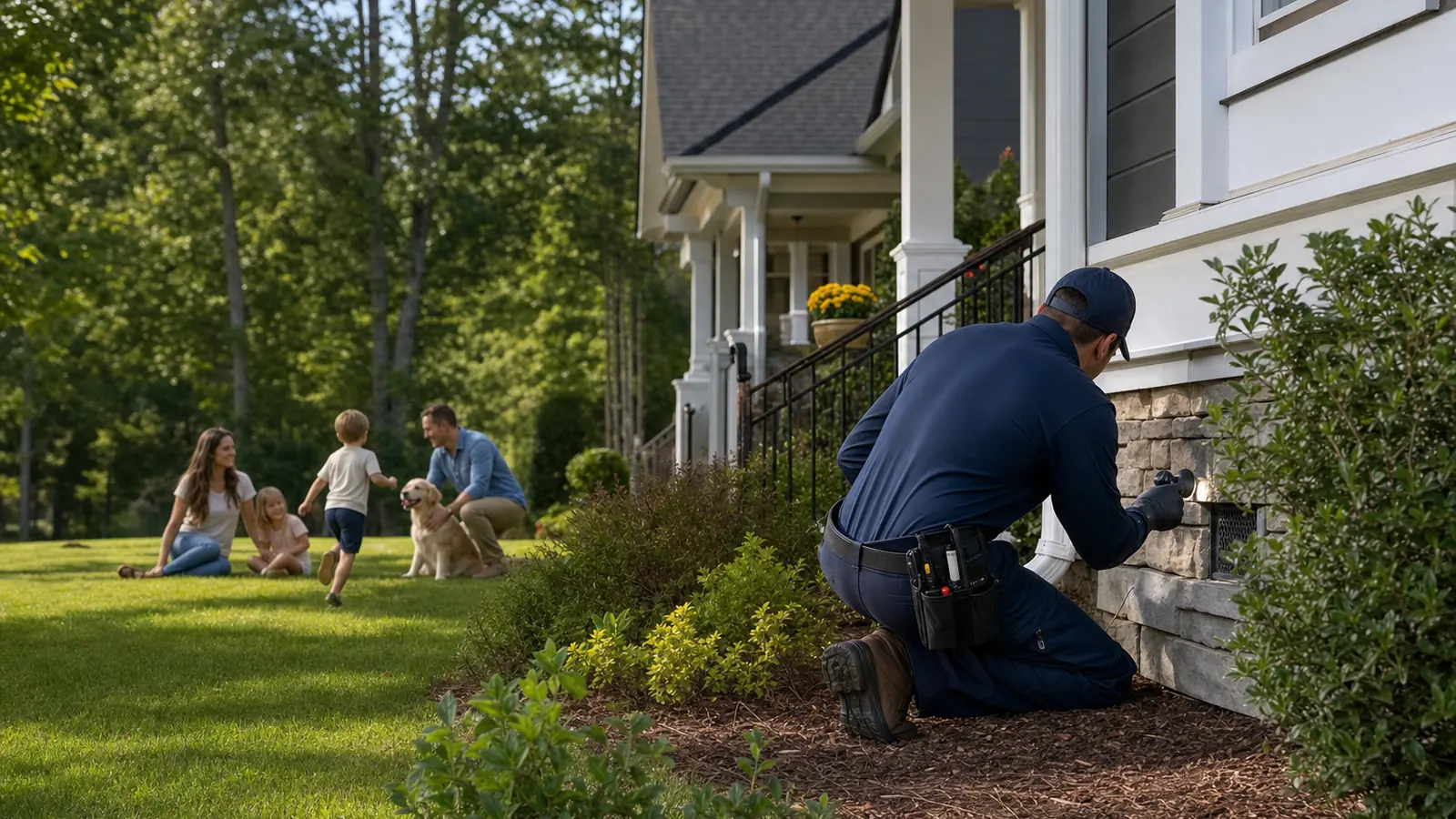
Why are voles a problem in Upstate homes?
Voles are a problem because they surface runways and root damage in landscaping.
Vole pressure is highest in winter when overhead cover (snow, leaf litter) lets them travel surface routes safely. Homeowners seeing similar pressure can also review Quarterly program before scheduling.
Mulch over 2-3 inches deep is a major attractor, we'll recommend reducing it where pressure is high.
What this means for your home
- Spartanburg service is adjusted to the home style, season, and pressure pattern instead of using the same checklist everywhere.
- Documentation should summarize findings, treated areas, product locations where applicable, and the recommended follow-up plan.
- Most Upstate homes are built over a vented crawl space, which means moisture management is a first-class pest-management problem.
How fast can Paladin start vole control in the Upstate?
Same-week scheduling for voles is typical across our Upstate routes. Call (864) 816.7658 and we'll tell you the next open slot.
Not sure what you're dealing with?
Tell us the activity you've noticed and we'll point you the right direction.
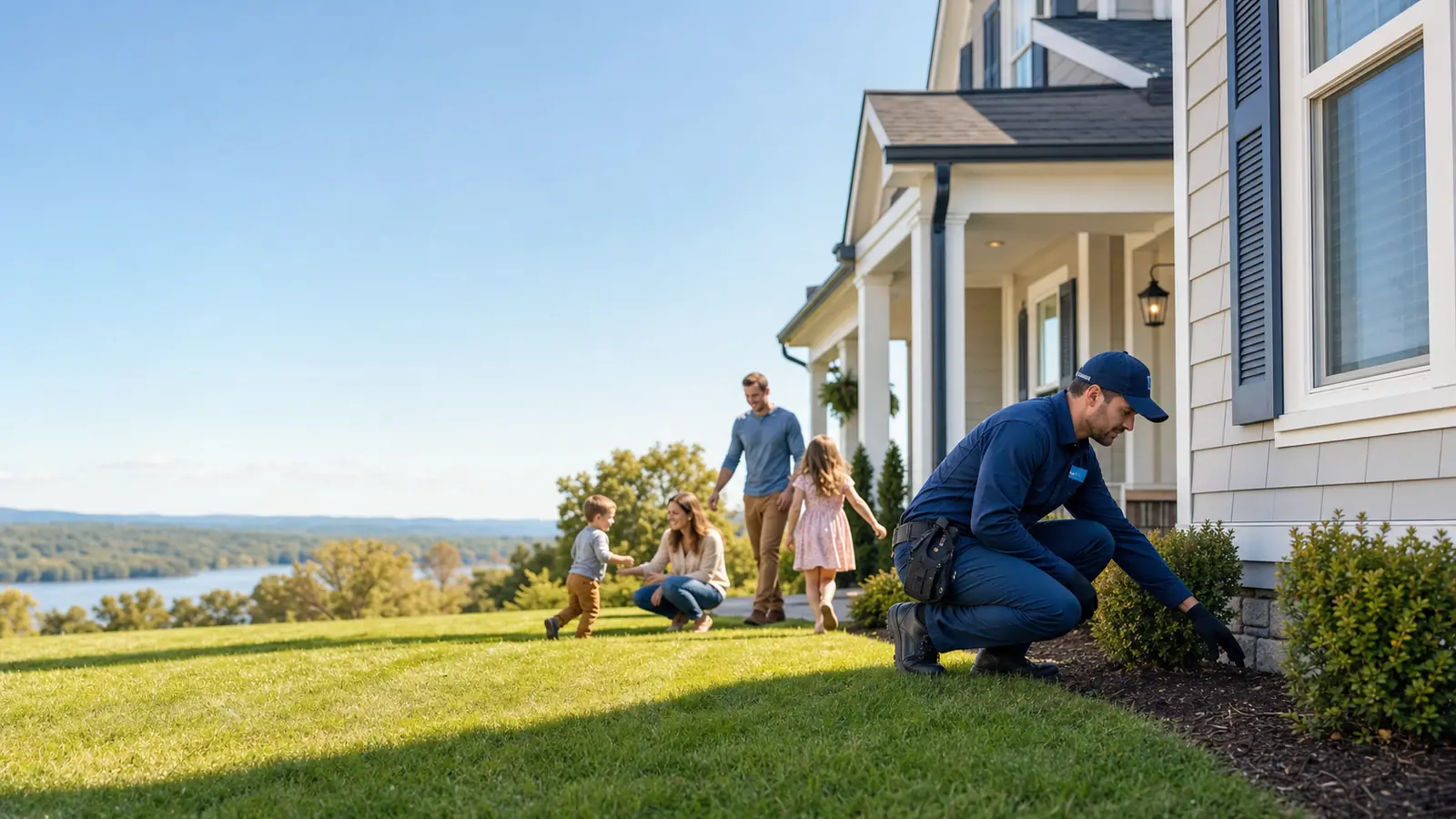
How does Paladin actually handle voles?
For voles, Paladin follows an Integrated Pest Management (IPM) approach: identify the species first, correct the conditions driving the problem, target harborage where the population actually lives, and document the visit.
Vole pressure is highest in winter when overhead cover (snow, leaf litter) lets them travel surface routes safely. We start every visit with identification, many DIY fixes fail because the wrong product was used on the wrong pest. We work the conditions first: trim the shrub that touches the siding, fix the gutter that drips on the foundation, seal the gap behind the dryer vent. For a wider plan, pair this with wildlife removal services so the whole property is covered.
We use targeted product placement (cracks, harborage, voids) rather than blanket spraying living surfaces. Mulch over 2-3 inches deep is a major attractor, we'll recommend reducing it where pressure is high.
What this means for your home
- We confirm the species at the wall before anything comes off the truck
- Condition correction lowers repeat pressure by addressing moisture, food sources, harborage, and easy entry points.
- Targeted treatment focuses on cracks, voids, exterior edges, nesting areas, and travel paths instead of blanket-spraying open surfaces.
- Family and pet awareness means we explain treated areas, re-entry timing, and simple prep steps before work begins.
- Service notes should tell you what was found, what was treated, and what to watch for before the next visit.
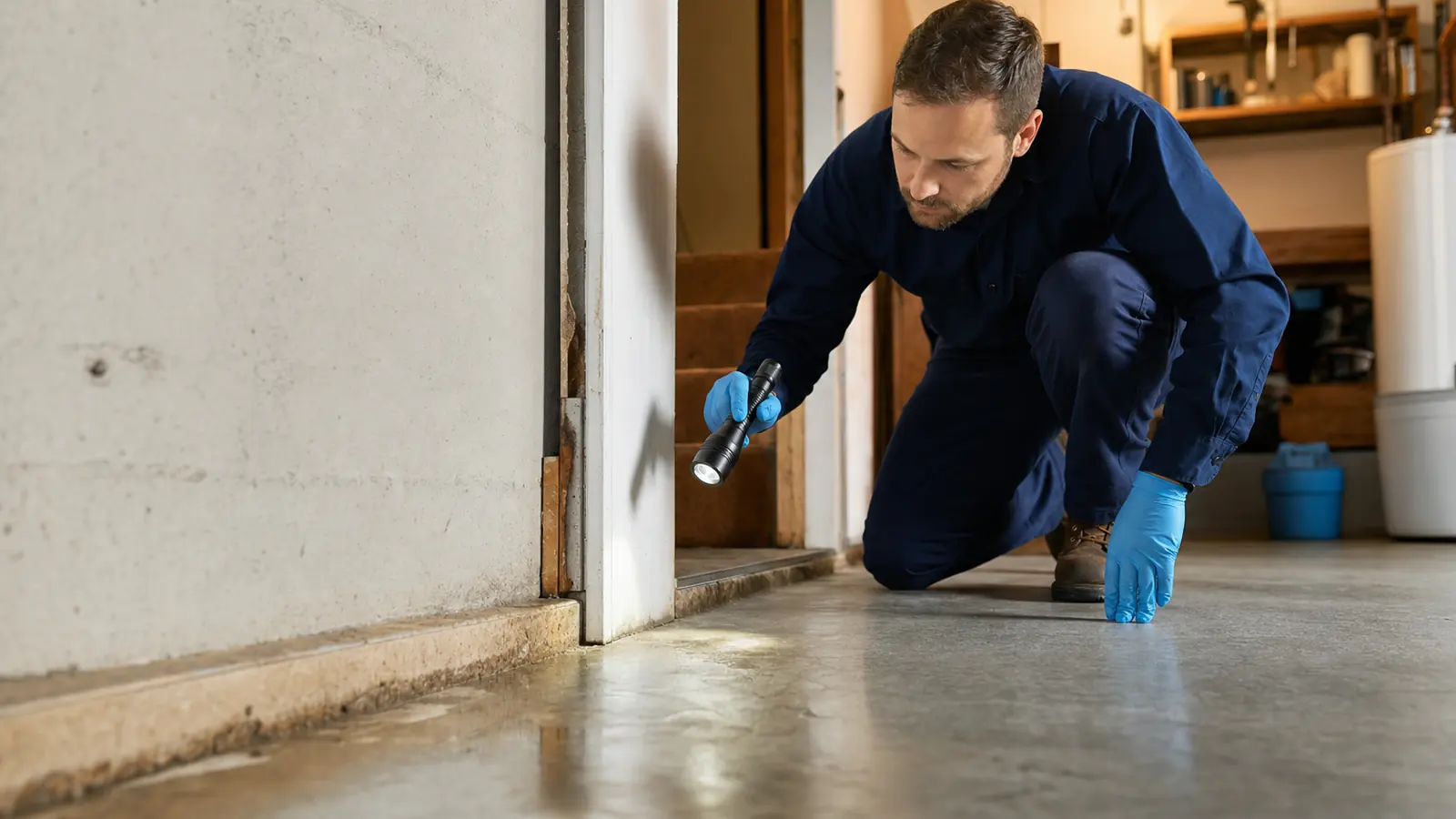
Is Paladin’s vole control safe for kids and pets?
Yes. For voles, the family-safety question is real. Our treatments are designed around real homes with real kids and real pets. We choose products and placements that minimize exposure.
We tell you what we are using, where we put it, and how long until you and your pets can be back in that area. Our protocol: identify active runways, apply bait in tamper-resistant stations at runway entries, and adjust mulch height and landscape habit. This connects closely with wildlife exclusion repairs when you are comparing next steps.
Babies, toddlers, pregnancies, immune conditions, and pet medical issues all change our application choices, please tell us. Our goal is the smallest amount of product that solves the problem at the source, not the most product applied across the most surface.
What this means for your home
- Product placements avoid baseboards, counters, and other surfaces your kids actually touch
- Family and pet awareness means we explain treated areas, re-entry timing, and simple prep steps before work begins.
- We pick low-odor, low-residue options when the situation allows for them
- We'll name every product on the truck if you want to know, no mystery sprays
When should I call Paladin about voles?
Call as soon as you see signs you can't explain. For voles, that usually means a fresh trail you can’t explain, sawdust-like frass near deck posts, or repeated ant lines after a DIY attempt.
If something feels off, it's usually worth a phone call. For voles specifically, the smartest move is calling before the population builds. We'd rather walk the property and say nothing needs doing than be called after the problem has been quietly growing for months. Homeowners seeing similar pressure can also review wildlife exclusion repairs before scheduling.
Our office is open Mon to Fri 8am to 8pm and Sat 10am to 4pm. Reach us at (864) 816.7658 or info@paladinpestsolutions.com.
What this means for your home
- Call earlier rather than later, populations build quietly before they're obvious
- Spartanburg service is adjusted to the home style, season, and pressure pattern instead of using the same checklist everywhere.
- Greenville service is adjusted to the home style, season, and pressure pattern instead of using the same checklist everywhere.
- Same-week scheduling is usually realistic when the office can match your pest control issue to an open Upstate route.
How does the Upstate climate change how we treat voles?
Upstate South Carolina has a longer pest season than most of the country, and voles adapt accordingly. Spartanburg County and Greenville County sit in the Carolina Piedmont. Humid summers and mild winters keep insect pressure high for ten months of most years.
Mulch over 2-3 inches deep is a major attractor, we'll recommend reducing it where pressure is high. For a wider plan, pair this with Upstate SC service areas so the whole property is covered.
Vole Control is a service we have refined over many Upstate visits. The biggest difference between a confident treatment and a half-confident one is identification, the species, the harborage, and the conditions that brought them in. We do that confirmation step before we apply anything.
If you would rather hand off the diagnosis to us, that is exactly what a Paladin visit is for. Call (864) 816.7658 and we will schedule a walk-through.
What this means for your home
- Treatment is tuned to how voles actually behave on Upstate properties, not a national protocol
- Piedmont service is adjusted to the home style, season, and pressure pattern instead of using the same checklist everywhere.
- Humid summers mean we adjust product choice and rotation to keep performance steady
- Vented crawl-space homes get extra attention at the perimeter and the foundation gap
- Slab-on-grade homes get attention at slab penetrations, utility chases, and weep holes
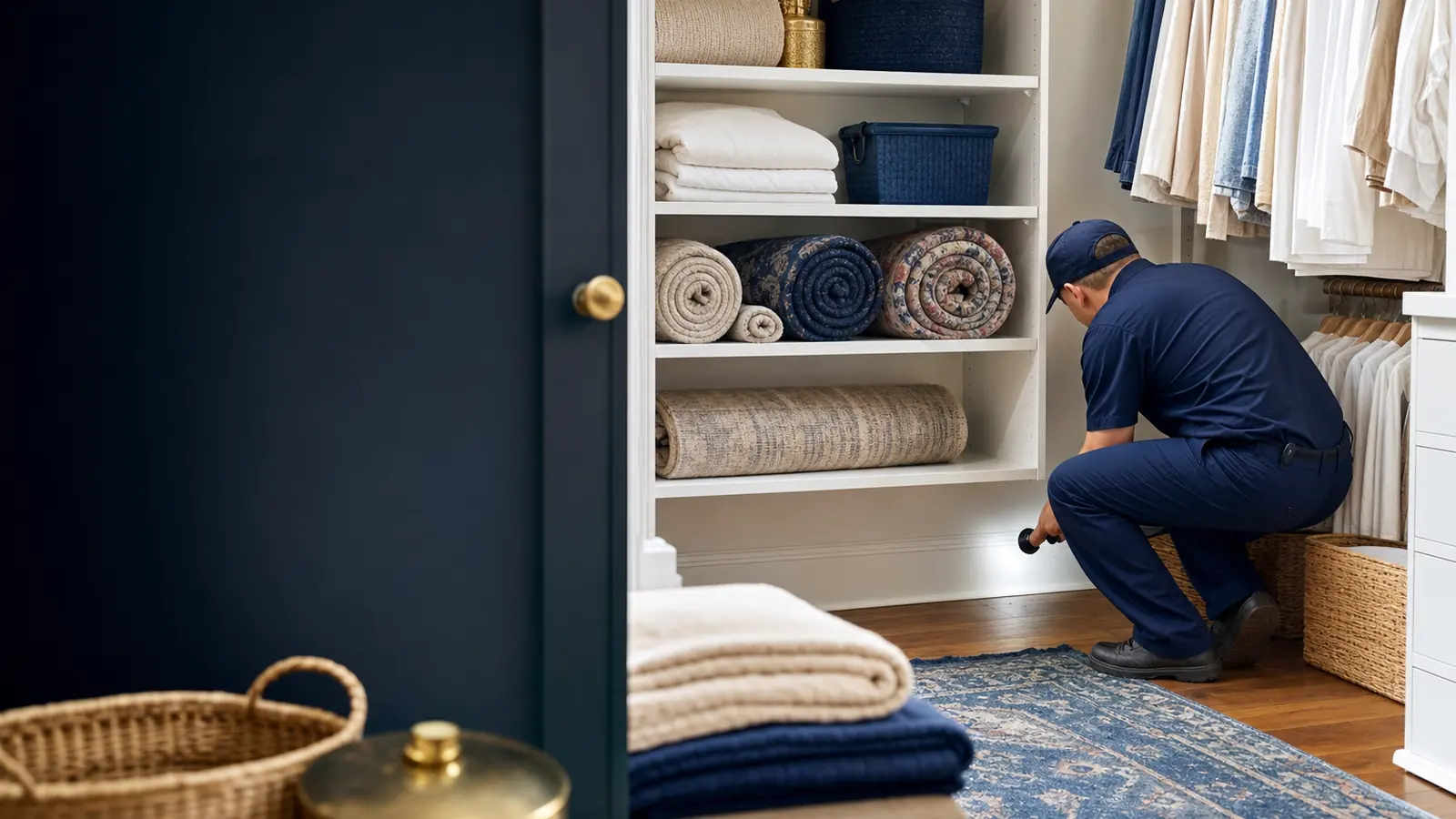
Humane wildlife removal
Trap, exclude, and repair, within South Carolina wildlife regulations
We identify the species by tracks, droppings, and sound, then choose the right tool, live-trap, one-way exclusion door, or a reinforced repair. Bats keep their legal SC maternity-roost window.
Most wildlife work pairs with attic or crawl-space inspection because damage extends past the animal itself: insulation loss, droppings, and the next animal that uses the same entry.
How Paladin actually handles this in the Upstate
Wildlife removal at Paladin is humane and within South Carolina regulations. We identify the species by tracks, droppings, and sound, then choose the right tool, live-trap with a release schedule, one-way exclusion door at the entry point, or a permanent reinforced repair. Bats keep their legal maternity-roost window. Snakes are usually relocated, not killed. Squirrels and raccoons in attics are paired with insulation inspection because the damage usually extends past the animal itself.
Most of our customers tell us the biggest thing is not the product. It is that we explain what we did, where, and what to expect, and that we pick up the phone when they call. If you would rather we walk the property and tell you what we see, that is what a first Paladin visit is for. Call (864) 816.7658 or use the contact form.
One more thing worth saying out loud: Paladin is local to the Upstate. We are not a franchise selling a national playbook into Spartanburg County. The technicians on our trucks live in the same towns the routes cover, and that shows up in small ways, we know which neighborhoods drain badly after a storm, which subdivisions were built on old farmland with heavier rodent pressure, which streets back up to creeks that drive mosquito issues, and which crawl-spaces under 1980s brick ranches need a barrier replaced more often than the ones under newer construction. That kind of local familiarity is the difference between a visit that solves the problem and a visit that just leaves a service note.
How a Paladin visit actually works
Four steps. Same rhythm whether the visit is one-time, quarterly, or an emergency.
Listen
We start on the phone or at your door with what you've actually been seeing, where, when, and what you've already tried.
Identify
We confirm the species and the harborage at the wall. No blanket spraying, no guess-and-treat.
Treat targeted
Application goes where the pest lives, cabinet hinges, wall voids, perimeter cracks. Living-room surfaces stay clean.
Document & follow up
We leave a written record of what we used and where, and the next visit is scheduled before we leave.
Keep exploring Paladin
Related Paladin services and guides for Upstate homeowners.
Related Paladin services
Paladin services overview
Learn more about how Paladin handles this for Upstate families.
Read more →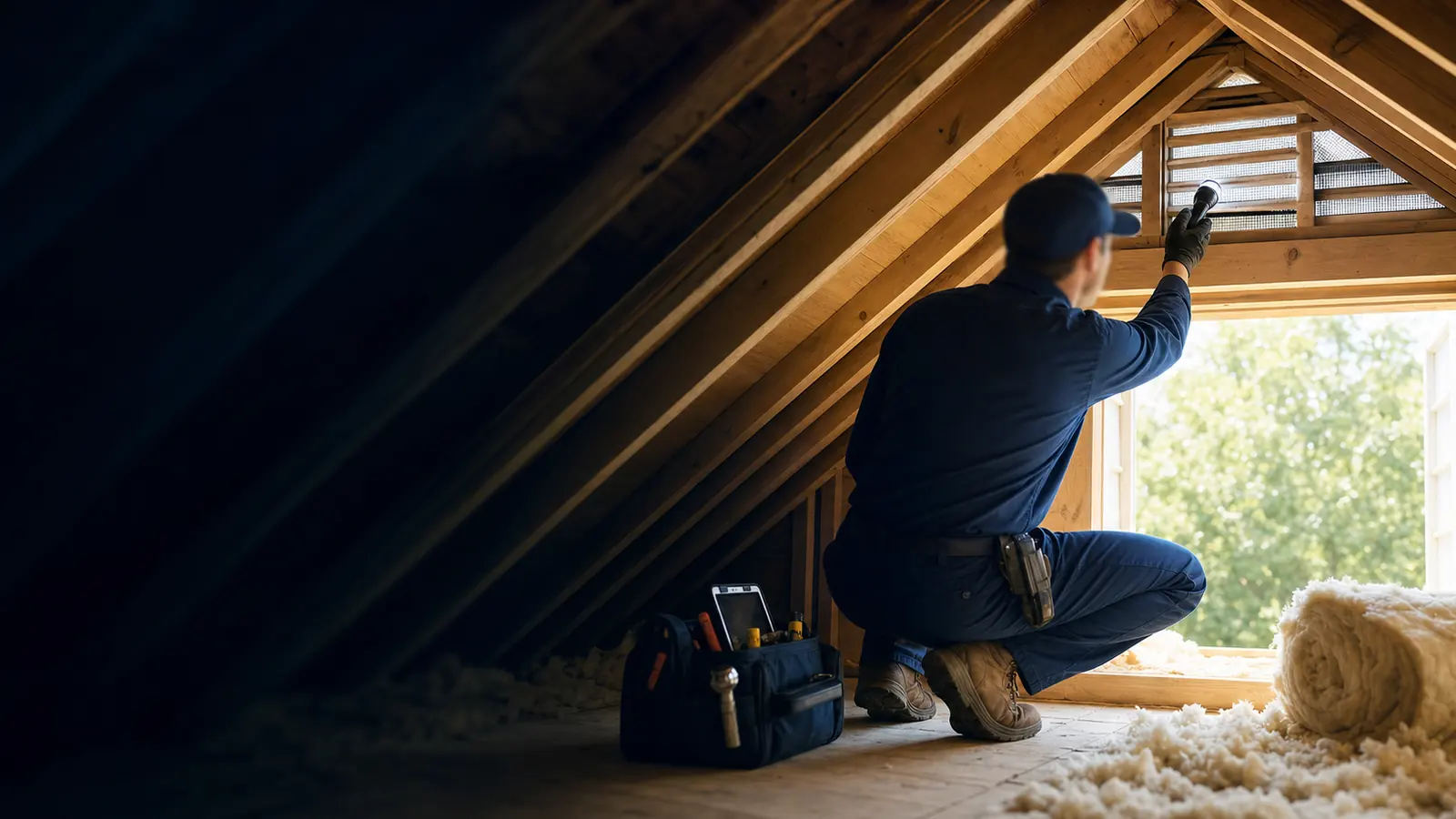
Wildlife Removal
Learn more about how Paladin handles this for Upstate families.
Read more →Pest Service
Learn more about how Paladin handles this for Upstate families.
Read more →Family-safe pest control
Learn more about how Paladin handles this for Upstate families.
Read more →Quarterly program
Learn more about how Paladin handles this for Upstate families.
Read more →
Why IPM protects families
Learn more about how Paladin handles this for Upstate families.
Read more →Frequently asked questions
What does vole control cost in the Upstate?
Cost depends on the home size, the severity of the voles issue, and whether you choose a one-time visit or a recurring program. Our protocol: identify active runways, apply bait in tamper-resistant stations at runway entries, and adjust mulch height and landscape habit. We give you a clear quote up front, no upsell.
Do I have to sign a long contract for vole control?
No. Our quarterly plan is month-to-month with the option of an annual savings rate.
Do you guarantee results on vole control?
On a covered service we keep working on voles until the issue is resolved. We never make 100%-this-or-that claims because pest pressure on real homes doesn't work that way.
How do I schedule vole control?
Call (864) 816.7658, email info@paladinpestsolutions.com, or use our contact form. Office hours are Mon-Fri 8am-8pm and Sat 10am-4pm.
Ready to shield your family?
One call to Paladin and we’ll meet you where you are, from a quick walk-through to a long-term protection plan.