Upstate South Carolina · Pest control for homes with kids and pets
Exterminator in Boiling Springs, SC: When Is It Time to Call?
Call an exterminator in Boiling Springs, SC when sightings repeat, evidence shows up in more than one room, or pests appear in spaces you cannot reach. A single bug outdoors rarely means much. Recurring signs, hidden harborage,…
- We identify the species first, then treat the actual harborage
- Same Upstate technicians on your route, visit after visit
- Clear notes after every visit, what we did and why
Quick Answer
Call an exterminator in Boiling Springs, SC when sightings repeat, evidence shows up in more than one room, or pests appear in spaces you cannot reach. A single bug outdoors rarely means much. Recurring signs, hidden harborage, or entry points near living areas point toward a professional inspection instead of more waiting.
For the next step, compare Paladin pest control services, read about Upstate SC service areas, or check where Paladin works across Upstate SC.
Key Takeaways
- Repeated sightings across days matter more than one bug.
- Evidence in multiple rooms suggests a wider issue.
- Inaccessible spaces often need professional inspection tools.
- Entry points near kitchens raise exposure concerns.
- Photographing evidence helps an inspector understand patterns.
- Short seasonal upticks alone do not always need action.
- A simple decision matrix beats guessing at severity.
How do you know a single pest sighting is not a problem yet?
One insect or rodent seen outdoors, or even a stray bug indoors, is usually not cause for alarm. Homes in this part of Upstate South Carolina often see occasional visitors. Watch for repeat appearances over several days before deciding a professional inspection makes sense.
A single ant on a counter or a moth near a porch light rarely signals a bigger problem. Most homes see occasional visitors, especially during seasonal shifts. This connects closely with residential pest control when you are comparing next steps.
The EPA recommends monitoring as a first step in pest management before taking further action. This helps homeowners avoid overreacting to isolated events.
Keep a simple log. Note the date, location, and type of pest you saw. This record becomes useful if sightings continue. For a wider plan, pair this with Upstate SC service areas so the whole property is covered.
If nothing repeats within a week or two, continued observation is often reasonable. Sudden clusters or repeat sightings tell a different story.
What this means for your home
- Local routing matters: we send the nearest available Upstate technician and plan around the activity you describe.
- Practical takeaway: One insect or rodent seen outdoors, or even a stray bug indoors, is usually not cause for alarm.
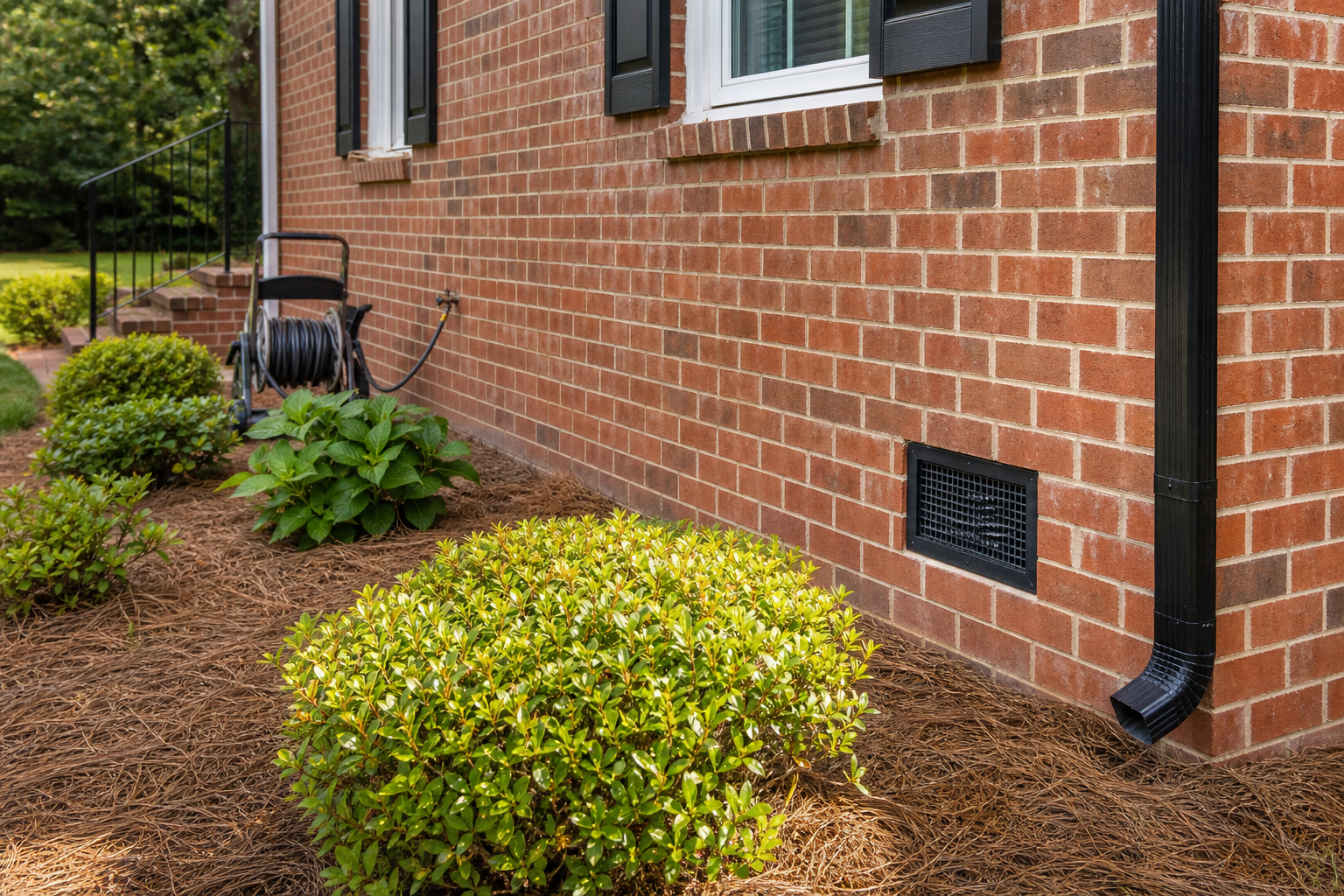
When does repeated evidence mean it is time to call a professional?
When you see the same pest, droppings, or damage more than twice in two weeks, monitoring should shift to inspection. Repeated sightings across several days suggest an established presence rather than a passing visitor. This is one of the clearest signs it may be time to call.
Recurrence is a stronger signal than raw numbers. Three sightings over ten days matter more than five bugs seen once in one afternoon. Homeowners seeing similar pressure can also review kids and pets pest control safety before scheduling.
Rodent droppings that reappear after cleaning, or insect activity that returns nightly, both point to an active source. These patterns rarely resolve on their own.
Writing down each occurrence with a date and photo builds a timeline. This helps an inspector see pace and pattern without asking you to diagnose the cause. This connects closely with requesting service from Paladin when you are comparing next steps.
Once a pattern is clear, scheduling a general pest inspection is a reasonable next step instead of waiting longer.
What this means for your home
- Practical takeaway: When you see the same pest, droppings, or damage more than twice in two weeks, monitoring should shift to inspection.
- when to call exterminator
How many sightings before I should call an exterminator in Boiling Springs, SC?
Two or more sightings of the same pest within a couple of weeks is a reasonable point to schedule a professional inspection rather than continuing to monitor the property on your own.
Not sure what you're dealing with?
Tell us the activity you've noticed and we'll point you the right direction.
Which locations in a home carry more weight when evidence appears there?
Evidence found in kitchens, pantries, or near water sources carries more weight than evidence in a garage or shed. Pests near food storage or plumbing sit closer to daily living areas. Evidence spread across multiple rooms, rather than one isolated spot, also raises the priority level.
A pest spotted in a garage corner is less concerning than one found inside a kitchen cabinet. Proximity to food and water raises the practical impact. For a wider plan, pair this with pest-proofing your home so the whole property is covered.
If evidence turns up in more than one room, such as a bedroom and a bathroom, this suggests movement through the home. Isolated evidence in a single room is often easier to watch.
Basements, crawlspaces, and attics deserve attention too, since these spaces often connect to living areas without obvious early signs. Homeowners seeing similar pressure can also review residential pest control before scheduling.
Noting which rooms show evidence helps you decide whether monitoring still makes sense or whether it is time to book an inspection.
What this means for your home
- Practical takeaway: Evidence found in kitchens, pantries, or near water sources carries more weight than evidence in a garage or shed.
Can inaccessible spaces change the decision to call an exterminator?
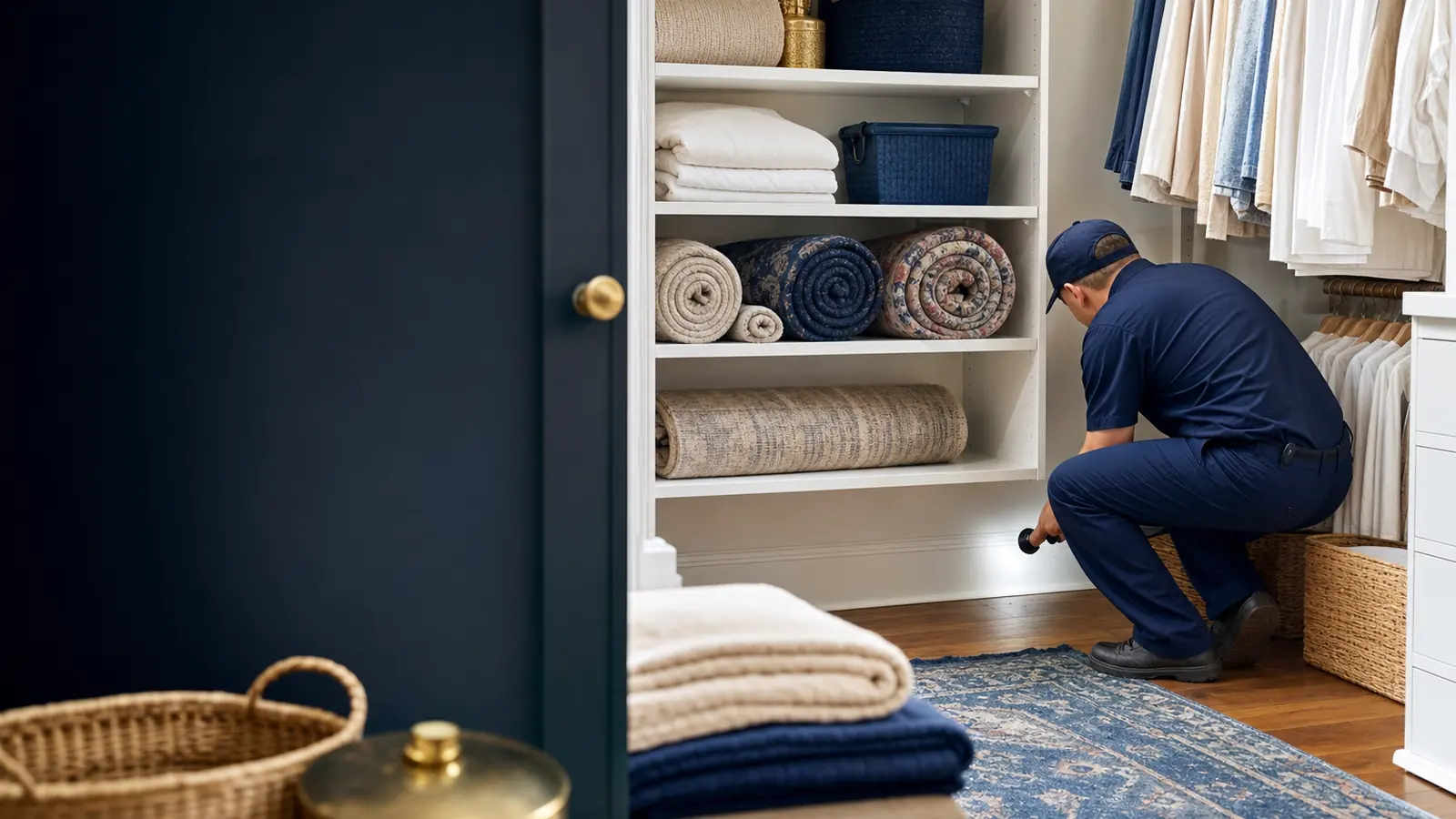
Yes. Pests active inside walls, attics, or crawlspaces are hard to check without tools and experience. When you hear activity but cannot see its source, a professional inspection becomes more useful than continued waiting. Hidden harborage is one of the strongest reasons to move forward.
Homeowners can check visible areas like baseboards, cabinets, and door frames. Walls, attics, and crawlspaces are much harder to inspect safely or fully. This connects closely with Upstate SC service areas when you are comparing next steps.
Sounds like scratching or rustling inside walls, especially at night, often point to rodent activity in a space you cannot reach on your own.
A multi-point inspection checks these harder to reach areas along with visible ones, giving a fuller picture than a homeowner walkthrough alone. For a wider plan, pair this with kids and pets pest control safety so the whole property is covered.
If you notice sounds or smells without a visible source, this is a fair point to stop monitoring and reach out to a professional.
What this means for your home
- Targeted treatment focuses on cracks, voids, exterior edges, nesting areas, and travel paths instead of blanket-spraying open surfaces.
- Practical takeaway: Yes.
Should entry points near living areas push you toward professional help?
Yes. Gaps, holes, or worn seals near doors, vents, or utility lines can give pests direct access to living spaces. When these openings sit close to kitchens or bedrooms, the exposure risk rises. Addressing entry points early is a practical response that does not require diagnosing the property.
Small gaps around pipes, vents, or foundation cracks can serve as entry points for insects and small rodents. They are easy to miss during a casual walk around the home. Homeowners seeing similar pressure can also review requesting service from Paladin before scheduling.
Entry points near a kitchen or bedroom carry more practical weight than similar gaps near a garage or shed, simply due to how close they sit to daily activity.
Entry-point sealing and exclusion services are built to address these access points as part of a broader approach to pest management. This connects closely with pest-proofing your home when you are comparing next steps.
If you notice new gaps forming, or existing ones that seem to widen, mention this during a professional inspection instead of handling it alone.
What this means for your home
- Practical takeaway: Yes.
- Boiling Springs service is adjusted to the home style, season, and pressure pattern instead of using the same checklist everywhere.
How should you document evidence before scheduling an appointment?
Photograph droppings, damage, or pests where you find them, and note the date, time, and location. Avoid touching or disturbing the evidence when you can. This record gives an inspector useful context without asking you to identify the pest or its habits yourself.
A clear photo taken from the same angle each time shows whether evidence is growing, shrinking, or staying steady over several days. For a wider plan, pair this with residential pest control so the whole property is covered.
Write down where you found each piece of evidence, including the room and the general spot, such as near a baseboard or under a sink.
Avoid cleaning up droppings or damage right away if you plan to schedule an inspection soon. Leaving evidence in place, when safe, helps confirm the pattern. Homeowners seeing similar pressure can also review requesting service from Paladin before scheduling.
This simple habit supports a clearer conversation when you do decide to reach out for a general pest inspection.
What this means for your home
- Documentation should summarize findings, treated areas, product locations where applicable, and the recommended follow-up plan.
- Practical takeaway: Photograph droppings, damage, or pests where you find them, and note the date, time, and location.
Is seasonal pest activity a reason to call right away?
Not always. Many pests grow more active with seasonal shifts in heat and moisture, which can explain a short rise in sightings. If activity settles down within a week or two, continued monitoring may be enough. Activity that lasts well past a normal seasonal window is the stronger signal.
Warmer months and heavy rain often bring more insect activity outdoors and the occasional indoor visitor. This pattern is common across Upstate South Carolina. This connects closely with kids and pets pest control safety when you are comparing next steps.
A short seasonal bump in sightings, especially outdoors, does not automatically mean an infestation. Give it a short window before deciding on next steps.
If sightings keep going well past the typical seasonal shift, or move from outdoor areas into the home, treat this as a stronger signal. For a wider plan, pair this with residential pest control so the whole property is covered.
Comparing this season to earlier ones, if you kept notes before, can help you judge whether current activity is normal for your property.
What this means for your home
- Practical takeaway: Not always.
Does wildlife activity near the home call for a different response?
Yes. Wildlife such as raccoons, squirrels, or opossums near a home calls for a different approach than insects or common rodents. Noise in attics, damaged vents, or visible gaps used by wildlife are reasonable reasons to call a professional rather than continue home monitoring.
Wildlife activity often shows up as noise in attics or walls, especially around dawn or dusk when many species are most active. Homeowners seeing similar pressure can also review pest-proofing your home before scheduling.
Unlike smaller pests, wildlife can create larger entry points or disturb insulation, which a professional can assess more safely than a homeowner.
Avoid trying to handle or remove wildlife yourself. This sits outside safe homeowner practice and is better left to professional wildlife removal services. This connects closely with kids and pets pest control safety when you are comparing next steps.
If you notice signs of wildlife rather than insects or typical rodents, this is a fair point to contact Paladin Pest Solutions for guidance.
What this means for your home
- Practical takeaway: Yes.
Family-first by design
We ask who lives in the house before we pick a product
Babies, pregnancies, asthma, immune conditions, pet medical issues, garden beds, beehives, they all change the visit. Paladin treats harborage where pests live, not the surfaces kids and pets touch.
Every visit names what was used, where, and when the area is back to normal. If a different approach is the actual answer, we say so.
Why this post exists on the Paladin blog
This post was written by someone who actually does this work on Upstate homes, not by a contractor or a marketing team that has never seen the species in person. The Paladin blog exists to answer the questions we hear on real service calls, honestly, in plain English, without selling you a service you do not need. If a post helps you solve the problem on your own, that is a successful post for us. If you read it and decide you would rather have a trained technician on site, that is what the phone is for. Either path is fine.
A first Paladin visit is intended to document the activity, inspect relevant areas, and explain the proposed scope before work begins. Appointment timing and the exact inspection areas depend on the request and property access. Call (864) 816-7658 or use the contact form so the office can confirm the current options.
Paladin is based in Boiling Springs, SC and serves the approved Upstate locations listed on this site. Each recommendation should be tied to conditions documented at the property, including pest evidence, moisture, entry points, food, water, shelter, and access. The office confirms address availability without promising a route frequency or response window.
Keep exploring Paladin
Related Paladin services and guides for Upstate homeowners.

Frequently asked questions
What is the hardest household pest to get rid of?
Difficulty varies by pest and by the conditions on a given property, so there is no single answer that fits every home. Pests that nest inside walls or crawlspaces tend to be harder to track through home monitoring alone, which is why a professional inspection is often more practical once hidden activity is suspected.
When is one pest sighting enough to call?
A single sighting is rarely enough on its own to justify a call. The exception is when that sighting involves wildlife, or when it happens in a sensitive area like a pantry alongside droppings or gnaw marks, since together these details suggest a more active and ongoing presence worth checking.
What evidence should you photograph before an appointment?
Photograph droppings, gnaw marks, damaged materials, or the pest itself if it happens to be visible at the time. Include a steady reference point, like a coin or tile, so size stays clear in the photo, and note the date and room for each image you take.
Can seasonal weather explain increased pest sightings?
Yes, warmer temperatures and heavy rain often raise outdoor insect activity and lead to occasional indoor visitors across Upstate South Carolina during certain months. A short rise in sightings that settles within a week or two is often normal, while activity that spreads or lingers deserves closer attention and follow up.
Should I try to seal entry points myself before calling?
Basic gaps around pipes or vents can be noted for later discussion, but professional entry-point sealing and exclusion services are built to address these access points fully as part of a broader inspection and management approach, so it helps to mention what you found rather than attempt repairs alone.
Does Paladin Pest Solutions serve my specific address in Boiling Springs?
Paladin Pest Solutions is based in Boiling Springs, SC and serves approved locations across Upstate South Carolina, though coverage can vary by street and neighborhood. Exact address availability is confirmed by the office directly, so reaching out is the clearest way to find out whether your property qualifies for service.
Ready to shield your family?
One call to Paladin and we’ll meet you where you are, from a quick walk-through to a long-term protection plan.