Upstate South Carolina · Local pest crew, plain-English answers
WDI Inspection in Boiling Springs, SC: Clarifying Report Scope Before Scheduling
Before you book a WDI Inspection in Boiling Springs, SC, write down your goal for the report. Confirm which areas will be open on inspection day. Gather any past treatment records you have. Set a target date. Name the person who…
- Low-disruption applications focused on cracks, voids, and entry points
- Reachable techs, text us, call us, we answer
- Quarterly programs or one-time visits, your call
Quick Answer
Before you book a WDI Inspection in Boiling Springs, SC, write down your goal for the report. Confirm which areas will be open on inspection day. Gather any past treatment records you have. Set a target date. Name the person who will receive the finished report. This short worksheet keeps the visit focused and avoids mix-ups later.
For the next step, compare Paladin pest control services, read about Upstate SC service areas, or check where Paladin works across Upstate SC.
Key Takeaways
- Clarify the report purpose before you schedule the visit.
- Confirm which areas will be open on inspection day.
- Gather prior treatment or repair records in advance.
- Timing often follows real estate closing deadlines.
- Know exactly who will receive the finished report.
- South Carolina uses one standard wood infestation report form.
- Access limits get noted directly on the report.
How should a client clarify the requested wood-destroying insect inspection and report scope?
Start by writing down why you need the report and who must see it. List which areas are accessible, any known pest history, and your target date. Share this short worksheet with the provider before scheduling. That step alone helps the visit and paperwork match what you actually need.
A WDI Inspection in Boiling Springs, SC can serve several purposes. Some clients need it for a home sale. Others want it for their own records or a loan requirement. This connects closely with residential pest control when you are comparing next steps.
Write down your reason first. This one step prevents confusion once the inspector arrives at the property.
Next, note who gets the final report. A lender, buyer, seller, or attorney may each need a copy sent their way. For a wider plan, pair this with Upstate SC service areas so the whole property is covered.
Finally, share your target date and any closing deadline. Giving this timeline early helps the provider plan the visit properly.
What this means for your home
- Boiling Springs service is adjusted to the home style, season, and pressure pattern instead of using the same checklist everywhere.
- Documentation should summarize findings, treated areas, product locations where applicable, and the recommended follow-up plan.
- Practical takeaway: Start by writing down why you need the report and who must see it.
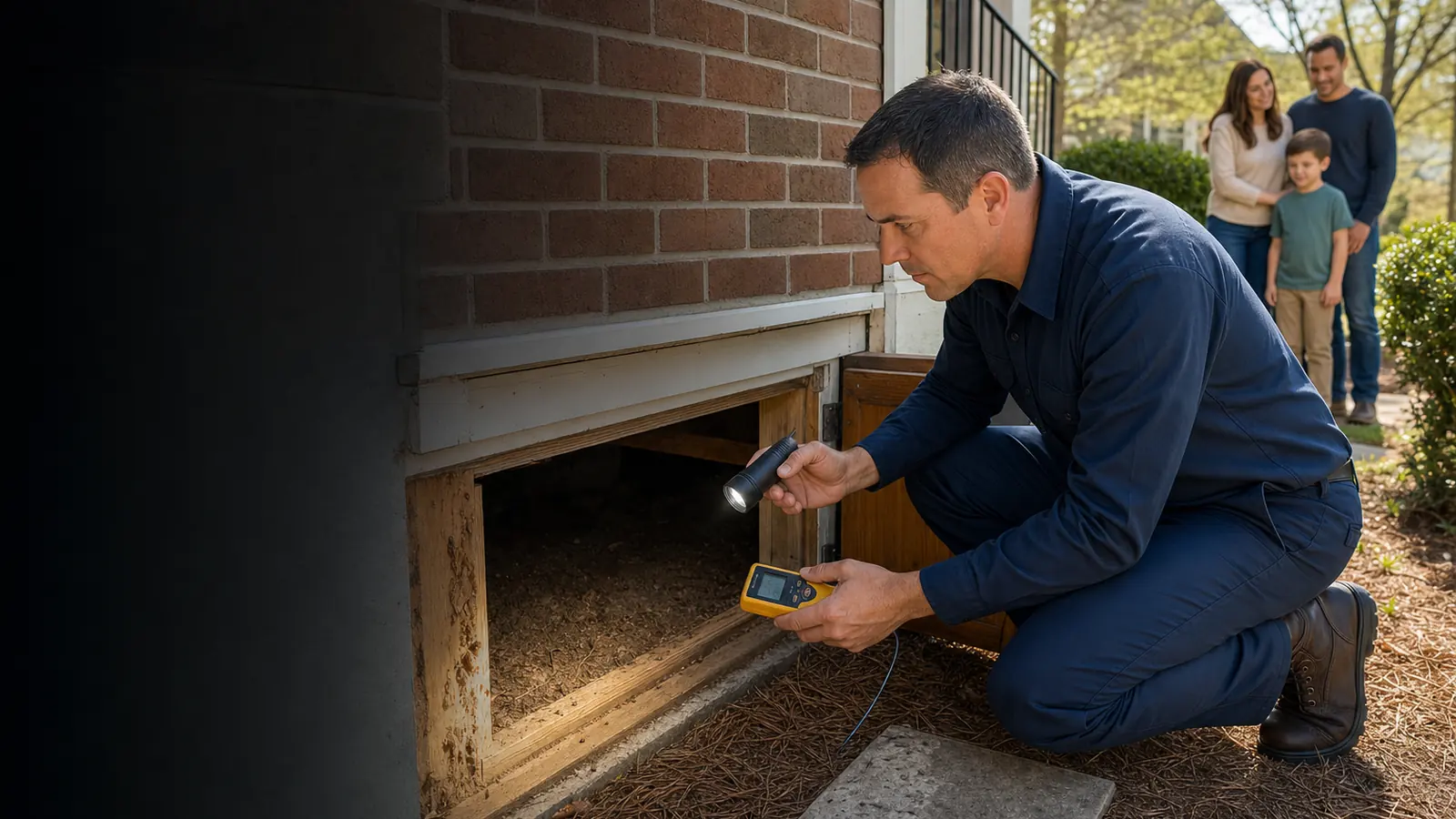
What should a professional WDI inspection document?
A wood infestation report notes visible signs of wood-destroying insects at the property. It records any past treatment history that was seen or disclosed. It also lists which areas were open to view. South Carolina's standard form sorts these details into clear, labeled sections for easy reading.
South Carolina uses one standard wood infestation report form. This keeps buyers, sellers, and lenders reading the same layout every time. Homeowners seeing similar pressure can also review kids and pets pest control safety before scheduling.
The report notes visible evidence found during the visit. It also states if any areas could not be reached. That note matters to anyone reading the report later.
Past treatment history, when known, often appears in its own section. This helps readers understand the property's pest control background. This connects closely with requesting service from Paladin when you are comparing next steps.
Because the form stays the same across providers, comparing two reports on one property becomes much simpler for buyers and agents.
What this means for your home
- Documentation should summarize findings, treated areas, product locations where applicable, and the recommended follow-up plan.
- Service notes should tell you what was found, what was treated, and what to watch for before the next visit.
Does a WDI inspection cover the entire property automatically?
Coverage depends on what areas are open at the time of the visit. Locked spaces or blocked crawlspaces get noted, not assumed. Confirming access ahead of time sets realistic expectations for the report you receive.
Ready for a straight answer?
Call or message, we'll listen first and recommend only what fits your home.
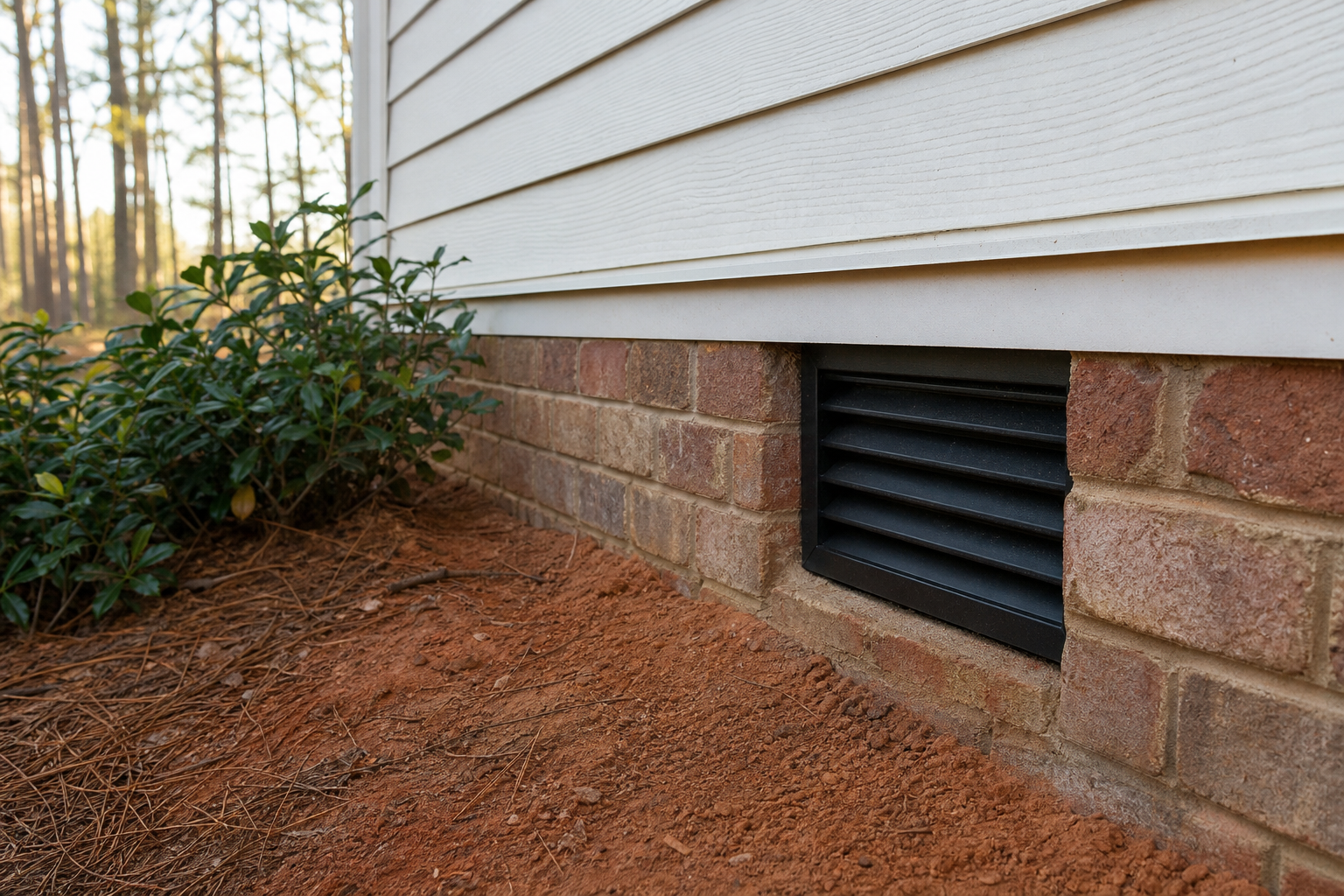
Which findings can change the WDI inspection service scope?
Limited crawlspace access can change the report scope. Undisclosed past treatment or new additions can shift it too. When access is blocked, the report states that limit clearly. It will not guess about conditions the inspector could not actually see during the visit.
Access limits cause the most common scope changes. A blocked crawlspace door or a sealed attic hatch limits what can be checked that day. For a wider plan, pair this with pest-proofing your home so the whole property is covered.
Past treatment records can also shape the report. If another provider treated part of the home before, that history often gets a mention in current findings.
Additions or renovations can bring new areas into play. A detached shed or finished basement may sit outside the scope discussed at booking. Homeowners seeing similar pressure can also review residential pest control before scheduling.
Sharing property details early helps set fair expectations before the inspector shows up.
What this means for your home
- Practical takeaway: Limited crawlspace access can change the report scope.
Why does report purpose matter before scheduling?
Report purpose decides who will read the document. It also sets the deadline that applies. A closing-related report often must reach a lender or attorney by a set date. A personal-use report has more open timing and fewer rules, which makes scheduling simpler for you.
Real estate deals often set a firm deadline for the report. Missing that window can slow down closing, so purpose and timing stay linked. This connects closely with Upstate SC service areas when you are comparing next steps.
A report requested just for peace of mind works differently. No third party is waiting on a set delivery date. This changes how you plan the visit.
Some clients need a report for insurance or refinancing. These cases may carry their own submission rules worth checking with the requesting party first. For a wider plan, pair this with kids and pets pest control safety so the whole property is covered.
Naming your purpose early lets you share the right details with the provider from your first call.
What this means for your home
- Documentation should summarize findings, treated areas, product locations where applicable, and the recommended follow-up plan.
- Practical takeaway: Report purpose decides who will read the document.
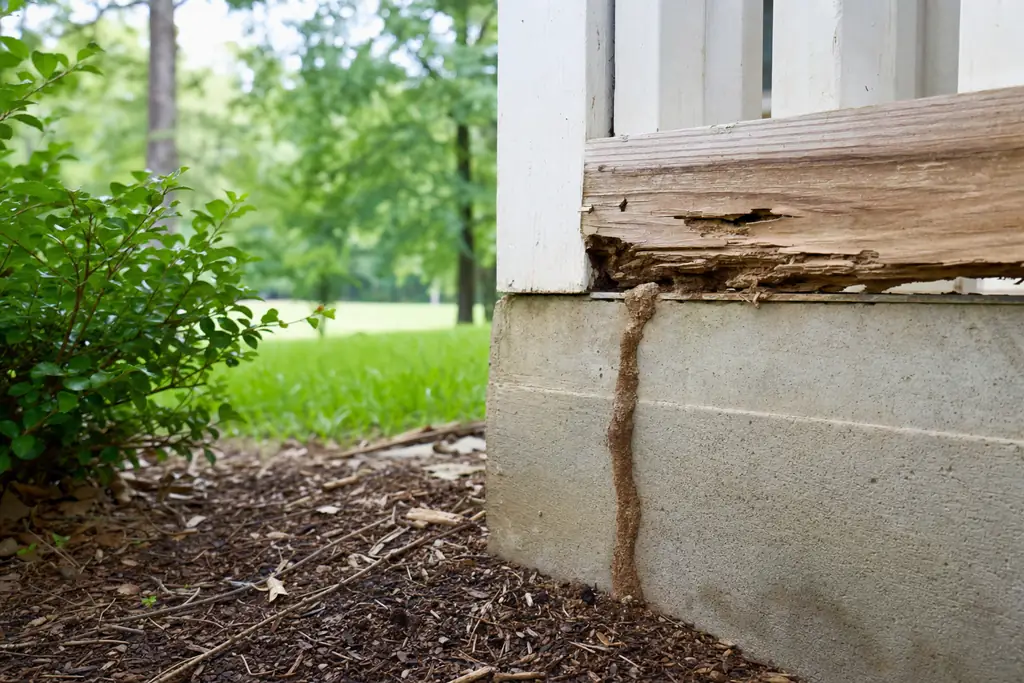
Can accessible-area limits affect the final report?
Yes, access limits can affect the final report. If crawlspaces, attics, or wall spaces cannot be reached, the report says so plainly. This keeps things clear for everyone who reads it. It also stops the report from implying checks that never actually happened.
Every inspection depends on what is physically reachable that day. Locked doors, stored boxes, or tight spaces can all limit access. Homeowners seeing similar pressure can also review requesting service from Paladin before scheduling.
When a space cannot be checked, the standard report form has a spot to note that fact. This keeps the report honest rather than assuming a clear result.
Clients can help by clearing simple blockages ahead of time. Moving boxes away from a crawlspace door is one easy example. This connects closely with pest-proofing your home when you are comparing next steps.
Flagging known access problems before scheduling lets the provider talk through options with you in advance.
What this means for your home
- Practical takeaway: Yes, access limits can affect the final report.
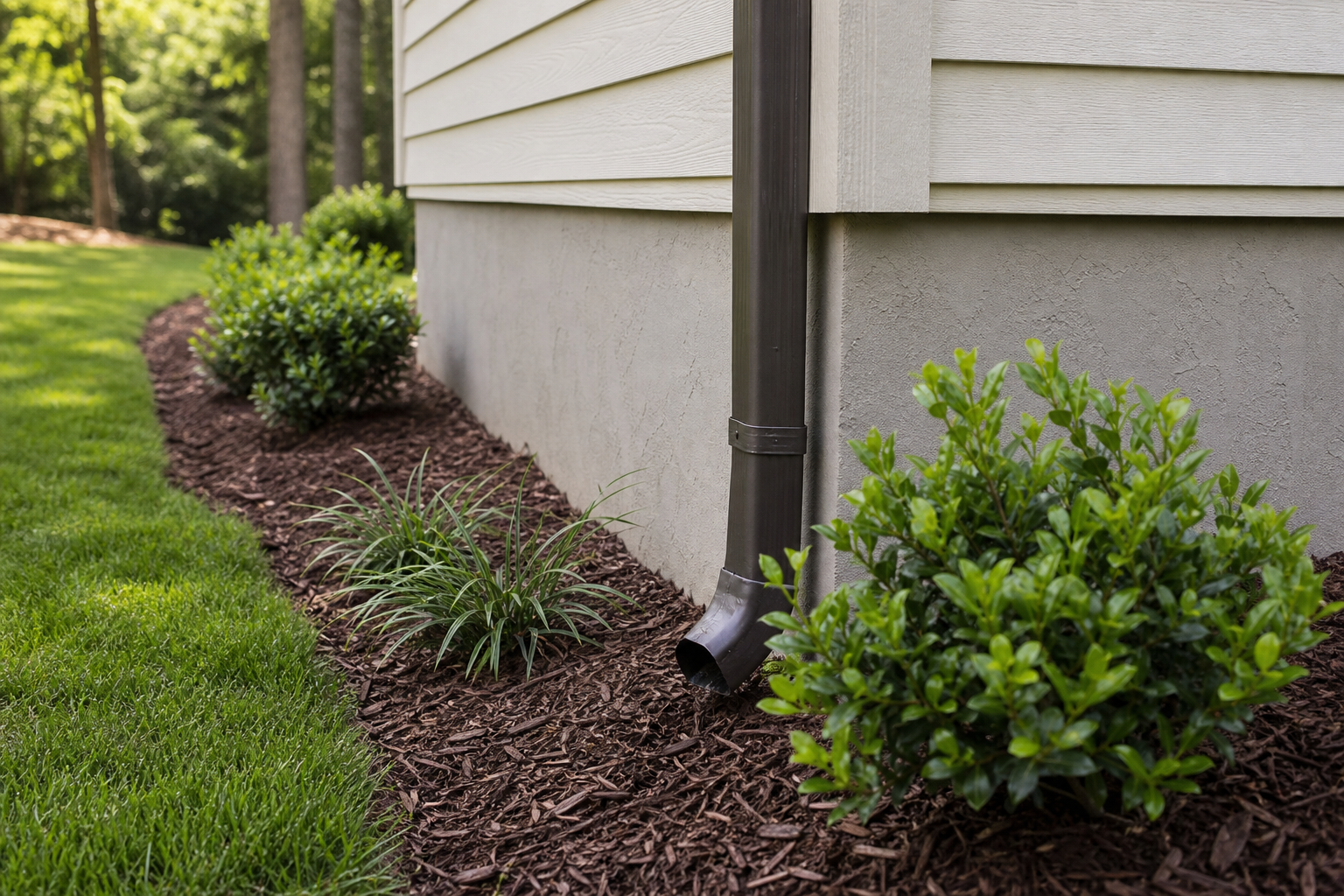
Should prior treatment records be shared before the visit?
Yes, sharing prior treatment records before the visit helps. It gives the inspector useful background on the property. The final report can then reflect a fuller history. This beats relying only on what one short visit can show on its own.
If a past provider treated the home, any paperwork from that visit adds useful context. This might list treatment dates or areas covered. For a wider plan, pair this with residential pest control so the whole property is covered.
Homeowners who bought the property recently may have disclosure papers noting past pest activity. Those papers are worth keeping close by.
Even partial records help. An old invoice or a small service tag can serve as a useful reference point during the new inspection. Homeowners seeing similar pressure can also review requesting service from Paladin before scheduling.
Pulling these papers together early saves time on inspection day and supports a more complete report.
What this means for your home
- Documentation should summarize findings, treated areas, product locations where applicable, and the recommended follow-up plan.
- Practical takeaway: Yes, sharing prior treatment records before the visit helps.
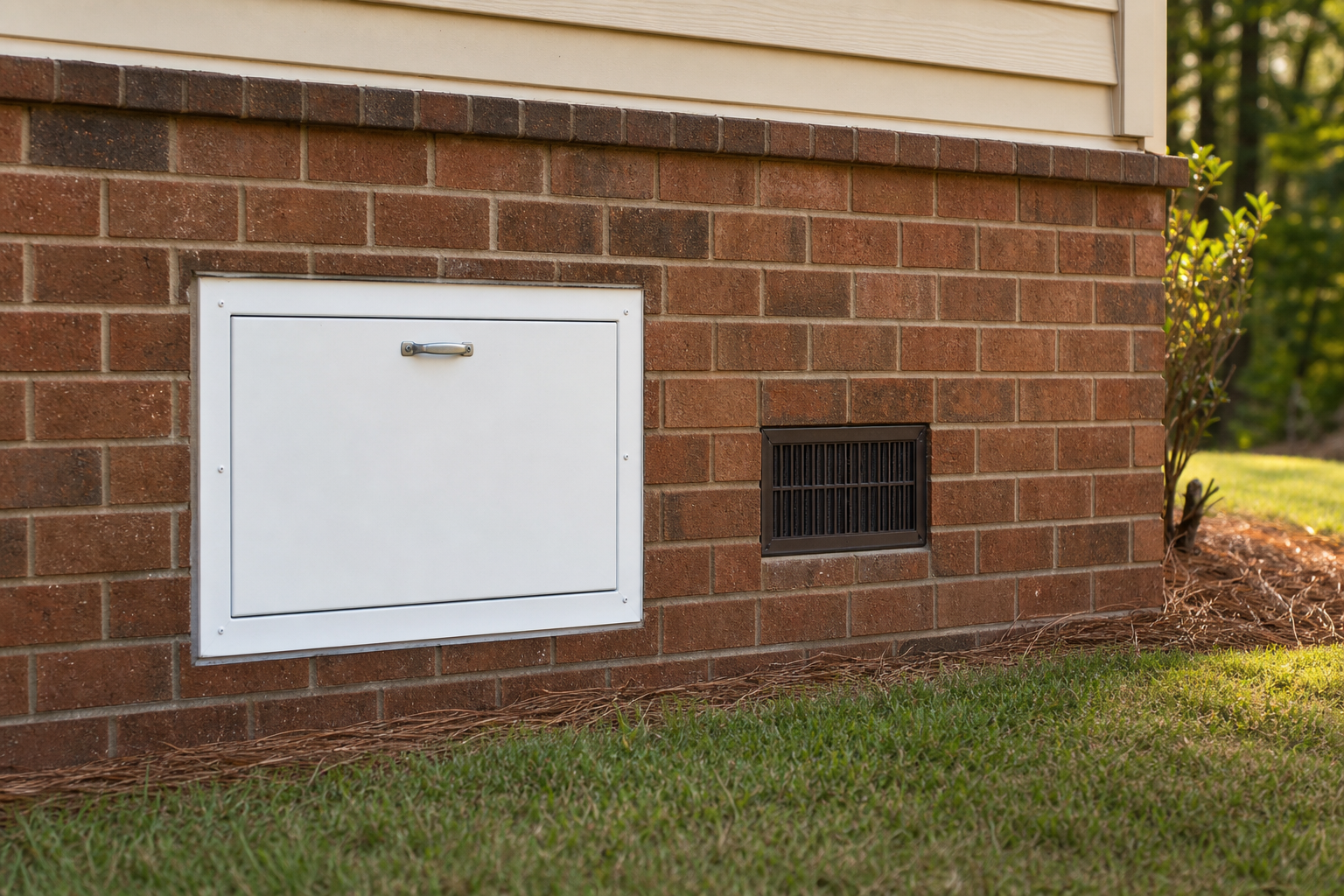
When should the report recipient be confirmed?
Confirm the report recipient before you schedule the inspection. Real estate deals often need the document sent right to a lender, attorney, or closing agent. Naming that party early avoids delays. It also stops duplicate requests once the report is already done.
Many deals involve several parties who each expect a copy of the report. Sorting this out early avoids confusion about who gets the original. This connects closely with kids and pets pest control safety when you are comparing next steps.
If the recipient is a lender or attorney, ask them directly about their preferred format before you book the inspection.
Personal-use reports are simpler. The homeowner is usually the only recipient. Confirming this still helps set clear expectations with the provider. For a wider plan, pair this with residential pest control so the whole property is covered.
A short talk about recipients at the start saves time and cuts down on back and forth after the report is finished.
What this means for your home
- Documentation should summarize findings, treated areas, product locations where applicable, and the recommended follow-up plan.
Family-first by design
We ask who lives in the house before we pick a product
Babies, pregnancies, asthma, immune conditions, pet medical issues, garden beds, beehives, they all change the visit. Paladin treats harborage where pests live, not the surfaces kids and pets touch.
Every visit names what was used, where, and when the area is back to normal. If a different approach is the actual answer, we say so.
Why this post exists on the Paladin blog
This post was written by someone who actually does this work on Upstate homes, not by a contractor or a marketing team that has never seen the species in person. The Paladin blog exists to answer the questions we hear on real service calls, honestly, in plain English, without selling you a service you do not need. If a post helps you solve the problem on your own, that is a successful post for us. If you read it and decide you would rather have a trained technician on site, that is what the phone is for. Either path is fine.
A first Paladin visit is intended to document the activity, inspect relevant areas, and explain the proposed scope before work begins. Appointment timing and the exact inspection areas depend on the request and property access. Call (864) 816-7658 or use the contact form so the office can confirm the current options.
Paladin is based in Boiling Springs, SC and serves the approved Upstate locations listed on this site. Each recommendation should be tied to conditions documented at the property, including pest evidence, moisture, entry points, food, water, shelter, and access. The office confirms address availability without promising a route frequency or response window.
Keep exploring Paladin
Related Paladin services and guides for Upstate homeowners.
Frequently asked questions
What is a WDI Inspection in Boiling Springs, SC used for?
A WDI inspection is often requested for home sales, personal records, or loan requirements. The report notes visible evidence and lists which areas were accessible. It uses South Carolina's standard form, which keeps findings consistent and easy for anyone to compare later.
How far in advance should I schedule a WDI inspection?
Timing depends on your purpose and any closing deadline you may face. Check your transaction timeline first. Then share it with the provider early. This helps line up the inspection date with paperwork needs, lender rules, or other steps tied to your situation.
Who typically receives the finished wood infestation report?
Recipients vary by transaction type. A lender, attorney, buyer, or seller might each need a copy during a home sale closing. A personal-use report usually goes only to the homeowner who asked for it, with no other party expecting a copy.
What happens if part of the property cannot be accessed?
The standard report form includes a spot to note any areas that were not reachable during the visit, such as a locked crawlspace or a sealed attic hatch. This keeps the document honest and avoids implying that checks happened in spaces the inspector could not safely reach that day.
Can prior pest treatment records affect the new report?
Yes, sharing prior treatment papers can add useful context to the new visit. It helps the report reflect a fuller history of the property. This works better than relying only on what one visual check can show in a single day.
Ready to shield your family?
One call to Paladin and we’ll meet you where you are, from a quick walk-through to a long-term protection plan.