Upstate South Carolina · Local pest crew, plain-English answers
Warehouse Pest Control in Boiling Springs, SC: Scoping Docks, Storage, and Monitoring
Warehouse Pest Control in Boiling Springs, SC starts with mapping dock doors, product flow, storage zones, spill areas, the building perimeter, and monitoring points. This map helps a buyer compare inspection scope. It also helps…
- Low-disruption applications focused on cracks, voids, and entry points
- Reachable techs, text us, call us, we answer
- Quarterly programs or one-time visits, your call
Quick Answer
Warehouse Pest Control in Boiling Springs, SC starts with mapping dock doors, product flow, storage zones, spill areas, the building perimeter, and monitoring points. This map helps a buyer compare inspection scope. It also helps you ask sharper questions and prepare useful documentation before contacting a provider for a multi-point inspection.
For the next step, compare Paladin pest control services, read about Upstate SC service areas, or check where Paladin works across Upstate SC.
Key Takeaways
- Map dock doors, storage zones, and perimeter before hiring anyone.
- Document spill history and product flow patterns for the inspection.
- Ask providers how they define multi-point inspection scope.
- Monitoring placement should match receiving, storage, and shipping flow.
- Entry-point sealing works best when tied to a documented map.
- Compare providers using scope detail, not price alone.
- Boiling Springs, SC warehouses face unique dock and yard conditions.
How should a warehouse buyer scope dock, storage, perimeter, and monitoring needs?
Start by walking the dock doors, storage racks, spill zones, and perimeter with a simple checklist. Note gaps, standing water, and clutter near walls. This groundwork lets a provider quote an accurate multi-point inspection instead of guessing at your building layout and daily operations.
A warehouse is not one space. It has receiving docks, bulk storage, staging areas, and office zones. Each area behaves differently for pest pressure. This connects closely with residential pest control when you are comparing next steps.
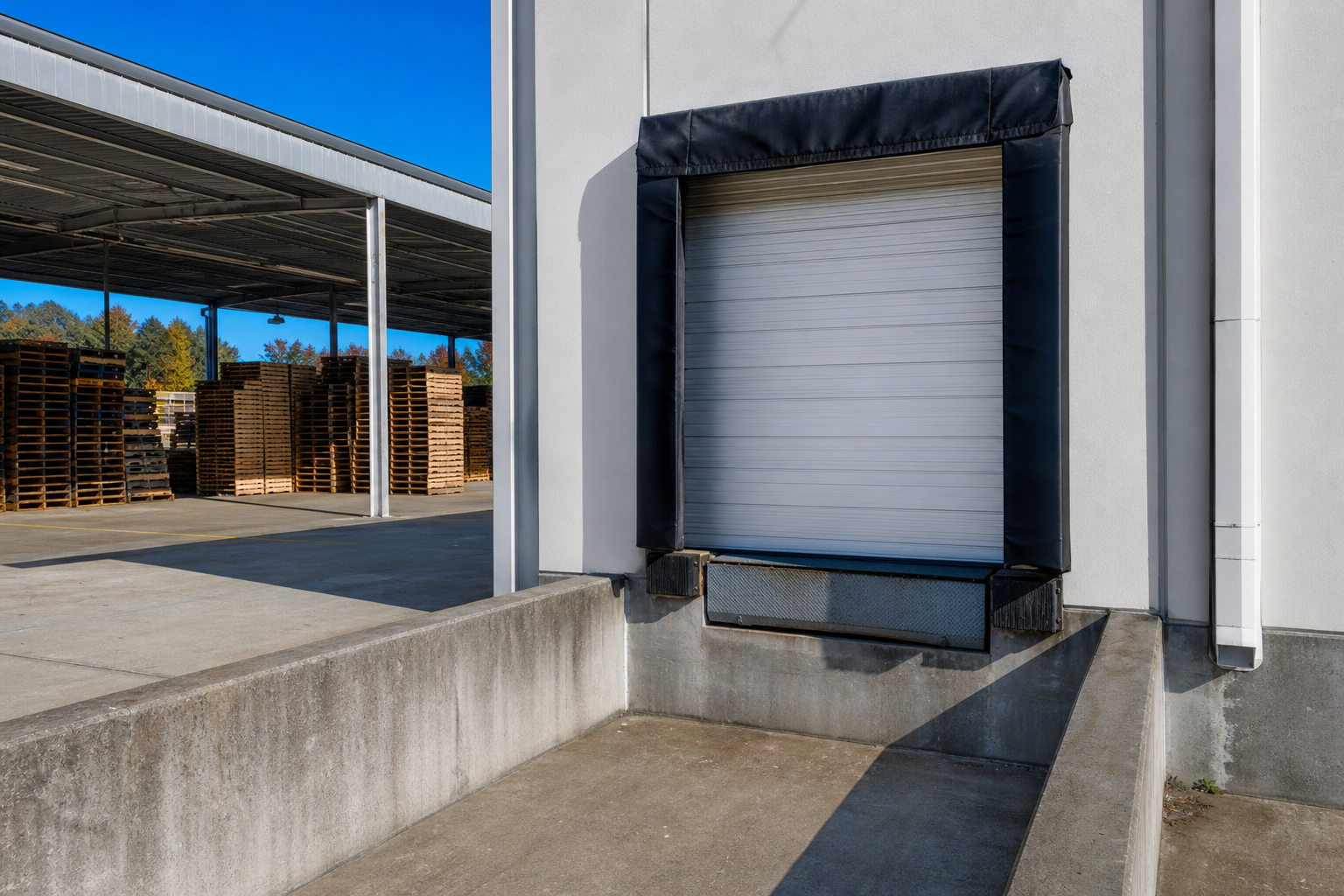
Start your walkthrough at the dock doors. Check door seals, dock levelers, and gaps where light shows through. These are common entry points worth noting.
Next, look at storage zones. Note pallet age, rotation speed, and any areas where product sits untouched for weeks. Slow moving stock deserves extra attention. For a wider plan, pair this with Upstate SC service areas so the whole property is covered.
Finally, walk the perimeter outside. Look at vegetation lines, drainage, and trash storage. These outdoor conditions often connect directly to indoor pest pressure.
What this means for your home
- Boiling Springs service is adjusted to the home style, season, and pressure pattern instead of using the same checklist everywhere.
- Practical takeaway: Start by walking the dock doors, storage racks, spill zones, and perimeter with a simple checklist.
What should a professional warehouse pest control inspection document?
A thorough inspection should document dock conditions, storage layout, spill history, perimeter observations, and existing monitoring points. Written notes and photos give you a baseline record. This documentation helps you track changes over time and compare future inspections against the original findings.
Ask any provider what their inspection report includes. A useful report names specific zones rather than describing the building in vague terms. Homeowners seeing similar pressure can also review kids and pets pest control safety before scheduling.
Photos matter here. A dated photo of a dock door gap or a cluttered storage corner is more useful than a general written note.
Spill history is another piece worth documenting. Note where spills happen often, what products are involved, and how quickly they get cleaned. This connects closely with requesting service from Paladin when you are comparing next steps.
Monitoring point placement should also appear in the report. This tells you where devices sit and why those locations were chosen.
What this means for your home
- Documentation should summarize findings, treated areas, product locations where applicable, and the recommended follow-up plan.
- Practical takeaway: A thorough inspection should document dock conditions, storage layout, spill history, perimeter observations, and existing monitoring points.
What is the first step in scoping warehouse pest control needs?
Start with a walkthrough of dock doors, storage zones, and the perimeter. Note gaps, clutter, and spill areas as you go. This basic map gives a provider a clear starting point for a multi-point inspection tailored to your building.
Ready for a straight answer?
Call or message, we'll listen first and recommend only what fits your home.
Which findings can change the warehouse pest control service scope?
Findings like recurring spills, gaps in dock seals, or dense storage clutter can shift the recommended scope. A provider may suggest more monitoring points or added attention to specific zones. Scope adjustments should always tie back to documented observations, not assumptions about the whole building.
Not every warehouse needs the same scope. A facility with heavy food product turnover differs from one storing dry goods or packaging materials. For a wider plan, pair this with pest-proofing your home so the whole property is covered.
If an inspection finds gaps at multiple dock doors, that finding alone can justify a broader exclusion review. Sealing recommendations should follow documented gaps.
Storage clutter is another common trigger. Dense, hard to access storage areas may need adjusted monitoring density compared to open, well organized zones. Homeowners seeing similar pressure can also review residential pest control before scheduling.
Seasonal patterns also matter. A warehouse near wooded or planted areas may need different perimeter attention than one in a fully paved industrial park.
What this means for your home
- Practical takeaway: Findings like recurring spills, gaps in dock seals, or dense storage clutter can shift the recommended scope.
Why does dock door condition matter for warehouse pest control scope?
Dock doors see constant daily use and rank among the most common entry points into a warehouse. Worn seals, gaps, and damaged levelers create openings that are easy to miss. Buyers should note dock door condition early, since this detail often shapes exclusion recommendations and monitoring placement near receiving and shipping areas.
Dock doors open and close many times daily. Each cycle can wear down seals and create small gaps over months. This connects closely with Upstate SC service areas when you are comparing next steps.
A gap under a dock door is easy to miss during a quick glance. Walking the dock at floor level with a flashlight helps reveal these details.
Dock levelers also deserve attention. The mechanical parts and edges can develop gaps that are not obvious from a standing position. For a wider plan, pair this with kids and pets pest control safety so the whole property is covered.
Buyers should record dock door count, age, and any visible gaps before requesting an inspection. This detail speeds up scoping conversations.
What this means for your home
- Practical takeaway: Dock doors see constant daily use and rank among the most common entry points into a warehouse.
Can product flow patterns affect warehouse pest control planning?
Yes, product flow shapes where pest pressure tends to build. Fast moving stock sees frequent handling and less time for buildup. Slow moving or long stored product can create quieter zones. Mapping your flow pattern helps a provider decide where monitoring density should be higher.
Warehouses rarely move product at the same pace throughout the building. Some zones turn over daily, others sit untouched for weeks. Homeowners seeing similar pressure can also review requesting service from Paladin before scheduling.
Mapping this flow means labeling each storage zone by turnover speed. Fast zones, medium zones, and slow zones each deserve different attention.
Slow zones often get less foot traffic. This reduces the chance of noticing early signs, which is why monitoring placement matters there. This connects closely with pest-proofing your home when you are comparing next steps.
Sharing your flow map with a provider helps them recommend monitoring density that matches your actual operations, not a generic layout.
What this means for your home
- Practical takeaway: Yes, product flow shapes where pest pressure tends to build.
Should spill history factor into a warehouse pest control scope conversation?
Yes, spill history gives useful context for scoping. Recurring spills in the same area suggest a zone that may need closer attention. Buyers should track spill location, frequency, and product type before an inspection. This helps a provider focus their initial review on real patterns.
Spills happen in most warehouses at some point. What matters for scoping is whether spills cluster in specific areas. For a wider plan, pair this with residential pest control so the whole property is covered.
A simple spill log with date, location, and product type takes little effort to maintain. Over a few months, patterns often become visible.
Cleanup speed also matters. Areas where spills sit longer before cleanup may warrant more frequent monitoring checks. Homeowners seeing similar pressure can also review requesting service from Paladin before scheduling.
Sharing this log during a scoping conversation gives a provider real data instead of general impressions about your facility.
This kind of documentation supports a more focused, evidence based inspection request. This connects closely with kids and pets pest control safety when you are comparing next steps.
What this means for your home
- Practical takeaway: Yes, spill history gives useful context for scoping.
Does the building perimeter deserve the same attention as interior storage?
Yes, the perimeter often gets overlooked during warehouse scoping. Plants, drainage, and trash storage near exterior walls can influence interior pest pressure. Buyers should walk the full perimeter and note conditions within a few feet of the building before requesting service.
It is easy to focus entirely on interior storage and forget the exterior. Yet the perimeter often connects directly to what happens indoors. This connects closely with kids and pets pest control safety when you are comparing next steps.
Plants touching exterior walls can create a bridge toward the building. Note how close bushes, grass, or mulch beds sit to the structure.
Drainage patterns matter too. Standing water near a wall after rain is worth recording, along with any low spots in the pavement. For a wider plan, pair this with residential pest control so the whole property is covered.
Trash and recycling storage areas deserve a look as well. Their distance from the building and how often they are serviced both matter for scoping.
What this means for your home
- Practical takeaway: Yes, the perimeter often gets overlooked during warehouse scoping.
- Condition correction lowers repeat pressure by addressing moisture, food sources, harborage, and easy entry points.
How does monitoring and reporting fit into an ongoing warehouse pest control plan?
Ongoing monitoring gives you a record of trends over time rather than a single snapshot. Reports should note monitoring point locations, any activity observed, and changes from the previous visit. This steady record helps a buyer see whether scope adjustments are actually needed.
A single inspection tells you about one moment in time. Monitoring over several visits tells you about trends, which is far more useful. Homeowners seeing similar pressure can also review pest-proofing your home before scheduling.
Ask how monitoring points are logged and reported. A clear report should reference specific zones rather than a general summary for the whole building.
Compare reports across visits when you receive them. Look for zones with repeated notes, since these may need a closer look. This connects closely with kids and pets pest control safety when you are comparing next steps.
This kind of ongoing reporting supports informed conversations with a provider about whether your current scope still fits your operations.
What this means for your home
- Documentation should summarize findings, treated areas, product locations where applicable, and the recommended follow-up plan.
- Practical takeaway: Ongoing monitoring gives you a record of trends over time rather than a single snapshot.
Family-first by design
We ask who lives in the house before we pick a product
Babies, pregnancies, asthma, immune conditions, pet medical issues, garden beds, beehives, they all change the visit. Paladin treats harborage where pests live, not the surfaces kids and pets touch.
Every visit names what was used, where, and when the area is back to normal. If a different approach is the actual answer, we say so.
Why this post exists on the Paladin blog
This post was written by someone who actually does this work on Upstate homes, not by a contractor or a marketing team that has never seen the species in person. The Paladin blog exists to answer the questions we hear on real service calls, honestly, in plain English, without selling you a service you do not need. If a post helps you solve the problem on your own, that is a successful post for us. If you read it and decide you would rather have a trained technician on site, that is what the phone is for. Either path is fine.
A first Paladin visit is intended to document the activity, inspect relevant areas, and explain the proposed scope before work begins. Appointment timing and the exact inspection areas depend on the request and property access. Call (864) 816-7658 or use the contact form so the office can confirm the current options.
Paladin is based in Boiling Springs, SC and serves the approved Upstate locations listed on this site. Each recommendation should be tied to conditions documented at the property, including pest evidence, moisture, entry points, food, water, shelter, and access. The office confirms address availability without promising a route frequency or response window.
Keep exploring Paladin
Related Paladin services and guides for Upstate homeowners.
Frequently asked questions
How often should a warehouse buyer update their pest control scope map?
Update the map whenever storage layout, product lines, or dock usage change significantly. Seasonal shifts in yard plants or drainage also deserve a fresh look. Keeping the map current helps ongoing monitoring and reporting stay aligned with actual warehouse conditions rather than outdated assumptions.
Does Paladin Pest Solutions serve warehouses outside Boiling Springs, SC?
Paladin Pest Solutions is based in Boiling Springs, SC and serves approved locations across Upstate South Carolina. Exact address availability is confirmed by the office. It is best to contact the team directly to confirm service for your specific warehouse location.
What capabilities are relevant to warehouse pest control scoping?
Relevant capabilities include Integrated Pest Management, multi-point inspections, rodent control, and entry-point sealing and exclusion. Wildlife removal may also apply depending on perimeter findings. Together these capabilities support a documented, zone based approach rather than a single generic treatment plan applied evenly across the whole building.
Can a buyer request a multi-point inspection before committing to a service plan?
Yes, requesting a multi-point inspection is a reasonable first step. It lets a provider review dock doors, storage zones, spill history, and the perimeter together. This groundwork supports a clearer conversation about scope before any ongoing service commitment is made.
Should monitoring points be placed the same way in every warehouse?
No, monitoring placement should reflect each building's product flow, storage density, and dock activity. A warehouse with fast turnover differs from one with long term storage. Sharing your own flow and spill notes helps a provider place monitoring points where they are most useful.
Ready to shield your family?
One call to Paladin and we’ll meet you where you are, from a quick walk-through to a long-term protection plan.