Upstate South Carolina · Pest control for homes with kids and pets
Vapor Barrier Installation in Boiling Springs, SC: What the Proposal Should Define
A good vapor barrier installation in Boiling Springs, SC proposal names seven things in writing. These are ground coverage, wall-edge treatment, pier wrapping, penetration sealing, debris removal, drainage notes, and access…
- Treatments built around how your family actually uses the home
- Local dispatch from Spartanburg across the Upstate
- If a visit isn't needed, we'll say so on the phone
Quick Answer
A good vapor barrier installation in Boiling Springs, SC proposal names seven things in writing. These are ground coverage, wall-edge treatment, pier wrapping, penetration sealing, debris removal, drainage notes, and access limits. Each point should be spelled out before a crew starts. This lets homeowners compare bids fairly and know exactly what work will happen under the home.
For the next step, compare Paladin pest control services, read about Upstate SC service areas, or check where Paladin works across Upstate SC.
Key Takeaways
- Ground coverage percentage should be stated in writing first.
- Wall-edge overlap and attachment method affect barrier performance.
- Pier wrapping details help prevent gaps around support columns.
- Penetration sealing around pipes and ducts should be itemized.
- Debris removal terms should state who hauls out old material.
- Drainage conditions should be written down, not assumed.
- Access limits can change scope and need early discussion.
What conditions and boundaries should a vapor-barrier proposal define before installation?
A solid proposal should name ground coverage limits, wall-edge treatment, pier wrapping, penetration sealing, debris handling, drainage notes, and access boundaries. Listing these seven items in writing helps homeowners see what the crew will touch. It also shows what stays outside the agreed scope of work.
Every crawl space is shaped differently. A proposal with clear boundaries protects both the homeowner and the crew doing the work. This connects closely with residential pest control when you are comparing next steps.
Ground coverage should state whether the barrier spans the full footprint. It should also note if it stops short near tight corners. Vague wording here often leads to disputes later.
Wall-edge treatment matters because moisture tends to travel along foundation walls. The proposal should say how high the material runs. It should also explain how it attaches. For a wider plan, pair this with Upstate SC service areas so the whole property is covered.
Access limits are easy to miss. A crawl space might have a narrow entry or low clearance in spots. That limit should appear in writing before work starts.
What this means for your home
- Boiling Springs service is adjusted to the home style, season, and pressure pattern instead of using the same checklist everywhere.
- Practical takeaway: A solid proposal should name ground coverage limits, wall-edge treatment, pier wrapping, penetration sealing, debris handling, drainage notes, and access boundaries.
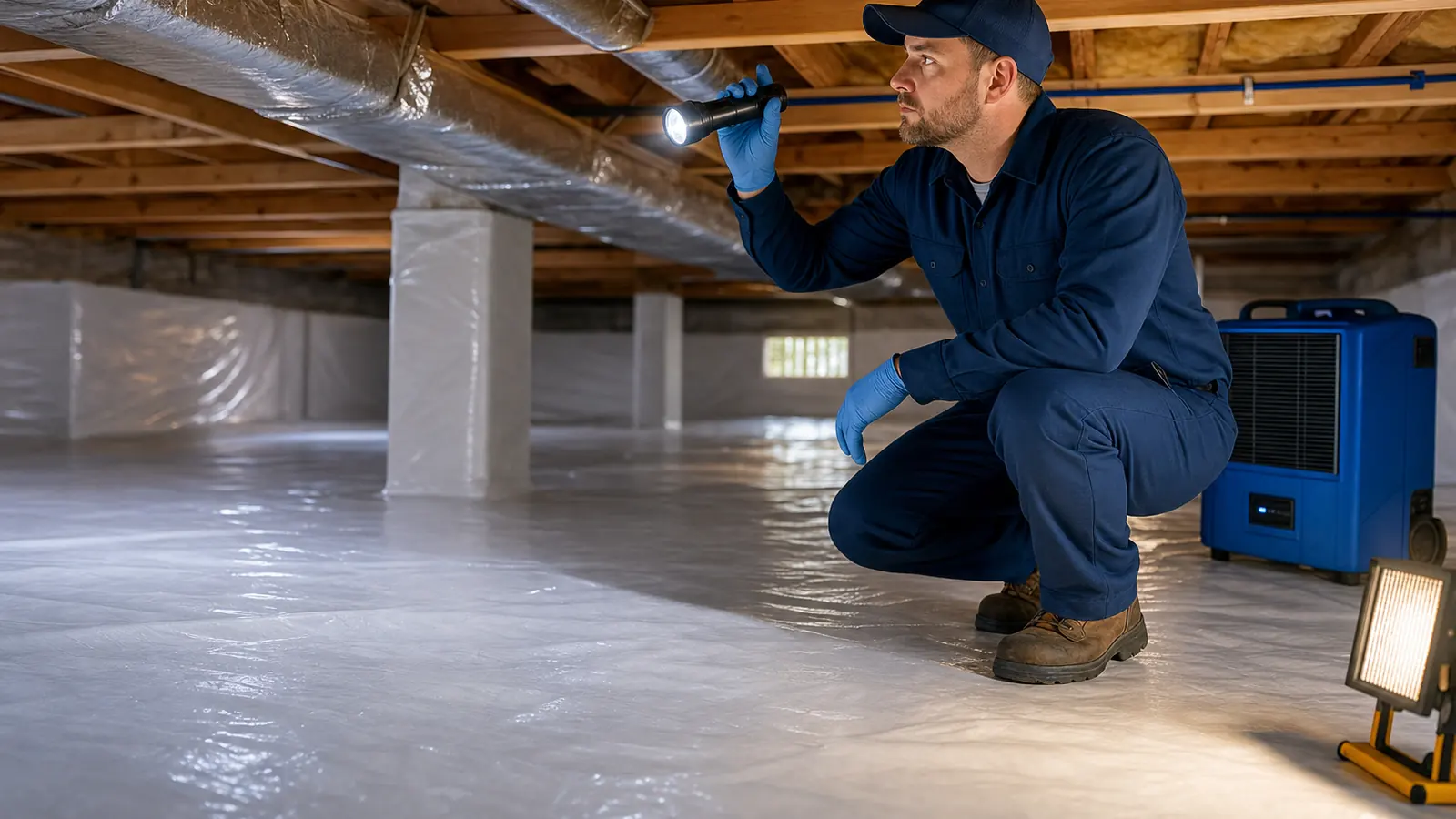
What should a professional vapor barrier installation inspection document?
An inspection should record existing ground moisture patterns, current debris levels, pier locations, visible penetrations, and drainage conditions. This written record becomes the baseline for the proposal. Homeowners can then check what was observed against what the final scope actually covers.
A useful inspection starts with a walk-through of the whole crawl space. Notes should cover anything unusual found along the way. Homeowners seeing similar pressure can also review kids and pets pest control safety before scheduling.
Photos of piers, ductwork, and plumbing penetrations give both sides a shared reference. This cuts down confusion once installation begins.
Debris levels should be recorded honestly. Old insulation, scrap wood, or leftover barrier material can affect how much prep work is needed. This connects closely with requesting service from Paladin when you are comparing next steps.
Drainage observations, like damp soil or water marks, should be noted as facts. Drawing conclusions about their cause belongs to a separate conversation, not the inspection notes.
What this means for your home
- Documentation should summarize findings, treated areas, product locations where applicable, and the recommended follow-up plan.
- Boiling Springs service is adjusted to the home style, season, and pressure pattern instead of using the same checklist everywhere.
- Practical takeaway: An inspection should record existing ground moisture patterns, current debris levels, pier locations, visible penetrations, and drainage conditions.
What is the first thing to check in a vapor barrier proposal?
Check first whether ground coverage is written in specific terms. Look for a percentage or diagram instead of vague words like complete coverage. This sets the tone for how detailed the rest of the proposal will be.
Prefer to skip the guessing?
We'll identify the pest, point out conditions, and quote what's actually needed.

Which findings can change the vapor barrier installation service scope?
Findings like uneven ground, extra piers, unusual penetration counts, leftover debris, or tight access can all change the final scope. When the proposal covers these variables upfront, homeowners avoid surprise changes. This matters most once the crew is already under the house.
Uneven or sloped ground can call for extra material to keep full coverage. This should be flagged during the walk-through, not found mid-installation. For a wider plan, pair this with pest-proofing your home so the whole property is covered.
A crawl space with more piers than usual needs more wrapping time. Counting piers early keeps the proposal accurate.
Multiple penetrations from HVAC lines, plumbing, or electrical conduit each need separate attention. A proposal with an exact count avoids guesswork. Homeowners seeing similar pressure can also review residential pest control before scheduling.
Debris built up over time may need clearing before the barrier goes down. Deciding who handles that step should happen before signing.
What this means for your home
- Practical takeaway: Findings like uneven ground, extra piers, unusual penetration counts, leftover debris, or tight access can all change the final scope.
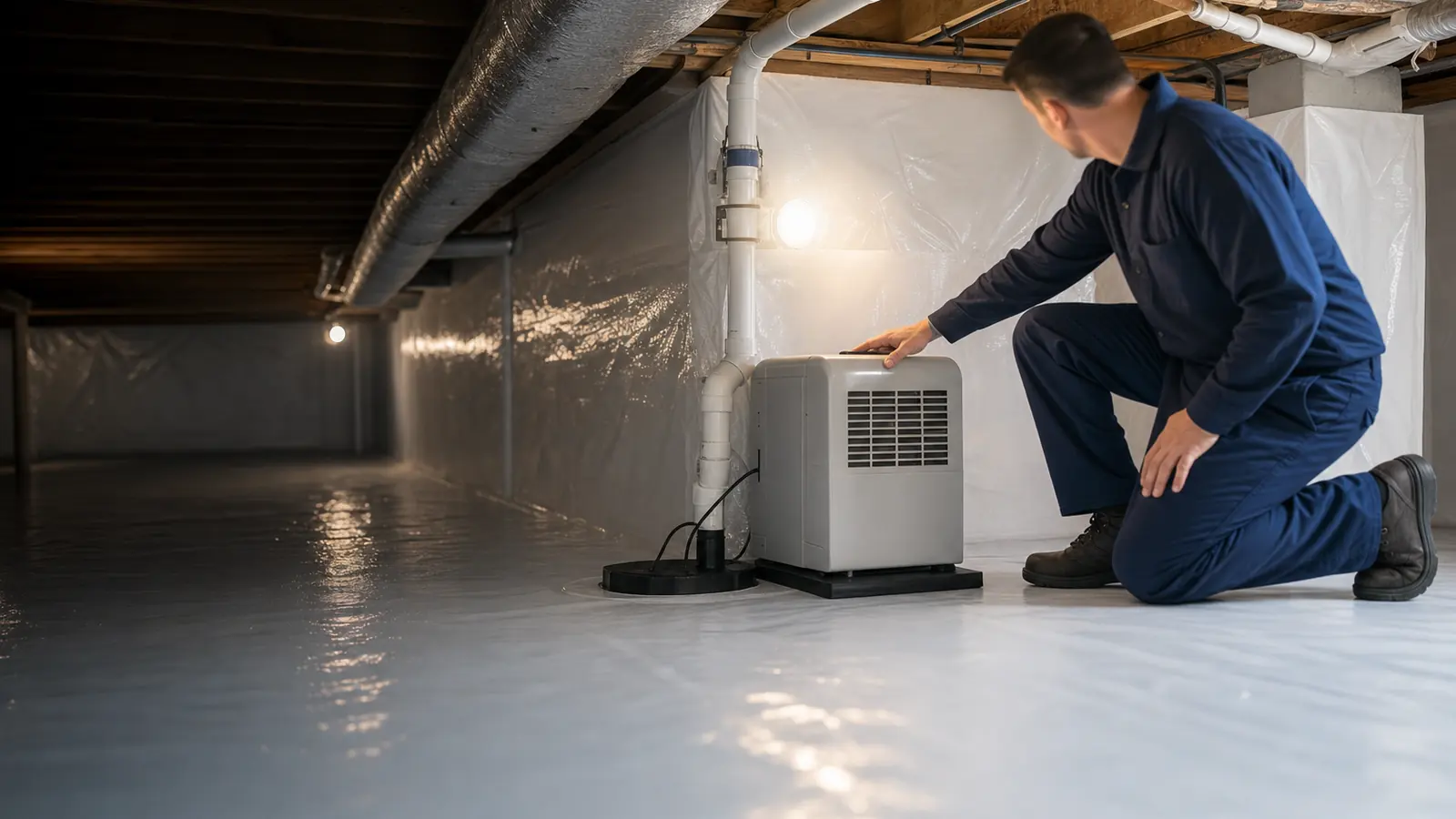
How should ground coverage be described in the proposal?
Ground coverage should be written as a percentage or a defined area, not a vague phrase like full coverage. Seam overlap width should be stated too. The proposal should also say if material reaches tight crawl space corners, so homeowners see the finished result clearly.
General phrases like complete coverage can mean different things to different contractors. Numbers and simple diagrams communicate far better than adjectives. This connects closely with Upstate SC service areas when you are comparing next steps.
Seam overlap is worth asking about directly. A wider overlap tends to hold up better over time than a narrow one.
Tight corners and crawl space extensions sometimes get skipped in a rushed job. The proposal should state plainly whether these spots are included. For a wider plan, pair this with kids and pets pest control safety so the whole property is covered.
Homeowners can ask for a simple sketch or marked photo showing where coverage starts and stops. This small step prevents mix-ups later.
What this means for your home
- Practical takeaway: Ground coverage should be written as a percentage or a defined area, not a vague phrase like full coverage.
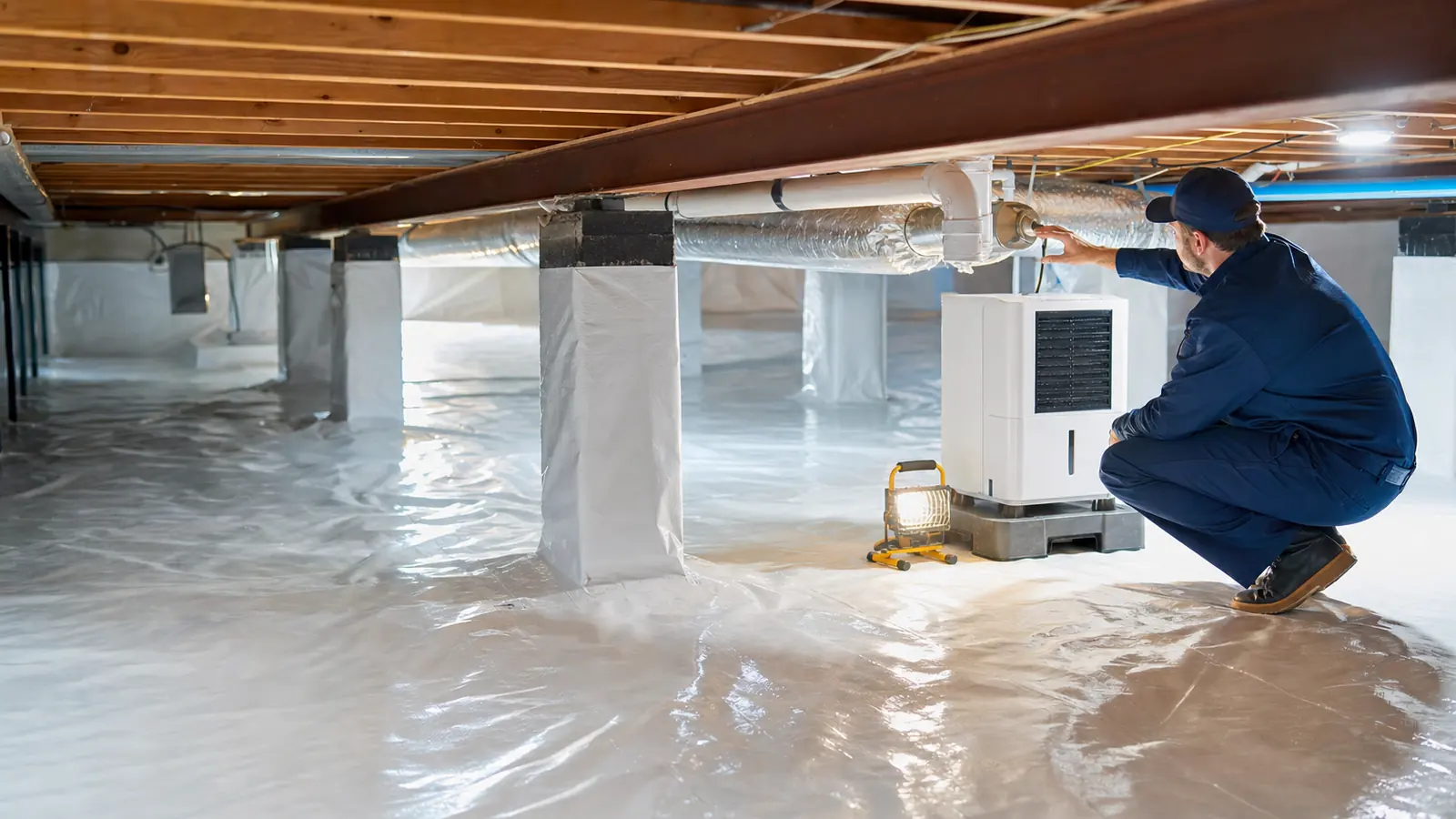
Why does wall-edge treatment matter in the written scope?
Wall-edge treatment matters because gaps at the foundation wall can weaken the rest of the barrier. The proposal should note attachment height and fastening method. It should also state whether foam or tape seals the top edge, a detail often missed in verbal agreements.
Moisture often moves along foundation walls before it reaches the open floor area. A barrier that stops short at the wall leaves an easy path for it. Homeowners seeing similar pressure can also review requesting service from Paladin before scheduling.
Attachment height varies by property. Some proposals set a fixed number of inches up the wall. Others leave it open ended.
Fastening method affects durability. Mechanical fasteners paired with sealing tape tend to hold up differently than tape alone. This connects closely with pest-proofing your home when you are comparing next steps.
Asking for this detail in writing keeps expectations aligned from the start. That is safer than assuming it matches some general norm.
What this means for your home
- Practical takeaway: Wall-edge treatment matters because gaps at the foundation wall can weaken the rest of the barrier.

Can pier wrapping and penetration sealing be left out of a basic proposal?
Pier wrapping and penetration sealing can be left out, but skipping them often lowers the effectiveness of the whole job. A thorough proposal itemizes both tasks on their own. This lets homeowners decide whether to include them instead of assuming they come standard.
Some basic proposals only cover the open ground area and skip piers entirely. This can leave gaps where moisture and pests find an easy path. For a wider plan, pair this with residential pest control so the whole property is covered.
Penetration points around pipes and ducts are small but numerous. Sealing each one takes extra time, which is why some contractors price it apart.
Homeowners should ask directly whether piers and penetrations are part of the base price. Sometimes they are offered as an add-on instead. Homeowners seeing similar pressure can also review requesting service from Paladin before scheduling.
A written itemization, even a short one, makes comparing bids from different contractors much easier.
What this means for your home
- Practical takeaway: Pier wrapping and penetration sealing can be left out, but skipping them often lowers the effectiveness of the whole job.
Should debris removal and drainage conditions appear in the contract?
Debris removal and drainage conditions should both appear in the contract. These directly affect labor time and job quality. Naming who removes old material matters here. Explaining how existing moisture or drainage will be handled helps avoid disagreements once the project is underway.
Old insulation, damaged barrier remnants, and general clutter need clearing before new material goes down. The contract should state if cleanup is included. This connects closely with kids and pets pest control safety when you are comparing next steps.
Hauling debris away takes time and sometimes brings disposal fees. A proposal silent on this point can lead to surprise charges.
Drainage conditions, such as damp soil or minor pooling, should be written down as observed facts rather than assumed causes. For a wider plan, pair this with residential pest control so the whole property is covered.
The EPA's guidance on moisture in homes offers useful background. It helps homeowners see why these conditions matter before installation begins.
What this means for your home
- Practical takeaway: Debris removal and drainage conditions should both appear in the contract.
- Documentation should summarize findings, treated areas, product locations where applicable, and the recommended follow-up plan.
Does limited crawl space access change how the proposal should be written?
Limited crawl space access does change how a proposal should be written. Tight entry points or low clearance can slow labor and material handling. The scope should note these limits directly so pricing and timelines reflect the true condition of the space.
Some Boiling Springs, SC homes have narrow crawl space entries. These limit how fast material and tools move in and out. Homeowners seeing similar pressure can also review pest-proofing your home before scheduling.
Low clearance areas sometimes call for extra care and slower work. This should be reflected honestly in the proposal.
If parts of the crawl space are hard or unsafe to reach, the proposal should state which areas might be left out of full coverage. This connects closely with kids and pets pest control safety when you are comparing next steps.
Raising access concerns during the first walk-through keeps things simple for everyone. That beats raising it after the contract is signed.
What this means for your home
- Practical takeaway: Limited crawl space access does change how a proposal should be written.
- Boiling Springs service is adjusted to the home style, season, and pressure pattern instead of using the same checklist everywhere.
Family-first by design
We ask who lives in the house before we pick a product
Babies, pregnancies, asthma, immune conditions, pet medical issues, garden beds, beehives, they all change the visit. Paladin treats harborage where pests live, not the surfaces kids and pets touch.
Every visit names what was used, where, and when the area is back to normal. If a different approach is the actual answer, we say so.
Why this post exists on the Paladin blog
This post was written by someone who actually does this work on Upstate homes, not by a contractor or a marketing team that has never seen the species in person. The Paladin blog exists to answer the questions we hear on real service calls, honestly, in plain English, without selling you a service you do not need. If a post helps you solve the problem on your own, that is a successful post for us. If you read it and decide you would rather have a trained technician on site, that is what the phone is for. Either path is fine.
A first Paladin visit is intended to document the activity, inspect relevant areas, and explain the proposed scope before work begins. Appointment timing and the exact inspection areas depend on the request and property access. Call (864) 816-7658 or use the contact form so the office can confirm the current options.
Paladin is based in Boiling Springs, SC and serves the approved Upstate locations listed on this site. Each recommendation should be tied to conditions documented at the property, including pest evidence, moisture, entry points, food, water, shelter, and access. The office confirms address availability without promising a route frequency or response window.
Keep exploring Paladin
Related Paladin services and guides for Upstate homeowners.
Frequently asked questions
What conditions should a vapor barrier installation proposal define in Boiling Springs, SC?
A proposal should define ground coverage area, wall-edge treatment height, pier wrapping, penetration sealing, debris removal duties, drainage observations, and access limits. Listing these items clearly helps homeowners compare quotes. It also helps them understand what work will happen before installation starts.
Why does pier wrapping matter in a vapor barrier installation?
Pier wrapping matters because piers are common gap points where moisture can slip past the barrier if left uncovered. A proposal that itemizes pier wrapping gives homeowners confidence this detail was not overlooked. It also makes comparing bids from different contractors much simpler.
How can homeowners compare different vapor barrier installation proposals?
Homeowners can compare proposals by checking if each one lists the same seven elements. These are ground coverage, wall-edge treatment, pier wrapping, penetration sealing, debris removal, drainage notes, and access limits. Matching these categories side by side makes scope differences easy to spot.
Should debris removal be included in a vapor barrier installation quote?
Debris removal should be addressed directly in the quote. It should state whether old material and clutter will be hauled away as part of the job. Leaving this detail unstated can lead to confusion about extra charges once work begins. Getting this in writing protects both sides.
What should homeowners ask about crawl space access before installation?
Homeowners should ask whether narrow entries or low clearance will affect the scope of work. They should also ask if some sections might be left out of full coverage due to access limits. Raising this during the first walk-through helps set realistic expectations for the finished job.
Ready to shield your family?
One call to Paladin and we’ll meet you where you are, from a quick walk-through to a long-term protection plan.