Upstate South Carolina · Pest control built around your household
Townhome Pest Control in Boiling Springs, SC: Planning Around Shared Walls
Townhome pest control in Boiling Springs, SC works best with a clear map first. List shared walls, rooflines, utility penetrations, and exterior boundaries before the inspection begins. This scope helps an inspector see which…
- Low-disruption applications focused on cracks, voids, and entry points
- Reachable techs, text us, call us, we answer
- Quarterly programs or one-time visits, your call
Quick Answer
Townhome pest control in Boiling Springs, SC works best with a clear map first. List shared walls, rooflines, utility penetrations, and exterior boundaries before the inspection begins. This scope helps an inspector see which areas belong to your unit and which touch a neighbor. Clear notes keep findings accurate and useful.
For the next step, compare Paladin pest control services, read about Upstate SC service areas, or check where Paladin works across Upstate SC.
Key Takeaways
- Map shared walls before requesting a townhome pest inspection.
- Roofline junctions between units deserve separate documentation.
- Utility penetrations are common entry points worth noting.
- Exterior boundary lines affect what an inspector can access.
- Clear access notes help an inspection stay efficient.
- Photos of shared areas support a more accurate scope.
- Integrated Pest Management guides many professional inspection decisions.
How should shared walls and exterior boundaries be addressed in a townhome service request?
Note where your unit's wall meets a neighbor's wall. Mark any shared attic or crawlspace access. Describe exterior boundary lines like fences or shared patios. This helps an inspector separate your property's scope from areas that need coordination with a neighbor or the homeowners association.
Townhomes differ from single family homes. Walls, attics, and sometimes roof cavities connect to another living space. A service request that names these shared areas gives an inspector useful context before arrival. This connects closely with residential pest control when you are comparing next steps.
Start by noting which wall or walls your unit shares with a neighbor. If you know whether the attic space above that wall is divided or open, include that detail in your notes.
Exterior boundaries matter too. Many townhome communities have shared patios, fences, or narrow side yards between units. Marking these boundaries helps clarify what falls within a reasonable inspection scope. For a wider plan, pair this with Upstate SC service areas so the whole property is covered.
If your community has an association with rules about exterior access, mention that in your request. It helps set expectations before the inspection begins.
What this means for your home
- Documentation should summarize findings, treated areas, product locations where applicable, and the recommended follow-up plan.
- Practical takeaway: Note where your unit's wall meets a neighbor's wall.
- Service notes should tell you what was found, what was treated, and what to watch for before the next visit.
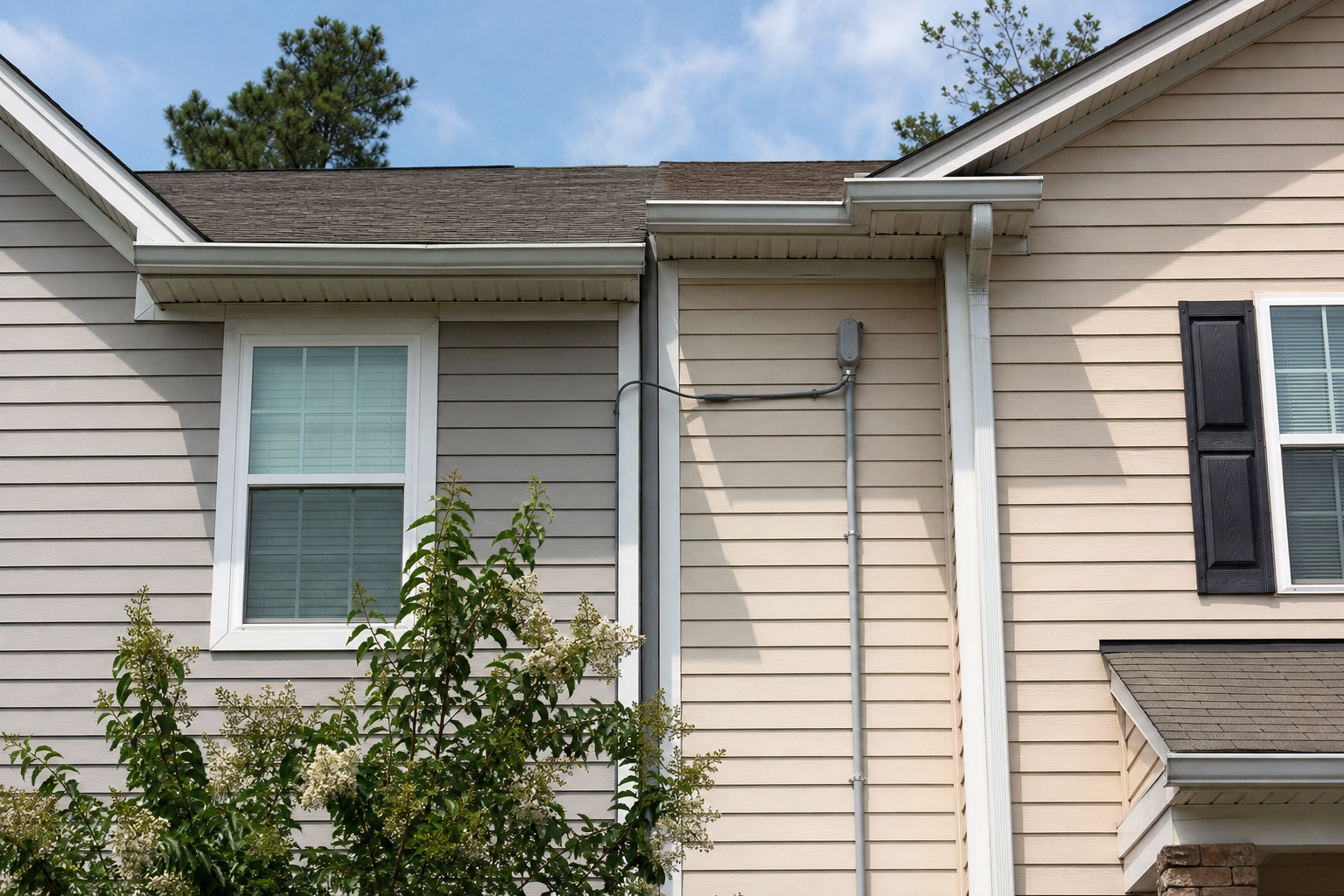
What should a professional townhome pest control inspection document?
A thorough inspection should document exterior entry points, shared wall seams, roofline junctions, and utility penetrations. It should also note visible gaps around doors or windows. This written record gives homeowners a clear reference point for comparing findings across visits or discussing scope with a neighbor or association.
Documentation gives structure to an inspection. Instead of a general walk through, a documented approach creates a record you can reference later. Homeowners seeing similar pressure can also review kids and pets pest control safety before scheduling.
Exterior entry points are a natural starting place. These include gaps around utility lines, vents, and low foundation areas where pests commonly find access.
Shared wall seams and roofline junctions deserve their own notes. They touch a neighboring unit, so a written description helps if follow up coordination is ever needed. This connects closely with requesting service from Paladin when you are comparing next steps.
Ask whether photos come with the inspection notes. Visual records paired with written descriptions tend to hold up better over time than notes alone.
What this means for your home
- Documentation should summarize findings, treated areas, product locations where applicable, and the recommended follow-up plan.
- Practical takeaway: A thorough inspection should document exterior entry points, shared wall seams, roofline junctions, and utility penetrations.
- Service notes should tell you what was found, what was treated, and what to watch for before the next visit.
Do I need to coordinate with my neighbor before requesting townhome pest control?
It can help to mention shared walls or attic access in your request. You do not need your neighbor present for an initial inspection. If shared exclusion work becomes relevant, coordination may be discussed later.
Ready for a straight answer?
Call or message, we'll listen first and recommend only what fits your home.
Which findings can change the townhome pest control service scope?
Gaps at utility penetrations can change a service plan. So can deteriorated seals along a shared wall or openings near a roofline junction. Exclusion work in these areas often needs more attention than a routine treatment, since it involves sealing physical access points rather than a single visit.
Not every inspection ends with the same recommendations. What an inspector sees at entry points and shared structures often shapes the scope more than the unit's interior. For a wider plan, pair this with pest-proofing your home so the whole property is covered.
Utility penetrations are a common trouble spot. This is where pipes or wires pass through an exterior wall, and gaps can develop there over time. These findings often lead to a talk about exclusion work.
Shared wall conditions can also shift the scope. If a seam or seal has separated over time, that finding may call for a broader look than a single unit treatment. Homeowners seeing similar pressure can also review residential pest control before scheduling.
Roofline junctions between attached units sometimes hide gaps that are easy to miss from the ground. These are worth asking about directly during a service conversation.
What this means for your home
- Practical takeaway: Gaps at utility penetrations can change a service plan.
Why do rooflines matter more in townhome pest planning than in standalone homes?
Attached units often share a continuous roof structure or sit close to a neighboring roof. This shared design means gaps near a roofline can affect more than one unit. Documenting this area clearly supports a more accurate service plan for the whole row rather than a single home alone.
A standalone home has a single, self contained roofline. A townhome often shares a roof edge or ridge with the unit next door. This changes how that area should be reviewed. This connects closely with Upstate SC service areas when you are comparing next steps.
Gaps near a roof junction can be hard to spot without getting close to the structure. Photos from a ladder or drone, when available, add useful detail to a service request.
Because rooflines connect units, fixing an issue in isolation may not solve the full picture. This is one reason a shared, documented view of the roofline helps set expectations early. For a wider plan, pair this with kids and pets pest control safety so the whole property is covered.
If you notice staining, gaps, or loose flashing where roofs meet, write it down. It gives the inspector a starting point without requiring a guess.
What this means for your home
- Practical takeaway: Attached units often share a continuous roof structure or sit close to a neighboring roof.
- Documentation should summarize findings, treated areas, product locations where applicable, and the recommended follow-up plan.
Should utility penetrations be listed separately in a townhome service request?
Yes, list them separately. Utility penetrations are specific, fixed points where pipes, cables, or vents pass through an exterior wall. Listing each one by location helps an inspector prioritize a walk through. It also lowers the chance that a small gap gets missed during a broader review.
Utility penetrations are easy to miss because they blend into the exterior. A dryer vent, cable line, or spigot can each create small gaps around their fittings. Homeowners seeing similar pressure can also review requesting service from Paladin before scheduling.
Listing these points on their own, instead of folding them into a general exterior note, gives the inspector a checklist to work from. This can make the visit more thorough.
If you know where your unit's utility lines enter the building, a simple note with the approximate location is enough. You do not need exact measurements or technical detail. This connects closely with pest-proofing your home when you are comparing next steps.
This kind of list is especially useful in a townhome, since utility lines sometimes run close to a shared wall. That closeness can affect how a finding gets addressed.
What this means for your home
- Practical takeaway: Yes, list them separately.
How does access planning affect a townhome pest control visit?
Access planning shapes how well an inspector can review shared walls, rooflines, and exterior boundaries. Confirming gate codes, shared yard access, and association rules ahead of time helps the visit move smoothly. It also lowers the chance that an important area gets skipped during the review.
Townhome communities often have narrower side yards, shared gates, or limited parking compared to standalone homes. These details can slow a visit if they are not planned for in advance. For a wider plan, pair this with residential pest control so the whole property is covered.
If your community needs a code or key for shared areas, note this in your request. It helps avoid a situation where part of the exterior cannot be reached.
Think about whether a neighbor's yard or shared fence line needs to be crossed to reach a boundary point. Mentioning this ahead of time sets clear expectations. Homeowners seeing similar pressure can also review requesting service from Paladin before scheduling.
Simple access notes, written before the visit, tend to save time for everyone involved. They also support a more complete review of the property's exterior.
This kind of planning lowers the odds of a follow up visit for an area that was reachable but simply overlooked. This connects closely with kids and pets pest control safety when you are comparing next steps.
What this means for your home
- Practical takeaway: Access planning shapes how well an inspector can review shared walls, rooflines, and exterior boundaries.
Can a townhome pest control plan address rodent activity near shared structures?
Yes, a plan can include rodent focused steps. These include checking shared walls, rooflines, and utility penetrations for signs of entry. Addressing these shared structural points supports a fuller approach than looking at one unit's interior alone, since rodents often travel along connected exterior features.
Rodents are resourceful travelers. Connected structures like shared attics or wall cavities can play a role in how they move between units. This connects closely with kids and pets pest control safety when you are comparing next steps.
A plan that looks at entry points along the full exterior tends to give a clearer picture of where activity may start. Looking at one unit alone often misses this.
Rodent control services often pair with exclusion work. Sealing an entry point addresses the access side of the problem rather than visible signs alone. For a wider plan, pair this with residential pest control so the whole property is covered.
If you have noticed signs near a shared wall or attic access, describe the location as specifically as you can when requesting service.
What this means for your home
- Practical takeaway: Yes, a plan can include rodent focused steps.
Is it useful to build a simple map before contacting a pest control provider?
Yes, a simple map helps. Note shared walls, rooflines, utility penetrations, exterior boundaries, and access points before the first visit. This preparation lets the conversation start with specifics rather than general concerns. It supports a clearer, more efficient inspection from the first call onward.
You do not need drafting skills to build a useful map. A basic sketch of your unit's exterior, with a few labels, is often enough. Homeowners seeing similar pressure can also review pest-proofing your home before scheduling.
Mark where your unit connects to a neighbor's wall. Note where the roofline meets the next unit and where utility lines enter the structure.
Add notes about access, such as gates, shared yards, or association rules. This helps the provider understand the full picture before arriving. This connects closely with kids and pets pest control safety when you are comparing next steps.
Bring this map or description when you contact a provider. It turns a general request into a specific, well organized starting point for service.
What this means for your home
- Practical takeaway: Yes, a simple map helps.
Family-first by design
We ask who lives in the house before we pick a product
Babies, pregnancies, asthma, immune conditions, pet medical issues, garden beds, beehives, they all change the visit. Paladin treats harborage where pests live, not the surfaces kids and pets touch.
Every visit names what was used, where, and when the area is back to normal. If a different approach is the actual answer, we say so.
Why this post exists on the Paladin blog
This post was written by someone who actually does this work on Upstate homes, not by a contractor or a marketing team that has never seen the species in person. The Paladin blog exists to answer the questions we hear on real service calls, honestly, in plain English, without selling you a service you do not need. If a post helps you solve the problem on your own, that is a successful post for us. If you read it and decide you would rather have a trained technician on site, that is what the phone is for. Either path is fine.
A first Paladin visit is intended to document the activity, inspect relevant areas, and explain the proposed scope before work begins. Appointment timing and the exact inspection areas depend on the request and property access. Call (864) 816-7658 or use the contact form so the office can confirm the current options.
Paladin is based in Boiling Springs, SC and serves the approved Upstate locations listed on this site. Each recommendation should be tied to conditions documented at the property, including pest evidence, moisture, entry points, food, water, shelter, and access. The office confirms address availability without promising a route frequency or response window.
Keep exploring Paladin
Related Paladin services and guides for Upstate homeowners.
Frequently asked questions
What areas should a townhome pest control request mention?
Mention shared walls, roofline junctions, utility penetrations, exterior boundaries, and access points like gates or shared yards. This gives the inspector a clear starting point. It also helps the visit focus on the areas most relevant to an attached property, rather than treating it like a standalone home with no connected structures.
How is a townhome inspection different from a single family home inspection?
A townhome inspection accounts for shared walls, connected rooflines, and boundary lines that touch a neighboring unit. A single family home inspection typically focuses on one self contained structure. It does not need to weigh these shared considerations, since there is no attached unit affecting the exterior scope.
Should I take photos before requesting service?
Photos of shared walls, roof junctions, and utility penetrations can support your written notes. They give the inspector a visual reference before arrival. This helps clarify locations that might be hard to describe in words alone, especially for details near a roofline or a narrow side yard.
Does Paladin Pest Solutions serve Boiling Springs, SC?
Paladin Pest Solutions is based in Boiling Springs, SC and serves approved locations across Upstate South Carolina. Exact address availability is confirmed by the office when you reach out to schedule service, so it helps to have your address and shared wall notes ready when you contact the team.
What capabilities are relevant to townhome pest planning?
Relevant capabilities include Integrated Pest Management, multi point inspections, rodent control, entry point sealing, and exclusion work. These services align well with the shared structural points common in townhome communities, including rooflines, party walls, and utility penetrations that often need a closer, documented look.
How can I reach Paladin Pest Solutions to discuss a townhome plan?
You can contact Paladin Pest Solutions through the contact page or call (864) 816-7658. Sharing your shared wall and access notes ahead of time can help the conversation start with useful detail, which makes it easier to plan a visit around your unit's specific layout and boundaries.
Ready to shield your family?
One call to Paladin and we’ll meet you where you are, from a quick walk-through to a long-term protection plan.