Upstate South Carolina · Practical, low-disruption pest work
Summer Pest Control in Boiling Springs, SC: Scoping Yard and Home Pressure
Summer pest control in Boiling Springs, SC works best when homeowners document indoor sightings, perimeter gaps, standing water, yard use patterns, stinging insect activity, and repeat problem spots before requesting an…
- Treatments built around how your family actually uses the home
- Local dispatch from Spartanburg across the Upstate
- If a visit isn't needed, we'll say so on the phone
Quick Answer
Summer pest control in Boiling Springs, SC works best when homeowners document indoor sightings, perimeter gaps, standing water, yard use patterns, stinging insect activity, and repeat problem spots before requesting an inspection. This evidence helps a provider set the right scope, rather than guessing at pressure points across the property.
For the next step, compare Paladin pest control services, read about Upstate SC service areas, or check where Paladin works across Upstate SC.
Key Takeaways
- Record indoor pest sightings by room and date before calling.
- Check the foundation perimeter for gaps, cracks, or moisture.
- Note standing water sources that may attract summer pests.
- Track how family and pets use the yard daily.
- Watch for stinging insect nests near entries or play areas.
- Flag areas with repeat pest problems from past summers.
- Bring this map to the inspection for a focused scope.
How should indoor evidence, yard use, and recurring summer pest pressure be prioritized?
Start indoors, since active sightings inside the home usually signal the most pressing concern. Then move outward to the perimeter, standing water, yard use zones, stinging insects, and finally recurring trouble spots. This order helps a provider understand both urgency and pattern across the property.
Indoor evidence carries the most weight because it shows pests are already inside living spaces. Note where you see activity, how often, and at what time of day. This detail helps frame the first part of any inspection. This connects closely with residential pest control when you are comparing next steps.
Once indoor notes are done, walk the foundation perimeter. Look for gaps around utility lines, cracked mortar, or soil that touches siding. These are common entry points worth flagging.
Standing water and yard use come next because summer heat increases both moisture problems and outdoor family activity. Pair these with stinging insect observations and any repeat pest history to build a full picture. For a wider plan, pair this with Upstate SC service areas so the whole property is covered.
What this means for your home
- Boiling Springs service is adjusted to the home style, season, and pressure pattern instead of using the same checklist everywhere.
- Practical takeaway: Start indoors, since active sightings inside the home usually signal the most pressing concern.
What should a professional summer pest control inspection document?
A thorough inspection should document indoor sighting locations, perimeter vulnerabilities, moisture sources, yard usage patterns, stinging insect nests, and recurring problem areas across recent summers. This written record gives homeowners a clear reference point and helps track changes between seasonal visits over time.
Documentation should include specific rooms or areas where pests were seen, along with approximate dates. This turns vague memories into a useful timeline for comparison. Homeowners seeing similar pressure can also review kids and pets pest control safety before scheduling.
Perimeter notes should cover visible gaps, vent screens, and any soil-to-siding contact. These details help explain why certain entry points get more attention than others.
Standing water, yard use, and stinging insect notes round out the picture. Recurring issues from prior summers should also be listed so patterns are easy to spot over time. This connects closely with requesting service from Paladin when you are comparing next steps.
What this means for your home
- Boiling Springs service is adjusted to the home style, season, and pressure pattern instead of using the same checklist everywhere.
- Documentation should summarize findings, treated areas, product locations where applicable, and the recommended follow-up plan.
- Practical takeaway: A thorough inspection should document indoor sighting locations, perimeter vulnerabilities, moisture sources, yard usage patterns, stinging insect nests, and recurring problem areas across recent summers.
What is the fastest way to prepare for a summer pest inspection?
Write down indoor sightings, perimeter gaps, standing water spots, yard use patterns, and any stinging insect nests before the visit. This simple map helps the inspection stay focused and efficient.
Prefer to skip the guessing?
We'll identify the pest, point out conditions, and quote what's actually needed.
Which findings can change the summer pest control service scope?
Findings such as active indoor sightings, multiple perimeter gaps, persistent standing water, heavy yard traffic near pest-prone areas, visible stinging insect nests, or a history of repeat problems can each shift the scope. More findings usually mean a broader, more layered approach.
A single indoor sighting may call for a narrow, targeted look. Multiple sightings across rooms often point toward a wider indoor and perimeter review. For a wider plan, pair this with pest-proofing your home so the whole property is covered.
Standing water near the foundation or in low yard spots can raise concern, especially when paired with heavy outdoor use by children or pets. This combination often shifts attention toward moisture-related entry points.
Stinging insect nests near doors, walkways, or play areas tend to get prioritized quickly due to safety around daily movement. Recurring pest history from past summers also signals that a more consistent seasonal plan may be worth discussing. Homeowners seeing similar pressure can also review residential pest control before scheduling.
What this means for your home
- Practical takeaway: Findings such as active indoor sightings, multiple perimeter gaps, persistent standing water, heavy yard traffic near pest-prone areas, visible stinging insect nests, or a history of repeat problems can each shift the…
How can homeowners track indoor pest evidence before an inspection?
Keep a simple log noting the room, pest type if known, date, and time of each sighting. Photos of droppings, nests, or damage without close handling can also help. This log gives an inspector a starting point instead of a vague description.
A basic notebook or phone note works fine for tracking. Consistency matters more than format, so pick something you will actually update. This connects closely with Upstate SC service areas when you are comparing next steps.
Include details like whether activity happens near food storage, water sources, or dark corners. These patterns often point toward specific areas worth closer review.
Avoid touching or moving anything that could be evidence of a larger issue. Simply note the location and let the inspection team assess it directly. For a wider plan, pair this with kids and pets pest control safety so the whole property is covered.
What this means for your home
- Practical takeaway: Keep a simple log noting the room, pest type if known, date, and time of each sighting.
- Boiling Springs service is adjusted to the home style, season, and pressure pattern instead of using the same checklist everywhere.
Why does standing water matter for summer pest pressure?
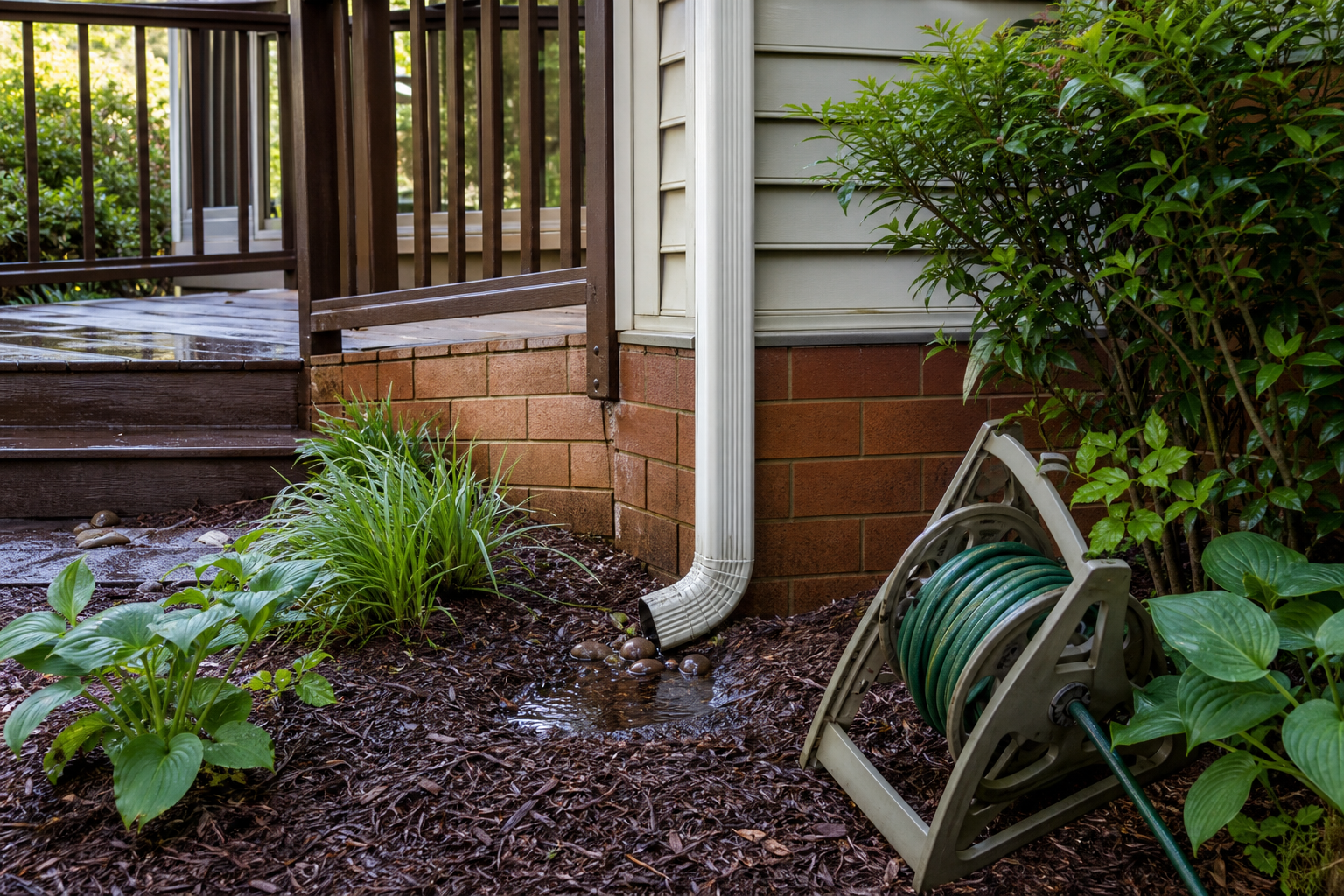
Standing water can attract certain summer pests and may point toward drainage issues around the home. Noting where water collects after rain, near downspouts, or in low yard spots gives an inspector useful context for the overall property review and helps clarify priority areas for further attention.
Walk the yard a day after rainfall to spot areas where water lingers. Common spots include gutters, low patches of lawn, and clogged drainage paths. Homeowners seeing similar pressure can also review requesting service from Paladin before scheduling.
Check outdoor containers like buckets, planters, or unused equipment that might collect water. These small pockets are easy to overlook but worth noting.
Share these observations during the inspection rather than trying to fix drainage yourself beforehand. This keeps the assessment accurate and complete. This connects closely with pest-proofing your home when you are comparing next steps.
What this means for your home
- Practical takeaway: Standing water can attract certain summer pests and may point toward drainage issues around the home.
- Boiling Springs service is adjusted to the home style, season, and pressure pattern instead of using the same checklist everywhere.
Should yard use patterns influence summer pest control planning?
Yes, yard use patterns should influence planning because areas with frequent foot traffic, play, or dining need different attention than rarely used corners. Sharing how your family and pets use the yard helps a provider weigh safety and priority across different zones.
Think about where children play, where pets spend time, and where outdoor meals happen. These high-use zones often deserve a closer look during inspection. For a wider plan, pair this with residential pest control so the whole property is covered.
Compare that against less-used areas like storage sheds or back fence lines. Lower traffic does not mean lower importance, but it can shift the order of review.
Mention any recent changes in yard use, such as a new garden bed or play structure. New features can change how pests interact with the space. Homeowners seeing similar pressure can also review requesting service from Paladin before scheduling.
What this means for your home
- Practical takeaway: Yes, yard use patterns should influence planning because areas with frequent foot traffic, play, or dining need different attention than rarely used corners.
- Boiling Springs service is adjusted to the home style, season, and pressure pattern instead of using the same checklist everywhere.
When should stinging insect activity move to the top of the list?
Stinging insect activity should move up the list when nests appear near doors, walkways, decks, or play areas used daily. Frequent nearby movement raises the chance of accidental contact, so these locations often warrant quicker attention during the overall property scoping process.
Look for nests under eaves, inside wall voids with visible entry gaps, or within shrubs near walkways. Note the general location without disturbing the nest. This connects closely with kids and pets pest control safety when you are comparing next steps.
Consider how close the nest sits to doors, mailboxes, or outdoor seating. Proximity to daily paths often raises the priority level.
Share this information early when requesting an inspection. It helps the provider plan a safe, efficient visit order. For a wider plan, pair this with residential pest control so the whole property is covered.
What this means for your home
- Practical takeaway: Stinging insect activity should move up the list when nests appear near doors, walkways, decks, or play areas used daily.
- Boiling Springs service is adjusted to the home style, season, and pressure pattern instead of using the same checklist everywhere.
Does a history of recurring summer pests change how a home should be inspected?
Yes, a documented history of recurring summer pests can shift how a home is inspected. Providers often look more closely at spots with repeat activity, since past patterns can help explain current pressure and guide a more targeted review across the whole property.
List areas that had pest issues in previous summers, even if resolved at the time. Patterns across multiple seasons can reveal ongoing conditions worth reviewing. Homeowners seeing similar pressure can also review pest-proofing your home before scheduling.
Note whether repeat issues happened in the same room, same yard corner, or same perimeter section. Repetition in one spot often points toward a specific structural or environmental factor.
Bring this history to the inspection conversation. It helps set realistic expectations and supports a more informed scope discussion. This connects closely with kids and pets pest control safety when you are comparing next steps.
What this means for your home
- Practical takeaway: Yes, a documented history of recurring summer pests can shift how a home is inspected.
- Boiling Springs service is adjusted to the home style, season, and pressure pattern instead of using the same checklist everywhere.
Family-first by design
We ask who lives in the house before we pick a product
Babies, pregnancies, asthma, immune conditions, pet medical issues, garden beds, beehives, they all change the visit. Paladin treats harborage where pests live, not the surfaces kids and pets touch.
Every visit names what was used, where, and when the area is back to normal. If a different approach is the actual answer, we say so.
Why this post exists on the Paladin blog
This post was written by someone who actually does this work on Upstate homes, not by a contractor or a marketing team that has never seen the species in person. The Paladin blog exists to answer the questions we hear on real service calls, honestly, in plain English, without selling you a service you do not need. If a post helps you solve the problem on your own, that is a successful post for us. If you read it and decide you would rather have a trained technician on site, that is what the phone is for. Either path is fine.
A first Paladin visit is intended to document the activity, inspect relevant areas, and explain the proposed scope before work begins. Appointment timing and the exact inspection areas depend on the request and property access. Call (864) 816-7658 or use the contact form so the office can confirm the current options.
Paladin is based in Boiling Springs, SC and serves the approved Upstate locations listed on this site. Each recommendation should be tied to conditions documented at the property, including pest evidence, moisture, entry points, food, water, shelter, and access. The office confirms address availability without promising a route frequency or response window.
Keep exploring Paladin
Related Paladin services and guides for Upstate homeowners.
Frequently asked questions
Where should I start when scoping summer pest control needs at home?
Start with indoor evidence since active sightings inside usually carry the most weight for planning purposes. From there, move to the perimeter, standing water, yard use, stinging insects, and any recurring pest history to build a complete picture before scheduling an inspection with a provider.
How does yard use affect summer pest control priorities in Boiling Springs, SC?
Yards with heavy foot traffic, play areas, or outdoor dining spaces often need closer attention because people and pets spend more time there daily. Sharing these patterns helps a provider weigh safety and priority across different zones of the property before finalizing a scope.
Why is standing water important to mention during a summer inspection?
Standing water can point toward drainage issues around the home and may attract certain summer pests, so noting these areas gives useful context. Walk the yard after rain to spot low areas, clogged drains, or containers holding water, then share these notes with the inspector.
Should I do anything about a stinging insect nest before the inspection?
Avoid disturbing or removing a nest yourself, since this can increase risk without resolving the underlying issue. Instead, note its location relative to doors, walkways, and play areas, then share that detail when scheduling so the visit can be planned appropriately and safely.
Can a history of recurring pests change the summer inspection approach?
Yes, documented recurring issues can help a provider understand ongoing patterns and focus the review more effectively on likely problem areas. Listing past problem areas, even if resolved, adds helpful context that supports a more informed conversation during the current summer assessment.
Ready to shield your family?
One call to Paladin and we’ll meet you where you are, from a quick walk-through to a long-term protection plan.