Upstate South Carolina · Pest control for homes with kids and pets
Squirrel Removal in Boiling Springs, SC: Planning From Entry Evidence to Exclusion
Squirrel Removal in Boiling Springs, SC works best when you gather evidence first. Note activity times, roofline gaps, attic sounds, and nesting signs before calling. This record helps a professional scope the inspection well. It…
- Careful, targeted treatments built around your household
- Local Upstate route, real callbacks from our Spartanburg office
- Honest scoping, never a sales script
Quick Answer
Squirrel Removal in Boiling Springs, SC works best when you gather evidence first. Note activity times, roofline gaps, attic sounds, and nesting signs before calling. This record helps a professional scope the inspection well. It also supports the entry-point sealing and exclusion work that follows removal.
For the next step, compare Paladin pest control services, read about Upstate SC service areas, or check where Paladin works across Upstate SC.
Key Takeaways
- Track activity times to help plan a squirrel removal inspection.
- Roofline gaps and gnaw marks often reveal entry points.
- Daytime attic sounds usually point to squirrels, not rodents.
- Nesting material signals a maternal den worth documenting.
- Entry-point sealing typically follows removal, not before it.
- Photos and timestamps make inspection scoping faster and clearer.
- Exclusion work depends on findings from the initial evidence.
What evidence helps scope squirrel removal and later entry-point work?
Useful evidence includes activity timing, roofline damage, attic noises, droppings, and nesting material. Take clear photos before your appointment. This helps a professional plan the inspection with fewer guesses. It also gives the visit a clearer starting point and speeds up scoping decisions.
Homeowners in Boiling Springs often notice squirrel activity before they notice damage. Scratching sounds in daylight or quick movement along the roofline are common first clues. This connects closely with residential pest control when you are comparing next steps.
Write down when you hear activity. Note morning or evening times. This can help narrow which areas of the attic or roof need closer attention during an inspection.
Photos of entry gaps, chewed fascia boards, or nesting debris near vents give a professional a starting reference. This kind of record supports a faster, more focused site visit. For a wider plan, pair this with Upstate SC service areas so the whole property is covered.
What this means for your home
- Boiling Springs service is adjusted to the home style, season, and pressure pattern instead of using the same checklist everywhere.
- Practical takeaway: Useful evidence includes activity timing, roofline damage, attic noises, droppings, and nesting material.
- Documentation should summarize findings, treated areas, product locations where applicable, and the recommended follow-up plan.
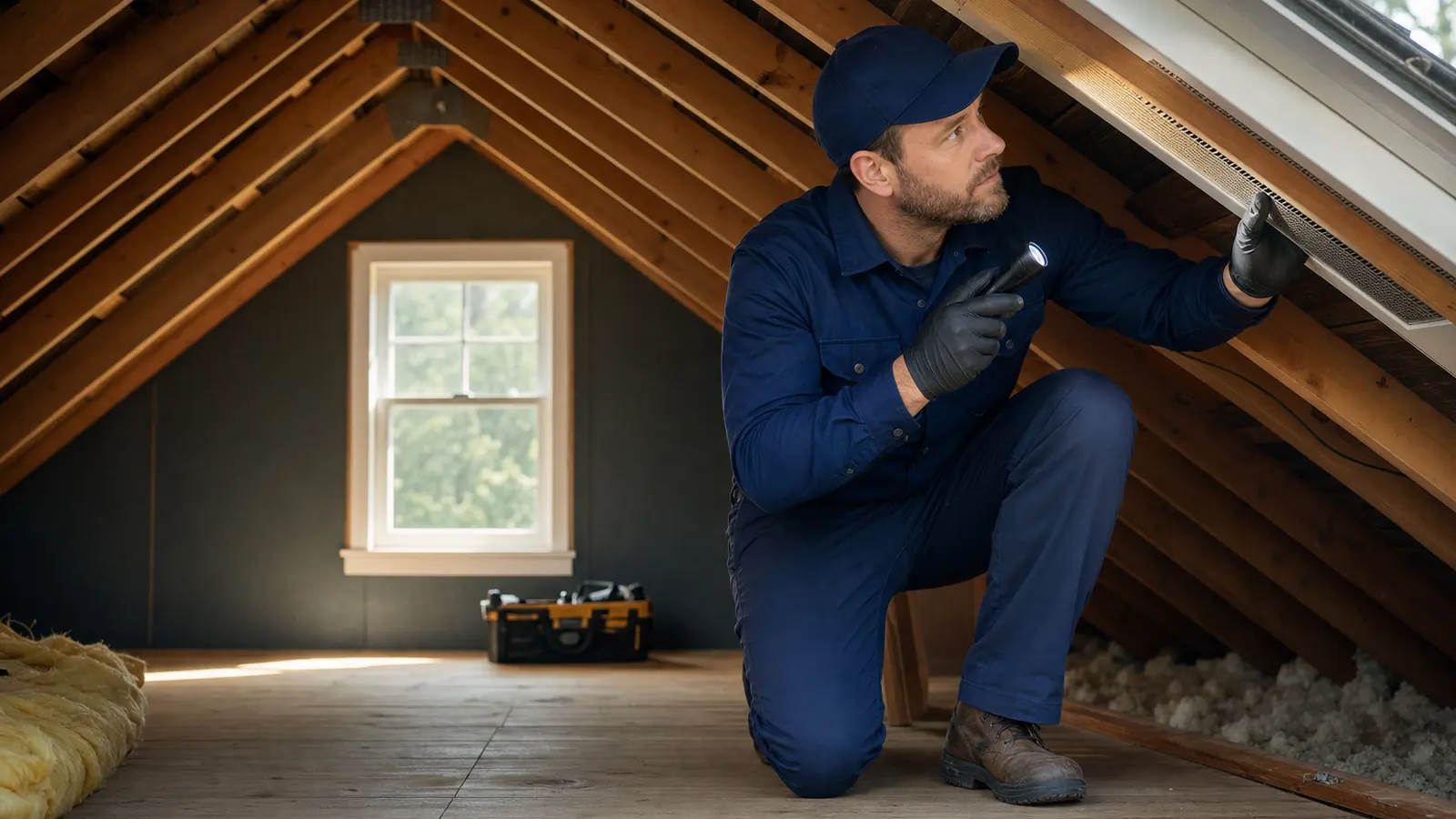
How does activity timing help identify a squirrel problem?
Squirrels are active during daylight hours, unlike many rodents that move at night. Daytime scratching or thumping in the attic often points to squirrels rather than mice or rats. Noting these patterns helps guide where the inspection should focus first.
Timing matters because different wildlife species keep different schedules. Note whether sounds happen at dawn, midday, or dusk. This can help separate squirrel activity from other pests. Homeowners seeing similar pressure can also review kids and pets pest control safety before scheduling.
If movement happens mostly in early morning or late afternoon, this fits typical squirrel routines described in general wildlife control resources.
Share this timing information during a service call. It lets the inspector focus on attic areas and roofline sections instead of starting from scratch. This connects closely with requesting service from Paladin when you are comparing next steps.
What this means for your home
- Practical takeaway: Squirrels are active during daylight hours, unlike many rodents that move at night.
- Boiling Springs service is adjusted to the home style, season, and pressure pattern instead of using the same checklist everywhere.
Do I need to see a squirrel to schedule an inspection?
No, sounds, droppings, or roofline gaps are enough evidence to request an inspection. Visual confirmation helps but is not required before contacting a professional for squirrel removal in Boiling Springs, SC.
Talk to the Paladin office.
Ask about the next available appointment and what the inspection includes.
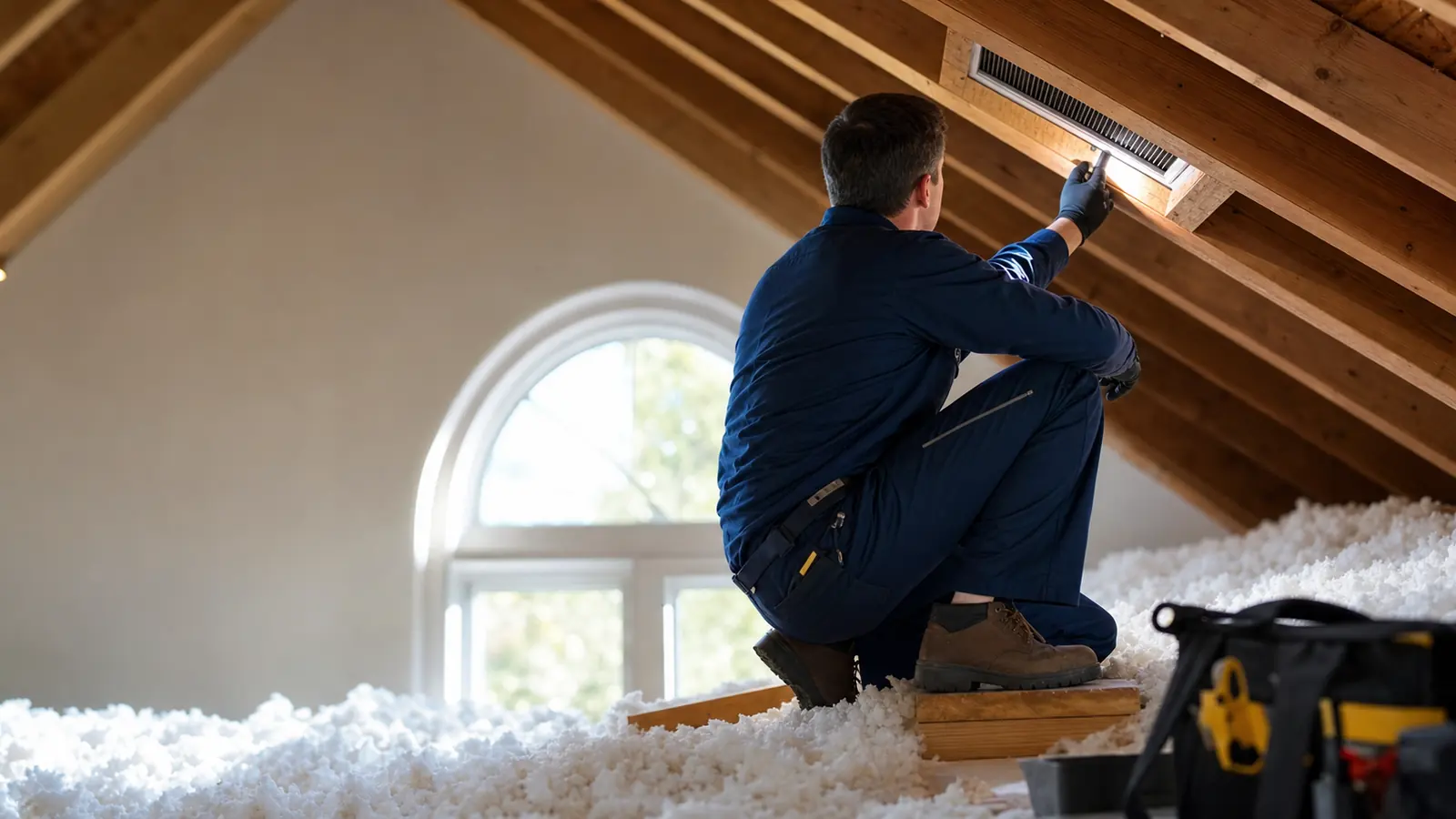
Which roofline signs suggest an active entry point?
Look for gnaw marks near soffits, gaps around roof vents, or displaced fascia boards. These signs often mark where squirrels move in and out. They give a professional a clear place to start. This helps focus early attention during the first visit.
Rooflines take the most wear from squirrel activity. They connect tree branches to attic spaces. Small gaps can widen quickly once an entry point forms. For a wider plan, pair this with pest-proofing your home so the whole property is covered.
Check visible areas from the ground with binoculars. Avoid climbing a ladder yourself. Look for chewed wood edges, loose flashing, or dark staining around vent covers.
Record the location of each suspected entry point. Use a simple sketch or photo set. This helps a technician confirm findings faster during the actual visit. Homeowners seeing similar pressure can also review residential pest control before scheduling.
What this means for your home
- Practical takeaway: Look for gnaw marks near soffits, gaps around roof vents, or displaced fascia boards.
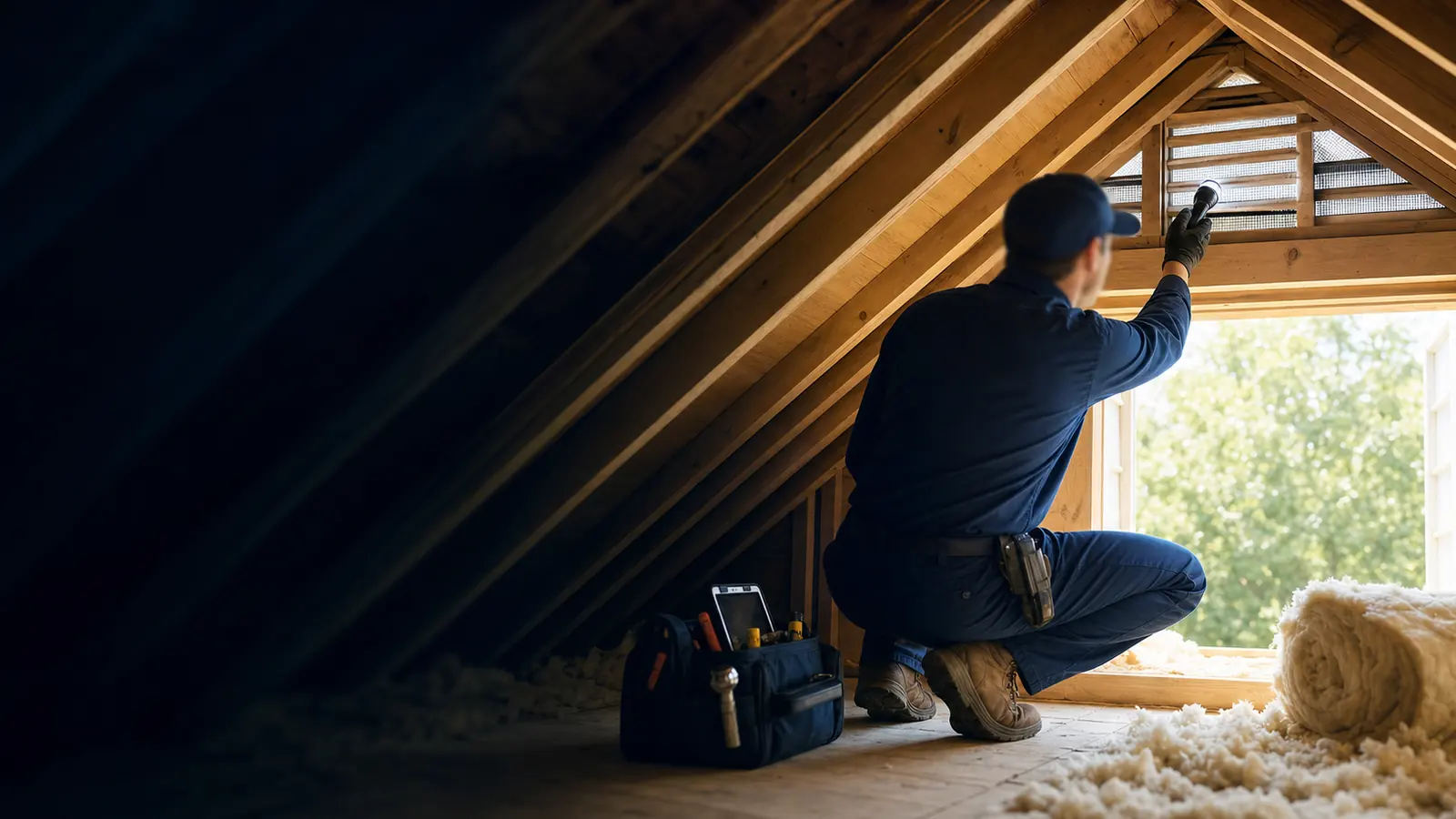
Why does attic zone mapping matter before removal work begins?
Attic zone mapping shows where sounds, droppings, or nesting cluster together in the space. This helps a professional see whether activity stays isolated or spreads across several areas of the attic. That picture then shapes both the removal approach and the follow-up exclusion plan for your home.
Attics are rarely uniform. Insulation, ductwork, and rafters create separate zones. Squirrels may nest or travel differently through each one. This connects closely with Upstate SC service areas when you are comparing next steps.
If you can safely view an attic access point, note which zones show droppings or disturbed insulation. Do not touch or disturb the area yourself.
This zone-by-zone picture gives an inspector a map to follow. It reduces the need for a long exploratory search once they arrive on site. For a wider plan, pair this with kids and pets pest control safety so the whole property is covered.
What this means for your home
- Practical takeaway: Attic zone mapping shows where sounds, droppings, or nesting cluster together in the space.
Should nesting material change how removal is planned?
Yes, nesting material often points to a maternal den rather than a passing visit. Note the presence, size, and location of any nesting you find. This helps a professional plan a removal approach that accounts for young squirrels that may still be inside.
Leaves, shredded insulation, or fabric scraps gathered in one spot usually point to a nest. This differs from random foraging activity spread across an attic. Homeowners seeing similar pressure can also review requesting service from Paladin before scheduling.
Season matters too. Spring and late summer are common times for litters. Nesting material found during these periods deserves extra attention during planning.
Mention nesting evidence when you schedule an inspection. This helps the professional bring the right expectations and adjust the visit accordingly. This connects closely with pest-proofing your home when you are comparing next steps.
What this means for your home
- Practical takeaway: Yes, nesting material often points to a maternal den rather than a passing visit.
What should a professional squirrel removal inspection document?
A thorough inspection typically documents entry points, active attic zones, nesting locations, and visible gaps. This record becomes the basis for the removal plan. It also guides the entry-point sealing that follows once activity has stopped. It keeps the process organized and traceable.
Inspectors generally walk the roofline first. They check vents, soffits, and any spots where tree limbs touch the structure. For a wider plan, pair this with residential pest control so the whole property is covered.
Inside the attic, they note insulation disturbance, droppings clusters, and any chewed wiring or wood. All of this informs the scope of work.
This documentation is not a diagnosis of the whole property. It is a working record that guides the removal and exclusion steps that come next. Homeowners seeing similar pressure can also review requesting service from Paladin before scheduling.
What this means for your home
- Practical takeaway: A thorough inspection typically documents entry points, active attic zones, nesting locations, and visible gaps.
- Documentation should summarize findings, treated areas, product locations where applicable, and the recommended follow-up plan.
Which findings can change the squirrel removal service scope?
Findings such as multiple entry points, active nesting, or widespread attic activity can expand the service scope. A single entry point with limited activity may call for a narrower plan. Several zones of activity often require broader exclusion work once removal is finished.
Scope decisions are rarely made from a phone call alone. Physical evidence gathered during the inspection carries the most weight. This connects closely with kids and pets pest control safety when you are comparing next steps.
If a technician finds gaps in more than one roofline section, the exclusion plan may need to address each location separately rather than one repair.
Homeowners who share their own observations, timing notes, and photos in advance help the professional arrive with a realistic sense of the likely scope. For a wider plan, pair this with residential pest control so the whole property is covered.
What this means for your home
- Practical takeaway: Findings such as multiple entry points, active nesting, or widespread attic activity can expand the service scope.
When should entry-point sealing happen relative to removal?
Entry-point sealing generally follows squirrel removal rather than happening first. Sealing an active entry point too early can trap animals inside. It can also push them to make new openings. Timing usually depends on confirming the attic is clear before sealing begins.
Exclusion work is most effective once activity has stopped and nesting areas are confirmed empty. This sequence protects the integrity of the repair. Homeowners seeing similar pressure can also review pest-proofing your home before scheduling.
Materials used for sealing, such as heavier gauge screening or metal flashing, are chosen based on the gap size and location found during inspection.
Homeowners can ask their provider to explain the planned sequence. This helps them understand why sealing waits until after confirmed removal, not before. This connects closely with kids and pets pest control safety when you are comparing next steps.
What this means for your home
- Practical takeaway: Entry-point sealing generally follows squirrel removal rather than happening first.
Family-first by design
We ask who lives in the house before we pick a product
Babies, pregnancies, asthma, immune conditions, pet medical issues, garden beds, beehives, they all change the visit. Paladin treats harborage where pests live, not the surfaces kids and pets touch.
Every visit names what was used, where, and when the area is back to normal. If a different approach is the actual answer, we say so.
Why this post exists on the Paladin blog
This post was written by someone who actually does this work on Upstate homes, not by a contractor or a marketing team that has never seen the species in person. The Paladin blog exists to answer the questions we hear on real service calls, honestly, in plain English, without selling you a service you do not need. If a post helps you solve the problem on your own, that is a successful post for us. If you read it and decide you would rather have a trained technician on site, that is what the phone is for. Either path is fine.
A first Paladin visit is intended to document the activity, inspect relevant areas, and explain the proposed scope before work begins. Appointment timing and the exact inspection areas depend on the request and property access. Call (864) 816-7658 or use the contact form so the office can confirm the current options.
Paladin is based in Boiling Springs, SC and serves the approved Upstate locations listed on this site. Each recommendation should be tied to conditions documented at the property, including pest evidence, moisture, entry points, food, water, shelter, and access. The office confirms address availability without promising a route frequency or response window.
Keep exploring Paladin
Related Paladin services and guides for Upstate homeowners.
Frequently asked questions
What is the first step in planning squirrel removal in Boiling Springs, SC?
The first step is gathering evidence. Note activity times, roofline damage, and attic sounds. This information helps a professional understand the situation before the inspection. It makes the visit more focused and the resulting plan more accurate for your property.
How can I tell if activity is squirrels and not another animal?
Squirrels are typically active during the day. Many rodents move mostly at night. Daytime scratching or running sounds in the attic, combined with roofline gaps, often point toward squirrels. Sharing these details with a professional helps them focus the inspection on the right areas first.
Why does the inspector check the roofline before the attic?
The roofline usually shows the entry point that led to attic activity. Checking it first helps the inspector connect exterior damage with what is found inside. This order gives a clearer picture of how the animals accessed the structure and where repairs may be needed.
Can entry-point sealing happen during the same visit as removal?
It depends on the inspection findings. If the attic is confirmed clear of activity and nesting, sealing may be scheduled soon after removal. If activity is still present, sealing typically waits until removal is complete to avoid trapping animals inside the structure.
What should I avoid doing before a professional inspection?
Avoid disturbing nesting material, attempting to seal any gaps yourself, or handling any wildlife you encounter. Documenting evidence with photos and notes is helpful preparation. Physical intervention, sealing, and handling are best left to the inspection and planning process that follows.
Ready to shield your family?
One call to Paladin and we’ll meet you where you are, from a quick walk-through to a long-term protection plan.