Upstate South Carolina · Careful, targeted pest control
Spring Pest Control in Boiling Springs, SC: Choosing Inspection Priorities
Spring Pest Control in Boiling Springs, SC works best when you document exterior evidence first. Look for ant trails, stinging insect activity, standing water, perimeter gaps, moisture buildup, and entry points before requesting…
- Low-disruption applications focused on cracks, voids, and entry points
- Reachable techs, text us, call us, we answer
- Quarterly programs or one-time visits, your call
Quick Answer
Spring Pest Control in Boiling Springs, SC works best when you document exterior evidence first. Look for ant trails, stinging insect activity, standing water, perimeter gaps, moisture buildup, and entry points before requesting an inspection. This evidence helps a technician scope the visit accurately and focus on the conditions that matter most to your property.
For the next step, compare Paladin pest control services, read about Upstate SC service areas, or check where Paladin works across Upstate SC.
Key Takeaways
- Document ant trails and nest locations before calling for service.
- Note stinging insect nests on eaves, sheds, or trees.
- Check for standing water that could support mosquito breeding.
- Walk the foundation perimeter for cracks and gaps.
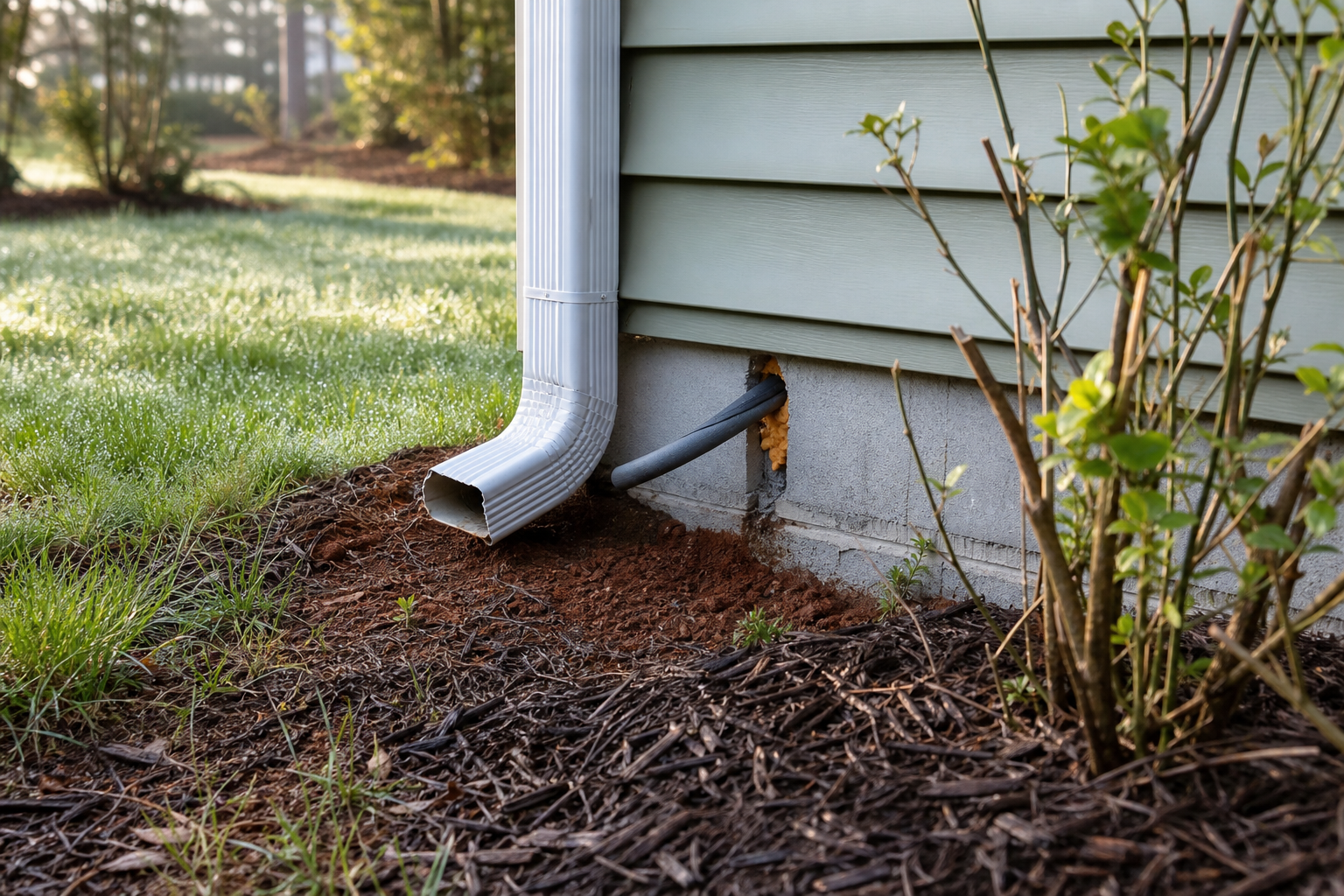
- Look for moisture buildup near crawl spaces and downspouts.
- Photograph entry points like vents, pipes, and utility lines.
- Share observations so the inspection scope matches your needs.
Which emerging pest evidence and exterior conditions should shape a spring service request?
Focus on six areas: ant activity, stinging insect nests, mosquito breeding sources, perimeter gaps, moisture problems, and entry points. Recording specific locations and conditions for each category gives a technician a clear starting point. This approach helps align the inspection with what is actually happening at your property this season.
Spring brings a noticeable rise in insect activity around Upstate South Carolina homes. Ants often become visible first, moving along foundations or through mulch beds. This connects closely with residential pest control when you are comparing next steps.
Stinging insects like wasps and yellow jackets tend to build nests in eaves, sheds, and tree limbs during warmer weeks. Spotting these early gives you time to plan a professional visit.
Standing water after spring rains can become a mosquito source within days. Gutters, clogged drains, and containers that hold rainwater deserve a closer look. For a wider plan, pair this with Upstate SC service areas so the whole property is covered.
Perimeter gaps, moisture buildup, and entry points around vents or utility lines round out the picture. Together, these six categories form a practical checklist for any spring service request.
What this means for your home
- Boiling Springs service is adjusted to the home style, season, and pressure pattern instead of using the same checklist everywhere.
- Practical takeaway: Focus on six areas: ant activity, stinging insect nests, mosquito breeding sources, perimeter gaps, moisture problems, and entry points.
How can homeowners spot early ant activity around the home?
Look along foundation lines, sidewalks, and mulch beds for visible trails or small mounds. Ants often follow consistent paths to food or moisture sources. Noting the time of day, trail direction, and nearby conditions gives useful detail for a spring pest control inspection in Boiling Springs, SC.
Ants become more active as soil temperatures rise in early spring. Trails often appear near doors, windows, or cracks in the foundation. Homeowners seeing similar pressure can also review kids and pets pest control safety before scheduling.
Small mounds of loose soil near pavers or garden beds can also indicate nest activity. These mounds are usually easy to spot after a light rain.
Kitchens and pantries sometimes show indoor ant activity that traces back to an exterior entry point. Following the trail outward can help identify where ants are entering. This connects closely with requesting service from Paladin when you are comparing next steps.
Recording these details before your inspection helps a technician confirm what you have already observed. This saves time and keeps the visit focused on real conditions.
What this means for your home
- Practical takeaway: Look along foundation lines, sidewalks, and mulch beds for visible trails or small mounds.
Do I need to find every pest issue myself before calling?
No, but noting what you observe helps guide the inspection. Even a few clear notes on ant trails, nests, or damp spots give a technician useful context for planning a focused visit.
Ready for a straight answer?
Call or message, we'll listen first and recommend only what fits your home.
Which signs suggest stinging insects are nesting near a property?
Watch for paper nests under eaves, in sheds, or within tree branches. Increased insect traffic around a fixed point often signals a nest nearby. Recording the nest location and approximate size helps a technician prepare for a safe, well scoped spring pest control visit.
Wasps and yellow jackets often choose sheltered spots like roof overhangs, attic vents, or storage sheds. These nests can grow quickly once warm weather arrives. For a wider plan, pair this with pest-proofing your home so the whole property is covered.
A steady stream of insects flying to and from one spot is a strong indicator of nest activity. This pattern is easier to observe in the early morning or late afternoon.
Ground nests are also common in South Carolina yards, especially near tree roots or under debris piles. These can be harder to spot until activity increases. Homeowners seeing similar pressure can also review residential pest control before scheduling.
Avoid disturbing any nest you find. Instead, note its location and size so the information can be shared during your inspection request.
What this means for your home
- Practical takeaway: Watch for paper nests under eaves, in sheds, or within tree branches.
Why does standing water matter for mosquito source control?
Mosquitoes rely on standing water to complete their life cycle, so identifying wet spots is a useful step before spring service. Gutters, low-lying yard areas, and containers that collect rain all count. Sharing these locations helps a technician address the sources most relevant to your yard.
Spring rains in the Upstate can leave water sitting in gutters, tarps, or unused containers for days. These spots often go unnoticed until mosquito activity increases. This connects closely with Upstate SC service areas when you are comparing next steps.
Low areas in the yard that hold water after storms are another common source. Walking the property after a rain event can reveal these spots clearly.
Even small amounts of standing water, like what collects in a plant saucer, can become a breeding source. A quick walkthrough after rainfall helps catch these details. For a wider plan, pair this with kids and pets pest control safety so the whole property is covered.
Documenting these locations with photos or notes gives your technician a clear starting point. This step supports a more focused mosquito source inspection.
What this means for your home
- Practical takeaway: Mosquitoes rely on standing water to complete their life cycle, so identifying wet spots is a useful step before spring service.
How should homeowners check the exterior perimeter before a spring inspection?
Walk the full foundation line looking for cracks, gaps, and settling soil. Check where siding meets the foundation and where utility lines pass through walls. A slow, methodical walk around the entire structure often reveals small issues that are easy to miss from a distance.
Foundation cracks can widen over winter due to freeze and thaw cycles. Spring is a good time to check for new or expanded gaps. Homeowners seeing similar pressure can also review requesting service from Paladin before scheduling.
Pay attention to areas where different materials meet, such as brick and siding transitions. These seams can create small openings over time.
Soil that has settled away from the foundation may leave visible gaps at ground level. This is common after a wet winter season. This connects closely with pest-proofing your home when you are comparing next steps.
A perimeter walk does not require special tools, just careful observation. Noting specific locations helps a technician prioritize the inspection.
What this means for your home
- foundation perimeter check
- Practical takeaway: Walk the full foundation line looking for cracks, gaps, and settling soil.
Can moisture buildup around crawl spaces affect spring pest activity?
Yes, moisture around crawl spaces and downspouts can attract pests searching for water. Damp soil, poor drainage, and clogged gutters often create these conditions. Checking these areas before your inspection gives a technician useful context about your property's moisture patterns this season.
Crawl space vents that stay damp after rain can become attractive to a range of pests. This is especially true during the wetter spring months in the Upstate. For a wider plan, pair this with residential pest control so the whole property is covered.
Downspouts that empty too close to the foundation can create persistent damp spots. Extending them slightly may reduce this moisture over time.
Gutters clogged with leaves or debris often overflow, sending extra water toward the foundation. A quick cleaning in early spring can help manage this. Homeowners seeing similar pressure can also review requesting service from Paladin before scheduling.
Noting these moisture patterns, along with photos if possible, gives helpful detail for your service request. This information supports a more complete inspection.
What this means for your home
- Practical takeaway: Yes, moisture around crawl spaces and downspouts can attract pests searching for water.
Should homeowners document entry points before requesting service?
Yes, entry points like vents, pipe penetrations, and utility line gaps are worth photographing before your visit. These are common paths pests use to move indoors. Sharing clear notes and images helps a technician confirm which openings need attention during a spring pest control inspection.
Utility lines, cable entries, and pipe penetrations often leave small gaps around their edges. These openings can widen slightly over time as materials shift. This connects closely with kids and pets pest control safety when you are comparing next steps.
Vents for dryers, crawl spaces, and attics sometimes have damaged or missing screens. This is worth checking each spring before pest activity increases.
Garage doors and basement windows can also develop small gaps at the seams. A flashlight can help you spot daylight coming through these areas. For a wider plan, pair this with residential pest control so the whole property is covered.
Taking photos of each entry point, along with a brief note on location, creates a useful reference. This record supports a more efficient inspection visit.
What this means for your home
- Practical takeaway: Yes, entry points like vents, pipe penetrations, and utility line gaps are worth photographing before your visit.
- vent and pipe gap check
What should a professional spring pest control inspection document?
A thorough inspection typically documents ant activity, stinging insect nests, mosquito sources, perimeter conditions, moisture issues, and entry points. This creates a clear record tied to the season and property conditions. Homeowners can use this documentation to understand what was observed and why certain areas received attention.
A multi-point inspection looks at both the interior and exterior of a home. Each area is reviewed for signs relevant to the season and local conditions. Homeowners seeing similar pressure can also review pest-proofing your home before scheduling.
Documentation often includes notes on specific locations, such as a gap near a utility line or a damp spot near a downspout. This level of detail supports clear communication.
Homeowners benefit from asking what was found during the visit and where. This helps set expectations for any follow-up steps. This connects closely with kids and pets pest control safety when you are comparing next steps.
Keeping a copy of this documentation can be useful for tracking changes across future seasons. It also helps compare conditions year over year.
What this means for your home
- Documentation should summarize findings, treated areas, product locations where applicable, and the recommended follow-up plan.
- Practical takeaway: A thorough inspection typically documents ant activity, stinging insect nests, mosquito sources, perimeter conditions, moisture issues, and entry points.
Which findings can change the spring pest control service scope?
Findings like active nests, significant moisture, or multiple entry points can shift the focus of a service visit. A technician may prioritize certain areas based on what is observed. Sharing your own notes ahead of time helps align expectations with what the inspection ultimately reveals.
Not every property shows the same combination of issues each spring. Some homes may have more ant activity, while others show more moisture concerns. For a wider plan, pair this with Upstate SC service areas so the whole property is covered.
When multiple entry points are found close together, that area may receive more attention during the visit. This is a normal part of adjusting scope based on evidence.
Homeowners who share detailed notes in advance often find the inspection moves more efficiently. This is because the technician already has a starting point. Homeowners seeing similar pressure can also review pest-proofing your home before scheduling.
Discussing findings openly during the visit helps clarify why certain areas were prioritized. This conversation is a normal part of a well scoped inspection.
What this means for your home
- Practical takeaway: Findings like active nests, significant moisture, or multiple entry points can shift the focus of a service visit.
Family-first by design
We ask who lives in the house before we pick a product
Babies, pregnancies, asthma, immune conditions, pet medical issues, garden beds, beehives, they all change the visit. Paladin treats harborage where pests live, not the surfaces kids and pets touch.
Every visit names what was used, where, and when the area is back to normal. If a different approach is the actual answer, we say so.
Why this post exists on the Paladin blog
This post was written by someone who actually does this work on Upstate homes, not by a contractor or a marketing team that has never seen the species in person. The Paladin blog exists to answer the questions we hear on real service calls, honestly, in plain English, without selling you a service you do not need. If a post helps you solve the problem on your own, that is a successful post for us. If you read it and decide you would rather have a trained technician on site, that is what the phone is for. Either path is fine.
A first Paladin visit is intended to document the activity, inspect relevant areas, and explain the proposed scope before work begins. Appointment timing and the exact inspection areas depend on the request and property access. Call (864) 816-7658 or use the contact form so the office can confirm the current options.
Paladin is based in Boiling Springs, SC and serves the approved Upstate locations listed on this site. Each recommendation should be tied to conditions documented at the property, including pest evidence, moisture, entry points, food, water, shelter, and access. The office confirms address availability without promising a route frequency or response window.
Keep exploring Paladin
Related Paladin services and guides for Upstate homeowners.
Frequently asked questions
What is the best time to check for spring pest activity in Boiling Springs, SC?
Early spring mornings work well because insects are often more visible during cooler temperatures. Walking the yard and foundation after a rain event also helps reveal moisture issues and standing water that could attract pests later in the season, so plan a short walkthrough within a day or two of rainfall for the clearest results.
How do I know if ant trails need professional attention?
Persistent trails near the foundation, kitchen, or bathroom often indicate an established path indoors. Noting the trail's direction, the time it appears, and any visible entry point gives useful detail to share when requesting a spring pest control inspection, helping the technician focus on the right areas first.
Can I remove a stinging insect nest myself before the inspection?
It is best to avoid disturbing any nest you find, since activity can increase quickly if a nest is bothered. Instead, record its location, approximate size, and how active it appears, then share that information with the inspection team so they can plan an appropriate approach.
Why do downspouts matter for spring pest control planning?
Downspouts that drain too close to the foundation can create damp soil and pockets of standing water nearby. Both conditions can attract pests searching for moisture, so checking drainage patterns each spring and noting problem spots is a useful part of preparing for an inspection visit.
Does Paladin Pest Solutions serve homes outside Boiling Springs, SC?
Paladin Pest Solutions is based in Boiling Springs, SC and serves approved locations across Upstate South Carolina. Exact address availability is confirmed by the office, so it is best to reach out directly by phone or through the contact page to confirm service coverage for your specific property.
Ready to shield your family?
One call to Paladin and we’ll meet you where you are, from a quick walk-through to a long-term protection plan.