Upstate South Carolina · Pest control built around your household
Spider Exterminator in Boiling Springs, SC: Web Removal, Inspection, or Both?
A spider exterminator in Boiling Springs, SC should combine web removal with inspection when webs keep returning in the same spots. Removal alone clears visible webs. Inspection looks at lighting, entry gaps, and prey insects…
- Product placement chosen around kids, pets, and pollinators
- A real Spartanburg crew, not a national call center
- Plain-English findings before any treatment starts
Quick Answer
A spider exterminator in Boiling Springs, SC should combine web removal with inspection when webs keep returning in the same spots. Removal alone clears visible webs. Inspection looks at lighting, entry gaps, and prey insects that draw spiders back to a home again and again.
For the next step, compare Paladin pest control services, read about Upstate SC service areas, or check where Paladin works across Upstate SC.
Key Takeaways
- Recurring webs in one spot often signal a prey or entry issue.
- Exterior lighting attracts flying insects that spiders feed on.
- Web removal alone rarely stops repeat activity long term.
- A simple log helps track web location and return speed.
- Entry gaps near doors and vents deserve routine checks.
- Storage clutter gives spiders quiet, undisturbed hiding spots.
- Species uncertainty is a reason to request inspection.
When should a spider service include inspection instead of just web removal?
Inspection becomes worthwhile when webs reappear in the same spot within days or weeks after removal. This pattern often points to an ongoing draw nearby, such as insect activity, lighting, or an entry gap. A single stray web rarely needs that extra step, but repeat activity usually does.
Web removal by itself clears what is visible today. It does not explain why spiders chose that spot in the first place. This connects closely with residential pest control when you are comparing next steps.
If a porch corner or garage doorway keeps growing new webs, that repetition matters. It points to something ongoing near that exact location.
An inspection looks past the web itself. It checks nearby insect activity, lighting, and small gaps that may keep drawing spiders back. For a wider plan, pair this with Upstate SC service areas so the whole property is covered.
What this means for your home
- Boiling Springs service is adjusted to the home style, season, and pressure pattern instead of using the same checklist everywhere.
- Practical takeaway: Inspection becomes worthwhile when webs reappear in the same spot within days or weeks after removal.
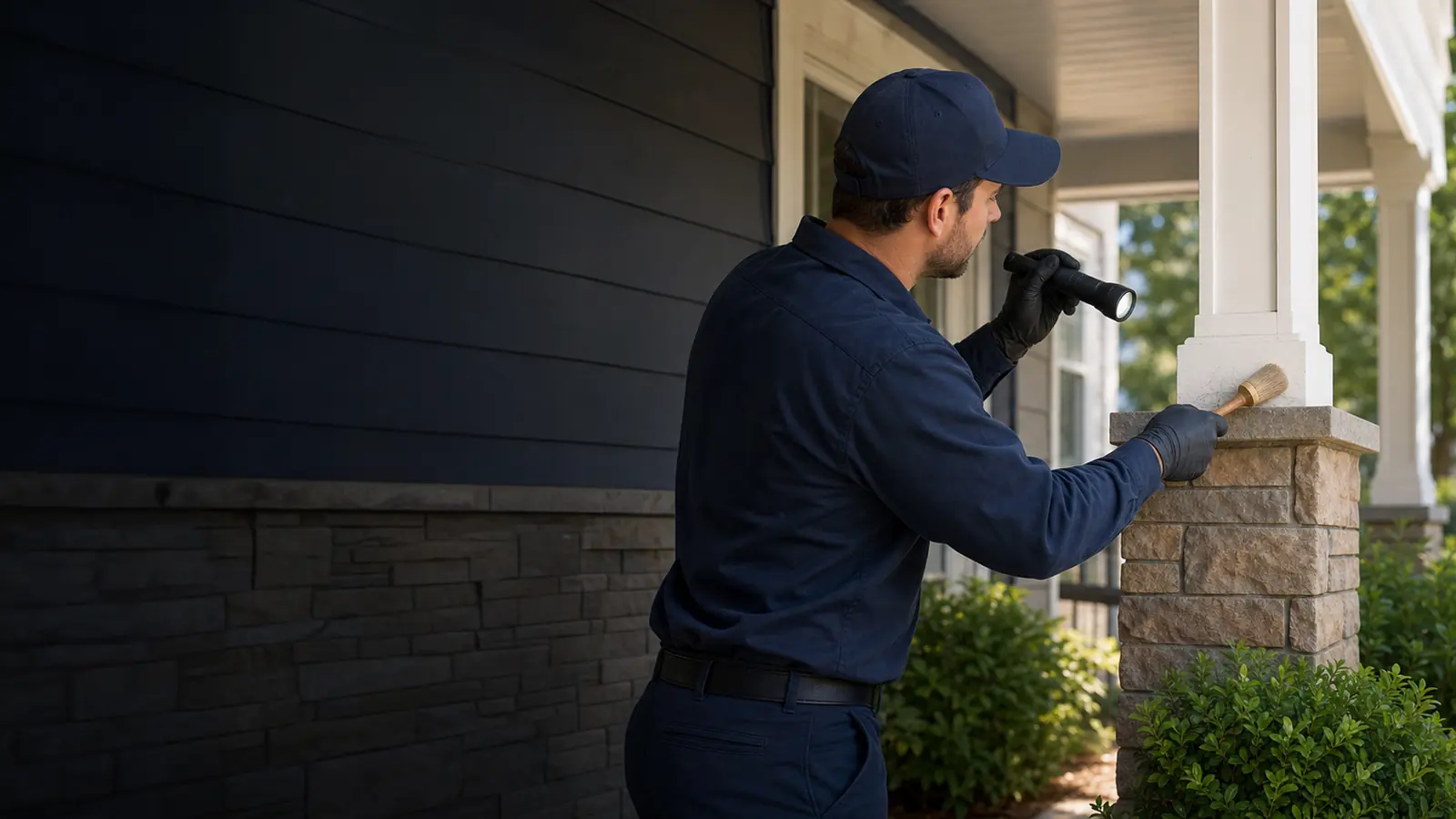
Does web removal solve recurring spider activity?
Web removal handles the visible problem, but not always the root cause. If spiders return to the same spot again and again, an underlying condition is likely still there. Insect prey and entry gaps are common culprits, and both are worth writing down for later reference.
Removing a web is a quick visual fix. It clears cobwebs from siding, eaves, or window corners in minutes. Homeowners seeing similar pressure can also review kids and pets pest control safety before scheduling.
Spiders build webs where prey is easy to find. If flying insects gather near a porch light, a new web can show up again within days.
Tracking how fast webs return after removal gives a clearer picture. A fast return in the same spot suggests the location is the real draw. This connects closely with requesting service from Paladin when you are comparing next steps.
What this means for your home
- Practical takeaway: Web removal handles the visible problem, but not always the root cause.
How do I know if I need more than web removal?
If webs return to the same spot within days or weeks, that pattern suggests an inspection would add value beyond simple removal.
Want a professional to look at this?
The office will confirm the available appointment date.
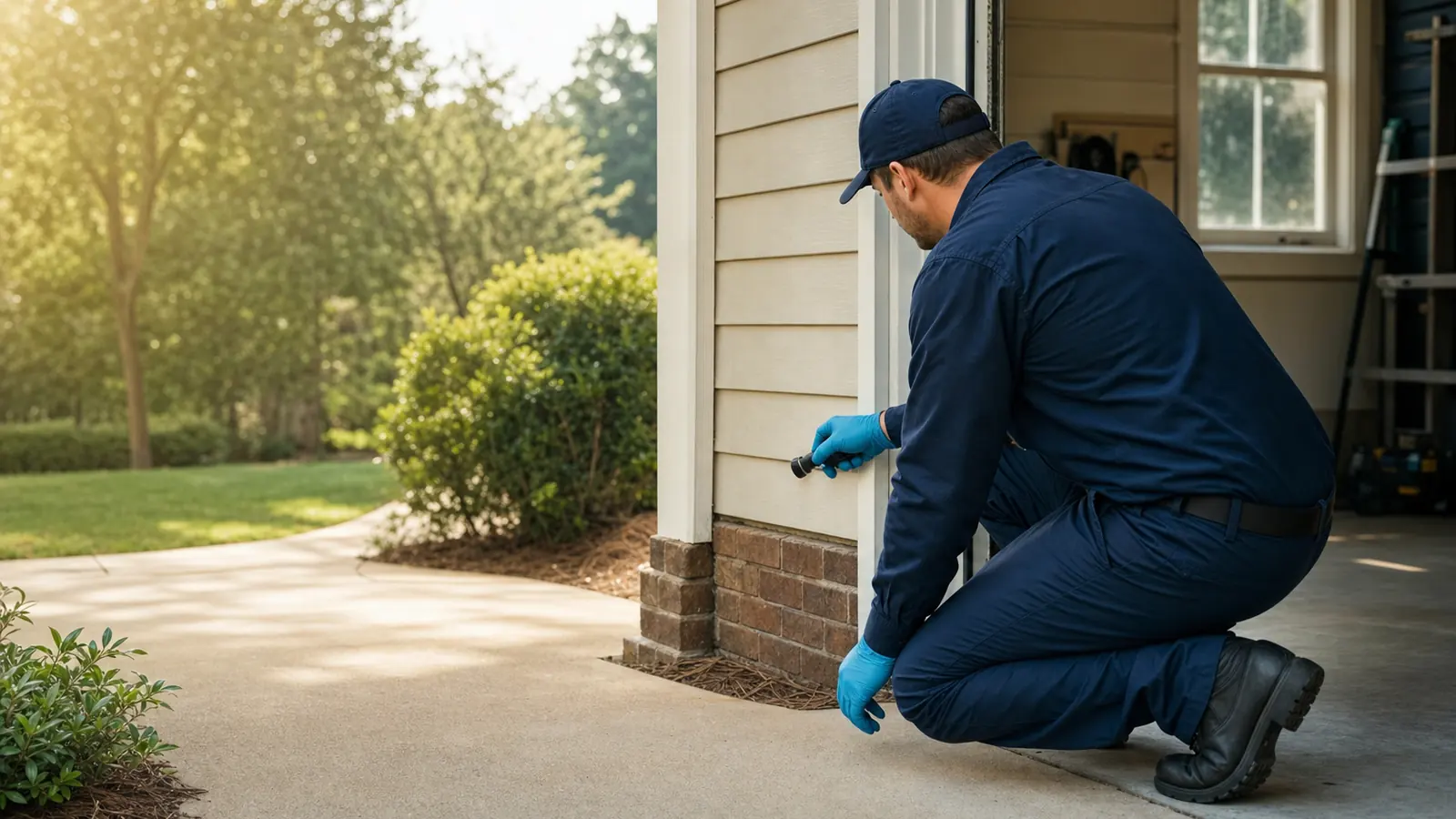
What conditions attract spiders near a home?
Spiders tend to settle where prey, shelter, and quiet corners are easy to find. Exterior lighting, stacked storage, and small gaps around doors or vents are common conditions. These factors often work together, so noting more than one can help explain repeat spider activity near a property.
Porch lights and floodlights attract moths and other flying insects at night. Spiders often build webs nearby simply because food is plentiful there. For a wider plan, pair this with pest-proofing your home so the whole property is covered.
Cluttered storage areas, whether in a garage or shed, offer quiet space that rarely gets disturbed. Boxes stacked against walls create small gaps that go unnoticed for months.
Gaps around doors, vents, and utility lines give spiders and their prey a path indoors. These small openings are easy to miss during a quick glance. Homeowners seeing similar pressure can also review residential pest control before scheduling.
What this means for your home
- Practical takeaway: Spiders tend to settle where prey, shelter, and quiet corners are easy to find.
When does species identification matter for spider control?
Species identification matters when a spider looks unfamiliar in size, color, or web pattern, or when activity is unusually heavy in one area. Noting these details supports a fuller inspection conversation. A complete evaluation should still come from a pest professional rather than guesswork at home.
Most spiders around a home look similar at a glance. Size, color, and web shape can vary, but noting these details still helps. This connects closely with Upstate SC service areas when you are comparing next steps.
If a homeowner sees a spider that looks different from the usual kind, writing down where and when it was seen adds context. Photos can help too, without needing to touch the spider.
Uncertainty about a spider type is a fair reason to ask for inspection rather than removal alone. This step adds context a quick web sweep cannot give. For a wider plan, pair this with kids and pets pest control safety so the whole property is covered.
What this means for your home
- Identification comes first because the right pest control plan depends on species, activity level, and where the pressure is living.
- Practical takeaway: Species identification matters when a spider looks unfamiliar in size, color, or web pattern, or when activity is unusually heavy in one area.
How can a web location log help decide the right service?
A simple log listing where webs appear, how often, and how fast they return gives useful evidence. This record helps separate a one time cosmetic cleanup from a real pattern. That pattern is often the clearest sign that a broader inspection based plan makes more sense.
Keeping notes does not require special tools. A notebook or phone note with date, location, and a short description works fine. Homeowners seeing similar pressure can also review requesting service from Paladin before scheduling.
Over a few weeks, patterns tend to show up. The same porch corner or window sill might keep appearing on the list.
This log becomes a helpful starting point when discussing spider activity with a pest professional. It shows exactly where and how often the issue happened. This connects closely with pest-proofing your home when you are comparing next steps.
What this means for your home
- Practical takeaway: A simple log listing where webs appear, how often, and how fast they return gives useful evidence.
- Service notes should tell you what was found, what was treated, and what to watch for before the next visit.
Should storage areas be checked during a spider inspection?
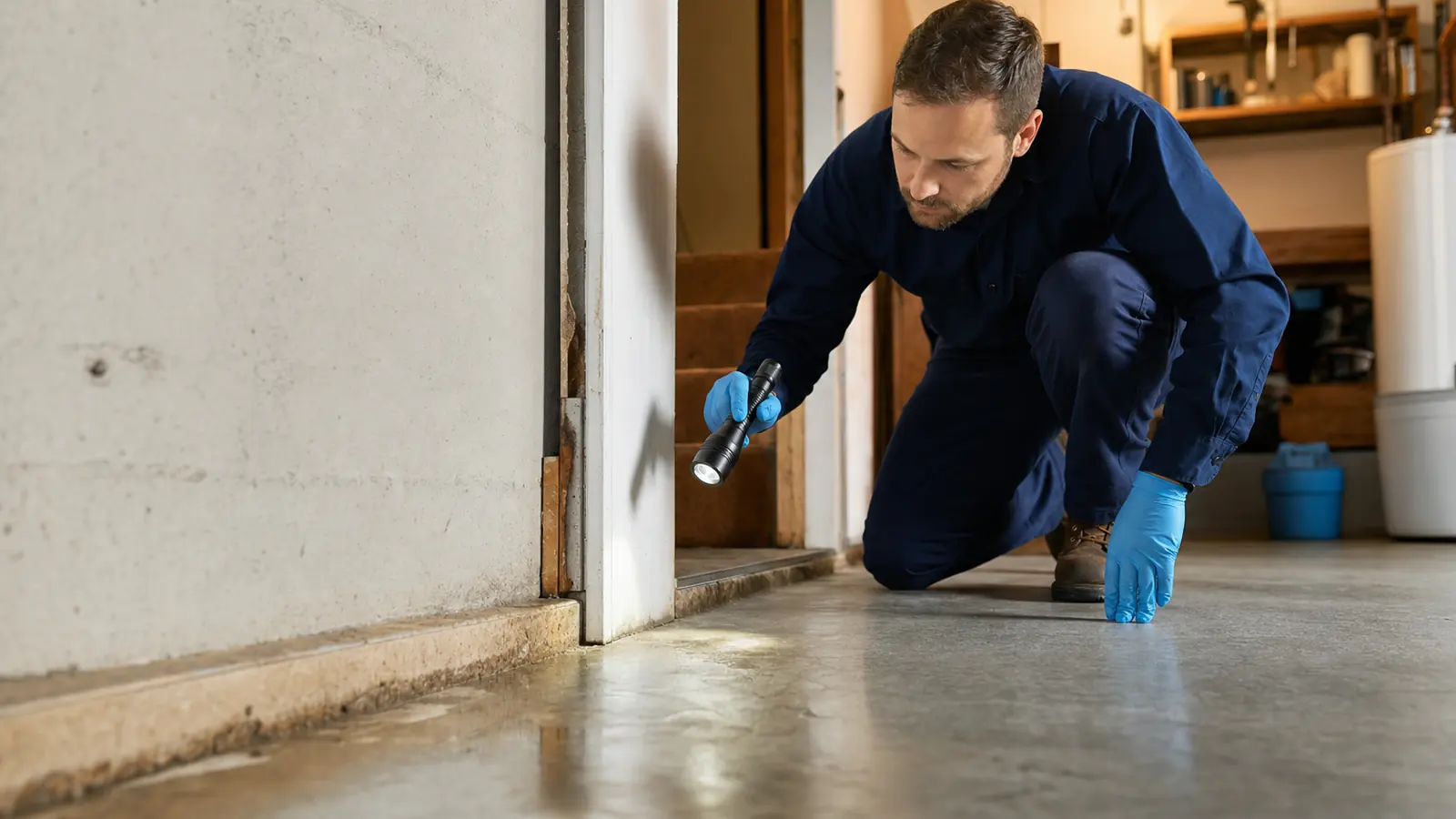
Yes, storage areas like garages, sheds, and closets often go unchecked, yet they can hold ongoing spider activity. These spaces stay undisturbed for long stretches, which makes them a natural place for spiders to settle. Including them in an inspection rounds out the full picture.
Boxes, tools, and seasonal items create small hidden spaces that rarely get moved. Spiders favor these quiet corners because they are left alone. For a wider plan, pair this with residential pest control so the whole property is covered.
A quick visual check of storage shelves and corners can reveal webs that would otherwise go unnoticed for months at a time.
Including these areas in an inspection gives a fuller view of spider activity across the whole property, beyond the visible exterior spots. Homeowners seeing similar pressure can also review requesting service from Paladin before scheduling.
What this means for your home
- Practical takeaway: Yes, storage areas like garages, sheds, and closets often go unchecked, yet they can hold ongoing spider activity.
Can entry point gaps explain repeat spider sightings indoors?
Yes, small gaps around doors, windows, and utility openings can let spiders and their prey move indoors. Checking these spots regularly and writing down any gaps supports a fuller spider control approach. This observation step goes beyond simple web removal without requiring any repair work.
Weatherstripping that has worn down, gaps under doors, or small openings around pipes can all serve as entry points. These spots are easy to miss on a casual walk through. This connects closely with kids and pets pest control safety when you are comparing next steps.
Spiders often follow their food source indoors. If moths or other small insects are getting inside, spiders may not be far behind them.
A basic walk around the home noting any visible gaps adds useful detail to an inspection conversation. This step does not require sealing anything to be valuable on its own. For a wider plan, pair this with residential pest control so the whole property is covered.
What this means for your home
- Practical takeaway: Yes, small gaps around doors, windows, and utility openings can let spiders and their prey move indoors.
Is it worth requesting both web removal and inspection at once?
Requesting both services together often makes sense for homeowners facing repeat spider activity. Web removal clears the current issue, while inspection looks at surrounding conditions. Together they offer a fuller view of what may be drawing spiders back to the same spots over time.
Choosing only web removal is reasonable for a single, isolated web with no history of repeat activity. It is a quick fix in that case. Homeowners seeing similar pressure can also review pest-proofing your home before scheduling.
When webs keep showing up in similar spots, pairing removal with inspection adds more value. The inspection portion checks lighting, storage, and entry gaps that removal alone does not touch.
Homeowners in Boiling Springs, SC dealing with ongoing spider activity can reach out to discuss which combination fits their situation best. This connects closely with kids and pets pest control safety when you are comparing next steps.
What this means for your home
- Practical takeaway: Requesting both services together often makes sense for homeowners facing repeat spider activity.
- Boiling Springs service is adjusted to the home style, season, and pressure pattern instead of using the same checklist everywhere.
Family-first by design
We ask who lives in the house before we pick a product
Babies, pregnancies, asthma, immune conditions, pet medical issues, garden beds, beehives, they all change the visit. Paladin treats harborage where pests live, not the surfaces kids and pets touch.
Every visit names what was used, where, and when the area is back to normal. If a different approach is the actual answer, we say so.
Why this post exists on the Paladin blog
This post was written by someone who actually does this work on Upstate homes, not by a contractor or a marketing team that has never seen the species in person. The Paladin blog exists to answer the questions we hear on real service calls, honestly, in plain English, without selling you a service you do not need. If a post helps you solve the problem on your own, that is a successful post for us. If you read it and decide you would rather have a trained technician on site, that is what the phone is for. Either path is fine.
A first Paladin visit is intended to document the activity, inspect relevant areas, and explain the proposed scope before work begins. Appointment timing and the exact inspection areas depend on the request and property access. Call (864) 816-7658 or use the contact form so the office can confirm the current options.
Paladin is based in Boiling Springs, SC and serves the approved Upstate locations listed on this site. Each recommendation should be tied to conditions documented at the property, including pest evidence, moisture, entry points, food, water, shelter, and access. The office confirms address availability without promising a route frequency or response window.
Keep exploring Paladin
Related Paladin services and guides for Upstate homeowners.
Frequently asked questions
What is the difference between web removal and a spider inspection?
Web removal clears visible webs from a structure. It addresses what is seen right now. An inspection looks deeper at lighting, entry gaps, and insect activity that may explain why spiders chose that spot. Together they offer a fuller picture than removal alone provides on its own.
How often do spider webs typically return after removal?
Return timing varies by property and by the conditions nearby. If webs reappear quickly in the same spot, that pattern is worth noting. It may point to an ongoing attractant, such as insects or light, rather than a random one time occurrence.
Can exterior lighting really affect spider activity?
Yes, exterior lighting draws flying insects at night, and spiders often build webs nearby simply because that food source is easy to reach. Reducing unnecessary nighttime lighting near entryways may help lower some insect gathering near a home over time, which in turn can limit spider activity.
Should I track where I see spiders around my home?
Keeping a simple log of spider sightings and web locations by date is a practical step that helps reveal patterns over time. That record also gives useful context when discussing spider activity with a pest professional later on, especially if activity keeps repeating.
Does clutter in a garage or shed attract spiders?
Storage areas with boxes and undisturbed corners can offer spiders quiet places to settle in, and these spots are easy to overlook during a normal day. Including them in a routine check adds a more complete view of spider activity across the whole property.
When should I contact a professional about spider activity?
Contacting a professional makes sense when web removal alone has not stopped recurring activity, or when spider sightings seem unusually frequent for the property. A conversation can help determine whether inspection adds real value for your specific situation at home over time.
Ready to shield your family?
One call to Paladin and we’ll meet you where you are, from a quick walk-through to a long-term protection plan.