Upstate South Carolina · Careful, targeted pest control
School Pest Control in Boiling Springs, SC: Questions for an IPM Service Plan
School pest control in Boiling Springs, SC works best under a clear integrated pest management plan. Look for set thresholds, regular monitoring, defined communication steps, controlled access, corrective action triggers, and…
- Low-disruption applications focused on cracks, voids, and entry points
- Reachable techs, text us, call us, we answer
- Quarterly programs or one-time visits, your call
Quick Answer
School pest control in Boiling Springs, SC works best under a clear integrated pest management plan. Look for set thresholds, regular monitoring, defined communication steps, controlled access, corrective action triggers, and written records. Ask providers how each piece works. Then compare answers before you sign a service agreement.
For the next step, compare Paladin pest control services, read about Upstate SC service areas, or check where Paladin works across Upstate SC.
Key Takeaways
- Ask how pest thresholds get set before service starts.
- Monitoring devices should follow a documented check schedule.
- Communication plans should name who is notified and when.
- Building access rules protect students during inspections.
- Corrective steps should follow monitoring data, not guesswork.
- Written reports build a usable pest activity history.
- Paladin serves Boiling Springs, SC and nearby Upstate areas.
What Should a School Ask When Evaluating an Inspection-Led IPM Service Plan?
A school should ask how thresholds are set, how monitoring is scheduled, and how findings get communicated. Ask about building access rules and how results get documented. These points show how thorough a plan really is. They also help a school compare providers before signing anything.
Integrated pest management relies on inspection and data. It does not rely on routine spraying alone. The EPA describes IPM as a process using pest life cycle facts. The goal is managing pest damage with the least risk possible. This connects closely with residential pest control when you are comparing next steps.
A school should ask how that information gets collected on its own property. Start by asking what triggers a service visit. A threshold-based plan responds to real pest activity. It does not simply follow a fixed calendar.
Next, ask how monitoring devices get placed and checked. Ask who receives inspection reports after each visit. Ask how staff can request a walkthrough. These answers help a school understand the plan clearly before pests become a real concern. For a wider plan, pair this with Upstate SC service areas so the whole property is covered.
What this means for your home
- Boiling Springs service is adjusted to the home style, season, and pressure pattern instead of using the same checklist everywhere.
- Practical takeaway: A school should ask how thresholds are set, how monitoring is scheduled, and how findings get communicated.
How Should Pest Activity Thresholds Be Defined?
Thresholds should be written down clearly. They should reflect pest type, room sensitivity, and past inspection findings. A cafeteria may need a lower threshold than a storage closet. Ask the provider to explain how thresholds change by room type across the building.
A threshold marks the point where activity calls for more than routine monitoring. Different school areas carry different sensitivity levels. Food service spots often need tighter thresholds than mechanical rooms do. Homeowners seeing similar pressure can also review kids and pets pest control safety before scheduling.
Ask how thresholds were chosen for your building. Ask if they can shift after a season of monitoring data. A responsive plan should evolve as activity patterns become clearer over time.
Request examples of how a threshold decision gets made in practice. A provider should explain, in general terms, what findings would prompt a follow-up visit in a specific zone. This connects closely with requesting service from Paladin when you are comparing next steps.
What this means for your home
- Practical takeaway: Thresholds should be written down clearly.
How does a school request an inspection walkthrough with a provider?
A school can request a walkthrough by contacting the provider and describing the areas of concern. Ask how soon a visit can happen. Ask what information facilities staff should prepare ahead of time.
Ready for a straight answer?
Call or message, we'll listen first and recommend only what fits your home.
What Should a Professional School Pest Control Inspection Document?
An inspection should record the date, areas checked, and device conditions. It should note any pest sightings and recommended follow-up steps. This record becomes a reference point over time. It also supports better decisions about the plan as the school year moves forward.
Documentation turns one visit into part of a larger pattern. Without records, it is hard to tell if pest pressure is rising or holding steady across the school year. For a wider plan, pair this with pest-proofing your home so the whole property is covered.
Ask what format reports come in. Ask how far back records get kept. A school benefits from comparing notes across full semesters, week to week.
Also ask if reports note conditions that may attract pests, like moisture or clutter. This can happen without a full property diagnosis. Simple observational notes still support good planning. Homeowners seeing similar pressure can also review residential pest control before scheduling.
What this means for your home
- Documentation should summarize findings, treated areas, product locations where applicable, and the recommended follow-up plan.
- Practical takeaway: An inspection should record the date, areas checked, and device conditions.
How Often Should Monitoring Devices Be Checked?
Monitoring devices should follow a schedule set in the service agreement. Check frequency should match each area's sensitivity. Kitchens often need more frequent checks than offices or gyms. Ask the provider to explain how the schedule shifts by room across the building.
Monitoring devices give a school ongoing visibility between full inspections. Ask how many devices get placed and roughly where, without needing exact counts made public. This connects closely with Upstate SC service areas when you are comparing next steps.
Frequency matters because activity can shift fast in food service areas. Ask if the schedule adjusts with the seasons. Pest behavior often changes with weather and building use.
Request a summary of what happens when a device shows unusual activity. A clear next step, even a simple one, shows the plan is built to respond, and to observe. For a wider plan, pair this with kids and pets pest control safety so the whole property is covered.
What this means for your home
- monitoring device schedule
- Practical takeaway: Monitoring devices should follow a schedule set in the service agreement.
Which Findings Can Change the School Pest Control Service Scope?
New entry points, repeated activity in one zone, or seasonal shifts in pest type can change the scope of a plan. A flexible plan allows adjustments based on documented results rather than guesswork, and it should not follow a rigid, unchanging routine every single season regardless of findings.
Scope should not stay fixed forever. If inspections keep finding activity near one entry point, the plan should add sealing work without a full contract renegotiation. Homeowners seeing similar pressure can also review requesting service from Paladin before scheduling.
Ask how rodent findings affect scope over time. Rodent control and entry-point sealing often go together in a school setting. A provider should explain, in general terms, how these connect.
Seasonal changes matter too. Ask if the plan accounts for shifts in pest pressure through the year. Fall and spring often bring different activity near building perimeters. This connects closely with pest-proofing your home when you are comparing next steps.
What this means for your home
- Practical takeaway: New entry points, repeated activity in one zone, or seasonal shifts in pest type can change the scope of a plan.
How Should Communication Work Between the Provider and School Staff?
Communication should follow a clear chain. It should name who gets inspection summaries and who approves follow-up visits. It should also state how urgent findings get relayed. Clear steps prevent confusion between facilities staff, administrators, and the pest control provider during busy points in the year.
A school building often has many stakeholders, from facilities managers to the front office. Ask who the provider contacts first after each visit. Ask how that contact gets documented. For a wider plan, pair this with residential pest control so the whole property is covered.
Ask how findings get shared when they involve sensitive areas like kitchens or nurse offices. A defined path keeps information moving to the right person without needless delay.
Also ask how staff questions get routed back to the provider. A two-way plan helps address concerns raised by teachers or custodial staff between scheduled visits. Homeowners seeing similar pressure can also review requesting service from Paladin before scheduling.
What this means for your home
- Practical takeaway: Communication should follow a clear chain.
- Documentation should summarize findings, treated areas, product locations where applicable, and the recommended follow-up plan.
Should a School Restrict Building Access During Inspections?
Yes, a school should set clear access rules for inspection visits. This includes check-in steps, escort rules, and timing around class schedules. These rules protect students and staff. They also let the provider finish a thorough inspection of every area that needs review.
Access planning keeps inspections orderly. Ask if visits can happen outside high-traffic hours, such as during planning periods or after dismissal, to cut disruption. This connects closely with kids and pets pest control safety when you are comparing next steps.
Ask how the provider handles areas needing special access, like mechanical rooms or roof hatches. A school should know in advance which staff member needs to be present.
Also confirm how visitor check-in works on campus. A provider that follows standard school visitor procedures shows the plan respects safety steps already in place. For a wider plan, pair this with residential pest control so the whole property is covered.
What this means for your home
- Practical takeaway: Yes, a school should set clear access rules for inspection visits.
Can Wildlife or Rodent Concerns Fit Into a School IPM Plan?
Yes, wildlife and rodent concerns can fit within an IPM plan. Inspection findings can guide entry-point sealing and exclusion work as part of the same process. Ask how these services connect to the monitoring and documentation steps already built into the plan.
Rodent activity and occasional wildlife concerns are common in larger buildings with many entry points. Ask how findings from routine monitoring lead to a decision about sealing work. Homeowners seeing similar pressure can also review pest-proofing your home before scheduling.
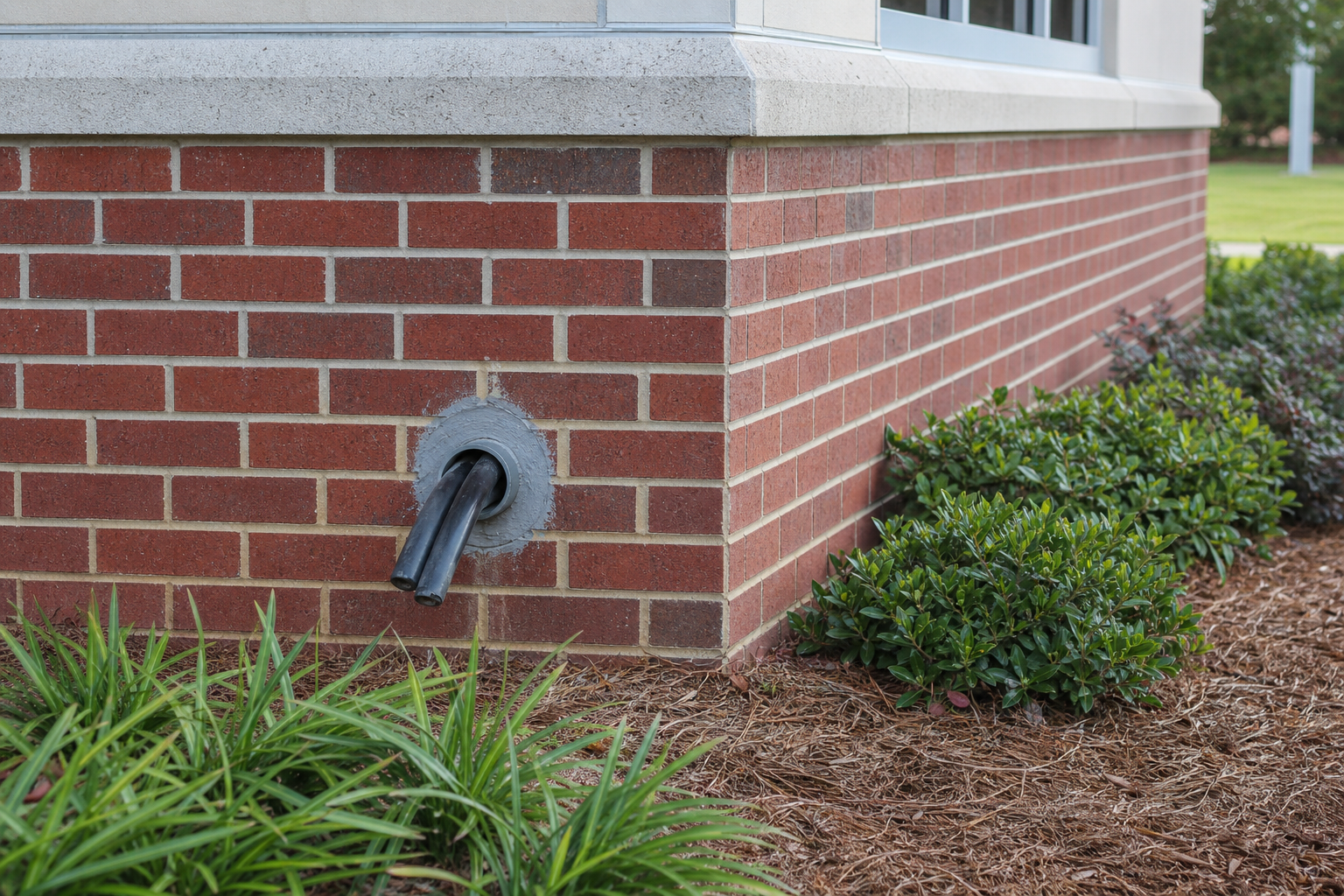
Entry-point sealing is often a practical response to activity found near a building perimeter. Ask how the provider records where sealing happened. Later inspections can then confirm it still holds.
For wildlife situations, ask how the plan defines next steps at a general level. A documented process shows the plan can adapt to different pest types over time. This connects closely with kids and pets pest control safety when you are comparing next steps.
What this means for your home
- Practical takeaway: Yes, wildlife and rodent concerns can fit within an IPM plan.
Family-first by design
We ask who lives in the house before we pick a product
Babies, pregnancies, asthma, immune conditions, pet medical issues, garden beds, beehives, they all change the visit. Paladin treats harborage where pests live, not the surfaces kids and pets touch.
Every visit names what was used, where, and when the area is back to normal. If a different approach is the actual answer, we say so.
Why this post exists on the Paladin blog
This post was written by someone who actually does this work on Upstate homes, not by a contractor or a marketing team that has never seen the species in person. The Paladin blog exists to answer the questions we hear on real service calls, honestly, in plain English, without selling you a service you do not need. If a post helps you solve the problem on your own, that is a successful post for us. If you read it and decide you would rather have a trained technician on site, that is what the phone is for. Either path is fine.
A first Paladin visit is intended to document the activity, inspect relevant areas, and explain the proposed scope before work begins. Appointment timing and the exact inspection areas depend on the request and property access. Call (864) 816-7658 or use the contact form so the office can confirm the current options.
Paladin is based in Boiling Springs, SC and serves the approved Upstate locations listed on this site. Each recommendation should be tied to conditions documented at the property, including pest evidence, moisture, entry points, food, water, shelter, and access. The office confirms address availability without promising a route frequency or response window.
Keep exploring Paladin
Related Paladin services and guides for Upstate homeowners.
Frequently asked questions
What does an integrated pest management plan cover for a school?
An integrated pest management plan covers inspection, monitoring, threshold setting, communication steps, and documentation. It focuses on finding pest activity through evidence, rather than routine treatment alone. Ask a provider how each part is structured for your building and daily schedule before you commit to a plan.
How often should a school schedule pest inspections?
Inspection frequency depends on building size, food service areas, and past activity patterns. Ask the provider to recommend a schedule for your school layout. Also ask how that schedule might shift with the seasons or after specific findings change the picture.
What records should a school keep from pest control visits?
A school should keep inspection reports, monitoring logs, and notes about follow-up actions taken after each visit. These records help track pest activity trends over time across different building zones. They also support decisions about adjusting the service plan as building conditions or seasons change throughout the year.
Does Paladin Pest Solutions serve schools in Boiling Springs, SC?
Paladin Pest Solutions is based in Boiling Springs, SC and serves approved locations across Upstate South Carolina, including school properties in the surrounding area. Contact the office directly to confirm exact-address availability for your school building and to discuss scheduling for an inspection visit.
How does entry-point sealing fit into a school pest control plan?
Entry-point sealing addresses gaps or openings that inspections identify as possible pest access points around a building. It is often paired with ongoing rodent control monitoring after the work is complete. This helps a school track whether sealed areas stay effective across multiple inspection cycles and changing seasons.
Ready to shield your family?
One call to Paladin and we’ll meet you where you are, from a quick walk-through to a long-term protection plan.