Upstate South Carolina · Local pest crew, plain-English answers
Roach Exterminator in Boiling Springs, SC: What to Expect From an Inspection
A roach exterminator in Boiling Springs, SC should inspect kitchens, plumbing lines, appliances, delivery entry points, shared walls, and sanitation habits before scoping treatment. This zone-by-zone approach helps identify…
- Treatments built around how your family actually uses the home
- Local dispatch from Spartanburg across the Upstate
- If a visit isn't needed, we'll say so on the phone
Quick Answer
A roach exterminator in Boiling Springs, SC should inspect kitchens, plumbing lines, appliances, delivery entry points, shared walls, and sanitation habits before scoping treatment. This zone-by-zone approach helps identify likely roach species and activity patterns, so the plan matches what is actually happening in your home rather than a generic assumption.
For the next step, compare Paladin pest control services, read about Upstate SC service areas, or check where Paladin works across Upstate SC.
Key Takeaways
- A full inspection covers kitchens, plumbing, appliances, and shared walls.
- Species clues help narrow down likely roach entry points.
- Sanitation habits matter but do not imply blame.
- Delivery boxes and bags are a common entry pathway.
- Documentation before the visit leads to a more precise scope.
- Shared walls in duplexes need separate attention from single homes.
- Integrated Pest Management favors inspection before treatment decisions.
Is it normal to see roaches in a South Carolina home?
Roach sightings are common across Upstate South Carolina because the climate and housing stock create favorable conditions. Seeing an occasional roach does not mean a home is dirty or poorly maintained. It simply means an inspection can help identify where activity is coming from and how widespread it may be.
Warm, humid summers in Boiling Springs create conditions roaches often prefer. Homes near wooded lots or older infrastructure can see more activity. This connects closely with residential pest control when you are comparing next steps.
A single sighting does not always mean a large population. It could be one roach that traveled in on a delivery or through a gap.
An inspection helps separate an isolated incident from an ongoing pattern. That distinction shapes how a treatment plan gets scoped. For a wider plan, pair this with Upstate SC service areas so the whole property is covered.
What this means for your home
- Boiling Springs service is adjusted to the home style, season, and pressure pattern instead of using the same checklist everywhere.
Why does roach identification matter before treatment?
Different roach species behave differently, favor different areas, and require different inspection focus. Identifying the species helps an exterminator know where to look first and what conditions to document. Skipping this step can lead to a less accurate scope and wasted time revisiting the same areas.
Some species prefer warm, moist areas near plumbing. Others are drawn to drier spaces like pantries or wall voids. Homeowners seeing similar pressure can also review kids and pets pest control safety before scheduling.
Photos of any roaches seen, even blurry ones, can help during the inspection conversation. Note the time of day and location too.
Species clues also help explain why activity might cluster near kitchens versus bathrooms. This shapes where inspectors spend the most time. This connects closely with requesting service from Paladin when you are comparing next steps.
What this means for your home
- Boiling Springs service is adjusted to the home style, season, and pressure pattern instead of using the same checklist everywhere.
What should I do before a roach inspection appointment?
Take a few photos of areas with activity or moisture, clear cluttered cabinets if possible, and note when you first noticed roaches. This preparation helps the inspector move efficiently through your home.
Prefer to skip the guessing?
We'll identify the pest, point out conditions, and quote what's actually needed.
Which kitchen areas should an inspector check first?
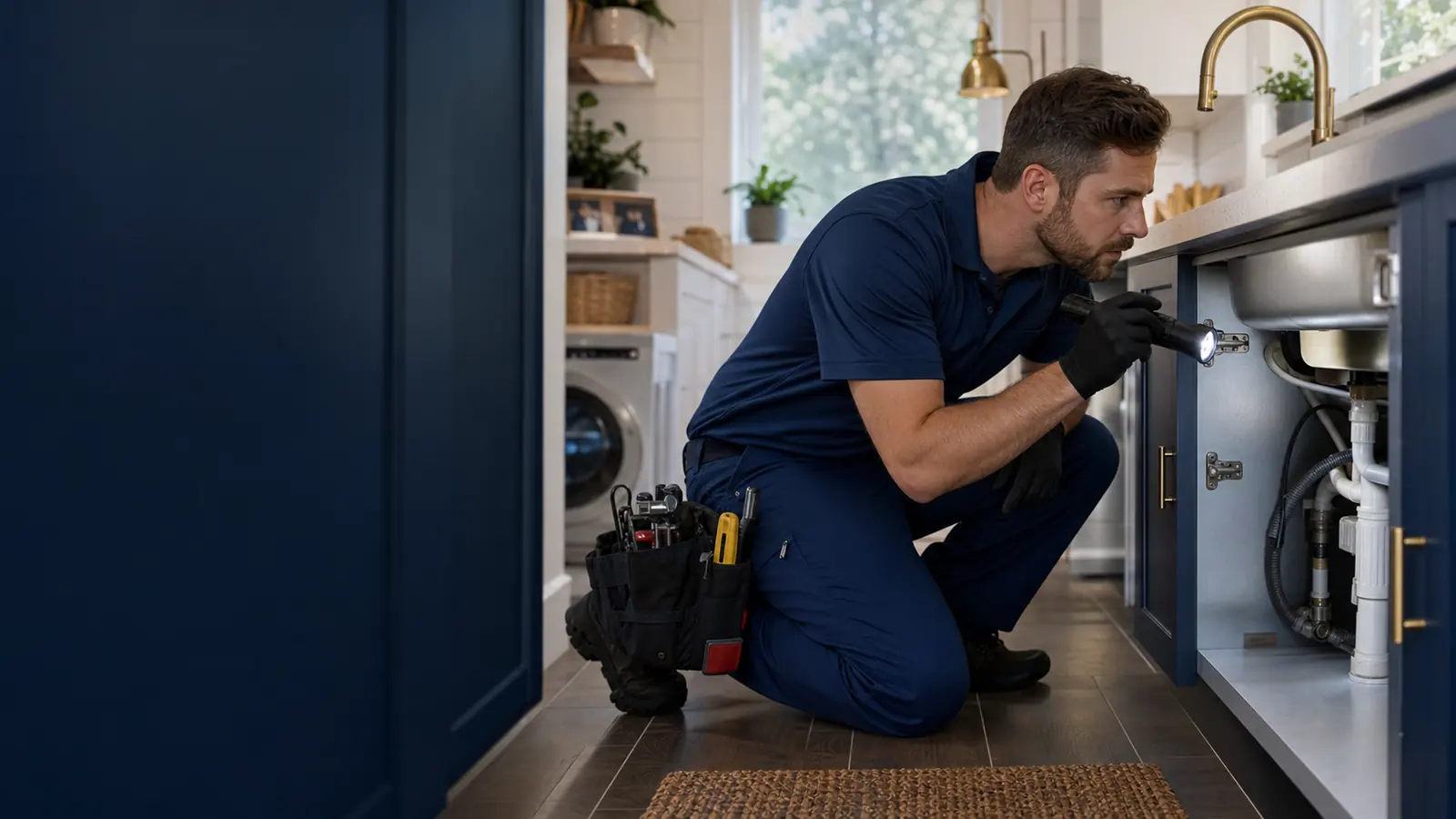
Kitchens are usually the first stop because they combine food, warmth, and moisture. Inspectors typically look under sinks, behind appliances, inside cabinets, and along baseboards. Crumbs, grease buildup, and standing water near these areas often point toward likely roach pathways worth documenting.
Under-sink cabinets often hold moisture from minor leaks or condensation. This makes them a common area of interest. For a wider plan, pair this with pest-proofing your home so the whole property is covered.
Behind and under large appliances like refrigerators and stoves collects crumbs and grease over time. These spots are worth a visual check before the visit.
Pantry shelves and cabinet corners can hide small food particles. Clearing shelves ahead of time helps the inspector see clearly. Homeowners seeing similar pressure can also review residential pest control before scheduling.
What this means for your home
- Boiling Springs service is adjusted to the home style, season, and pressure pattern instead of using the same checklist everywhere.
Which plumbing areas should be inspected?
Plumbing areas draw roaches because of consistent moisture and warmth. Inspectors typically check under sinks, around water heaters, near washing machine hookups, and along pipe penetrations through walls or floors. Any drips, condensation, or standing water in these spots should be noted before the appointment.
Pipe entry points where plumbing passes through walls or floors can create small gaps. These gaps are worth photographing if visible. This connects closely with Upstate SC service areas when you are comparing next steps.
Water heater closets and utility rooms often stay warm and humid. This makes them worth a quick check before the inspection.
Slow drips under sinks are easy to miss during daily life. Taking a moment to look underneath can reveal moisture buildup. For a wider plan, pair this with kids and pets pest control safety so the whole property is covered.
What this means for your home
- Boiling Springs service is adjusted to the home style, season, and pressure pattern instead of using the same checklist everywhere.
Should appliances be moved before an inspection?
Homeowners do not need to move heavy appliances themselves, but noting visible gaps or debris nearby is useful. Inspectors will typically look behind and underneath appliances during the visit. Sharing observations about spills, crumbs, or recent leaks near appliances can help focus the inspection.
Refrigerators and dishwashers create warm microclimates behind their coils and motors. This makes them a natural area of interest. Homeowners seeing similar pressure can also review requesting service from Paladin before scheduling.
If you notice debris or a sticky spot behind an appliance, a quick photo is helpful. It saves time during the actual visit.
Small kitchen appliances like toasters and coffee makers can also collect crumbs underneath. These spots are quick to check and easy to overlook. This connects closely with pest-proofing your home when you are comparing next steps.
What this means for your home
- Boiling Springs service is adjusted to the home style, season, and pressure pattern instead of using the same checklist everywhere.
Can delivery boxes and bags introduce roaches?
Yes, cardboard boxes, paper bags, and secondhand items can carry roach egg cases without obvious signs. Inspectors often ask about recent deliveries or purchases as part of the conversation. Keeping a short mental note of where boxes were stored can help pinpoint a possible entry pathway.
Egg cases can hide in the folds and seams of cardboard boxes. This makes shipping and grocery boxes a quiet source of introduction. For a wider plan, pair this with residential pest control so the whole property is covered.
Storing boxes in garages or storage rooms for extended periods gives roaches more opportunity to settle in. Breaking down boxes promptly reduces this risk.
Secondhand furniture and appliances can carry the same risk as boxes. Inspecting these items before bringing them inside is a reasonable habit. Homeowners seeing similar pressure can also review requesting service from Paladin before scheduling.
What this means for your home
- Boiling Springs service is adjusted to the home style, season, and pressure pattern instead of using the same checklist everywhere.
Does a shared wall change how an inspection is scoped?
Yes, homes with shared walls, such as duplexes or townhomes, may need a different inspection approach. Roach activity can move between units through wall voids or shared plumbing lines. Mentioning any known neighbor activity helps the inspector understand the fuller picture before scoping treatment.
Shared plumbing chases and electrical conduits can create pathways between adjoining units. This is worth mentioning if you live in a duplex or townhome. This connects closely with kids and pets pest control safety when you are comparing next steps.
If a neighbor has mentioned roach activity, sharing that detail is useful context. It does not need to include blame, just information.
Outdoor shared spaces like breezeways or shared trash areas can also play a role. Noting these spots ahead of time speeds up the inspection conversation. For a wider plan, pair this with residential pest control so the whole property is covered.
What this means for your home
- Boiling Springs service is adjusted to the home style, season, and pressure pattern instead of using the same checklist everywhere.
How should sanitation habits be discussed without blame?
Sanitation is one factor among several, not a judgment on how a home is kept. Inspectors typically ask about trash schedules, food storage, and cleaning routines to understand contributing conditions. Framing this as helpful information, rather than criticism, leads to a more accurate and cooperative inspection.
Trash left out overnight or stored too close to the home can attract activity. This is a common and easily adjusted habit. Homeowners seeing similar pressure can also review pest-proofing your home before scheduling.
Open food containers left on counters overnight give roaches an easy food source. Mentioning your current storage habits helps the inspector connect the dots.
Recycling bins with food residue, like cans or bottles, can also play a role. A quick rinse before recycling is a simple step worth discussing. This connects closely with kids and pets pest control safety when you are comparing next steps.
What this means for your home
- Boiling Springs service is adjusted to the home style, season, and pressure pattern instead of using the same checklist everywhere.
Family-first by design
We ask who lives in the house before we pick a product
Babies, pregnancies, asthma, immune conditions, pet medical issues, garden beds, beehives, they all change the visit. Paladin treats harborage where pests live, not the surfaces kids and pets touch.
Every visit names what was used, where, and when the area is back to normal. If a different approach is the actual answer, we say so.
Why this post exists on the Paladin blog
This post was written by someone who actually does this work on Upstate homes, not by a contractor or a marketing team that has never seen the species in person. The Paladin blog exists to answer the questions we hear on real service calls, honestly, in plain English, without selling you a service you do not need. If a post helps you solve the problem on your own, that is a successful post for us. If you read it and decide you would rather have a trained technician on site, that is what the phone is for. Either path is fine.
A first Paladin visit is intended to document the activity, inspect relevant areas, and explain the proposed scope before work begins. Appointment timing and the exact inspection areas depend on the request and property access. Call (864) 816-7658 or use the contact form so the office can confirm the current options.
Paladin is based in Boiling Springs, SC and serves the approved Upstate locations listed on this site. Each recommendation should be tied to conditions documented at the property, including pest evidence, moisture, entry points, food, water, shelter, and access. The office confirms address availability without promising a route frequency or response window.
Keep exploring Paladin
Related Paladin services and guides for Upstate homeowners.
Frequently asked questions
What areas does a roach exterminator in Boiling Springs, SC typically inspect first?
Most inspections begin in the kitchen since it combines food sources, warmth, and moisture in one place. Under-sink cabinets, behind appliances, and pantry shelves are common starting points during a visit. From there, inspectors often move to bathrooms, utility rooms, and any shared walls if the property has them.
Do I need to clean my house before the inspection?
You do not need a deep clean, but clearing visible clutter from cabinets and countertops helps the inspector see clearly during the walkthrough. Noting any recent leaks, spills, or new deliveries is more useful than spending hours on a full cleaning effort beforehand.
Can roach activity move between attached homes?
Yes, shared walls, plumbing chases, and electrical conduits can allow roach movement between attached units in duplexes or townhomes. If you live in this type of property, mentioning any known neighbor activity gives the inspector more complete context for scoping the visit properly.
Why do inspectors ask about recent deliveries or purchases?
Cardboard boxes, paper bags, and secondhand items can carry roach egg cases without any visible signs on the outside. Knowing about recent deliveries or secondhand purchases helps identify a possible entry pathway that might otherwise be overlooked during a routine walkthrough of the home.
Is it normal to still see roaches after cleaning thoroughly?
Yes, cleaning helps reduce available food sources but does not always address entry points, moisture problems, or structural gaps on its own. This is why a full inspection looks beyond sanitation alone, covering plumbing, appliances, and shared walls as part of a complete picture of the home.
Ready to shield your family?
One call to Paladin and we’ll meet you where you are, from a quick walk-through to a long-term protection plan.