Upstate South Carolina · Pest control built around your household
Retail Store Pest Control in Boiling Springs, SC: Aligning Service With Store Operations
Retail Store Pest Control in Boiling Springs, SC works best when store teams gather records first. Write down receiving logs, stockroom notes, sales-floor conditions, waste routines, exterior access points, and staff reports.…
- Treatments built around how your family actually uses the home
- Local dispatch from Spartanburg across the Upstate
- If a visit isn't needed, we'll say so on the phone
Quick Answer
Retail Store Pest Control in Boiling Springs, SC works best when store teams gather records first. Write down receiving logs, stockroom notes, sales-floor conditions, waste routines, exterior access points, and staff reports. Good records help a provider scope an inspection well. They also match service to how your store runs each day.
For the next step, compare Paladin pest control services, read about Upstate SC service areas, or check where Paladin works across Upstate SC.
Key Takeaways
- Document receiving, stockroom, sales floor, waste, access, and staff reports first.
- Retail pest control scope should match daily store operations.
- Multi-point inspections rely on clear, store-specific records.
- Entry-point sealing choices depend on exterior access notes.
- Staff sighting logs can reveal patterns across shifts.
- Integrated Pest Management relies on observation, not guesswork.
- Paladin serves Boiling Springs, SC and approved Upstate areas.
Which store operations should be documented before retail pest service is proposed?
Retail teams should write down receiving schedules, stockroom habits, sales-floor conditions, waste routines, exterior access points, and staff pest sightings. These six areas paint a clear picture of daily store life. That picture helps a provider build an accurate inspection and service scope for a Boiling Springs, SC store.
Retail stores run on routines. Trucks arrive. Boxes get stacked. Doors open and close all day long. This connects closely with residential pest control when you are comparing next steps.
Each routine can affect pest pressure in small ways. These small effects are easy to miss without a written record.
A simple operations log helps connect the dots. Dates, times, and short notes are usually enough. Patterns often show up within a few weeks. For a wider plan, pair this with Upstate SC service areas so the whole property is covered.
When this information is ready early, the inspection can focus on real conditions. That saves time for the store team and the inspector alike.
What this means for your home
- Boiling Springs service is adjusted to the home style, season, and pressure pattern instead of using the same checklist everywhere.
- Documentation should summarize findings, treated areas, product locations where applicable, and the recommended follow-up plan.
- Practical takeaway: Retail teams should write down receiving schedules, stockroom habits, sales-floor conditions, waste routines, exterior access points, and staff pest sightings.
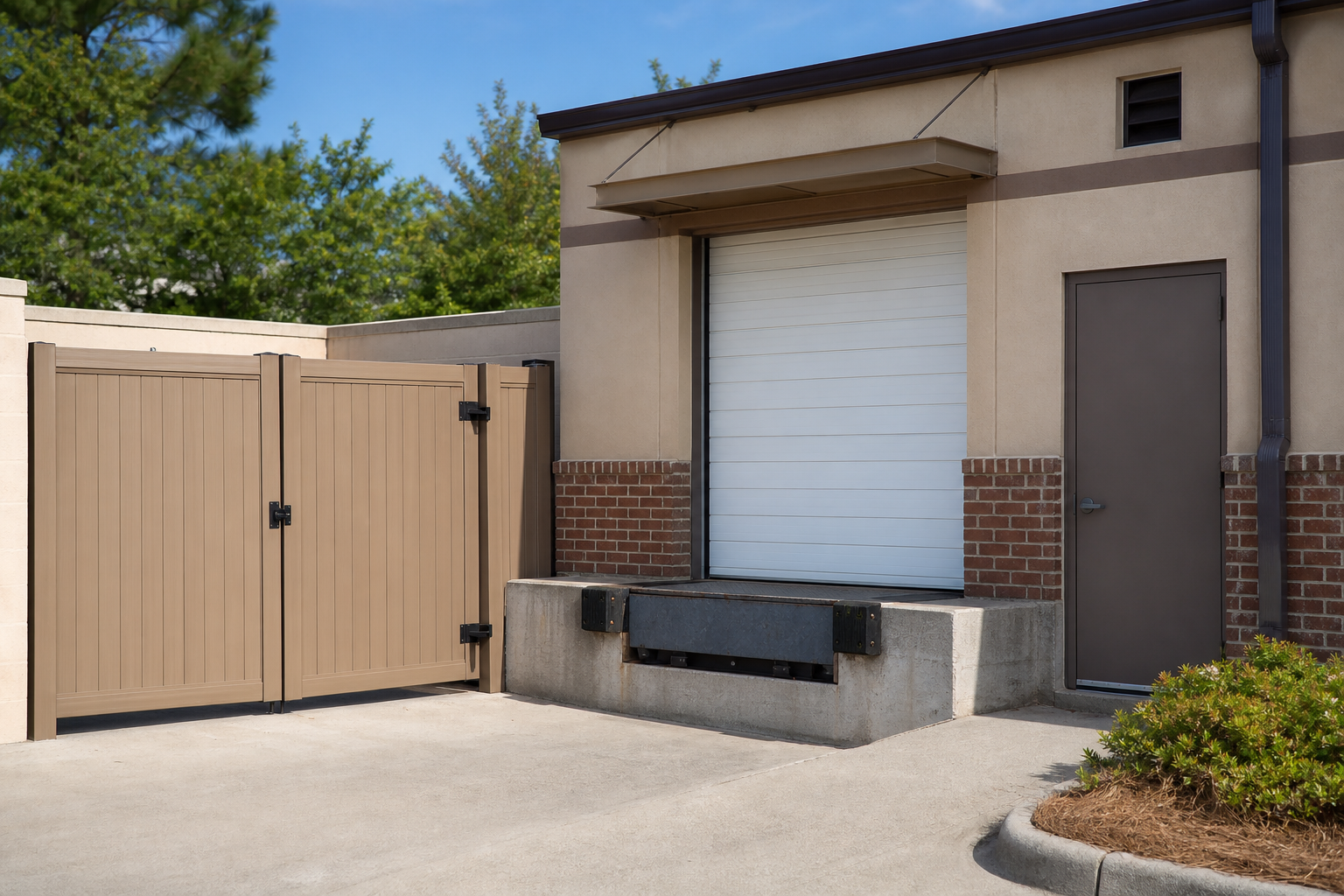
What should receiving area records include?
Receiving records should note delivery frequency, vendor names, and pallet condition on arrival. It also helps to record where deliveries sit before staff move them to the stockroom. This detail helps a provider understand possible entry points at a Boiling Springs retail location.
The receiving area is often the first spot where outside items enter a store. Cardboard and pallets can carry more than product. Homeowners seeing similar pressure can also review kids and pets pest control safety before scheduling.
Note how long deliveries sit near the dock before staff unpack them. Long wait times near open doors can matter more than the delivery itself.
Simple photos of the receiving area at different times of day add useful context. They show normal conditions. That makes odd ones easier to spot later. This connects closely with requesting service from Paladin when you are comparing next steps.
What this means for your home
- Documentation should summarize findings, treated areas, product locations where applicable, and the recommended follow-up plan.
- Condition correction lowers repeat pressure by addressing moisture, food sources, harborage, and easy entry points.
- Practical takeaway: Receiving records should note delivery frequency, vendor names, and pallet condition on arrival.
Do I need to document everything before calling a provider?
No, but a few notes help a lot. Write down receiving, storage, and staff reports first. This lets a provider scope an inspection more accurately for your Boiling Springs, SC retail store.
Prefer to skip the guessing?
We'll identify the pest, point out conditions, and quote what's actually needed.
How should stockroom conditions be recorded?
Stockroom records should describe shelving layout, storage height off the floor, and product rotation habits. Notes on clutter near walls or corners also help. This detail shows a provider how storage practices might create hidden spaces during a short walk-through visit.
Stockrooms tend to collect items over time. Seasonal displays and slow-moving inventory can pile up in corners. For a wider plan, pair this with pest-proofing your home so the whole property is covered.
Record how close stored items sit to walls. Note whether shelving allows a clear view of the floor. Both details matter for a full picture.
A basic stockroom map with rough measurements is often enough. It does not need professional drafting. It just needs enough detail to show general layout. Homeowners seeing similar pressure can also review residential pest control before scheduling.
What this means for your home
- Documentation should summarize findings, treated areas, product locations where applicable, and the recommended follow-up plan.
- Service notes should tell you what was found, what was treated, and what to watch for before the next visit.
- Practical takeaway: Stockroom records should describe shelving layout, storage height off the floor, and product rotation habits.
Why does sales-floor documentation matter for retail pest control?
Sales-floor documentation matters because customer areas often show different patterns than back-of-house spaces. Note foot traffic times, food displays, seating areas, and cleaning schedules. This helps a provider see where public activity and pest activity might overlap in a store setting.
The sales floor reflects daily wear. Displays get touched. Spills happen. Cleaning routines vary by shift. This connects closely with Upstate SC service areas when you are comparing next steps.
Record cleaning frequency for different sections of the floor. A section cleaned once a day behaves differently than one cleaned hourly.
If the store sells food or snacks, note their location and turnover speed. This is observation only. It is not a conclusion about any pest issue. For a wider plan, pair this with kids and pets pest control safety so the whole property is covered.
What this means for your home
- Practical takeaway: Sales-floor documentation matters because customer areas often show different patterns than back-of-house spaces.
- Service notes should tell you what was found, what was treated, and what to watch for before the next visit.
- Documentation should summarize findings, treated areas, product locations where applicable, and the recommended follow-up plan.
Which waste handling details should be recorded?
Waste records should include dumpster location, pickup frequency, and enclosure condition. Note how far the waste area sits from building entrances too. This information helps a provider review exterior conditions during a full retail inspection without guessing about routine practices.
Waste areas are a normal part of retail operations. Management style varies widely between stores. Homeowners seeing similar pressure can also review requesting service from Paladin before scheduling.
Note whether dumpsters have working lids. Check how often the enclosure gate stays open. Also note how close the area sits to loading doors.
Pickup schedule matters too. A once-a-week schedule creates different conditions than daily pickup. This detail sets realistic expectations for outdoor observations. This connects closely with pest-proofing your home when you are comparing next steps.
What this means for your home
- Documentation should summarize findings, treated areas, product locations where applicable, and the recommended follow-up plan.
- Condition correction lowers repeat pressure by addressing moisture, food sources, harborage, and easy entry points.
- Practical takeaway: Waste records should include dumpster location, pickup frequency, and enclosure condition.
How should exterior access points be documented?
List every exterior door, utility penetration, vent, and loading dock gap. Note whether each one closes fully and seals tightly. This record supports entry-point sealing and exclusion planning. It shows which areas may need closer review during a professional inspection visit.
Every building has points where the outside meets the inside. Doors, vents, and utility lines are common examples in a retail setting. For a wider plan, pair this with residential pest control so the whole property is covered.
Walk the exterior perimeter with a simple checklist. Note whether a door closes fully or has a gap underneath. That level of detail is enough to start.
This record does not replace a professional inspection. It gives an inspector a starting list. That can make a multi-point inspection more efficient for everyone. Homeowners seeing similar pressure can also review requesting service from Paladin before scheduling.
What this means for your home
- Documentation should summarize findings, treated areas, product locations where applicable, and the recommended follow-up plan.
- Practical takeaway: List every exterior door, utility penetration, vent, and loading dock gap.
Should staff pest sighting reports be tracked separately?
Yes, staff pest sighting reports should be tracked in their own log. A simple shared record with date, time, location, and a short description helps. It reveals patterns across shifts that a single walk-through inspection might not catch on its own.
Employees often notice something unusual first. This can happen during opening, closing, or a midday restock. This connects closely with kids and pets pest control safety when you are comparing next steps.
A shared log, even a basic notebook or spreadsheet, keeps these reports in one place. Without it, details can get lost between shift changes.
When this log is ready before service begins, it becomes a useful reference point. It shows whether sightings cluster around a certain time, area, or season. For a wider plan, pair this with residential pest control so the whole property is covered.
What this means for your home
- Practical takeaway: Yes, staff pest sighting reports should be tracked in their own log.
- Documentation should summarize findings, treated areas, product locations where applicable, and the recommended follow-up plan.
What should a professional retail pest control inspection document?
A professional inspection typically documents exterior conditions, interior storage areas, moisture sources, and entry points across the store. Paladin Pest Solutions uses multi-point inspections to review these areas. Findings are matched against the store's own operational records for a fuller picture of the property.
A multi-point inspection looks at the building from several angles rather than a single area. This includes exterior walls, rooflines where accessible, and interior spaces like stockrooms. Homeowners seeing similar pressure can also review pest-proofing your home before scheduling.
Inspectors compare what they see against the store's own documentation. This helps confirm patterns rather than relying on a single visit snapshot.
The goal on both sides is a clearer, shared understanding. It supports informed decisions about service scope, not assumptions about specific pest presence. This connects closely with kids and pets pest control safety when you are comparing next steps.
What this means for your home
- Boiling Springs service is adjusted to the home style, season, and pressure pattern instead of using the same checklist everywhere.
- The process should be clear before work starts: inspect, explain findings, treat the right zones, and document the next step.
- Documentation should summarize findings, treated areas, product locations where applicable, and the recommended follow-up plan.
Which findings can change the retail pest control service scope?
Recurring staff reports, unsealed access points, inconsistent waste pickup, or cluttered storage can all shift service scope. These details help a provider decide whether ongoing rodent control, exclusion work, or a broader Integrated Pest Management approach fits the store's needs best.
Not every store needs the same service plan. A location with frequent deliveries and an older building may need a different approach than a newer store with tighter construction. For a wider plan, pair this with Upstate SC service areas so the whole property is covered.
Documented findings from the store team and the inspection give a provider more to work with. This supports a scope built around actual conditions rather than a one-size approach.
Outcomes vary by store, building age, and how closely documentation and recommendations are followed over time. A tailored scope reflects this variation instead of ignoring it. Homeowners seeing similar pressure can also review pest-proofing your home before scheduling.
What this means for your home
- Practical takeaway: Recurring staff reports, unsealed access points, inconsistent waste pickup, or cluttered storage can all shift service scope.
Family-first by design
We ask who lives in the house before we pick a product
Babies, pregnancies, asthma, immune conditions, pet medical issues, garden beds, beehives, they all change the visit. Paladin treats harborage where pests live, not the surfaces kids and pets touch.
Every visit names what was used, where, and when the area is back to normal. If a different approach is the actual answer, we say so.
Why this post exists on the Paladin blog
This post was written by someone who actually does this work on Upstate homes, not by a contractor or a marketing team that has never seen the species in person. The Paladin blog exists to answer the questions we hear on real service calls, honestly, in plain English, without selling you a service you do not need. If a post helps you solve the problem on your own, that is a successful post for us. If you read it and decide you would rather have a trained technician on site, that is what the phone is for. Either path is fine.
A first Paladin visit is intended to document the activity, inspect relevant areas, and explain the proposed scope before work begins. Appointment timing and the exact inspection areas depend on the request and property access. Call (864) 816-7658 or use the contact form so the office can confirm the current options.
Paladin is based in Boiling Springs, SC and serves the approved Upstate locations listed on this site. Each recommendation should be tied to conditions documented at the property, including pest evidence, moisture, entry points, food, water, shelter, and access. The office confirms address availability without promising a route frequency or response window.
Keep exploring Paladin
Related Paladin services and guides for Upstate homeowners.
Frequently asked questions
What areas of a retail store should be documented before pest service?
Store teams should document receiving practices, stockroom storage, sales-floor conditions, waste handling, exterior access points, and staff pest sighting reports. These six areas give a provider a realistic view of daily store operations. Good records support a more accurate inspection and help shape the service scope discussion from the start.
Does Paladin Pest Solutions serve Boiling Springs, SC retail stores?
Paladin Pest Solutions is based in Boiling Springs, SC. The company serves approved locations across Upstate South Carolina. Exact-address availability is confirmed by the office. Retail store owners should reach out directly to confirm service for their specific location and store needs.
What is included in a multi-point inspection for a retail store?
A multi-point inspection generally reviews exterior conditions, interior storage areas, moisture sources, and entry points throughout the building. Inspectors compare their findings against any operational documentation the store provides. This comparison helps build a clearer picture of the property before recommending a service scope.
Can staff pest sighting logs really make a difference?
Yes. Staff sighting logs can reveal patterns across shifts that a single inspection visit might miss. A simple shared log with date, time, and location gives a provider useful reference points. This record supports a fuller review of the store's overall pest control needs over time.
How does documentation affect entry-point sealing recommendations?
Documentation of exterior doors, vents, and utility penetrations helps identify areas that may need closer review during an inspection. This supports more informed decisions about entry-point sealing and exclusion work. It also helps that work fit into a broader retail pest control plan for the store.
Who should I contact to discuss retail pest control in Boiling Springs, SC?
Retail store owners and managers in Boiling Springs, SC can contact Paladin Pest Solutions directly. Call (864) 816-7658 or use the contact page to reach the team. Either option lets you discuss your store's operations and inspection needs at a convenient time.
Ready to shield your family?
One call to Paladin and we’ll meet you where you are, from a quick walk-through to a long-term protection plan.