Upstate South Carolina · Careful, targeted pest control
Residential Pest Control in Boiling Springs, SC: Choosing a Service Scope
Choosing the right residential pest control scope in Boiling Springs, SC starts with sorting facts. Separate one-time sightings from patterns you see often. A sound scope pairs inspection with targeted treatment, exclusion, and…
- Treatments built around how your family actually uses the home
- Local dispatch from Spartanburg across the Upstate
- If a visit isn't needed, we'll say so on the phone
Quick Answer
Choosing the right residential pest control scope in Boiling Springs, SC starts with sorting facts. Separate one-time sightings from patterns you see often. A sound scope pairs inspection with targeted treatment, exclusion, and moisture correction where needed. Monitoring is added so small issues stay small.
For the next step, compare Paladin pest control services, read about Upstate SC service areas, or check where Paladin works across Upstate SC.
Key Takeaways
- Separate one-time sightings from recurring patterns before picking a scope.
- Inspection findings should come before any treatment decision.
- Exclusion work closes gaps that treatment alone cannot fix.
- Moisture correction removes conditions that draw pests indoors.
- Monitoring after service shows whether the scope is working.
- Homeowners play an active role in keeping results steady.
- A clear written scope keeps expectations simple for every visit.
How should a homeowner choose the right residential pest control scope?
Start by writing down what you have seen, heard, or found around the home. Match each item to a scope step: inspection, treatment, exclusion, or monitoring. This evidence based approach helps homeowners in Boiling Springs, SC avoid paying for work that does not fit their situation.
Many homeowners feel pushed to pick a broad package right away. A better first step is simply noting what you have observed around the house. This connects closely with residential pest control when you are comparing next steps.
Separate single incidents from repeated ones. One ant trail near a window is not the same as weekly sightings in the same kitchen corner.
Once your list is clear, match each item to a scope category. Some issues need only monitoring. Others call for exclusion or targeted treatment. For a wider plan, pair this with Upstate SC service areas so the whole property is covered.
This approach follows integrated pest management principles from the EPA. Those principles stress inspection and monitoring before any treatment step begins.
What this means for your home
- Practical takeaway: Start by writing down what you have seen, heard, or found around the home.
- Boiling Springs service is adjusted to the home style, season, and pressure pattern instead of using the same checklist everywhere.
Which services does residential pest control usually cover?
Residential pest control usually covers an inspection and a review of conditions that attract pests. It also includes targeted treatment where activity is confirmed, plus follow-up monitoring. Coverage varies by provider and property, so ask which steps are included before work starts on your home.
Most residential programs open with a walkthrough of the interior and exterior. This step flags visible activity, entry points, and damp areas. Homeowners seeing similar pressure can also review kids and pets pest control safety before scheduling.
From there, a provider may suggest targeted treatment for confirmed activity instead of broad applications. This keeps the scope tied to real findings.
Some programs also add periodic monitoring visits. These check whether earlier work is holding up. They also flag any new activity. This connects closely with requesting service from Paladin when you are comparing next steps.
Because coverage differs between providers, it helps to ask Paladin Pest Solutions directly which steps apply to your specific request.
What this means for your home
- Practical takeaway: Residential pest control usually covers an inspection and a review of conditions that attract pests.
How do I know if I need exclusion work or just treatment?
If an inspection finds specific gaps or openings pests are using, exclusion is usually paired with treatment. If no clear entry point turns up, monitoring plus targeted treatment may be enough for now.
Prefer to skip the guessing?
We'll identify the pest, point out conditions, and quote what's actually needed.
Is inspection different from treatment?
Yes, inspection and treatment serve different jobs in a residential scope. Inspection gathers evidence about activity and entry points. Treatment responds to confirmed problems found during that inspection. Knowing this difference helps homeowners ask sharper questions about scope options with any provider.
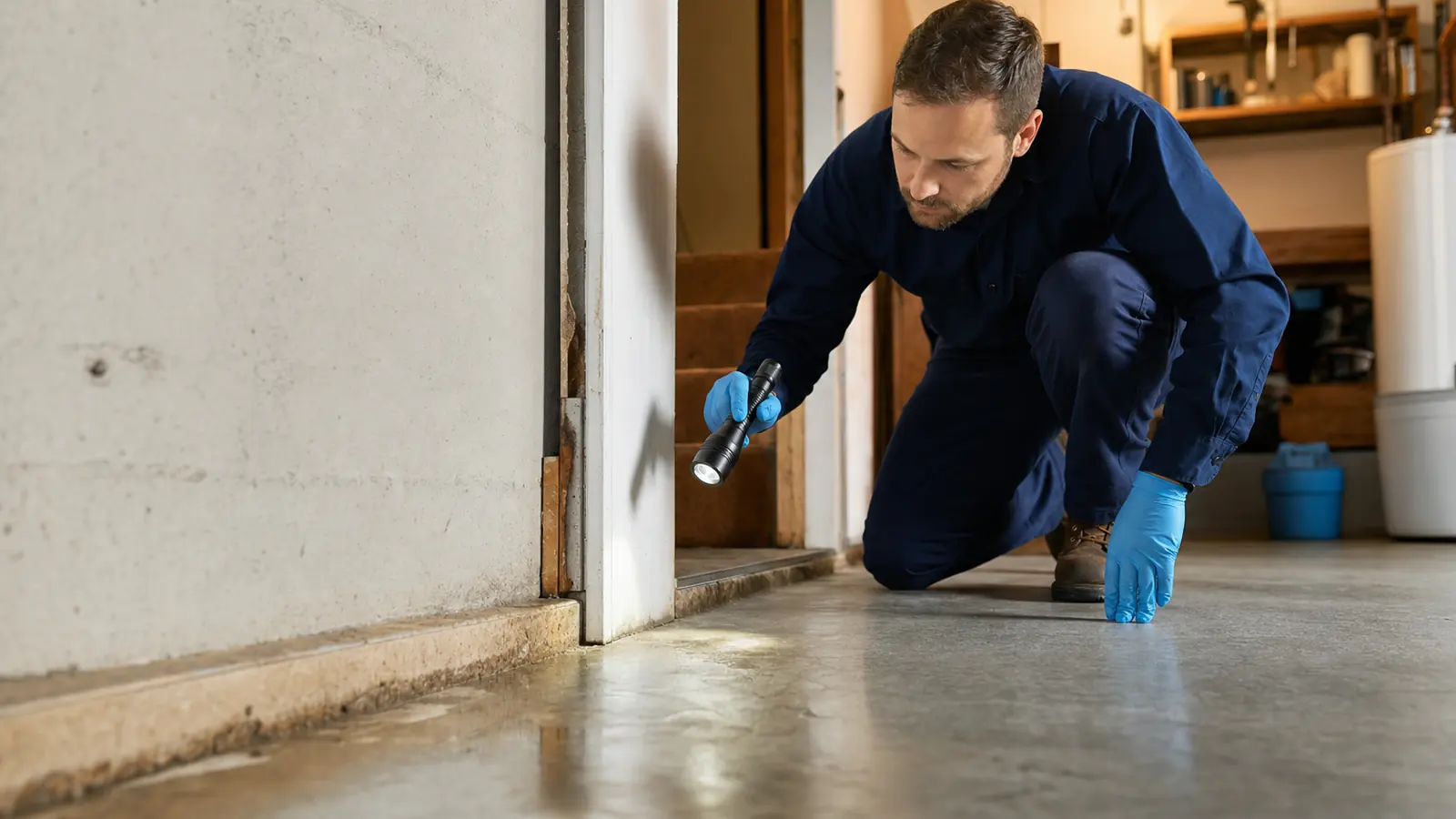
Inspection is mostly observational work. It involves looking for droppings, nesting material, gaps, and moisture, then writing down what is found. For a wider plan, pair this with pest-proofing your home so the whole property is covered.
Treatment follows inspection and responds to what was actually documented. Without a clear inspection step, treatment can turn into guesswork.
Some homeowners assume every visit includes active treatment. In a well built scope, not every visit needs treatment work at all. Homeowners seeing similar pressure can also review residential pest control before scheduling.
EPA guidance on pest control safety notes that identifying the pest and its supporting conditions should come before choosing any control method.
What this means for your home
- Practical takeaway: Yes, inspection and treatment serve different jobs in a residential scope.
When does exclusion belong in the scope?
Exclusion belongs in the scope once an inspection points to specific entry spots. Gaps around utility lines or unsealed vents are common examples. Adding exclusion after these findings are confirmed helps stop pests from returning through the same access routes, rather than just treating symptoms each time.
Exclusion means sealing or closing off the ways pests use to get inside a structure. It is usually suggested once an inspection turns up specific gaps. This connects closely with Upstate SC service areas when you are comparing next steps.
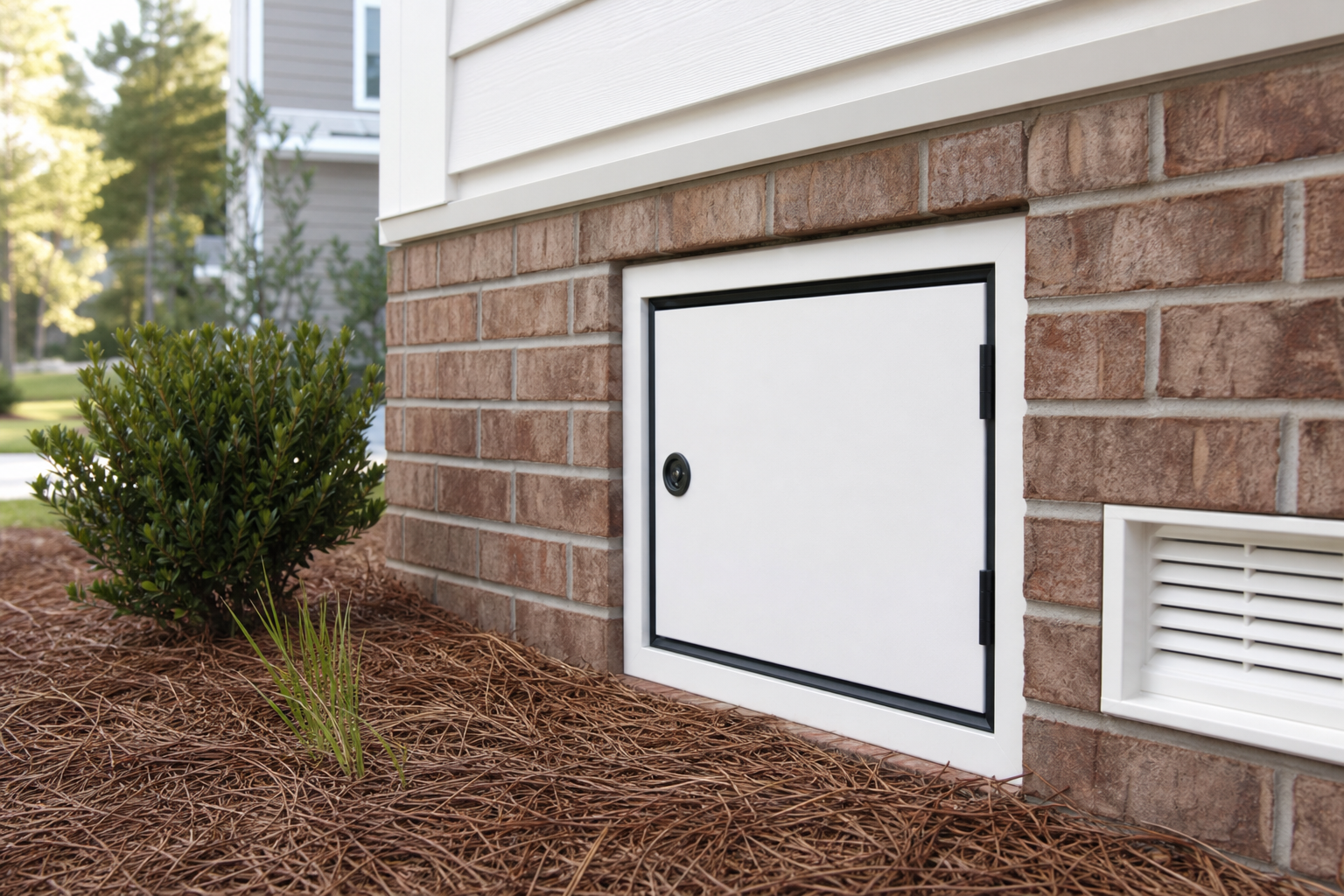
Common spots checked include foundation vents, utility penetrations, and gaps around doors or crawl space access. Not every home needs the same exclusion work.
Skipping exclusion after repeated entry problems can mean treatments only bring short lived relief. The open access point simply invites future activity. For a wider plan, pair this with kids and pets pest control safety so the whole property is covered.
Paladin Pest Solutions lists entry-point sealing and exclusion among its capabilities. This work can be discussed as part of a broader residential scope.
What this means for your home
- Practical takeaway: Exclusion belongs in the scope once an inspection points to specific entry spots.
- Boiling Springs service is adjusted to the home style, season, and pressure pattern instead of using the same checklist everywhere.
Should moisture correction be part of the plan?
Moisture correction deserves a spot in the plan whenever damp crawl spaces or leaking fixtures sit near the home. Poor drainage also counts. Fixing these conditions supports the rest of the scope. It removes an attractant that draws many common household pests indoors in the first place.
Many pests are drawn to steady moisture sources. Damp crawl spaces, leaking outdoor faucets, and poor grading near the foundation can all play a part. Homeowners seeing similar pressure can also review requesting service from Paladin before scheduling.
Moisture correction is not a treatment on its own. It works as a supporting step. It reduces conditions that make a property more appealing to pests.
Homeowners can start by noting where water pools after rain. Crawl space humidity that feels high is also worth noting. These notes help during an inspection. This connects closely with pest-proofing your home when you are comparing next steps.
Integrated pest management guidance from the EPA lists habitat changes, including moisture control, as a core part of long term pest management.
What this means for your home
- Practical takeaway: Moisture correction deserves a spot in the plan whenever damp crawl spaces or leaking fixtures sit near the home.
- Boiling Springs service is adjusted to the home style, season, and pressure pattern instead of using the same checklist everywhere.
Why does ongoing monitoring matter after service?
Ongoing monitoring matters because it shows whether the chosen scope is working over time. A single visit rarely tells the whole story. Later monitoring checks confirm that exclusion work, treatment, and moisture fixes are still holding up as the seasons change around the property.
Pest activity can shift with the seasons. Monitoring visits spread out over time give a clearer picture than one inspection alone ever could. For a wider plan, pair this with residential pest control so the whole property is covered.
During monitoring, a provider can note whether new activity has shown up. They can also confirm whether earlier entry points remain sealed. This keeps the scope responsive.
Homeowners can support monitoring by keeping a simple log of any sightings between visits. Dates and locations matter more than general impressions. Homeowners seeing similar pressure can also review requesting service from Paladin before scheduling.
Steady monitoring fits with integrated pest management principles. Those principles treat pest control as an ongoing process rather than a single event.
What this means for your home
- Practical takeaway: Ongoing monitoring matters because it shows whether the chosen scope is working over time.
Can homeowners help maintain results between visits?
Yes, homeowners can support results between visits in a few simple ways. Keep food sealed, manage yard debris, and report new activity right away. These small daily habits work alongside professional service. They help the agreed scope stay effective between scheduled visits around the home over time.
Simple habits make a real difference. Storing food in sealed containers and taking out trash regularly cuts off easy food sources for many pests. This connects closely with kids and pets pest control safety when you are comparing next steps.
Outdoor upkeep also matters. Trimming plants away from the foundation and clearing debris piles removes hiding spots close to the home.
Reporting changes quickly is another useful habit. A short note about a new sighting helps a provider decide if the current scope still fits. For a wider plan, pair this with residential pest control so the whole property is covered.
The EPA's citizen guide encourages homeowner involvement. It notes that sanitation and simple prevention steps support any professional pest control effort.
What this means for your home
- Practical takeaway: Yes, homeowners can support results between visits in a few simple ways.
Does rodent activity change the scope?
Yes, confirmed rodent activity usually shifts the scope toward exclusion and monitoring instead of treatment alone. Rodents can squeeze through small gaps, so sealing access points becomes a key part of the plan. Monitoring is then added to confirm those sealed spots stay secure over time.
Rodent concerns often begin with sounds in walls or attics. Droppings found in storage areas are another common sign. These are worth writing down with dates and locations. Homeowners seeing similar pressure can also review pest-proofing your home before scheduling.
Because rodents can fit through surprisingly small openings, exclusion work tends to carry more weight in these cases. Sealing gaps limits future access.
Monitoring also matters after rodent related work. It helps confirm whether sealed areas remain secure over the following weeks and months. This connects closely with kids and pets pest control safety when you are comparing next steps.
Paladin Pest Solutions lists rodent control and entry-point sealing among its capabilities. These can be discussed together when rodent activity is part of the picture.
What this means for your home
- Practical takeaway: Yes, confirmed rodent activity usually shifts the scope toward exclusion and monitoring instead of treatment alone.
- Boiling Springs service is adjusted to the home style, season, and pressure pattern instead of using the same checklist everywhere.
Family-first by design
We ask who lives in the house before we pick a product
Babies, pregnancies, asthma, immune conditions, pet medical issues, garden beds, beehives, they all change the visit. Paladin treats harborage where pests live, not the surfaces kids and pets touch.
Every visit names what was used, where, and when the area is back to normal. If a different approach is the actual answer, we say so.
Why this post exists on the Paladin blog
This post was written by someone who actually does this work on Upstate homes, not by a contractor or a marketing team that has never seen the species in person. The Paladin blog exists to answer the questions we hear on real service calls, honestly, in plain English, without selling you a service you do not need. If a post helps you solve the problem on your own, that is a successful post for us. If you read it and decide you would rather have a trained technician on site, that is what the phone is for. Either path is fine.
A first Paladin visit is intended to document the activity, inspect relevant areas, and explain the proposed scope before work begins. Appointment timing and the exact inspection areas depend on the request and property access. Call (864) 816-7658 or use the contact form so the office can confirm the current options.
Paladin is based in Boiling Springs, SC and serves the approved Upstate locations listed on this site. Each recommendation should be tied to conditions documented at the property, including pest evidence, moisture, entry points, food, water, shelter, and access. The office confirms address availability without promising a route frequency or response window.
Keep exploring Paladin
Related Paladin services and guides for Upstate homeowners.

Frequently asked questions
What steps make up a typical residential pest control scope in Boiling Springs, SC?
A typical scope includes an inspection, a review of conditions like moisture, and targeted treatment where activity is confirmed. Exclusion or monitoring may also be added. The exact mix depends on what turns up during the first visit and the homeowner's specific concerns.
Should I choose a broad service package or a targeted one?
This depends on your own observations. If you have noted recurring activity in several areas of the home, a broader scope may make more sense. For one isolated sighting, a targeted approach paired with monitoring is often enough to start, then adjust later.
How can I document pest activity before contacting a provider?
Keep a simple log noting the date, location, and what you saw, such as droppings, sounds, or live activity around the home. Photos of entry points or suspect areas also help a provider understand the situation before the first visit begins.
Does Paladin Pest Solutions offer entry-point sealing as part of residential service?
Yes, entry-point sealing and exclusion are listed among Paladin Pest Solutions' capabilities for homes in and around Boiling Springs, SC. This work is typically considered alongside inspection findings to address specific access points found on the property, and it can be discussed together with rodent control or wildlife removal needs when relevant.
How often should monitoring happen after initial service?
Monitoring frequency depends on the type of activity and the scope agreed upon with the homeowner. Some situations call for periodic check-ins over several months, especially after exclusion or rodent related work. Others may only need monitoring if new signs of activity appear between scheduled visits at the property.
Can moisture issues really affect a pest control scope?
Yes, ongoing moisture near a foundation or inside a crawl space can attract pests and weaken other efforts. Addressing moisture is generally treated as a supporting step. It helps the rest of the residential scope work better over the months ahead.
Ready to shield your family?
One call to Paladin and we’ll meet you where you are, from a quick walk-through to a long-term protection plan.