Upstate South Carolina · Identify first, treat the right spot
Real Estate Pest Inspection in Boiling Springs, SC: Questions Before You Book
Before booking a Real Estate Pest Inspection in Boiling Springs, SC, confirm your role in the deal. Arrange full property access. Ask which report format applies. Set a realistic timing window. Clarify how findings and follow-up…
- Low-disruption applications focused on cracks, voids, and entry points
- Reachable techs, text us, call us, we answer
- Quarterly programs or one-time visits, your call
Quick Answer
Before booking a Real Estate Pest Inspection in Boiling Springs, SC, confirm your role in the deal. Arrange full property access. Ask which report format applies. Set a realistic timing window. Clarify how findings and follow-up steps get shared with all parties.
For the next step, compare Paladin pest control services, read about Upstate SC service areas, or check where Paladin works across Upstate SC.
Key Takeaways
- Confirm your role in the transaction before scheduling.
- Full property access, including crawl spaces, speeds things up.
- Ask which report format the inspection will follow.
- Book early enough to fit closing timelines.
- Keep copies of every report for your records.
- Understand which findings may prompt follow-up review.
- Share reports promptly with agents and other parties.
What should a buyer, seller, or agent confirm before booking a real-estate pest inspection?
Before booking a Real Estate Pest Inspection in Boiling Springs, SC, confirm who is requesting it. It could be a buyer, seller, or lender need. Confirm who receives the report, plus the property address, access plans, and timing. Clear details upfront keep the process smooth for everyone involved.
Real estate deals involve people with different needs. A buyer may want an independent look at the property. A seller might request one to fix issues before listing. Knowing your role sets clear expectations. This connects closely with residential pest control when you are comparing next steps.
Agents often coordinate these details for clients. If you work with an agent, ask who will schedule the visit. Find out who grants access. This avoids confusion on inspection day.
It also helps to confirm early if a lender needs the report. Some deals call for a specific report format. Identifying that early prevents delays later in the process. For a wider plan, pair this with Upstate SC service areas so the whole property is covered.
What this means for your home
- Boiling Springs service is adjusted to the home style, season, and pressure pattern instead of using the same checklist everywhere.
- Practical takeaway: Before booking a Real Estate Pest Inspection in Boiling Springs, SC, confirm who is requesting it.
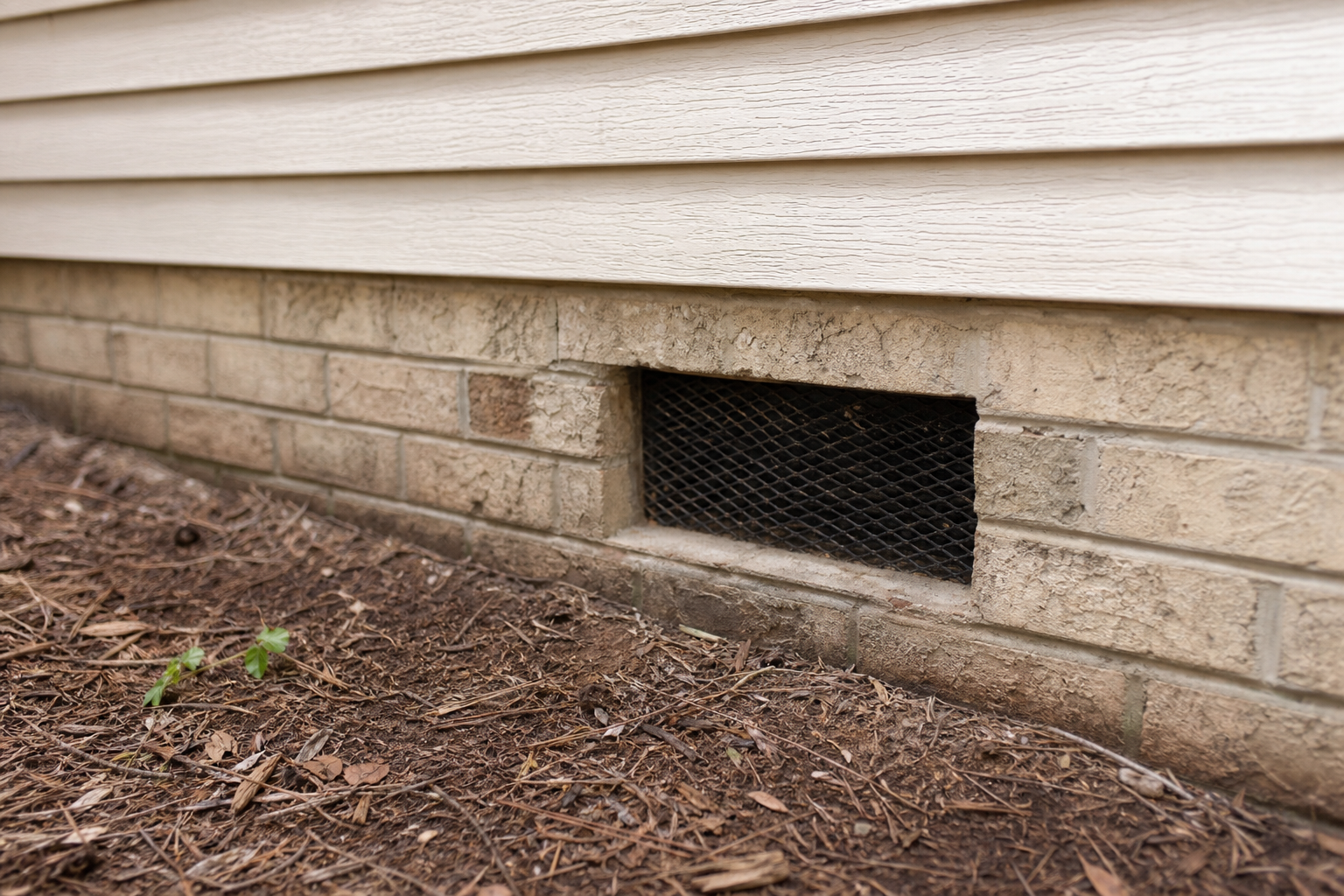
How much property access is needed for a thorough inspection?
A thorough inspection usually needs access to the interior, exterior, attic, and crawl space. Locked doors or blocked crawl entries limit what can be observed. Clearing these access points ahead of time helps the visit move along without extra delays.
Crawl spaces and attics matter most in a real estate pest inspection. These areas are visited least often in daily life. Keeping them open and reachable saves time on inspection day. Homeowners seeing similar pressure can also review kids and pets pest control safety before scheduling.
Exterior access matters too. Overgrown plants or parked cars near the foundation can block a clear view. A quick yard cleanup before the visit makes a real difference.
If a property sits vacant or has tenants, plan ahead. Someone needs to grant entry that day. A missed access point may mean a second visit is needed. This connects closely with requesting service from Paladin when you are comparing next steps.
What this means for your home
- Practical takeaway: A thorough inspection usually needs access to the interior, exterior, attic, and crawl space.
Do I need a real estate pest inspection if the home looks fine?
Many transactions call for a pest inspection no matter how the home looks. Some areas, like crawl spaces, are hard to see during a walkthrough. A professional visit documents these hidden areas as part of the transaction record.
Ready for a straight answer?
Call or message, we'll listen first and recommend only what fits your home.
Which report format should the inspection follow?
South Carolina real estate deals often rely on the standard Wood Infestation Report, sometimes called the CL-100 form, to document conditions. Confirming which format your specific transaction requires early helps avoid confusion at closing. Ask your agent or attorney whether a standard form or another report type applies to your sale.
South Carolina has a recognized wood infestation report form. Many real estate deals use this document. It outlines what areas got checked and what the inspector found. For a wider plan, pair this with pest-proofing your home so the whole property is covered.
Not every deal needs this exact form. It helps to ask directly which report applies to you. Lenders, agents, or closing attorneys often expect a specific format.
Reviewing the official form structure early helps too. Buyers and sellers can understand what the report will cover before the visit even happens. Homeowners seeing similar pressure can also review residential pest control before scheduling.
What this means for your home
- Documentation should summarize findings, treated areas, product locations where applicable, and the recommended follow-up plan.
- Boiling Springs service is adjusted to the home style, season, and pressure pattern instead of using the same checklist everywhere.
When should the inspection be scheduled during a transaction?
Inspections usually happen after an accepted offer but before closing, leaving room for any needed follow-up. Waiting too long can add pressure as closing approaches. Booking earlier in the contract window gives everyone time to review findings calmly, ask questions, and plan next steps without rushing.
Most contracts include a window for inspections. Scheduling early in that window leaves room for a second look. This matters if the report raises questions. This connects closely with Upstate SC service areas when you are comparing next steps.
Closing timelines often shift, so build in a buffer. A rushed inspection days before closing leaves little room to adjust. Access issues or scheduling conflicts can pop up.
Sellers preparing to list sometimes schedule an inspection first. This helps identify items to address early. It happens ahead of any buyer requests. For a wider plan, pair this with kids and pets pest control safety so the whole property is covered.
What this means for your home
- Practical takeaway: Inspections usually happen after an accepted offer but before closing, leaving room for any needed follow-up.
What should a professional real estate pest inspection document?
A real estate pest inspection report should list the areas checked. It should note any visible evidence found. It should describe the general condition of accessible spaces like crawl areas and exterior wood. Noting what was and was not accessible supports informed decisions.
Good documentation lists every area that got checked. This includes spots with no findings at all. This transparency helps buyers and sellers see the full scope of the review. Homeowners seeing similar pressure can also review requesting service from Paladin before scheduling.
Photos or notes about limited access areas help too. If a crawl space section was blocked, the report should say so clearly. The same goes for a sealed attic hatch.
Referencing the state form helps set expectations. It shows what fields and categories appear in the finished report. The format stays consistent across many providers. This connects closely with pest-proofing your home when you are comparing next steps.
What this means for your home
- Documentation should summarize findings, treated areas, product locations where applicable, and the recommended follow-up plan.
- Practical takeaway: A real estate pest inspection report should list the areas checked.
Which findings can change the real estate pest inspection service scope?
Findings such as visible wood damage, moisture signs, or past activity may prompt a closer look at certain areas. This does not always mean a bigger problem exists. It may just lead to more observation. Talk with the inspecting company about next steps.
Every property differs. Some findings simply call for a closer look at one area, not the whole home. Ask the inspecting company how they handle these cases. For a wider plan, pair this with residential pest control so the whole property is covered.
If a report notes an area that could not get fully assessed, discuss it. Buyers and sellers may want more review before closing moves forward.
Keep in mind that observations reflect conditions at the time of the visit. They are not predictions about the future. They are not a full diagnosis of the property. Homeowners seeing similar pressure can also review requesting service from Paladin before scheduling.
What this means for your home
- Practical takeaway: Findings such as visible wood damage, moisture signs, or past activity may prompt a closer look at certain areas.
- Follow-up visits confirm whether the pest control activity is dropping and whether any new entry points or pressure signs appeared.
How should reports and records be kept after the inspection?
Keep a digital and printed copy of every real estate pest inspection report. Share copies promptly with your agent, lender, or closing attorney as needed. Organized records help avoid confusion later. They also give you a clear reference point after closing.
Real estate deals generate a lot of paperwork. Inspection reports can get buried in email threads fast. Save a labeled copy in a dedicated folder right away. This connects closely with kids and pets pest control safety when you are comparing next steps.
If multiple parties are involved, such as a buyer, seller, and two agents, make sure everyone has the same version. This helps prevent mix-ups about what was found.
Keeping these records after closing helps too. Similar questions may come up during a future sale. They may also come up during a refinance of the same property. For a wider plan, pair this with residential pest control so the whole property is covered.
What this means for your home
- Practical takeaway: Keep a digital and printed copy of every real estate pest inspection report.
- Documentation should summarize findings, treated areas, product locations where applicable, and the recommended follow-up plan.
Should buyers request a follow-up visit after reviewing the report?
A follow-up visit may be worth requesting if the report notes limited access or unclear findings. It also helps when an area needs a second look. Not every report needs this step. Discuss the specific notes with the inspecting company to decide if it makes sense.
If access to a crawl space or attic was limited at first, a follow-up may allow a fuller look. This works once the access issue gets resolved. Homeowners seeing similar pressure can also review pest-proofing your home before scheduling.
Buyers sometimes ask for a second opinion. A report may raise questions they want clarified before finalizing a purchase. This is a reasonable step in many deals.
The decision to request a follow-up depends on your report notes. It also depends on your comfort level moving forward on the current schedule. This connects closely with kids and pets pest control safety when you are comparing next steps.
What this means for your home
- Follow-up visits confirm whether the pest control activity is dropping and whether any new entry points or pressure signs appeared.
- second look after limited access
- The process should be clear before work starts: inspect, explain findings, treat the right zones, and document the next step.
Family-first by design
We ask who lives in the house before we pick a product
Babies, pregnancies, asthma, immune conditions, pet medical issues, garden beds, beehives, they all change the visit. Paladin treats harborage where pests live, not the surfaces kids and pets touch.
Every visit names what was used, where, and when the area is back to normal. If a different approach is the actual answer, we say so.
Why this post exists on the Paladin blog
This post was written by someone who actually does this work on Upstate homes, not by a contractor or a marketing team that has never seen the species in person. The Paladin blog exists to answer the questions we hear on real service calls, honestly, in plain English, without selling you a service you do not need. If a post helps you solve the problem on your own, that is a successful post for us. If you read it and decide you would rather have a trained technician on site, that is what the phone is for. Either path is fine.
A first Paladin visit is intended to document the activity, inspect relevant areas, and explain the proposed scope before work begins. Appointment timing and the exact inspection areas depend on the request and property access. Call (864) 816-7658 or use the contact form so the office can confirm the current options.
Paladin is based in Boiling Springs, SC and serves the approved Upstate locations listed on this site. Each recommendation should be tied to conditions documented at the property, including pest evidence, moisture, entry points, food, water, shelter, and access. The office confirms address availability without promising a route frequency or response window.
Keep exploring Paladin
Related Paladin services and guides for Upstate homeowners.
Frequently asked questions
Who typically requests a real estate pest inspection in Boiling Springs, SC?
Buyers, sellers, agents, and sometimes lenders can request a real estate pest inspection. The party requesting it often depends on contract terms or financing needs. Confirming who is responsible for scheduling helps keep the transaction timeline on track for everyone involved in the sale.
What areas of a home are typically included in a real estate pest inspection?
Inspections generally cover accessible interior areas, exterior walls, attic spaces, and crawl spaces where present. Access to these areas allows for a more complete report overall. Any areas that cannot be reached get noted separately in the finished documentation, so all parties understand the scope.
Is the South Carolina Wood Infestation Report the same as a CL-100?
The Wood Infestation Report is the standardized form often called a CL-100 in South Carolina real estate deals. Confirming which term your lender or closing attorney uses helps avoid confusion. Ask early so you request the exact document needed for your specific transaction timeline.
Can a real estate pest inspection be scheduled before a home is listed?
Yes, sellers sometimes schedule an inspection before listing to understand the property. This lets them address items proactively, ahead of time. This approach can make the eventual buyer request smoother, since some documentation may already exist before the property goes under contract with a buyer.
What happens if a crawl space cannot be accessed during the inspection?
If a crawl space or other area cannot be reached, the report should note this limitation clearly. Buyers or sellers can then coordinate a follow-up visit. This happens once the access issue, such as a locked hatch or blocked entry, has been resolved by either party.
Ready to shield your family?
One call to Paladin and we’ll meet you where you are, from a quick walk-through to a long-term protection plan.