Upstate South Carolina · Careful, targeted pest control
Opossum Removal in Boiling Springs, SC: What to Report Before Wildlife Service
Before requesting opossum removal in Boiling Springs, SC, note the time you saw the animal, its travel path, any shelter spots, nearby food sources, pet access points, and possible entry gaps. This briefing helps a wildlife team…
- Product placement chosen around kids, pets, and pollinators
- A real Spartanburg crew, not a national call center
- Plain-English findings before any treatment starts
Quick Answer
Before requesting opossum removal in Boiling Springs, SC, note the time you saw the animal, its travel path, any shelter spots, nearby food sources, pet access points, and possible entry gaps. This briefing helps a wildlife team plan an appropriate inspection scope from the first visit.
For the next step, compare Paladin pest control services, read about Upstate SC service areas, or check where Paladin works across Upstate SC.
Key Takeaways
- Record the exact time and date of each opossum sighting.
- Track the travel path the animal used across your yard.
- Note shelter areas like decks, sheds, or wood piles.
- List food sources such as pet food or open trash.
- Check pet access points where animals might cross paths.
- Look for entry gaps near the foundation or roofline.
- Share organized notes to help scope the service call.
What observations should be reported before requesting service for suspected opossum activity?
Report the time of each sighting, the path the opossum traveled, any shelter or den-like spots, nearby food sources, pet access areas, and possible entry points. These six details give a wildlife removal team a clear starting picture before they arrive at your Boiling Springs property.
A useful report starts with timing. Note whether sightings happen at dusk, overnight, or early morning. This connects closely with residential pest control when you are comparing next steps.
Next, track movement. Did the opossum move along a fence line, under a deck, or near the garage?
Shelter matters too. Crawl spaces, sheds, and brush piles often serve as resting spots for wildlife. For a wider plan, pair this with Upstate SC service areas so the whole property is covered.
Food access and pet doors round out the picture. Open trash cans or pet bowls left outside can draw activity.
What this means for your home
- Boiling Springs service is adjusted to the home style, season, and pressure pattern instead of using the same checklist everywhere.
- Documentation should summarize findings, treated areas, product locations where applicable, and the recommended follow-up plan.
- Practical takeaway: Report the time of each sighting, the path the opossum traveled, any shelter or den-like spots, nearby food sources, pet access areas, and possible entry points.
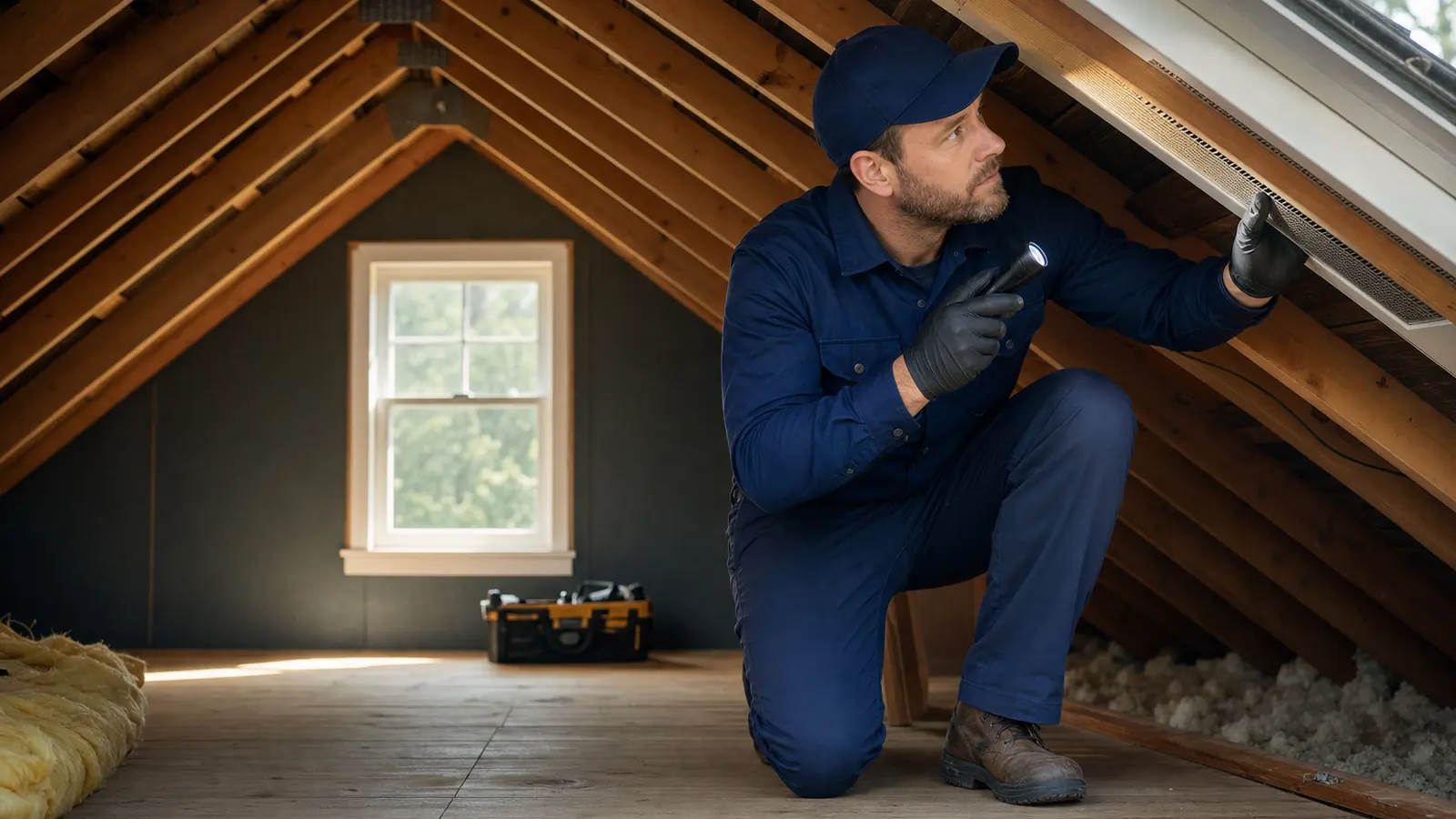
How does the time of sighting help a wildlife removal team plan a visit?
Time of day tells a wildlife team when an opossum is most active on your property. Opossums are typically nocturnal, so evening or overnight sightings are common. Sharing this pattern helps the team decide when an inspection is likely to reveal useful signs.
Consistent timing patterns can reveal a routine. If sightings cluster around the same hour, that is worth noting. Homeowners seeing similar pressure can also review kids and pets pest control safety before scheduling.
Daytime sightings are less common and may signal something different than typical nighttime movement.
Write down the date and approximate time for each occurrence, even if it feels repetitive. This connects closely with requesting service from Paladin when you are comparing next steps.
This log becomes a simple reference the technician can use to plan an inspection window that fits the pattern.
What this means for your home
- Practical takeaway: Time of day tells a wildlife team when an opossum is most active on your property.
What is the fastest way to prepare for an opossum removal call?
Write down the time of each sighting, the travel path, shelter spots, food sources, pet access areas, and any gaps you have noticed near the home. This short list gives the wildlife team a clear starting point for the visit.
Want a professional to look at this?
The office will confirm the available appointment date.
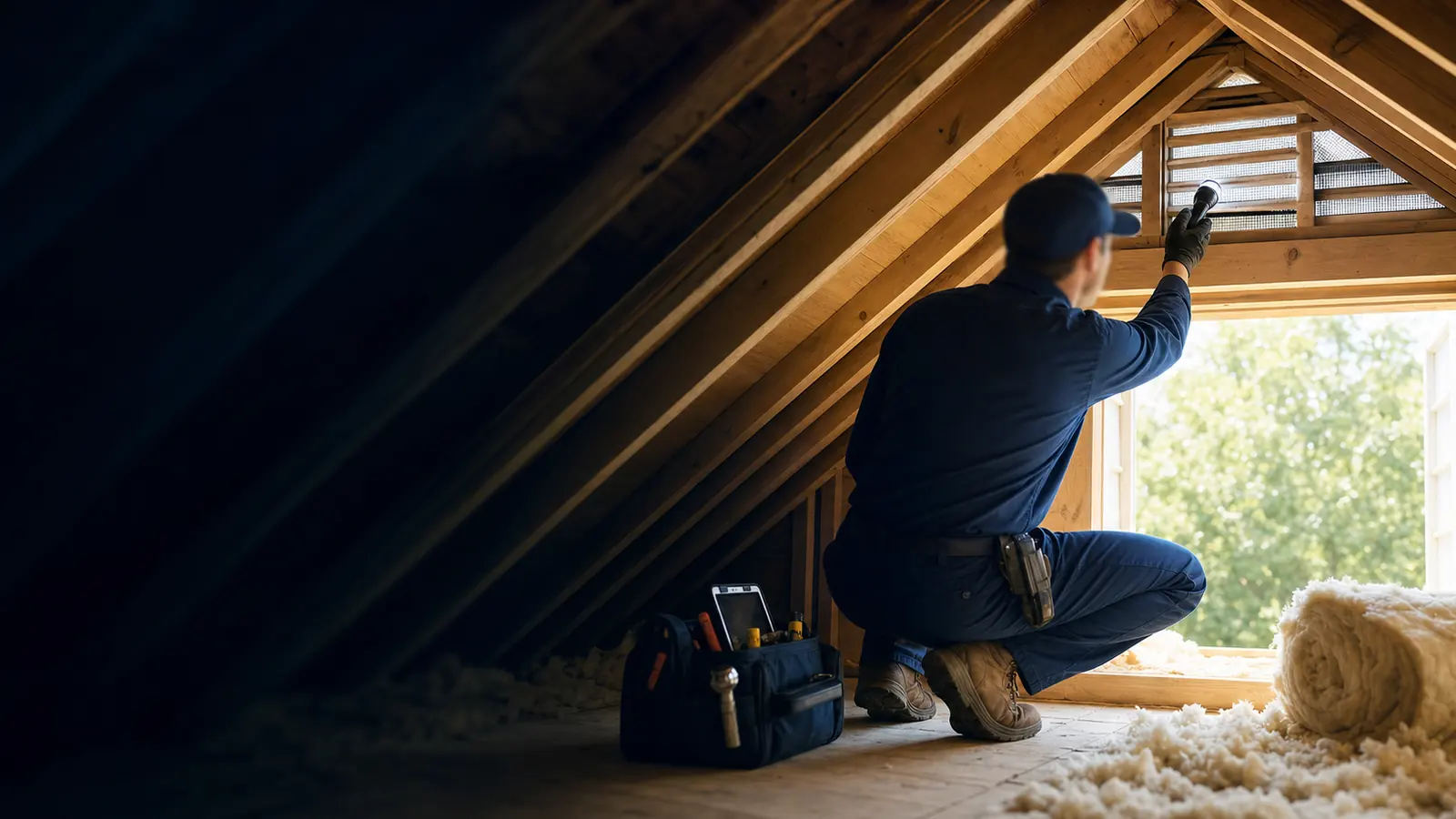
Which travel paths matter most when reporting opossum activity?
Fence lines, tree branches, deck undersides, and utility lines are common opossum travel paths. Reporting where you see the animal enter or exit your yard helps a wildlife removal team trace likely routes and identify where exclusion work might be most useful.
Opossums often follow consistent routes between shelter and food. A fence top or low branch can act like a highway. For a wider plan, pair this with pest-proofing your home so the whole property is covered.
If you see the animal near a specific corner of the yard repeatedly, mention that location clearly.
Note whether the path connects to a neighboring property, since wildlife often moves between adjacent yards. Homeowners seeing similar pressure can also review residential pest control before scheduling.
This travel information, paired with shelter and food notes, gives a fuller picture of the pattern at play.
What this means for your home
- Practical takeaway: Fence lines, tree branches, deck undersides, and utility lines are common opossum travel paths.
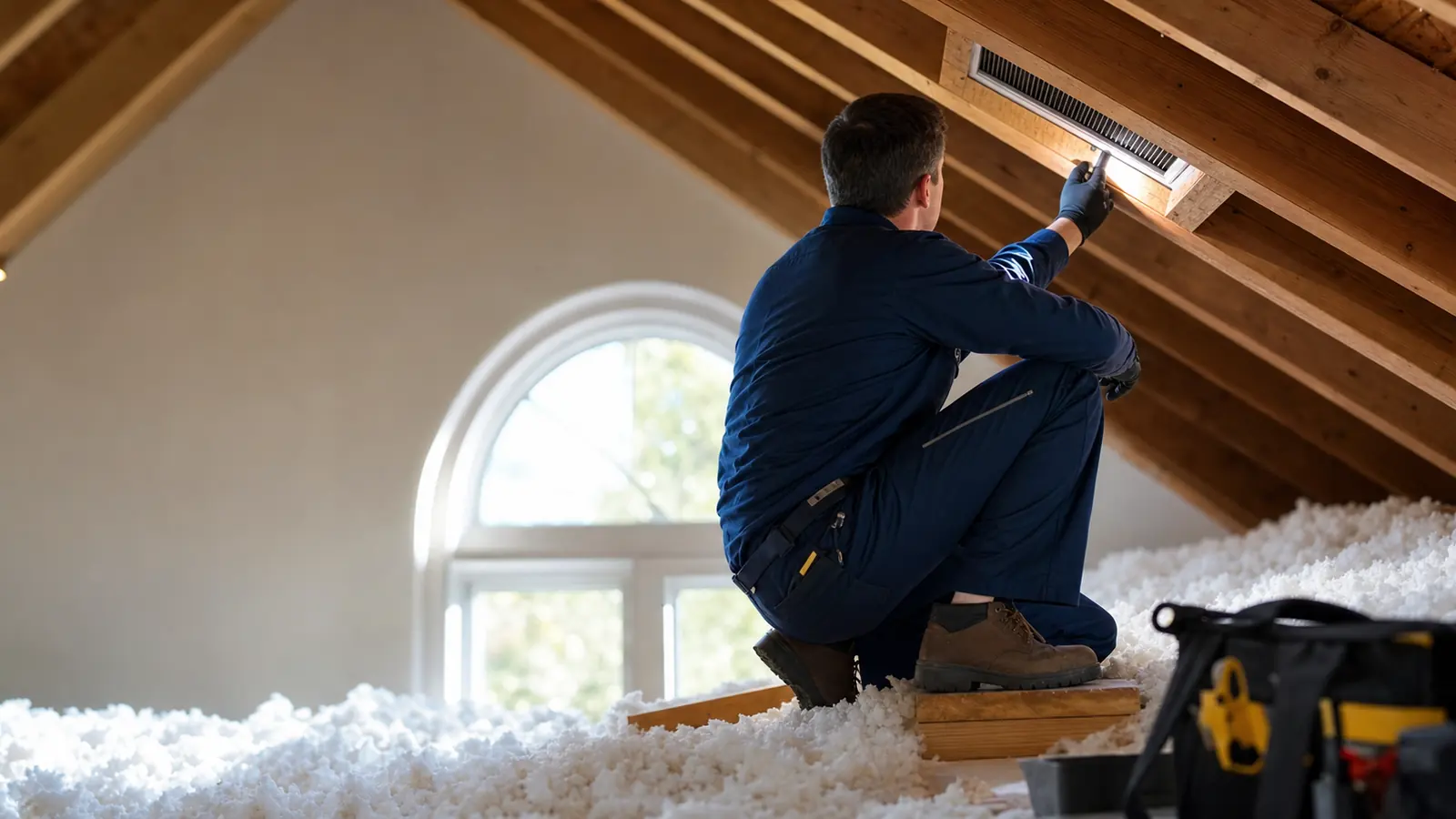
Should shelter spots be included in an opossum service report?
Yes, shelter spots should always be included in a report before service begins. Decks, sheds, crawl spaces, and wood piles offer cover that opossums commonly use for resting during daylight hours. Pointing these areas out ahead of time helps a wildlife team focus their walkthrough efficiently during the visit.
Opossums look for dark, low, and quiet spaces to rest during the day. This connects closely with Upstate SC service areas when you are comparing next steps.
Check under decks, porches, and any stacked materials like firewood or lumber.
Sheds with small gaps at the base can also serve as shelter, especially if undisturbed for long periods. For a wider plan, pair this with kids and pets pest control safety so the whole property is covered.
List each shelter location you have noticed, even if you are unsure whether it is currently in use.
What this means for your home
- Practical takeaway: Yes, shelter spots should always be included in a report before service begins.
Why do food sources belong on the pre-service checklist?
Food sources often explain why an opossum keeps returning to a property. Pet food left outside, unsecured trash, and fallen fruit can attract wildlife. Listing these sources helps a removal team understand what may be drawing repeated activity to your yard.
Outdoor pet food bowls are one of the most common draws for opossums and other wildlife. Homeowners seeing similar pressure can also review requesting service from Paladin before scheduling.
Trash cans without secure lids can also become an easy food source overnight.
Fruit trees or garden areas with fallen produce may add another layer of attraction. This connects closely with pest-proofing your home when you are comparing next steps.
Documenting these details does not require guessing at causes, just noting what is present on the property.
What this means for your home
- Practical takeaway: Food sources often explain why an opossum keeps returning to a property.
- Family and pet awareness means we explain treated areas, re-entry timing, and simple prep steps before work begins.
Does pet access affect how opossum removal service is scoped?
Pet access can affect scheduling and scope. If pets use a doggy door, spend time in a fenced yard, or eat outside, mention this clearly. A wildlife removal team can factor this into how they plan their approach around your household routine.
Note where pets are allowed outside and whether that area overlaps with observed opossum activity. For a wider plan, pair this with residential pest control so the whole property is covered.
If you use a doggy door, mention its location and typical hours of use.
Fenced yard access matters too, since it may overlap with the travel paths already noted. Homeowners seeing similar pressure can also review requesting service from Paladin before scheduling.
Sharing this information helps the technician plan a visit that fits your household without unnecessary back and forth.
What this means for your home
- Family and pet awareness means we explain treated areas, re-entry timing, and simple prep steps before work begins.
- Practical takeaway: Pet access can affect scheduling and scope.
What should a professional opossum removal inspection document?
A thorough inspection typically documents shelter locations, travel paths, entry gaps, and food attractants found on site. This record gives homeowners a clear reference and helps guide any exclusion recommendations that follow the visit, based on what was actually observed.
Expect the inspection to note specific locations rather than general impressions of the yard. This connects closely with kids and pets pest control safety when you are comparing next steps.
Entry points near the foundation, roofline, or crawl space vents are often part of this record.
Any shelter areas already identified by the homeowner may be confirmed or added to during the visit. For a wider plan, pair this with residential pest control so the whole property is covered.
This documentation supports a clear conversation about next steps without relying on guesswork.
What this means for your home
- Documentation should summarize findings, treated areas, product locations where applicable, and the recommended follow-up plan.
- Practical takeaway: A thorough inspection typically documents shelter locations, travel paths, entry gaps, and food attractants found on site.
- Service notes should tell you what was found, what was treated, and what to watch for before the next visit.
Which findings can change the opossum removal service scope?
Findings such as multiple entry points, active shelter use, or strong food attractants can shift the service scope significantly. A wildlife team may recommend broader exclusion work when several factors overlap, rather than addressing only one isolated sighting or a single access point near the home.
A single entry gap is different from multiple gaps found across the roofline and foundation. Homeowners seeing similar pressure can also review pest-proofing your home before scheduling.
Active shelter signs, such as disturbed insulation or matted debris, may point to ongoing use rather than a one time visit.
Strong food attractants nearby can mean the scope should include homeowner guidance on securing those sources. This connects closely with kids and pets pest control safety when you are comparing next steps.
Sharing your original observations helps the technician compare notes and explain why the scope may adjust.
What this means for your home
- Practical takeaway: Findings such as multiple entry points, active shelter use, or strong food attractants can shift the service scope significantly.
Family-first by design
We ask who lives in the house before we pick a product
Babies, pregnancies, asthma, immune conditions, pet medical issues, garden beds, beehives, they all change the visit. Paladin treats harborage where pests live, not the surfaces kids and pets touch.
Every visit names what was used, where, and when the area is back to normal. If a different approach is the actual answer, we say so.
Why this post exists on the Paladin blog
This post was written by someone who actually does this work on Upstate homes, not by a contractor or a marketing team that has never seen the species in person. The Paladin blog exists to answer the questions we hear on real service calls, honestly, in plain English, without selling you a service you do not need. If a post helps you solve the problem on your own, that is a successful post for us. If you read it and decide you would rather have a trained technician on site, that is what the phone is for. Either path is fine.
A first Paladin visit is intended to document the activity, inspect relevant areas, and explain the proposed scope before work begins. Appointment timing and the exact inspection areas depend on the request and property access. Call (864) 816-7658 or use the contact form so the office can confirm the current options.
Paladin is based in Boiling Springs, SC and serves the approved Upstate locations listed on this site. Each recommendation should be tied to conditions documented at the property, including pest evidence, moisture, entry points, food, water, shelter, and access. The office confirms address availability without promising a route frequency or response window.
Keep exploring Paladin
Related Paladin services and guides for Upstate homeowners.
Frequently asked questions
What details help most when reporting opossum activity in Boiling Springs, SC?
The most useful details include the time of sightings, the travel path the animal used, shelter areas like decks or sheds, food sources such as pet bowls or trash, pet access points, and any gaps near the foundation or roofline. Together these observations give a wildlife team a clear picture.
Do I need to see the opossum directly to file a useful report?
No, indirect signs can still be useful. Disturbed mulch, tipped trash cans, or matted insulation under a deck can indicate activity even without a direct sighting. Note the location, the date, and any pattern you notice over several days so the details stay organized and easy to share.
How soon should I report opossum activity after noticing it?
There is no fixed timeline, but sharing observations while details are fresh tends to produce a more accurate report. Noting dates and locations as they happen, rather than relying on memory later, gives the wildlife team clearer information to work with.
Can pet food or trash attract opossums to a Boiling Springs yard?
Outdoor pet food and unsecured trash are commonly cited attractants for wildlife, according to general pest management guidance. Reporting these details, even if you are unsure of their impact, gives the technician useful context for the visit and helps them evaluate the yard more efficiently overall.
What should I avoid doing before an opossum removal inspection?
Avoid attempting to trap, handle, or move the animal yourself. Focus instead on observing and recording details like timing, location, and access points around the property. Leave any hands-on assessment and next steps to the wildlife removal visit and the professionals who conduct it.
Ready to shield your family?
One call to Paladin and we’ll meet you where you are, from a quick walk-through to a long-term protection plan.