Upstate South Carolina · Pest control built around your household
Office Pest Control in Boiling Springs, SC: What to Include in a Proposal Brief
A strong office pest control proposal brief in Boiling Springs, SC covers six things. List work areas, breakroom habits, delivery schedules, after-hours access, reporting needs, and past pest records. Sharing these details early…
- Treatments built around how your family actually uses the home
- Local dispatch from Spartanburg across the Upstate
- If a visit isn't needed, we'll say so on the phone
Quick Answer
A strong office pest control proposal brief in Boiling Springs, SC covers six things. List work areas, breakroom habits, delivery schedules, after-hours access, reporting needs, and past pest records. Sharing these details early helps a provider plan a fair inspection. It also matches the service plan to how your office actually runs.
For the next step, compare Paladin pest control services, read about Upstate SC service areas, or check where Paladin works across Upstate SC.
Key Takeaways
- List all work areas so nothing gets missed.
- Describe breakroom habits since food storage affects pest activity.
- Note delivery schedules since shipments can bring in pests.
- Explain after-hours access so visits do not disrupt staff.
- Ask for written reports to track findings over time.
- Share past pest records to help spot patterns.
- Use Integrated Pest Management ideas as a proposal guide.
What operational details should an office include in a pest-control proposal brief?
An office brief should cover six items. List work areas, breakroom habits, delivery schedules, after-hours access rules, reporting preferences, and past pest activity. These details give an inspector context before they even arrive. That context supports a more accurate and useful first visit.
Start with a simple list of work areas. Include open offices, storage rooms, server closets, and any space with limited access. This connects closely with residential pest control when you are comparing next steps.
Breakroom habits matter a lot. Food storage and trash routines can affect pest activity. Note how often bins get emptied.
Delivery schedules are worth a mention too. Loading docks are common entry points. Share whether deliveries happen daily or weekly. For a wider plan, pair this with Upstate SC service areas so the whole property is covered.
After-hours access should be spelled out clearly. If doors lock on a timer or need a keycard, explain how an inspector would get in.
What this means for your home
- Boiling Springs service is adjusted to the home style, season, and pressure pattern instead of using the same checklist everywhere.
- Practical takeaway: An office brief should cover six items.
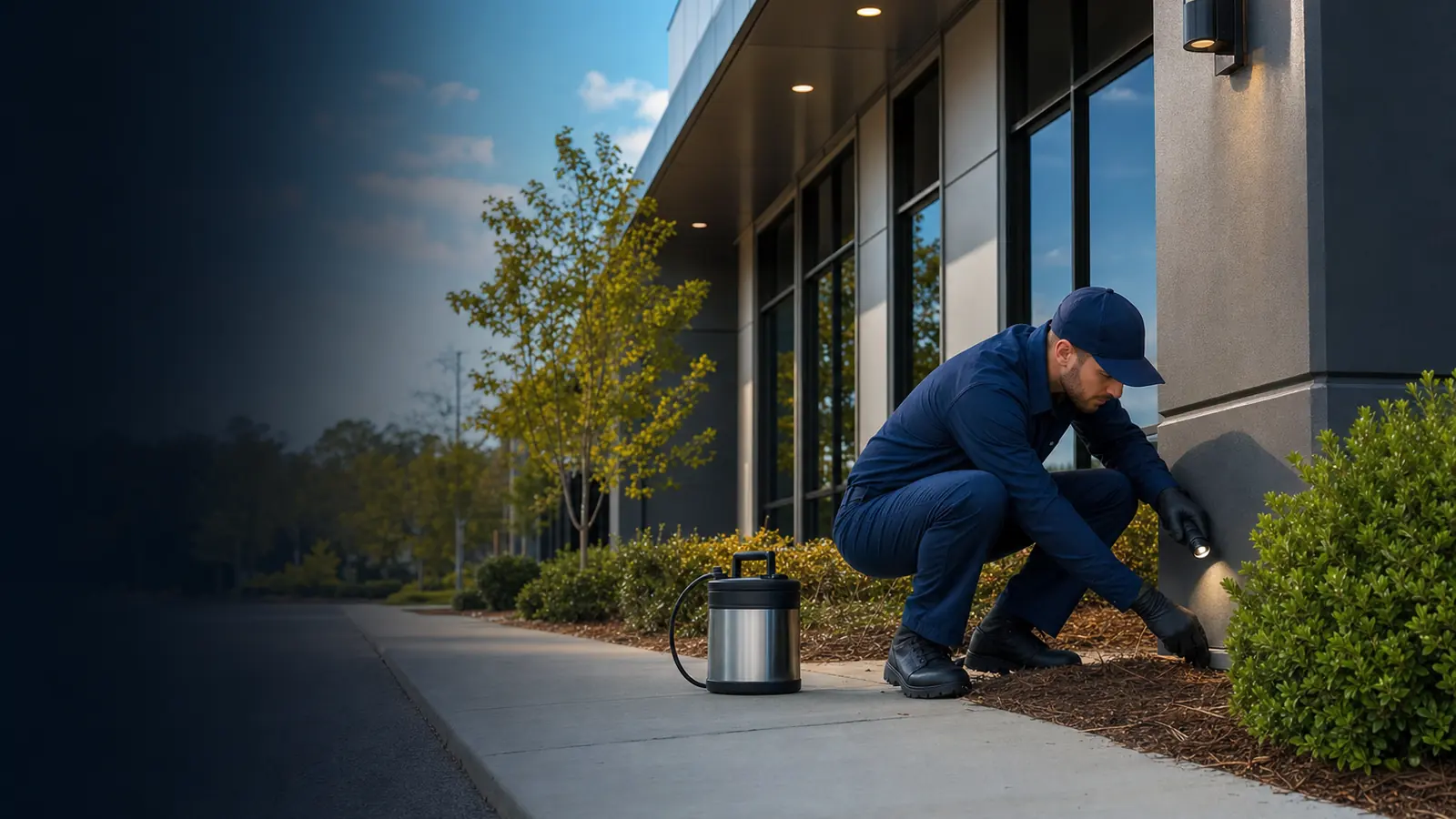
Which work areas need the most attention in an office brief?
Areas with food, moisture, or heavy delivery traffic usually need the most attention. Breakrooms, storage rooms, server closets, and loading docks each have different conditions than open desks. Listing them separately helps an inspector plan a thorough walkthrough from the start.
Open desk areas are usually lower priority. They have less food and moisture. Still, list them for a complete picture. Homeowners seeing similar pressure can also review kids and pets pest control safety before scheduling.
Storage rooms and supply closets often go unchecked for long stretches. Mention how often people enter these rooms.
Server closets can have unique heat and humidity. Flag these separately since they see less daily foot traffic. This connects closely with requesting service from Paladin when you are comparing next steps.
Loading docks connect directly to the outside. Describe how often trucks arrive and where boxes sit before unpacking.
What this means for your home
- Practical takeaway: Areas with food, moisture, or heavy delivery traffic usually need the most attention.
What is the simplest way to start a pest control proposal brief for an office?
Start by listing your work areas, breakroom habits, and delivery schedule. These three details give a provider a clear starting point for scoping an office visit.
Prefer to skip the guessing?
We'll identify the pest, point out conditions, and quote what's actually needed.
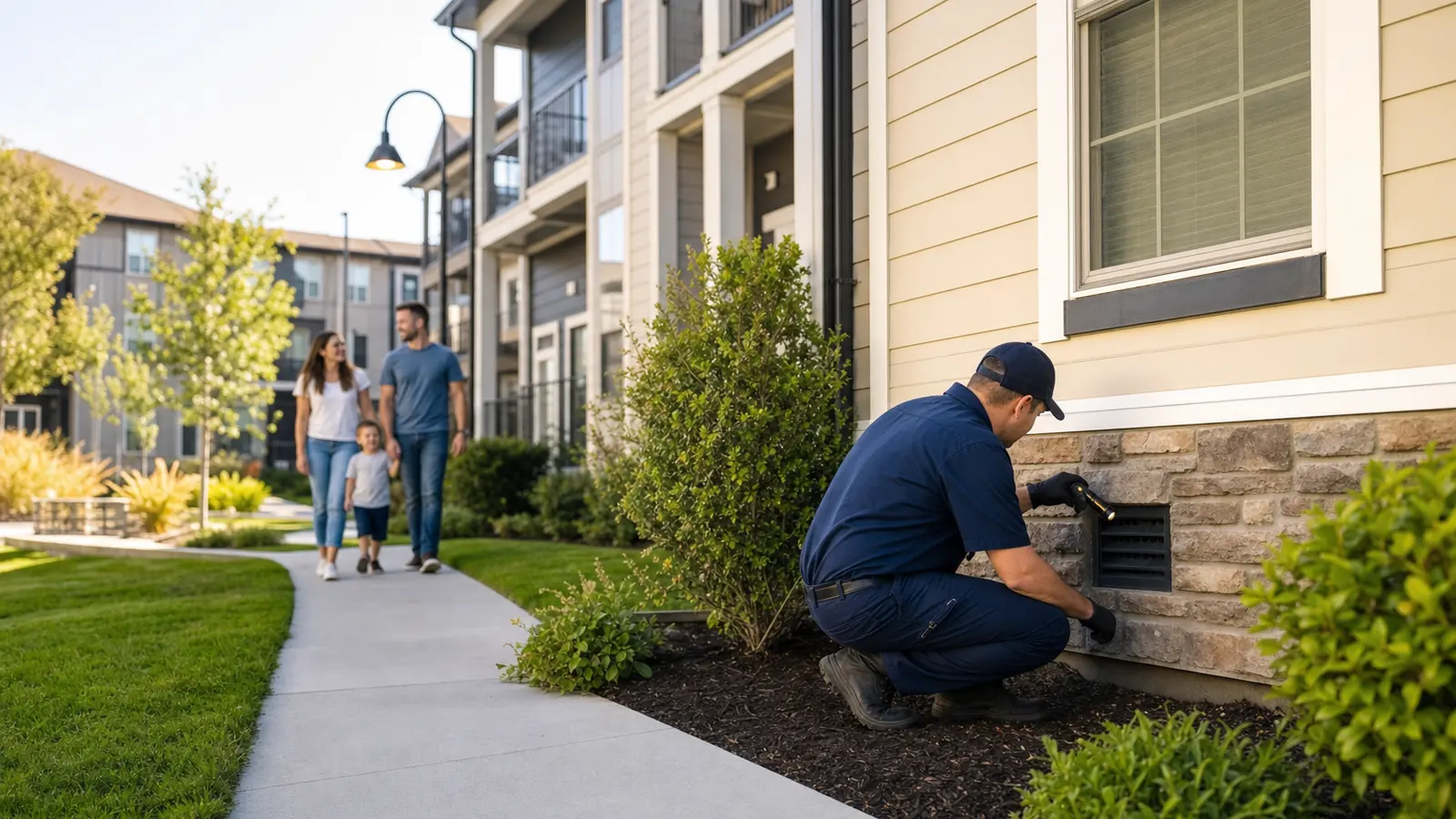
How should breakroom habits be described in a proposal brief?
Describe breakroom habits in plain, specific terms. Cover food storage, trash removal, and cleaning routines. Keep the language simple and factual. These details help a provider understand daily conditions without needing to diagnose anything before the first visit even starts.
Mention how food is stored. Note if it sits in sealed containers, a shared fridge, or open shelving. For a wider plan, pair this with pest-proofing your home so the whole property is covered.
Trash removal frequency is a small but useful detail. Note if bins get emptied daily and where dumpsters sit outside.
Cleaning routines round out the picture. A quick note on how often counters get wiped down is enough. Homeowners seeing similar pressure can also review residential pest control before scheduling.
Vending machines or snack corners deserve a mention too. These spots often get cleaned less than a main kitchen.
What this means for your home
- Practical takeaway: Describe breakroom habits in plain, specific terms.
- Boiling Springs service is adjusted to the home style, season, and pressure pattern instead of using the same checklist everywhere.
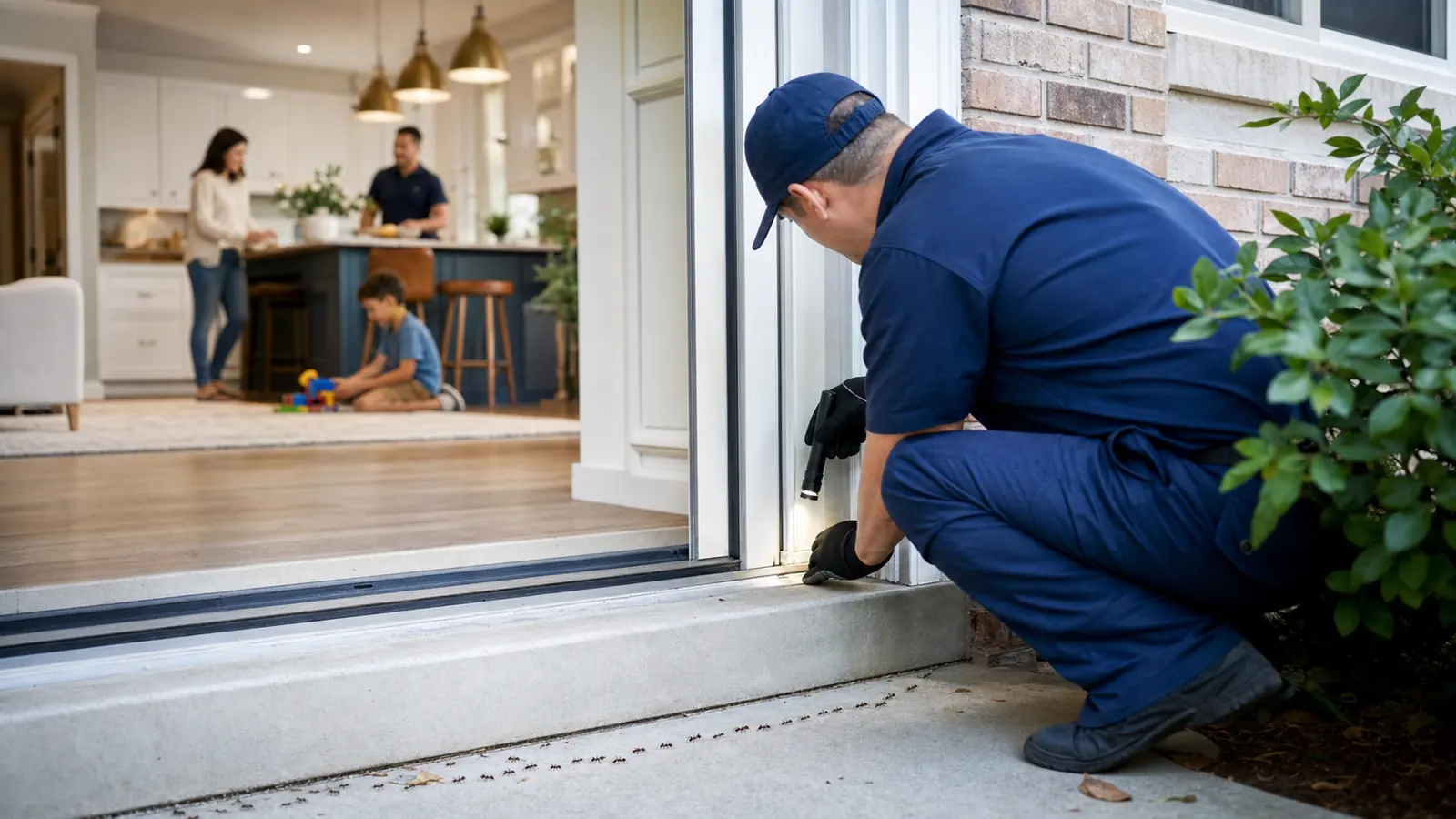
Why do delivery schedules matter for an office pest control brief?
Delivery schedules matter because shipments and packaging bring more open doors and more cardboard on site. Sharing how often deliveries arrive, where they land, and how boxes get stored helps a provider read traffic patterns. Those patterns affect the whole building, not one small area alone.
Frequent deliveries mean more open doors and more packaging on hand. Note the general pace, whether daily, weekly, or rare. This connects closely with Upstate SC service areas when you are comparing next steps.
Where deliveries land matters too. A loading dock, side door, or main lobby each carry different considerations.
How long packaging sits before recycling is useful too. If boxes wait for days, mention that in the brief. For a wider plan, pair this with kids and pets pest control safety so the whole property is covered.
Vendor visits for supplies, like paper goods, can also follow a pattern worth noting.
What this means for your home
- delivery schedule pest control brief
- Practical takeaway: Delivery schedules matter because shipments and packaging bring more open doors and more cardboard on site.
- Boiling Springs service is adjusted to the home style, season, and pressure pattern instead of using the same checklist everywhere.

Should after-hours access be explained in the proposal brief?
Yes, after-hours access should be explained clearly since many inspections happen outside normal hours. Describing lock schedules, keycards, alarm steps, and who can grant entry helps a provider plan the visit properly. This keeps daily office work running smoothly and avoids delays for staff and inspectors alike.
If your office uses keycards or a code, note who can grant access. This avoids delays on inspection day. Homeowners seeing similar pressure can also review requesting service from Paladin before scheduling.
Some offices have cleaning crews or security staff on site after hours. Mention if someone else will be present.
Alarm systems are worth a note too. If one needs to be disarmed, explain the general process without sharing codes in writing. This connects closely with pest-proofing your home when you are comparing next steps.
Building management should be noted if your office sits inside a larger complex. Shared buildings often need extra coordination.
What this means for your home
- Practical takeaway: Yes, after-hours access should be explained clearly since many inspections happen outside normal hours.
- Boiling Springs service is adjusted to the home style, season, and pressure pattern instead of using the same checklist everywhere.
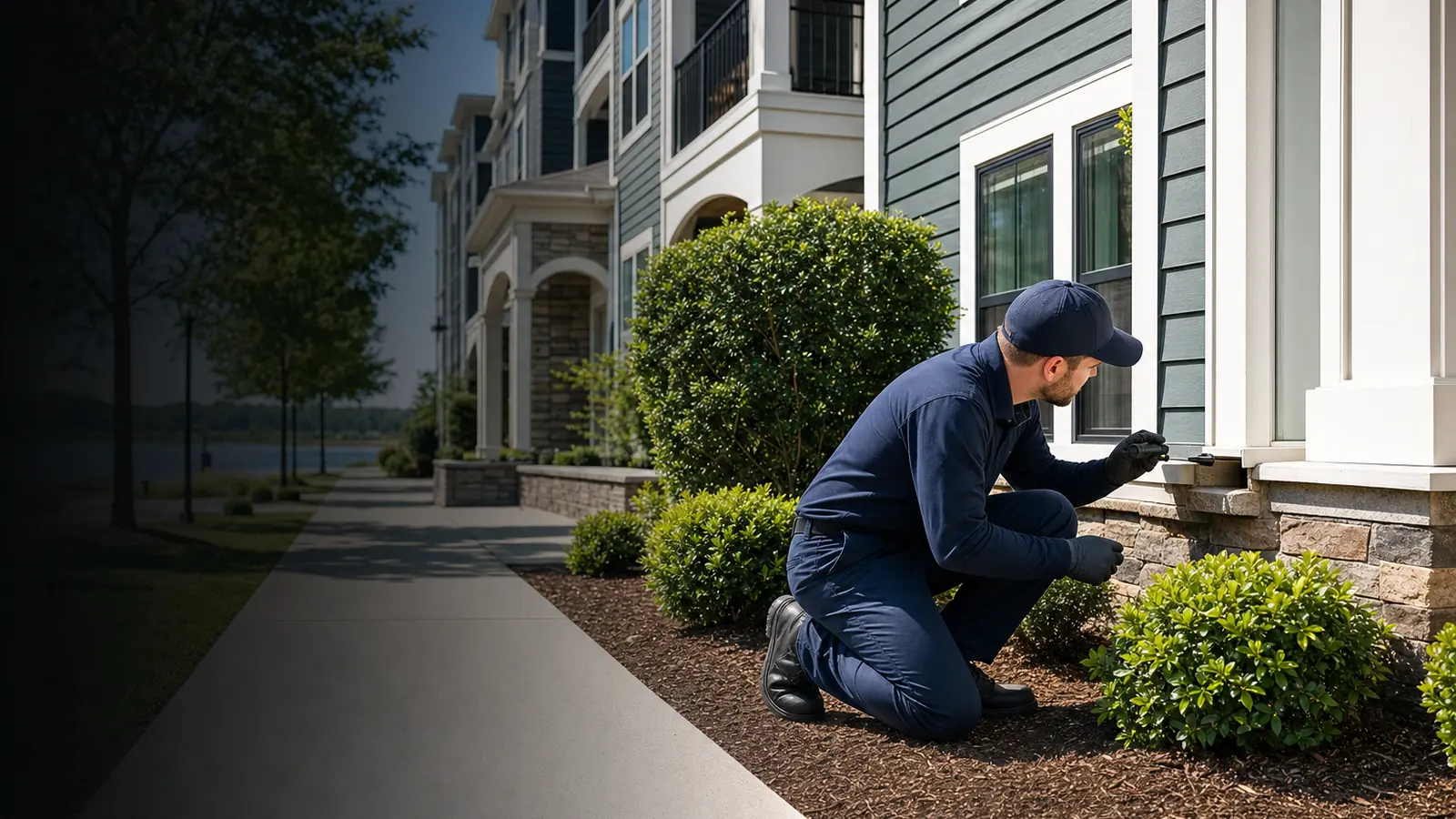
What should a professional office pest control inspection document?
A professional inspection should document the areas checked and the conditions observed at that time, along with the general date and scope of the visit. It should also note any recommendations tied to those observations. Clear documentation gives office managers a record to compare against future visits over time.
Inspection notes usually describe which areas were checked and what was seen there. This builds a baseline for later comparison. For a wider plan, pair this with residential pest control so the whole property is covered.
Photos or simple diagrams can support written notes. Ask if this is part of the standard report format.
Recommendations after a visit should tie back to specific observations, not general statements. This helps managers see what steps might follow. Homeowners seeing similar pressure can also review requesting service from Paladin before scheduling.
Keeping copies of past reports lets an office track patterns across visits. This record becomes useful for the next proposal brief.
What this means for your home
- Documentation should summarize findings, treated areas, product locations where applicable, and the recommended follow-up plan.
- Practical takeaway: A professional inspection should document the areas checked and the conditions observed at that time, along with the general date and scope of the visit.
Which findings can change the office pest control service scope?
New entry points, changed breakroom habits, or shifting delivery patterns can all change the service scope for an office. Reviewing past records alongside new observations helps a provider adjust plans as conditions change. This approach keeps recommendations tied to current conditions rather than old assumptions from an earlier visit.
Nearby construction or renovations can shift pest patterns around a building. Mention any recent changes to the property or area. This connects closely with kids and pets pest control safety when you are comparing next steps.
Seasonal shifts in office traffic, like more deliveries during certain months, can affect scope too. Share any known patterns.
Staff turnover or new cleaning routines might change conditions in breakrooms or storage rooms. A short note on recent changes helps. For a wider plan, pair this with residential pest control so the whole property is covered.
Comparing current notes to past reports is often the best way to spot what changed. This usually guides scope more than one single visit.
What this means for your home
- Practical takeaway: New entry points, changed breakroom habits, or shifting delivery patterns can all change the service scope for an office.
- Boiling Springs service is adjusted to the home style, season, and pressure pattern instead of using the same checklist everywhere.
How can an office keep useful pest control records over time?
An office can keep good records by saving inspection reports, noting the date and areas covered, and tracking any changes a provider mentions along the way. A shared folder or binder works well for this purpose. Reviewing these records before each new proposal keeps the process efficient and grounded in real history.
A shared digital folder helps facility managers find past reports fast. Sort files by date so patterns are easy to see. Homeowners seeing similar pressure can also review pest-proofing your home before scheduling.
Noting the areas covered in each visit confirms inspections stay consistent. This also flags areas that have not been checked in a while.
Tracking past recommendations, and whether they were addressed, adds useful context. This history can save time during a new brief. This connects closely with kids and pets pest control safety when you are comparing next steps.
Reviewing records with a provider before a new visit sets clear expectations. It also gives the inspector a starting point based on real history.
What this means for your home
- Practical takeaway: An office can keep good records by saving inspection reports, noting the date and areas covered, and tracking any changes a provider mentions along the way.
- Documentation should summarize findings, treated areas, product locations where applicable, and the recommended follow-up plan.
Family-first by design
We ask who lives in the house before we pick a product
Babies, pregnancies, asthma, immune conditions, pet medical issues, garden beds, beehives, they all change the visit. Paladin treats harborage where pests live, not the surfaces kids and pets touch.
Every visit names what was used, where, and when the area is back to normal. If a different approach is the actual answer, we say so.
Why this post exists on the Paladin blog
This post was written by someone who actually does this work on Upstate homes, not by a contractor or a marketing team that has never seen the species in person. The Paladin blog exists to answer the questions we hear on real service calls, honestly, in plain English, without selling you a service you do not need. If a post helps you solve the problem on your own, that is a successful post for us. If you read it and decide you would rather have a trained technician on site, that is what the phone is for. Either path is fine.
A first Paladin visit is intended to document the activity, inspect relevant areas, and explain the proposed scope before work begins. Appointment timing and the exact inspection areas depend on the request and property access. Call (864) 816-7658 or use the contact form so the office can confirm the current options.
Paladin is based in Boiling Springs, SC and serves the approved Upstate locations listed on this site. Each recommendation should be tied to conditions documented at the property, including pest evidence, moisture, entry points, food, water, shelter, and access. The office confirms address availability without promising a route frequency or response window.
Keep exploring Paladin
Related Paladin services and guides for Upstate homeowners.
Frequently asked questions
What operational details should an office include in a pest-control proposal brief?
An office brief should list work areas, breakroom habits, delivery schedules, after-hours access, reporting preferences, and past pest records. These details help a provider understand daily conditions before an inspection. That leads to a more accurate and complete visit for the whole building.
Why does after-hours access matter for an office pest inspection?
Many inspections happen outside normal business hours to avoid disrupting staff during the workday. Explaining lock schedules, keycards, and basic security steps helps the visit go smoothly from start to finish. It also removes the need for extra coordination on the actual day of the inspection.
How often should an office review its pest control records?
Reviewing records before each new inspection or proposal is a practical habit worth keeping. This helps identify patterns and confirm which areas were checked recently versus overlooked. It also gives the provider useful context based on real history instead of starting completely fresh each time.
Can delivery schedules really affect an office pest control plan?
Yes, since shipments involve open doors, packaging, and loading dock activity throughout the week. Sharing this in a proposal brief helps a provider understand traffic near entry points more clearly. It also gives useful context for how often those specific areas see outside activity.
Should breakroom details be included even in a small office?
Yes, breakroom details matter no matter the office size or number of employees. Food storage, trash removal, and cleaning routines all give useful context to a provider. Small offices can have the same conditions as larger buildings, so this detail should never be skipped.
What should be documented after a professional office pest inspection?
A professional inspection should note which areas were checked and what conditions were seen at that time. It should also include recommendations tied to those specific observations rather than general statements. This creates a record that supports comparison during future visits and proposals.
Ready to shield your family?
One call to Paladin and we’ll meet you where you are, from a quick walk-through to a long-term protection plan.