Upstate South Carolina · Practical, low-disruption pest work
Interior Pest Control in Boiling Springs, SC: What the Room-by-Room Scope Should Cover
Interior pest control in Boiling Springs, SC works best when homeowners organize evidence by room before the visit. Note where activity was seen, what occupants and pets use each space, food storage habits, moisture sources, and…
- We identify the species first, then treat the actual harborage
- Same Upstate technicians on your route, visit after visit
- Clear notes after every visit, what we did and why
Quick Answer
Interior pest control in Boiling Springs, SC works best when homeowners organize evidence by room before the visit. Note where activity was seen, what occupants and pets use each space, food storage habits, moisture sources, and access points. This preparation helps the inspection stay focused and gives the technician a clear starting picture.
For the next step, compare Paladin pest control services, read about Upstate SC service areas, or check where Paladin works across Upstate SC.
Key Takeaways
- Organize evidence by room before scheduling an interior inspection.
- Note occupant habits, pets, and food storage in each space.
- Moisture sources often connect to interior pest activity.
- Clear access to baseboards and cabinets speeds inspection.
- Photos and dates help track patterns over time.
- Sealing entry points is part of a full interior scope.
- Ask what the inspection will document before it starts.
How should interior evidence and access be organized before treatment is proposed?
Group evidence by room, then note occupant traffic, pet areas, food storage, and moisture sources. Clear access to baseboards, under sinks, and closets so the inspection covers each space fully. This organized approach helps a technician build an accurate scope instead of guessing at conditions.
Start with a simple room list. Kitchen, bathrooms, laundry, bedrooms, and any attached garage or crawl space each deserve their own notes. This connects closely with residential pest control when you are comparing next steps.
For each room, write down what was seen, when, and roughly where. Include whether pets or children use that space regularly.
Moisture matters too. A slow leak under a sink or condensation near a window can be relevant to interior activity patterns. For a wider plan, pair this with Upstate SC service areas so the whole property is covered.
Finally, clear physical access. Move stored items away from walls and open cabinet doors so the inspection is not slowed by clutter.
What this means for your home
- Boiling Springs service is adjusted to the home style, season, and pressure pattern instead of using the same checklist everywhere.
- Practical takeaway: Group evidence by room, then note occupant traffic, pet areas, food storage, and moisture sources.
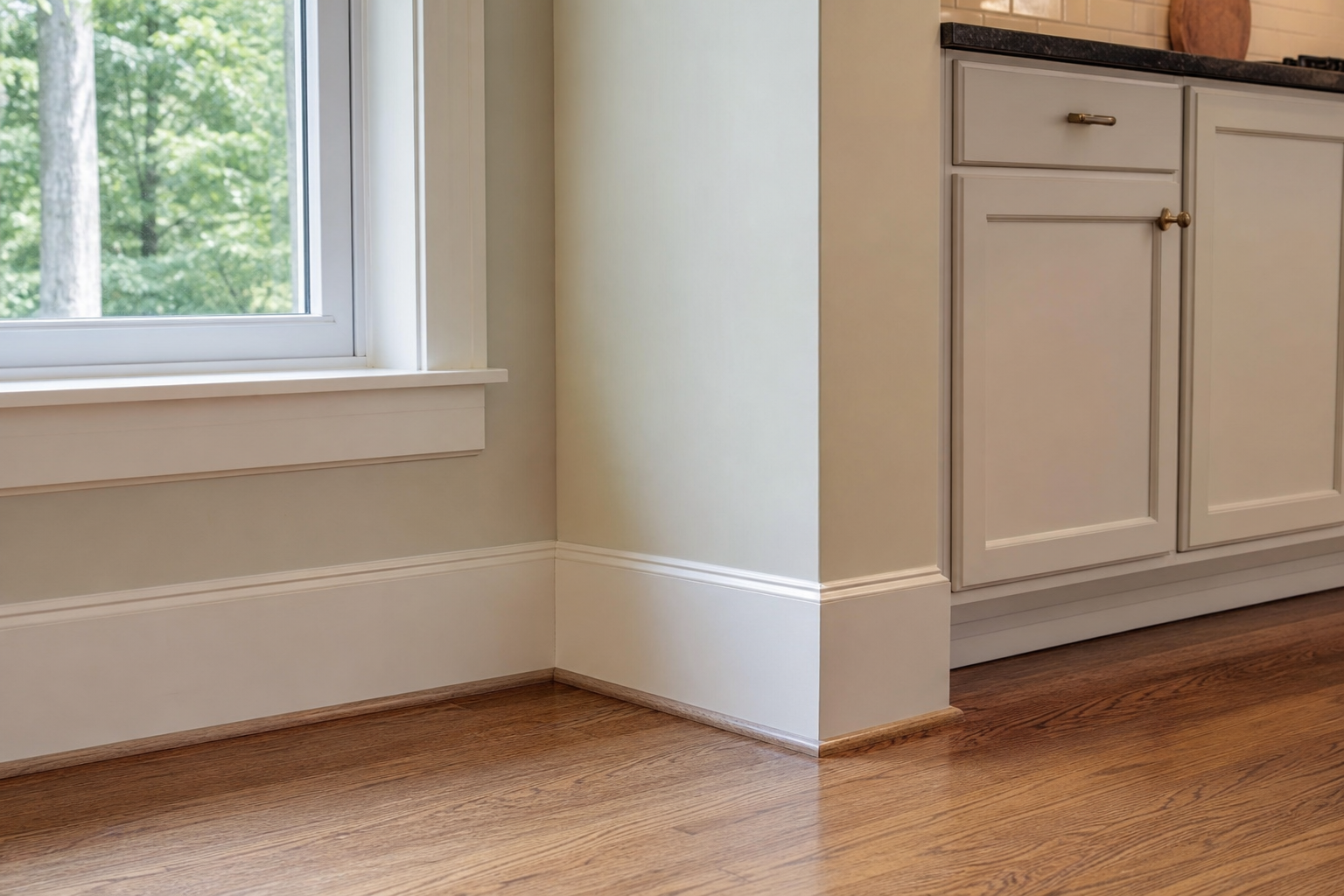
What should a professional interior pest control inspection document?
A thorough interior inspection should document room-by-room findings, entry points, moisture conditions, and any occupant or pet considerations. It should also note food storage practices and areas where access was limited. This record becomes the basis for a clear, room-specific service scope.
Documentation typically includes a written or photographed record of each room checked, including areas with no visible activity. Homeowners seeing similar pressure can also review kids and pets pest control safety before scheduling.
Entry points around doors, windows, utility penetrations, and foundation gaps are commonly noted since they relate to how pests move indoors.
Moisture readings or visual dampness near plumbing, appliances, or windows often get recorded because they can influence interior conditions. This connects closely with requesting service from Paladin when you are comparing next steps.
A good inspection also lists limitations, such as a locked closet or stored furniture blocking a wall, so the scope reflects reality.
What this means for your home
- Documentation should summarize findings, treated areas, product locations where applicable, and the recommended follow-up plan.
- Service notes should tell you what was found, what was treated, and what to watch for before the next visit.
- Practical takeaway: A thorough interior inspection should document room-by-room findings, entry points, moisture conditions, and any occupant or pet considerations.
What rooms should be checked first for interior pest control in Boiling Springs, SC?
Kitchens, bathrooms, and laundry rooms are usually checked first since they combine food, water, and plumbing. Bedrooms and closets follow, along with any attached garage or crawl space access.
Not sure what you're dealing with?
Tell us the activity you've noticed and we'll point you the right direction.
Which findings can change the interior pest control service scope?
Findings like active moisture, blocked access, pet or child presence, and food storage gaps can change how a scope is written. These details affect which rooms need closer attention and how access is planned. A flexible scope reflects what is actually found, rather than a generic checklist.
If moisture is found in a bathroom or laundry area, that room may need a more detailed look than one with no dampness. For a wider plan, pair this with pest-proofing your home so the whole property is covered.
Homes with pets or small children sometimes require adjusted room sequencing so those spaces are handled with extra care around timing.
Open food storage, like pet food left out or pantry items in unsealed containers, is often flagged since it relates to interior conditions. Homeowners seeing similar pressure can also review residential pest control before scheduling.
Access issues, such as furniture blocking a wall or a locked room, may mean that section of the scope gets revisited later.
What this means for your home
- Practical takeaway: Findings like active moisture, blocked access, pet or child presence, and food storage gaps can change how a scope is written.
Should occupants and pets be considered before an interior visit?
Yes, occupants and pets should be part of the planning conversation before an interior visit. Noting who lives in the home, their schedules, and where pets spend time helps set realistic room access. This avoids delays and keeps the inspection moving smoothly through each space.
Share basic household details ahead of time, like whether small children nap during the day or pets are kept in a specific room. This connects closely with Upstate SC service areas when you are comparing next steps.
This information helps plan which rooms get checked first and whether any areas need to wait until residents or pets are elsewhere.
Pet bedding, litter areas, and food bowls are often included in the room notes since they can be relevant to interior findings. For a wider plan, pair this with kids and pets pest control safety so the whole property is covered.
Being upfront about household routines makes the whole visit more efficient for everyone involved.
What this means for your home
- Practical takeaway: Yes, occupants and pets should be part of the planning conversation before an interior visit.
- Family and pet awareness means we explain treated areas, re-entry timing, and simple prep steps before work begins.
How does food storage affect the interior pest control checklist?
Food storage habits are a standard part of the interior checklist because open or loosely sealed food can be a factor in indoor activity. Checking pantries, countertops, and pet food areas helps build a complete picture. This step is simple but often overlooked before an inspection.
Walk through the kitchen and pantry and note any food left in open bags, boxes, or unsealed containers. Homeowners seeing similar pressure can also review requesting service from Paladin before scheduling.
Check under sinks and behind appliances for crumbs or spills that may have gone unnoticed during regular cleaning.
Pet food and water bowls left out overnight are worth noting, since they can be part of the same room evaluation. This connects closely with pest-proofing your home when you are comparing next steps.
This checklist step does not require any changes before the visit, just an honest record of current conditions.
What this means for your home
- Practical takeaway: Food storage habits are a standard part of the interior checklist because open or loosely sealed food can be a factor in indoor activity.
- Condition correction lowers repeat pressure by addressing moisture, food sources, harborage, and easy entry points.
Can moisture and access issues be noted before scheduling?
Yes, moisture and access issues can and should be noted before scheduling an interior visit. A quick walk-through to spot damp areas, blocked walls, or cluttered closets saves time later. Sharing this list ahead of the visit helps set expectations for the room-by-room scope.
Look for water stains, musty smells, or visible dampness near sinks, tubs, water heaters, and window sills. For a wider plan, pair this with residential pest control so the whole property is covered.
Note any rooms where furniture, boxes, or storage bins block walls, baseboards, or closet floors.
If a crawl space or attic is part of the interior scope, mention whether entry is straightforward or requires extra effort. Homeowners seeing similar pressure can also review requesting service from Paladin before scheduling.
This short list, shared before the visit, helps the technician plan time and equipment for each room.
What this means for your home
- Service notes should tell you what was found, what was treated, and what to watch for before the next visit.
- Practical takeaway: Yes, moisture and access issues can and should be noted before scheduling an interior visit.
Does entry-point sealing fit into an interior pest control scope?
Yes, entry-point sealing is often part of a full interior scope alongside inspection and rodent control services. Identifying gaps around doors, windows, and utility lines connects directly to what the room-by-room checklist finds. This step helps address how pests may be entering rooms in the first place.
During the room walk-through, gaps around pipes, vents, and door thresholds are commonly noted as part of the record. This connects closely with kids and pets pest control safety when you are comparing next steps.
These entry points often line up with rooms where activity has already been seen, connecting the checklist to the scope.
Sealing recommendations typically follow the inspection findings rather than being decided before any rooms are checked. For a wider plan, pair this with residential pest control so the whole property is covered.
This connection between inspection and sealing is one reason a full room-by-room approach is worth the extra time.
What this means for your home
- Practical takeaway: Yes, entry-point sealing is often part of a full interior scope alongside inspection and rodent control services.
Why does a room-by-room checklist help when requesting professional interior pest control Boiling Springs SC service?
A room-by-room checklist gives a clear, organized starting point when requesting professional interior pest control Boiling Springs SC service. It shows exactly which spaces need attention and why, rather than a vague description of a problem. This makes the first conversation and inspection more focused.
Instead of saying activity was seen somewhere in the house, a checklist points to specific rooms, dates, and conditions. Homeowners seeing similar pressure can also review pest-proofing your home before scheduling.
This detail helps the person scheduling the visit understand which areas may need more time or a closer look.
A clear checklist also makes it easier to compare what different rooms need, since not every space requires the same attention. This connects closely with kids and pets pest control safety when you are comparing next steps.
Bringing this record to the first contact sets a practical, informed tone for the whole process.
What this means for your home
- Boiling Springs service is adjusted to the home style, season, and pressure pattern instead of using the same checklist everywhere.
- Practical takeaway: A room-by-room checklist gives a clear, organized starting point when requesting professional interior pest control Boiling Springs SC service.
Family-first by design
We ask who lives in the house before we pick a product
Babies, pregnancies, asthma, immune conditions, pet medical issues, garden beds, beehives, they all change the visit. Paladin treats harborage where pests live, not the surfaces kids and pets touch.
Every visit names what was used, where, and when the area is back to normal. If a different approach is the actual answer, we say so.
Why this post exists on the Paladin blog
This post was written by someone who actually does this work on Upstate homes, not by a contractor or a marketing team that has never seen the species in person. The Paladin blog exists to answer the questions we hear on real service calls, honestly, in plain English, without selling you a service you do not need. If a post helps you solve the problem on your own, that is a successful post for us. If you read it and decide you would rather have a trained technician on site, that is what the phone is for. Either path is fine.
A first Paladin visit is intended to document the activity, inspect relevant areas, and explain the proposed scope before work begins. Appointment timing and the exact inspection areas depend on the request and property access. Call (864) 816-7658 or use the contact form so the office can confirm the current options.
Paladin is based in Boiling Springs, SC and serves the approved Upstate locations listed on this site. Each recommendation should be tied to conditions documented at the property, including pest evidence, moisture, entry points, food, water, shelter, and access. The office confirms address availability without promising a route frequency or response window.
Keep exploring Paladin
Related Paladin services and guides for Upstate homeowners.
Frequently asked questions
How far in advance should I prepare my home for an interior pest control visit?
A day or two ahead is usually enough time to walk through each room, take notes, and clear access to baseboards and cabinets. This gives you time to note moisture, food storage, and pet areas without feeling rushed before the visit.
Do I need to remove pets from the home during an interior inspection?
Sharing pet locations and routines ahead of time helps the technician plan room order and timing more effectively. Whether pets need to be moved during specific rooms depends on the household and layout, so mention this detail directly when scheduling your visit.
What should I photograph before requesting interior pest control in Boiling Springs, SC?
Photograph any areas with visible activity, moisture, or clutter blocking access, along with the date each photo was taken. These images help build a clear room-by-room record that supports a focused inspection scope and gives the technician useful context beforehand.
Is moisture always connected to interior pest activity?
Moisture can be one factor among several that relate to interior conditions, but every home and situation is different. Noting damp areas during your walk-through still helps create a more complete picture for the inspection, even when the connection is not obvious or immediately clear to the homeowner.
Can I request that certain rooms be prioritized during the inspection?
Yes, sharing your room-by-room notes ahead of time lets you flag which spaces feel most important to check first. This helps the visit stay organized around your specific observations, household routine, and any areas that concern you most, so nothing important gets overlooked.
Does sealing entry points happen during the same interior visit?
Entry-point sealing often follows directly from what the room inspection finds, since gaps are usually noted as part of the walk-through. Whether sealing happens during the same visit depends on the scope agreed upon after the inspection is complete and reviewed with the homeowner.
Ready to shield your family?
One call to Paladin and we’ll meet you where you are, from a quick walk-through to a long-term protection plan.