Upstate South Carolina · Careful, targeted pest control
Healthcare Facility Pest Control in Boiling Springs, SC: Defining Access and Documentation
Healthcare facility pest control in Boiling Springs, SC works best with a clear brief. Set restricted areas. Set a visit schedule. Name one reporting contact. Agree on evidence to collect. Add a simple corrective-action step.…
- We identify the species first, then treat the actual harborage
- Same Upstate technicians on your route, visit after visit
- Clear notes after every visit, what we did and why
Quick Answer
Healthcare facility pest control in Boiling Springs, SC works best with a clear brief. Set restricted areas. Set a visit schedule. Name one reporting contact. Agree on evidence to collect. Add a simple corrective-action step. These five parts help staff and providers stay on the same page.
For the next step, compare Paladin pest control services, read about Upstate SC service areas, or check where Paladin works across Upstate SC.
Key Takeaways
- Define restricted areas before any inspection visit begins.
- Set a steady visit schedule staff can plan around.
- Name one reporting contact for all pest findings.
- Keep photo and log evidence organized by date.
- Add a simple corrective-action step to every contract.
- Integrated Pest Management supports clear, documented decisions.
- A written brief cuts confusion between staff and providers.
Which access, communication, and documentation needs belong in a healthcare pest-service brief?
A brief should list restricted areas, visit windows, one reporting contact, evidence formats, and a corrective-action step. These five parts give staff and providers a shared reference. They cut down on mixed messages. They also help everyone track findings the same way over time.
Healthcare facilities have spaces that need limited access. Patient rooms, sterile supply zones, and medication storage are common examples. A brief should note which spaces need advance notice before any visit. This connects closely with residential pest control when you are comparing next steps.
Communication matters too. When a provider spots something worth noting, staff need a clear path to hear about it. That path should not depend on which department happens to be nearby that day.
Documentation ties it all together. Photos, short notes, and dated logs build a record. Facility managers can use that record to review service history or plan next steps. For a wider plan, pair this with Upstate SC service areas so the whole property is covered.
Paladin Pest Solutions applies Integrated Pest Management concepts and multi-point inspections. These practices fit well with a structured brief. They help facilities stay organized across many visits.
What this means for your home
- Boiling Springs service is adjusted to the home style, season, and pressure pattern instead of using the same checklist everywhere.
- Documentation should summarize findings, treated areas, product locations where applicable, and the recommended follow-up plan.
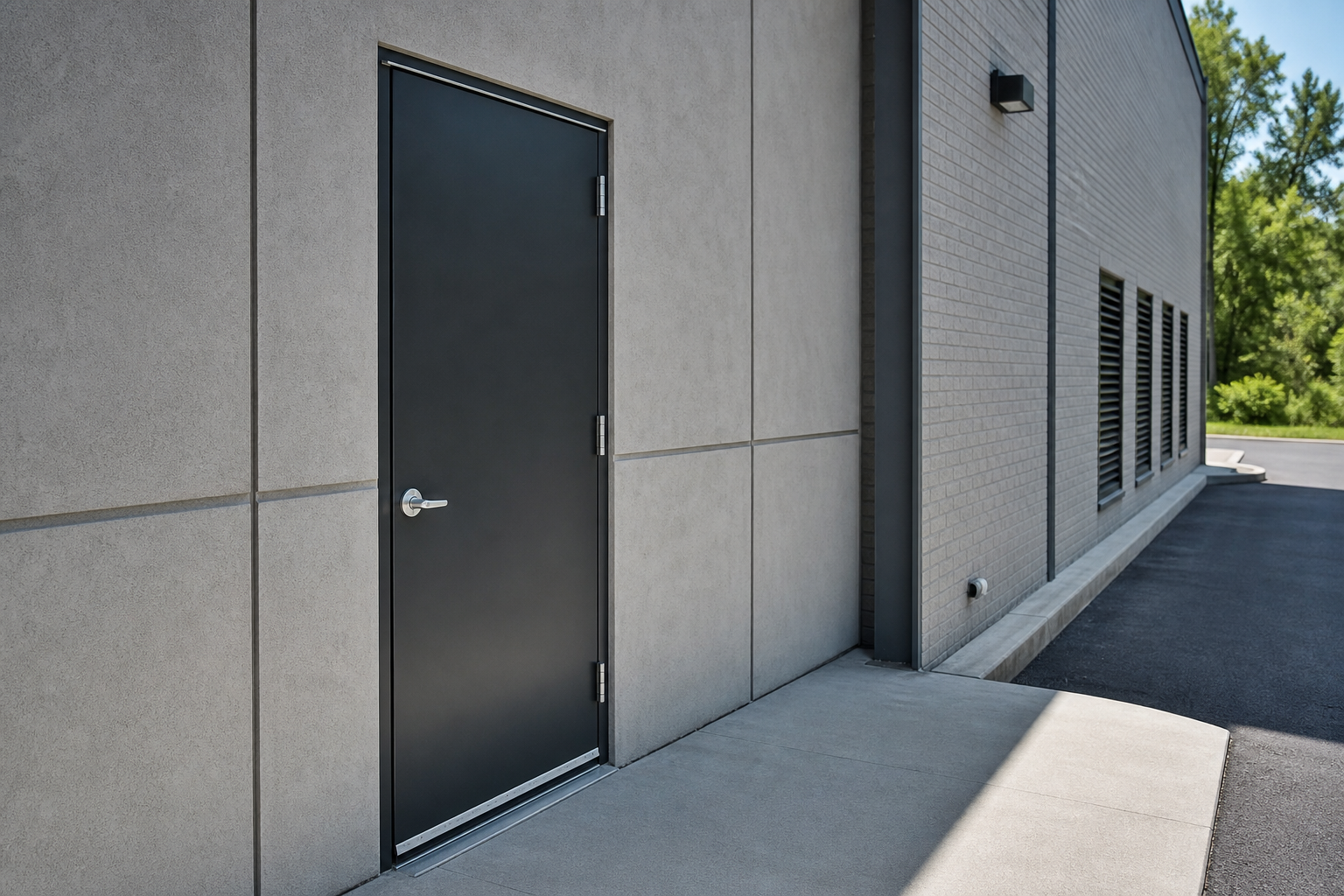
How should restricted areas be defined before a visit?
List restricted areas by name or room number. Add any notice period staff need before entry. Note which zones allow only visual review from a doorway. Note which zones may allow closer inspection, based on current patient care needs at the time of the visit.
Every healthcare facility has different sensitivity levels across departments. A kitchen storage area may allow routine access. A patient wing may need staff escort or advance scheduling instead. Homeowners seeing similar pressure can also review kids and pets pest control safety before scheduling.
Writing these zones down prevents confusion on the day of a visit. Providers can plan their route and timing around known rules. They will not need to guess on site.
Some areas may only need visual review from a doorway. Full entry may not be needed. Noting this difference helps providers respect facility rules while still gathering useful information. This connects closely with requesting service from Paladin when you are comparing next steps.
Review this list now and then to keep it accurate. Departments change layouts. Spaces get renovated. The list should grow and change along with the facility.
What this means for your home
- Practical takeaway: List restricted areas by name or room number.
- Documentation should summarize findings, treated areas, product locations where applicable, and the recommended follow-up plan.
- Boiling Springs service is adjusted to the home style, season, and pressure pattern instead of using the same checklist everywhere.
Does a healthcare facility need a written pest control brief?
A written brief is not required. But it helps facilities and providers stay aligned on access, schedules, and documentation. This cuts confusion once regular service visits begin.
Not sure what you're dealing with?
Tell us the activity you've noticed and we'll point you the right direction.
Why does a consistent visit schedule matter for healthcare sites?
A steady schedule helps staff prepare and avoids last-minute disruption to patient care. Predictable timing also supports better recordkeeping. Facilities can compare findings across similar time gaps. This makes it easier for staff to spot patterns over several months of visits.
Healthcare staff manage tight routines built around patient needs. Knowing when a pest control visit will happen lets departments plan ahead. They do not have to react on short notice. For a wider plan, pair this with pest-proofing your home so the whole property is covered.
Consistency also supports better records. When visits happen on a regular pattern, comparing notes from one visit to the next becomes easier and more useful.
Facilities should agree on a schedule format early. This could mean a fixed day each month. It could also mean a rotating window shared in advance. Homeowners seeing similar pressure can also review residential pest control before scheduling.
Any changes to the schedule should reach the reporting contact right away. This keeps all departments informed about upcoming visits.
What this means for your home
- visit schedule healthcare facility
- Practical takeaway: A steady schedule helps staff prepare and avoids last-minute disruption to patient care.
Who should serve as the reporting contact for pest findings?
One named contact, such as a facilities manager, should receive all pest findings. This person links the provider with internal departments. One point of contact keeps communication clear. It also lowers the chance that follow-up gets missed or delayed for too long.
Without one point of contact, findings can get lost between departments. Staff may spend time figuring out who should respond. A named contact removes that guesswork entirely. This connects closely with Upstate SC service areas when you are comparing next steps.
This person should know the facility well enough to relay findings correctly. They may need to reach housekeeping, maintenance, or clinical staff, depending on the issue.
The reporting contact also signs off on documentation. They confirm that any corrective steps have been noted or scheduled with the right team. For a wider plan, pair this with kids and pets pest control safety so the whole property is covered.
Facilities should update this contact whenever staffing changes happen. Providers always need to know exactly who to reach.
What this means for your home
- Documentation should summarize findings, treated areas, product locations where applicable, and the recommended follow-up plan.
- Practical takeaway: One named contact, such as a facilities manager, should receive all pest findings.
- Boiling Springs service is adjusted to the home style, season, and pressure pattern instead of using the same checklist everywhere.
What should a professional healthcare facility pest control inspection document?
A professional inspection should record the areas reviewed, general observations, and any noted conditions. It should log the date and time of the visit too. This record supports internal tracking. It gives staff a clear reference for future comparisons or provider discussions.
Documentation should stay simple and consistent across visits. A basic format works best. Note the date, the area reviewed, and the observations. Long narrative reports are harder to compare over time. Homeowners seeing similar pressure can also review requesting service from Paladin before scheduling.
Photos can support written notes when conditions matter for a specific area. Facilities should agree in advance on what kinds of images are appropriate to capture.
Multi-point inspections, like those Paladin Pest Solutions performs, cover several areas in one visit. Organized notes help staff review each zone without getting confused. This connects closely with pest-proofing your home when you are comparing next steps.
Keeping these records in a shared folder or binder makes them easy to find. Staff can pull them up during reviews or provider check-ins.
What this means for your home
- Documentation should summarize findings, treated areas, product locations where applicable, and the recommended follow-up plan.
- Practical takeaway: A professional inspection should record the areas reviewed, general observations, and any noted conditions.
- Service notes should tell you what was found, what was treated, and what to watch for before the next visit.
Which findings can change the healthcare facility pest control service scope?
New entry points, signs of rodent activity, or changes in a monitored area can prompt a scope review. Facilities and providers should agree on how updates get shared. They should decide together whether extra visits or adjusted focus areas make sense given the finding.
Service scope is not always fixed. As a facility changes its layout, adds construction, or notices new conditions, the pest control plan may need adjustment too. For a wider plan, pair this with residential pest control so the whole property is covered.
Entry-point sealing and exclusion work, one capability Paladin Pest Solutions offers, often comes up after a finding points to an access issue that needs attention.
Rodent control needs can also shift the scope. This is especially true if activity shows up in a new area not previously part of the regular route. Homeowners seeing similar pressure can also review requesting service from Paladin before scheduling.
Any scope change should be written down. This gives the facility and provider a shared understanding of what has been added or adjusted.
What this means for your home
- Practical takeaway: New entry points, signs of rodent activity, or changes in a monitored area can prompt a scope review.
How should corrective-action follow-up be handled after a visit?
Follow-up should include a written note of what was found. Name who was notified and what step comes next. This might mean scheduling a return visit. It could also mean updating an exclusion plan or confirming the issue was reviewed by staff.
A finding without a follow-up step tends to get lost. Facilities benefit from a simple process. That process turns observations into a tracked action item. This connects closely with kids and pets pest control safety when you are comparing next steps.
This does not need to be complicated. A short form or shared log works well. It should note the finding, the responsible party, and the target date.
Providers should share any recommended next steps clearly. Facility staff should confirm those steps fit internal scheduling and access rules. For a wider plan, pair this with residential pest control so the whole property is covered.
Reviewing closed items now and then helps facilities spot patterns. Recurring issues may be worth discussing with the reporting contact.
What this means for your home
- Follow-up visits confirm whether the pest control activity is dropping and whether any new entry points or pressure signs appeared.
- Practical takeaway: Follow-up should include a written note of what was found.
Should facilities request a written brief before service begins?
Yes. A written brief before service begins helps line up expectations. It gives both sides a shared reference covering access rules, schedules, contacts, and documentation habits. This lowers confusion once regular visits start and helps new staff or providers get up to speed fast.
A written brief does not need to be long. It should cover the basics: restricted areas, visit timing, the reporting contact, and how findings get documented. Homeowners seeing similar pressure can also review pest-proofing your home before scheduling.
Facilities that skip this step often find themselves clarifying details after the first visit. That can slow things down and create confusion for staff.
Having the brief in writing also makes onboarding easier. This helps when facility staff or provider technicians change over time. This connects closely with kids and pets pest control safety when you are comparing next steps.
Paladin Pest Solutions works with facilities across Upstate South Carolina. A clear brief helps set expectations from the very first visit.
What this means for your home
- Practical takeaway: Yes.
- Boiling Springs service is adjusted to the home style, season, and pressure pattern instead of using the same checklist everywhere.
Family-first by design
We ask who lives in the house before we pick a product
Babies, pregnancies, asthma, immune conditions, pet medical issues, garden beds, beehives, they all change the visit. Paladin treats harborage where pests live, not the surfaces kids and pets touch.
Every visit names what was used, where, and when the area is back to normal. If a different approach is the actual answer, we say so.
Why this post exists on the Paladin blog
This post was written by someone who actually does this work on Upstate homes, not by a contractor or a marketing team that has never seen the species in person. The Paladin blog exists to answer the questions we hear on real service calls, honestly, in plain English, without selling you a service you do not need. If a post helps you solve the problem on your own, that is a successful post for us. If you read it and decide you would rather have a trained technician on site, that is what the phone is for. Either path is fine.
A first Paladin visit is intended to document the activity, inspect relevant areas, and explain the proposed scope before work begins. Appointment timing and the exact inspection areas depend on the request and property access. Call (864) 816-7658 or use the contact form so the office can confirm the current options.
Paladin is based in Boiling Springs, SC and serves the approved Upstate locations listed on this site. Each recommendation should be tied to conditions documented at the property, including pest evidence, moisture, entry points, food, water, shelter, and access. The office confirms address availability without promising a route frequency or response window.
Keep exploring Paladin
Related Paladin services and guides for Upstate homeowners.
Frequently asked questions
What is the first step in setting up a healthcare facility pest control brief?
Start by listing restricted areas and any notice periods staff need before a provider enters. This basic step helps prevent scheduling conflicts. It also helps confirm sensitive spaces, like patient rooms, get handled the right way from the very first visit onward.
How often should visit schedules be reviewed?
Facilities should review visit schedules now and then, especially after staffing or layout changes. A regular review confirms the schedule still fits current operations. It also gives staff a chance to raise access concerns before the next scheduled visit takes place.
Can one person handle all pest-related communication for a facility?
Yes. Many facilities pick one reporting contact to handle communication for every scheduled visit. This person receives findings from the provider and passes them along to the right internal department without delay. One steady contact helps avoid gaps or missed follow-up across different teams and shifts.
What kind of documentation should be kept after each visit?
Facilities should keep dated notes covering areas reviewed, general observations, and any follow-up items tied to that visit. Photos can support these written notes when conditions in a specific area call for extra detail. A consistent format makes it easier to compare visits over time and share clear records with the reporting contact.
Does Paladin Pest Solutions serve healthcare facilities outside Boiling Springs?
Paladin Pest Solutions is based in Boiling Springs, SC and serves approved locations across Upstate South Carolina as part of its regular service area. Exact-address availability is confirmed by the office before any visit is scheduled. Facilities outside the immediate area should reach out directly to confirm coverage for their location.
What should happen if a finding suggests a change in service scope?
Any finding that points to a scope change, such as a new entry point or unexpected activity, should be written down clearly and shared with the reporting contact right away. Both the facility and provider should agree in writing on any adjustments to the plan before those changes actually take effect.
Ready to shield your family?
One call to Paladin and we’ll meet you where you are, from a quick walk-through to a long-term protection plan.