Upstate South Carolina · Pest control built around your household
Food Service Pest Control in Boiling Springs, SC: Comparing Monitoring and Corrective Actions
Food Service Pest Control in Boiling Springs, SC works best when you compare providers with a clear matrix. Look at receiving, storage, drains, waste, doors, and staff reporting. Ask how findings are documented. Ask how…
- We identify the species first, then treat the actual harborage
- Same Upstate technicians on your route, visit after visit
- Clear notes after every visit, what we did and why
Quick Answer
Food Service Pest Control in Boiling Springs, SC works best when you compare providers with a clear matrix. Look at receiving, storage, drains, waste, doors, and staff reporting. Ask how findings are documented. Ask how corrective actions get triggered. This shows you more than visit counts alone.
For the next step, compare Paladin pest control services, read about Upstate SC service areas, or check where Paladin works across Upstate SC.
Key Takeaways
- Compare providers using a documented receiving, storage, and drain matrix.
- Ask how staff reports connect to corrective action steps.
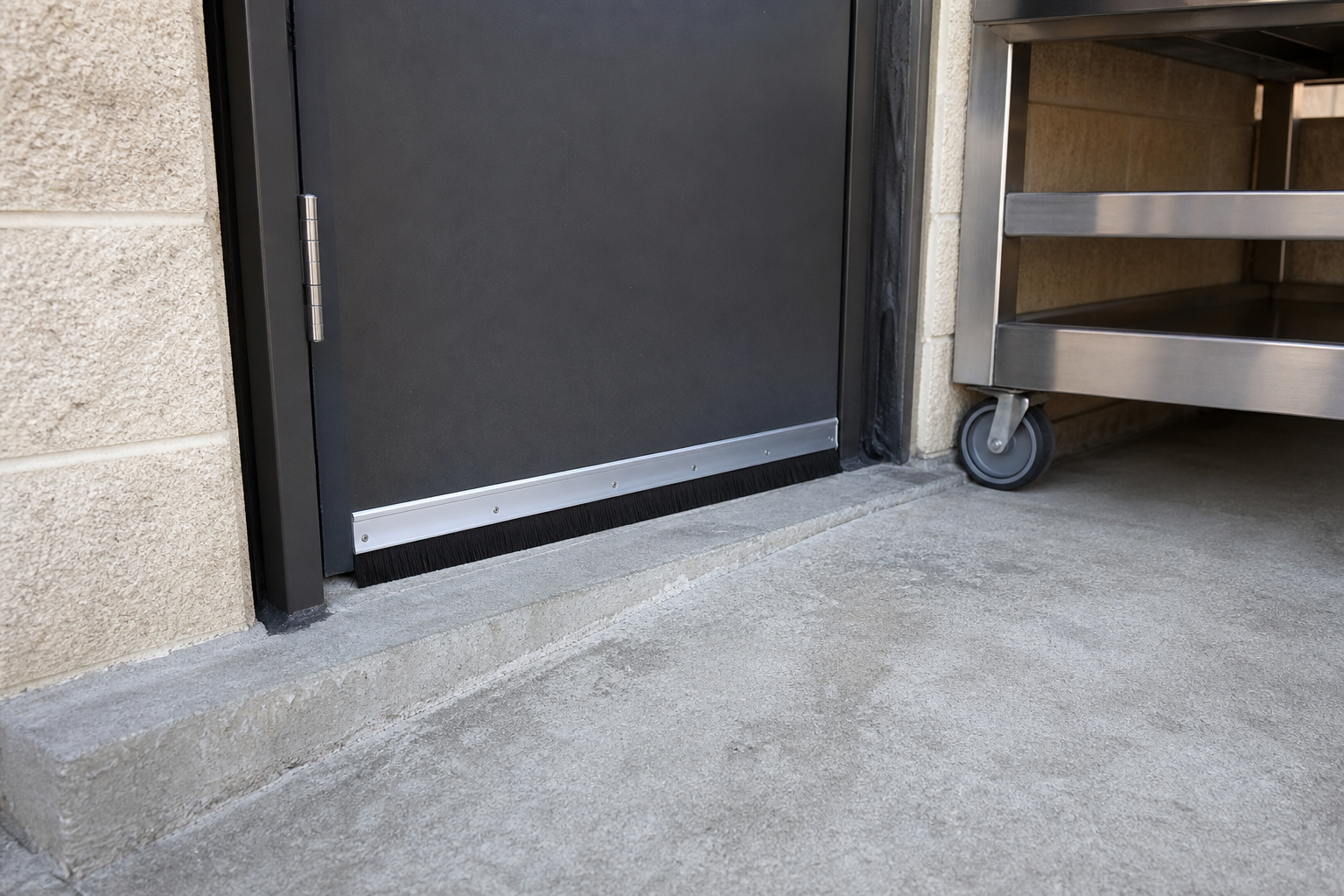
- Door sweeps and seals matter as much as monitoring visits.
- Waste area findings often signal broader scope needs.
- Written reports should separate monitoring from corrective follow-up.
- Integrated Pest Management principles support a matrix comparison approach.
- Exact scope availability is confirmed by the local office.
How should a food-service operator compare monitoring, reporting, and corrective-action scope?
Compare providers by asking for a written matrix. It should separate routine monitoring from corrective action triggers. Look at how receiving, storage, drains, waste, and doors are each tracked. Confirm how staff reports lead to follow-up visits or repairs before choosing a plan.
A strong comparison starts with paperwork. Ask each provider to show a sample report format before service begins. This connects closely with residential pest control when you are comparing next steps.
Monitoring means ongoing observation. Corrective action means a specific response to a finding. These are different scopes. They should be priced and scheduled differently.
Staff reporting matters because kitchen teams notice activity between visits. A useful plan explains how those reports reach the provider. It also explains what happens next. For a wider plan, pair this with Upstate SC service areas so the whole property is covered.
Ask whether corrective steps need a separate visit. Or find out if they fall under the same service call. This affects how fast gaps in the program get addressed.
What this means for your home
- Boiling Springs service is adjusted to the home style, season, and pressure pattern instead of using the same checklist everywhere.
- Practical takeaway: Compare providers by asking for a written matrix.
What should a professional food service pest control inspection document?
A thorough inspection should document conditions at receiving docks, storage rooms, drains, waste areas, and exterior doors. Reports should note observations, not conclusions about causes. They should track changes over time so operators can see whether conditions are improving or declining.
Documentation should include dated notes for each area checked. A simple pass or fail mark is not enough. This lets managers compare visits side by side. Homeowners seeing similar pressure can also review kids and pets pest control safety before scheduling.
Photos of specific spots add useful detail. A door threshold or a drain cover are good examples. Staff do not need technical training to understand them.
A good report separates what was observed from what action is recommended. This keeps the record clear if questions come up later. This connects closely with requesting service from Paladin when you are comparing next steps.
Ask whether reports are shared digitally or on paper. Also ask how long records are kept. This matters for health department visits or internal reviews.
What this means for your home
- Boiling Springs service is adjusted to the home style, season, and pressure pattern instead of using the same checklist everywhere.
- Documentation should summarize findings, treated areas, product locations where applicable, and the recommended follow-up plan.
What areas belong on a food service pest control comparison matrix?
A useful matrix covers receiving docks, storage rooms, drains, waste areas, exterior doors, staff reporting steps, and repair follow-up. Each part of the building gets tracked on its own line.
Not sure what you're dealing with?
Tell us the activity you've noticed and we'll point you the right direction.
Which findings can change the food service pest control service scope?
Findings at receiving docks, storage areas, drains, waste zones, or exterior doors can each shift the scope of service. A gap under a door or a repeat drain issue may call for added monitoring points. It may also call for a corrective step beyond the routine visit schedule.
Receiving areas often show the first signs of a scope change. Deliveries bring outside conditions into the building on a regular basis. For a wider plan, pair this with pest-proofing your home so the whole property is covered.
Storage rooms with shifting stock levels may need monitoring points moved or added. This is especially true in areas with less foot traffic.
Drains and waste areas can change slowly over time. These shifts are easy to miss without consistent notes from earlier visits. Homeowners seeing similar pressure can also review residential pest control before scheduling.
When a finding repeats across two or more visits, ask a simple question. Ask the provider how the scope will be adjusted going forward.
What this means for your home
- Practical takeaway: Findings at receiving docks, storage areas, drains, waste zones, or exterior doors can each shift the scope of service.
- Boiling Springs service is adjusted to the home style, season, and pressure pattern instead of using the same checklist everywhere.
How does receiving dock monitoring fit into the overall scope?
Receiving dock monitoring focuses on incoming deliveries, door seals, and staging areas. Boxes and pallets often sit here before storage. This area often sets the tone for the rest of the building. Gaps or unsealed openings here can affect conditions throughout the facility.
Ask how often the receiving dock is checked compared with interior rooms. Delivery schedules can create more frequent exposure points. This connects closely with Upstate SC service areas when you are comparing next steps.
Door sweeps, weather seals, and dock plate gaps are common checklist items. They should be noted at each visit.
Staging areas where pallets wait before moving inside deserve their own line in the plan. Keep this separate from long-term storage. For a wider plan, pair this with kids and pets pest control safety so the whole property is covered.
A provider should explain how receiving dock notes connect to storage room findings. The two areas are closely linked.
What this means for your home
- Practical takeaway: Receiving dock monitoring focuses on incoming deliveries, door seals, and staging areas.
Why do storage and drain checks belong in the same comparison matrix?
Storage rooms and drains are often reviewed together. Both hold conditions that change slowly and get overlooked easily. Comparing how a provider handles each helps an operator see the full picture. It shows whether the plan covers dry storage and wet areas with equal attention.
Dry storage rooms need periodic checks for shifting inventory. Stacked boxes can create hidden spaces that are hard to see during a quick walk-through. Homeowners seeing similar pressure can also review requesting service from Paladin before scheduling.
Floor drains and grease traps need a different kind of attention. Standing water or buildup can develop between scheduled visits.
A matrix that treats storage and drains as separate line items helps. It makes it easier to spot which area needs more frequent monitoring. This connects closely with pest-proofing your home when you are comparing next steps.
Ask whether drain covers are checked for damage or looseness. This is a simple observation. It fits within a non-invasive inspection.
What this means for your home
- Practical takeaway: Storage rooms and drains are often reviewed together.
Should waste management and door seals be treated as separate scope items?
Yes, waste management and door seals should appear as distinct items in the service scope. Both relate to building perimeter conditions, but they differ. Waste areas involve container placement and cleaning schedules. Door seals involve physical gaps that need periodic checking and repair coordination.
Waste container placement, lid function, and cleaning frequency all affect conditions near the building. They deserve their own notes in a report. For a wider plan, pair this with residential pest control so the whole property is covered.
Door seals include sweeps, thresholds, and frame gaps. These are physical features that can wear down over time regardless of waste practices.
Treating these as separate items helps an operator see the difference. Some repairs are facility maintenance. Others fall under the pest control service agreement. Homeowners seeing similar pressure can also review requesting service from Paladin before scheduling.
A good comparison asks how each provider documents waste findings separately from door and entry point findings.
What this means for your home
- Practical takeaway: Yes, waste management and door seals should appear as distinct items in the service scope.
- door seal monitoring
Can staff reporting and repair follow-up close gaps between scheduled visits?
Staff reporting can help close gaps between scheduled visits. It flags conditions as they happen rather than waiting for the next inspection. Repair follow-up then connects those reports to physical fixes. Sealing a gap or reinforcing a door are two examples that keep the program current.
Kitchen and storage staff often notice unusual conditions first. They move through the space every day. This connects closely with kids and pets pest control safety when you are comparing next steps.
A simple reporting process helps capture observations before they are forgotten. This could be a shared log or a quick call to the provider.
Repair follow-up should be tracked separately from monitoring visits. Repairs may involve building maintenance staff or outside contractors. For a wider plan, pair this with residential pest control so the whole property is covered.
Ask how quickly staff reports get reviewed. Also ask whether they trigger a scheduled corrective action or wait for the next routine visit.
What this means for your home
- The process should be clear before work starts: inspect, explain findings, treat the right zones, and document the next step.
- Follow-up visits confirm whether the pest control activity is dropping and whether any new entry points or pressure signs appeared.
Is a written service matrix worth requesting before signing an agreement?
A written service matrix is worth requesting. It lays out which areas are monitored, how often, and what triggers a corrective step. This document gives an operator a clear reference point. It helps with comparing providers and reviewing performance once service begins.
Without a written matrix, details can get fuzzy. It can be hard to remember what was promised during an early conversation or walk-through. Homeowners seeing similar pressure can also review pest-proofing your home before scheduling.
A matrix format also makes it easier to track changes over time. Each area gets its own row for notes across multiple visits.
Operators can use the matrix during internal reviews. It also helps when training new staff on what to expect from the program. This connects closely with kids and pets pest control safety when you are comparing next steps.
Requesting this document before signing sets expectations early. This benefits both the provider and the food service location from the start.
What this means for your home
- Practical takeaway: A written service matrix is worth requesting.
- Boiling Springs service is adjusted to the home style, season, and pressure pattern instead of using the same checklist everywhere.
Family-first by design
We ask who lives in the house before we pick a product
Babies, pregnancies, asthma, immune conditions, pet medical issues, garden beds, beehives, they all change the visit. Paladin treats harborage where pests live, not the surfaces kids and pets touch.
Every visit names what was used, where, and when the area is back to normal. If a different approach is the actual answer, we say so.
Why this post exists on the Paladin blog
This post was written by someone who actually does this work on Upstate homes, not by a contractor or a marketing team that has never seen the species in person. The Paladin blog exists to answer the questions we hear on real service calls, honestly, in plain English, without selling you a service you do not need. If a post helps you solve the problem on your own, that is a successful post for us. If you read it and decide you would rather have a trained technician on site, that is what the phone is for. Either path is fine.
A first Paladin visit is intended to document the activity, inspect relevant areas, and explain the proposed scope before work begins. Appointment timing and the exact inspection areas depend on the request and property access. Call (864) 816-7658 or use the contact form so the office can confirm the current options.
Paladin is based in Boiling Springs, SC and serves the approved Upstate locations listed on this site. Each recommendation should be tied to conditions documented at the property, including pest evidence, moisture, entry points, food, water, shelter, and access. The office confirms address availability without promising a route frequency or response window.
Keep exploring Paladin
Related Paladin services and guides for Upstate homeowners.
Frequently asked questions
How is monitoring different from corrective action in a food service pest control plan?
Monitoring means routine checks of areas like receiving docks, storage, and drains during scheduled visits. Corrective action is a specific response triggered by a finding, such as sealing a gap or scheduling a repair. It is usually tracked separately from the routine visit in a written report.
Why should receiving docks and storage rooms be reviewed separately?
Receiving docks deal with incoming deliveries and door seals. Storage rooms involve stacked inventory and shifting conditions over time. Reviewing them separately helps an operator see which area needs more frequent attention. It also keeps the comparison matrix easier to read.
What role do staff reports play in a food service pest control program?
Staff reports give a provider real-time observations between scheduled visits. Kitchen and storage teams are in the space every day, so they notice changes first. A clear reporting process helps connect what staff notice to any corrective action the provider recommends. This keeps the whole program more responsive.
Should door seals be checked as often as drains or waste areas?
Door seals, drains, and waste areas can each wear or change at different rates, so checking frequency should reflect that. A written matrix lets an operator compare how often each area gets reviewed. This is better than assuming one fixed schedule fits every part of the building.
How can an operator confirm exact scope details for a specific Boiling Springs location?
Exact-address availability and scope details are confirmed by the local office rather than assumed from general listings. Reaching out directly lets the operator review a written matrix. It also allows questions specific to the building layout and daily kitchen operations before any agreement is signed.
Ready to shield your family?
One call to Paladin and we’ll meet you where you are, from a quick walk-through to a long-term protection plan.