Upstate South Carolina · Pest control built around your household
Fire Ant Control in Spartanburg, SC Yards
Fire ants are one of the most frustrating yard problems in Spartanburg because the mounds keep coming back after every summer rain. The fix is not stomping the mound or pouring something on it. It is a two-part plan: a yard-wide…
- Product placement chosen around kids, pets, and pollinators
- A real Spartanburg crew, not a national call center
- Plain-English findings before any treatment starts
Quick Answer
Fire ants are one of the most frustrating yard problems in Spartanburg because the mounds keep coming back after every summer rain. The fix is not stomping the mound or pouring something on it. It is a two-part plan: a yard-wide bait that the workers carry back to the queen, followed by a direct mound treatment only where you need fast knockdown. Done in the right order, around kids and pets, you can keep a lawn usable all season.
For the next step, compare ant control options, read about how to protect your family from ants, or check where Paladin works across Upstate SC.
Key Takeaways
- The visible mound is a tiny fraction of the colony; the queen sits deep underground and rebuilds fast.
- Disturbing a mound without treating it usually just moves the colony a few feet away.
- A broadcast bait works with fire ant biology because workers feed the queen.
- Direct mound treatments are for speed and safety near walkways and play areas, not for the whole yard.
- Two well-timed treatments a year keep most Spartanburg lawns ahead of the problem.
How do I know if I really have fire ants in my Spartanburg yard?
Red imported fire ants build dome-shaped dirt mounds with no single visible entry hole, and they boil out aggressively when the mound is disturbed. If you tap a mound with a stick and dozens of reddish-brown ants pour out fast and start stinging, that is the telltale sign.
Spartanburg sits squarely inside the established range of the red imported fire ant, so this is not an exotic problem here, it is a baseline summer reality. The mounds show up most after a heavy Upstate rain, often overnight, in the sunny open parts of a lawn. Unlike the tidy entry hole you see on a native ant hill, a fire ant mound looks like loose, fluffy soil pushed up into a dome, and the ants travel through underground tunnels rather than a single front door. The Clemson Cooperative Extension fire ant guide is a reliable, research-based reference worth bookmarking if you want to confirm what you are looking at before you treat.
The sting is the other giveaway. Fire ant stings burn immediately, then form a small white pustule within a day or so. Most people get a cluster of stings at once because the ants grip the skin with their jaws and sting in a circle. For most of us that is just painful, but for a small percentage of people the reaction is severe, which is exactly why fire ants near a play set, a garden bed, or a back door are worth taking seriously rather than ignoring.
If you are not sure whether you are dealing with fire ants or a more harmless species, our overview of dedicated fire ant control for Spartanburg lawns walks through the identification details and how a professional confirms the species before treating. Correct identification matters because the treatment plan for fire ants is genuinely different from the bait-and-trail approach that works on kitchen sugar ants.
What this means for your home
- Spartanburg service is adjusted to the home style, season, and pressure pattern instead of using the same checklist everywhere.
- Practical takeaway: Red imported fire ants build dome-shaped dirt mounds with no single visible entry hole, and they boil out aggressively when the mound is disturbed.

Why do fire ant mounds keep coming back after I knock them down?
Because the visible mound is only the chimney, not the colony. The queen and most of the workers live in tunnels well below the surface, so kicking, raking, or flooding the mound disturbs the surface but leaves the colony alive to rebuild a few feet away.
A single mature fire ant colony can hold 100,000 to 250,000 workers plus one or more queens, and a queen can lay well over a thousand eggs a day. When you destroy the top of the mound, the colony reads it as an attack and simply relocates, often within twenty-four hours. That is why the homeowner who attacks every new mound by hand feels like they are losing ground all summer: they are treating the symptom and never reaching the queen. Homeowners seeing similar pressure can also review protecting your family from ants before scheduling.
Pouring boiling water, gasoline, or bleach on a mound is a Spartanburg backyard tradition, and it is one we strongly discourage. Gasoline is a fire and groundwater hazard, bleach kills your grass and does not reach the queen, and boiling water scalds the lawn while rarely penetrating deep enough to matter. These home remedies also push the colony to bud into multiple smaller colonies, turning one mound into three.
The other reason mounds keep returning is reinvasion from next door. Fire ants do not respect property lines, and new queens fly in during mating flights from surrounding fields and neighbors' yards every warm season. This is why a durable plan is less about scorched-earth on day one and more about a steady, low-effort program that keeps your yard unattractive to colonies over the whole season. This connects closely with requesting service from Paladin when you are comparing next steps.
What this means for your home
- Practical takeaway: Because the visible mound is only the chimney, not the colony.
Do fire ant baits work overnight?
No. Baits work with the colony's biology, so workers need a couple of weeks to carry the bait to the queen. Expect a gradual collapse over two to four weeks, not an instant result.
Want a professional to look at this?
The office will confirm the available appointment date.

What is the safest way to treat fire ants around kids and pets?
Use a yard-wide granular bait applied with a spreader in the cooler parts of the day, then keep children and pets off the treated lawn until the granules are watered in and dry. Reserve direct mound treatments for the few spots near walkways and play areas where you need fast results.
The single most family-friendly fire ant tool is bait, because you apply a very small amount of active ingredient spread thinly across the whole yard rather than soaking the soil. The workers gather the bait, carry it underground, and feed it to the queen, which is the only way to actually shut a colony down. Modern fire ant baits are designed to be low-toxicity to mammals, but you should still follow the label, keep pets indoors during application, and let the area dry before normal use. The U.S. EPA explains why it is important to read the pesticide label before using any product, and that label is the legal instruction set for how much to apply and when the area is safe again. If you want the bigger-picture framework for choosing lower-impact products in a home with children and pets, our guide on keeping kids and pets safe during pest control lays out the questions to ask before anything is applied.
Timing matters as much as product choice. Fire ants forage best when the soil surface is between about 70 and 90 degrees, which in Spartanburg usually means early morning or early evening rather than the baking middle of a summer afternoon. Apply bait when the ground is dry and no rain is expected for a day, because rain washes fresh bait off before the workers can collect it. A simple test is to drop a potato chip or a bit of hot dog near a mound: if ants find it within ten or fifteen minutes, they are actively foraging and it is a good time to bait.
For the handful of mounds sitting right where your family walks, a faster knockdown is reasonable. A direct mound treatment, applied gently so you do not disturb the colony into fleeing, can clear a problem mound near a back step or swing set within a day or two. The right posture is bait the whole yard for the long game, spot-treat the dangerous mounds for the short game, and avoid blanket spraying that does nothing for the colony underground. Homeowners seeing similar pressure can also review requesting service from Paladin before scheduling.
What this means for your home
- Family and pet awareness means we explain treated areas, re-entry timing, and simple prep steps before work begins.
- Practical takeaway: Use a yard-wide granular bait applied with a spreader in the cooler parts of the day, then keep children and pets off the treated lawn until the granules are watered in and dry.
- Spartanburg service is adjusted to the home style, season, and pressure pattern instead of using the same checklist everywhere.
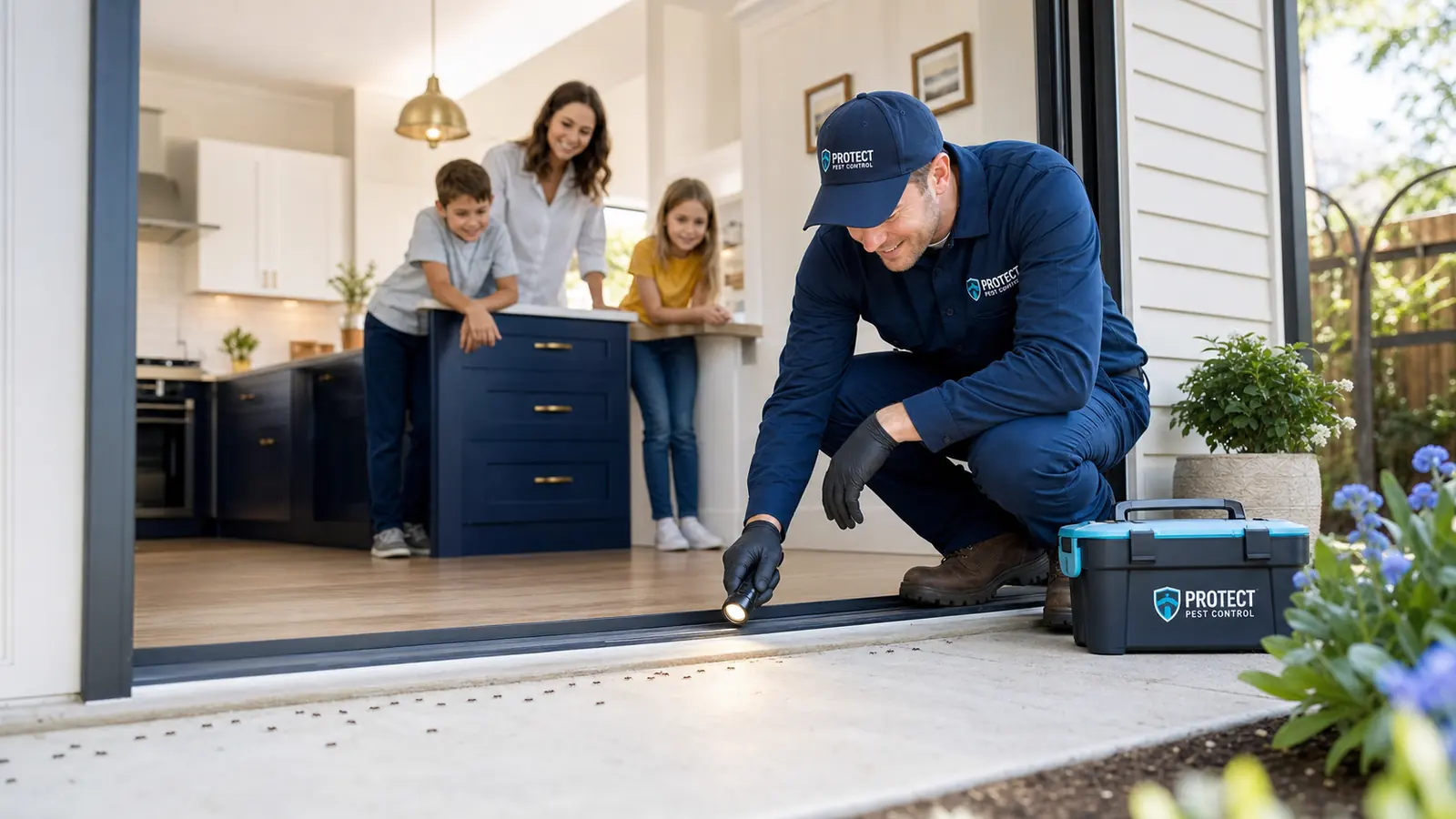
What are the top steps for a fire-ant-free Spartanburg lawn?
Treat the colony, beyond the mound, and do it in a deliberate order. The following sequence is the same logic a professional follows, scaled to a homeowner who wants to handle the basics between service visits.
Here is the order that actually works on Upstate lawns, from first move to last: This connects closely with Upstate SC service areas when you are comparing next steps.
- Confirm the species. Make sure you are dealing with red imported fire ants and not a harmless native ant or a different yard pest, because the plan below is specific to fire ants.
- Map your mounds. Walk the whole yard after a rain and note where the mounds cluster, especially near play areas, garden beds, the foundation, and walkways.
- Broadcast a bait yard-wide. Use a spreader to apply a fire ant bait across the entire lawn when ants are actively foraging, beyond on the visible mounds.
- Spot-treat dangerous mounds. Apply a direct mound treatment to the few colonies sitting where your family walks or plays so you get fast relief there.
- Wait and watch. Give the bait two to four weeks to reach the queens before you judge results; activity often looks worse briefly before it collapses.
- Re-bait on a schedule. Plan a follow-up broadcast in mid to late summer and again in early fall to catch reinvading colonies.
- Fix the attractants. Keep the lawn mowed, manage moisture and standing water, and trim back the sunny open edges where mounds love to start.
Most Spartanburg homeowners who follow this two-step, twice-a-year rhythm find that fire ants go from a constant battle to a minor background chore. The mistake almost everyone makes is skipping the broadcast bait and only ever attacking visible mounds, which guarantees the problem repeats every summer. Pairing this lawn routine with broader home pest-proofing habits keeps fire ants from drifting toward the foundation and the back door in the first place.
What this means for your home
- Practical takeaway: Treat the colony, beyond the mound, and do it in a deliberate order.
- broadcast bait schedule Upstate
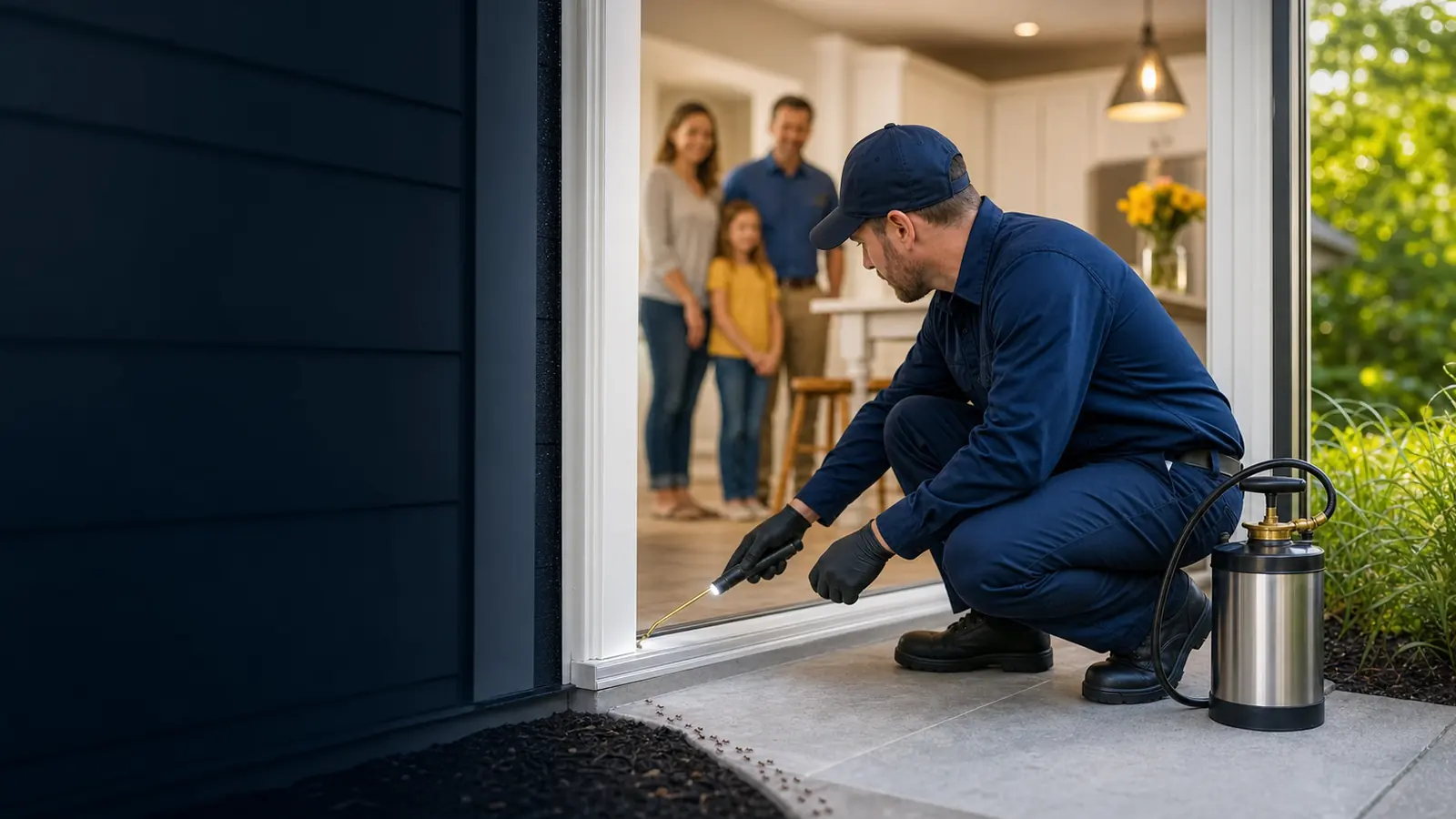
When should a Spartanburg homeowner call a professional for fire ants?
Call when mounds keep returning despite your own treatments, when colonies are near a play area or anyone in the home reacts badly to stings, or when you simply want a managed program instead of a summer-long chore. A professional treats the whole property on a schedule and reaches colonies you cannot.
There is no shame in handling fire ants yourself; the products on the shelf are real and they work when used correctly. But there are clear moments when bringing in a technician makes sense. If you have baited correctly and mounds still dot the yard a month later, the colony may be reinvading faster than your treatments can keep up, and a property-wide program with the right timing solves that. If anyone in your household has had a strong reaction to stings, the calculus changes entirely and removing the risk is worth a phone call. Homeowners seeing similar pressure can also review requesting service from Paladin before scheduling.
A professional fire ant program for an Upstate yard is usually a couple of visits a year rather than a constant presence. We confirm the species, broadcast a bait keyed to the foraging window, treat the high-risk mounds directly, and come back to re-treat as the season and reinvasion pressure dictate. Because we treat the whole lawn and the perimeter rather than chasing individual mounds, the colony count drops and stays down instead of bouncing back after the next rain. You can see how fire ant work fits into our broader Upstate pest control services and which nearby towns we cover on the Spartanburg-area service map.
We are happy to help. Call (864) 816-7658 or email info@paladinpestsolutions.com. We service Spartanburg, Greenville, Boiling Springs, Taylors, Fountain Inn, Piedmont, Travelers Rest, Landrum, Simpsonville, Lyman, Duncan, Greer, Roebuck, Gaffney, Cowpens, and Chesnee. This connects closely with exterior perimeter treatment when you are comparing next steps.
What this means for your home
- Spartanburg service is adjusted to the home style, season, and pressure pattern instead of using the same checklist everywhere.
- Practical takeaway: Call when mounds keep returning despite your own treatments, when colonies are near a play area or anyone in the home reacts badly to stings, or when you simply want a managed program instead of a summer-long chore.
- when to call pest control fire ants

How do I keep fire ants from coming back next season?
Bait twice a year on a schedule, keep the lawn healthy and mowed, manage moisture and standing water, and treat new mounds while they are small. Prevention is mostly about staying slightly ahead of the colonies rather than reacting after they take over.
The yards that stay ahead of fire ants are not the ones with the strongest single treatment; they are the ones with a steady, modest routine. A spring broadcast bait knocks down the overwintered colonies before they hit full summer strength, and a late-summer or early-fall bait catches the new colonies that flew in during mating season. Two light treatments timed this way outperform one heavy mid-summer panic application almost every time. For a wider plan, pair this with ant control options so the whole property is covered.
Lawn health does real work here too. Fire ants love hot, open, disturbed soil, so a thick, well-mowed lawn with good drainage is simply less inviting than bare, compacted, or soggy patches. Fixing a downspout that dumps water against the yard, filling low spots that stay wet, and edging away the bare strips along driveways and fences all quietly reduce the spots where a new queen wants to start a mound.
Finally, do not wait for mounds to get large. A brand-new colony is small, shallow, and easy to bait, while a mature one is deep, defended, and stubborn. A quick walk of the yard after each summer rain, treating any fresh mound you spot, keeps small problems small. Combine that habit with the twice-a-year broadcast and most Spartanburg lawns stay comfortably usable from spring through fall. Homeowners seeing similar pressure can also review requesting service from Paladin before scheduling.
What this means for your home
- prevent fire ants next season
- Practical takeaway: Bait twice a year on a schedule, keep the lawn healthy and mowed, manage moisture and standing water, and treat new mounds while they are small.
Ants in Upstate homes
Ant trails follow conditions, we fix the conditions, then we treat the trail
The single biggest mistake on an ant call is spraying the visible bug. That scatters the colony and forces a budding split-off that's harder to control next month. Paladin technicians bait the trail first, then chase moisture and food sources that drew the scouts in.
Sugar ants in a kitchen, fire ants in a yard, and carpenter ants in damp framing all need different treatment. Our visit identifies which one you have and adjusts.
Keep exploring Paladin
Related Paladin services and guides for Upstate homeowners.
- See the full ant program at Paladin
- Fire ant mound control for Upstate yards
- Carpenter ant inspection for damp framing
- Sugar ant kitchen trail control
- Protect your family from ants
- Ant identification and prevention guides
- Find a city near you on our Upstate route
- Tell Paladin what you are seeing and ask about current availability
Related Paladin services
Learn more about how Paladin handles this for Upstate families.
Read more →
Learn more about how Paladin handles this for Upstate families.
Read more →Learn more about how Paladin handles this for Upstate families.
Read more →Learn more about how Paladin handles this for Upstate families.
Read more →
Learn more about how Paladin handles this for Upstate families.
Read more →Learn more about how Paladin handles this for Upstate families.
Read more →Frequently asked questions
How long after treating should kids and pets stay off the lawn?
For granular baits, keep children and pets off until the granules are watered in and the lawn is dry, typically a few hours. Always follow the specific product label, which is the legal instruction set.
Will one treatment get rid of fire ants for good?
Rarely. New queens fly in from surrounding yards every warm season, so most Spartanburg lawns need a spring and a late-summer or fall treatment to stay ahead of reinvasion.
Are the fire ants in Spartanburg the dangerous stinging kind?
Yes. The red imported fire ant established across the Upstate stings aggressively in clusters, and a small percentage of people have severe reactions, so mounds near play areas are worth treating promptly.
Which Upstate areas do you serve for fire ant control?
Spartanburg, Greenville, Boiling Springs, Taylors, Fountain Inn, Piedmont, Travelers Rest, Landrum, Simpsonville, Lyman, Duncan, Greer, Roebuck, Gaffney, Cowpens, and Chesnee.
Ready to shield your family?
One call to Paladin and we’ll meet you where you are, from a quick walk-through to a long-term protection plan.