Upstate South Carolina · Pest control for homes with kids and pets
Exterior Pest Control in Boiling Springs, SC: Mapping Perimeter Conditions Before Service
Exterior Pest Control in Boiling Springs, SC starts with mapping perimeter conditions. Inspectors look at foundation gaps, door thresholds, utility lines, plants, mulch, water, activity signs, and access points. This map helps…
- Product placement chosen around kids, pets, and pollinators
- A real Spartanburg crew, not a national call center
- Plain-English findings before any treatment starts
Quick Answer
Exterior Pest Control in Boiling Springs, SC starts with mapping perimeter conditions. Inspectors look at foundation gaps, door thresholds, utility lines, plants, mulch, water, activity signs, and access points. This map helps homeowners understand scope before service. It also helps them ask sharper questions about what an inspection should cover.
For the next step, compare Paladin pest control services, read about Upstate SC service areas, or check where Paladin works across Upstate SC.
Key Takeaways
- A perimeter map covers eight distinct zones around a home.
- Foundation gaps and cracks are a common inspection focus.
- Door thresholds often need close attention for gaps.
- Utility line entries are frequent points of interest.
- Vegetation touching siding can be noted during inspection.
- Mulch depth and placement near foundations matters.
- Standing water sources near the home get documented.
- Access limits like locked gates should be noted ahead.
Which perimeter conditions should an exterior pest inspection map before service?
A thorough exterior inspection maps eight zones. These are the foundation, doors, utility penetrations, vegetation, mulch, water sources, activity signs, and access routes. Each zone offers clues about pest movement around a structure. Mapping these areas first gives homeowners a clear picture of what service will cover.
Homeowners searching for exterior pest control in Boiling Springs, SC often want to know what gets checked. A perimeter map answers that question directly. It breaks the yard and structure into zones that matter for pest activity. This connects closely with residential pest control when you are comparing next steps.
Each zone tells a different part of the story. The foundation shows physical gaps. The yard shows moisture and plant patterns. Together they build a fuller picture than one quick glance.
This approach follows the spirit of integrated pest management. The EPA notes that this method stresses inspection and monitoring before any treatment decisions happen. For a wider plan, pair this with Upstate SC service areas so the whole property is covered.
Knowing the eight zones ahead of time helps homeowners take their own notes. It also helps them ask sharper questions when scheduling service.
What this means for your home
- Boiling Springs service is adjusted to the home style, season, and pressure pattern instead of using the same checklist everywhere.
- Condition correction lowers repeat pressure by addressing moisture, food sources, harborage, and easy entry points.
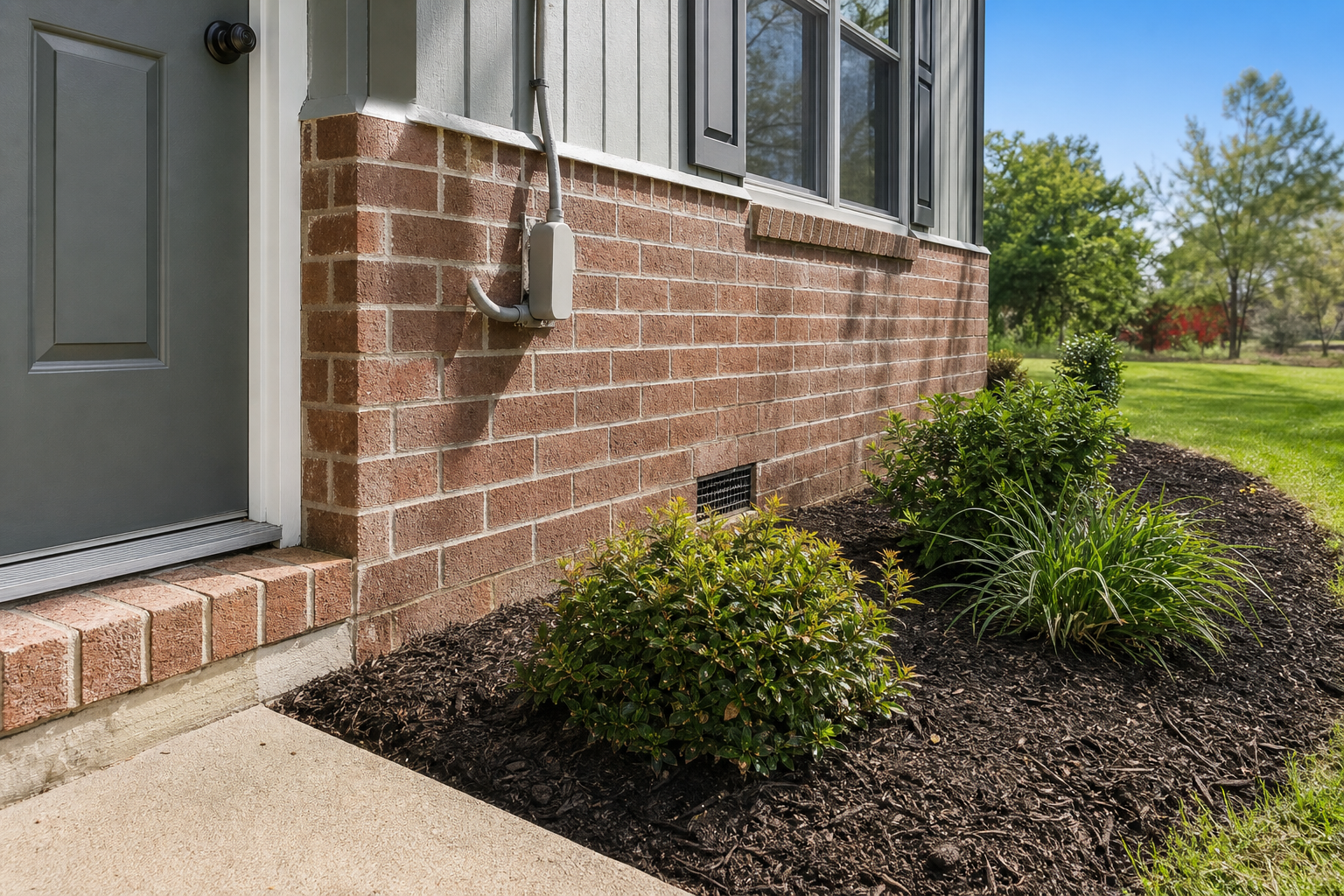
What should a professional exterior pest control inspection document?
A solid inspection documents visible foundation cracks and gaps around doors and windows. It also notes utility line penetrations, plant contact, mulch depth, and standing water. Visible activity signs and access limits round out the record. This gives homeowners a written or photo record to compare against future visits.
Documentation matters because pest conditions shift with the seasons. A record from one visit helps compare against a later one. This makes patterns easier to spot over time. Homeowners seeing similar pressure can also review kids and pets pest control safety before scheduling.
Photos of foundation gaps or utility entry points are especially useful. They give a visual reference that words alone cannot always capture. Homeowners can keep copies for their own records.
Notes about plant contact and mulch depth also matter. These conditions change as plants grow or mulch settles. A dated record helps track that change. This connects closely with requesting service from Paladin when you are comparing next steps.
Good documentation supports informed conversations about scope. It also helps homeowners understand what was actually observed rather than relying on memory alone.
What this means for your home
- Documentation should summarize findings, treated areas, product locations where applicable, and the recommended follow-up plan.
- Practical takeaway: A solid inspection documents visible foundation cracks and gaps around doors and windows.
- Boiling Springs service is adjusted to the home style, season, and pressure pattern instead of using the same checklist everywhere.
What is the fastest way to start my own perimeter map before an inspection?
Walk the outside of your home with a phone camera. Photograph the foundation, doors, utility lines, mulch beds, and any standing water. Note the date on each photo. This simple record gives you a useful starting point to compare against future observations.
Want a professional to look at this?
The office will confirm the available appointment date.
Which findings can change the exterior pest control service scope?
Findings such as several foundation gaps, heavy plant contact, deep mulch, or standing water can change service scope. Visible activity signs can shift attention too. These conditions may prompt a broader inspection area. They can also bring extra focus to specific zones rather than one fixed plan.
Scope is not fixed before an inspection happens. What gets found at the foundation or in the yard can shift what gets covered. This is why mapping conditions first is useful. For a wider plan, pair this with pest-proofing your home so the whole property is covered.
A home with several gaps near utility lines may need closer attention to those points. A yard with dense plants against siding may need a different focus than a well-trimmed one.
Standing water sources, even small ones, can also shift attention toward drainage areas. These details vary from property to property. No two inspections look identical. Homeowners seeing similar pressure can also review residential pest control before scheduling.
Understanding this variability helps homeowners avoid assuming one flat plan applies everywhere. It also explains why an on-site look matters more than a phone description alone.
What this means for your home
- Practical takeaway: Findings such as several foundation gaps, heavy plant contact, deep mulch, or standing water can change service scope.
- Boiling Springs service is adjusted to the home style, season, and pressure pattern instead of using the same checklist everywhere.
How does foundation mapping support exterior pest control decisions?
Foundation mapping finds cracks, gaps, and settling points along the base of a home. These spots are where pests might travel. Walking the full perimeter and noting each visible gap builds a baseline record. This baseline helps homeowners track whether conditions worsen or stay steady between seasons.
The foundation is often the first zone inspectors look at closely. Small cracks or gaps can widen over time due to settling or weather. Noting their location and size creates a useful reference point. This connects closely with Upstate SC service areas when you are comparing next steps.
Homeowners can walk their own foundation with a flashlight. Taking photos of anything that looks like a gap or crack is a simple observation step, not a repair action.
Corners and areas near downspouts often show more wear. These spots deserve extra attention during a walk-through. Water and soil movement tend to concentrate there. For a wider plan, pair this with kids and pets pest control safety so the whole property is covered.
A foundation map is not a structural assessment. It is simply a record of visible surface conditions. That record matters for pest movement discussions.
What this means for your home
- Practical takeaway: Foundation mapping finds cracks, gaps, and settling points along the base of a home.
- Boiling Springs service is adjusted to the home style, season, and pressure pattern instead of using the same checklist everywhere.
Why do door and utility entry points matter for a perimeter map?
Doors and utility entry points are common gap locations. Thresholds wear down over time, and utility lines require holes through walls. Mapping these spots means checking weatherstripping, threshold gaps, and sealing around pipes, cables, and vents. These details often go unnoticed during a quick glance.
Door thresholds wear unevenly, especially on frequently used doors. A gap that seems small can still matter if it runs the full width of a doorway. Homeowners seeing similar pressure can also review requesting service from Paladin before scheduling.
Utility penetrations for cables, pipes, and vents are installed for function first. Sealing around them is sometimes an afterthought. That is why they deserve a dedicated look during any perimeter map.
Garage doors and side entry doors are easy to overlook compared to a home's main entrance. Including them in the map avoids missing a whole category of gaps. This connects closely with pest-proofing your home when you are comparing next steps.
Homeowners can note which doors have visible daylight gaps at the bottom or sides. This observation alone gives useful information without any tools or special skill.
What this means for your home
- Practical takeaway: Doors and utility entry points are common gap locations.
- Boiling Springs service is adjusted to the home style, season, and pressure pattern instead of using the same checklist everywhere.
Can vegetation and mulch conditions affect the exterior inspection?
Yes, plants touching siding and mulch piled against a foundation can both factor into an inspection. Branches or shrubs that bridge the ground to the wall create a pathway. Thick mulch beds can hold moisture near the foundation too. Both details are worth noting before service.
Plants that touch a home's siding can act as a bridge between the ground and the structure. Trimming growth so there is a visible gap between plant and wall is a simple observation point. For a wider plan, pair this with residential pest control so the whole property is covered.
Mulch beds are common in Upstate South Carolina landscaping, but depth and placement matter. Mulch piled high against a foundation can hold extra moisture compared to a thinner, pulled-back layer.
Homeowners can measure mulch depth with a simple ruler. Noting it in their own records is an easy way to track change between seasons without technical training. Homeowners seeing similar pressure can also review requesting service from Paladin before scheduling.
Vegetation and mulch conditions are not permanent. They shift with the seasons. Revisiting this part of the map from time to time is useful, even outside a scheduled inspection.
What this means for your home
- Practical takeaway: Yes, plants touching siding and mulch piled against a foundation can both factor into an inspection.
- Boiling Springs service is adjusted to the home style, season, and pressure pattern instead of using the same checklist everywhere.
Does standing water near the home belong on the perimeter map?
Yes, standing water sources belong on the map. Clogged gutters, low drainage spots, and unused containers all count as conditions worth recording near a home. These details can attract activity near a structure, so documenting their exact location helps homeowners track whether drainage issues repeat between rainy periods each season.
Water sources are often overlooked because they come and go with weather. A spot that pools after rain but dries quickly can still be worth noting on a map. This connects closely with kids and pets pest control safety when you are comparing next steps.
Gutters that overflow near a foundation corner deserve attention. This connects back to the foundation zone. It shows how the eight mapping areas often overlap rather than stand alone.
Containers, saucers under potted plants, or low spots in the yard can hold water longer than expected. A quick walk after rainfall can reveal these spots clearly. For a wider plan, pair this with residential pest control so the whole property is covered.
Recording water locations with a date helps homeowners see whether the same spots repeat after each rain. This pattern recognition supports better conversations during a service visit.
What this means for your home
- Practical takeaway: Yes, standing water sources belong on the map.
- Boiling Springs service is adjusted to the home style, season, and pressure pattern instead of using the same checklist everywhere.
Should access limitations be included in an exterior perimeter map?
Yes, access limitations should be noted ahead of service. Locked gates, dense fencing, or storage blocking a side yard all count. These details help set expectations for how much of the perimeter can be observed. Sharing access notes in advance can make an inspection visit more efficient.
Not every part of a property is easy to reach. Locked side gates, stacked firewood, or parked equipment can block a full perimeter walk if not addressed beforehand. Homeowners seeing similar pressure can also review pest-proofing your home before scheduling.
Noting these obstacles ahead of time helps homeowners decide whether to clear a path or simply flag the limitation. Either choice is reasonable depending on the situation.
Fenced dog runs or storage sheds against a wall are common examples in Upstate South Carolina yards. These spots sometimes hide foundation sections that would otherwise be checked. This connects closely with kids and pets pest control safety when you are comparing next steps.
Including access notes in the map rounds out the full picture. It shows what was seen and what could not be fully observed during a given visit.
What this means for your home
- Practical takeaway: Yes, access limitations should be noted ahead of service.
- Boiling Springs service is adjusted to the home style, season, and pressure pattern instead of using the same checklist everywhere.
Family-first by design
We ask who lives in the house before we pick a product
Babies, pregnancies, asthma, immune conditions, pet medical issues, garden beds, beehives, they all change the visit. Paladin treats harborage where pests live, not the surfaces kids and pets touch.
Every visit names what was used, where, and when the area is back to normal. If a different approach is the actual answer, we say so.
Why this post exists on the Paladin blog
This post was written by someone who actually does this work on Upstate homes, not by a contractor or a marketing team that has never seen the species in person. The Paladin blog exists to answer the questions we hear on real service calls, honestly, in plain English, without selling you a service you do not need. If a post helps you solve the problem on your own, that is a successful post for us. If you read it and decide you would rather have a trained technician on site, that is what the phone is for. Either path is fine.
A first Paladin visit is intended to document the activity, inspect relevant areas, and explain the proposed scope before work begins. Appointment timing and the exact inspection areas depend on the request and property access. Call (864) 816-7658 or use the contact form so the office can confirm the current options.
Paladin is based in Boiling Springs, SC and serves the approved Upstate locations listed on this site. Each recommendation should be tied to conditions documented at the property, including pest evidence, moisture, entry points, food, water, shelter, and access. The office confirms address availability without promising a route frequency or response window.
Keep exploring Paladin
Related Paladin services and guides for Upstate homeowners.
Frequently asked questions
What areas does exterior pest control in Boiling Springs, SC typically cover?
Exterior pest control typically covers the foundation perimeter, door thresholds, and utility entry points. It also looks at plants near the structure, mulch beds, water sources, and general access routes around the property. The exact areas assessed depend on each property's layout and the conditions found during the visit.
Do I need to prepare anything before an exterior pest control inspection?
It helps to clear obvious obstacles like stored items near the foundation. Trimming back plants that touch the siding also helps. Having your own notes or photos of the eight perimeter zones can make the visit more efficient and give you a point of comparison afterward.
How often should perimeter conditions be reassessed around a home?
Conditions like plant growth, mulch depth, and water pooling change with the seasons. Periodic reassessment makes sense because of this. Many homeowners find it useful to walk their own perimeter after major storms or seasonal changes, in addition to any scheduled service visits.
Does Paladin Pest Solutions serve homes outside Boiling Springs, SC?
Paladin Pest Solutions is based in Boiling Springs, SC and serves approved locations across Upstate South Carolina. Exact-address availability is confirmed by the office. Reaching out directly is the best way to confirm whether a specific property falls within the current service area before scheduling anything.
What capabilities does Paladin Pest Solutions offer for exterior conditions?
Paladin Pest Solutions lists several capabilities related to exterior conditions. These include integrated pest management, multi-point inspections, and rodent control. Entry-point sealing, exclusion work, and wildlife removal are also listed. These capabilities connect closely to the perimeter zones described here, from foundation gaps to utility entry points.
Ready to shield your family?
One call to Paladin and we’ll meet you where you are, from a quick walk-through to a long-term protection plan.