Upstate South Carolina · Identify first, treat the right spot
Eco-Friendly Pest Control in Boiling Springs, SC: Questions to Ask About an IPM Approach
Eco-friendly pest control in Boiling Springs, SC starts with inspection and clear identification. Ask about documentation, thresholds, prevention, targeted scope, product labels, and monitoring. These questions help you compare…
- Low-disruption applications focused on cracks, voids, and entry points
- Reachable techs, text us, call us, we answer
- Quarterly programs or one-time visits, your call
Quick Answer
Eco-friendly pest control in Boiling Springs, SC starts with inspection and clear identification. Ask about documentation, thresholds, prevention, targeted scope, product labels, and monitoring. These questions help you compare providers fairly. They also show what a real integrated pest management approach includes.
For the next step, compare Paladin pest control services, read about Upstate SC service areas, or check where Paladin works across Upstate SC.
Key Takeaways
- Ask how pests get identified before any treatment step.
- Request written notes from every inspection visit.
- Learn what threshold triggers a treatment recommendation.
- Ask which prevention steps come first, before products.
- Confirm the treatment scope stays narrow, not broad.
- Ask to see product label details when relevant.
- Request a monitoring plan with clear follow-up updates.
How should a provider identify pests before recommending eco-friendly pest control in Boiling Springs, SC?
A sound approach starts with correct identification of the pest and its source. Ask how the provider confirms the species before suggesting any treatment. This step keeps the response proportional. It also helps avoid unnecessary product use around your home.
Identification is the foundation of integrated pest management. The EPA describes IPM as a process. It starts with understanding what pest is present and why it showed up. This connects closely with residential pest control when you are comparing next steps.
Ask whether the inspector checks entry points and moisture sources. Food access also matters during a multi-point inspection. These details often explain pest presence better than the pest alone.
A provider who skips identification may not follow an inspection-led method. Ask what they look for. Ask how they confirm findings before moving forward. For a wider plan, pair this with Upstate SC service areas so the whole property is covered.
What this means for your home
- The process should be clear before work starts: inspect, explain findings, treat the right zones, and document the next step.
- Boiling Springs service is adjusted to the home style, season, and pressure pattern instead of using the same checklist everywhere.
- Practical takeaway: A sound approach starts with correct identification of the pest and its source.
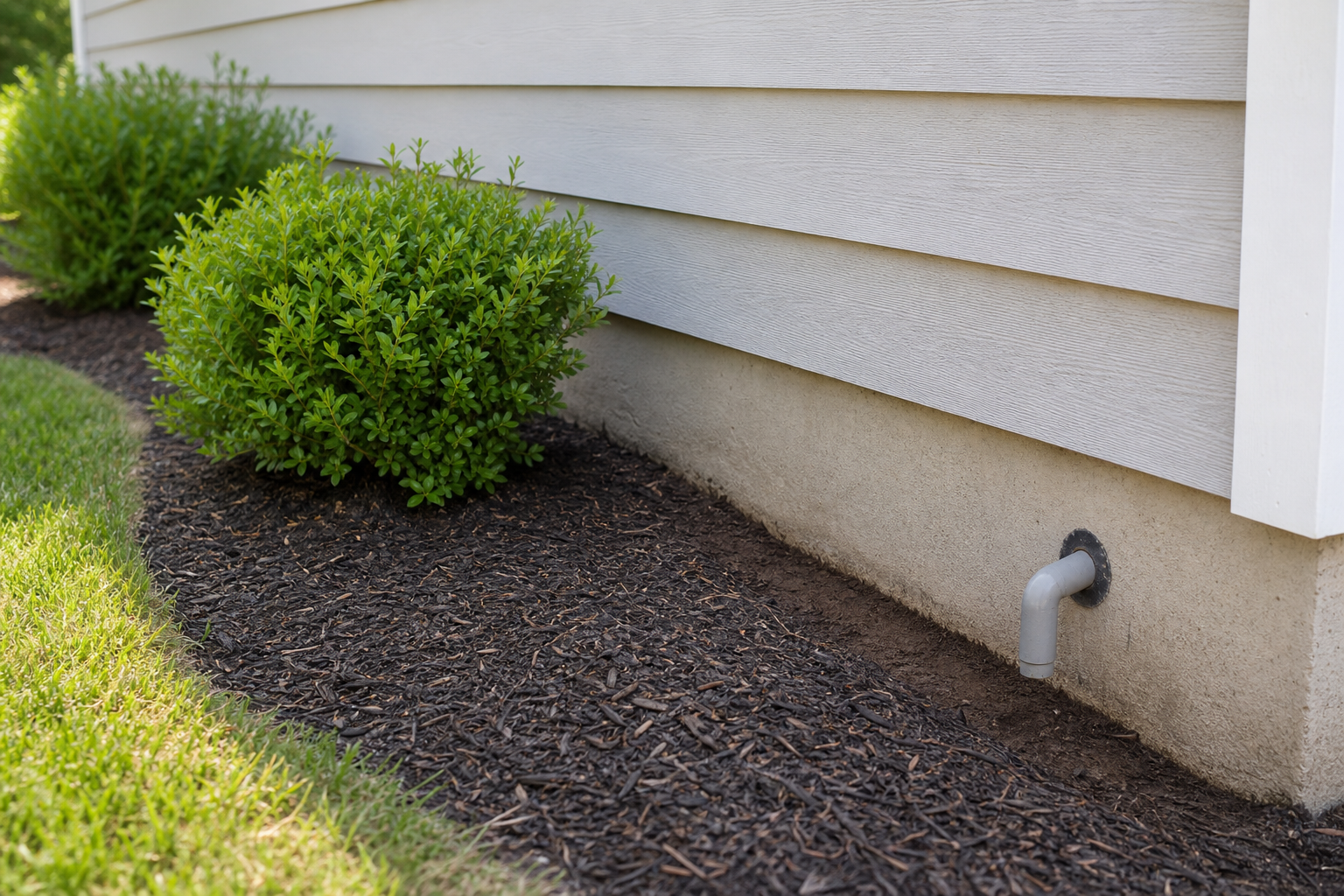
What should a professional eco-friendly pest control inspection document?
A thorough inspection should record pest signs and likely entry points. It should note conducive conditions found on the property. Ask for a written summary you can keep for later comparison. Good documentation supports informed decisions and tracks changes between visits.
Written records give homeowners a clear reference point. Ask if photos, notes, or a summary sheet come with each visit. Homeowners seeing similar pressure can also review kids and pets pest control safety before scheduling.
Documentation should note where activity or conditions were found. It should explain the situation rather than simply state that a pest was seen.
Keeping your own file of past notes helps you compare providers over time. Ask if the company gives copies as a standard part of service. This connects closely with requesting service from Paladin when you are comparing next steps.
What this means for your home
- Documentation should summarize findings, treated areas, product locations where applicable, and the recommended follow-up plan.
- Practical takeaway: A thorough inspection should record pest signs and likely entry points.
What should a homeowner ask when comparing an eco-friendly, inspection-led pest approach?
Ask how the provider identifies pests and documents findings. Ask what threshold sets off a treatment step. Ask how they communicate results. These questions show whether a company follows a real inspection-led process or applies the same package to every home.
Ready for a straight answer?
Call or message, we'll listen first and recommend only what fits your home.
Which findings can change the eco-friendly pest control service scope?
Findings like active entry points or repeated sightings can shift the scope. Moisture problems can also change the plan. Ask how the provider decides when to expand or narrow their approach. A flexible scope reflects real evidence-based practice, not a fixed package.
Scope should follow evidence, not a set checklist applied to every home. Ask what findings would lead to added exclusion work. Ask what would change a monitoring schedule. For a wider plan, pair this with pest-proofing your home so the whole property is covered.
A provider practicing integrated pest management adjusts based on findings. This might mean less product use in some areas. It could mean more prevention work in others.
Ask for examples of how past findings changed a plan. This helps you judge whether the company tailors work to real conditions. Homeowners seeing similar pressure can also review residential pest control before scheduling.
What this means for your home
- Practical takeaway: Findings like active entry points or repeated sightings can shift the scope.
- Targeted treatment focuses on cracks, voids, exterior edges, nesting areas, and travel paths instead of blanket-spraying open surfaces.
How does prevention fit into an eco-friendly pest control plan?
Prevention often comes first in an integrated approach, ahead of any product use. It focuses on entry-point sealing and exclusion work around the structure. It also targets conditions that tend to attract pests in the first place. Ask what prevention steps the provider recommends before anything else.
Entry-point sealing and exclusion address the root cause of many pest issues. Ask if the provider offers this as a standard part of their approach. This connects closely with Upstate SC service areas when you are comparing next steps.
Reducing moisture, clutter, and easy food access supports long-term results. These steps appear in EPA guidance as part of a broader prevention strategy.
Ask how prevention recommendations connect to what the inspection found. A provider should explain why specific exclusion work fits your property. For a wider plan, pair this with kids and pets pest control safety so the whole property is covered.
What this means for your home
- Practical takeaway: Prevention often comes first in an integrated approach, ahead of any product use.
Should the treatment scope stay targeted rather than broad?
A targeted scope focuses treatment only where evidence supports it, rather than across the whole yard. It avoids broad measures applied without a clear reason tied to findings. Ask the provider how they limit scope to specific problem areas. This approach reflects the core idea behind integrated pest management.
Targeted scope means treatment matches the activity found during inspection. Ask how the provider avoids unnecessary broad application across your yard or home. Homeowners seeing similar pressure can also review requesting service from Paladin before scheduling.
A narrow, evidence-based scope makes it easier to track results. Ask how they measure whether a specific step addressed the issue.
If a provider proposes the same broad plan for every home, that may not reflect a true inspection-led method. Ask direct questions about how your results shaped their plan. This connects closely with pest-proofing your home when you are comparing next steps.
What this means for your home
- Targeted treatment focuses on cracks, voids, exterior edges, nesting areas, and travel paths instead of blanket-spraying open surfaces.
- Practical takeaway: A targeted scope focuses treatment only where evidence supports it, rather than across the whole yard.
Can homeowners ask about product label information for eco-friendly pest control?
Homeowners can reasonably ask about product label information tied to any treatment. Labels contain use directions and safety information set by regulators. Reviewing this helps you understand what might be used. It also shows where it may apply on your property.
Product labels are a public source of information about intended use. The EPA notes that labels are a key resource for understanding pesticide products. For a wider plan, pair this with residential pest control so the whole property is covered.
Ask the provider to explain, in general terms, what product category might apply. This differs from asking for mixing or application steps.
Keeping label information on file, when provided, adds another layer to your pest records. It also supports clearer conversations with the provider. Homeowners seeing similar pressure can also review requesting service from Paladin before scheduling.
What this means for your home
- Practical takeaway: Homeowners can reasonably ask about product label information tied to any treatment.
Does ongoing monitoring matter for eco-friendly pest control results?
Ongoing monitoring helps confirm whether prevention steps are working over time. Ask what monitoring schedule the provider suggests for your property. Ask how findings get shared back to you after each visit. Monitoring turns a single visit into a longer term process.
Monitoring is a recurring theme in integrated pest management guidance. It allows adjustments based on what changes between visits. This connects closely with kids and pets pest control safety when you are comparing next steps.
Ask how monitoring visits are structured. Ask what specific signs the provider checks for each time. This clarifies what ongoing service actually includes.
Clear updates about monitoring results, including any scope changes, keep homeowners informed. Ask how those updates get shared after each visit. For a wider plan, pair this with residential pest control so the whole property is covered.
What this means for your home
- pest monitoring schedule
- Practical takeaway: Ongoing monitoring helps confirm whether prevention steps are working over time.
How should communication work with a professional eco-friendly pest control Boiling Springs SC provider?
Clear communication means the provider explains findings in plain language after each visit, from start to finish. Ask how updates are delivered and who to contact with questions. Good communication supports trust throughout an ongoing IPM relationship between you and the provider.
Ask whether updates come by phone, email, or a written summary. Consistency here matters more than the specific format chosen. Homeowners seeing similar pressure can also review pest-proofing your home before scheduling.
A provider following an inspection-led approach should explain why a recommendation changed. Ask for that reasoning whenever the scope shifts.
Before hiring, ask how to reach the office with follow-up questions between visits. Knowing this in advance makes the relationship smoother. This connects closely with kids and pets pest control safety when you are comparing next steps.
What this means for your home
- Practical takeaway: Clear communication means the provider explains findings in plain language after each visit, from start to finish.
- Follow-up visits confirm whether the pest control activity is dropping and whether any new entry points or pressure signs appeared.
Family-first by design
We ask who lives in the house before we pick a product
Babies, pregnancies, asthma, immune conditions, pet medical issues, garden beds, beehives, they all change the visit. Paladin treats harborage where pests live, not the surfaces kids and pets touch.
Every visit names what was used, where, and when the area is back to normal. If a different approach is the actual answer, we say so.
Why this post exists on the Paladin blog
This post was written by someone who actually does this work on Upstate homes, not by a contractor or a marketing team that has never seen the species in person. The Paladin blog exists to answer the questions we hear on real service calls, honestly, in plain English, without selling you a service you do not need. If a post helps you solve the problem on your own, that is a successful post for us. If you read it and decide you would rather have a trained technician on site, that is what the phone is for. Either path is fine.
A first Paladin visit is intended to document the activity, inspect relevant areas, and explain the proposed scope before work begins. Appointment timing and the exact inspection areas depend on the request and property access. Call (864) 816-7658 or use the contact form so the office can confirm the current options.
Paladin is based in Boiling Springs, SC and serves the approved Upstate locations listed on this site. Each recommendation should be tied to conditions documented at the property, including pest evidence, moisture, entry points, food, water, shelter, and access. The office confirms address availability without promising a route frequency or response window.
Keep exploring Paladin
Related Paladin services and guides for Upstate homeowners.
Frequently asked questions
Is there such a thing as eco-friendly pest control?
Yes, many providers describe eco-friendly pest control as an inspection-led approach. It stresses identification, prevention, and targeted scope over broad treatment. This generally follows principles in integrated pest management guidance from the EPA. The focus stays on evidence before action.
Can pest control be environmentally friendly?
Programs that put identification, exclusion, and monitoring first reflect an environmentally conscious framework. Ask any provider how their process lines up with integrated pest management principles. This helps you understand their approach, scope, and reasoning behind each step they recommend.
What questions help evaluate a pest control provider's IPM approach?
Ask how they identify pests and what they document during inspections. Ask what triggers a scope change. Also ask how prevention factors into their plan and how they share updates. These questions let you compare providers on process rather than marketing language.
Why does identification come before treatment in an IPM approach?
Correct identification makes sure any recommended step actually fits the pest present and its source. Skipping this step risks recommending steps that do not match the real problem. That runs counter to the evidence-based ideas found in EPA guidance on integrated pest management.
How can homeowners in Boiling Springs, SC prepare for an eco-friendly pest inspection?
Homeowners can note where they have seen pest activity and keep prior documentation on hand. It also helps to list areas of concern, like moisture or clutter. Sharing these notes helps the provider focus the inspection and supports a clearer conversation about next steps.
Ready to shield your family?
One call to Paladin and we’ll meet you where you are, from a quick walk-through to a long-term protection plan.