Upstate South Carolina · Pest control for homes with kids and pets
Earwig Control in Boiling Springs, SC: Choosing Between Exterior and Interior Scope
Earwig Control in Boiling Springs, SC usually starts outdoors. Earwigs live in mulch, moisture, and small gaps near the home. If sightings move indoors after rain or heat, the scope should grow. Add interior perimeter checks and…
- Low-disruption applications focused on cracks, voids, and entry points
- Reachable techs, text us, call us, we answer
- Quarterly programs or one-time visits, your call
Quick Answer
Earwig Control in Boiling Springs, SC usually starts outdoors. Earwigs live in mulch, moisture, and small gaps near the home. If sightings move indoors after rain or heat, the scope should grow. Add interior perimeter checks and sealing instead of staying exterior only.
For the next step, compare Paladin pest control services, read about Upstate SC service areas, or check where Paladin works across Upstate SC.
Key Takeaways
- Exterior scope targets mulch, moisture, and foundation entry points first.
- Interior scope matters more when sightings follow rain or heat.
- Weather patterns often explain sudden earwig activity indoors.
- Entry-point sealing links exterior and interior control decisions.
- Documenting sighting locations helps define the right service scope.
- Moisture near foundations is a common factor in recurring activity.
- A multi-point inspection can clarify which scope fits your home.
How should recurring earwig sightings shape an exterior versus interior service scope?
Recurring outdoor sightings near mulch or foundations usually call for exterior-focused work. Repeated indoor sightings after rain or heat suggest the scope needs more. Interior perimeter attention and entry-point sealing should join outdoor treatment. This combined approach targets both the source and the pathway indoors.
Earwigs are drawn to damp, shaded spots. Mulch beds, leaf litter, and stacked yard materials all attract them. When sightings stay outside near these features, exterior-focused work often fits. This connects closely with residential pest control when you are comparing next steps.
If earwigs start appearing inside on windowsills, in bathrooms, or in basements, that shift matters. It often means outdoor pressure is high. Insects are finding gaps and moving indoors.
A scope that only treats the exterior may miss indoor sightings. This happens when entry points stay open. Pairing exterior work with sealing tends to address both the source and the pathway. For a wider plan, pair this with Upstate SC service areas so the whole property is covered.
Tracking where and when earwigs appear over a week or two helps. That pattern shows whether exterior-only work fits. It also shows whether interior attention should be added.
What this means for your home
- Boiling Springs service is adjusted to the home style, season, and pressure pattern instead of using the same checklist everywhere.
- Practical takeaway: Recurring outdoor sightings near mulch or foundations usually call for exterior-focused work.
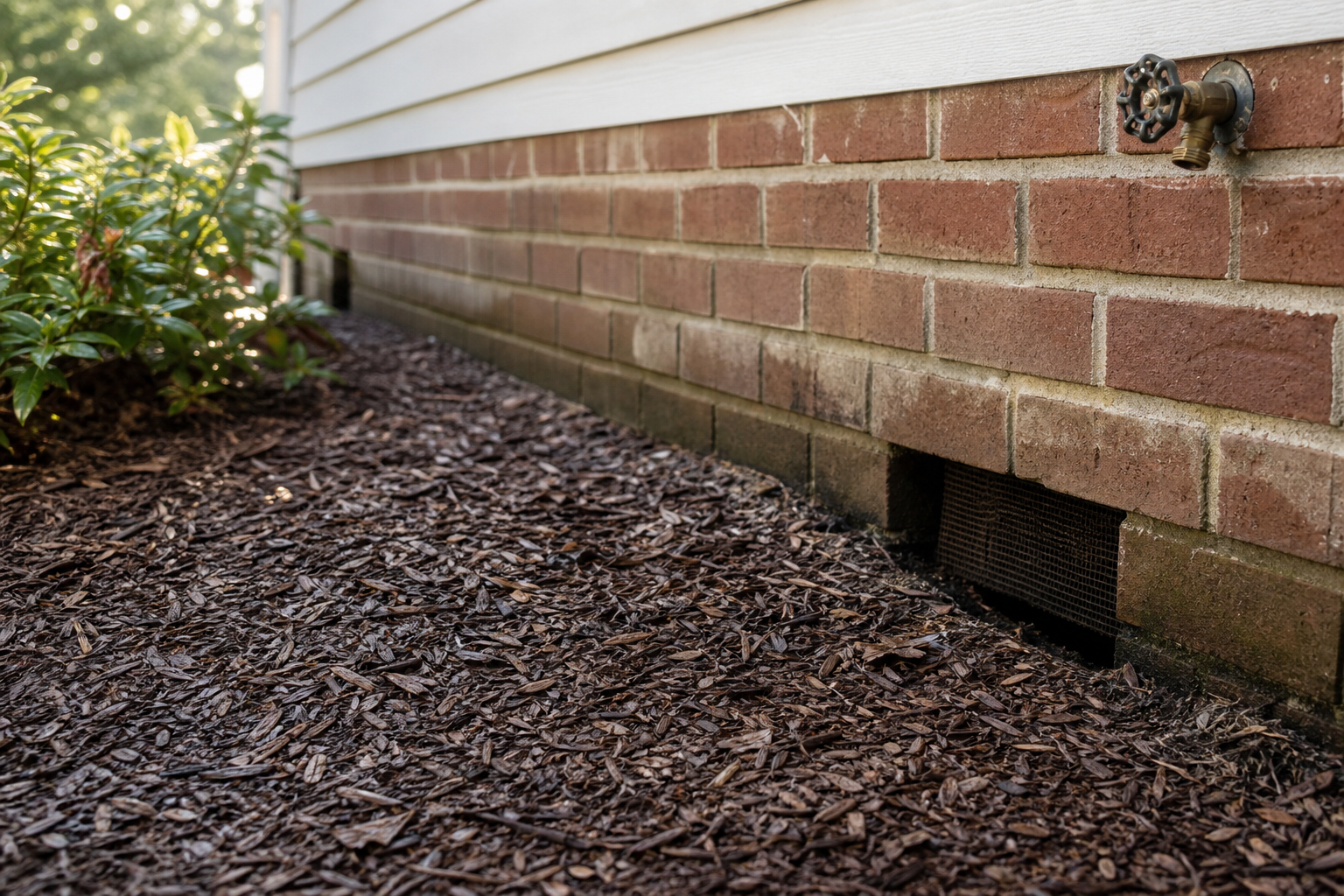
Which entry points deserve attention before choosing a service scope?
Gaps around foundation vents, utility penetrations, door thresholds, and window frames are common earwig entry points. Checking these areas first helps guide the right scope. It shows whether sealing should join exterior or interior treatment, or whether outdoor work alone will likely hold.
Earwigs have flat bodies. They can slip through narrow gaps most homeowners overlook. Small openings around pipes, cable lines, and vents are frequent access points. Homeowners seeing similar pressure can also review kids and pets pest control safety before scheduling.
Door sweeps and window seals wear down over time. Upstate South Carolina's humid climate speeds this wear. Gaps here can let earwigs move from mulch beds straight into a home.
Walking the foundation perimeter helps. Note visible gaps as you go. This gives a documented starting point without touching pests or applying anything. This connects closely with requesting service from Paladin when you are comparing next steps.
When entry points are numerous, exclusion work becomes a bigger part of the scope. When they are minimal, exterior treatment alone may be enough to manage sightings.
What this means for your home
- Practical takeaway: Gaps around foundation vents, utility penetrations, door thresholds, and window frames are common earwig entry points.
Do earwigs usually stay outside or move indoors in Boiling Springs, SC?
Earwigs generally prefer outdoor, moist, shaded areas like mulch beds. They move indoors mainly when outdoor conditions push them toward entry gaps. This often happens during heavy rain or heat. That is why tracking sighting location matters so much for scope decisions.
Ready for a straight answer?
Call or message, we'll listen first and recommend only what fits your home.
Why does mulch placement affect earwig control decisions?
Mulch holds moisture and shade, and earwigs favor both for daytime shelter. Thick mulch beds placed against a foundation can increase nearby earwig activity. This makes mulch depth and placement a real factor when planning exterior treatment scope, and not simply a landscaping preference.
Earwigs are nocturnal. They spend daylight hours hiding in cool, moist debris. Mulch beds offer exactly that kind of shelter close to exterior walls. For a wider plan, pair this with pest-proofing your home so the whole property is covered.
When mulch sits piled directly against siding or brick, it can bridge shelter and entry points. This proximity is worth noting during any exterior inspection.
Homeowners do not need to remove mulch entirely. Documenting depth and placement near the foundation still helps plan scope. Photos of mulch against walls are a simple way to record this. Homeowners seeing similar pressure can also review residential pest control before scheduling.
This detail also helps separate a general exterior job from one needing closer attention. Some homes need extra focus on features near the structure itself.
What this means for your home
- Practical takeaway: Mulch holds moisture and shade, and earwigs favor both for daytime shelter.
How does moisture around the home influence the right scope?
Standing water, leaky hose bibs, and poor drainage near a foundation create favorable earwig conditions. Noting these moisture sources helps determine the right scope. Exterior treatment alone may hold in dry conditions. Ongoing moisture issues often call for a broader review that includes drainage awareness.
Earwigs need moisture to survive. They are more active in damp conditions. Gutters that overflow or downspouts that empty near the foundation can sustain that moisture. This connects closely with Upstate SC service areas when you are comparing next steps.
A hose bib that drips steadily is worth noting. So is a low spot in the yard that holds water after rain. These details are simple to observe and record.
If moisture sources go unaddressed, exterior work may need repeating more often. Recognizing this connection helps set realistic expectations for the scope. For a wider plan, pair this with kids and pets pest control safety so the whole property is covered.
Sharing moisture observations with whoever inspects the property helps them plan. Moisture control is a separate maintenance task. Still, it shapes how outcomes vary for pest treatment.
What this means for your home
- Practical takeaway: Standing water, leaky hose bibs, and poor drainage near a foundation create favorable earwig conditions.
Does seasonal weather in Boiling Springs change earwig activity patterns?
Warm, humid stretches followed by heavy rain tend to increase earwig activity outdoors. This weather can also push more insects toward building exteriors. Recognizing these seasonal patterns helps homeowners anticipate when exterior scope may need closer attention, especially right after storms or extended heat.
Upstate South Carolina has humid summers and periodic heavy rain. Earwigs generally favor these conditions. Activity often rises compared to drier, cooler months. Homeowners seeing similar pressure can also review requesting service from Paladin before scheduling.
After a heavy rain event, check mulch beds and foundation areas. Look for increased earwig presence as a useful data point. This kind of observation needs no pest handling.
Extreme heat can push earwigs to seek cooler, shaded spots. Sometimes that means closer to exterior walls. Sometimes it means through small gaps into the home itself. This connects closely with pest-proofing your home when you are comparing next steps.
Noting the timing of sightings next to weather events helps. It distinguishes a temporary seasonal bump from a more persistent entry-point issue needing sealing.
What this means for your home
- Practical takeaway: Warm, humid stretches followed by heavy rain tend to increase earwig activity outdoors.
What should a professional earwig control inspection document?
A thorough inspection should document sighting locations, moisture sources, mulch placement, and visible entry gaps. It should also note any indoor versus outdoor pattern over time. This documentation gives a clear basis for recommending exterior only, interior only, or a combined scope for the home.
A multi-point inspection typically covers the foundation perimeter, entry points, moisture-prone areas, and any rooms with sightings. Recording all of this creates a complete picture. For a wider plan, pair this with residential pest control so the whole property is covered.
Photos of mulch depth, gaps around vents, and damp areas give useful reference points. These records help track whether conditions change after service.
Indoor sighting locations, like specific rooms or fixtures, should be noted apart from outdoor ones. This separation helps clarify whether the issue is mostly an outdoor population or an indoor entry problem. Homeowners seeing similar pressure can also review requesting service from Paladin before scheduling.
Sharing this documentation with Paladin Pest Solutions before a visit can help. It focuses the inspection and supports a more accurate scope recommendation.
What this means for your home
- Documentation should summarize findings, treated areas, product locations where applicable, and the recommended follow-up plan.
- Practical takeaway: A thorough inspection should document sighting locations, moisture sources, mulch placement, and visible entry gaps.
Which findings can change the earwig control service scope?
Findings like widespread entry gaps, heavy mulch against the foundation, or chronic moisture can shift a scope. Frequent indoor sightings do the same. Each of these can move a plan from exterior only toward a combined exterior and interior approach that adds exclusion work to the mix.
If an inspection finds several unsealed entry points, exclusion work becomes central to the scope. It stops being an optional add-on. This connects closely with kids and pets pest control safety when you are comparing next steps.
Chronic moisture issues, like a consistently damp crawl space, matter too. A persistent drainage problem may mean exterior treatment alone needs more frequent follow-up.
Frequent indoor sightings across multiple rooms point somewhere specific. Rather than an isolated incident, they generally suggest a combined scope treating both populations and pathways. For a wider plan, pair this with residential pest control so the whole property is covered.
These findings are not a diagnosis of the property. They do give homeowner and inspector shared information to decide on a reasonable scope together.
What this means for your home
- Practical takeaway: Findings like widespread entry gaps, heavy mulch against the foundation, or chronic moisture can shift a scope.
- Boiling Springs service is adjusted to the home style, season, and pressure pattern instead of using the same checklist everywhere.
Should Boiling Springs homeowners request an exterior-only scope or a combined plan?
An exterior-only scope fits homes with sightings limited to outdoor areas and few entry gaps. A combined plan fits homes with indoor sightings, multiple entry points, or persistent moisture. It addresses both the outdoor source and indoor pathways together, giving a fuller answer to recurring activity.
Choosing between these two options starts with earlier documentation. Sighting locations, moisture notes, mulch placement, and entry-point observations all matter here. Homeowners seeing similar pressure can also review pest-proofing your home before scheduling.
Homes with a single mulch bed issue and no indoor sightings may do fine with a focused exterior scope. This keeps service targeted to the pattern actually observed.
Homes with recurring indoor sightings, especially in different rooms or after weather events, usually benefit from more. A combined plan that adds sealing alongside exterior treatment tends to fit better. This connects closely with kids and pets pest control safety when you are comparing next steps.
Discussing these observations with Paladin Pest Solutions helps match the scope to the real pattern. This beats defaulting to one option without reviewing the specifics.
What this means for your home
- Practical takeaway: An exterior-only scope fits homes with sightings limited to outdoor areas and few entry gaps.
- Boiling Springs service is adjusted to the home style, season, and pressure pattern instead of using the same checklist everywhere.
Family-first by design
We ask who lives in the house before we pick a product
Babies, pregnancies, asthma, immune conditions, pet medical issues, garden beds, beehives, they all change the visit. Paladin treats harborage where pests live, not the surfaces kids and pets touch.
Every visit names what was used, where, and when the area is back to normal. If a different approach is the actual answer, we say so.
Why this post exists on the Paladin blog
This post was written by someone who actually does this work on Upstate homes, not by a contractor or a marketing team that has never seen the species in person. The Paladin blog exists to answer the questions we hear on real service calls, honestly, in plain English, without selling you a service you do not need. If a post helps you solve the problem on your own, that is a successful post for us. If you read it and decide you would rather have a trained technician on site, that is what the phone is for. Either path is fine.
A first Paladin visit is intended to document the activity, inspect relevant areas, and explain the proposed scope before work begins. Appointment timing and the exact inspection areas depend on the request and property access. Call (864) 816-7658 or use the contact form so the office can confirm the current options.
Paladin is based in Boiling Springs, SC and serves the approved Upstate locations listed on this site. Each recommendation should be tied to conditions documented at the property, including pest evidence, moisture, entry points, food, water, shelter, and access. The office confirms address availability without promising a route frequency or response window.
Keep exploring Paladin
Related Paladin services and guides for Upstate homeowners.
Frequently asked questions
What is the difference between exterior and interior earwig control scope?
Exterior scope focuses on treating mulch beds, foundation perimeters, and outdoor moisture sources where earwigs shelter. Interior scope adds attention to entry points, indoor sighting areas, and sealing work. The right choice depends on where sightings occur. It also depends on how often they happen indoors versus outdoors.
How can I tell if my earwig problem needs a combined service scope?
If sightings stay limited to outdoor areas near mulch or foundations, exterior-only service may be enough. If earwigs appear indoors repeatedly, especially in different rooms or after rain, a combined scope fits better. That scope adds sealing and interior attention to the plan.
Does mulch always need to be removed for earwig control to work?
Not always. Mulch placement and depth near the foundation are factors worth documenting, but removal is not always required. An inspector can review mulch conditions alongside other findings, such as moisture and entry gaps, to help shape a reasonable exterior scope for the property.
Why does moisture matter so much in earwig control decisions?
Earwigs rely on moisture to survive, so damp areas near a foundation tend to sustain activity. Leaky hose bibs and poor drainage are common examples. Addressing these moisture sources alongside treatment can support more lasting results. This applies to either an exterior or a combined scope over time.
What should I record before contacting Paladin Pest Solutions about earwig sightings?
Note where and when you see earwigs, whether indoors or outdoors, and any recent rain or heat. Also record visible entry gaps, mulch placement near the foundation, and any moisture issues you notice. This information helps define the most relevant service scope for your situation.
Can weather patterns explain a sudden increase in earwig sightings?
Yes, warm and humid stretches followed by heavy rain often increase earwig activity outdoors in Upstate South Carolina. Extreme heat can also push earwigs toward cooler, shaded areas near or inside a home. Tracking these patterns gives useful context for any scope discussion with an inspector.
Ready to shield your family?
One call to Paladin and we’ll meet you where you are, from a quick walk-through to a long-term protection plan.