Upstate South Carolina · Identify first, treat the right spot
Drain Fly Control in Boiling Springs, SC: What a Source Inspection Should Cover
Drain fly control in Boiling Springs, SC starts with a source inspection that checks drain use patterns, moisture sources, plumbing access points, and nearby activity zones. This approach helps identify where organic buildup or…
- Treatments built around how your family actually uses the home
- Local dispatch from Spartanburg across the Upstate
- If a visit isn't needed, we'll say so on the phone
Quick Answer
Drain fly control in Boiling Springs, SC starts with a source inspection that checks drain use patterns, moisture sources, plumbing access points, and nearby activity zones. This approach helps identify where organic buildup or standing water may be supporting fly activity, so any service plan targets the right areas instead of guessing.
For the next step, compare Paladin pest control services, read about Upstate SC service areas, or check where Paladin works across Upstate SC.
Key Takeaways
- Drain fly control starts with checking drain use and moisture patterns.
- A source inspection should map plumbing access points around the home.
- Activity zones near drains often reveal where flies are gathering.
- Documentation helps compare inspection scope between service providers.
- Integrated pest management principles guide a thoughtful inspection process.
- Homeowners can prepare useful notes before requesting an inspection.
- Ask what a provider's inspection will and will not cover.
What should be inspected when small flies keep appearing around drains?
A useful inspection reviews which drains are used often, which sit unused, and where moisture collects nearby. It also checks plumbing access points like cleanouts and traps, along with nearby activity zones such as laundry areas or basements where organic residue can build up over time.
Drain flies are often linked to slow-moving organic material inside pipes. An inspection should note which drains show visible film or residue around the opening. This connects closely with residential pest control when you are comparing next steps.
Unused drains, like those in guest bathrooms or utility sinks, can dry out and lose their water seal. This creates an entry path worth documenting during a walkthrough.
Moisture near baseboards, under sinks, or around washing machine connections deserves attention too. Any dampness recorded during the visit gives a clearer picture of drain-related conditions. For a wider plan, pair this with Upstate SC service areas so the whole property is covered.
What this means for your home
- Boiling Springs service is adjusted to the home style, season, and pressure pattern instead of using the same checklist everywhere.
- Practical takeaway: A useful inspection reviews which drains are used often, which sit unused, and where moisture collects nearby.
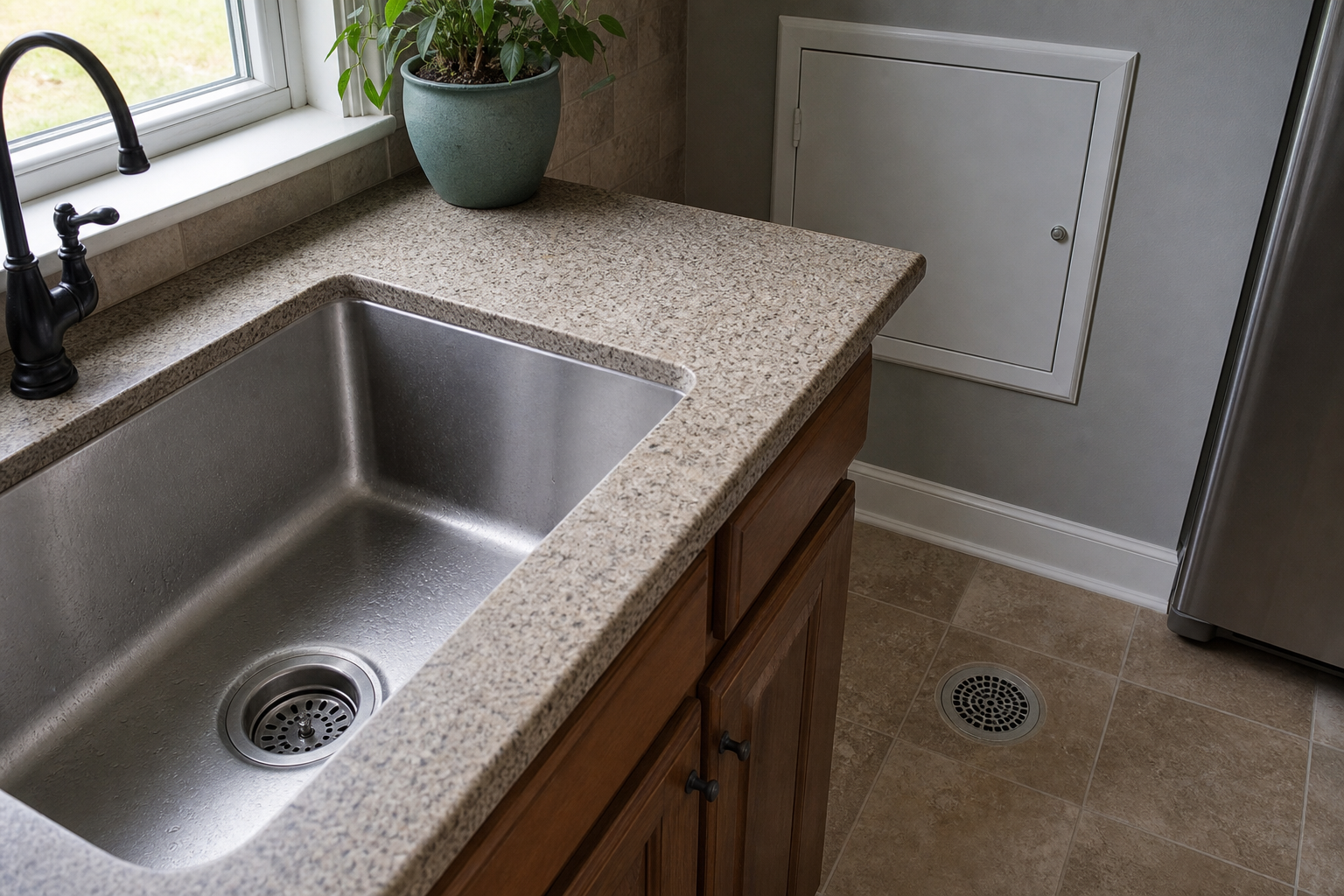
How does drain use frequency affect an inspection?
Drains used daily tend to stay flushed and less likely to build residue, while rarely used drains can dry out or collect debris. A thorough inspection should record use frequency for each drain checked, since this pattern often points toward likely activity sources.
A kitchen sink used multiple times a day behaves very differently from a basement floor drain that only sees water during storms. Noting this difference matters. Homeowners seeing similar pressure can also review kids and pets pest control safety before scheduling.
Seasonal fixtures, like a laundry room used only on weekends, may also show more buildup between uses. This is worth writing down during a walkthrough.
Homeowners can help by mentioning which drains they rarely use. This small detail often speeds up an inspector's understanding of the property. This connects closely with requesting service from Paladin when you are comparing next steps.
What this means for your home
- Practical takeaway: Drains used daily tend to stay flushed and less likely to build residue, while rarely used drains can dry out or collect debris.
- Boiling Springs service is adjusted to the home style, season, and pressure pattern instead of using the same checklist everywhere.
Do all drains in a home need to be checked during an inspection?
Most inspections focus on drains showing signs of activity or moisture, along with any rarely used fixtures nearby. A broader check across the home can still help confirm whether the issue is isolated or more widespread.
Prefer to skip the guessing?
We'll identify the pest, point out conditions, and quote what's actually needed.
Why does moisture matter during a drain fly inspection?
Moisture supports the organic film that drain flies are commonly associated with, so an inspection should flag any damp areas near drains, pipes, or fixtures. Recording the moisture location, extent, and how long it has likely persisted gives useful context for shaping the overall inspection findings and next steps.
Condensation on pipes, small leaks under a sink, or water pooling near a floor drain are all worth photographing. These details build a clearer record. For a wider plan, pair this with pest-proofing your home so the whole property is covered.
Basements and crawl spaces often hold moisture longer than upper floors. An inspection should note humidity levels or visible dampness in these areas.
Even minor moisture, like a slow drip behind a washing machine, can matter over time. Small issues are easier to document early. Homeowners seeing similar pressure can also review residential pest control before scheduling.
What this means for your home
- Practical takeaway: Moisture supports the organic film that drain flies are commonly associated with, so an inspection should flag any damp areas near drains, pipes, or fixtures.
- Boiling Springs service is adjusted to the home style, season, and pressure pattern instead of using the same checklist everywhere.
Which plumbing access points should an inspection include?
An inspection should cover visible plumbing access points such as cleanouts, P-traps, floor drains, and any exposed pipe joints. These points can reveal organic buildup or gaps that homeowners rarely check without a focused walkthrough, so noting each one helps build a more complete overall picture.
Cleanout caps are sometimes overlooked because they sit in closets or utility rooms. Checking these spots adds useful detail to an inspection record. This connects closely with Upstate SC service areas when you are comparing next steps.
P-traps under sinks can dry out or develop residue, especially in low-use areas. Noting the condition of each trap helps build a complete picture.
Exposed pipe joints in a basement or crawl space are worth a visual check as well. Any gaps or residue found here should be written down clearly. For a wider plan, pair this with kids and pets pest control safety so the whole property is covered.
What this means for your home
- Practical takeaway: An inspection should cover visible plumbing access points such as cleanouts, P-traps, floor drains, and any exposed pipe joints.
- P-trap check drains
Should activity zones near drains be part of the inspection?
Yes, activity zones like laundry rooms, basements, and utility closets often sit close to drains and can show early signs of fly activity. Including these areas in an inspection helps connect drain conditions to where flies are actually being seen around the home.
A laundry room with a floor drain nearby is a common activity zone worth checking closely. Lint and moisture together can create favorable conditions. Homeowners seeing similar pressure can also review requesting service from Paladin before scheduling.
Basements often combine several factors at once, including humidity, low light, and infrequent drain use. This makes them a natural stop during an inspection.
Utility closets with water heaters or sump pumps sometimes have small drains that get overlooked. These spots deserve a quick check too. This connects closely with pest-proofing your home when you are comparing next steps.
What this means for your home
- Practical takeaway: Yes, activity zones like laundry rooms, basements, and utility closets often sit close to drains and can show early signs of fly activity.
- Boiling Springs service is adjusted to the home style, season, and pressure pattern instead of using the same checklist everywhere.
What should a professional drain fly control inspection document?
A professional inspection should document each drain checked, moisture observations, plumbing access point conditions, and any activity zones reviewed. Photos and written notes, organized by area, give homeowners a clear record to reference and compare against findings from any future follow-up visits.
Written notes should include the location of each drain and whether residue or moisture was present. This creates a useful baseline record. For a wider plan, pair this with residential pest control so the whole property is covered.
Photos of specific problem spots, like a damp pipe joint or a dry drain trap, add clarity to the report. Visual records are easy to revisit later.
A summary of which areas need follow up, without making broader property claims, keeps the documentation focused and useful. Homeowners seeing similar pressure can also review requesting service from Paladin before scheduling.
What this means for your home
- Documentation should summarize findings, treated areas, product locations where applicable, and the recommended follow-up plan.
- Boiling Springs service is adjusted to the home style, season, and pressure pattern instead of using the same checklist everywhere.
- Service notes should tell you what was found, what was treated, and what to watch for before the next visit.
Which findings can change the drain fly control service scope?
Findings like multiple affected drains, ongoing moisture issues, or several activity zones showing signs of flies can widen the scope of a service plan. A narrower finding, such as one dry unused drain with no other signs, may only need a smaller, more targeted approach instead.
If moisture is found in more than one area, a provider may recommend checking additional plumbing sections. This keeps the scope aligned with actual findings. This connects closely with kids and pets pest control safety when you are comparing next steps.
Multiple drains showing residue can suggest a broader review of the home's plumbing habits. This is different from a single isolated drain issue.
Homeowners should ask how findings will shape the proposed scope before agreeing to any service. Clear communication here avoids confusion later. For a wider plan, pair this with residential pest control so the whole property is covered.
What this means for your home
- Practical takeaway: Findings like multiple affected drains, ongoing moisture issues, or several activity zones showing signs of flies can widen the scope of a service plan.
- Boiling Springs service is adjusted to the home style, season, and pressure pattern instead of using the same checklist everywhere.
Can homeowners prepare before a drain fly inspection?
Yes, homeowners can note which drains they rarely use, where moisture has been noticed, and when small flies are most often seen. Sharing these observations ahead of time helps an inspector focus quickly on the most relevant areas of the home.
Simple notes, like which bathroom sink is used least, can save time during the visit. Small details often point toward useful starting points. Homeowners seeing similar pressure can also review pest-proofing your home before scheduling.
Taking a photo of any moisture or residue noticed beforehand can also help. This gives the inspector a reference point before they even arrive.
Homeowners do not need to draw conclusions themselves. Sharing observations and letting the inspection process do the rest keeps things straightforward. This connects closely with kids and pets pest control safety when you are comparing next steps.
What this means for your home
- The plan is adjusted for the home type and pest pressure instead of forcing a generic pest control checklist.
- Service notes should tell you what was found, what was treated, and what to watch for before the next visit.
- Boiling Springs service is adjusted to the home style, season, and pressure pattern instead of using the same checklist everywhere.
Family-first by design
We ask who lives in the house before we pick a product
Babies, pregnancies, asthma, immune conditions, pet medical issues, garden beds, beehives, they all change the visit. Paladin treats harborage where pests live, not the surfaces kids and pets touch.
Every visit names what was used, where, and when the area is back to normal. If a different approach is the actual answer, we say so.
Why this post exists on the Paladin blog
This post was written by someone who actually does this work on Upstate homes, not by a contractor or a marketing team that has never seen the species in person. The Paladin blog exists to answer the questions we hear on real service calls, honestly, in plain English, without selling you a service you do not need. If a post helps you solve the problem on your own, that is a successful post for us. If you read it and decide you would rather have a trained technician on site, that is what the phone is for. Either path is fine.
A first Paladin visit is intended to document the activity, inspect relevant areas, and explain the proposed scope before work begins. Appointment timing and the exact inspection areas depend on the request and property access. Call (864) 816-7658 or use the contact form so the office can confirm the current options.
Paladin is based in Boiling Springs, SC and serves the approved Upstate locations listed on this site. Each recommendation should be tied to conditions documented at the property, including pest evidence, moisture, entry points, food, water, shelter, and access. The office confirms address availability without promising a route frequency or response window.
Keep exploring Paladin
Related Paladin services and guides for Upstate homeowners.
Frequently asked questions
What is the first step in drain fly control in Boiling Springs, SC?
The first step is usually a source inspection that reviews drain use, moisture levels, and nearby plumbing access points around the home. This process helps identify likely contributing conditions before any service plan or scope is discussed with the homeowner in detail.
How long does a typical drain inspection take?
Inspection length can vary quite a bit depending on the number of drains, the layout of the home, and how many areas need a closer look. A provider can give a better estimate once they understand which spaces need review during the initial conversation.
Can a homeowner do their own drain inspection first?
Homeowners can note obvious signs like moisture, residue, or unused drains before contacting a provider, which is a helpful starting point. This groundwork does not replace a professional review but can make the overall process more efficient for everyone involved.
What happens if the inspection finds multiple problem areas?
If several drains or activity zones show signs of concern, the proposed service scope may expand to address each area found. Providers should explain their reasoning clearly so homeowners understand why the scope changed from their initial expectations going in.
Does every home need the same type of drain fly inspection?
No, homes vary quite a bit based on plumbing layout, drain use habits, and moisture conditions found on site. An inspection should be tailored to the specific property rather than following a generic checklist without any adjustment, since layouts and habits differ from house to house.
Who can homeowners contact to schedule a drain fly inspection?
Homeowners in Boiling Springs, SC can reach out to Paladin Pest Solutions to discuss drain fly concerns and available inspection options. Contacting the office directly by phone or email is the best way to confirm what a visit would actually include.
Ready to shield your family?
One call to Paladin and we’ll meet you where you are, from a quick walk-through to a long-term protection plan.