Upstate South Carolina · Local pest crew, plain-English answers
Condo Pest Control in Boiling Springs, SC: Separating Unit and Shared-Area Questions
Before booking condo pest control in Boiling Springs, SC, settle a few things first. Confirm who owns the problem area. Check if shared walls or common spaces are involved. Find out who can grant access. Confirm your association…
- We identify the species first, then treat the actual harborage
- Same Upstate technicians on your route, visit after visit
- Clear notes after every visit, what we did and why
Quick Answer
Before booking condo pest control in Boiling Springs, SC, settle a few things first. Confirm who owns the problem area. Check if shared walls or common spaces are involved. Find out who can grant access. Confirm your association contact and gather clear notes. This prep helps an inspector define scope from the first visit.
For the next step, compare Paladin pest control services, read about Upstate SC service areas, or check where Paladin works across Upstate SC.
Key Takeaways
- Confirm unit boundaries before scheduling any condo inspection.
- Shared walls often need coordination beyond one owner.
- Identify association contacts before service begins.
- Access rules affect what an inspector can check.
- Written notes help define accurate service scope.
- Common areas may need separate HOA authorization.
- IPM principles support realistic, evidence-based scope decisions.
Which unit and shared-area questions should be resolved before condo pest service?
Before scheduling condo pest control in Boiling Springs, SC, confirm unit boundaries first. Identify shared walls and locate your association contact. Clarify access rules and write down what you observed. These five steps help an inspector set a realistic scope. They also prevent confusion over unit versus shared responsibility.
Condos differ from single-family homes in one key way. Ownership lines are not always obvious. A wall, attic space, or utility chase might belong to the association, not you. This connects closely with residential pest control when you are comparing next steps.
Knowing this ahead of time saves confusion later. It also speeds up scheduling. You will know who to call first.
Shared structures like plumbing chases can carry pest activity between units. If activity stays in one unit, the scope may stay narrow. If it crosses a shared wall, more coordination is likely needed. For a wider plan, pair this with Upstate SC service areas so the whole property is covered.
Access rules matter too. Some communities require notice before entering common areas. Locked mechanical rooms may need a manager present. Sorting this out first keeps the visit efficient.
What this means for your home
- Boiling Springs service is adjusted to the home style, season, and pressure pattern instead of using the same checklist everywhere.
- Practical takeaway: Before scheduling condo pest control in Boiling Springs, SC, confirm unit boundaries first.
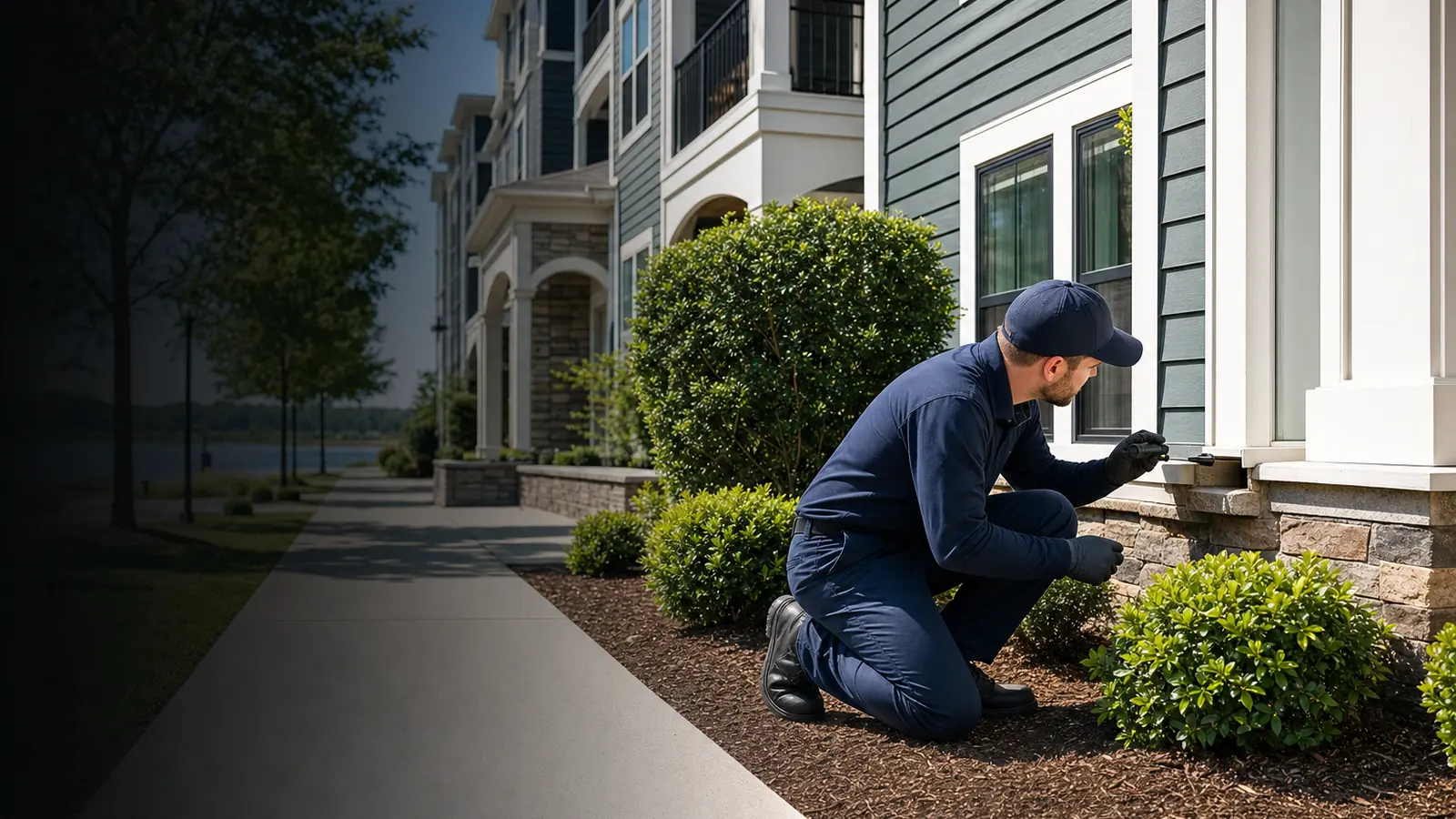
How do shared walls change the condo pest control conversation?
Shared walls can let pests move between adjoining units. A single-unit plan may not fix activity that starts next door. Figuring out if a shared wall, floor, or ceiling is involved matters. It helps decide if neighbors or the association need to join the discussion.
A condo wall is rarely just drywall and studs. It often holds wiring, plumbing, and insulation that connect to the next unit. Small gaps around these features can let pests move through. Homeowners seeing similar pressure can also review kids and pets pest control safety before scheduling.
If activity shows up along a shared wall, it makes sense to ask a simple question. Has your neighbor noticed anything similar? This is just information gathering, not a conclusion.
Ceiling and floor assemblies between stacked units raise the same issue. Sound transfer or visible signs near these spots can mean the problem is not confined to one unit. This connects closely with requesting service from Paladin when you are comparing next steps.
Bringing this information to an inspection helps a technician look at a wider area if needed. It also sets clear expectations about who else might join the conversation.
What this means for your home
- Practical takeaway: Shared walls can let pests move between adjoining units.
Do I need association approval before scheduling condo pest control in Boiling Springs, SC?
It depends on whether shared areas are involved. If the issue stays inside your unit, you may not need approval. Shared walls or common spaces usually need the association's involvement first.
Not sure what you're dealing with?
Tell us the activity you've noticed and we'll point you the right direction.
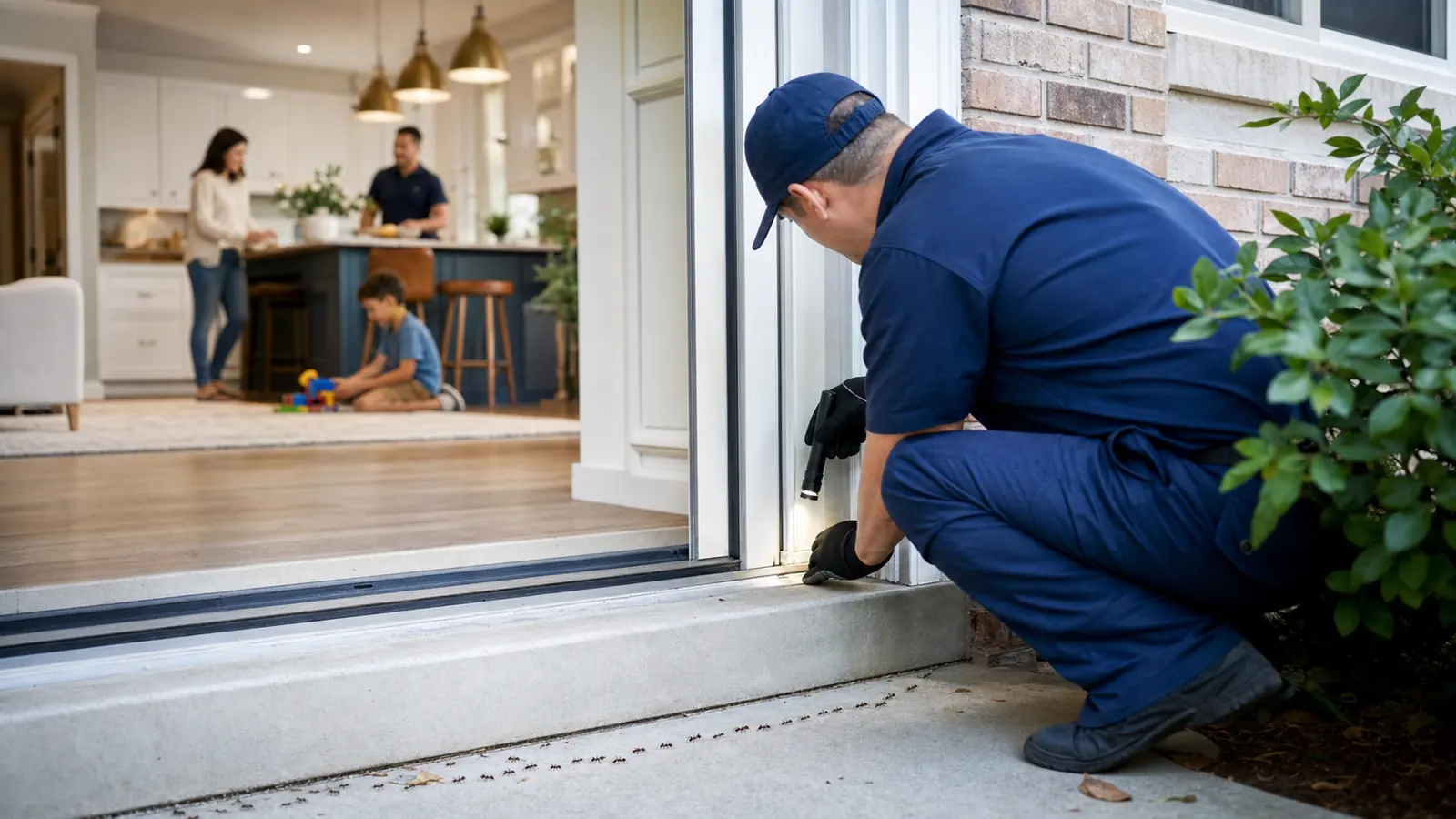
Why does the association contact matter for scheduling service?
The homeowners association or property manager often controls access to common areas. This includes mechanical rooms and exterior grounds. Finding this contact before scheduling condo pest control in Boiling Springs, SC avoids delays. It also makes sure shared spaces can be included in the inspection if needed.
Many condo communities set rules about who can approve work in shared areas. A single owner usually cannot authorize access to a hallway or shared exterior wall alone. For a wider plan, pair this with pest-proofing your home so the whole property is covered.
Getting the manager's contact ready ahead of time keeps things moving. This matters most if the inspection shows shared spaces should be reviewed too.
Some associations also keep records of past pest reports from other units. This history, if shared, can add helpful context without any assumptions about your issue. Homeowners seeing similar pressure can also review residential pest control before scheduling.
Knowing how the association prefers to communicate helps too. Whether it is email or a resident portal, this cuts down on back-and-forth once a date is set.
What this means for your home
- Practical takeaway: The homeowners association or property manager often controls access to common areas.
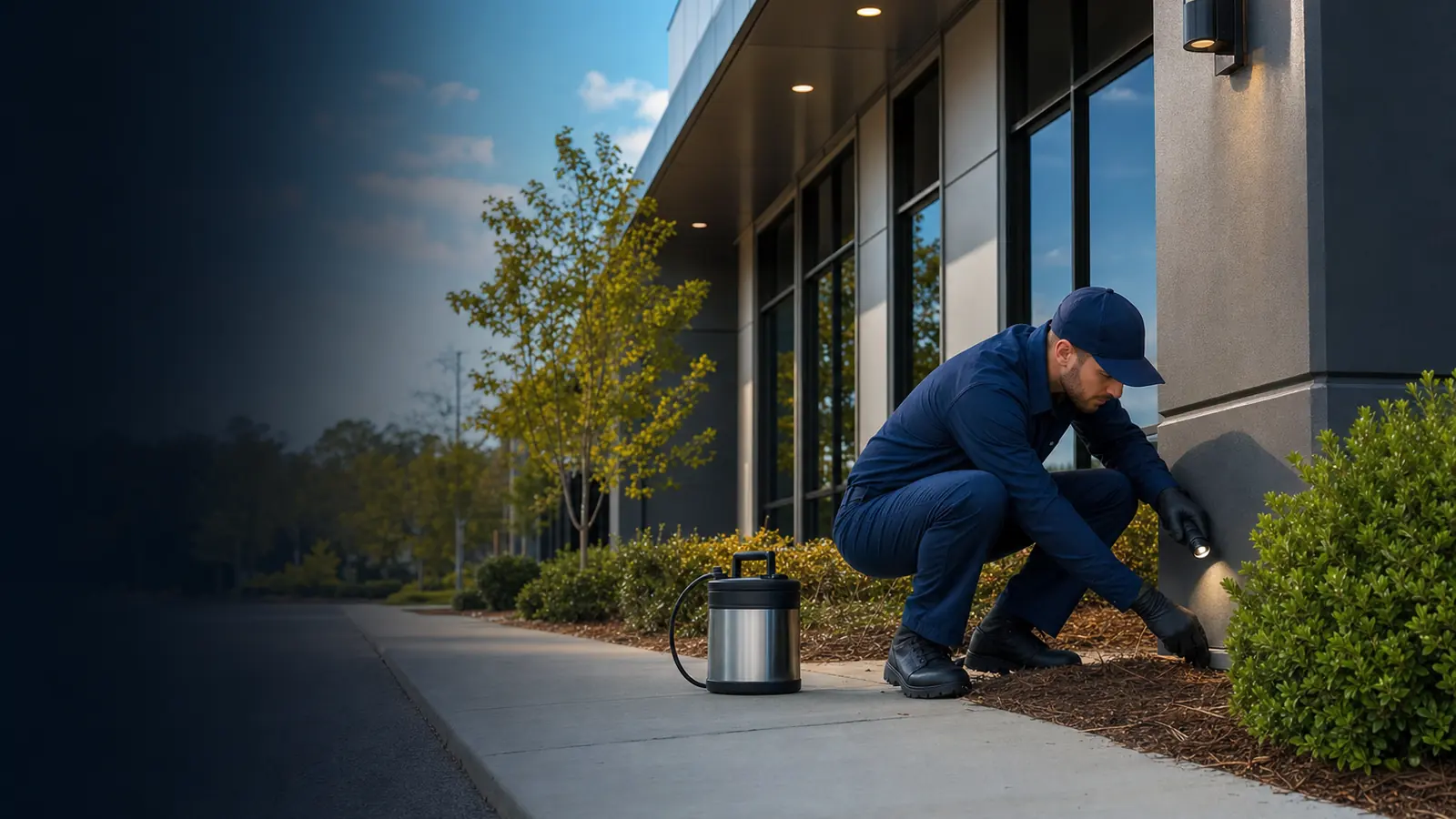
What access details should be confirmed before an inspection visit?
Confirm who can let the inspector into your unit. Check if common areas need separate permission. Ask if mechanical rooms need a key holder present. Sorting out access early keeps the visit efficient. It also avoids repeat trips caused by locked or restricted spaces.
Interior access is usually simple for an owner-occupied unit. Rental units may need coordination with a tenant or manager first. Confirming this early avoids a wasted trip. This connects closely with Upstate SC service areas when you are comparing next steps.
Common spaces like laundry rooms or shared basements sometimes have separate locks. It helps to ask the association if these areas need advance notice.
Exterior access matters as well. Shared plant beds, dumpster areas, and utility rooms near the building may fall under shared maintenance, not individual ownership. For a wider plan, pair this with kids and pets pest control safety so the whole property is covered.
Making a short list of every space that might need review helps. Note who holds the keys to each one. This step streamlines the whole visit.
What this means for your home
- The plan is adjusted for the home type and pest pressure instead of forcing a generic pest control checklist.
- Practical takeaway: Confirm who can let the inspector into your unit.
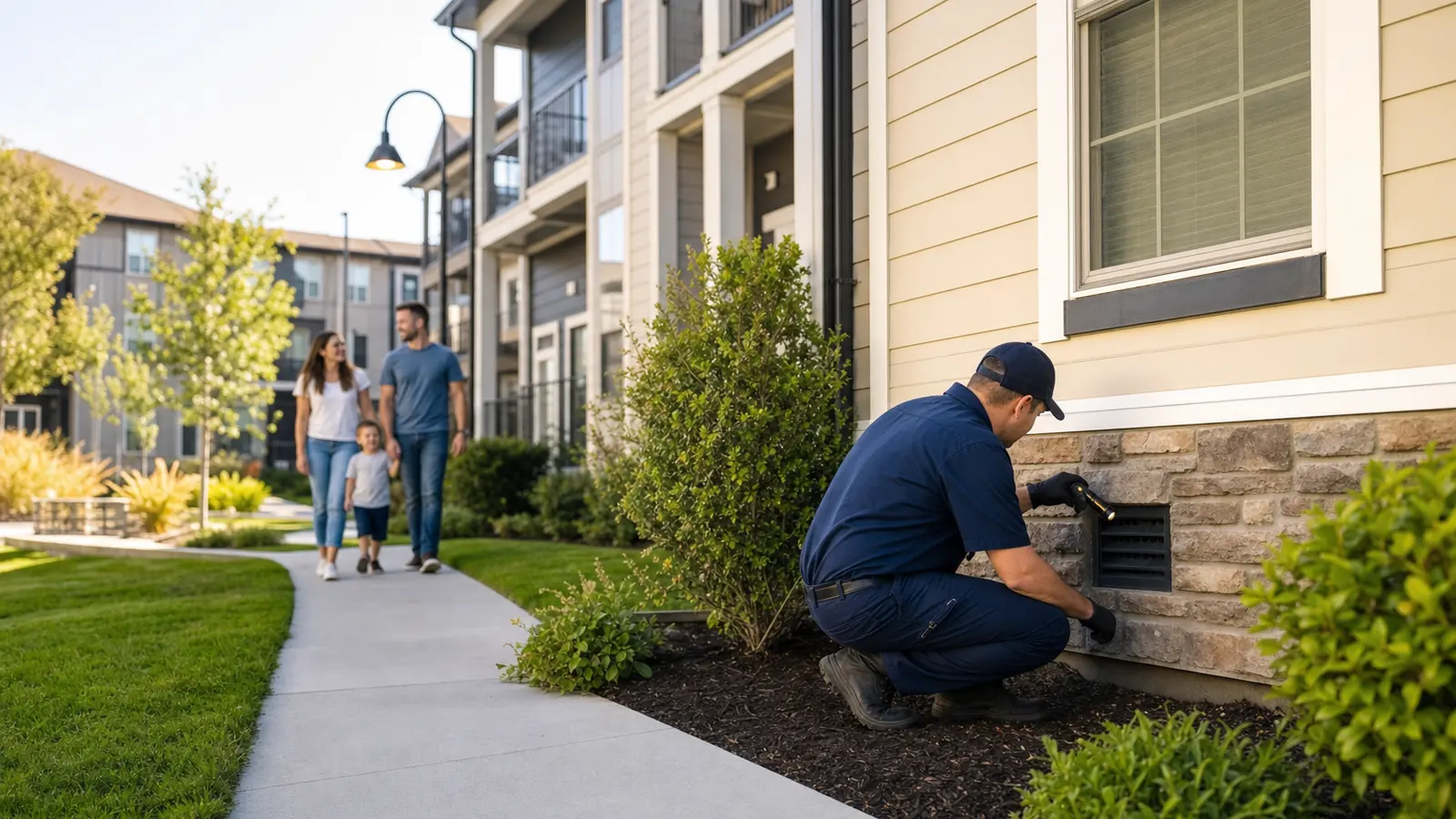
What should a professional condo pest control inspection document?
A thorough inspection should note where activity was seen. It should also flag entry points that look relevant. Finally, it should show if shared or individual spaces are involved. This record supports sound IPM decisions. It gives owners and associations a clear reference for follow-up talks.
Multi-point inspections look past the one spot where activity was first noticed. This can include baseboards, utility gaps, attic access, and exterior entry points near the unit. Homeowners seeing similar pressure can also review requesting service from Paladin before scheduling.
Noting the exact location of activity helps more than a general note. A dated entry with a room name or wall section is far more useful than a vague memory.
Entry-point notes matter for exclusion planning later. Gaps around pipes, vents, or siding seams are common review spots. No guessing is needed about how they formed. This connects closely with pest-proofing your home when you are comparing next steps.
Clear records also help if a shared-area talk becomes necessary. Dates and locations make it much easier to explain the situation to an association or neighbor.
What this means for your home
- Documentation should summarize findings, treated areas, product locations where applicable, and the recommended follow-up plan.
- Practical takeaway: A thorough inspection should note where activity was seen.

Which findings can change the condo pest control service scope?
Findings near shared walls or common utility chases can expand scope. So can exterior grounds kept up by the association. This can push a plan beyond a single unit. Knowing these signs early helps owners understand why a plan might grow to include shared spaces.
If activity shows up only inside one unit, the scope often stays contained. This is the simplest case for scheduling and access. For a wider plan, pair this with residential pest control so the whole property is covered.
When activity appears along a shared wall or near a common chase, the scope may need to grow. This does not always happen, but it is worth asking your inspector about.
Exterior findings near shared plant beds or the building perimeter can shift responsibility toward the association. This affects who should be looped in next. Homeowners seeing similar pressure can also review requesting service from Paladin before scheduling.
Owners who know these options ahead of time handle the conversation better. They are not surprised if extra coordination turns out to be needed.
What this means for your home
- Practical takeaway: Findings near shared walls or common utility chases can expand scope.
Should renters or unit owners handle condo pest control scheduling differently?
Renters usually need approval from a property manager or owner first. Owners can generally set up inspections on their own. Both sides should check lease terms and association rules early. Responsibility for shared-area issues can differ depending on who lives in the unit.
A renter who notices pest activity should contact the owner or manager first. Scheduling authority usually rests with them, not the tenant. This connects closely with kids and pets pest control safety when you are comparing next steps.
Owners who live in their unit have more direct control over scheduling. They still need to check association rules if the issue might reach beyond their own walls.
Lease agreements sometimes spell out who arranges pest service and who covers costs. Those financial details are separate from the observation and scheduling steps. For a wider plan, pair this with residential pest control so the whole property is covered.
No matter who lives there, clear talks with whoever holds authority keep scheduling simple. This avoids needless delays for everyone involved.
What this means for your home
- Practical takeaway: Renters usually need approval from a property manager or owner first.
Can documented observations speed up a condo pest control visit?
Yes, clear notes with dates and locations help an inspector prepare before arriving. This does not replace an on-site inspection, but it does cut down on guesswork. The visit can then focus on the areas most likely to need attention, saving time for everyone involved that day.
Writing down when activity started, and in which room, gives an inspector a starting point. This beats arriving with no information at all. Homeowners seeing similar pressure can also review pest-proofing your home before scheduling.
Photos taken from a safe distance can add helpful context. Do not touch or disturb anything. No technical interpretation from you is needed.
Noting if activity seems tied to a specific wall, vent, or baseboard helps narrow the focus early. This saves time once the inspector arrives. This connects closely with kids and pets pest control safety when you are comparing next steps.
This kind of prep reflects the same approach found in IPM guidance. That guidance favors observation and informed choices over guesswork.
What this means for your home
- Service notes should tell you what was found, what was treated, and what to watch for before the next visit.
- Documentation should summarize findings, treated areas, product locations where applicable, and the recommended follow-up plan.
- Practical takeaway: Yes, clear notes with dates and locations help an inspector prepare before arriving.
Family-first by design
We ask who lives in the house before we pick a product
Babies, pregnancies, asthma, immune conditions, pet medical issues, garden beds, beehives, they all change the visit. Paladin treats harborage where pests live, not the surfaces kids and pets touch.
Every visit names what was used, where, and when the area is back to normal. If a different approach is the actual answer, we say so.
Why this post exists on the Paladin blog
This post was written by someone who actually does this work on Upstate homes, not by a contractor or a marketing team that has never seen the species in person. The Paladin blog exists to answer the questions we hear on real service calls, honestly, in plain English, without selling you a service you do not need. If a post helps you solve the problem on your own, that is a successful post for us. If you read it and decide you would rather have a trained technician on site, that is what the phone is for. Either path is fine.
A first Paladin visit is intended to document the activity, inspect relevant areas, and explain the proposed scope before work begins. Appointment timing and the exact inspection areas depend on the request and property access. Call (864) 816-7658 or use the contact form so the office can confirm the current options.
Paladin is based in Boiling Springs, SC and serves the approved Upstate locations listed on this site. Each recommendation should be tied to conditions documented at the property, including pest evidence, moisture, entry points, food, water, shelter, and access. The office confirms address availability without promising a route frequency or response window.
Keep exploring Paladin
Related Paladin services and guides for Upstate homeowners.
Frequently asked questions
What is the first step before scheduling condo pest control in Boiling Springs, SC?
Start by checking if the issue stays inside your unit or touches shared walls, common areas, or exterior grounds. This tells you who to contact first, whether that is just you, a manager, or the association, before booking an inspection.
Who should be contacted if pest activity is near a shared condo wall?
If activity shows up along a shared wall, mention it to your neighbor and also check with the property manager or association. They may know if similar activity has come up nearby, which helps define an accurate scope for the eventual service visit.
Can a condo pest inspection include common areas like hallways or storage rooms?
Yes, but common areas often need separate approval from the association or manager. Ask in advance whether these spaces can be checked during the same visit as your unit. Access rules can vary quite a bit between communities, so confirm early.
What kind of documentation is helpful before a condo pest control inspection?
Written notes with dates, exact locations, and clear descriptions of what you saw are useful. Photos taken without disturbing the area add helpful context too. This information gives an inspector a solid starting point before they even arrive on site.
Does a rental unit require different steps than an owner-occupied condo?
Renters generally need to contact their property manager or owner before scheduling service, since lease terms often assign that responsibility to them. Owner-occupied units usually allow more direct scheduling, though shared-area questions still apply in much the same way for both.
Why does Paladin Pest Solutions ask about shared walls and common areas first?
Understanding boundaries helps set a realistic, accurate scope from the very start of the process. Condos have more shared structures than single-family homes, so these details genuinely matter here. Clarifying them supports a more efficient multi-point inspection and cuts down on overlooked areas later on.
Ready to shield your family?
One call to Paladin and we’ll meet you where you are, from a quick walk-through to a long-term protection plan.