Upstate South Carolina · Pest control built around your household
Commercial Pest Control in Boiling Springs, SC: What to Ask Before Hiring
Before hiring commercial pest control in Boiling Springs, SC, ask a few key questions first. Ask how visits get documented. Ask about communication, site access, and monitoring frequency. Also ask who handles sanitation or repair…
- Product placement chosen around kids, pets, and pollinators
- A real Spartanburg crew, not a national call center
- Plain-English findings before any treatment starts
Quick Answer
Before hiring commercial pest control in Boiling Springs, SC, ask a few key questions first. Ask how visits get documented. Ask about communication, site access, and monitoring frequency. Also ask who handles sanitation or repair follow-up. A clear written plan tied to daily operations helps you compare providers fairly.
For the next step, compare Paladin pest control services, read about Upstate SC service areas, or check where Paladin works across Upstate SC.
Key Takeaways
- Ask how each inspection visit gets documented
- Request a written scope before comparing plans
- Clarify who fixes sanitation gaps found on-site
- Confirm how the provider reports pest activity
- Ask how monitoring frequency fits your business
- Know access needs before the first visit
- Match pest evidence to a written service plan
Why does a written scope matter before you compare providers?
A written scope lets you compare providers fairly. It should list inspection areas, visit frequency, and reporting steps in plain terms. Without one, businesses often compare mismatched service levels. Clear terms on paper make the decision easier for your whole team.
Every commercial property has different pest pressure points. A written scope forces a provider to name the areas they will check. This connects closely with residential pest control when you are comparing next steps.
This might include loading docks, storage rooms, or exterior walls. Naming these areas helps confirm nothing gets skipped.
Ask each provider to put their proposed scope in writing. Compare the documents side by side. Do not rely on verbal promises alone. For a wider plan, pair this with Upstate SC service areas so the whole property is covered.
A scope document also becomes a useful reference later. If activity shows up somewhere unlisted, you will know to ask why.
What this means for your home
- Boiling Springs service is adjusted to the home style, season, and pressure pattern instead of using the same checklist everywhere.
- Practical takeaway: A written scope lets you compare providers fairly.

How should a provider document each visit?
Ask for written records that note areas checked and conditions observed. Records should also list any recommended actions. Reports should stay consistent across visits so your team can track patterns. Photos or short notes work well when shared promptly and kept on file.
Documentation is the backbone of a commercial pest program. Without it, you cannot track whether conditions are improving. Homeowners seeing similar pressure can also review kids and pets pest control safety before scheduling.
Ask if reports come after every visit, even when nothing is found. Regular reporting builds a useful history over time.
Request plain language in every report. Technical terms without explanation make findings harder to act on. This connects closely with requesting service from Paladin when you are comparing next steps.
Consistent records also help if you need to explain your pest approach to a landlord or property manager.
What this means for your home
- Boiling Springs service is adjusted to the home style, season, and pressure pattern instead of using the same checklist everywhere.
- Documentation should summarize findings, treated areas, product locations where applicable, and the recommended follow-up plan.
- Practical takeaway: Ask for written records that note areas checked and conditions observed.
What should I ask a provider before signing a commercial pest control agreement?
Ask about their inspection scope, documentation style, and monitoring frequency. Also ask who handles follow-up on sanitation or exclusion issues. A written plan tied to your business helps you compare providers fairly. It sets clear expectations from the start.
Want a professional to look at this?
The office will confirm the available appointment date.
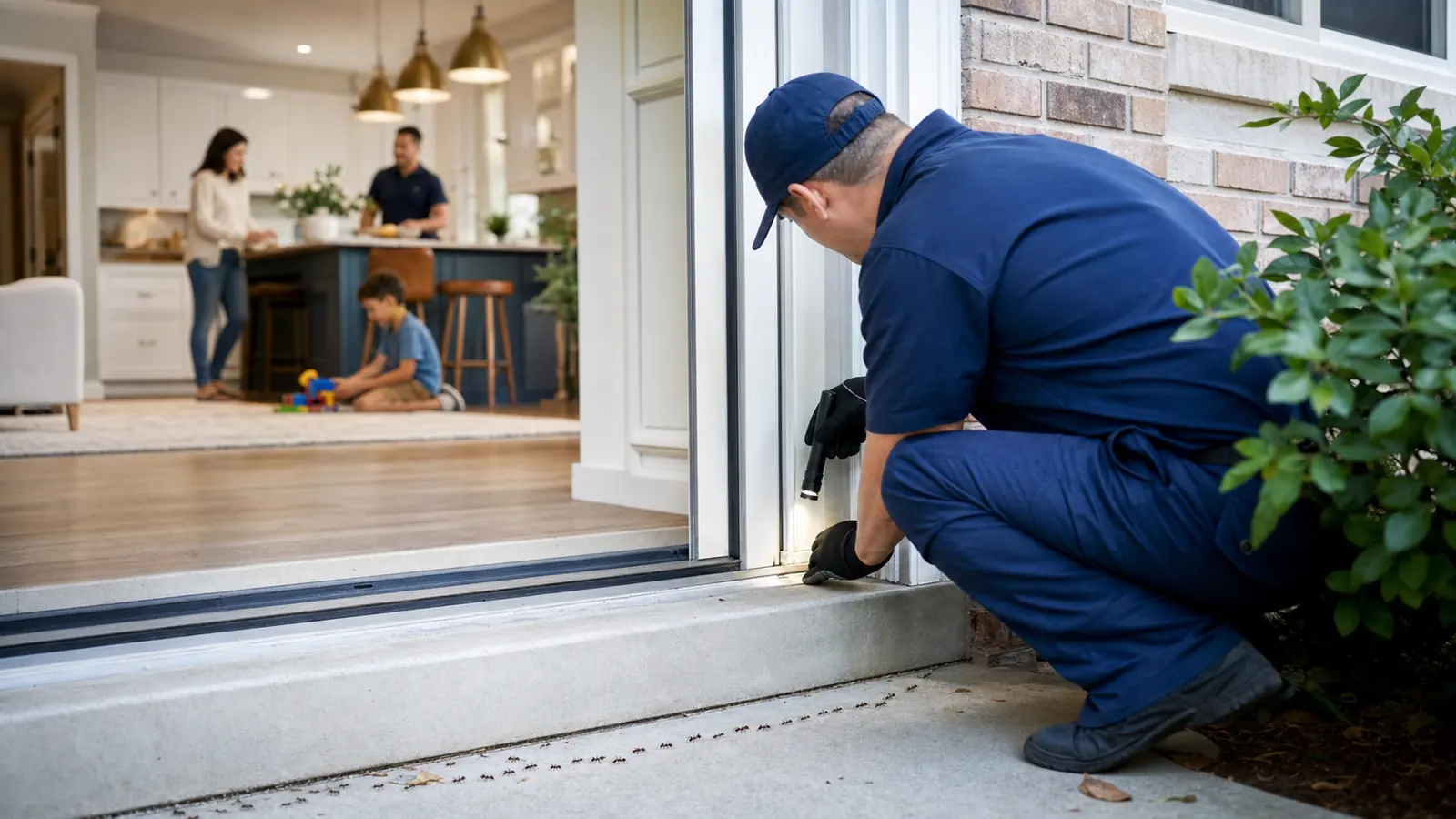
What records should a commercial pest service provide?
A commercial pest service should give dated notes on areas checked. It should flag any conditions that need follow-up. Ask if records are digital or paper. Also ask how long they stay on file. Clear recordkeeping supports audits and tracks recurring problem spots over time.
Records should be more than a checkbox form. They should describe what the technician actually observed on site. For a wider plan, pair this with pest-proofing your home so the whole property is covered.
Ask if the provider keeps a running history for your location. This makes it easier to spot patterns across seasons.
Find out how records get delivered. Email summaries or a shared portal are both common options worth asking about. Homeowners seeing similar pressure can also review residential pest control before scheduling.
If you run a food service business, ask how records line up with your internal logs and inspection schedule.
What this means for your home
- Boiling Springs service is adjusted to the home style, season, and pressure pattern instead of using the same checklist everywhere.
- Practical takeaway: A commercial pest service should give dated notes on areas checked.

Who handles sanitation and repair follow-up?
Ask directly whether the provider flags sanitation gaps or entry points. Then ask who is responsible for fixing them. Most providers report conditions but expect the business to handle repairs or cleaning. Clarifying this early avoids confusion once service begins.
Pest activity often links to conditions on the property itself. A provider may note a gap near a door or a spill left too long. This connects closely with Upstate SC service areas when you are comparing next steps.
Ask whether the provider just reports these conditions or offers next steps. Either way, your team needs a clear owner for follow-up.
Some businesses assign one staff member to track flagged items. Others rely on facilities or maintenance teams instead. For a wider plan, pair this with kids and pets pest control safety so the whole property is covered.
Whatever the setup, write it down. A shared understanding of who fixes what helps prevent repeat issues.
What this means for your home
- Follow-up visits confirm whether the pest control activity is dropping and whether any new entry points or pressure signs appeared.
- Practical takeaway: Ask directly whether the provider flags sanitation gaps or entry points.
- Boiling Springs service is adjusted to the home style, season, and pressure pattern instead of using the same checklist everywhere.
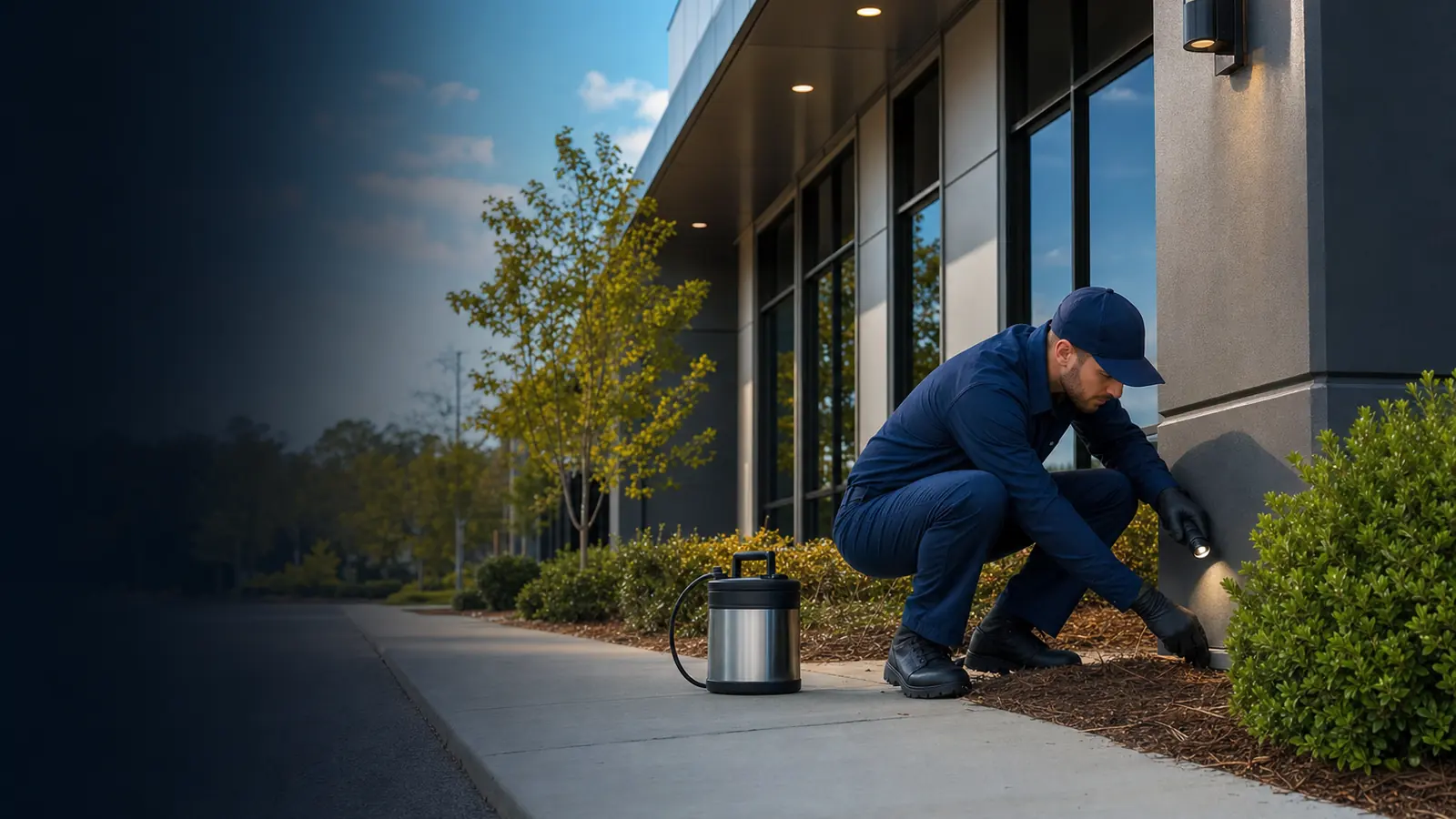
How often should monitoring happen for a business like mine?
Monitoring frequency depends on your industry and building layout. It also depends on past pest pressure at the site. Ask the provider to explain their reasoning for a proposed schedule. A tailored plan should reflect your actual operations, not a generic outline.
Retail, warehouse, and food service businesses face different pest pressures. Ask how the provider adjusts monitoring for your setting. Homeowners seeing similar pressure can also review requesting service from Paladin before scheduling.
A generic monthly visit might suit a small office. A busier facility with regular deliveries may need more frequent checks.
Ask what triggers a change in monitoring frequency. Seasonal shifts or a new sighting are common reasons to adjust. This connects closely with pest-proofing your home when you are comparing next steps.
Ask for examples of how monitoring plans differ across business types they serve. Skip any request for confidential details.
What this means for your home
- Practical takeaway: Monitoring frequency depends on your industry and building layout.
- Boiling Springs service is adjusted to the home style, season, and pressure pattern instead of using the same checklist everywhere.

What access does a provider need on-site?
Ask which areas need to be open or reachable during a visit. This includes storage rooms, mechanical spaces, and exterior areas. Confirm whether staff must be present. Also ask how scheduling works around business hours. Clear access expectations prevent delays or incomplete inspections.
Access needs vary by property type. A single-story office may need little more than a walkthrough. A multi-unit facility may need more coordination. For a wider plan, pair this with residential pest control so the whole property is covered.
Ask whether the provider needs access to roof areas, crawl spaces, or utility rooms. Confirm this before the first visit.
Discuss whether your staff should accompany the inspector or if unsupervised access works. Both approaches are common. Homeowners seeing similar pressure can also review requesting service from Paladin before scheduling.
If your property has restricted areas for safety reasons, flag this early. This lets the provider plan around it.
What this means for your home
- Practical takeaway: Ask which areas need to be open or reachable during a visit.
- Boiling Springs service is adjusted to the home style, season, and pressure pattern instead of using the same checklist everywhere.
Is commercial pest control worth it for a small business?
Many small businesses find value in a structured pest program. It creates a documented history and steady monitoring. Outcomes vary by property and industry. Ask a provider how their approach fits your operation. A clear written plan helps you judge value against your own priorities.
Value looks different for every business. A restaurant may prioritize documentation for health inspections. A warehouse may focus more on exclusion and monitoring. This connects closely with kids and pets pest control safety when you are comparing next steps.
Ask the provider how they measure progress over time. A running record of inspections and conditions found is one useful marker.
Compare the written scope, documentation style, and communication approach across a few providers before deciding. For a wider plan, pair this with residential pest control so the whole property is covered.
In the end, the right fit depends on your building, your industry, and how closely you want to track activity.
What this means for your home
- Boiling Springs service is adjusted to the home style, season, and pressure pattern instead of using the same checklist everywhere.
- Practical takeaway: Many small businesses find value in a structured pest program.
Should you ask for a multi-point inspection before signing a plan?
Yes, ask for a multi-point inspection first. It helps you understand actual conditions at your property. This inspection can shape a more accurate service plan than a generic proposal. It also gives you a baseline record to compare against future visits.
A multi-point inspection looks at several areas of a property. This gives a broader picture than one spot check alone. Homeowners seeing similar pressure can also review pest-proofing your home before scheduling.
Ask what areas are included and how findings get shared afterward. Written summaries are more useful than verbal notes alone.
Use the inspection results to shape your scope discussion. This grounds the talk in real observations, not guesses. This connects closely with kids and pets pest control safety when you are comparing next steps.
A baseline inspection also becomes a helpful marker. It helps you measure change over the following months.
What this means for your home
- Practical takeaway: Yes, ask for a multi-point inspection first.
- Boiling Springs service is adjusted to the home style, season, and pressure pattern instead of using the same checklist everywhere.
Family-first by design
We ask who lives in the house before we pick a product
Babies, pregnancies, asthma, immune conditions, pet medical issues, garden beds, beehives, they all change the visit. Paladin treats harborage where pests live, not the surfaces kids and pets touch.
Every visit names what was used, where, and when the area is back to normal. If a different approach is the actual answer, we say so.
Why this post exists on the Paladin blog
This post was written by someone who actually does this work on Upstate homes, not by a contractor or a marketing team that has never seen the species in person. The Paladin blog exists to answer the questions we hear on real service calls, honestly, in plain English, without selling you a service you do not need. If a post helps you solve the problem on your own, that is a successful post for us. If you read it and decide you would rather have a trained technician on site, that is what the phone is for. Either path is fine.
A first Paladin visit is intended to document the activity, inspect relevant areas, and explain the proposed scope before work begins. Appointment timing and the exact inspection areas depend on the request and property access. Call (864) 816-7658 or use the contact form so the office can confirm the current options.
Paladin is based in Boiling Springs, SC and serves the approved Upstate locations listed on this site. Each recommendation should be tied to conditions documented at the property, including pest evidence, moisture, entry points, food, water, shelter, and access. The office confirms address availability without promising a route frequency or response window.
Keep exploring Paladin
Related Paladin services and guides for Upstate homeowners.
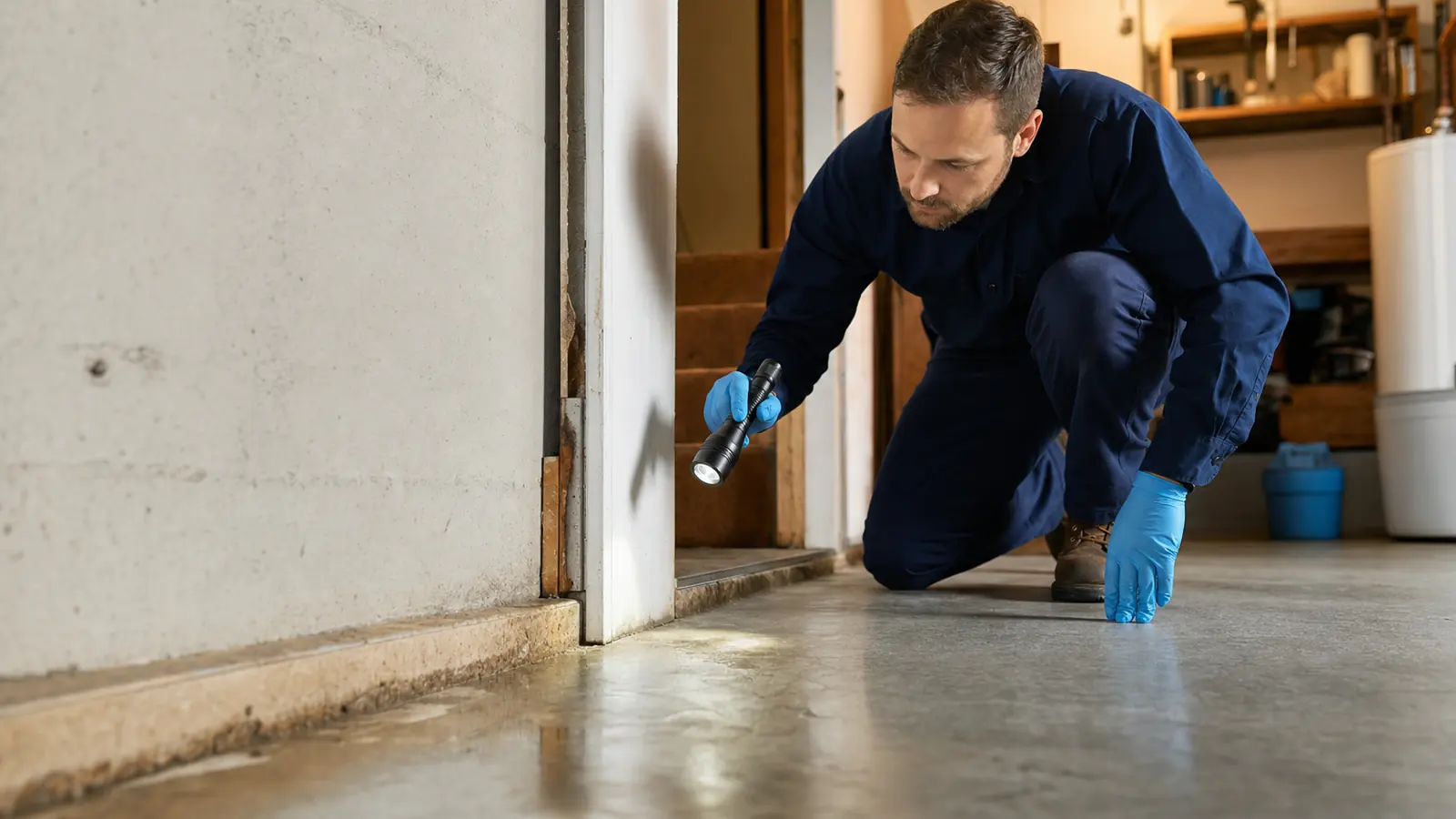
Frequently asked questions
What is the first question to ask a commercial pest control provider?
Start by asking for a written scope. It should cover the areas they plan to inspect and how often they will visit. This document becomes your baseline for comparing providers. It also helps confirm the plan matches your building layout and daily operations.
How do I know if a provider's monitoring plan fits my business?
Ask the provider why they chose a specific monitoring frequency for your property. A clear reason, rather than a generic schedule, suggests the plan reflects real pest pressure. It should match your building layout and daily routines. Ask for examples from similar businesses they serve, and request the reasoning in writing.
What records should I expect after each inspection visit?
Expect dated notes that describe areas checked and conditions observed. The notes should flag anything needing follow-up. Ask whether reports come after every visit, even when nothing is found. Confirm how long records stay on file, since this detail matters for future audits.
Who is responsible for fixing issues a pest inspection uncovers?
Responsibility usually falls to the business or property management team. Most providers report conditions rather than perform repairs. Clarify this division of labor before service begins. That way nothing falls through the cracks once findings need attention from your staff.
Does a multi-point inspection replace ongoing monitoring visits?
No, a multi-point inspection gives you a starting baseline. Ongoing monitoring then tracks changes over time. Both serve different purposes in a complete program. Most plans include an initial inspection followed by a regular monitoring schedule on a set timeline.
What access should I prepare before the first inspection?
Prepare access to storage rooms, mechanical spaces, and exterior areas relevant to your property. Confirm in advance whether staff need to join the inspector during that visit. Also confirm whether unsupervised access has already been arranged for the scheduled appointment.
Ready to shield your family?
One call to Paladin and we’ll meet you where you are, from a quick walk-through to a long-term protection plan.