Upstate South Carolina · Identify first, treat the right spot
Church Pest Control in Boiling Springs, SC: Planning Around Weekly Building Use
Church Pest Control in Boiling Springs, SC works best when a church maps out weekly building use first. List sanctuary hours, kitchen prep times, classroom schedules, event dates, storage access, and who holds keys. This calendar…
- Product placement chosen around kids, pets, and pollinators
- A real Spartanburg crew, not a national call center
- Plain-English findings before any treatment starts
Quick Answer
Church Pest Control in Boiling Springs, SC works best when a church maps out weekly building use first. List sanctuary hours, kitchen prep times, classroom schedules, event dates, storage access, and who holds keys. This calendar helps an inspector see real patterns. It supports a service scope that fits actual activity, not guesswork.
For the next step, compare Paladin pest control services, read about Upstate SC service areas, or check where Paladin works across Upstate SC.
Key Takeaways
- Map sanctuary, kitchen, classroom, and event schedules before requesting service.
- Note storage room access patterns and who controls building keys.
- Share a weekly use calendar so scope matches actual activity.
- Multi-point inspections cover kitchen, classrooms, storage, and sanctuary areas.
- Entry-point sealing works best when access schedules are known upfront.
- Rodent control planning benefits from knowing low-traffic storage hours.
- Ask how integrated pest management fits your building's rhythm.
How should a church describe variable building use when requesting pest service?
A church should list every recurring activity by day and room. Include sanctuary services, kitchen prep, classroom sessions, evening events, and storage access. This written calendar helps an inspector see traffic patterns clearly. It supports a more accurate service scope than a single general request.
Start with a simple grid. List each day of the week down one side. Put each room across the top. This connects closely with residential pest control when you are comparing next steps.
Fill in service times, class hours, and evening rentals. Include seasonal spikes like holiday programs or vacation Bible school.
Note which rooms sit empty most days. Storage closets used only on weekends often need different attention than a daily kitchen. For a wider plan, pair this with Upstate SC service areas so the whole property is covered.
Share this calendar early. It gives an inspector real context instead of a single walkthrough snapshot.
What this means for your home
- Boiling Springs service is adjusted to the home style, season, and pressure pattern instead of using the same checklist everywhere.
- Practical takeaway: A church should list every recurring activity by day and room.
- weekly activity schedule
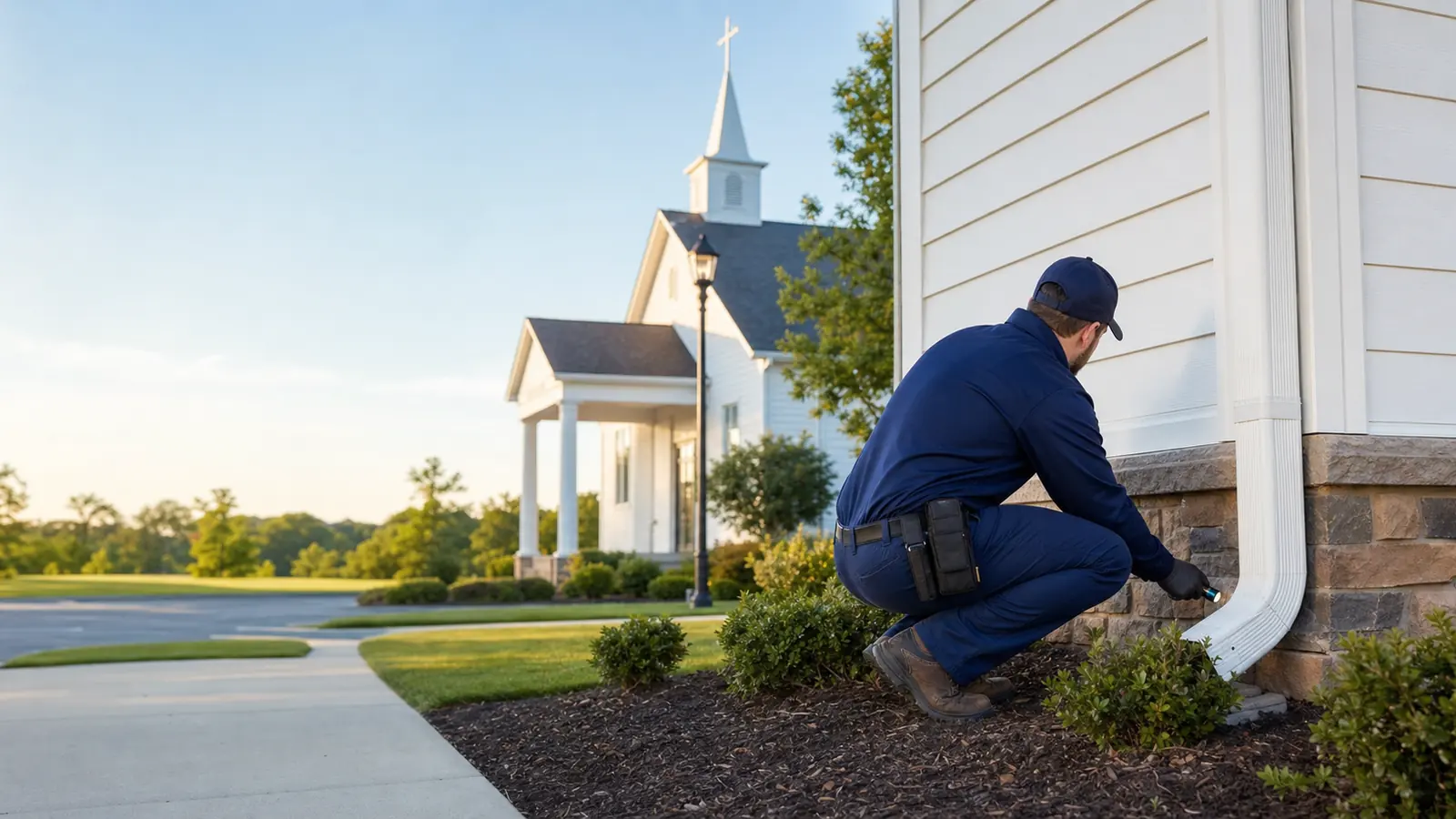
Why does sanctuary usage timing matter for a pest service plan?
Sanctuary spaces often sit quiet between Sunday services and midweek gatherings. These long gaps create low activity. Knowing these gaps helps a provider schedule inspections without disrupting worship. It also highlights when pests might have uninterrupted time to settle in unnoticed.
Most sanctuaries see heavy use on Sunday mornings. Midweek evenings may add another burst of activity. Homeowners seeing similar pressure can also review kids and pets pest control safety before scheduling.
Quiet periods matter because pests are less likely to be disturbed. Small issues can grow harder to spot early.
Share your sanctuary's usual rhythm with your inspector. Mention storage built into pews, closets, or sound booths. This connects closely with requesting service from Paladin when you are comparing next steps.
This detail helps a provider plan visits that respect service times. It still allows the space to be covered thoroughly.
What this means for your home
- Practical takeaway: Sanctuary spaces often sit quiet between Sunday services and midweek gatherings.
- worship schedule planning
Do I need to share our full weekly schedule before requesting service?
Sharing a general weekly use calendar helps a provider understand your building's rhythm. It does not need to be perfectly detailed at first. Including sanctuary, kitchen, classroom, and storage patterns gives a stronger starting point for planning an inspection scope.
Want a professional to look at this?
The office will confirm the available appointment date.

What should a church kitchen schedule include for pest planning?
A church kitchen schedule should note prep days, cleanup times, restocking, and any outside groups using the space. Food areas draw more pest attention than other rooms. Clear timing helps an inspector focus multi-point checks where food handling actually happens each week.
List every group using the kitchen. This includes Sunday fellowship meals, weekday food pantries, and community dinners. For a wider plan, pair this with pest-proofing your home so the whole property is covered.
Note how often dry goods are restocked. Include shared refrigerator or freezer schedules as well.
Mention cleaning routines. Note who is responsible and how often deep cleaning happens. Homeowners seeing similar pressure can also review residential pest control before scheduling.
This detail helps an inspection cover the kitchen's real rhythm. A single moment in time will not tell the full story.
What this means for your home
- Practical takeaway: A church kitchen schedule should note prep days, cleanup times, restocking, and any outside groups using the space.
- food storage schedule
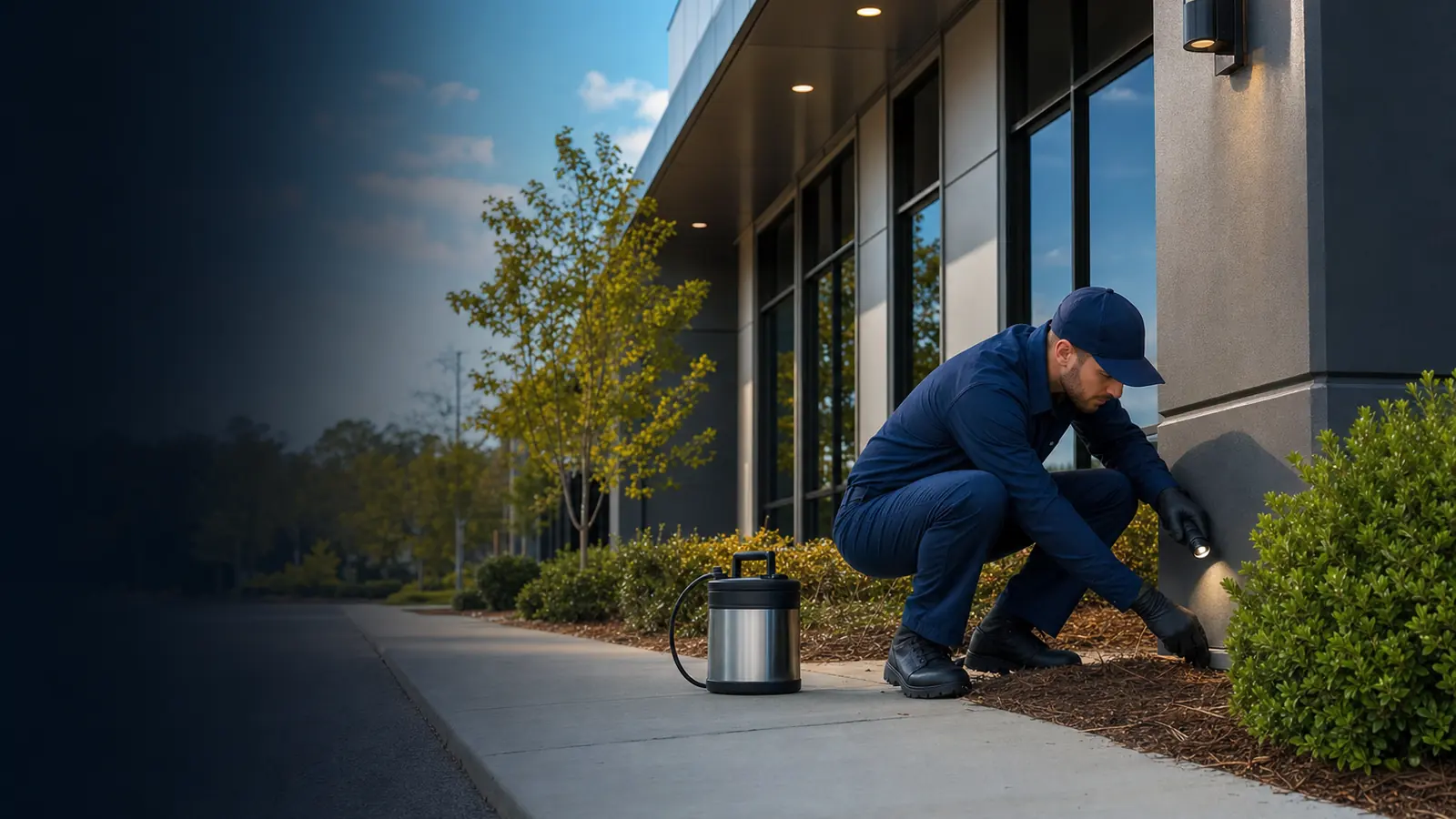
How do classroom schedules affect a church pest control plan?
Classrooms used for Sunday school, youth groups, or weekday preschool programs each carry different snack habits and storage needs. Listing these schedules helps an inspector see which rooms have food, supplies, and higher foot traffic on a regular basis, so attention can be placed where it matters most.
Note which classrooms host young children with snacks versus adult classes with little food. This connects closely with Upstate SC service areas when you are comparing next steps.
Include weekday preschool or daycare hours if your building hosts them. These often mean daily use rather than weekly use.
List storage areas within classrooms, like supply closets or craft bins. Note how often they are opened. For a wider plan, pair this with kids and pets pest control safety so the whole property is covered.
This detail helps a provider recognize which rooms need closer attention during multi-point inspections.
What this means for your home
- classroom pest schedule
- Practical takeaway: Classrooms used for Sunday school, youth groups, or weekday preschool programs each carry different snack habits and storage needs.
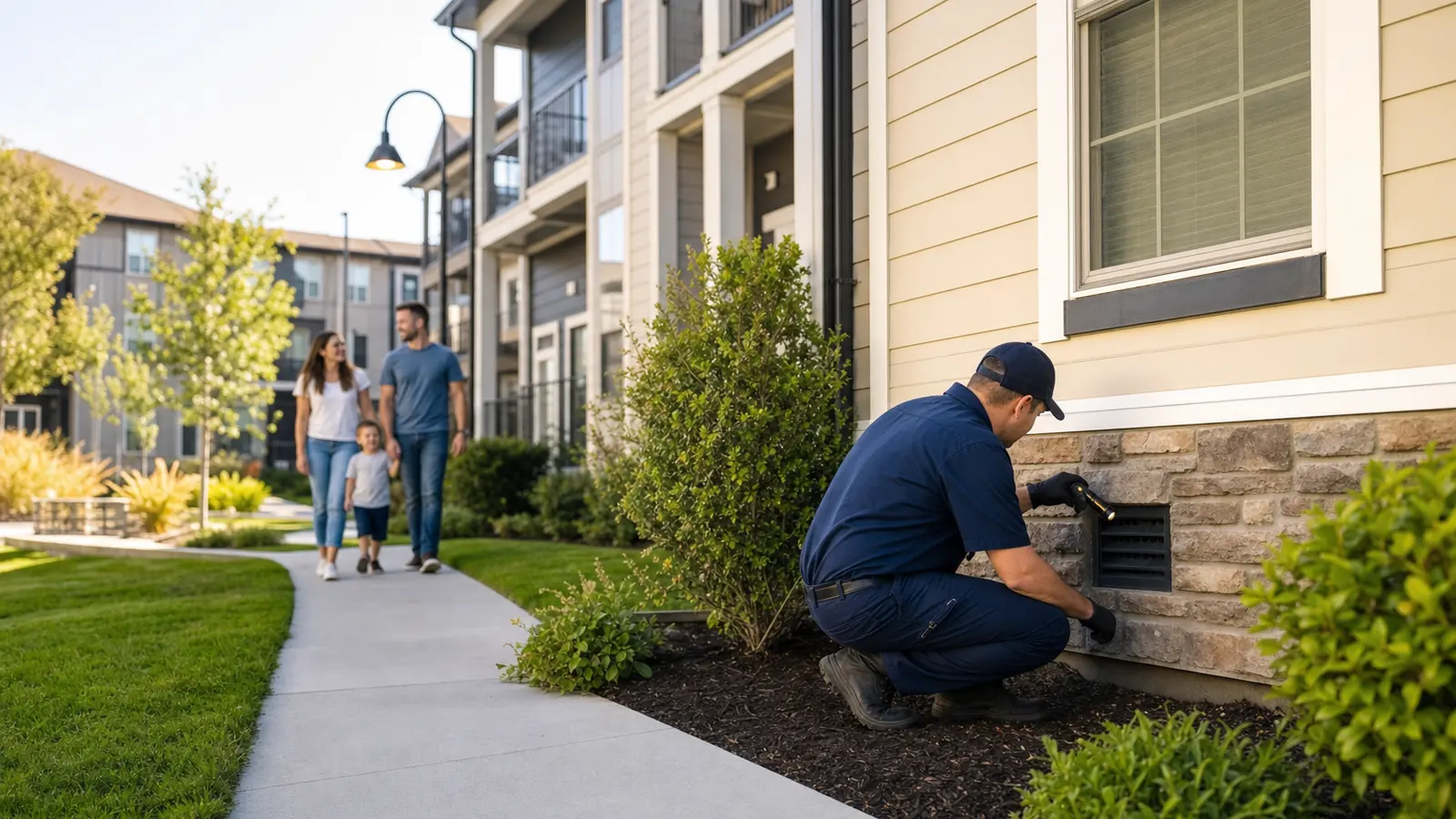
Which event and rental patterns should a church document?
Weddings, funerals, community meetings, and outside group rentals bring irregular activity. This activity differs from steady weekly worship patterns. Documenting these events, along with setup and breakdown times, helps a provider understand when extra foot traffic, catering, or decorations might affect building conditions.
Keep a running list of scheduled events for the next several months. Include any outside rentals. Homeowners seeing similar pressure can also review requesting service from Paladin before scheduling.
Note whether events involve catering or decorations left overnight. Also note extended access for setup crews.
Mention storage used specifically for event supplies, like tables, chairs, or seasonal decorations. This connects closely with pest-proofing your home when you are comparing next steps.
Sharing this calendar helps align inspection timing with periods of higher activity or unusual access needs.
What this means for your home
- Practical takeaway: Weddings, funerals, community meetings, and outside group rentals bring irregular activity.
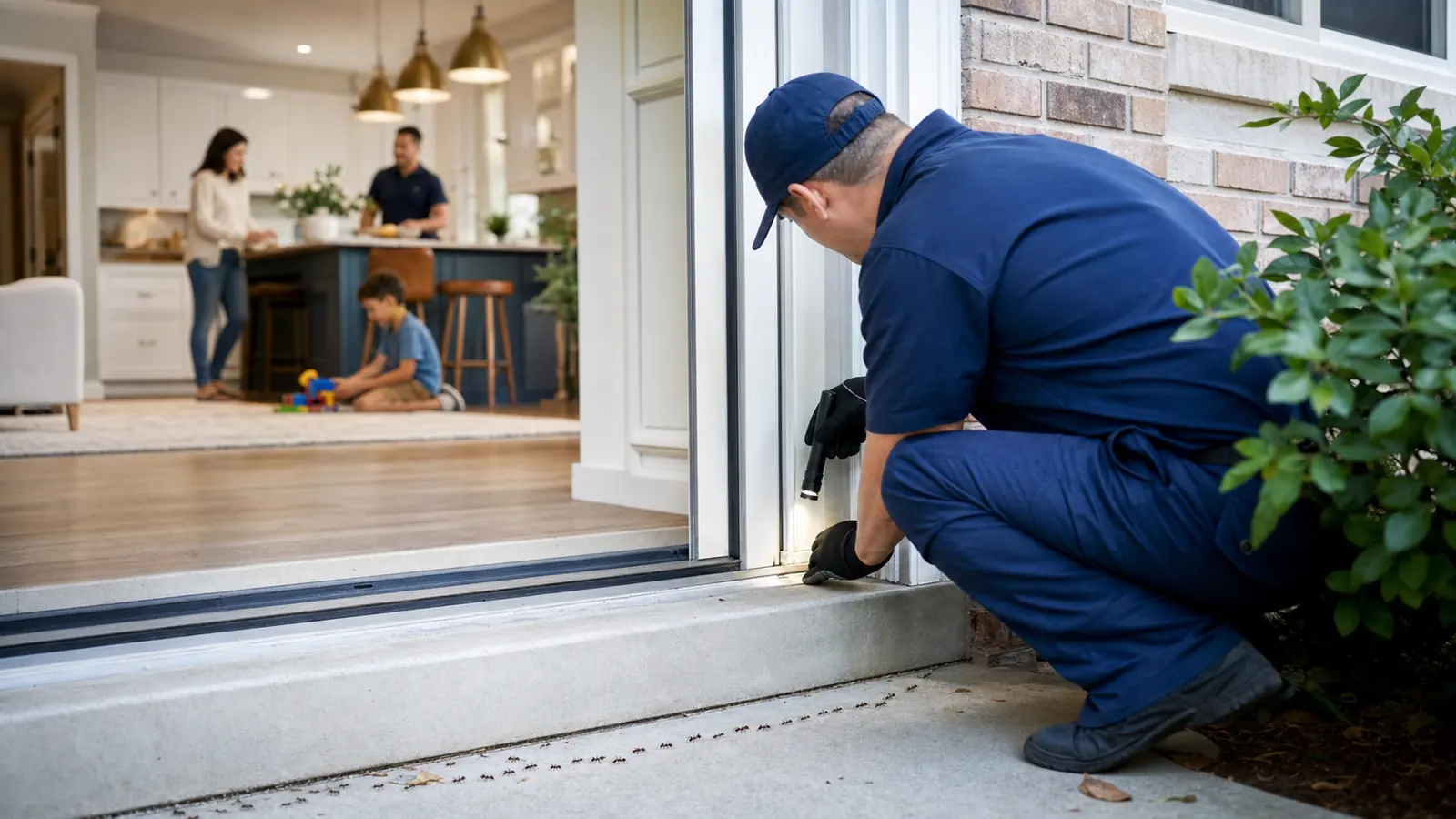
What should a professional church pest control inspection document?
A thorough inspection should document observed conditions in each area. This includes the sanctuary, kitchen, classrooms, storage, and entry points. Notes typically cover moisture signs, gaps or openings, storage organization, and general conditions across every space listed in your weekly use calendar.
Ask your provider which areas the inspection will cover. Request notes tied to each space in your calendar. For a wider plan, pair this with residential pest control so the whole property is covered.
Documentation often includes photos or written observations linked to specific rooms and access points.
Entry-point sealing and exclusion recommendations usually follow from what is observed during this walkthrough. Homeowners seeing similar pressure can also review requesting service from Paladin before scheduling.
Keeping a copy of this documentation helps your church track conditions over time and plan future visits.
What this means for your home
- Documentation should summarize findings, treated areas, product locations where applicable, and the recommended follow-up plan.
- Service notes should tell you what was found, what was treated, and what to watch for before the next visit.
- Practical takeaway: A thorough inspection should document observed conditions in each area.
Which findings can change the church pest control service scope?
Findings such as unsealed entry points or storage areas with frequent access changes can shift service scope. Newly added kitchen equipment can matter too. A provider may adjust inspection frequency or exclusion recommendations based on what is observed compared with your building's documented weekly use.
Changes in building use, like a new weekday program, can shift how often certain rooms need attention. This connects closely with kids and pets pest control safety when you are comparing next steps.
Storage rooms that go from rarely used to frequently accessed may need updated notes in your use calendar.
New construction, renovations, or added kitchen equipment can also change what an inspection focuses on. For a wider plan, pair this with residential pest control so the whole property is covered.
Keep your calendar updated. Any scope adjustments should reflect current activity rather than old assumptions.
What this means for your home
- Practical takeaway: Findings such as unsealed entry points or storage areas with frequent access changes can shift service scope.
Should storage room access be part of the building use calendar?
Yes, storage rooms deserve a place on the calendar even if used infrequently. Note who holds keys and how often the room opens. Also note what is stored inside. This helps an inspector understand access patterns that might otherwise go unmentioned during a general building conversation.
Storage rooms often hold seasonal items, extra chairs, or supplies that sit untouched for weeks at a time. Homeowners seeing similar pressure can also review pest-proofing your home before scheduling.
List who has keys or access codes for each storage area. Include staff, volunteers, or outside renters.
Note whether storage rooms connect to other spaces, like a kitchen pantry or a classroom supply closet. This connects closely with kids and pets pest control safety when you are comparing next steps.
This access detail rounds out your calendar. It gives a fuller picture of the building's weekly rhythm.
What this means for your home
- Practical takeaway: Yes, storage rooms deserve a place on the calendar even if used infrequently.
- key holder schedule
Family-first by design
We ask who lives in the house before we pick a product
Babies, pregnancies, asthma, immune conditions, pet medical issues, garden beds, beehives, they all change the visit. Paladin treats harborage where pests live, not the surfaces kids and pets touch.
Every visit names what was used, where, and when the area is back to normal. If a different approach is the actual answer, we say so.
Why this post exists on the Paladin blog
This post was written by someone who actually does this work on Upstate homes, not by a contractor or a marketing team that has never seen the species in person. The Paladin blog exists to answer the questions we hear on real service calls, honestly, in plain English, without selling you a service you do not need. If a post helps you solve the problem on your own, that is a successful post for us. If you read it and decide you would rather have a trained technician on site, that is what the phone is for. Either path is fine.
A first Paladin visit is intended to document the activity, inspect relevant areas, and explain the proposed scope before work begins. Appointment timing and the exact inspection areas depend on the request and property access. Call (864) 816-7658 or use the contact form so the office can confirm the current options.
Paladin is based in Boiling Springs, SC and serves the approved Upstate locations listed on this site. Each recommendation should be tied to conditions documented at the property, including pest evidence, moisture, entry points, food, water, shelter, and access. The office confirms address availability without promising a route frequency or response window.
Keep exploring Paladin
Related Paladin services and guides for Upstate homeowners.
Frequently asked questions
What is the first step in planning church pest control in Boiling Springs, SC?
The first step is building a simple weekly use calendar. List sanctuary services, kitchen prep, classroom hours, events, and storage access. This calendar gives an inspector context about your building's patterns. It supports a more accurate service scope than a general request without details.
How often should a church update its building use calendar?
A church should update its calendar whenever a schedule changes significantly. Examples include adding a weekday program or hosting more events. Reviewing it every few months alongside your pest service planning keeps the information current and useful for future inspections.
Can a multi-point inspection cover both the sanctuary and kitchen in one visit?
Multi-point inspections are designed to cover multiple areas of a building. This includes the sanctuary, kitchen, classrooms, and storage. Sharing your building use calendar ahead of time helps the inspector plan a route that fits your schedule and covers each relevant space.
Does entry-point sealing work differ for a church compared to a home?
Entry-point sealing follows similar principles across property types. It focuses on gaps and openings that could allow pest access. Churches often have more entry points due to multiple doors, classrooms, and storage areas. Documenting building use helps prioritize which points to review first.
Who should be involved in creating the building use calendar for pest planning?
Ideally, someone familiar with the church's full schedule should help build the calendar. This might be an office administrator or facilities coordinator. Input from kitchen volunteers, classroom leaders, and event planners adds useful detail and makes the schedule easier to use.
What role does integrated pest management play in a church setting?
Integrated pest management emphasizes observation, prevention, and monitoring as part of an ongoing plan. In a church setting, this approach pairs well with a building use calendar. Understanding activity patterns supports better timing for inspections and exclusion recommendations across the whole property.
Ready to shield your family?
One call to Paladin and we’ll meet you where you are, from a quick walk-through to a long-term protection plan.