Upstate South Carolina · Local pest crew, plain-English answers
Centipede Control in Boiling Springs, SC: What Repeated Sightings Can Change
Centipede Control in Boiling Springs, SC starts with a simple worksheet. Track how often centipedes appear. Note where lower-level moisture collects and where entry points might be. Also record whether other small insects are…
- We identify the species first, then treat the actual harborage
- Same Upstate technicians on your route, visit after visit
- Clear notes after every visit, what we did and why
Quick Answer
Centipede Control in Boiling Springs, SC starts with a simple worksheet. Track how often centipedes appear. Note where lower-level moisture collects and where entry points might be. Also record whether other small insects are present as prey. This record helps a professional inspection target the right areas instead of guessing at a broad plan.
For the next step, compare Paladin pest control services, read about Upstate SC service areas, or check where Paladin works across Upstate SC.
Key Takeaways
- Repeated sightings suggest an ongoing condition, not a one-time entry.
- Lower-level moisture often supports centipede activity indoors.
- Entry points near grade level deserve close documentation.
- Prey insects like ants or silverfish can draw centipedes in.
- A sighting log helps a professional target the right areas.
- Integrated Pest Management favors inspection before broad treatment.
- Local conditions in Boiling Springs, SC vary by property.
What should be evaluated when centipedes repeatedly appear indoors?
Repeated centipede sightings call for a review of four areas. Check how often they appear, where moisture collects on lower levels, and how they might be entering. Also note whether other insects are present as a food source. Together these factors help explain why sightings continue and where attention should focus.
A single centipede sighting rarely means much on its own. Centipedes sometimes wander in from outside. They often do not survive long indoors. This connects closely with residential pest control when you are comparing next steps.
Repeated sightings in the same room suggest a steadier draw. This could be moisture or available prey. That pattern is worth documenting before any service call.
Homeowners in Boiling Springs, SC can start simply. Write down dates, rooms, and time of day for each sighting. This record becomes useful evidence for a professional inspection. For a wider plan, pair this with Upstate SC service areas so the whole property is covered.
What this means for your home
- Boiling Springs service is adjusted to the home style, season, and pressure pattern instead of using the same checklist everywhere.
- Practical takeaway: Repeated centipede sightings call for a review of four areas.
How often should sightings be logged before contacting a professional?
There is no fixed number. Three or more sightings within a few weeks in the same area is a reasonable point to start a log. At that stage, consider professional centipede control in Boiling Springs, SC. Consistent timing and location matter more than the raw count.
Occasional single sightings after rain or yard work are common. They do not always signal an ongoing issue. Patterns matter more than isolated events. Homeowners seeing similar pressure can also review kids and pets pest control safety before scheduling.
If sightings cluster in a basement or laundry room over weeks, that repetition is meaningful. Note whether sightings happen at night. Centipedes are often more active after dark.
Bring this log to any inspection conversation. It gives a professional a clear starting point. This beats a vague description of a few bugs. This connects closely with requesting service from Paladin when you are comparing next steps.
What this means for your home
- Practical takeaway: There is no fixed number.
- when to call pest control
How many centipede sightings mean I should start a log?
Three or more sightings in the same area within a few weeks is a reasonable point to begin tracking details. At that stage, consider reaching out about centipede control in Boiling Springs, SC.
Not sure what you're dealing with?
Tell us the activity you've noticed and we'll point you the right direction.
Which lower-level moisture conditions deserve documentation?
Basements, crawl spaces, and lower-level bathrooms or laundry rooms deserve close attention. Look for visible dampness, condensation, or musty odors in these spots. Centipedes are drawn to damp, dark areas. Noting the exact spot and any recent changes helps guide a focused inspection later.
Walk through lower-level spaces. Note any areas that feel humid or show water stains. A flashlight can help spot condensation on pipes or foundation walls. For a wider plan, pair this with pest-proofing your home so the whole property is covered.
Write down whether a dehumidifier or sump pump is present. Note whether it has run recently. This detail helps separate a minor seasonal issue from a more persistent moisture source.
Take a photo of any damp area if possible. Photos paired with written notes give a professional a clearer picture before they arrive. Homeowners seeing similar pressure can also review residential pest control before scheduling.
What this means for your home
- lower-level moisture check
- Practical takeaway: Basements, crawl spaces, and lower-level bathrooms or laundry rooms deserve close attention.
- Service notes should tell you what was found, what was treated, and what to watch for before the next visit.
How can likely entry points be identified without guessing?
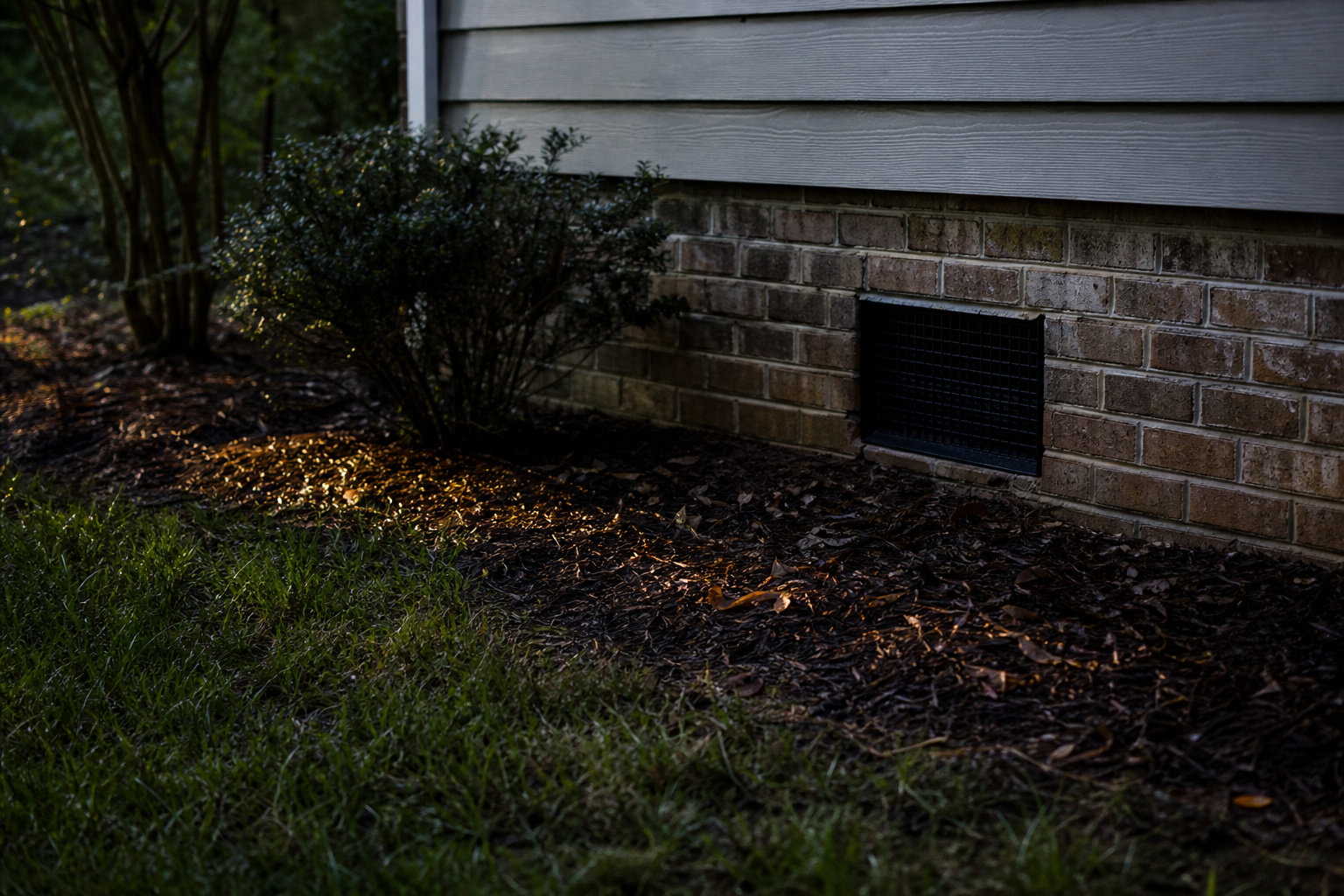
Look for gaps around foundation vents, utility penetrations, door thresholds, and window wells at ground level. These are common paths for centipedes moving indoors. Documenting the size and location of any gap gives a professional something concrete to check, rather than a general search.
Walk the exterior perimeter during daylight. Look closely at grade-level openings. Note any gaps around pipes, cables, or vents that enter the foundation. This connects closely with Upstate SC service areas when you are comparing next steps.
Check door sweeps and window seals for wear. Look for daylight showing through gaps. Small gaps are often enough for centipedes to pass through.
Keep your notes simple. List location, approximate gap size, and whether it faces a damp or shaded area. This list supports any talk about entry-point sealing and exclusion. For a wider plan, pair this with kids and pets pest control safety so the whole property is covered.
What this means for your home
- Practical takeaway: Look for gaps around foundation vents, utility penetrations, door thresholds, and window wells at ground level.
- Documentation should summarize findings, treated areas, product locations where applicable, and the recommended follow-up plan.
Should prey insect activity be tracked alongside centipede sightings?
Yes, prey insects deserve tracking too. Centipedes feed on small insects, so ants or silverfish nearby can help explain repeated sightings. Noting both together gives a fuller picture of the conditions supporting centipede activity indoors. This combined view helps guide a more useful inspection.
If you notice small insects near the same damp or dark areas as centipede sightings, write that down too. A food source can sustain centipede activity even after individual centipedes are removed. Homeowners seeing similar pressure can also review requesting service from Paladin before scheduling.
This link does not mean every insect problem causes centipedes. It is still a useful data point. Include insect type and location in your worksheet alongside centipede notes.
Sharing this combined record with a professional helps them see the fuller picture. This beats treating centipedes as an isolated issue. This connects closely with pest-proofing your home when you are comparing next steps.
What this means for your home
- Practical takeaway: Yes, prey insects deserve tracking too.
- Service notes should tell you what was found, what was treated, and what to watch for before the next visit.
What should a professional centipede control inspection document?
A thorough inspection should document sighting locations, moisture observations, and potential entry points. It should also note any prey insect activity found on site. This record forms the basis for a scope of service tailored to what is actually happening at the property.
A multi-point inspection typically walks through interior rooms, lower levels, and the exterior perimeter. Each area gets checked against the categories in your own worksheet. For a wider plan, pair this with residential pest control so the whole property is covered.
Ask that findings be written down clearly. Request specific rooms or zones, not general statements. This makes it easier to compare notes over time.
Documentation also supports any follow-up conversation if sightings continue after initial service. A clear written record reduces guesswork on both sides. Homeowners seeing similar pressure can also review requesting service from Paladin before scheduling.
What this means for your home
- Documentation should summarize findings, treated areas, product locations where applicable, and the recommended follow-up plan.
- Practical takeaway: A thorough inspection should document sighting locations, moisture observations, and potential entry points.
Which findings can change the centipede control service scope?
Persistent moisture, multiple entry points, or heavy prey insect presence can shift the service scope. These findings often point toward exclusion work or broader Integrated Pest Management steps. Isolated, minor findings may call for a narrower approach focused on a single area instead.
If moisture readings point to a specific room, the scope may focus there rather than the whole home. This targeted approach follows directly from what the worksheet and inspection reveal. This connects closely with kids and pets pest control safety when you are comparing next steps.
Multiple entry points across different sides of the home can shift the scope. Broader entry-point sealing and exclusion work may follow. A single small gap may call for a narrower fix.
Heavy prey insect activity might mean the plan addresses that insect population too. This can help reduce conditions that support centipedes. Outcomes vary by property, so scope should follow documented findings. For a wider plan, pair this with residential pest control so the whole property is covered.
What this means for your home
- Practical takeaway: Persistent moisture, multiple entry points, or heavy prey insect presence can shift the service scope.
Is a worksheet enough before scheduling professional centipede control?
A worksheet is a strong starting point. It should support, not replace, a professional inspection. Written notes on sightings, moisture, entry points, and prey activity help the inspection move faster. This keeps the visit focused on your specific property conditions in Boiling Springs, SC.
Homeowners sometimes wait to call until they have a complete picture. Even a partial log is useful. Share what you have and note any gaps in your own observations. Homeowners seeing similar pressure can also review pest-proofing your home before scheduling.
A professional inspection can fill in details that are hard to spot without training, such as less visible entry points. Your worksheet and their inspection work together.
Once you have a few weeks of notes, reaching out about centipede control in Boiling Springs, SC becomes a more informed conversation for everyone involved. This connects closely with kids and pets pest control safety when you are comparing next steps.
What this means for your home
- Practical takeaway: A worksheet is a strong starting point.
- Boiling Springs service is adjusted to the home style, season, and pressure pattern instead of using the same checklist everywhere.
- Service notes should tell you what was found, what was treated, and what to watch for before the next visit.
Family-first by design
We ask who lives in the house before we pick a product
Babies, pregnancies, asthma, immune conditions, pet medical issues, garden beds, beehives, they all change the visit. Paladin treats harborage where pests live, not the surfaces kids and pets touch.
Every visit names what was used, where, and when the area is back to normal. If a different approach is the actual answer, we say so.
Why this post exists on the Paladin blog
This post was written by someone who actually does this work on Upstate homes, not by a contractor or a marketing team that has never seen the species in person. The Paladin blog exists to answer the questions we hear on real service calls, honestly, in plain English, without selling you a service you do not need. If a post helps you solve the problem on your own, that is a successful post for us. If you read it and decide you would rather have a trained technician on site, that is what the phone is for. Either path is fine.
A first Paladin visit is intended to document the activity, inspect relevant areas, and explain the proposed scope before work begins. Appointment timing and the exact inspection areas depend on the request and property access. Call (864) 816-7658 or use the contact form so the office can confirm the current options.
Paladin is based in Boiling Springs, SC and serves the approved Upstate locations listed on this site. Each recommendation should be tied to conditions documented at the property, including pest evidence, moisture, entry points, food, water, shelter, and access. The office confirms address availability without promising a route frequency or response window.
Keep exploring Paladin
Related Paladin services and guides for Upstate homeowners.
Frequently asked questions
What counts as a repeated centipede sighting worth tracking?
Multiple sightings in the same room or level within a few weeks are worth tracking, rather than a single isolated bug. Note the date, time, and exact location each time. This helps patterns become clear before any inspection conversation begins with a professional.
Do centipedes indoors always mean a moisture problem?
Not always, but centipedes are commonly associated with damp, dark areas of a home. Documenting any visible moisture in basements, crawl spaces, or bathrooms is still useful. It helps a professional determine whether moisture is a contributing factor at your specific property.
Can I identify entry points myself before calling for an inspection?
You can note visible gaps around vents, pipes, and door thresholds at ground level on your own. A professional inspection can then confirm which openings actually matter. This also helps determine whether entry-point sealing and exclusion work is appropriate for your home.
Why would prey insects matter for centipede control?
Centipedes feed on small insects, so ongoing insect activity nearby can help sustain their presence indoors. Tracking both centipedes and other insects together gives a more complete picture. This helps explain what conditions may be supporting repeated sightings inside your home.
What should I bring to a centipede control inspection appointment?
Bring your sighting log, along with any photos of moisture or entry points you have found. Also share notes on other insect activity you have observed nearby. This information helps the inspection stay focused on documented conditions rather than starting from scratch each time.
Does Paladin Pest Solutions serve Boiling Springs, SC directly?
Paladin Pest Solutions is based in Boiling Springs, SC and serves approved locations across Upstate South Carolina. Exact-address availability is confirmed by the office directly. Reach out to discuss your specific property and whether service is available in your area.
Ready to shield your family?
One call to Paladin and we’ll meet you where you are, from a quick walk-through to a long-term protection plan.