Upstate South Carolina · Practical, low-disruption pest work
Black Widow Spider Control in Boiling Springs, SC: Questions for a Targeted Inspection
Before requesting black widow spider control in Boiling Springs, SC, gather notes on where webs appeared, which sheltered spots you found them in, and how hard those areas are to reach. This briefing helps a targeted inspection…
- We identify the species first, then treat the actual harborage
- Same Upstate technicians on your route, visit after visit
- Clear notes after every visit, what we did and why
Quick Answer
Before requesting black widow spider control in Boiling Springs, SC, gather notes on where webs appeared, which sheltered spots you found them in, and how hard those areas are to reach. This briefing helps a targeted inspection stay focused on real activity zones instead of a broad property sweep.
For the next step, compare Paladin pest control services, read about Upstate SC service areas, or check where Paladin works across Upstate SC.
Key Takeaways
- Note exact web locations before requesting an inspection.
- Sheltered, undisturbed areas often show the most activity.
- Access risk affects how an inspection is scoped.
- Photos of webs help document activity zones clearly.
- Report timing patterns, like dusk sightings, if noticed.
- Integrated Pest Management favors targeted, not blanket, actions.
- Clear documentation helps set an accurate inspection scope.
What location and web evidence should be reported before a suspected black widow inspection?
Report where you saw webs, how many, and whether they sat close to the ground or tucked into a corner. Note the surface type, such as wood, brick, or plastic, and whether the area stays dry and undisturbed most days. This detail helps focus the inspection on real activity zones.
Start with simple observations rather than assumptions. Write down the exact spot where you noticed a web, such as under a deck step or behind a stacked flower pot. This connects closely with residential pest control when you are comparing next steps.
Take a photo if you can do so safely from a distance. A clear image of the web pattern and location helps confirm what type of activity is present.
Mention how long the web has been there if you know. A web that has existed for weeks suggests a settled area, while a fresh one may point to new movement. For a wider plan, pair this with Upstate SC service areas so the whole property is covered.
What this means for your home
- Boiling Springs service is adjusted to the home style, season, and pressure pattern instead of using the same checklist everywhere.
- Practical takeaway: Report where you saw webs, how many, and whether they sat close to the ground or tucked into a corner.
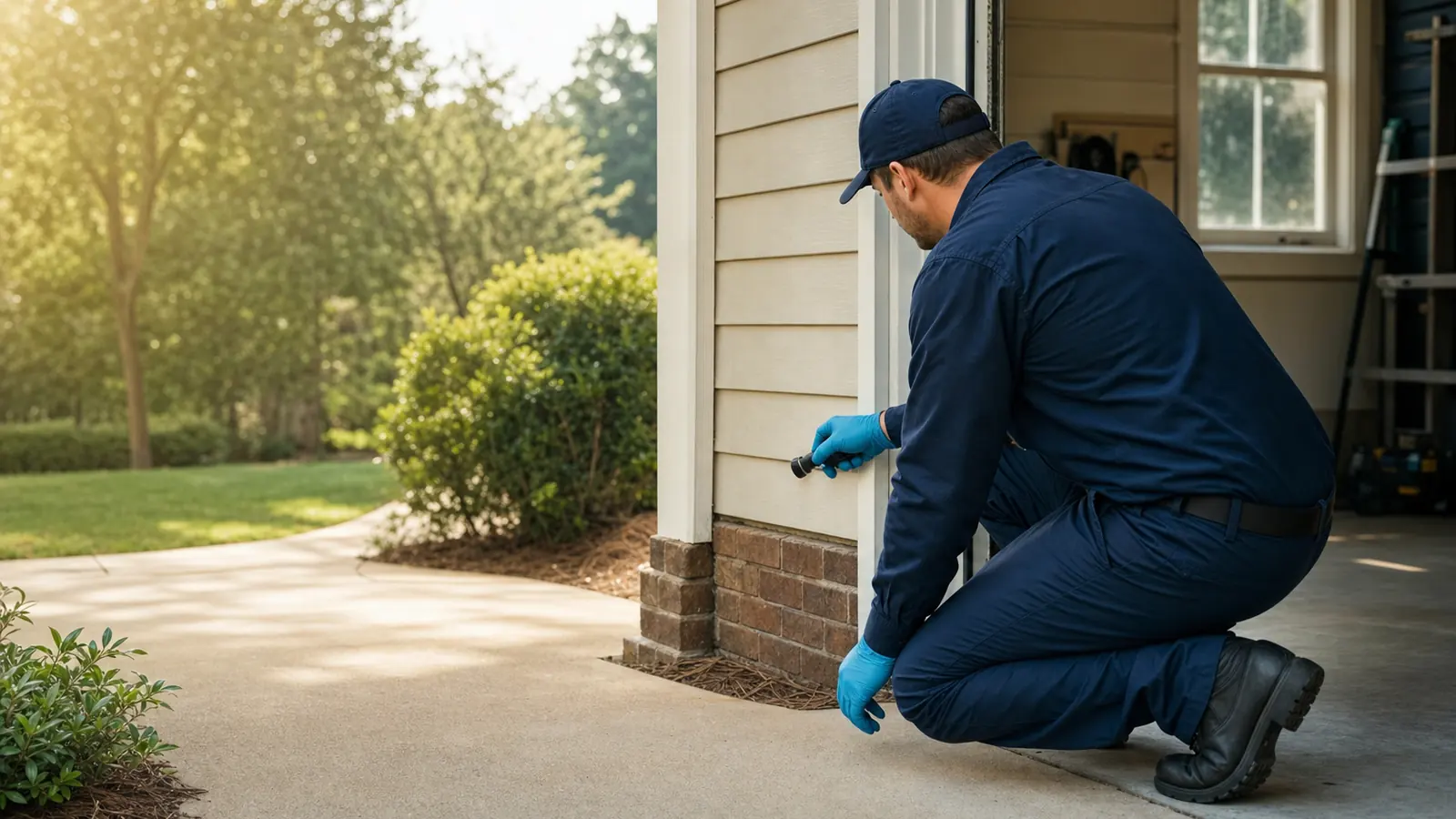
Which sheltered areas around a Boiling Springs property tend to draw attention during an inspection?
Sheltered areas that stay dark, dry, and undisturbed are the ones typically flagged for closer review. Examples include woodpiles, storage sheds, crawl space vents, and gaps behind outdoor furniture. Reporting these locations ahead of time helps set realistic expectations for what the inspection will cover.
Outdoor storage areas often go unchecked for long stretches. Boxes, tools, and stacked materials create small, quiet pockets that spiders may use as shelter. Homeowners seeing similar pressure can also review kids and pets pest control safety before scheduling.
Utility areas near the foundation, like meter boxes or vent covers, also see less regular disturbance. These spots are worth noting if you have seen any web activity nearby.
Garages and sheds with cluttered corners can be relevant too. A brief walk-through note about clutter density helps an inspector understand what to expect before arriving. This connects closely with requesting service from Paladin when you are comparing next steps.
What this means for your home
- Practical takeaway: Sheltered areas that stay dark, dry, and undisturbed are the ones typically flagged for closer review.
- Boiling Springs service is adjusted to the home style, season, and pressure pattern instead of using the same checklist everywhere.
Do I need to remove a web before the inspection?
No, leaving the web undisturbed helps the inspector see exactly what you observed. Removing it beforehand can make it harder to confirm activity patterns during the visit.
Not sure what you're dealing with?
Tell us the activity you've noticed and we'll point you the right direction.
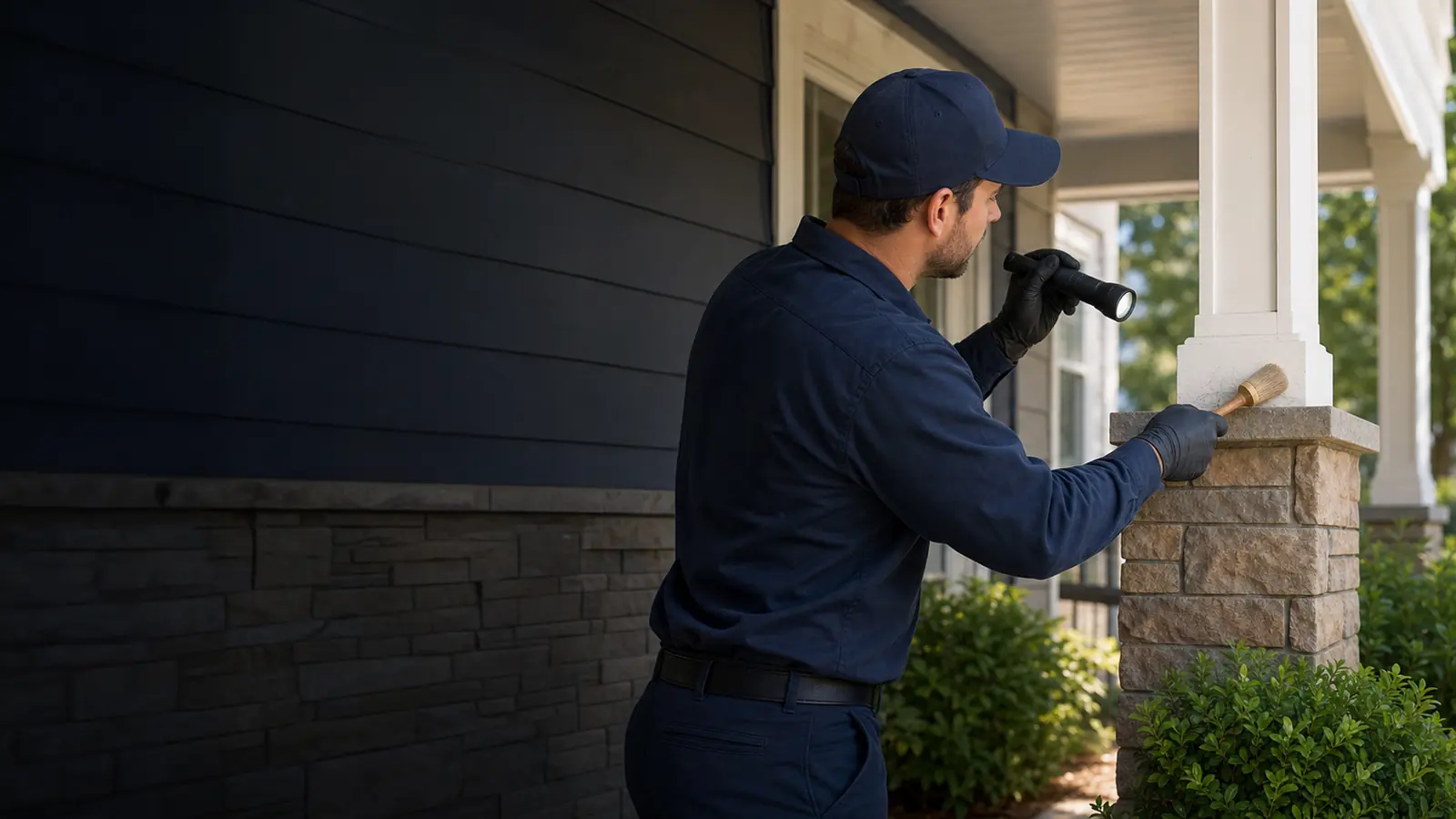
How does access risk shape the scope of a black widow spider control visit?
Access risk refers to how easily and safely an area can be reached, such as a tight crawl space or a high shelf. Reporting these details in advance helps set a realistic inspection scope. It also avoids surprises once the visit begins.
Some areas require careful movement, like narrow crawl spaces or spots behind heavy stored items. Mentioning these conditions ahead of time helps set expectations for the visit. For a wider plan, pair this with pest-proofing your home so the whole property is covered.
If a ladder or specific tool would be needed to view a spot closely, say so. This helps determine whether that area can be reviewed during the same visit or needs a separate plan.
Locked sheds, gated yard sections, or pet enclosures should also be noted. Clear access notes reduce delays and keep the inspection focused on what matters. Homeowners seeing similar pressure can also review residential pest control before scheduling.
What this means for your home
- Practical takeaway: Access risk refers to how easily and safely an area can be reached, such as a tight crawl space or a high shelf.
What should a professional black widow spider control inspection document?
A thorough inspection typically documents where webs and activity signs were found, the condition of sheltered areas, and any access limitations noted during the visit. This record supports a clear, targeted plan going forward. It also gives the homeowner a reference for future observations.
Documentation often includes a simple list of checked areas, whether or not activity was found. This gives a full picture rather than just flagging problem spots. This connects closely with Upstate SC service areas when you are comparing next steps.
Photos taken during the visit can support the written notes. They help track any changes if a follow-up review is requested later.
Any conditions that limited full access, like locked storage or dense clutter, should also be recorded. This transparency helps set realistic next steps. For a wider plan, pair this with kids and pets pest control safety so the whole property is covered.
What this means for your home
- Documentation should summarize findings, treated areas, product locations where applicable, and the recommended follow-up plan.
- Practical takeaway: A thorough inspection typically documents where webs and activity signs were found, the condition of sheltered areas, and any access limitations noted during the visit.
Which findings can change the black widow spider control service scope?
Findings like multiple active webs, egg sacs, or activity spread across several structures can widen the scope of a service plan. Conversely, a single isolated web may lead to a narrower, more focused approach. The final scope depends on what the inspection actually reveals.
If activity is found in more than one sheltered area, the plan may need to address each location separately. This keeps the response proportional to what was observed. Homeowners seeing similar pressure can also review requesting service from Paladin before scheduling.
Egg sacs, if present, are often noted as a significant finding since they indicate an established presence rather than a passing visitor.
On the other hand, a single web in a low-traffic area might only need monitoring rather than a broader plan. Scope decisions should always follow the evidence gathered. This connects closely with pest-proofing your home when you are comparing next steps.
What this means for your home
- Practical takeaway: Findings like multiple active webs, egg sacs, or activity spread across several structures can widen the scope of a service plan.
- Targeted treatment focuses on cracks, voids, exterior edges, nesting areas, and travel paths instead of blanket-spraying open surfaces.
Should homeowners track activity timing before scheduling an inspection?
Yes, noting when you see activity, such as dusk or early morning, can add useful context to your report. Timing patterns do not replace a full inspection but help build a clearer picture. This small detail can support a more efficient visit.
Spiders are often more visible during low light hours near dusk. If you consistently notice webs or movement at a certain time, write that down. For a wider plan, pair this with residential pest control so the whole property is covered.
Seasonal timing matters too. Mention if the activity started recently or has been ongoing for a longer stretch, since that context can be useful.
Keep in mind that timing notes are just one piece of the puzzle. The inspection itself will confirm what is actually present at the property. Homeowners seeing similar pressure can also review requesting service from Paladin before scheduling.
What this means for your home
- Documentation should summarize findings, treated areas, product locations where applicable, and the recommended follow-up plan.
- Service notes should tell you what was found, what was treated, and what to watch for before the next visit.
- Boiling Springs service is adjusted to the home style, season, and pressure pattern instead of using the same checklist everywhere.
Can a documented briefing speed up a black widow spider control decision?
A clear briefing with web locations, sheltered areas, and access notes helps an inspector plan the visit more efficiently. It does not shorten timelines by itself, but it reduces back and forth during the visit. Good documentation supports a smoother overall process.
When a homeowner arrives with organized notes, the inspection can move directly to the flagged areas first. This makes the visit more productive from the start. This connects closely with kids and pets pest control safety when you are comparing next steps.
Photos and written observations also reduce the chance of missing a relevant spot. They act as a checklist that both the homeowner and inspector can reference.
Even with strong documentation, every property is different. The final assessment always depends on what is found during the actual visit. For a wider plan, pair this with residential pest control so the whole property is covered.
What this means for your home
- Service notes should tell you what was found, what was treated, and what to watch for before the next visit.
- Practical takeaway: A clear briefing with web locations, sheltered areas, and access notes helps an inspector plan the visit more efficiently.
- Boiling Springs service is adjusted to the home style, season, and pressure pattern instead of using the same checklist everywhere.
Why does Integrated Pest Management favor a targeted approach for spider activity?
Integrated Pest Management focuses on identifying specific activity zones before deciding on next steps, rather than treating an entire property broadly. This approach relies on observation, documentation, and monitoring first. It supports decisions based on actual evidence rather than assumption.
This method starts with understanding where and why activity is occurring. Sheltered, undisturbed areas are reviewed closely because they tend to be the most relevant. Homeowners seeing similar pressure can also review pest-proofing your home before scheduling.
Monitoring and documentation play a central role, since decisions are based on what is actually observed over time. This reduces unnecessary broad measures.
For homeowners, this means the questions asked before an inspection, like web location and access details, directly support a more focused, evidence based approach. This connects closely with kids and pets pest control safety when you are comparing next steps.
What this means for your home
- Practical takeaway: Integrated Pest Management focuses on identifying specific activity zones before deciding on next steps, rather than treating an entire property broadly.
- Targeted treatment focuses on cracks, voids, exterior edges, nesting areas, and travel paths instead of blanket-spraying open surfaces.
Family-first by design
We ask who lives in the house before we pick a product
Babies, pregnancies, asthma, immune conditions, pet medical issues, garden beds, beehives, they all change the visit. Paladin treats harborage where pests live, not the surfaces kids and pets touch.
Every visit names what was used, where, and when the area is back to normal. If a different approach is the actual answer, we say so.
Why this post exists on the Paladin blog
This post was written by someone who actually does this work on Upstate homes, not by a contractor or a marketing team that has never seen the species in person. The Paladin blog exists to answer the questions we hear on real service calls, honestly, in plain English, without selling you a service you do not need. If a post helps you solve the problem on your own, that is a successful post for us. If you read it and decide you would rather have a trained technician on site, that is what the phone is for. Either path is fine.
A first Paladin visit is intended to document the activity, inspect relevant areas, and explain the proposed scope before work begins. Appointment timing and the exact inspection areas depend on the request and property access. Call (864) 816-7658 or use the contact form so the office can confirm the current options.
Paladin is based in Boiling Springs, SC and serves the approved Upstate locations listed on this site. Each recommendation should be tied to conditions documented at the property, including pest evidence, moisture, entry points, food, water, shelter, and access. The office confirms address availability without promising a route frequency or response window.
Keep exploring Paladin
Related Paladin services and guides for Upstate homeowners.
Frequently asked questions
What information should I gather before requesting black widow spider control in Boiling Springs, SC?
Gather notes on where you saw webs, how many, and what type of surface or shelter they were near. Photos and rough timing details, like dusk sightings, add helpful context. This information supports a more focused inspection from the start.
Are certain areas of a property more likely to be checked closely?
Yes, sheltered and undisturbed spots like woodpiles, sheds, and foundation gaps often receive closer attention during an inspection. These areas tend to stay dark, dry, and quiet, which can attract activity over time. Reporting these locations ahead of time helps set realistic expectations for the visit.
Will access issues affect how the inspection is scoped?
Access conditions, like tight crawl spaces, locked storage, or gated yard sections, can affect what gets reviewed during a visit. Sharing these details in advance helps the inspection stay realistic and properly focused. It also reduces surprises once the visit actually begins on site.
What happens if multiple webs are found during the inspection?
If activity is found in more than one sheltered area, the service scope may need to address each location separately rather than as one general task. The exact plan depends on what the inspection actually reveals, since findings vary widely from property to property.
How can I reach Paladin Pest Solutions to discuss an inspection?
You can contact Paladin Pest Solutions through the website contact form or call (864) 816-7658 to discuss scheduling. Sharing your location notes, web sightings, and access details ahead of time helps the conversation move more smoothly toward a focused inspection plan.
Ready to shield your family?
One call to Paladin and we’ll meet you where you are, from a quick walk-through to a long-term protection plan.