Upstate South Carolina · Pest control for homes with kids and pets
Bat Removal in Boiling Springs, SC: What an Attic Inspection Should Clarify
Bat Removal in Boiling Springs, SC should start with a clear attic inspection. It should clarify observation timing, access points, suspected entry gaps, occupied rooms, seasonal timing, and needed repairs. This checklist helps…
- Low-disruption applications focused on cracks, voids, and entry points
- Reachable techs, text us, call us, we answer
- Quarterly programs or one-time visits, your call
Quick Answer
Bat Removal in Boiling Springs, SC should start with a clear attic inspection. It should clarify observation timing, access points, suspected entry gaps, occupied rooms, seasonal timing, and needed repairs. This checklist helps homeowners compare scope and ask better questions before exclusion work begins.
For the next step, compare Paladin pest control services, read about Upstate SC service areas, or check where Paladin works across Upstate SC.
Key Takeaways
- Note when bats were seen entering or leaving the attic
- Ask how the inspector will access tight roof spaces
- Point out any suspected gaps, vents, or soffit openings
- Flag rooms below the attic that get used daily
- Ask how season affects timing of exclusion work
- Request a list of repairs needed after bats leave
- Keep written notes to compare quotes accurately
What should a bat-related attic inspection clarify before removal or exclusion is scoped?
A solid attic inspection should clarify six things. These are observation timing, physical attic access, suspected entry points, occupied rooms below the roost, seasonal limits, and repairs needed once bats leave. Together they give the homeowner and inspector a shared starting point for scoping work.
Before any bat removal in Boiling Springs, SC moves forward, the inspection needs a clear framework. Without one, homeowners and inspectors can talk past each other about scope and timing. This connects closely with residential pest control when you are comparing next steps.
Six areas matter most. These are when bats were observed, how the attic can be reached, where bats might be entering, which rooms sit under the roost, what season it is, and what repairs may follow.
Walking through each area with the inspector keeps the visit focused. It also makes the resulting scope much easier to compare against other estimates. For a wider plan, pair this with Upstate SC service areas so the whole property is covered.
What this means for your home
- Boiling Springs service is adjusted to the home style, season, and pressure pattern instead of using the same checklist everywhere.
- Practical takeaway: A solid attic inspection should clarify six things.
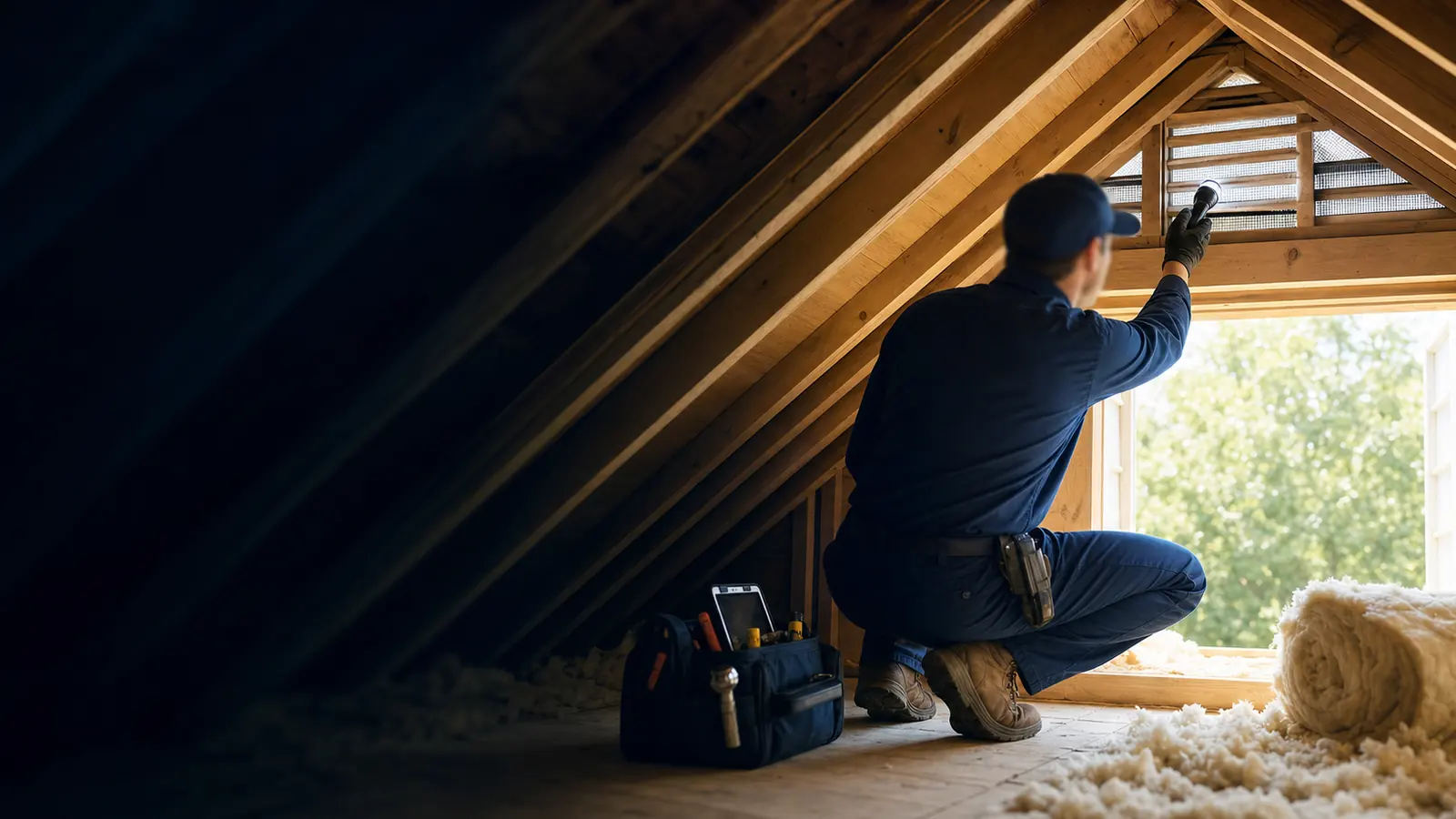
When were bats actually observed entering or leaving the attic?
An inspection should record the date, time of day, and weather when bats were first noticed. Dusk and dawn tend to show the most activity. Noting these details helps the inspector confirm active roosting patterns and gives the visit a clear, useful starting point for planning.
Homeowners often notice bats by accident. Maybe it is a shadow near the eaves at dusk. Maybe it is a faint sound in the attic ceiling. Writing down that first sighting matters more than people expect. Homeowners seeing similar pressure can also review kids and pets pest control safety before scheduling.
Ask the inspector if they want a log of sightings over several evenings. Bats tend to leave a roost around dusk to feed. Watching that window can reveal how many bats are present.
This observation record becomes part of what the inspector reviews on site. It gives them a starting point instead of relying only on a single walkthrough. This connects closely with requesting service from Paladin when you are comparing next steps.
What this means for your home
- Practical takeaway: An inspection should record the date, time of day, and weather when bats were first noticed.
What is the first thing an attic inspection for bats should confirm?
It should confirm when bats were observed entering or leaving. This timing detail helps the inspector understand current roosting activity before any other part of the inspection moves forward.
Ready for a straight answer?
Call or message, we'll listen first and recommend only what fits your home.
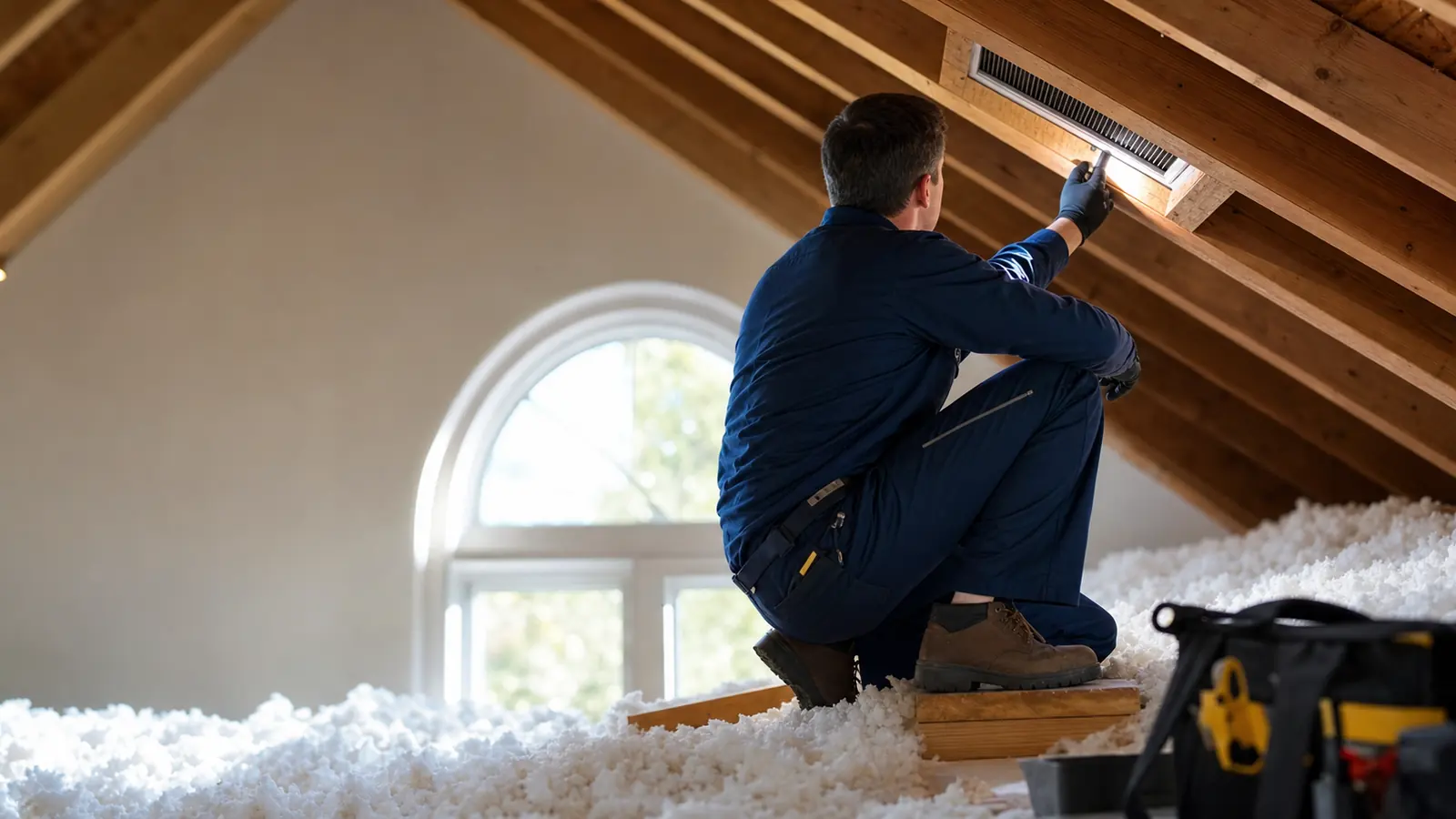
How should attic access be evaluated during the inspection?
Access should be checked by looking at the attic hatch location, headroom, insulation depth, and any obstructions. An inspector needs to physically reach roof lines and eaves. A cluttered or hard-to-reach attic can change how the visit is scoped, so this deserves early attention.
Some attics have a simple pull-down ladder and open floor space. Others are cramped, poorly lit, or packed with boxes and old furniture that block the roofline. For a wider plan, pair this with pest-proofing your home so the whole property is covered.
Ask the inspector how they plan to move through the space safely. Ask what parts of the attic they expect to reach. This sets expectations before the visit even starts.
If certain areas cannot be reached that day, ask about a follow-up visit. Access limits should be written into the inspection notes, not assumed. Homeowners seeing similar pressure can also review residential pest control before scheduling.
What this means for your home
- Practical takeaway: Access should be checked by looking at the attic hatch location, headroom, insulation depth, and any obstructions.
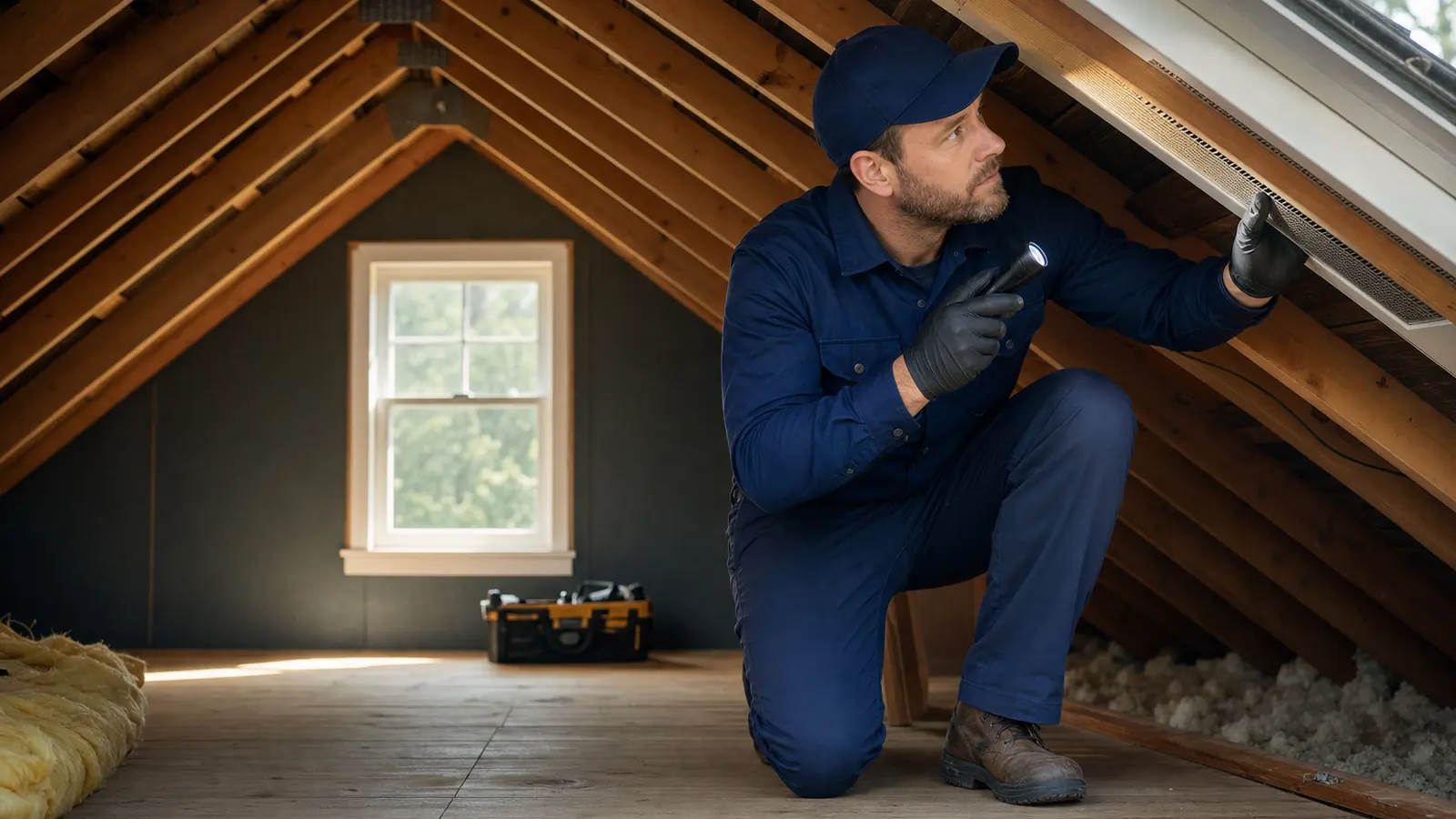
Which entry points should the inspector document as suspected access sites?
An inspector should document gaps at roof edges, soffits, vents, fascia boards, and gable ends. These are common spots where bats may be entering. Suspected entry points should be photographed and marked clearly so the homeowner has a complete, accurate record to review later.
Bats can use surprisingly small gaps to get into an attic space. A loose vent screen or a warped fascia board is often enough room. This connects closely with Upstate SC service areas when you are comparing next steps.
During the walk-around, ask the inspector to point out and photograph anything that looks like a possible gap. Getting this in writing, with pictures, avoids confusion later.
If multiple entry points are suspected, ask how the inspector prioritizes them. Some gaps show clear signs of use, while others are simply possible but unconfirmed. For a wider plan, pair this with kids and pets pest control safety so the whole property is covered.
What this means for your home
- Practical takeaway: An inspector should document gaps at roof edges, soffits, vents, fascia boards, and gable ends.
- Documentation should summarize findings, treated areas, product locations where applicable, and the recommended follow-up plan.
Does it matter which rooms sit below the occupied roost area?
Yes, it matters quite a bit. Rooms directly below an occupied roost area affect how the inspection and later work get planned. Bedrooms, home offices, or busy living spaces below an attic roost should be flagged early so timing can respect household routines.
If bats are roosting above a bedroom or a home office, that changes how disruptive certain steps might feel to a household. It is worth telling the inspector about daily routines in those rooms. Homeowners seeing similar pressure can also review requesting service from Paladin before scheduling.
Ask whether any planned attic work would require entry into rooms below. This might include ceiling access panels or crawlspaces connected to the attic.
Sharing this information upfront helps everyone plan around normal household activity. It avoids discovering a conflict partway through the process. This connects closely with pest-proofing your home when you are comparing next steps.
What this means for your home
- Practical takeaway: Yes, it matters quite a bit.
How does seasonal timing affect when bat exclusion work can happen?
Seasonal timing matters because young bats that cannot yet fly may be present during certain months. Sealing an attic at the wrong time could trap them inside. An inspection should note the current season and how it may shape recommended timing.
Bat activity and roosting patterns shift through the year. What looks appropriate to seal in one season may not be appropriate in another. For a wider plan, pair this with residential pest control so the whole property is covered.
Ask the inspector to explain, in general terms, why timing matters for the specific situation observed in the attic. This is not about specific dates or legal rules, just practical seasonal awareness.
If the inspector recommends waiting before certain work begins, ask what happens during that waiting period. Ask if anything changes month to month. Homeowners seeing similar pressure can also review requesting service from Paladin before scheduling.
What this means for your home
- Practical takeaway: Seasonal timing matters because young bats that cannot yet fly may be present during certain months.
Which repairs typically get discussed once bats have left the attic?
Repairs discussed after bats leave usually include sealing entry gaps and replacing damaged vent screens. Insulation affected by roosting activity may come up too. An inspector should separate repairs tied directly to keeping bats out from general maintenance the home may already need.
Once an attic roost is no longer active, attention often turns to closing the gaps that allowed access in the first place. This step is separate from the observation and access phases discussed earlier. This connects closely with kids and pets pest control safety when you are comparing next steps.
Ask the inspector to split repair recommendations into two lists. One should tie directly to entry points. The other should cover general attic maintenance unrelated to bats.
Getting this split in writing helps homeowners understand what is proposed and why. It beats receiving one long combined repair list. For a wider plan, pair this with residential pest control so the whole property is covered.
What this means for your home
- Practical takeaway: Repairs discussed after bats leave usually include sealing entry gaps and replacing damaged vent screens.
Should homeowners request a written inspection summary before work is scoped?
Yes, a written summary is a reasonable request before any bat removal work is scoped. A record covering observation notes, access details, suspected entry points, occupied rooms, seasonal timing, and repair items gives homeowners something concrete to compare across quotes.
A verbal walkthrough is useful, but details can be forgotten once the inspector leaves. A written summary keeps everyone on the same page. Homeowners seeing similar pressure can also review pest-proofing your home before scheduling.
Ask specifically for six areas to appear in that summary. These are timing, access, entry points, occupied rooms, seasonal notes, and repairs.
Homeowners who keep this kind of record tend to ask sharper follow-up questions. They also understand the proposed scope more clearly before deciding how to move forward. This connects closely with kids and pets pest control safety when you are comparing next steps.
What this means for your home
- Practical takeaway: Yes, a written summary is a reasonable request before any bat removal work is scoped.
- Documentation should summarize findings, treated areas, product locations where applicable, and the recommended follow-up plan.
Family-first by design
We ask who lives in the house before we pick a product
Babies, pregnancies, asthma, immune conditions, pet medical issues, garden beds, beehives, they all change the visit. Paladin treats harborage where pests live, not the surfaces kids and pets touch.
Every visit names what was used, where, and when the area is back to normal. If a different approach is the actual answer, we say so.
Why this post exists on the Paladin blog
This post was written by someone who actually does this work on Upstate homes, not by a contractor or a marketing team that has never seen the species in person. The Paladin blog exists to answer the questions we hear on real service calls, honestly, in plain English, without selling you a service you do not need. If a post helps you solve the problem on your own, that is a successful post for us. If you read it and decide you would rather have a trained technician on site, that is what the phone is for. Either path is fine.
A first Paladin visit is intended to document the activity, inspect relevant areas, and explain the proposed scope before work begins. Appointment timing and the exact inspection areas depend on the request and property access. Call (864) 816-7658 or use the contact form so the office can confirm the current options.
Paladin is based in Boiling Springs, SC and serves the approved Upstate locations listed on this site. Each recommendation should be tied to conditions documented at the property, including pest evidence, moisture, entry points, food, water, shelter, and access. The office confirms address availability without promising a route frequency or response window.
Keep exploring Paladin
Related Paladin services and guides for Upstate homeowners.
Frequently asked questions
What should I write down before scheduling a bat inspection in Boiling Springs, SC?
Note the dates and times you saw bats, roughly how many you noticed, and any sounds or smells from the attic. This basic record gives the inspector a helpful starting point. It also speeds up the observation portion of the visit and reduces guesswork on both sides.
Can an attic inspection happen if the attic is hard to access?
An inspector can often still complete a partial inspection, but limited access may mean some areas cannot be checked that day. Ask how access limits will be documented in the notes. Also ask whether a follow-up visit might be needed to cover the remaining space.
Why does the inspector ask about rooms below the attic?
Rooms below the roost area matter because certain attic work may require access through ceiling panels or shared crawlspaces. Knowing which rooms are used daily helps plan around household routines. It also helps avoid surprises once work is scheduled and underway.
Does the season really change how bat removal is scoped?
Seasonal timing can affect when exclusion work is appropriate, particularly when young bats that cannot fly yet may be present in the attic. An inspector should explain, in general terms, how the current season factors into their recommended approach and why that timing detail matters.
What kind of repairs come up after an attic inspection for bats?
Common repair topics include sealing gaps at rooflines, soffits, or vents, along with addressing damaged screens. An inspector should separate repairs tied directly to entry points from general attic maintenance items. This split helps homeowners understand which fixes are actually connected to the bat activity.
Should I get the inspection findings in writing?
Yes, a written summary makes comparison much easier. It should cover observation notes, access conditions, suspected entry points, occupied rooms, seasonal factors, and repair recommendations. Having this on paper lets you ask sharper follow-up questions and review the scope at your own pace.
Ready to shield your family?
One call to Paladin and we’ll meet you where you are, from a quick walk-through to a long-term protection plan.