Upstate South Carolina · Local pest crew, plain-English answers
Attic Pest Inspection in Boiling Springs, SC: Preparing Evidence Without Entering Unsafe Areas
Before an attic pest inspection in Boiling Springs, SC, homeowners can safely note sound timing, ceiling stains, exterior gaps, odors, affected rooms, and attic access points. These details help Paladin Pest Solutions plan a…
- Product placement chosen around kids, pets, and pollinators
- A real Spartanburg crew, not a national call center
- Plain-English findings before any treatment starts
Quick Answer
Before an attic pest inspection in Boiling Springs, SC, homeowners can safely note sound timing, ceiling stains, exterior gaps, odors, affected rooms, and attic access points. These details help Paladin Pest Solutions plan a focused inspection without requiring you to enter the attic yourself.
For the next step, compare Paladin pest control services, read about Upstate SC service areas, or check where Paladin works across Upstate SC.
Key Takeaways
- Record sound timing and location from outside the attic space.
- Photograph ceiling stains from the room below only.
- Note exterior gaps around the roofline from ground level.
- Track odors and which rooms they affect most.
- Locate attic access points before the inspection visit.
- Share observations without entering the attic yourself.
- Clear documentation helps define the inspection scope.
What safe observations can a homeowner share before an attic pest inspection?
Homeowners can safely note when they hear sounds, where ceiling stains appear, and which exterior gaps look open. Adding odor details, affected rooms, and attic access locations rounds out a useful briefing. None of this requires entering the attic or handling anything inside it.
Good preparation starts with simple observation, not investigation. You do not need special tools or attic access to gather useful details. This connects closely with residential pest control when you are comparing next steps.
Write down what you notice from safe areas of the home. A short list of times, locations, and sounds is often more helpful than a long narrative.
Share this list when you schedule your attic pest inspection in Boiling Springs, SC. It gives the inspection a clear starting point. For a wider plan, pair this with Upstate SC service areas so the whole property is covered.
What this means for your home
- Boiling Springs service is adjusted to the home style, season, and pressure pattern instead of using the same checklist everywhere.
- Practical takeaway: Homeowners can safely note when they hear sounds, where ceiling stains appear, and which exterior gaps look open.
- Documentation should summarize findings, treated areas, product locations where applicable, and the recommended follow-up plan.
How does sound timing help an attic pest inspection?
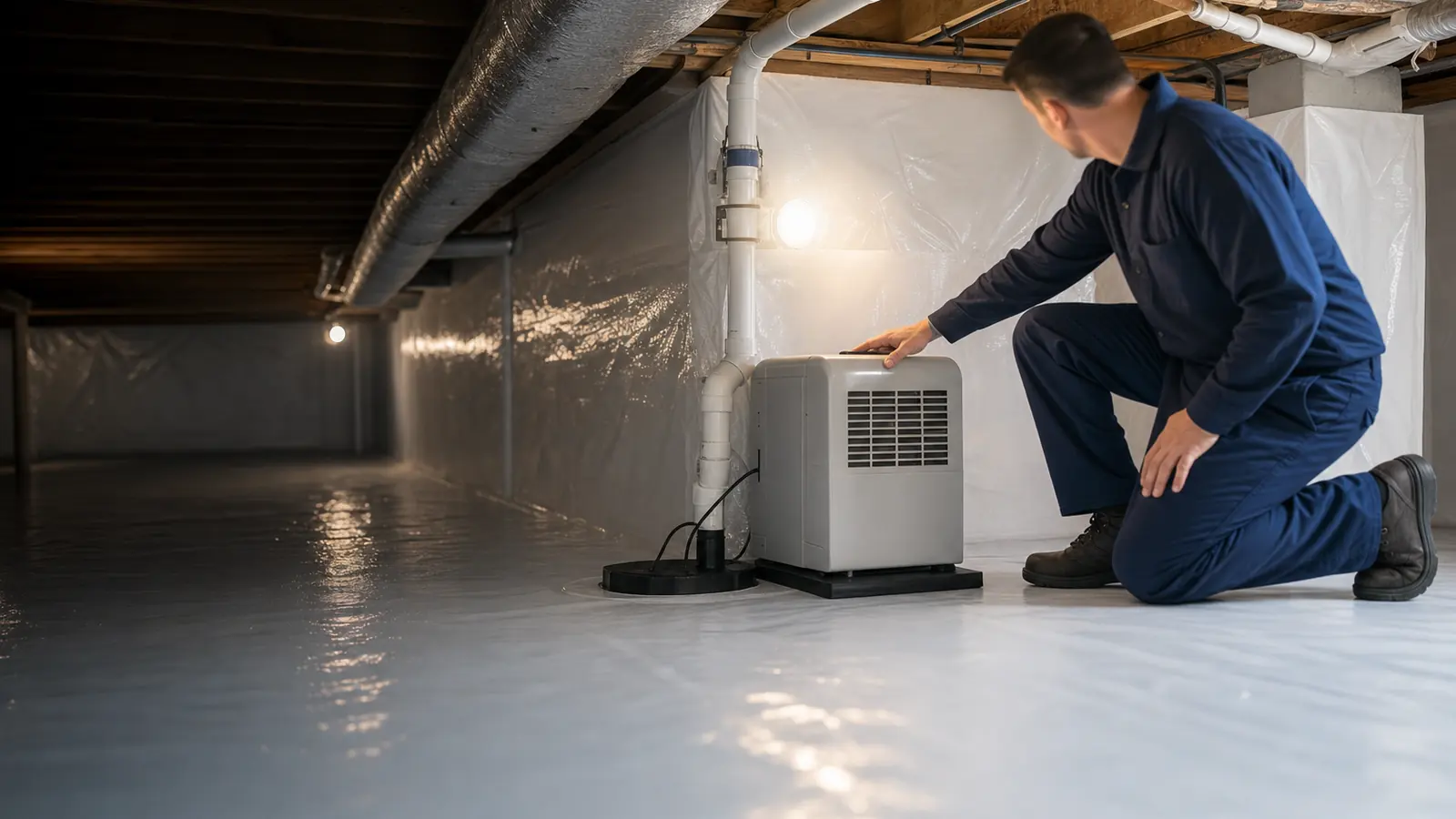
Sound timing tells an inspector when activity is most likely occurring, such as early morning or after dark. This narrows down which areas of the attic deserve closer attention first. Noting the time and general location of sounds is a safe, useful step for any homeowner.
Sounds in a ceiling or wall cavity often follow a pattern. Some occur at dawn or dusk, others overnight. Homeowners seeing similar pressure can also review kids and pets pest control safety before scheduling.
You can note the approximate time without needing to identify what caused it. A phone note or short text message works fine for this.
Mentioning whether sounds came from one corner of the house or spread across multiple rooms adds useful context. This kind of detail helps focus the inspection route. This connects closely with requesting service from Paladin when you are comparing next steps.
What this means for your home
- Practical takeaway: Sound timing tells an inspector when activity is most likely occurring, such as early morning or after dark.
- Documentation should summarize findings, treated areas, product locations where applicable, and the recommended follow-up plan.
Do I need to enter my attic before the inspection?
No, you do not need to enter the attic. Observations from safe areas of your home, like sounds, stains, and odors, give an inspector enough information to plan the visit.
Want a professional to look at this?
The office will confirm the available appointment date.

Which ceiling marks are worth photographing before the visit?
Stains, discoloration, or small sagging spots on ceilings are worth photographing from the room below. These marks can indicate where attention may be needed once the inspection begins. Photos taken safely from the floor are sufficient and do not require climbing or attic entry.
A ceiling stain can look minor but still matter for inspection planning. Take a clear, well lit photo directly from below. For a wider plan, pair this with pest-proofing your home so the whole property is covered.
Include a reference object like a doorframe in the photo for scale. This helps show size and location more accurately.
Note the date you first noticed the mark if you can recall it. Changes over time can be relevant to share with an inspector. Homeowners seeing similar pressure can also review residential pest control before scheduling.
What this means for your home
- Documentation should summarize findings, treated areas, product locations where applicable, and the recommended follow-up plan.
- Practical takeaway: Stains, discoloration, or small sagging spots on ceilings are worth photographing from the room below.
- Boiling Springs service is adjusted to the home style, season, and pressure pattern instead of using the same checklist everywhere.
Why do exterior gaps matter for an attic pest inspection?
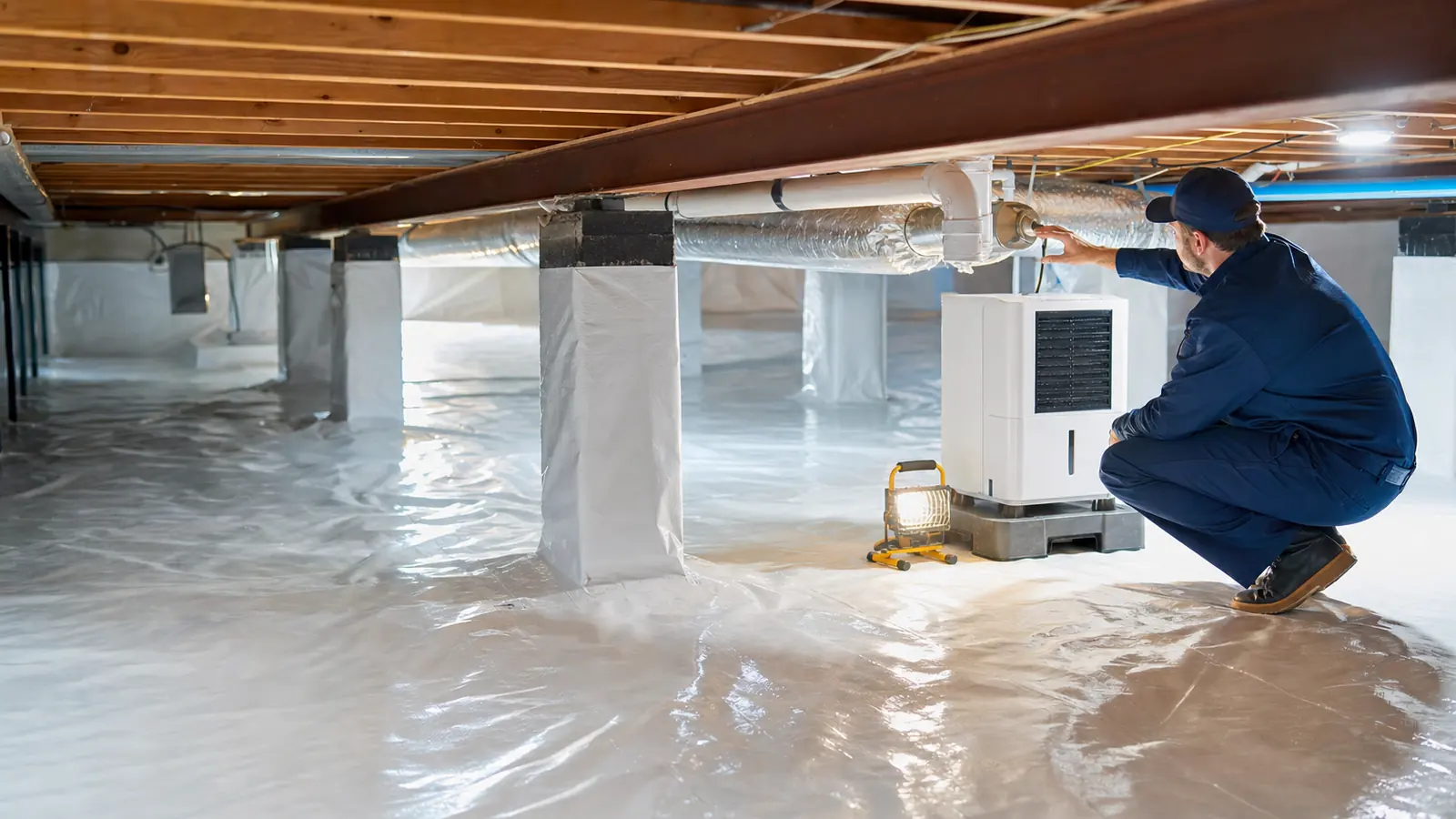
Exterior gaps around rooflines, soffits, or vents can serve as relevant entry points that inspectors want to review closely. Homeowners can note visible gaps from ground level without climbing a ladder or approaching the roof. This simple observation helps guide where the inspection focuses first during the visit.
Walk the perimeter of your home and look up toward the roofline. Note any spots where trim, vents, or siding appear separated. This connects closely with Upstate SC service areas when you are comparing next steps.
You do not need to measure or touch anything. A simple description, like near the chimney or above the garage, is enough detail.
Take a photo from the ground if it is safe to do so. Avoid ladders or roof access for this step. For a wider plan, pair this with kids and pets pest control safety so the whole property is covered.
What this means for your home
- Practical takeaway: Exterior gaps around rooflines, soffits, or vents can serve as relevant entry points that inspectors want to review closely.
- Service notes should tell you what was found, what was treated, and what to watch for before the next visit.
Should homeowners track odors before an attic pest inspection?
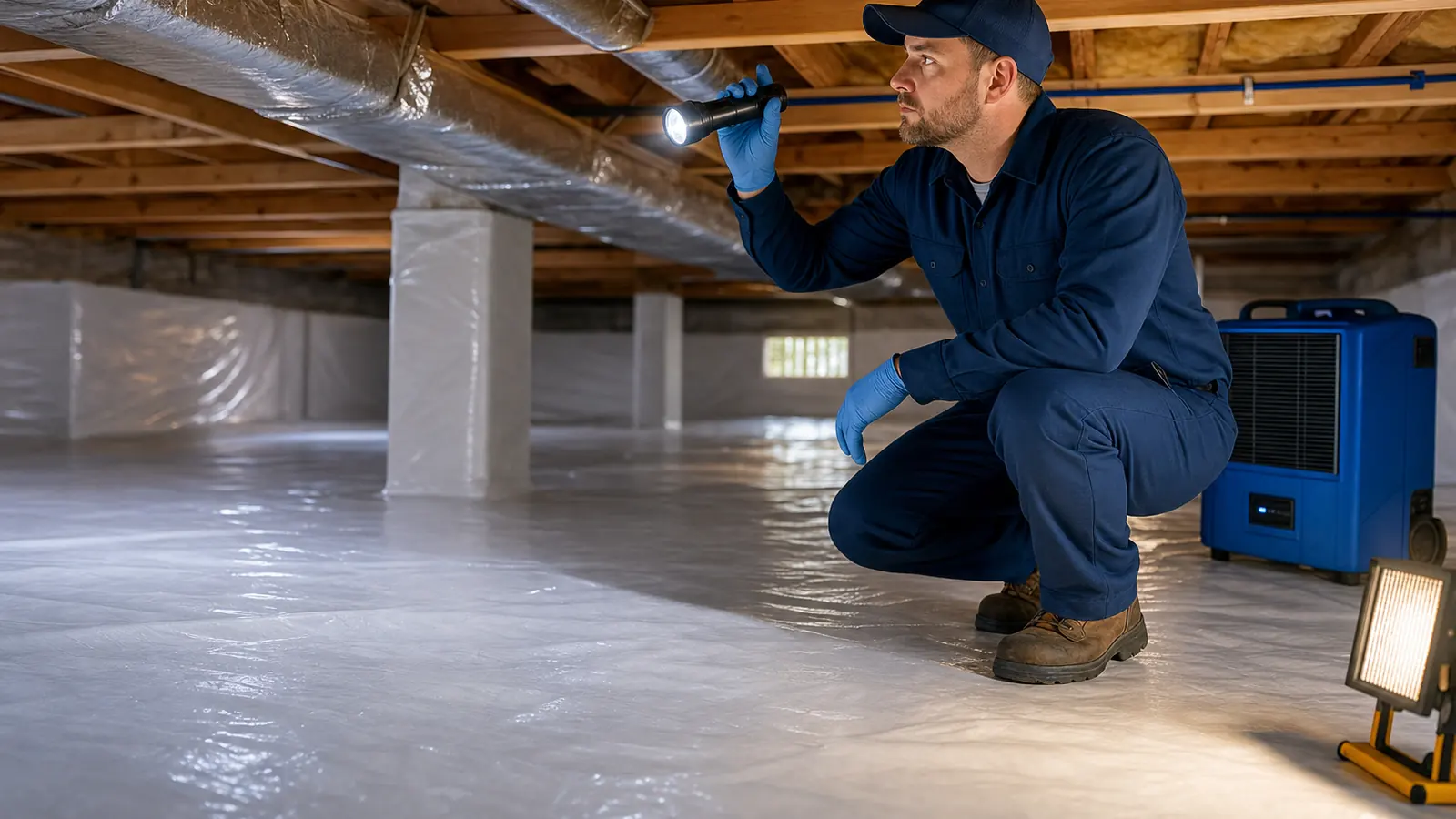
Yes, tracking odor location and strength can help an inspector understand where to focus attention. Note which rooms seem affected and whether the smell changes with weather or time of day. This observation is safe to make without entering the attic.
Odors can shift depending on humidity, temperature, or airflow in the home. Noting when a smell seems stronger is useful context. Homeowners seeing similar pressure can also review requesting service from Paladin before scheduling.
Identify which rooms or hallways seem most affected. This helps connect the odor to a general area of the attic above.
Avoid trying to trace the smell to its exact source yourself. Sharing your observations lets the inspection process do that safely. This connects closely with pest-proofing your home when you are comparing next steps.
What this means for your home
- Practical takeaway: Yes, tracking odor location and strength can help an inspector understand where to focus attention.
- Service notes should tell you what was found, what was treated, and what to watch for before the next visit.
- Boiling Springs service is adjusted to the home style, season, and pressure pattern instead of using the same checklist everywhere.

What should a professional attic pest inspection document?
A professional attic pest inspection typically documents visible conditions, potential entry points, and general attic layout. Findings are recorded to support a clear scope of work. Homeowners should expect documentation rather than immediate conclusions about the cause of any activity.
Inspectors generally record what they observe during a multi-point review of the attic space. This can include insulation condition, entry points, and general structural notes. For a wider plan, pair this with residential pest control so the whole property is covered.
Documentation often includes photos taken safely during the visit. These images help explain findings without requiring a homeowner to enter the attic.
The goal is a clear record that supports next steps. This approach follows integrated pest management principles that emphasize inspection before any action is taken. Homeowners seeing similar pressure can also review requesting service from Paladin before scheduling.
What this means for your home
- Documentation should summarize findings, treated areas, product locations where applicable, and the recommended follow-up plan.
- The process should be clear before work starts: inspect, explain findings, treat the right zones, and document the next step.
- Practical takeaway: A professional attic pest inspection typically documents visible conditions, potential entry points, and general attic layout.
Which findings can change the attic pest inspection service scope?
Findings like multiple entry points, signs of nesting material, or activity in more than one room can change the inspection scope. A broader review may be needed if evidence suggests activity beyond the attic. Scope decisions are made by the inspector based on what is actually observed.
Not every attic inspection stays limited to the attic itself. If evidence points to activity in walls or other rooms, the scope may expand. This connects closely with kids and pets pest control safety when you are comparing next steps.
Homeowners should share any observations from other parts of the home. This includes sounds, odors, or marks that are not limited to the attic.
Discussing these findings with the inspector helps set realistic expectations. Scope changes are based on documented evidence, not assumptions. For a wider plan, pair this with residential pest control so the whole property is covered.
What this means for your home
- Practical takeaway: Findings like multiple entry points, signs of nesting material, or activity in more than one room can change the inspection scope.
- Service notes should tell you what was found, what was treated, and what to watch for before the next visit.
How can homeowners identify attic access points before the visit?
Attic access points are usually a hatch in a closet ceiling, a pull down ladder, or an exterior vent panel. Homeowners can locate and note these safely without opening or entering them. Sharing access details in advance helps the inspection begin more efficiently.
Most homes have one main attic access point, though some have more than one. Walk through closets and hallways to identify where these are located. Homeowners seeing similar pressure can also review pest-proofing your home before scheduling.
Note whether the access point is easy to reach or blocked by storage. Clearing a path in advance can be helpful, but is not required.
Mention any access points you are unsure about. An inspector can confirm which ones are relevant during the visit. This connects closely with kids and pets pest control safety when you are comparing next steps.
What this means for your home
- Practical takeaway: Attic access points are usually a hatch in a closet ceiling, a pull down ladder, or an exterior vent panel.
- Service notes should tell you what was found, what was treated, and what to watch for before the next visit.
Family-first by design
We ask who lives in the house before we pick a product
Babies, pregnancies, asthma, immune conditions, pet medical issues, garden beds, beehives, they all change the visit. Paladin treats harborage where pests live, not the surfaces kids and pets touch.
Every visit names what was used, where, and when the area is back to normal. If a different approach is the actual answer, we say so.
Why this post exists on the Paladin blog
This post was written by someone who actually does this work on Upstate homes, not by a contractor or a marketing team that has never seen the species in person. The Paladin blog exists to answer the questions we hear on real service calls, honestly, in plain English, without selling you a service you do not need. If a post helps you solve the problem on your own, that is a successful post for us. If you read it and decide you would rather have a trained technician on site, that is what the phone is for. Either path is fine.
A first Paladin visit is intended to document the activity, inspect relevant areas, and explain the proposed scope before work begins. Appointment timing and the exact inspection areas depend on the request and property access. Call (864) 816-7658 or use the contact form so the office can confirm the current options.
Paladin is based in Boiling Springs, SC and serves the approved Upstate locations listed on this site. Each recommendation should be tied to conditions documented at the property, including pest evidence, moisture, entry points, food, water, shelter, and access. The office confirms address availability without promising a route frequency or response window.
Keep exploring Paladin
Related Paladin services and guides for Upstate homeowners.
Frequently asked questions
What safe observations can a homeowner share before an attic pest inspection?
Homeowners can share sound timing, ceiling stain photos, visible exterior gaps, odor details, affected rooms, and attic access locations. All of these observations can be made safely without entering the attic. This information helps Paladin Pest Solutions plan a focused inspection visit.
Should I try to find the source of an attic sound myself?
It is best to simply note when and where you hear sounds rather than trying to locate the source yourself. Attics can have limited lighting and uneven footing, which makes independent searching risky. Sharing your written notes with an inspector lets the actual inspection process handle the rest safely.
How do exterior gaps factor into an attic pest inspection in Boiling Springs, SC?
Exterior gaps around rooflines, vents, or soffits are often reviewed as potential entry points during an inspection visit. Noting gaps you can see clearly from ground level helps guide where the inspector focuses attention first. This kind of observation does not require climbing a ladder or accessing the roof.
Can documentation change the scope of an attic pest inspection?
Yes, documented evidence such as activity in multiple rooms or several possible entry points can lead to a broader inspection scope. Scope decisions are ultimately based on what is actually found and confirmed during the visit itself. Sharing detailed observations in advance supports this evaluation process.
What should I do with my notes before contacting Paladin Pest Solutions?
Organize your notes by category, such as sounds, stains, odors, and gaps, before reaching out for help. This makes it easier to share clear, useful information when you contact Paladin Pest Solutions or call to schedule an attic pest inspection appointment.
Ready to shield your family?
One call to Paladin and we’ll meet you where you are, from a quick walk-through to a long-term protection plan.