Upstate South Carolina · Careful, targeted pest control
Apartment Pest Control in Boiling Springs, SC: Coordinating a Unit Service Request
Apartment pest control in Boiling Springs, SC works best when both sides prepare first. The resident and property contact should share unit history. They should also note nearby unit activity. Confirm access windows and finish…
- We identify the species first, then treat the actual harborage
- Same Upstate technicians on your route, visit after visit
- Clear notes after every visit, what we did and why
Quick Answer
Apartment pest control in Boiling Springs, SC works best when both sides prepare first. The resident and property contact should share unit history. They should also note nearby unit activity. Confirm access windows and finish basic prep. Set up a reporting method too. This helps the inspection cover the full scope.
For the next step, compare Paladin pest control services, read about Upstate SC service areas, or check where Paladin works across Upstate SC.
Key Takeaways
- Unit history helps a technician spot patterns fast.
- Adjoining units often share pathways through walls and lines.
- Confirmed access windows prevent delays or missed visits.
- Basic prep clears sightlines without pesticide handling.
- A simple reporting method keeps residents and managers aligned.
- Integrated Pest Management favors inspection before any treatment step.
- Written notes work better than memory during follow-up.
What information should a resident and property contact coordinate before apartment pest service?
Before scheduling apartment pest control in Boiling Springs, SC, share the unit's pest history. Include recent sightings, adjoining unit reports, access instructions, and any prep already done. This record gives the inspector a clear starting point. It also cuts down on repeat visits caused by missing context.
A resident often notices activity first. Writing down dates, rooms, and rough counts creates a useful timeline. This timeline helps separate a new issue from an ongoing pattern. This connects closely with residential pest control when you are comparing next steps.
Property contacts usually hold maintenance records and past service notes. Comparing these notes with the resident's timeline can reveal shared trends. It also avoids repeating steps already tried.
Sharing this information ahead of time saves time on site. The inspector can spend more time observing and less time gathering background. That shift often leads to a fuller first visit. For a wider plan, pair this with Upstate SC service areas so the whole property is covered.
Both sides should agree on how to log new sightings going forward. A shared note or simple form works well. Consistent tracking supports better decisions at the next visit.
What this means for your home
- Boiling Springs service is adjusted to the home style, season, and pressure pattern instead of using the same checklist everywhere.
- Practical takeaway: Before scheduling apartment pest control in Boiling Springs, SC, share the unit's pest history.

Which unit history details matter most for a coordinated inspection?
The most useful details are dates of sightings, the rooms affected, and whether pests appeared near plumbing or exterior walls. Prior service attempts matter too. This history keeps the inspection focused. It stops each visit from starting over with no context.
Dates matter because patterns often follow seasons or weather shifts. One sighting alone tells less than a series of dated notes. Grouping dates by month can reveal a trend quickly. Homeowners seeing similar pressure can also review kids and pets pest control safety before scheduling.
Location within the unit is just as important. Pests near a kitchen sink point to a different starting spot than pests near a window frame. Noting the room narrows early observation areas.
Prior service attempts, even small ones like sealing a gap, should be written down. This prevents wasted effort on the next visit. It also shows what has not solved the issue. This connects closely with requesting service from Paladin when you are comparing next steps.
Residents should keep this history somewhere easy to find, like a phone note. Property contacts can ask for a copy before scheduling. Having it ready speeds up the first conversation.
What this means for your home
- Practical takeaway: The most useful details are dates of sightings, the rooms affected, and whether pests appeared near plumbing or exterior walls.
- Service notes should tell you what was found, what was treated, and what to watch for before the next visit.
Who should gather unit pest history, the resident or the property contact?
Both play a part. The resident usually tracks day-to-day sightings. The property contact holds maintenance and past service records. Combining both sources gives a fuller history before the visit even starts.
Not sure what you're dealing with?
Tell us the activity you've noticed and we'll point you the right direction.
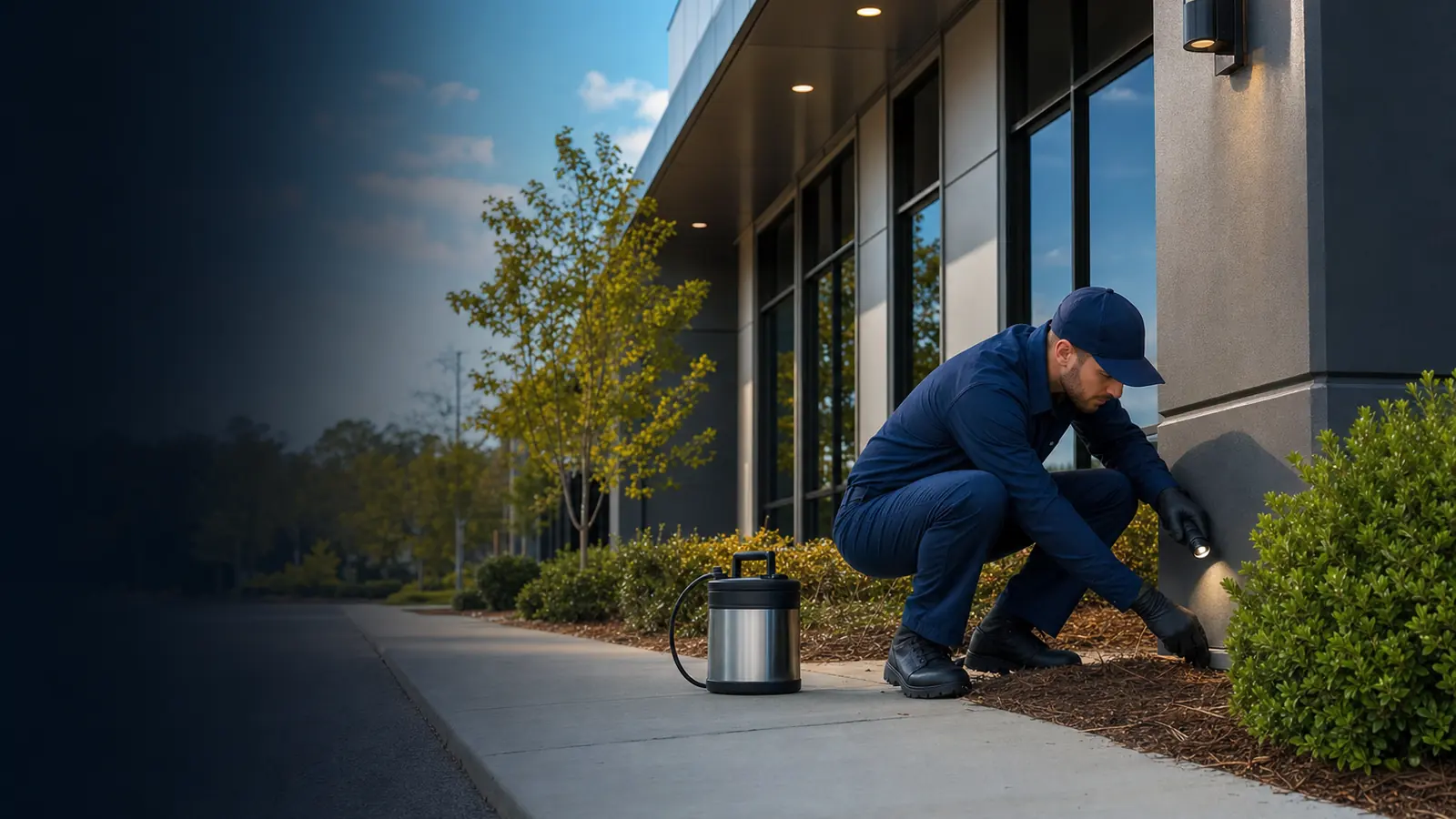
Why do adjoining units affect apartment pest control scope?
Adjoining units share walls, plumbing chases, and sometimes attic space. Activity in one unit can relate to conditions next door. Property contacts who check with neighboring residents before a visit give the inspector a wider view of any shared pathways.
Multifamily buildings often share utility lines and common walls. These shared parts can create pathways between units. A single unit inspection may miss part of the picture without this context. For a wider plan, pair this with pest-proofing your home so the whole property is covered.
Property contacts are usually better placed to reach out to nearby residents. A short question about recent sightings can surface useful details. This step does not require entering another unit to help.
When adjoining reports exist, the inspector can factor them into the visit plan. This does not mean every unit gets treated. It simply means the scope talk uses fuller information. Homeowners seeing similar pressure can also review residential pest control before scheduling.
Residents should not feel they need to check on neighboring units themselves. That coordination fits better with the property contact. Clear communication keeps expectations reasonable for both sides.
What this means for your home
- Practical takeaway: Adjoining units share walls, plumbing chases, and sometimes attic space.
- Family and pet awareness means we explain treated areas, re-entry timing, and simple prep steps before work begins.
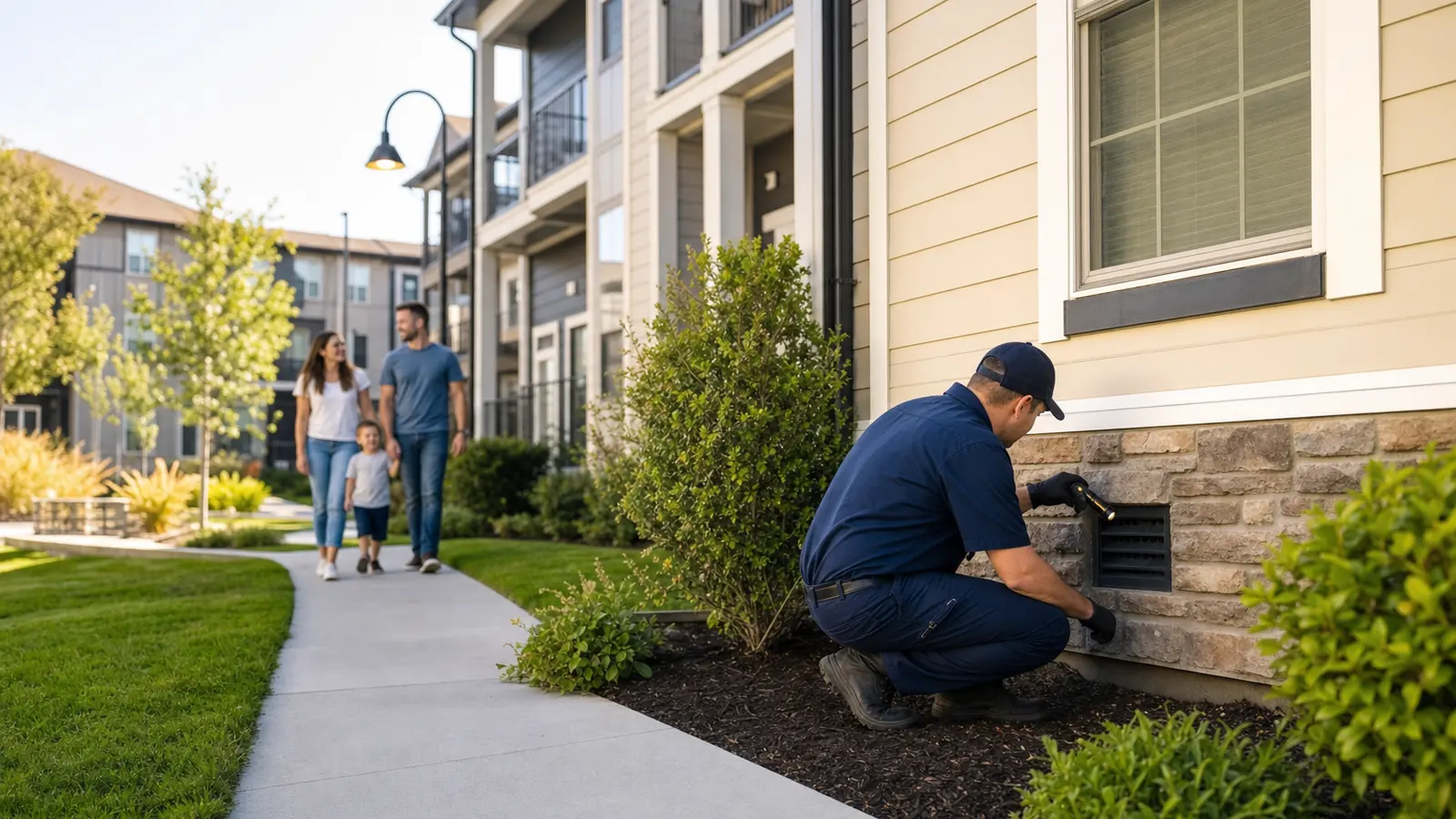
How should access be confirmed before a scheduled visit?
Confirm access in writing with a specific time window and a point of contact. Cover entry instructions for cases when the resident cannot be present. Clear access details prevent wasted trips. They also help the visit start on time and stay on track.
A written confirmation avoids mix-ups about timing. A text or email works fine as long as both sides agree. Verbal-only plans are more likely to fall through. This connects closely with Upstate SC service areas when you are comparing next steps.
If the resident will not be home, the property contact should spell out entry steps. This might include a lockbox code or staff escort. The inspector needs this plan ahead of time, not on arrival.
Pets should be secured before the visit no matter who is present. This keeps the inspection safe and quick. Property contacts can add this reminder to their standard notice. For a wider plan, pair this with kids and pets pest control safety so the whole property is covered.
Confirming access a day ahead cuts down on last-minute surprises. A short reminder message is often enough. This small step lowers the chance of a missed visit.
What this means for your home
- Practical takeaway: Confirm access in writing with a specific time window and a point of contact.
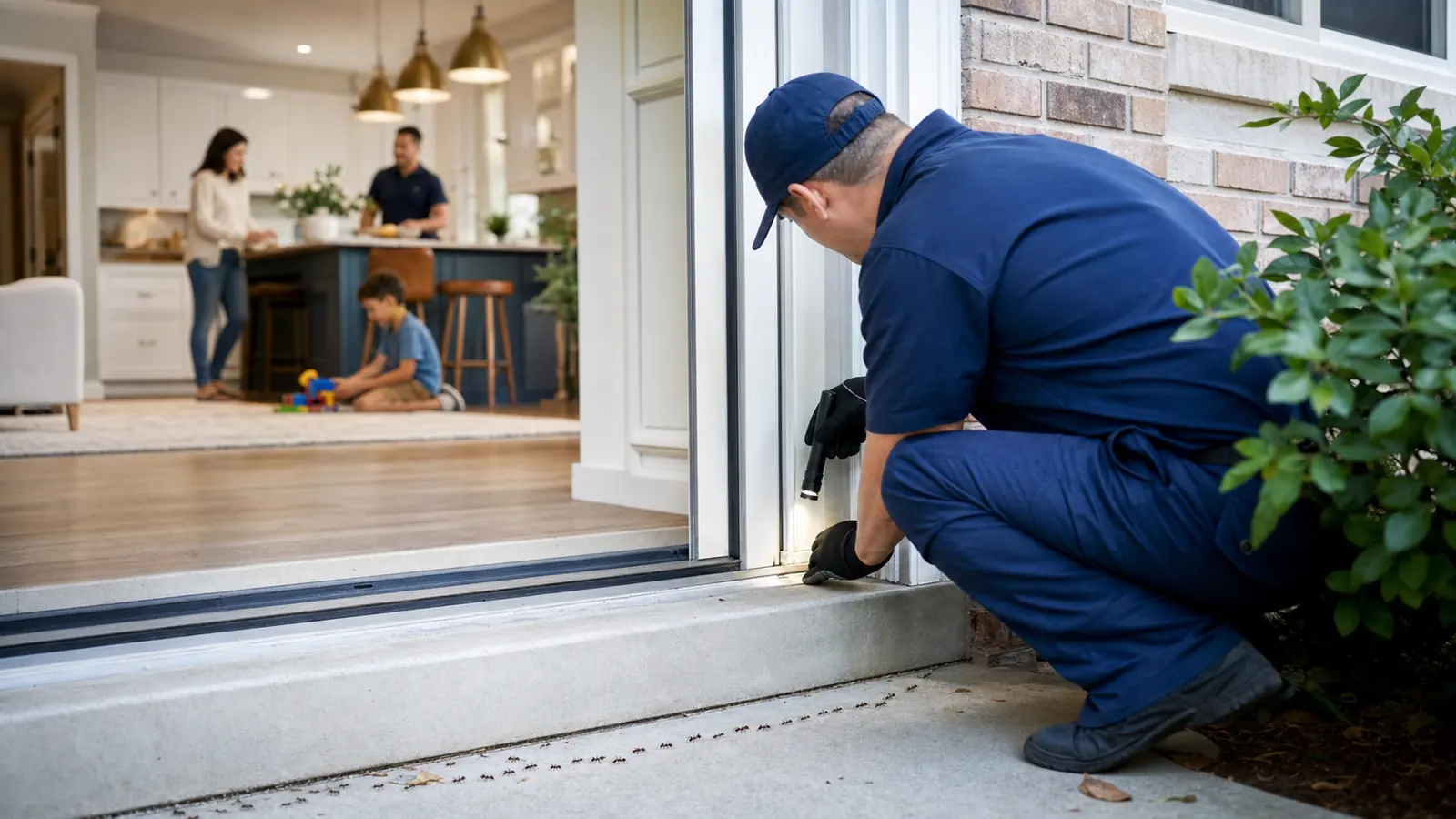
What basic preparation helps without requiring pesticide handling?
Basic prep means clearing floor areas near baseboards. It also means moving stored items away from walls. Giving the inspector clear sightlines in kitchens and bathrooms helps too. None of this needs chemical handling, just open space for a clear look.
Clutter along walls and floors can hide the very areas an inspector needs to see. Moving boxes or bags away from baseboards opens up sightlines. This is a simple task residents can handle on their own. Homeowners seeing similar pressure can also review requesting service from Paladin before scheduling.
Kitchens and bathrooms often need the most visibility since they involve plumbing and food storage. Clearing under sinks and around appliances helps a lot. Residents do not need to deep clean, just create access.
Pets and children should stay away from the work area during the visit. This is a scheduling and safety courtesy, not a treatment step. It also helps the inspector move efficiently. This connects closely with pest-proofing your home when you are comparing next steps.
Property contacts can send a short prep checklist to residents ahead of time. A consistent checklist across units keeps expectations even. It also cuts down on confusion about what is actually being asked.
What this means for your home
- Practical takeaway: Basic prep means clearing floor areas near baseboards.
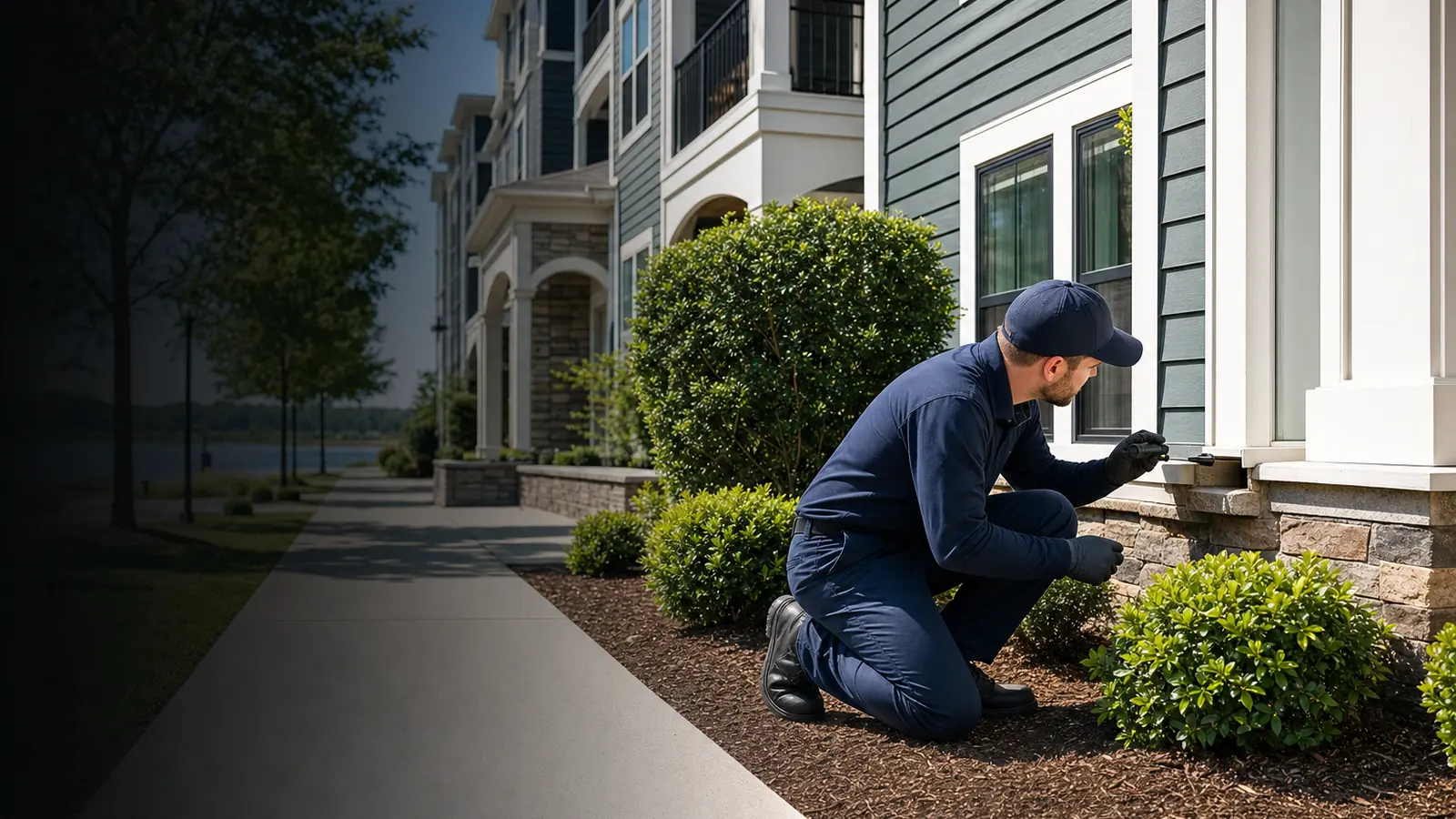
What should a professional apartment pest control inspection document?
A thorough inspection should note observed conditions, likely entry points, and affected rooms. Any exclusion needs should be recorded too, without a full property diagnosis on the spot. This written record becomes the basis for a scope talk with the property contact.
Documentation should describe what was actually observed, not guesses about the cause. This keeps the record accurate and useful later. Vague notes are harder to act on during follow-up. For a wider plan, pair this with residential pest control so the whole property is covered.
Entry points such as gaps around pipes or door thresholds are often part of this record. Noting these spots supports later exclusion work. It also helps residents see where conditions are relevant.
The inspection record should stay with both the resident and the property contact. Sharing it keeps one party from missing key details. It also supports steady tracking across multiple units. Homeowners seeing similar pressure can also review requesting service from Paladin before scheduling.
This record should not read as a final call on the whole property. It reflects what was seen that day. Further observation may be needed to understand wider patterns.
What this means for your home
- Documentation should summarize findings, treated areas, product locations where applicable, and the recommended follow-up plan.
- Service notes should tell you what was found, what was treated, and what to watch for before the next visit.
- Boiling Springs service is adjusted to the home style, season, and pressure pattern instead of using the same checklist everywhere.
Which findings can change the apartment pest control service scope?
Several adjoining units reporting activity can shift the scope talk. Entry points near shared utility lines or signs in common areas matter too. These findings may prompt a wider conversation about exclusion or extra units. That call gets made case by case with the property contact.
A single unit finding usually stays limited to that unit's plan. Once patterns show up across several units, the scope talk naturally widens. This shift rests on observed evidence, not a guess. This connects closely with kids and pets pest control safety when you are comparing next steps.
Entry points tied to shared lines or common walls often point toward building-level exclusion work. This kind of finding involves the property contact directly. Residents are not usually asked to manage that call.
Common areas such as breezeways or laundry rooms can also factor into scope changes. Activity in these shared spaces touches more than one household. Property contacts typically coordinate any response there. For a wider plan, pair this with residential pest control so the whole property is covered.
Any scope change should be explained clearly before work moves forward. Both the resident and property contact benefit from knowing why the plan grew. This keeps things clear and easy to follow.
What this means for your home
- Practical takeaway: Several adjoining units reporting activity can shift the scope talk.
Should residents and property contacts set up ongoing reporting after service?
Yes, a simple reporting method helps track whether conditions improve over time between visits. A shared log, even a basic one, gives both sides a steady way to note new activity as it happens. This record can then be shared at the next visit.
A single visit rarely tells the full story alone. Ongoing notes build a fuller picture over weeks or months. This is especially useful in multifamily settings with several units involved. Homeowners seeing similar pressure can also review pest-proofing your home before scheduling.
The reporting method does not need to be fancy. A shared note, spreadsheet, or simple form works well. What matters is staying consistent, not the tool itself.
Residents can report new sightings as soon as they notice them. Early reporting supports better timing for any follow-up visit. Waiting too long makes patterns harder to trace. This connects closely with kids and pets pest control safety when you are comparing next steps.
Property contacts can review this log now and then and share trends that matter. This keeps everyone informed without constant back and forth. It also supports better planning for future requests.
What this means for your home
- Documentation should summarize findings, treated areas, product locations where applicable, and the recommended follow-up plan.
- Practical takeaway: Yes, a simple reporting method helps track whether conditions improve over time between visits.
Family-first by design
We ask who lives in the house before we pick a product
Babies, pregnancies, asthma, immune conditions, pet medical issues, garden beds, beehives, they all change the visit. Paladin treats harborage where pests live, not the surfaces kids and pets touch.
Every visit names what was used, where, and when the area is back to normal. If a different approach is the actual answer, we say so.
Why this post exists on the Paladin blog
This post was written by someone who actually does this work on Upstate homes, not by a contractor or a marketing team that has never seen the species in person. The Paladin blog exists to answer the questions we hear on real service calls, honestly, in plain English, without selling you a service you do not need. If a post helps you solve the problem on your own, that is a successful post for us. If you read it and decide you would rather have a trained technician on site, that is what the phone is for. Either path is fine.
A first Paladin visit is intended to document the activity, inspect relevant areas, and explain the proposed scope before work begins. Appointment timing and the exact inspection areas depend on the request and property access. Call (864) 816-7658 or use the contact form so the office can confirm the current options.
Paladin is based in Boiling Springs, SC and serves the approved Upstate locations listed on this site. Each recommendation should be tied to conditions documented at the property, including pest evidence, moisture, entry points, food, water, shelter, and access. The office confirms address availability without promising a route frequency or response window.
Keep exploring Paladin
Related Paladin services and guides for Upstate homeowners.
Frequently asked questions
What information should a resident and property contact coordinate before apartment pest service?
They should share unit pest history, recent sightings, and adjoining unit reports. Confirmed access details and any prep already done matter too. Coordinating this ahead of time helps the inspection cover the full picture, instead of starting cold on the day of the visit.
Do adjoining units need to be inspected during apartment pest control in Boiling Springs, SC?
Not automatically. Shared walls and utility lines make adjoining activity worth noting. Scope decisions still rest on actual findings during inspection, not assumptions made ahead of time. Property contacts typically coordinate any expansion beyond the original unit, based on what gets seen on site that day.
How much preparation is expected from a resident before an apartment pest visit?
Basic prep usually means clearing floor space near baseboards. Residents should also open up sightlines in kitchens and bathrooms. Residents are not expected to handle pesticides or set up equipment. Property contacts can share a simple checklist before the scheduled date so nothing gets missed.
Can one inspection determine the full scope of a multi-unit issue?
A single visit gives useful observations, but it does not always show patterns across a whole building. Scope conclusions often depend on comparing notes across several units and multiple visits over time. This is one reason shared reporting after service is genuinely useful for everyone involved.
What should happen if access to a unit cannot be confirmed in advance?
The property contact should reschedule or set up an alternate entry plan before the visit date arrives. Showing up without confirmed access usually means the inspection cannot move forward that day. Written confirmation a day ahead helps both sides avoid this and skip wasted travel time.
Ready to shield your family?
One call to Paladin and we’ll meet you where you are, from a quick walk-through to a long-term protection plan.