Upstate South Carolina · Identify first, treat the right spot
Apartment Complex Pest Control in Boiling Springs, SC: Building a Propertywide Scope
Apartment Complex Pest Control in Boiling Springs, SC works best with a clear written scope. Name who handles buildings, units, common areas, communication, and follow-up. This keeps staff and vendors aligned. It also closes gaps…
- Treatments built around how your family actually uses the home
- Local dispatch from Spartanburg across the Upstate
- If a visit isn't needed, we'll say so on the phone
Quick Answer
Apartment Complex Pest Control in Boiling Springs, SC works best with a clear written scope. Name who handles buildings, units, common areas, communication, and follow-up. This keeps staff and vendors aligned. It also closes gaps between visits.
For the next step, compare Paladin pest control services, read about Upstate SC service areas, or check where Paladin works across Upstate SC.
Key Takeaways
- Define scope by building, unit, and common area
- Written charts cut confusion between staff and vendors
- Set clear steps for reporting issues
- Use follow-up notes to track problem spots
- Integrated Pest Management supports long-term prevention
- Resident notice matters as much as the visit
- Multi-point inspections give a consistent baseline
How should a property manager define a coordinated apartment-complex pest scope?
A clear scope names who handles buildings, units, and common areas. It also covers follow-up steps. Write these roles into a simple chart before service starts. Staff and vendors stay aligned this way. Residents know who to contact. Fewer missed units and repeat calls follow over time.
Many pest issues at apartment complexes trace back to unclear roles. It is rarely a lack of effort. If no one checks a breezeway, gaps show up fast. This connects closely with residential pest control when you are comparing next steps.
A written scope closes those gaps early. Start with five categories. These are building exteriors, units, common areas, communication, and follow-up review.
Paladin Pest Solutions works with property managers across Upstate South Carolina. Plans follow Integrated Pest Management principles. The goal is one shared document, not a verbal plan that shifts each month. For a wider plan, pair this with Upstate SC service areas so the whole property is covered.
What this means for your home
- Boiling Springs service is adjusted to the home style, season, and pressure pattern instead of using the same checklist everywhere.
- Practical takeaway: A clear scope names who handles buildings, units, and common areas.
- The plan is adjusted for the home type and pest pressure instead of forcing a generic pest control checklist.
What should a professional apartment complex pest control inspection document?
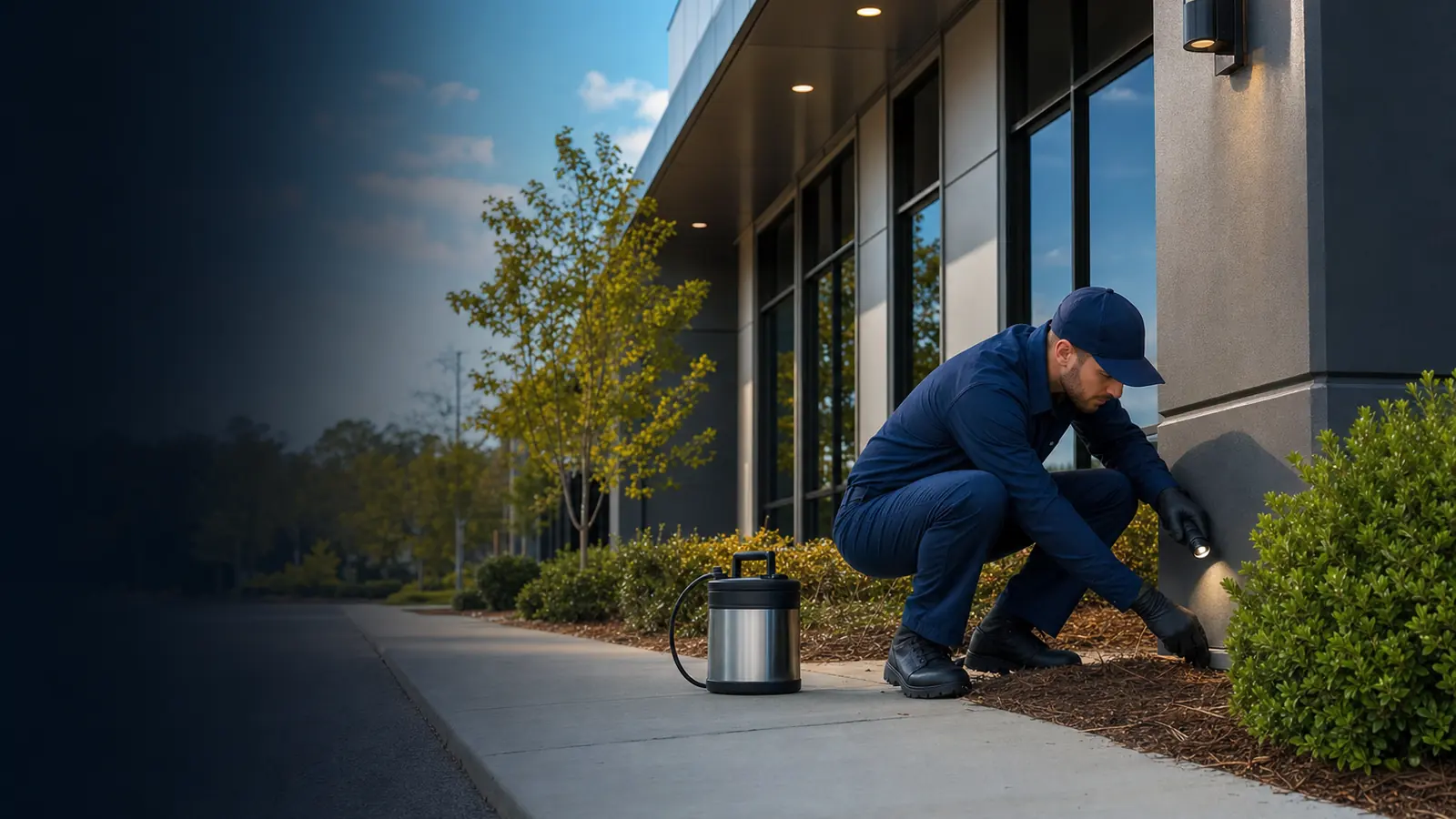
A good inspection records conditions in common areas and exteriors. It also notes any flagged units. It lists moisture, clutter, and entry points. Clear records give the manager a solid baseline. That baseline helps track results across future visits and different buildings.
Inspection notes only help when they are specific. A report should list which buildings were checked. It should note what was seen. It should also flag what needs follow-up. Homeowners seeing similar pressure can also review kids and pets pest control safety before scheduling.
Multi-point inspections often cover exterior entry points, landscaping near foundations, shared trash areas, and interior common spaces. Each area gets its own notes. A single general summary is not enough.
When a report lists entry points or conducive conditions, that record supports exclusion work later. Managers can then plan sealing projects apart from routine service. This connects closely with requesting service from Paladin when you are comparing next steps.
What this means for your home
- Practical takeaway: A good inspection records conditions in common areas and exteriors.
- Documentation should summarize findings, treated areas, product locations where applicable, and the recommended follow-up plan.
Who is responsible for reporting pest issues inside a leased unit?
Residents typically report issues inside their own units. Property staff coordinate access and scheduling for those visits. This keeps the process clear. It avoids confusion about who starts a service request.
Prefer to skip the guessing?
We'll identify the pest, point out conditions, and quote what's actually needed.
Which findings can change the apartment complex pest control service scope?
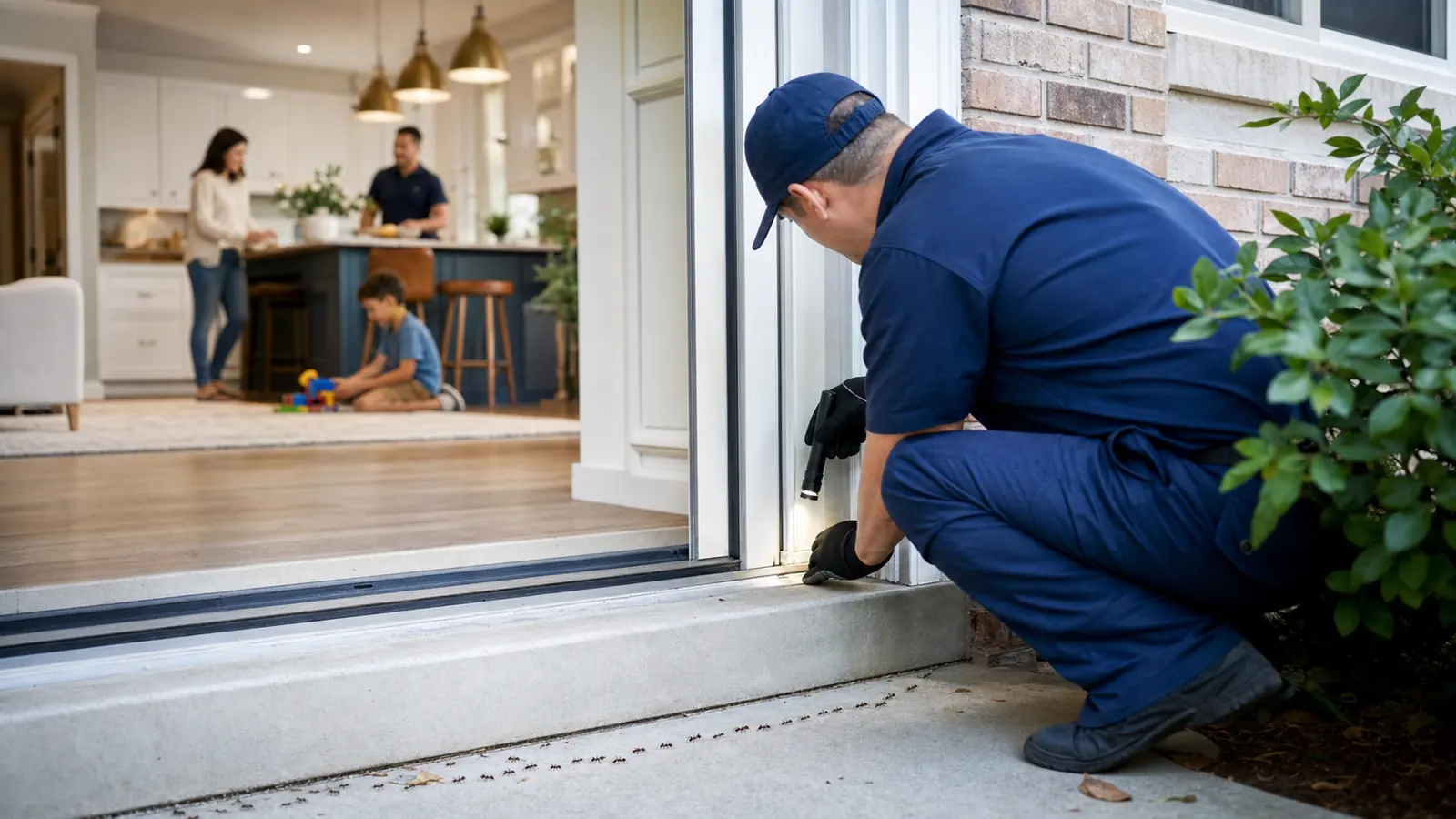
Findings such as rodent activity or moisture near foundations can shift the scope. Gaps around utility lines matter too. When inspections reveal these conditions, the plan may expand. That could mean added exclusion work. It could also mean more frequent checks in certain buildings.
Not every building in a complex needs the same attention. If one section shows repeated rodent activity, that building may need extra exclusion work. Other buildings can stay on a standard schedule. For a wider plan, pair this with pest-proofing your home so the whole property is covered.
Moisture near foundations or landscaping beds can also change scope. Inspectors often note these conditions. Maintenance requests usually handle them, not pest treatment alone.
A flexible scope lets a provider adjust focus based on real findings. This keeps the plan efficient. It also avoids ignoring problem spots that need more care. Homeowners seeing similar pressure can also review residential pest control before scheduling.
What this means for your home
- Practical takeaway: Findings such as rodent activity or moisture near foundations can shift the scope.

How should unit-level responsibilities be separated from common-area responsibilities?
Unit duties usually involve resident cooperation and access scheduling. Common-area duties fall more on property staff and the pest provider. Separating these two groups in writing prevents confusion later. It also clarifies what sits inside a lease and what does not.
Units are private spaces where residents help with prevention. This can mean reporting issues promptly. It can also mean allowing scheduled access to the unit. This connects closely with Upstate SC service areas when you are comparing next steps.
A clear scope document should state which category each space falls into. Laundry rooms and dumpster areas belong to common-area duty. Individual apartments belong to unit-level duty with resident input noted.
This separation also speeds up communication. When a resident reports an issue, staff can quickly tell if it needs a unit visit or a common-area check. For a wider plan, pair this with kids and pets pest control safety so the whole property is covered.
What this means for your home
- Practical takeaway: Unit duties usually involve resident cooperation and access scheduling.
Why does communication planning matter for propertywide pest scope?
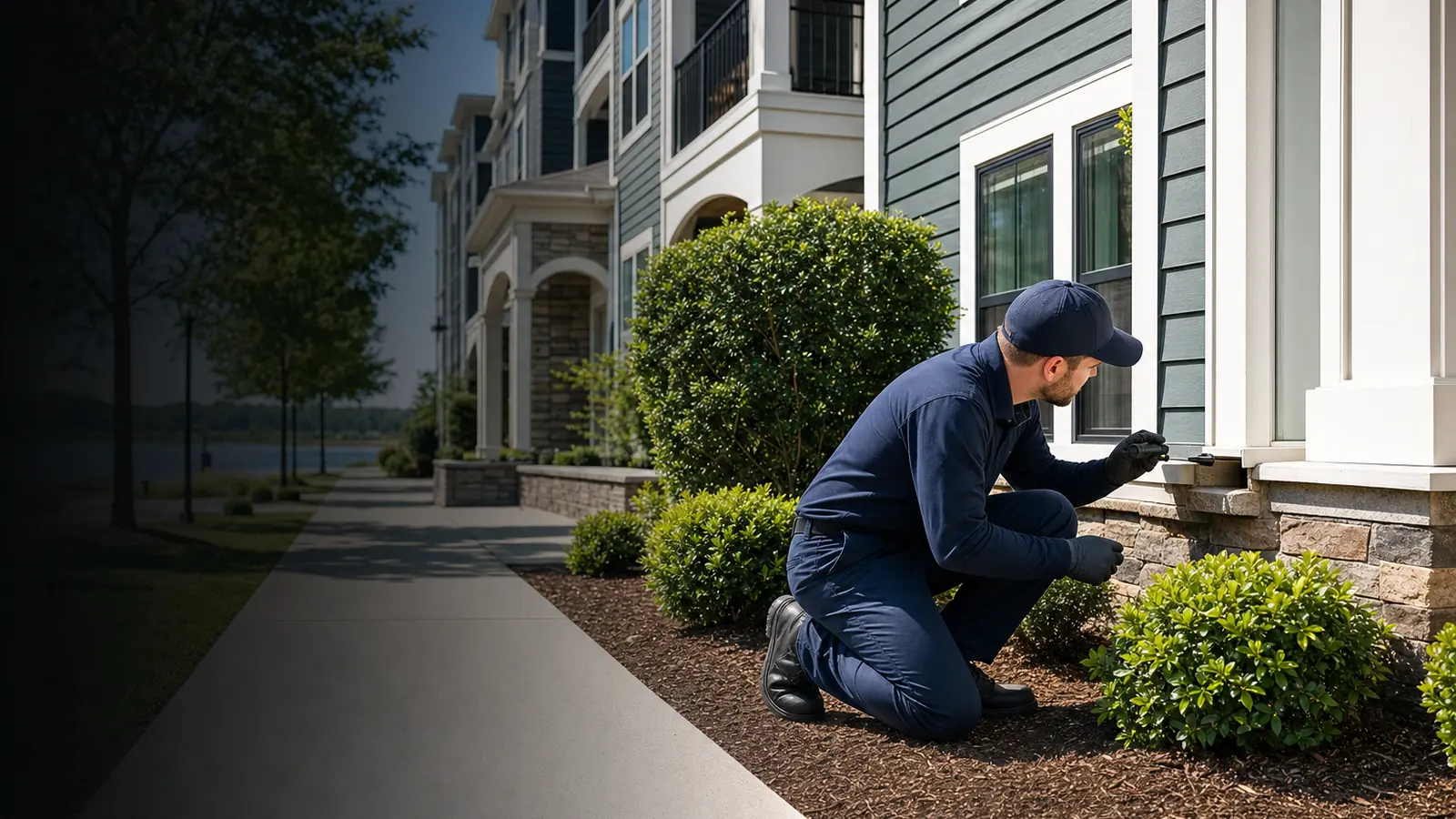
Communication planning matters because residents and staff need a clear way to report issues. Without a set process, complaints get lost or duplicated. A simple plan keeps the scope working smoothly. This holds true across every building in the complex.
A communication plan should state how residents report a concern. It should name who reviews it. It should also cover how the provider gets notified. This avoids duplicate reports or issues that sit unaddressed. Homeowners seeing similar pressure can also review requesting service from Paladin before scheduling.
Property managers benefit from one point of contact for pest concerns. This beats scattered emails or verbal notes. It keeps records consistent and easy to review later.
Clear communication also supports resident notice before scheduled visits. Letting residents know when common areas will be checked reduces confusion. It builds trust in the process over time. This connects closely with pest-proofing your home when you are comparing next steps.
What this means for your home
- Practical takeaway: Communication planning matters because residents and staff need a clear way to report issues.
- Documentation should summarize findings, treated areas, product locations where applicable, and the recommended follow-up plan.
When should follow-up review be added to an apartment pest control plan?
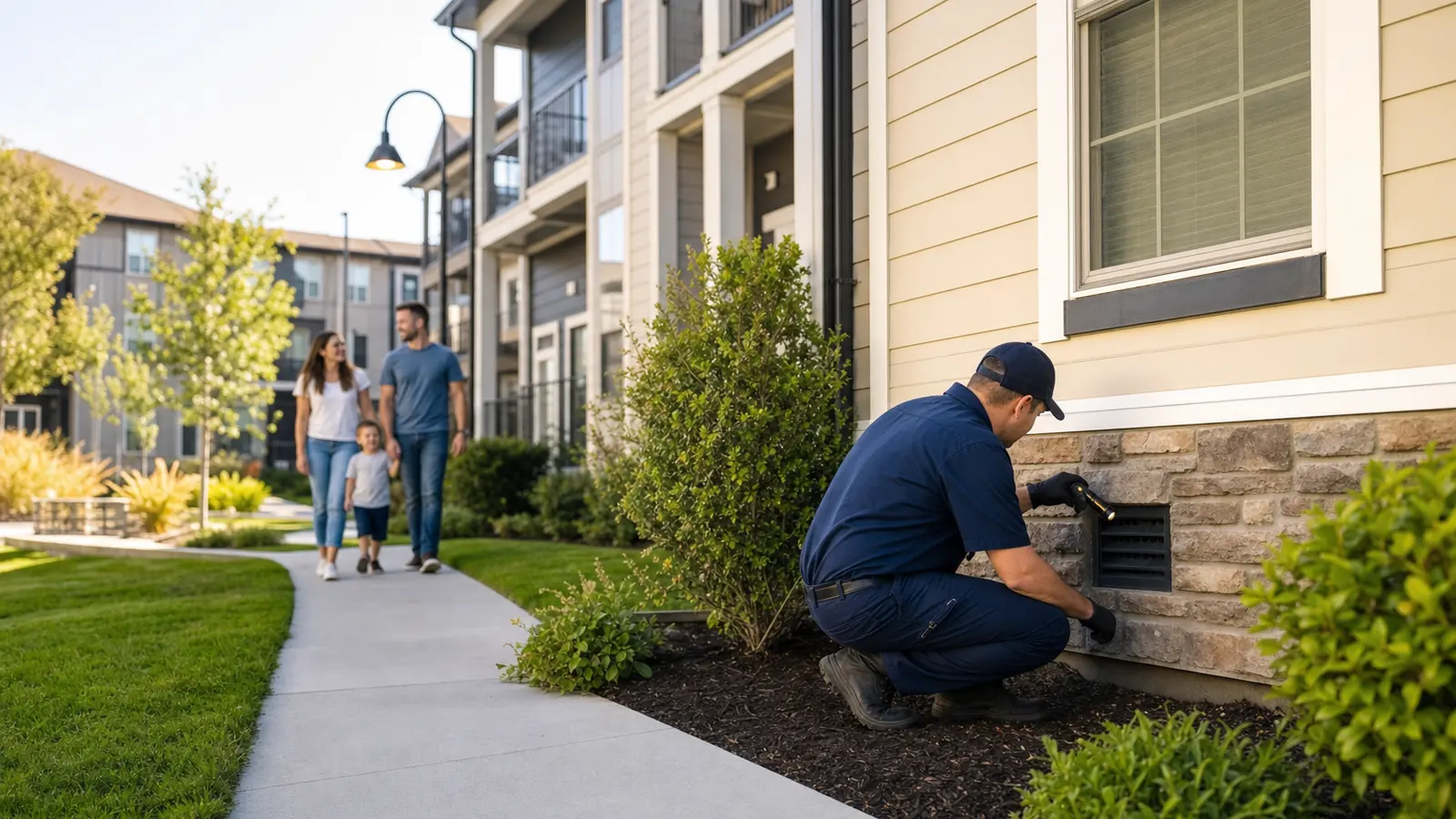
Follow-up review should be added when an inspection notes recurring activity. Unresolved conditions are another trigger. Scheduling a check-in after initial service helps confirm if the scope needs changes. This step keeps the plan current. It also guards against small issues growing unnoticed.
Follow-up works best for buildings that showed activity during the first inspection. A short review a few weeks later can confirm if conditions have changed. It can also show if more attention is needed. For a wider plan, pair this with residential pest control so the whole property is covered.
Notes from the first visit should be compared directly to follow-up notes. This side by side check makes it easier to see if exclusion work or maintenance actually helped.
Property managers can use follow-up findings to decide if a building needs a different service frequency. This keeps resources focused where they are truly needed. Homeowners seeing similar pressure can also review requesting service from Paladin before scheduling.
What this means for your home
- Follow-up visits confirm whether the pest control activity is dropping and whether any new entry points or pressure signs appeared.
- Practical takeaway: Follow-up review should be added when an inspection notes recurring activity.
- Documentation should summarize findings, treated areas, product locations where applicable, and the recommended follow-up plan.
Should wildlife activity be included in an apartment complex pest scope?
Yes, wildlife activity should sit in its own category within the scope. Wildlife issues near rooflines or crawlspaces often need different handling. Naming this category keeps the plan complete. It avoids mixing separate findings into one confusing summary for the property.
Wildlife activity on a large property can show up in different spots than typical insect or rodent concerns. Rooflines, shared attics, and crawlspaces are common areas worth noting during inspection. This connects closely with kids and pets pest control safety when you are comparing next steps.
Because wildlife issues involve different observation points, it helps to list this category on its own in the scope document. This avoids treating every finding the same way.
Paladin Pest Solutions lists wildlife removal among its capabilities. Property managers can factor this into a broader propertywide plan alongside standard pest service. For a wider plan, pair this with residential pest control so the whole property is covered.
What this means for your home
- Practical takeaway: Yes, wildlife activity should sit in its own category within the scope.
How does a property manager choose a provider for apartment complex pest control in Boiling Springs, SC?
A property manager should look for a provider that documents findings clearly. The scope should be put in writing. The provider should follow Integrated Pest Management practices. Ask for a sample report. Ask how follow-up works. This gives a clear picture before committing to a plan.
Before choosing a provider, ask how they document inspections. Find out if reports separate buildings, units, and common areas. This shows whether their process matches the scope structure described above. Homeowners seeing similar pressure can also review pest-proofing your home before scheduling.
It also helps to ask how communication works day to day. A provider who can explain reporting and resident notice steps is easier to coordinate with over time.
Paladin Pest Solutions serves approved locations across Upstate South Carolina. Exact-address availability is confirmed directly through the office. Reaching out early lets a property manager compare scope details before service begins. This connects closely with kids and pets pest control safety when you are comparing next steps.
What this means for your home
- Boiling Springs service is adjusted to the home style, season, and pressure pattern instead of using the same checklist everywhere.
- Practical takeaway: A property manager should look for a provider that documents findings clearly.
Family-first by design
We ask who lives in the house before we pick a product
Babies, pregnancies, asthma, immune conditions, pet medical issues, garden beds, beehives, they all change the visit. Paladin treats harborage where pests live, not the surfaces kids and pets touch.
Every visit names what was used, where, and when the area is back to normal. If a different approach is the actual answer, we say so.
Why this post exists on the Paladin blog
This post was written by someone who actually does this work on Upstate homes, not by a contractor or a marketing team that has never seen the species in person. The Paladin blog exists to answer the questions we hear on real service calls, honestly, in plain English, without selling you a service you do not need. If a post helps you solve the problem on your own, that is a successful post for us. If you read it and decide you would rather have a trained technician on site, that is what the phone is for. Either path is fine.
A first Paladin visit is intended to document the activity, inspect relevant areas, and explain the proposed scope before work begins. Appointment timing and the exact inspection areas depend on the request and property access. Call (864) 816-7658 or use the contact form so the office can confirm the current options.
Paladin is based in Boiling Springs, SC and serves the approved Upstate locations listed on this site. Each recommendation should be tied to conditions documented at the property, including pest evidence, moisture, entry points, food, water, shelter, and access. The office confirms address availability without promising a route frequency or response window.
Keep exploring Paladin
Related Paladin services and guides for Upstate homeowners.
Frequently asked questions
What counts as a common area in an apartment complex pest scope?
Common areas include shared spaces such as breezeways, laundry rooms, mailrooms, and dumpster enclosures. These spaces typically fall under property management, not individual leases. List them separately in any written scope. This keeps the plan clear so nothing gets missed.
How often should common areas be inspected in a large complex?
Inspection frequency depends on building size, prior findings, and property layout. Many managers adjust frequency based on earlier visits and reported activity. Buildings with a history of activity usually get more attention. Buildings with a clean record can often stay on a lighter schedule.
Can a pest control scope change after the first inspection?
Yes, a scope can change based on inspection findings. If a building shows recurring activity or moisture, the plan may expand. This could mean closer follow-up or added documentation. The scope tends to evolve as new details come in during each visit.
Does Paladin Pest Solutions serve all of Upstate South Carolina?
Paladin Pest Solutions is based in Boiling Springs, SC. It serves approved locations across Upstate South Carolina. Exact-address availability is confirmed directly by the office. Property managers should reach out early to verify coverage for a specific complex before finalizing plans.
What should a property manager prepare before requesting service?
It helps to gather building layout details, prior pest reports, and notes on recurring resident complaints. Having this ready lets the inspection start with useful context. It also saves time during the first visit. The provider can then focus attention where it matters most.
Ready to shield your family?
One call to Paladin and we’ll meet you where you are, from a quick walk-through to a long-term protection plan.