Upstate South Carolina · Practical, low-disruption pest work
American Roach Control in Boiling Springs, SC: Choosing an Inspection Scope
American Roach Control in Boiling Springs, SC works best when the inspection maps drains, exterior entry points, moisture zones, and sighting spots first. This map helps you compare inspection scopes. It also helps you ask good…
- Low-disruption applications focused on cracks, voids, and entry points
- Reachable techs, text us, call us, we answer
- Quarterly programs or one-time visits, your call
Quick Answer
American Roach Control in Boiling Springs, SC works best when the inspection maps drains, exterior entry points, moisture zones, and sighting spots first. This map helps you compare inspection scopes. It also helps you ask good questions before agreeing to any treatment plan.
For the next step, compare Paladin pest control services, read about Upstate SC service areas, or check where Paladin works across Upstate SC.
Key Takeaways
- Ask what areas the inspection will actually cover first.
- Drains and moisture zones are common roach activity clues.
- Exterior entry points deserve close visual documentation.
- Sighting locations help build a useful activity map.
- A written scope helps you compare service offers fairly.
- Photos and notes support a clearer inspection record.
- Ask how findings will shape the proposed service scope.
What should an American roach inspection cover before a treatment scope is selected?
A sound inspection should map drains, exterior entry points, moisture zones, and sighting locations. It should do this before any scope is set. This four-part map gives the homeowner and inspector a shared reference point. Without it, a proposed scope may miss the areas driving the actual activity.
Start by asking what specific areas the inspector plans to examine. A general walk-through is not the same as a documented map of drains, entries, moisture spots, and sightings. This connects closely with residential pest control when you are comparing next steps.
Drains matter because American roaches often move through plumbing systems and floor drains. They search for moisture along the way. An inspector should note which drains were checked and what was observed.
Exterior entry points include gaps around utility lines, foundation cracks, and door thresholds. These are common paths pests use to move between outdoor and indoor spaces. For a wider plan, pair this with Upstate SC service areas so the whole property is covered.
Moisture zones such as crawl spaces, laundry areas, and areas near leaking fixtures often correlate with roach activity. Documenting these areas gives the scope a clear starting point.
What this means for your home
- Practical takeaway: A sound inspection should map drains, exterior entry points, moisture zones, and sighting locations.
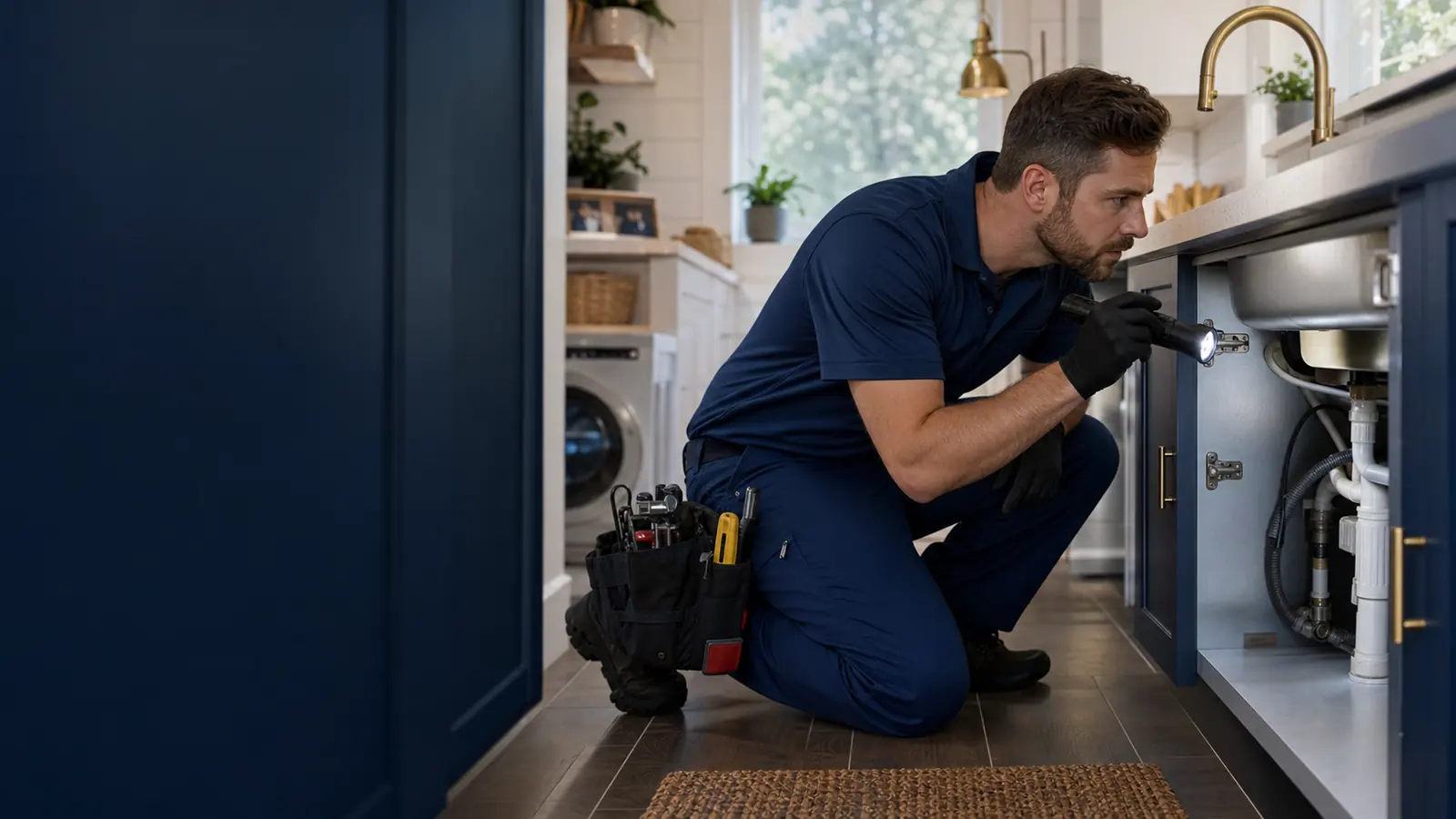
Which drain areas typically deserve documentation during an inspection?
Floor drains, utility sink drains, and exterior drain grates near the foundation typically deserve documentation. Each drain should be noted by location, condition, and any activity nearby. This record helps compare what one inspector found against what another might report later.
Interior floor drains in basements, garages, or utility rooms are worth listing individually. Each drain can behave differently based on moisture and how often it is used. Homeowners seeing similar pressure can also review kids and pets pest control safety before scheduling.
Utility sink drains and washing machine connections are often overlooked. Yet they can hold steady moisture. An inspector should check these areas as part of a complete scope.
Exterior grates near the foundation or driveway can channel moisture. They can also provide access points. Noting their condition and closeness to the structure adds useful context. This connects closely with requesting service from Paladin when you are comparing next steps.
Ask the inspector to photograph or sketch drain locations. Do not settle for a simple verbal mention. A visual record supports a clearer comparison later.
What this means for your home
- Documentation should summarize findings, treated areas, product locations where applicable, and the recommended follow-up plan.
- Practical takeaway: Floor drains, utility sink drains, and exterior drain grates near the foundation typically deserve documentation.
Does an inspection always include drains, entry points, moisture, and sightings?
Not every inspection covers all four areas by default. Asking specifically about drains, exterior entry points, moisture zones, and sighting locations helps confirm the scope before work begins.
Ready for a straight answer?
Call or message, we'll listen first and recommend only what fits your home.
How should exterior entry points be recorded during a scope review?
Exterior entry points should be recorded by exact location, size estimate, and surrounding condition. A general mention is not enough. This includes gaps around pipes, vents, and foundation seams. A clear list helps the homeowner understand where exclusion work might later be recommended.
Utility penetrations, such as where pipes or wires enter the home, are frequent gap locations. An inspector should note each one along the exterior wall line. For a wider plan, pair this with pest-proofing your home so the whole property is covered.
Foundation seams and expansion joints can widen over time. They create small openings. These are worth listing even if they appear minor during the inspection.
Door thresholds and garage seals are additional entry points. They deserve a specific note rather than a general comment about the exterior. Homeowners seeing similar pressure can also review residential pest control before scheduling.
Ask for a simple diagram or numbered list of entry points. This gives you something concrete to reference when comparing quotes or reviewing progress later.
What this means for your home
- Documentation should summarize findings, treated areas, product locations where applicable, and the recommended follow-up plan.
- Practical takeaway: Exterior entry points should be recorded by exact location, size estimate, and surrounding condition.
Why do moisture zones matter when planning an inspection scope?
Moisture zones matter because American roaches are drawn to damp, humid conditions. These conditions show up in crawl spaces, laundry rooms, and areas near leaks. Mapping these zones helps explain where activity clusters. It also gives the treatment scope a logical starting structure to build from.
Crawl spaces often hold steady humidity, especially in homes without good ventilation. An inspector should note humidity levels or visible condensation during the visit. This connects closely with Upstate SC service areas when you are comparing next steps.
Laundry rooms and areas near water heaters can create steady moisture from equipment use. These spots are worth checking even if no visible pests are noted.
Leaking fixtures, whether under sinks or around exterior spigots, can create long-term damp conditions. Documenting these leaks separately from general moisture notes adds useful detail. For a wider plan, pair this with kids and pets pest control safety so the whole property is covered.
A moisture map does not replace a plumbing inspection. It does give the pest inspection added context. This context can help explain patterns seen in sighting locations.
What this means for your home
- Practical takeaway: Moisture zones matter because American roaches are drawn to damp, humid conditions.
- Service notes should tell you what was found, what was treated, and what to watch for before the next visit.
- Documentation should summarize findings, treated areas, product locations where applicable, and the recommended follow-up plan.
Should sighting locations be tracked separately from drain and moisture notes?
Yes, sighting locations should be tracked as their own category. Do not fold them into drain or moisture notes. Recording where roaches were seen, along with the time and rough frequency, adds a distinct layer of evidence to the overall inspection map.
A sighting log can be as simple as a room name, a date, and a short description of what was observed. Keeping this separate avoids confusing sightings with general condition notes. Homeowners seeing similar pressure can also review requesting service from Paladin before scheduling.
Repeated sightings in the same location over several days can be more informative than a single isolated sighting. Ask the inspector how they weigh this kind of pattern.
Sighting locations near drains or moisture zones can help confirm a connection between those areas. Without a separate log, this kind of pattern is easy to miss. This connects closely with pest-proofing your home when you are comparing next steps.
Homeowners can also keep their own simple sighting notes before the inspection. Sharing these notes with the inspector adds helpful context to the overall map.
What this means for your home
- Practical takeaway: Yes, sighting locations should be tracked as their own category.
- Service notes should tell you what was found, what was treated, and what to watch for before the next visit.
How can homeowners prepare useful documentation before the inspection visit?
Homeowners can prepare by noting sighting dates, taking a few clear photos, and listing known moisture issues. Do this before the inspection begins. This preparation speeds up the mapping process. It gives the inspector a stronger starting point for building an accurate scope.
A simple notebook or phone note works well for tracking sighting dates, rough times, and the room involved. This does not need to be detailed, just consistent. For a wider plan, pair this with residential pest control so the whole property is covered.
Photos of any visible gaps, cracks, or damp areas can be taken ahead of time using a phone camera. These photos help confirm locations during the actual inspection walk-through.
If you already know about a slow drain or a damp crawl space, mention it before the inspection begins. This saves time and helps the inspector focus attention appropriately. Homeowners seeing similar pressure can also review requesting service from Paladin before scheduling.
Avoid guessing at causes or making assumptions about the source of activity. Stick to describing what was observed and when. Let the inspection process fill in the rest.
What this means for your home
- Practical takeaway: Homeowners can prepare by noting sighting dates, taking a few clear photos, and listing known moisture issues.
- Documentation should summarize findings, treated areas, product locations where applicable, and the recommended follow-up plan.
Which findings can change the American roach control service scope?
Findings such as multiple active drains, several exterior gaps, or persistent moisture can change the proposed scope. Repeated sightings in one area can do the same. A wider set of findings usually points to a broader inspection focus rather than a single treatment point.
If several drains show signs of activity, the scope may need to address each one. Treating the issue as isolated would miss the bigger picture. This changes how findings translate into a plan. This connects closely with kids and pets pest control safety when you are comparing next steps.
A high number of exterior entry points can shift the focus toward exclusion-related discussion alongside general pest activity. Ask how these two areas are typically addressed together.
Persistent moisture across multiple zones may point to a broader condition. This differs from a single leak in one room. It is worth discussing directly with the inspector. For a wider plan, pair this with residential pest control so the whole property is covered.
Repeated sightings across multiple rooms, rather than one contained area, often lead to a scope that considers the whole structure rather than a single zone.
What this means for your home
- Practical takeaway: Findings such as multiple active drains, several exterior gaps, or persistent moisture can change the proposed scope.
How should homeowners compare inspection scopes from different providers?
Homeowners should compare scopes by checking whether each provider documents drains, entry points, moisture zones, and sightings in similar detail. A scope built on a clear map is easier to compare. A vague verbal summary of general findings is much harder to weigh fairly.
Ask each provider for a written summary rather than relying on a verbal recap after the visit. Written notes are easier to compare side by side. Homeowners seeing similar pressure can also review pest-proofing your home before scheduling.
Check whether the summary references specific locations, such as named rooms or marked exterior points, rather than general statements about the property.
Compare how each provider explains the connection between findings and the proposed scope. A clear explanation shows the map was actually used to shape the plan. This connects closely with kids and pets pest control safety when you are comparing next steps.
If one provider skips an entire category, such as exterior entry points, ask why before deciding. A complete map across all four areas supports a more informed decision.
What this means for your home
- Practical takeaway: Homeowners should compare scopes by checking whether each provider documents drains, entry points, moisture zones, and sightings in similar detail.
Family-first by design
We ask who lives in the house before we pick a product
Babies, pregnancies, asthma, immune conditions, pet medical issues, garden beds, beehives, they all change the visit. Paladin treats harborage where pests live, not the surfaces kids and pets touch.
Every visit names what was used, where, and when the area is back to normal. If a different approach is the actual answer, we say so.
Why this post exists on the Paladin blog
This post was written by someone who actually does this work on Upstate homes, not by a contractor or a marketing team that has never seen the species in person. The Paladin blog exists to answer the questions we hear on real service calls, honestly, in plain English, without selling you a service you do not need. If a post helps you solve the problem on your own, that is a successful post for us. If you read it and decide you would rather have a trained technician on site, that is what the phone is for. Either path is fine.
A first Paladin visit is intended to document the activity, inspect relevant areas, and explain the proposed scope before work begins. Appointment timing and the exact inspection areas depend on the request and property access. Call (864) 816-7658 or use the contact form so the office can confirm the current options.
Paladin is based in Boiling Springs, SC and serves the approved Upstate locations listed on this site. Each recommendation should be tied to conditions documented at the property, including pest evidence, moisture, entry points, food, water, shelter, and access. The office confirms address availability without promising a route frequency or response window.
Keep exploring Paladin
Related Paladin services and guides for Upstate homeowners.
Frequently asked questions
What should American Roach Control in Boiling Springs, SC inspections focus on first?
A strong inspection should start by mapping drains, exterior entry points, moisture zones, and sighting locations. This gives the homeowner and inspector a shared reference point. It happens before any treatment scope gets discussed or finalized for the property, which helps set clear expectations early.
Can homeowners request a written inspection summary?
Yes, homeowners can ask for a written summary that lists specific locations rather than general statements. A written record makes it easier to compare findings later. It also helps you understand how the proposed scope connects to what was actually observed during the visit.
Should exterior entry points be checked even without visible sightings?
Yes, exterior entry points are worth checking regardless of whether sightings have occurred. Gaps around pipes, vents, and foundation seams can exist without any immediate signs of activity. Documenting them anyway supports a more complete inspection record for future reference.
How does moisture affect the inspection scope for American roach control?
Moisture zones such as crawl spaces and laundry areas are often linked to roach activity patterns. Mapping these zones helps explain sighting clusters around the home. It also gives the inspector useful context when shaping the proposed service scope for the property.
What is a simple way to track sightings before an inspection?
A simple notebook or phone note listing the room, date, and a short description works well. Sharing this log with the inspector adds useful context. It can also help connect sightings to nearby drains or moisture zones that might otherwise go unnoticed.
Why might two inspection scopes differ for the same property?
Scopes can differ if one provider documents all four areas while another focuses on fewer categories. Comparing written summaries helps homeowners see the difference clearly. It shows whether a scope reflects a complete map or only a partial review of the property.
Ready to shield your family?
One call to Paladin and we’ll meet you where you are, from a quick walk-through to a long-term protection plan.