Upstate South Carolina · Pest control for homes with kids and pets
Wildlife Removal in Boiling Springs, SC: Inspection, Removal, and Exclusion Scope
Wildlife removal in Boiling Springs, SC works best as separate stages. Inspection, removal, and exclusion each need their own record. Skipping this split can trap animals inside or leave gaps open. One visit rarely covers species…
- We identify the species first, then treat the actual harborage
- Same Upstate technicians on your route, visit after visit
- Clear notes after every visit, what we did and why
Quick Answer
Wildlife removal in Boiling Springs, SC works best as separate stages. Inspection, removal, and exclusion each need their own record. Skipping this split can trap animals inside or leave gaps open. One visit rarely covers species ID, occupied areas, safe removal, and sealing all at once.
For the next step, compare wildlife removal services, read about wildlife exclusion repairs, or check where Paladin works across Upstate SC.
Key Takeaways
- Inspection, removal, and exclusion are separate service stages.
- Species should be identified before any removal plan starts.
- Occupied areas need their own documentation first.
- Dependent animals can change removal timing and steps.
- Sanitation often needs a separate qualified party.
- Exclusion should follow removal, not replace it.
- Repair verification confirms sealing was done right.
Why should wildlife removal in Boiling Springs, SC start with an inspection?
An inspection comes first. It shows which species is active and where. Skipping this step risks a removal plan that misses key entry points. A clear record also gives homeowners something to check against later, once removal and exclusion work is finished.
A wildlife inspection is not the same as a general pest check. It focuses on rooflines, vents, crawl spaces, and attic openings. This connects closely with wildlife removal services when you are comparing next steps.
Clemson Cooperative Extension notes that species identification shapes the whole plan. Different animals enter homes in different ways and at different times of year.
Good notes should list where activity was seen. They should flag areas that need more review. This record becomes useful proof of progress later. For a wider plan, pair this with Upstate SC service areas so the whole property is covered.
What this means for your home
- Boiling Springs service is adjusted to the home style, season, and pressure pattern instead of using the same checklist everywhere.
- Documentation should summarize findings, treated areas, product locations where applicable, and the recommended follow-up plan.
- Identification comes first because the right wildlife removal plan depends on species, activity level, and where the pressure is living.
What should a wildlife inspection document?
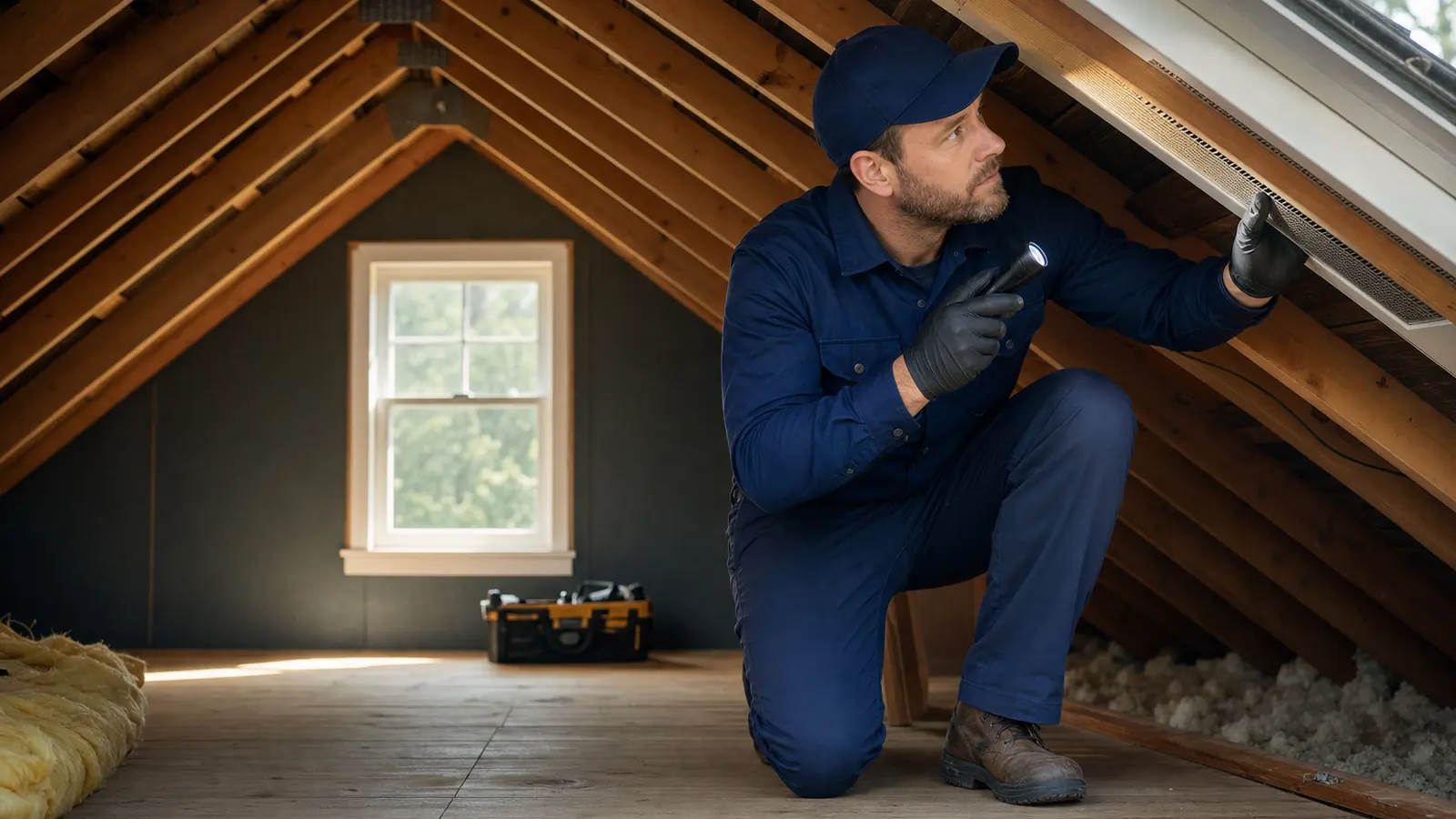
A solid inspection should note the suspected species, the active entry points, and any occupied zones like attics or crawl spaces. This gives a clear starting point. It also creates a baseline that helps compare the home's condition before and after removal or exclusion work happens.
Good notes point to exact spots, not vague impressions. Photos of vents, gaps, and rooflines make a much stronger record than memory alone. Homeowners seeing similar pressure can also review wildlife exclusion repairs before scheduling.
Occupied-area checks matter because animals sometimes nest in insulation or storage spaces. Keeping this separate from entry-point notes avoids mixing up two different issues.
This kind of record also helps exclusion crews later. They need to know which gaps were already flagged during the first inspection. This connects closely with requesting service from Paladin when you are comparing next steps.
What this means for your home
- Documentation should summarize findings, treated areas, product locations where applicable, and the recommended follow-up plan.
- Practical takeaway: A solid inspection should note the suspected species, the active entry points, and any occupied zones like attics or crawl spaces.
Does wildlife removal automatically include exclusion work?
Not always. Removal and exclusion are separate stages. A clear scope should state whether entry-point sealing is included or handled as its own step.
Not sure what you're dealing with?
Tell us the activity you've noticed and we'll point you the right direction.
Why should removal and exclusion be sequenced separately?
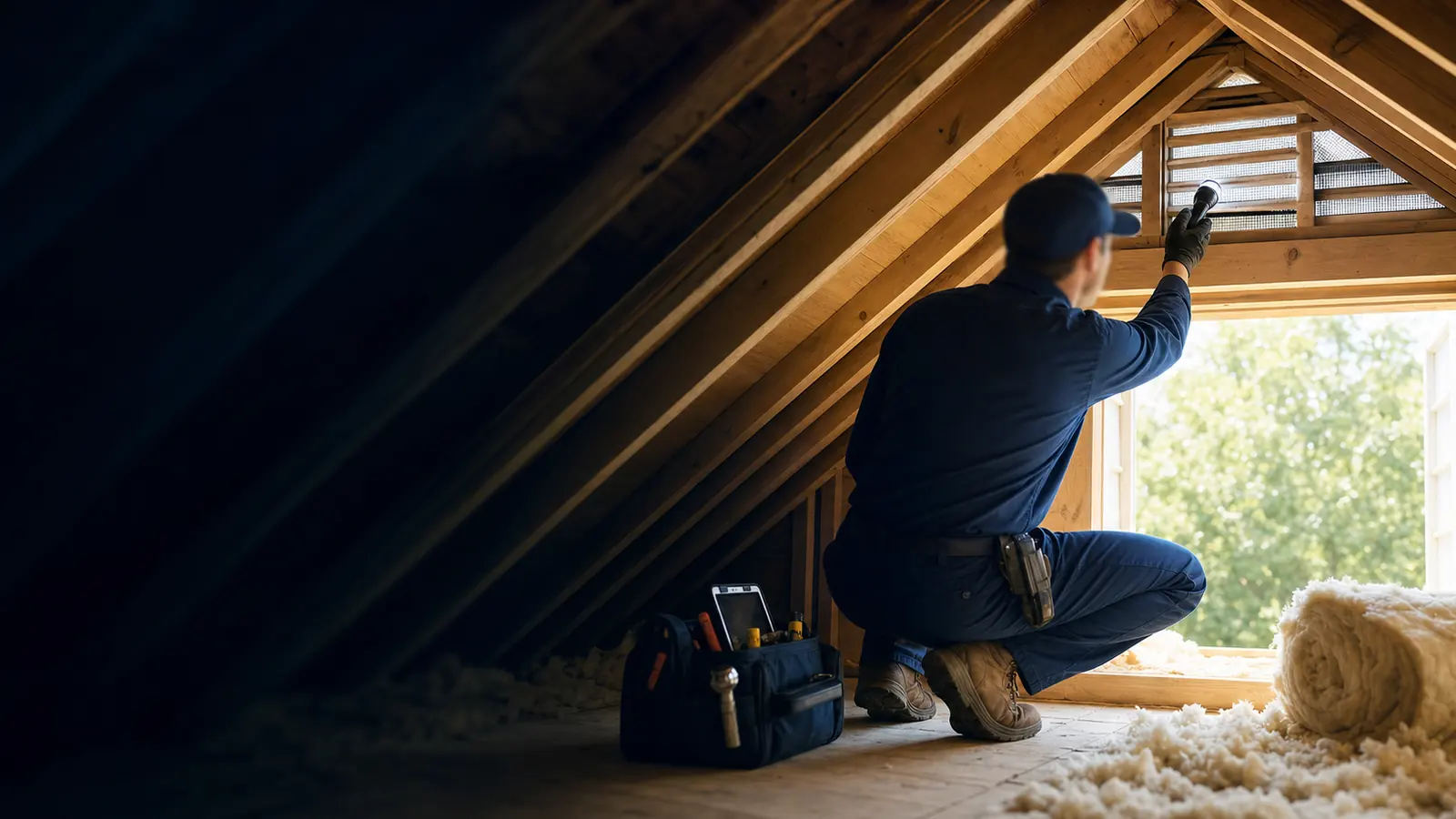
Removal and exclusion solve different problems, so they should stay separate steps. Removal deals with animals already inside. Exclusion blocks future entry. Keeping the order clear helps avoid sealing an animal inside or leaving new gaps once removal work wraps up.
Treating these two steps as one thing can backfire. If sealing happens before removal is confirmed done, an animal could get trapped in a wall or attic. For a wider plan, pair this with attic wildlife removal so the whole property is covered.
The EPA's integrated pest management principles point to solving root causes in a set order. Mixing steps that serve different purposes tends to cause confusion.
A phased plan lets each stage get checked before the next starts. That lowers the odds of missed activity or half-finished sealing. Homeowners seeing similar pressure can also review wildlife removal services before scheduling.
What this means for your home
- Practical takeaway: Removal and exclusion solve different problems, so they should stay separate steps.
How do dependent animals affect a removal plan?
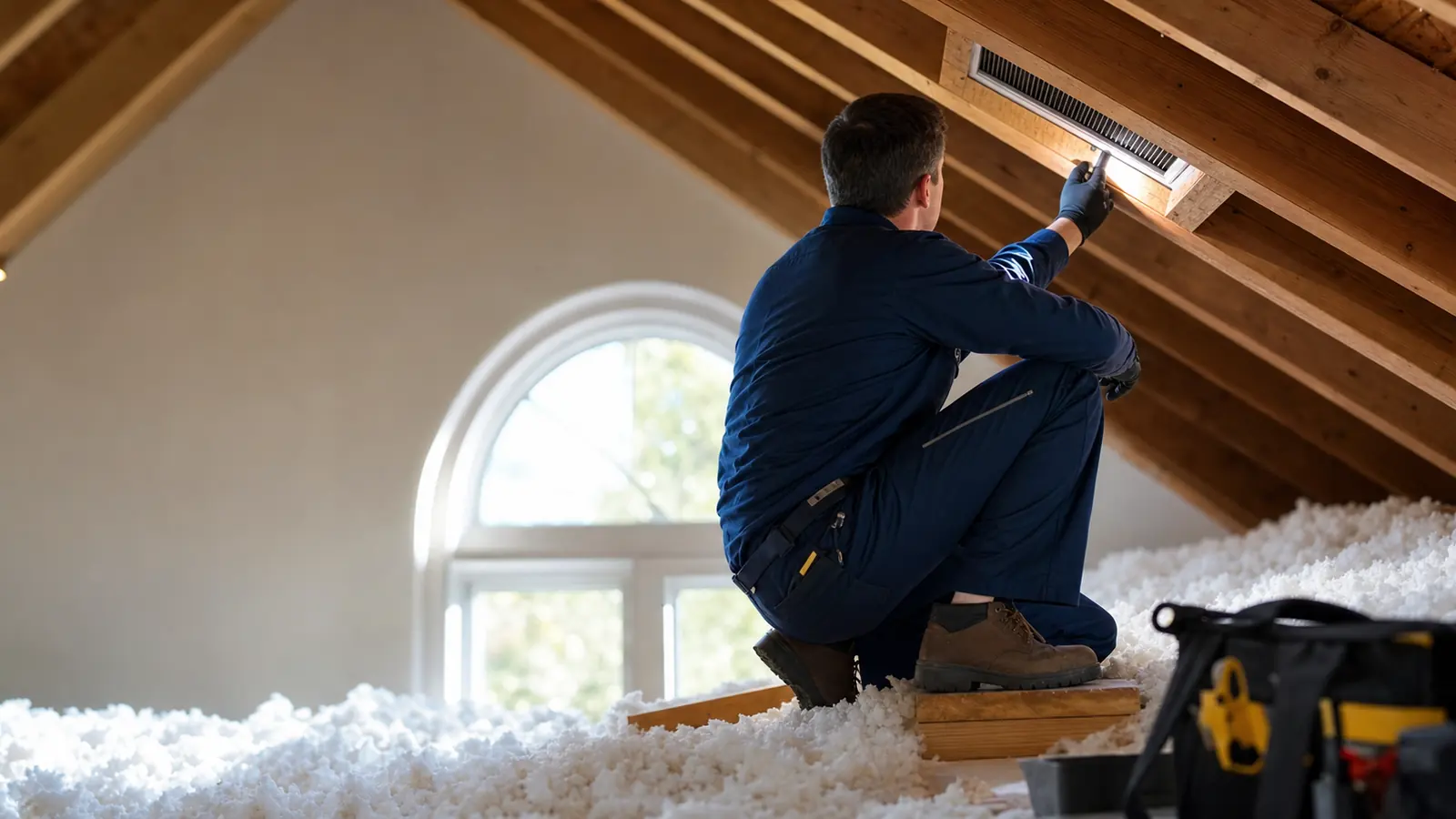
Dependent young that cannot leave a nest on their own can shift the timing of a removal plan. This detail should be noted during inspection so it gets handled properly. Missing this step can lead to incomplete removal or animals coming right back to the same spot.
When dependent young are suspected, that fact should be its own flagged note. It should not get buried inside general removal comments. This connects closely with Upstate SC service areas when you are comparing next steps.
Clemson's wildlife control resources point out that many species follow seasonal patterns tied to raising young. These patterns can shape how a case gets handled.
This article stays focused on scope, not technique. Specific handling steps sit outside what belongs here. The main point is that this detail gets written down, not skipped. For a wider plan, pair this with wildlife exclusion repairs so the whole property is covered.
What this means for your home
- Practical takeaway: Dependent young that cannot leave a nest on their own can shift the timing of a removal plan.
Should sanitation be handled by a separate qualified party?
Sanitation after wildlife activity is its own task. It may call for a separate qualified party, depending on the case. It should not be assumed to come automatically with removal or exclusion. Homeowners should ask directly whether sanitation is part of the plan or needs its own arrangement.
Removal and exclusion focus on animals and structural openings. Cleaning up affected materials is a different job entirely. Homeowners seeing similar pressure can also review requesting service from Paladin before scheduling.
Sanitation can call for specialized handling. It often falls to a separate qualified provider instead of getting bundled into a removal visit automatically.
Spelling this out ahead of time helps homeowners avoid assuming a step happened when it never was part of the original agreement. This connects closely with attic wildlife removal when you are comparing next steps.
What this means for your home
- Practical takeaway: Sanitation after wildlife activity is its own task.
Which repairs may require another trade?
Some structural issues found during inspection sit outside a wildlife service scope. They may need another trade entirely. Damaged fascia boards, broken vents, or roofing problems often call for a contractor. Writing these down separately keeps the wildlife scope focused on removal and exclusion only.
An inspection can turn up issues beyond simple entry-point sealing. Damaged trim or vents may need full replacement, not a small patch. For a wider plan, pair this with wildlife removal services so the whole property is covered.
These findings should get their own clear notes. That way homeowners know what belongs to the wildlife service and what may need a separate contractor.
Keeping this line clear now avoids mixed-up expectations later. It shows exactly what was covered in the original scope of work. Homeowners seeing similar pressure can also review requesting service from Paladin before scheduling.
What this means for your home
- structural repair scope
- Practical takeaway: Some structural issues found during inspection sit outside a wildlife service scope.
- exclusion versus repair
How should repair verification be documented after exclusion?
Repair verification should confirm sealed entry points are still intact. Sealed spots should match what the inspection first noted. A follow-up visit compares current conditions to earlier notes and photos. This step closes the loop between inspection, removal, and exclusion so nothing gets left unconfirmed.
Once exclusion work is done, checking the same spots noted during inspection helps confirm the sealing addressed the original findings. This connects closely with wildlife exclusion repairs when you are comparing next steps.
Comparing before-and-after notes makes it easier to spot new activity or gaps that may have shown up since the last visit.
This final check is what separates a phased scope from a single, undocumented visit. It gives homeowners a clear record of what happened at each stage. For a wider plan, pair this with wildlife removal services so the whole property is covered.
What this means for your home
- repair verification
- Follow-up visits confirm whether the wildlife removal activity is dropping and whether any new entry points or pressure signs appeared.
- Documentation should summarize findings, treated areas, product locations where applicable, and the recommended follow-up plan.
Is professional wildlife removal in Boiling Springs, SC worth scoping in phases?
Professional wildlife removal in Boiling Springs, SC works better when scoped in phases. This prevents steps from getting skipped or blended together. Each phase, inspection, removal, exclusion, and verification, has its own job to do. Homeowners who understand this can ask sharper questions and confirm each step got done.
A phased scope is not about adding extra steps for no reason. It reflects the fact that identifying, removing, sealing, and confirming each need different attention. Homeowners seeing similar pressure can also review attic wildlife removal before scheduling.
Homeowners looking into professional wildlife removal Boiling Springs SC options can use this structure to compare how thoroughly a provider documents each step.
Paladin Pest Solutions lists multi-point inspections and entry-point sealing among its services. That fits well with a phased approach to wildlife concerns. This connects closely with wildlife exclusion repairs when you are comparing next steps.
What this means for your home
- Boiling Springs service is adjusted to the home style, season, and pressure pattern instead of using the same checklist everywhere.
- Practical takeaway: Professional wildlife removal in Boiling Springs, SC works better when scoped in phases.
- The process should be clear before work starts: inspect, explain findings, treat the right zones, and document the next step.
Humane wildlife removal
Trap, exclude, and repair, within South Carolina wildlife regulations
We identify the species by tracks, droppings, and sound, then choose the right tool, live-trap, one-way exclusion door, or a reinforced repair. Bats keep their legal SC maternity-roost window.
Most wildlife work pairs with attic or crawl-space inspection because damage extends past the animal itself: insulation loss, droppings, and the next animal that uses the same entry.
Why this post exists on the Paladin blog
This post was written by someone who actually does this work on Upstate homes, not by a contractor or a marketing team that has never seen the species in person. The Paladin blog exists to answer the questions we hear on real service calls, honestly, in plain English, without selling you a service you do not need. If a post helps you solve the problem on your own, that is a successful post for us. If you read it and decide you would rather have a trained technician on site, that is what the phone is for. Either path is fine.
A first Paladin visit is intended to document the activity, inspect relevant areas, and explain the proposed scope before work begins. Appointment timing and the exact inspection areas depend on the request and property access. Call (864) 816-7658 or use the contact form so the office can confirm the current options.
Paladin is based in Boiling Springs, SC and serves the approved Upstate locations listed on this site. Each recommendation should be tied to conditions documented at the property, including pest evidence, moisture, entry points, food, water, shelter, and access. The office confirms address availability without promising a route frequency or response window.
Keep exploring Paladin
Related Paladin services and guides for Upstate homeowners.
Frequently asked questions
What should a wildlife inspection document in Boiling Springs, SC?
An inspection should note the suspected species, active entry points, and any occupied areas like attics. This creates a baseline for comparing conditions later. It helps homeowners track what was found. It also shows which items got addressed by the service provider afterward.
Why should removal and exclusion not be combined into one visit?
Combining them risks sealing an opening before an animal has actually left. Removal should come first. Exclusion follows once the space is clear. This order lowers the risk of trapping an animal inside a wall and helps prevent new gaps from staying open.
Who handles sanitation after a wildlife removal service?
Sanitation is often handled by a separate qualified party rather than getting bundled into removal or exclusion automatically. Homeowners should ask directly if sanitation is part of a given scope. If it is not included, arranging it separately keeps expectations clear from the start.
Can structural repairs be part of a wildlife removal scope?
Some repairs, like damaged fascia or vents, sit outside a wildlife service and may need another trade. A clear scope separates exclusion sealing from larger structural repairs. This distinction helps homeowners know what to expect from each provider they contact.
How does Paladin Pest Solutions approach wildlife removal scope?
Paladin Pest Solutions lists multi-point inspections and entry-point sealing among its capabilities. These services support a phased approach to wildlife concerns around a home. Contacting the office directly can help clarify how inspection, removal, and exclusion are scoped for a specific property.
Ready to shield your family?
One call to Paladin and we’ll meet you where you are, from a quick walk-through to a long-term protection plan.