Upstate South Carolina · Local pest crew, plain-English answers
Wildlife Exclusion in Boiling Springs, SC: When to Scope Repairs After Removal
Wildlife exclusion in Boiling Springs, SC should follow a set order. First, confirm species evidence and find occupied areas. Then check for dependent young before closing any entry point. Repairs come after removal is done.…
- Low-disruption applications focused on cracks, voids, and entry points
- Reachable techs, text us, call us, we answer
- Quarterly programs or one-time visits, your call
Quick Answer
Wildlife exclusion in Boiling Springs, SC should follow a set order. First, confirm species evidence and find occupied areas. Then check for dependent young before closing any entry point. Repairs come after removal is done. Reinspection later confirms the structure stays sealed over time.
For the next step, compare wildlife removal services, read about wildlife exclusion repairs, or check where Paladin works across Upstate SC.
Key Takeaways
- Confirm species evidence before scoping any exclusion repair work
- Occupied areas need mapping before entry points get sealed
- Dependent young can delay closure until they are mobile
- Permanent entry repairs should follow removal, not precede it
- Reinspection after repairs helps confirm points stay closed
- Photo documentation supports a clear, accurate service scope
- Multi-point inspections help find all active entry spots
When Should Entry-Point Repairs Be Scoped After Wildlife Removal?
Entry-point repairs should be scoped only after species identification, occupied-area mapping, and confirmation that no dependent young remain inside. Sealing entry points too early can trap animals inside a structure. A proper sequence protects the building and the animals involved. It also supports a more durable repair outcome.
Homeowners often want entry points closed right away. That instinct makes sense. But timing matters more than speed here. This connects closely with wildlife removal services when you are comparing next steps.
If an entry point gets sealed while an animal is still active inside, the structure can suffer new damage. The animal may claw or chew its way back out.
A trained inspection first identifies which species is present. It also shows where that animal is using the structure. This groundwork shapes everything that follows. For a wider plan, pair this with Upstate SC service areas so the whole property is covered.
Only after removal is confirmed complete does it make sense to plan permanent repairs. The entry points found earlier become the actual repair targets.
What this means for your home
- Boiling Springs service is adjusted to the home style, season, and pressure pattern instead of using the same checklist everywhere.
- entry point repair sequence
- Practical takeaway: Entry-point repairs should be scoped only after species identification, occupied-area mapping, and confirmation that no dependent young remain inside.
What Should a Professional Wildlife Exclusion Inspection Document?
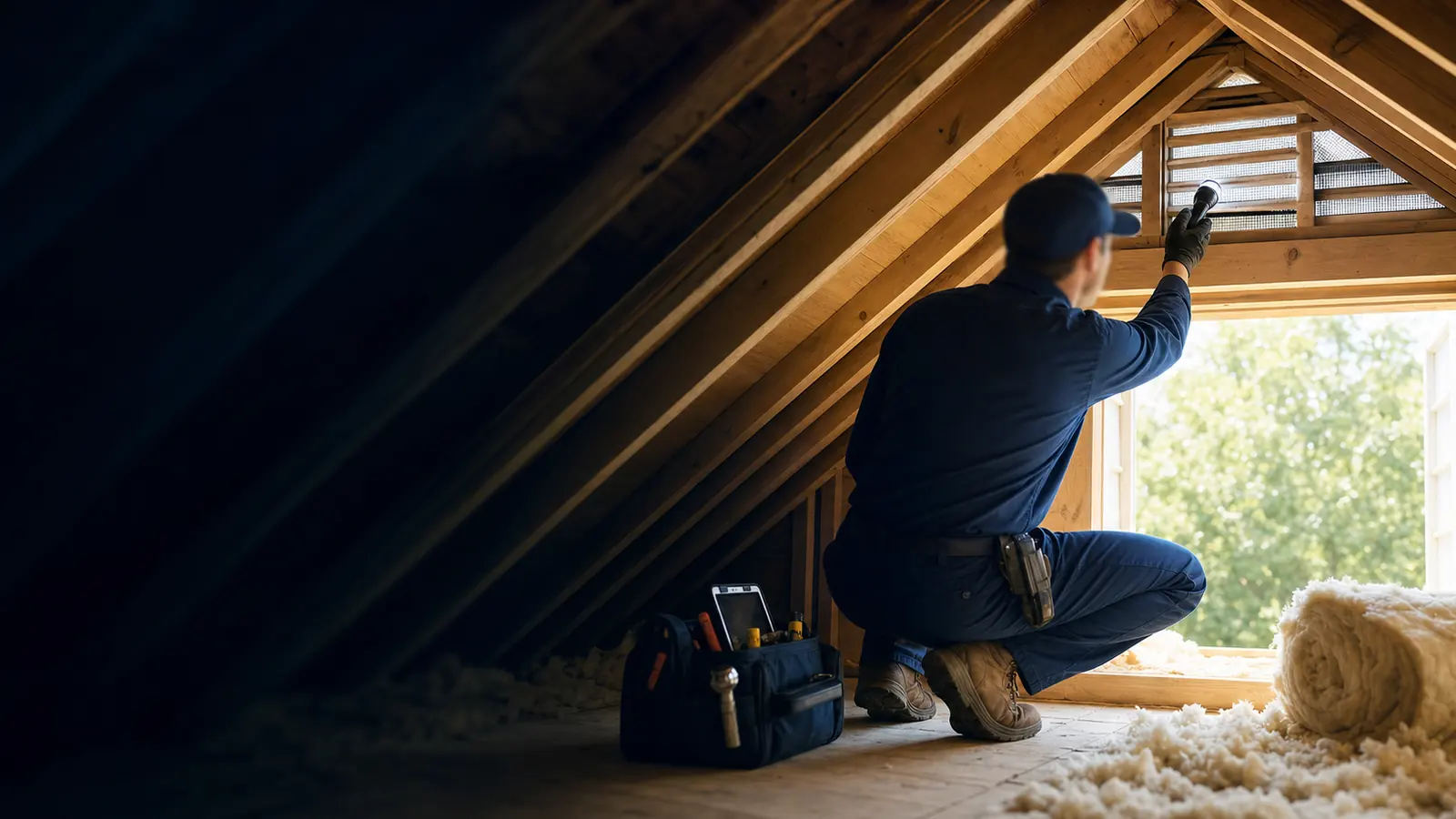
A thorough inspection should document species evidence, entry locations, occupied areas, and signs of dependent young. This record becomes the basis for a service scope. Clear documentation helps homeowners understand what was found. It also explains why a certain repair sequence gets recommended for the property.
Good documentation starts with photos. Droppings, tracks, gnaw marks, and nesting material get logged during the walkthrough. Homeowners seeing similar pressure can also review wildlife exclusion repairs before scheduling.
Inspectors typically note where entry points sit. Roof edges, vents, foundation gaps, and utility lines are common spots.
Interior observations matter too. Sounds, odors, and disturbed insulation can point to an occupied area that needs closer attention. This connects closely with requesting service from Paladin when you are comparing next steps.
This documentation supports a scope that reflects the actual property. It is not a generic checklist applied to every home.
What this means for your home
- Documentation should summarize findings, treated areas, product locations where applicable, and the recommended follow-up plan.
- Practical takeaway: A thorough inspection should document species evidence, entry locations, occupied areas, and signs of dependent young.
Should repairs be scoped before or after wildlife removal is confirmed?
Repairs should be scoped after removal is confirmed. Sealing entry points too early can trap animals inside, which risks more structural damage. A confirmed vacancy check comes first. Then permanent repairs follow for the openings that were identified.
Ready for a straight answer?
Call or message, we'll listen first and recommend only what fits your home.
Which Findings Can Change the Wildlife Exclusion Service Scope?
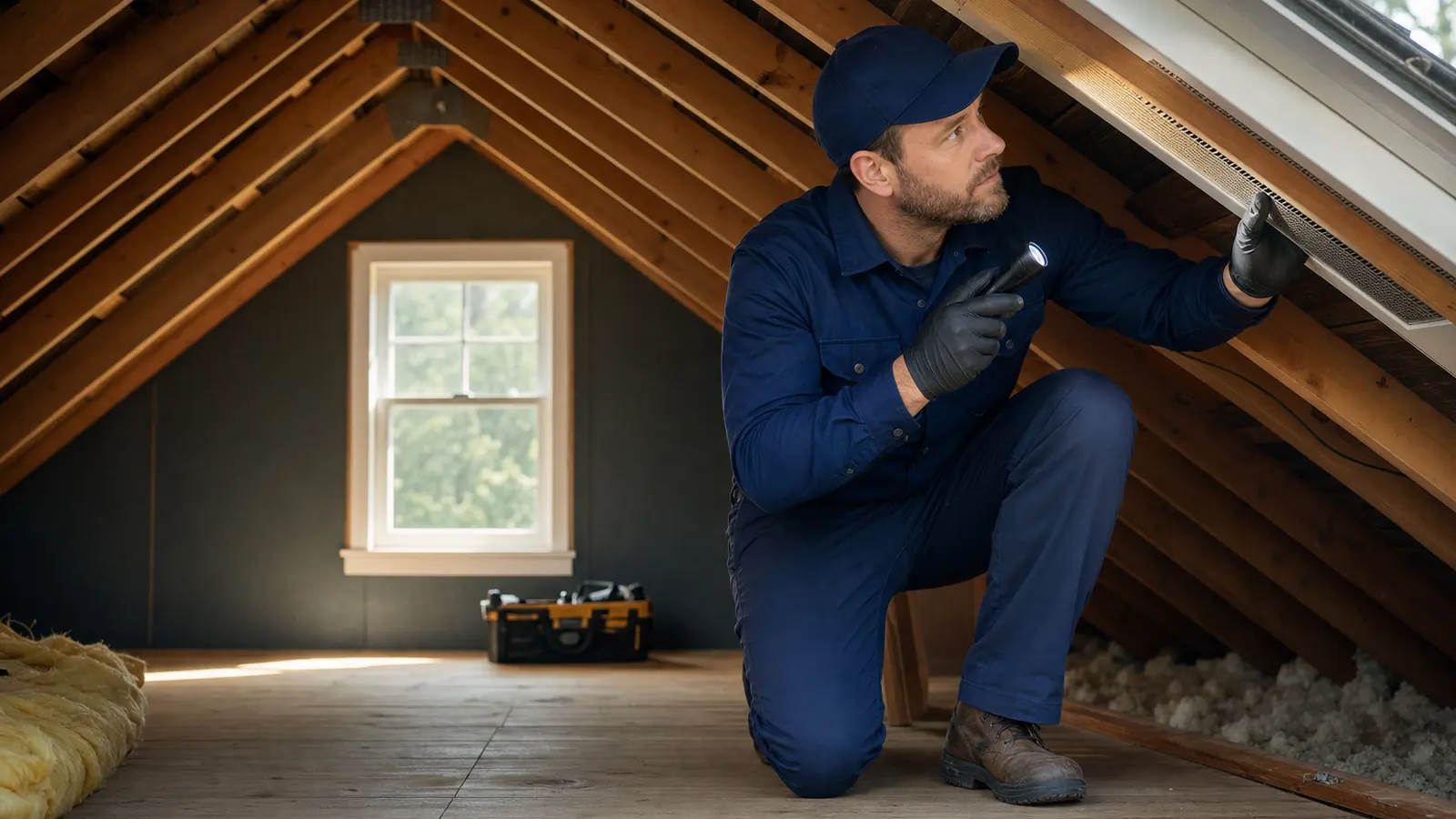
Several findings can shift the scope of a wildlife exclusion project. These include dependent young, multiple active entry points, or signs that more than one species is using the structure. Each finding can extend the timeline. It can also change which repairs happen first.
Dependent young are a common reason a scope changes. Young animals that cannot leave on their own need a different approach than adults. For a wider plan, pair this with attic wildlife removal so the whole property is covered.
Multiple entry points also change the picture. A structure with several openings needs a broader inspection before any single repair gets finalized.
Sometimes more than one species is present at once. This can happen when one opening attracts different animals over time. Homeowners seeing similar pressure can also review wildlife removal services before scheduling.
Any of these findings can mean the original plan needs revision. Repairs then move forward once the fuller picture is clear.
What this means for your home
- Practical takeaway: Several findings can shift the scope of a wildlife exclusion project.
How Do Occupied Areas Affect the Repair Timeline?
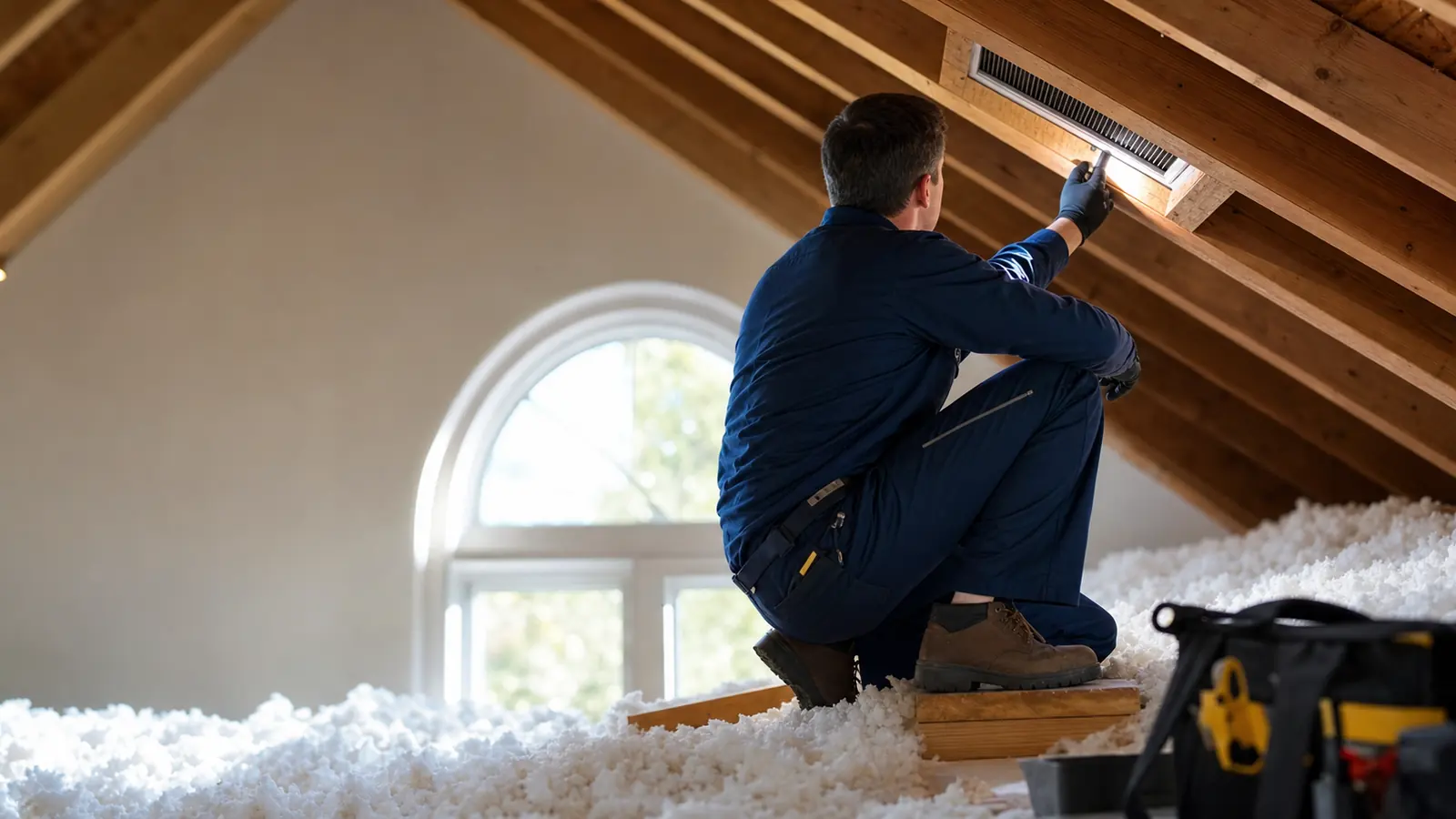
Occupied areas inside a structure, such as attic corners or wall voids, need to be confirmed clear before repairs begin. If an area is still active, closing nearby entry points can trap animals. It can also push them into a different part of the structure. Confirming vacancy first keeps the timeline realistic.
An occupied area is any space with evidence of current use. This is different from a space animals simply pass through. This connects closely with Upstate SC service areas when you are comparing next steps.
These spaces often need short-term monitoring rather than a single visit. Activity patterns can vary from day to day.
Once an occupied area looks clear, it still makes sense to watch for renewed activity. This happens before sealing nearby openings. For a wider plan, pair this with wildlife exclusion repairs so the whole property is covered.
This careful pacing is why exclusion work follows a sequence. It is not a single same-visit fix.
What this means for your home
- Practical takeaway: Occupied areas inside a structure, such as attic corners or wall voids, need to be confirmed clear before repairs begin.
Should Dependent Young Delay Entry Point Closure?
Yes, dependent young typically should delay entry point closure. Waiting helps until they are old enough to leave on their own or with adult guidance. Sealing an opening too soon can separate young animals from an adult. That can create problems for the animals and new damage inside the structure.
Young animals are usually less mobile. They cannot exit through the same openings adults use right away. Homeowners seeing similar pressure can also review requesting service from Paladin before scheduling.
A short waiting period, guided by observed activity, lets young animals reach an age where they can leave under their own ability.
During this time, entry points are typically monitored rather than closed. This allows the situation to be reassessed as conditions change. This connects closely with attic wildlife removal when you are comparing next steps.
Once young animals are confirmed to have left, the structure can move toward the repair phase of the project.
What this means for your home
- Practical takeaway: Yes, dependent young typically should delay entry point closure.
Can Entry-Point Repairs Happen Before Removal Is Confirmed Complete?
Entry-point repairs generally should not happen before removal is confirmed complete. Doing so risks sealing an animal inside the structure. That can lead to new damage or additional entry attempts elsewhere. Waiting until activity stops keeps the repair phase focused on long-term sealing rather than repeated fixes.
It can be tempting to close an opening as soon as it is found. This is especially true if it looks like an easy fix. For a wider plan, pair this with wildlife removal services so the whole property is covered.
But an opening that looks quiet during a daytime visit may still be in use at night. This depends on the species involved.
Confirming that removal is complete usually involves a follow-up check. A single observation is often not enough. Homeowners seeing similar pressure can also review requesting service from Paladin before scheduling.
Once that confirmation happens, the entry points identified earlier become the actual repair targets.
What this means for your home
- removal before repair confirmation
- Practical takeaway: Entry-point repairs generally should not happen before removal is confirmed complete.
Why Does Reinspection Matter After Exclusion Repairs Are Complete?
Reinspection matters because sealed entry points can be tested by weather, settling, or renewed animal interest over time. A follow-up visit checks that repairs are holding. It also confirms no new entry points have appeared nearby. This step helps confirm the exclusion work is functioning as intended.
Materials used to seal entry points can shift slightly. This happens as a structure settles or as seasons change. This connects closely with wildlife exclusion repairs when you are comparing next steps.
Animals excluded from one opening sometimes test nearby areas. They may be looking for a new way in.
A reinspection visit gives a chance to catch these issues early. This is before they become a larger repeat problem. For a wider plan, pair this with wildlife removal services so the whole property is covered.
This final step rounds out the sequence. It runs from species evidence through removal, repair, and confirmation.
What this means for your home
- reinspection after exclusion repair
- Practical takeaway: Reinspection matters because sealed entry points can be tested by weather, settling, or renewed animal interest over time.
- Follow-up visits confirm whether the wildlife removal activity is dropping and whether any new entry points or pressure signs appeared.
How Should Homeowners Prepare for a Wildlife Exclusion Inspection in Boiling Springs, SC?
Homeowners can prepare by noting when they hear or see activity. Photographing visible entry points or droppings also helps. Keeping pets away from suspected areas is wise too. This preparation helps an inspector build a clearer picture. It also speeds up the process of scoping species evidence and occupied areas.
A simple log of dates and times can be useful. Note when noises or sightings occurred before the walkthrough. Homeowners seeing similar pressure can also review attic wildlife removal before scheduling.
Photos taken from a safe distance add helpful context. Avoid disturbing the area or making direct contact with wildlife.
Keeping pets and children away from attics or crawl spaces reduces disturbance. Do this before the inspection begins. This connects closely with wildlife exclusion repairs when you are comparing next steps.
This kind of preparation supports a more accurate scope. It helps once a multi-point inspection gets underway.
What this means for your home
- Boiling Springs service is adjusted to the home style, season, and pressure pattern instead of using the same checklist everywhere.
- Practical takeaway: Homeowners can prepare by noting when they hear or see activity.
- Service notes should tell you what was found, what was treated, and what to watch for before the next visit.
Humane wildlife removal
Trap, exclude, and repair, within South Carolina wildlife regulations
We identify the species by tracks, droppings, and sound, then choose the right tool, live-trap, one-way exclusion door, or a reinforced repair. Bats keep their legal SC maternity-roost window.
Most wildlife work pairs with attic or crawl-space inspection because damage extends past the animal itself: insulation loss, droppings, and the next animal that uses the same entry.
Why this post exists on the Paladin blog
This post was written by someone who actually does this work on Upstate homes, not by a contractor or a marketing team that has never seen the species in person. The Paladin blog exists to answer the questions we hear on real service calls, honestly, in plain English, without selling you a service you do not need. If a post helps you solve the problem on your own, that is a successful post for us. If you read it and decide you would rather have a trained technician on site, that is what the phone is for. Either path is fine.
A first Paladin visit is intended to document the activity, inspect relevant areas, and explain the proposed scope before work begins. Appointment timing and the exact inspection areas depend on the request and property access. Call (864) 816-7658 or use the contact form so the office can confirm the current options.
Paladin is based in Boiling Springs, SC and serves the approved Upstate locations listed on this site. Each recommendation should be tied to conditions documented at the property, including pest evidence, moisture, entry points, food, water, shelter, and access. The office confirms address availability without promising a route frequency or response window.
Keep exploring Paladin
Related Paladin services and guides for Upstate homeowners.
Frequently asked questions
What is the general order of steps in wildlife exclusion?
The order starts with species evidence and inspection. Next comes mapping occupied areas, then confirming removal is complete. Entry points get closed after that, and reinspection follows the repairs. This sequence helps avoid trapping animals inside and supports a more lasting result for the structure.
Why can dependent young affect the exclusion timeline?
Dependent young often cannot leave a structure on their own right away. If entry points close before they are mobile, they can become separated from an adult. This may lead to more activity or damage. Waiting until they can exit safely keeps the process on track.
Does Paladin Pest Solutions handle both removal and entry point repairs?
Paladin Pest Solutions offers wildlife removal along with entry-point sealing and exclusion as part of its listed capabilities. A multi-point inspection typically comes first. This step identifies species evidence and occupied areas before any repair scope gets finalized for the property.
How is an occupied area identified during inspection?
An occupied area is identified through evidence such as droppings, nesting material, sounds, or disturbed insulation in one location. Inspectors look for patterns that suggest current use rather than old or incidental activity. This distinction helps focus the exclusion plan on the right areas.
What happens during a reinspection visit after repairs are made?
During a reinspection visit, previously sealed entry points get checked for durability. The surrounding area is also reviewed for new activity or gaps. This step helps confirm the exclusion work is holding up over time and that no fresh openings have appeared nearby.
Ready to shield your family?
One call to Paladin and we’ll meet you where you are, from a quick walk-through to a long-term protection plan.