Upstate South Carolina · Pest control for homes with kids and pets
Wildlife Exclusion in Boiling Springs, SC: Keep Pests Out
Wildlife exclusion in Boiling Springs, SC keeps animals from getting back into attics, crawl spaces, soffits, vents, and wall gaps after the first problem is found. The work should identify the animal, remove or resolve current…
- Treatments built around how your family actually uses the home
- Local dispatch from Spartanburg across the Upstate
- If a visit isn't needed, we'll say so on the phone
Quick Answer
Wildlife exclusion in Boiling Springs, SC keeps animals from getting back into attics, crawl spaces, soffits, vents, and wall gaps after the first problem is found. The work should identify the animal, remove or resolve current activity, seal the real entry point, and monitor the repair before the next animal uses the same route.
For the next step, compare wildlife removal services, read about wildlife exclusion repairs, or check where Paladin works across Upstate SC.
Key Takeaways
- Exclusion is different from trapping because it closes the route animals use to return.
- Boiling Springs homes often have wildlife pressure around soffits, gable vents, crawl doors, garage trim, and roofline gaps.
- A useful inspection looks for tracks, droppings, rub marks, chewing, insulation disturbance, and sound patterns before recommending a repair.
- Squirrels, raccoons, bats, birds, snakes, and opossums all require different tools, timing, and legal awareness.
- Homeowners should avoid sealing an opening until they know no animal is trapped inside.
What is wildlife exclusion in Boiling Springs, SC?
Wildlife exclusion in Boiling Springs, SC is the process of finding how animals enter a home, resolving current activity, and sealing the route so they cannot return. It is most useful for attics, crawl spaces, soffits, vents, rooflines, and utility openings.
Wildlife exclusion is the part of a nuisance wildlife job that homeowners usually care about most after the first scare is over. Trapping or removing an animal may stop the noise tonight, but exclusion stops the same soffit gap, crawl-space door, or roofline opening from becoming a repeat route next month. That matters in Boiling Springs because many homes have shaded roof edges, mature trees, crawl foundations, vented gables, and trim transitions that create perfect entry points for squirrels, raccoons, bats, birds, and other animals. This connects closely with wildlife exclusion service when you are comparing next steps.
The right sequence starts with identification. A squirrel using a chew hole near a fascia board does not leave the same evidence as a raccoon working a loose vent screen. A bat gap at a roofline is different from a snake moving through a crawl-space opening. Paladin Pest Solutions treats wildlife exclusion service as inspection-first work because sealing the wrong spot wastes money and can make the situation worse.
Clemson Extension wildlife control guidance explains that successful wildlife control includes identifying the species, changing the habitat where possible, choosing a method appropriate to the location and season, and monitoring for re-infestation. Its guidance also calls physical exclusion one of the most permanent ways to control the problem when it is done correctly. That is the same practical mindset Paladin uses on Upstate homes: confirm what is happening, solve the immediate issue, then close the path the animal used.
This is also where family safety matters. If an animal is entering above a bedroom, over a child's playroom, near stored holiday boxes, or through a crawl space that carries air into the home, the job is about noise. Droppings, nesting material, insulation disturbance, fleas, ticks, and odor can remain after the animal leaves. A good exclusion plan accounts for those cleanup questions instead of pretending the job ends when the opening is patched.
What this means for your home
- Boiling Springs service is adjusted to the home style, season, and pressure pattern instead of using the same checklist everywhere.
- Attic and crawl-space entry routes need different repair methods.
- A patched hole is not enough if the animal is still inside or a second entry remains.
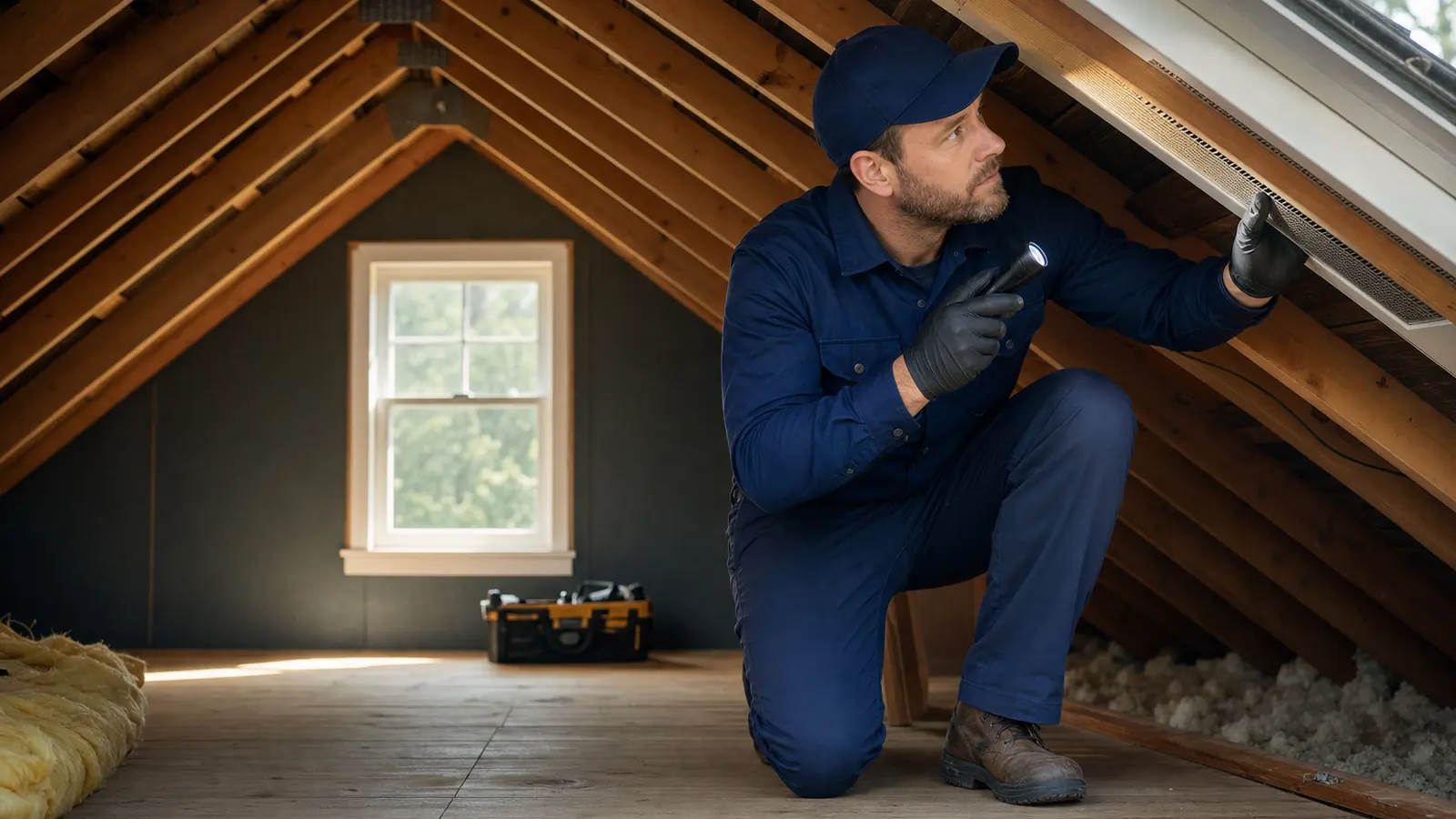
How do animals get back into the same Boiling Springs home?
Animals get back into the same Boiling Springs home when the original entry route remains open, a weak repair fails, or nearby shelter and food conditions keep attracting them. Roof edges, soffit corners, crawl doors, vents, and utility gaps are common repeat routes.
Most repeat wildlife calls have a simple explanation: the animal did not see the home as a one-time accident. It found shelter, warmth, nesting space, food, water, or a safe travel route. If that condition remains, another animal may use the same path even after the first one is gone. The opening may look small from the ground, but squirrels can work soft wood, raccoons can pull at loose material, and bats can use narrow gaps that are easy to miss without a close inspection. Homeowners seeing similar pressure can also review crawl space wildlife removal before scheduling.
The highest-risk areas are usually where materials meet. Roofline trim meets siding. A soffit panel meets fascia. A gable vent meets aging screen. A crawl door meets uneven framing. A dryer vent flap does not close all the way. A utility line enters through a rough opening. The exterior envelope of the home is full of transitions, and wildlife uses transitions because they are weaker than solid wall or roof sections.
Boiling Springs neighborhoods also give animals easy approach routes. Fences, tree limbs, detached sheds, porch columns, stacked firewood, and attic-height shrubs can all make a home easier to reach. The fix may be a physical exclusion repair, but the prevention plan may also include trimming branches, securing trash, moving pet food, improving crawl-space doors, or reducing clutter near the foundation. That is why a wildlife call often overlaps with entry point sealing and crawl space wildlife removal.
The honest limitation is that exclusion does not mean the whole outdoors can be controlled. Animals still move through yards and tree lines. The realistic goal is to keep them out of the home and reduce the reasons they keep testing the same structure. If the roof needs carpentry, a chimney cap, or a larger construction repair, Paladin will explain that scope instead of pretending a small screen patch solves a bigger building issue.
What this means for your home
- Wildlife returns when the original route is still usable.
- Material transitions are usually weaker than solid siding, masonry, or roof decking.
- Condition correction lowers repeat pressure by addressing moisture, food sources, harborage, and easy entry points.
Is wildlife exclusion the same as trapping?
No. Trapping focuses on the current animal. Exclusion focuses on the route that let the animal enter. A complete job often needs both steps, but trapping without exclusion can leave the home open for another animal to use the same gap later.
Prefer to skip the guessing?
We'll identify the pest, point out conditions, and quote what's actually needed.
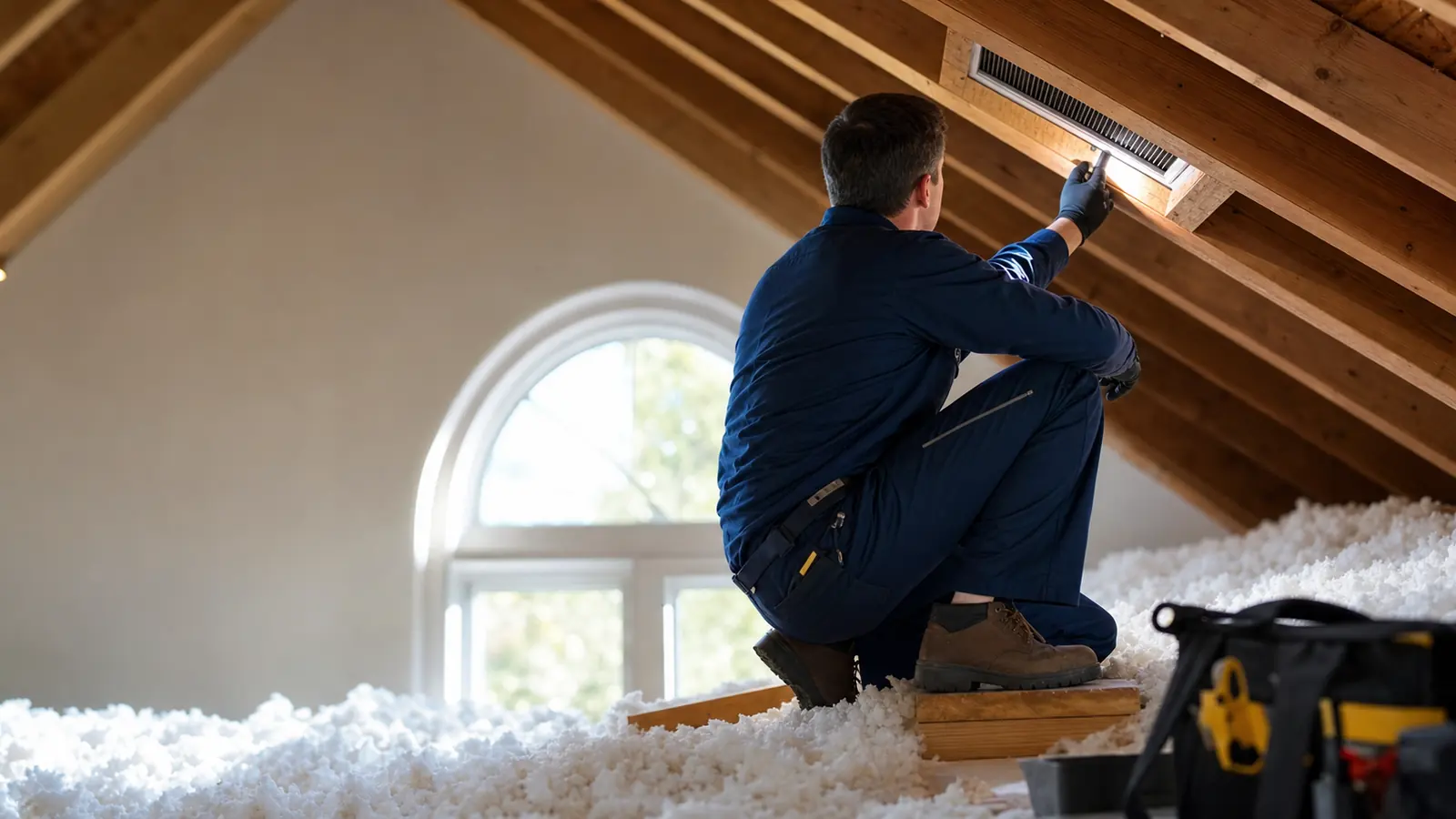
What are 7 signs you need wildlife exclusion?
Seven signs you need wildlife exclusion are scratching sounds, droppings, chewed trim, damaged vents, disturbed insulation, odor, and repeat activity after a trap or DIY fix. These clues usually point to an entry route that still needs to be found and sealed.
Wildlife problems are easy to underestimate because many signs appear before anyone sees the animal. You may hear the problem first, smell it first, or notice damage only after a storm, a cold night, or a long quiet stretch. Use these signs as a homeowner checklist before you call, but do not seal openings until a professional confirms that no animal is trapped inside. For a wider plan, pair this with wildlife removal services so the whole property is covered.
- Scratching above ceilings. Squirrels are often active in the morning and afternoon, while raccoons may be louder at night.
- Droppings near access points. Droppings in an attic, crawl space, garage, or around a vent tell you the route deserves inspection.
- Chewed trim or fascia. Fresh chew marks at a roofline may show where an animal widened a weak spot.
- Loose or torn vent screens. Gable vents, crawl vents, and dryer flaps can become easy entry routes.
- Flattened or moved insulation. Tunnels, nests, and compressed insulation can reveal repeated attic traffic.
- New odor after activity stops. Odor can point to droppings, nesting material, moisture, or a dead animal inside a void.
- Repeat activity after removal. If noise returns after a trap, the exclusion work was incomplete or another route exists.
The list is useful because it separates evidence from guesswork. A homeowner may say, "I think there is something in the attic," but the service plan changes once the evidence suggests squirrel, raccoon, bat, bird, snake, or rodent activity. Each species brings different timing, tools, and safety issues. For example, squirrel removal often focuses on chew holes and attic routes, while bat removal can involve one-way exclusion and awareness of South Carolina seasonal windows.
If kids or pets use the area near the entry point, treat the sign seriously. A raccoon route over a porch, a squirrel gap above a nursery, or droppings near stored pet food creates a different urgency than a low-risk exterior sighting across the yard. The better you can describe the time, sound, location, and damage, the faster the inspection can focus on the right path.
What this means for your home
- Scratching sounds should be matched to time of day and location.
- Droppings, odor, and insulation movement often matter more than a quick sighting.
- Repeat activity after trapping usually means exclusion was not finished.
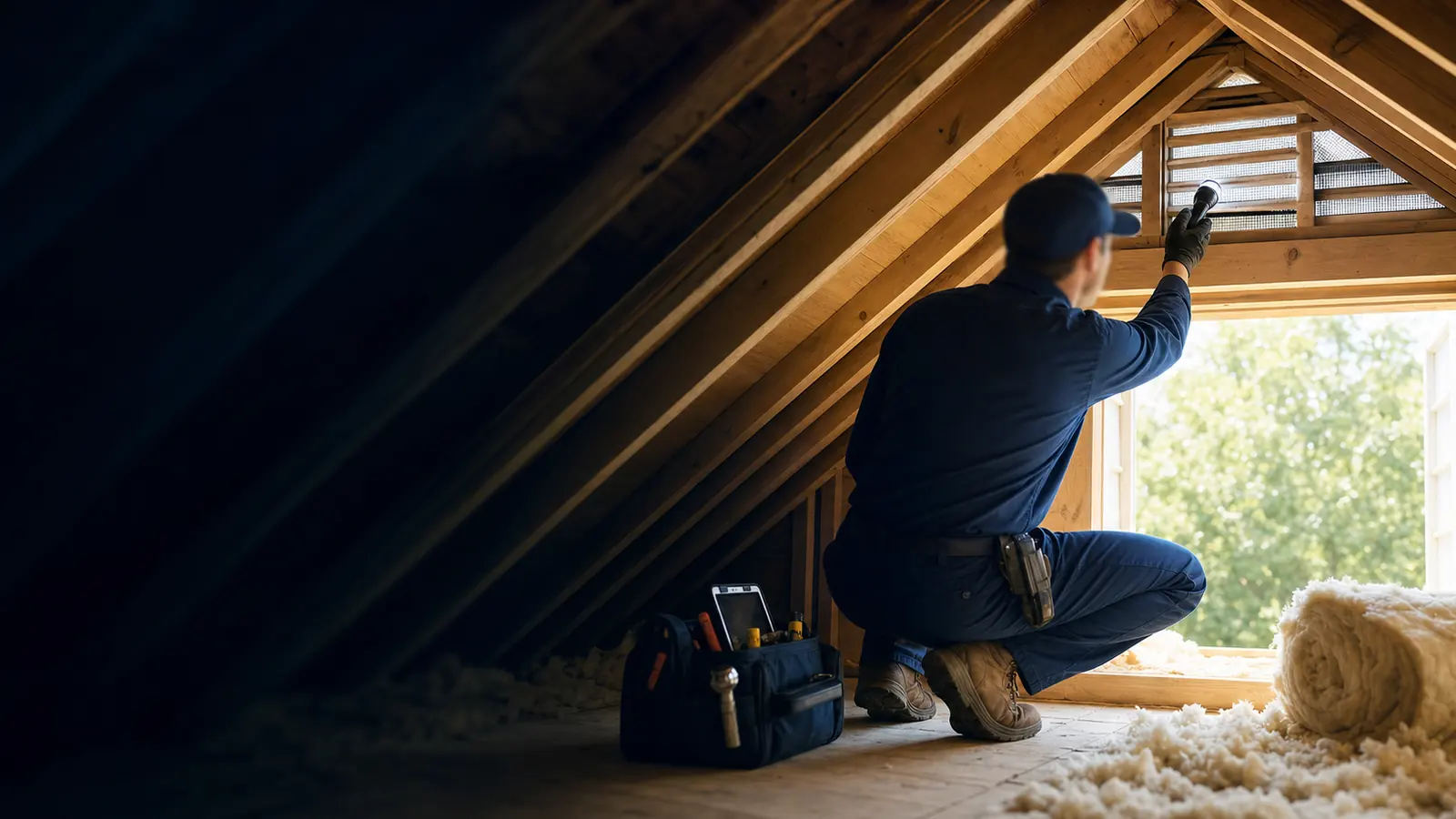
How does Paladin inspect wildlife entry points?
Paladin inspects wildlife entry points by checking the roofline, soffits, vents, crawl access, garage trim, utility penetrations, and nearby approach routes. The goal is to match damage and evidence to the species before recommending removal, exclusion, cleanup, or repair.
A good wildlife inspection should feel methodical, not dramatic. The technician listens to the homeowner's timeline first. When did the noise start? Where is it loudest? Does it happen in the morning, late afternoon, or overnight? Did the home recently have roof work, storm damage, new landscaping, or a tree trimmed? Those details help separate a live entry route from an old stain, a harmless exterior sighting, or a rodent problem that belongs under a different service. This connects closely with wildlife exclusion repairs when you are comparing next steps.
Outside, the inspection follows the envelope of the home. Paladin looks at fascia boards, soffit returns, dormer corners, roof-to-wall transitions, gable vents, crawl doors, vent screens, chimney areas, and utility gaps. The technician also checks for rub marks, hair, fresh chew edges, clawing, droppings, loose material, and approach paths. A ladder view often changes the story because a gap that looks sealed from the driveway may be open at the top edge.
Inside, the attic or crawl-space inspection looks for the evidence left behind. Flattened insulation, tunnels, nesting material, droppings, urine staining, odor, gnawed wires, duct disturbance, and daylight at a gap can all matter. Paladin also pays attention to what the home needs after the animal issue is resolved. Sometimes the repair is simple. Sometimes insulation, odor, moisture, or sanitation questions need to be discussed. That is where home pest inspection connects with wildlife work.
The experience signal here is practical. On Upstate calls, the loudest complaint is not always the entry point. Noise can travel through rafters, ducts, and ceiling cavities, so a scratch over one room may start at a different roof edge. We do not recommend sealing every visible crack by default. We look for the route that matches the evidence, then explain the repair in plain language before work begins.
What this means for your home
- Inspection starts with homeowner observations before tools come out.
- Roofline, soffit, vent, crawl, and utility transitions all need review.
- Evidence must match the likely species before sealing begins.
What repairs help keep wildlife out long term?
Long-term wildlife exclusion repairs use durable materials that match the animal and opening: hardware cloth, vent guards, reinforced crawl doors, sealant, flashing, chimney caps, and properly fitted screens. The repair must be strong enough for the species that used the route.
The right repair depends on what used the gap. Thin screen may stop leaves but fail against a raccoon. Foam alone may fill a crack but it is not a wildlife-proof repair where chewing or pulling pressure exists. A loose crawl door may need framing correction instead of another latch. A soffit return may need metal reinforcement, not a cosmetic patch. Exclusion works when the material, fasteners, and placement match the animal's strength and behavior. Homeowners seeing similar pressure can also review attic wildlife removal before scheduling.
Common repairs include reinforced gable vents, hardware cloth over vulnerable crawl openings, chimney caps, one-way doors during the removal phase, vent guards, repaired soffit panels, sealed utility gaps, and improved crawl-space doors. On homes with heavy tree cover, trimming limbs away from the roofline may be part of prevention. On homes with repeat raccoon pressure, trash storage and food attractants may need attention too.
The repair should also protect airflow and the home system. Covering a vent incorrectly can trap moisture, reduce attic ventilation, or create a new problem while solving the animal issue. That matters in the Upstate because crawl-space humidity, attic heat, and storm-driven moisture already put pressure on homes. A good exclusion repair blocks wildlife while preserving the building function the opening was supposed to serve. This connects closely with wildlife removal when you are comparing next steps.
Paladin Pest Solutions can review the opening, talk through the likely species, and recommend the practical level of repair. Some jobs fit normal wildlife removal and exclusion. Some need a roofer, carpenter, chimney contractor, or larger moisture repair before pest work will hold. Telling the truth about that line protects the homeowner from paying twice for the same problem.
What this means for your home
- The material must match the animal's strength and behavior.
- Vent and crawl-space repairs should block animals without blocking airflow.
- Some exclusion jobs require a building repair before pest control can hold.
When should you call for wildlife exclusion in Boiling Springs?
Call for wildlife exclusion in Boiling Springs when you hear repeated attic or wall noise, find droppings, see chewed trim, notice a damaged vent, smell unexplained odor, or see animals using the same roofline or crawl-space route more than once.
A single animal crossing the yard does not always mean you need service. A pattern near the house is different. If you see the same squirrel running to the same roof corner, hear scratching above a room more than once, find droppings near the garage, or notice a vent screen pulled loose, the structure needs inspection. Waiting can turn a small exclusion repair into a cleanup, insulation, odor, or damage conversation. For a wider plan, pair this with Upstate SC service areas so the whole property is covered.
Call sooner if the activity is near family-use areas. A nest above a child's bedroom, droppings in stored items, a crawl-space opening near pet areas, or scratching over a nursery deserves faster attention than a general yard sighting. If you suspect bats, do not seal the opening yourself. If you suspect raccoons or squirrels with young, the timing and method need care. If you smell decay, the job may include locating a dead animal and addressing odor, beyond sealing.
When you call Paladin, describe what you heard, where it happened, when it happened, and what changed around the house recently. Photos of the gap, droppings, damaged trim, or vent can help. The office can point the call toward the right service instead of treating it as a generic pest request. For Boiling Springs homeowners, that may be Boiling Springs pest control, wildlife exclusion, rodent exclusion, or a crawl-space inspection depending on the evidence.
The next step is simple. Call (864) 816-7658 or use the Paladin contact page to request a wildlife inspection. You do not need to know the species before you call. You only need to tell us what you are seeing, hearing, or smelling, and where it is happening.
What this means for your home
- Repeated sounds or sightings near the same opening are worth inspecting.
- Do not seal a suspected active bat, squirrel, or raccoon opening without confirming it is clear.
- Photos and timing details help the office route the call correctly.
Humane wildlife removal
Trap, exclude, and repair, within South Carolina wildlife regulations
We identify the species by tracks, droppings, and sound, then choose the right tool, live-trap, one-way exclusion door, or a reinforced repair. Bats keep their legal SC maternity-roost window.
Most wildlife work pairs with attic or crawl-space inspection because damage extends past the animal itself: insulation loss, droppings, and the next animal that uses the same entry.
Keep exploring Paladin
Related Paladin services and guides for Upstate homeowners.
Related Paladin services
wildlife exclusion service
Learn more about how Paladin handles this for Upstate families.
Read more →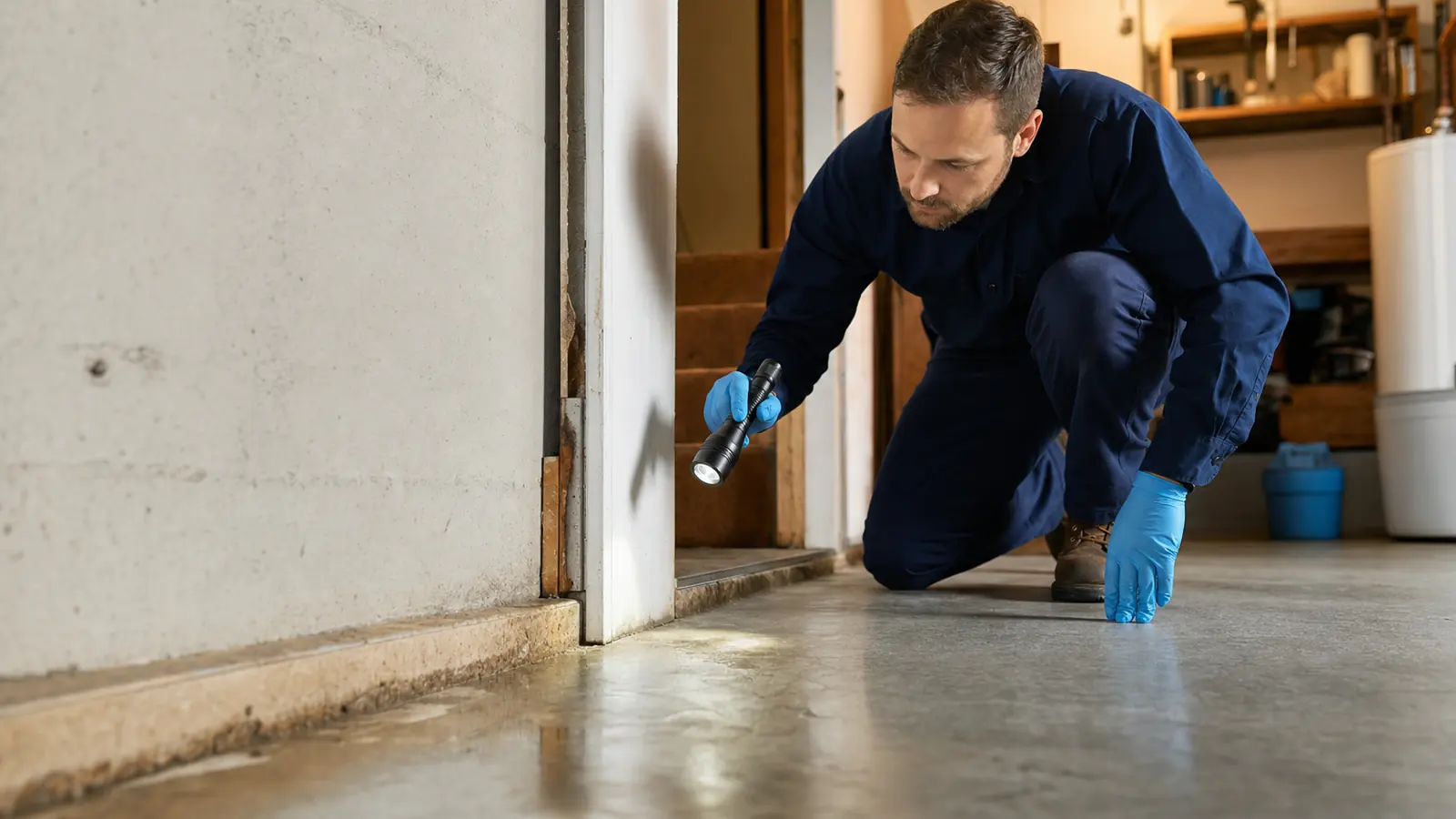
Boiling Springs pest control
Learn more about how Paladin handles this for Upstate families.
Read more →
entry point sealing
Learn more about how Paladin handles this for Upstate families.
Read more →crawl space wildlife removal
Learn more about how Paladin handles this for Upstate families.
Read more →squirrel removal
Learn more about how Paladin handles this for Upstate families.
Read more →bat removal
Learn more about how Paladin handles this for Upstate families.
Read more →Frequently asked questions
Can I seal a wildlife hole myself?
You should not seal a wildlife hole until you know no animal is inside. Closing an active opening can trap animals in an attic, wall, or crawl space and create odor, damage, or a welfare problem. Inspect first, identify the likely species, then choose the correct repair.
What animals usually need exclusion in Boiling Springs?
Boiling Springs homeowners may need exclusion for squirrels, raccoons, bats, birds, snakes, opossums, and rodents depending on the opening and evidence. The species matters because the right repair, timing, and safety steps are not the same for every animal.
How long does wildlife exclusion take?
Simple exclusion repairs may be completed during a single visit after inspection, but active wildlife jobs can require follow-up. The timeline depends on the species, whether young animals are present, the number of entry points, weather, and whether cleanup or building repair is needed.
Does exclusion stop every animal from entering forever?
Exclusion reduces the risk by closing known routes and strengthening weak points, but no service can control every wild animal moving through a yard. The best results come from durable repairs, habitat cleanup, food-source reduction, and monitoring for new gaps after storms or roof work.
Will wildlife exclusion damage attic or crawl-space ventilation?
It should not. Proper exclusion blocks animal entry while preserving the original purpose of vents, soffits, and crawl openings. A repair that blocks needed airflow can create moisture problems, so materials and placement should be chosen carefully for the specific opening.
Who should I call for wildlife exclusion in Boiling Springs, SC?
Call Paladin Pest Solutions if you hear attic scratching, find droppings, notice chewed trim, see a damaged vent, or suspect wildlife has entered a Boiling Springs home. Paladin can inspect the evidence, explain the likely route, and recommend the next step.
Ready to shield your family?
One call to Paladin and we’ll meet you where you are, from a quick walk-through to a long-term protection plan.