Upstate South Carolina · Local pest crew, plain-English answers
Tick Control in Boiling Springs, SC: When to Request a Yard Assessment
Tick control in Boiling Springs, SC becomes worth discussing when your yard has wooded edges, leaf litter, brush piles, or heavy pet and foot traffic near shaded areas. Mapping these zones against how your family actually uses…
- We identify the species first, then treat the actual harborage
- Same Upstate technicians on your route, visit after visit
- Clear notes after every visit, what we did and why
Quick Answer
Tick control in Boiling Springs, SC becomes worth discussing when your yard has wooded edges, leaf litter, brush piles, or heavy pet and foot traffic near shaded areas. Mapping these zones against how your family actually uses the yard gives a pest professional a clear starting point for an assessment.
For the next step, compare flea and tick control, read about yard pest prevention, or check where Paladin works across Upstate SC.
Key Takeaways
- Wooded edges and leaf litter are common tick habitat zones.
- Pet routes through brush increase potential tick contact.
- Play areas near shade deserve extra attention on your map.
- A yard-use overlay helps frame the assessment conversation.
- CDC guidance informs habitat awareness, not treatment promises.
- Documentation before contact speeds up the assessment discussion.
- Paladin serves Boiling Springs, SC and nearby Upstate areas.
Which yard conditions make a professional tick assessment worth discussing?
Yards with wooded borders, tall grass, leaf piles, stacked wood, or dense shrubs create conditions where ticks tend to gather. If your property includes any of these features near where people or pets walk, a tick control assessment in Boiling Springs, SC is a reasonable next step to discuss with a professional.
Ticks favor shaded, moist spots with plant cover. Leaf litter along fences or garden beds fits this description closely. This connects closely with flea and tick control when you are comparing next steps.
Brush piles and unmown grass edges also matter. These areas often connect wooded lots to open lawn space.
If your yard backs up to a wooded area, the transition zone deserves a closer look. That is often where a habitat overlay proves most useful. For a wider plan, pair this with Upstate SC service areas so the whole property is covered.
What this means for your home
- Boiling Springs service is adjusted to the home style, season, and pressure pattern instead of using the same checklist everywhere.
- Practical takeaway: Yards with wooded borders, tall grass, leaf piles, stacked wood, or dense shrubs create conditions where ticks tend to gather.
- Condition correction lowers repeat pressure by addressing moisture, food sources, harborage, and easy entry points.
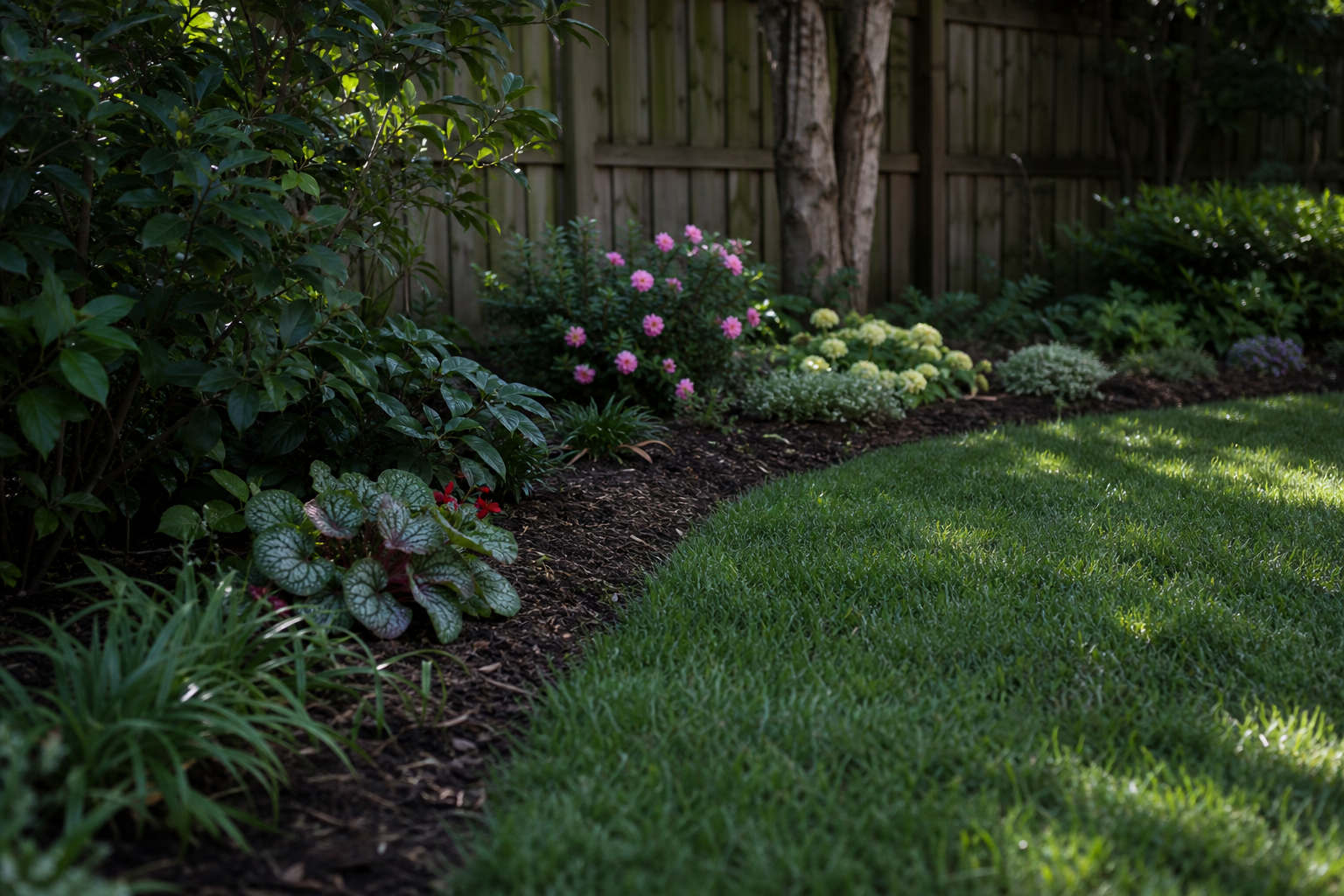
Which yard areas can increase tick contact?
Shaded borders, stone walls, tall grass patches, and areas under shrubs tend to increase tick contact around a home. These spots hold moisture and offer cover, which lines up with habitat patterns described in CDC prevention guidance for residential yards across the region.
Stone walls and wood piles create small pockets of shade and humidity. These pockets can support tick activity even in an otherwise open yard. Homeowners seeing similar pressure can also review yard flea treatment before scheduling.
Tall grass near play equipment or seating areas is another zone worth noting. Regular mowing reduces some of this risk but does not eliminate every factor.
Mapping these spots on a simple yard sketch gives you a visual reference. This sketch becomes useful when you later speak with a pest professional. This connects closely with requesting service from Paladin when you are comparing next steps.
What this means for your home
- Practical takeaway: Shaded borders, stone walls, tall grass patches, and areas under shrubs tend to increase tick contact around a home.
Do I need a fully wooded lot to consider a tick assessment?
No, even a partial tree line, brush pile, or shaded garden bed can create habitat pockets worth discussing during a tick control assessment in Boiling Springs, SC.
Not sure what you're dealing with?
Tell us the activity you've noticed and we'll point you the right direction.
How do pet routes affect the yard assessment?
Pets that roam near wooded edges, dig near brush, or nap in shaded grass can pick up ticks and carry them closer to the home. Noting your pet's regular paths helps a professional understand where contact is more likely during an assessment.
Dogs and cats often travel the same paths daily. These paths can cross directly through tick habitat without an owner noticing. For a wider plan, pair this with family flea and tick protection so the whole property is covered.
If your pet spends time near a wood line or under a deck, that spot belongs on your yard map. It helps connect animal behavior to specific yard zones.
Household pets are not the only visitors, either. Wildlife passing through a yard can also introduce ticks to new areas over time. Homeowners seeing similar pressure can also review flea and tick control before scheduling.
What this means for your home
- Family and pet awareness means we explain treated areas, re-entry timing, and simple prep steps before work begins.
- Practical takeaway: Pets that roam near wooded edges, dig near brush, or nap in shaded grass can pick up ticks and carry them closer to the home.
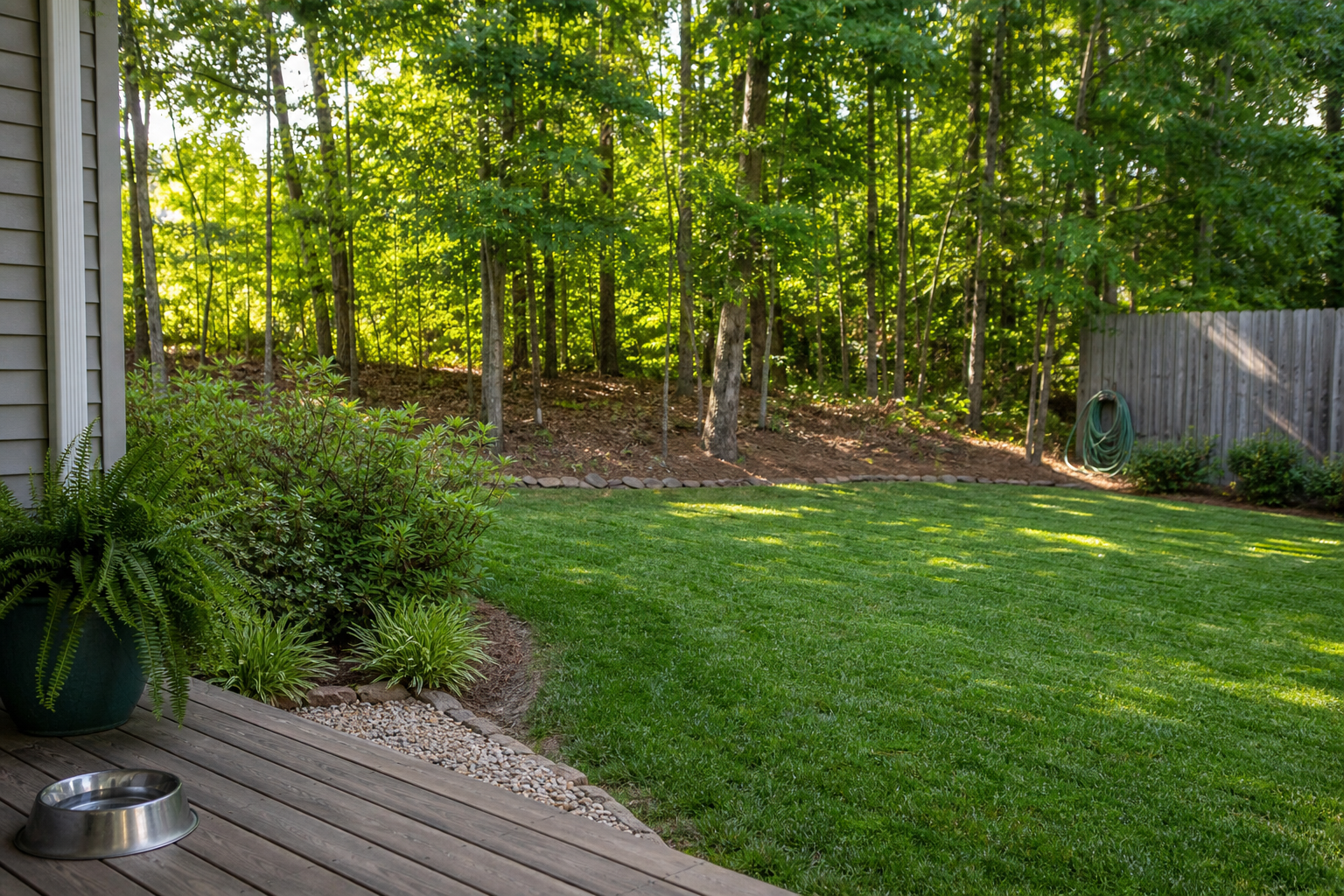
What can a professional property inspection evaluate?
A professional inspection can review yard layout, vegetation density, and how different zones connect to daily foot traffic around the home. It offers observations about the property rather than fixed conclusions, since outdoor conditions can shift with weather and season throughout the year.
An inspection looks at how landscaping features relate to each other. Garden beds, tree lines, and mulch areas are often part of that review. This connects closely with Upstate SC service areas when you are comparing next steps.
Paladin Pest Solutions uses Integrated Pest Management principles during assessments. This approach considers the whole yard system instead of a single problem area.
Multi-point inspections can also identify other outdoor conditions worth monitoring. This gives homeowners a broader picture beyond ticks alone. For a wider plan, pair this with yard flea treatment so the whole property is covered.
What this means for your home
- Boiling Springs service is adjusted to the home style, season, and pressure pattern instead of using the same checklist everywhere.
- Practical takeaway: A professional inspection can review yard layout, vegetation density, and how different zones connect to daily foot traffic around the home.
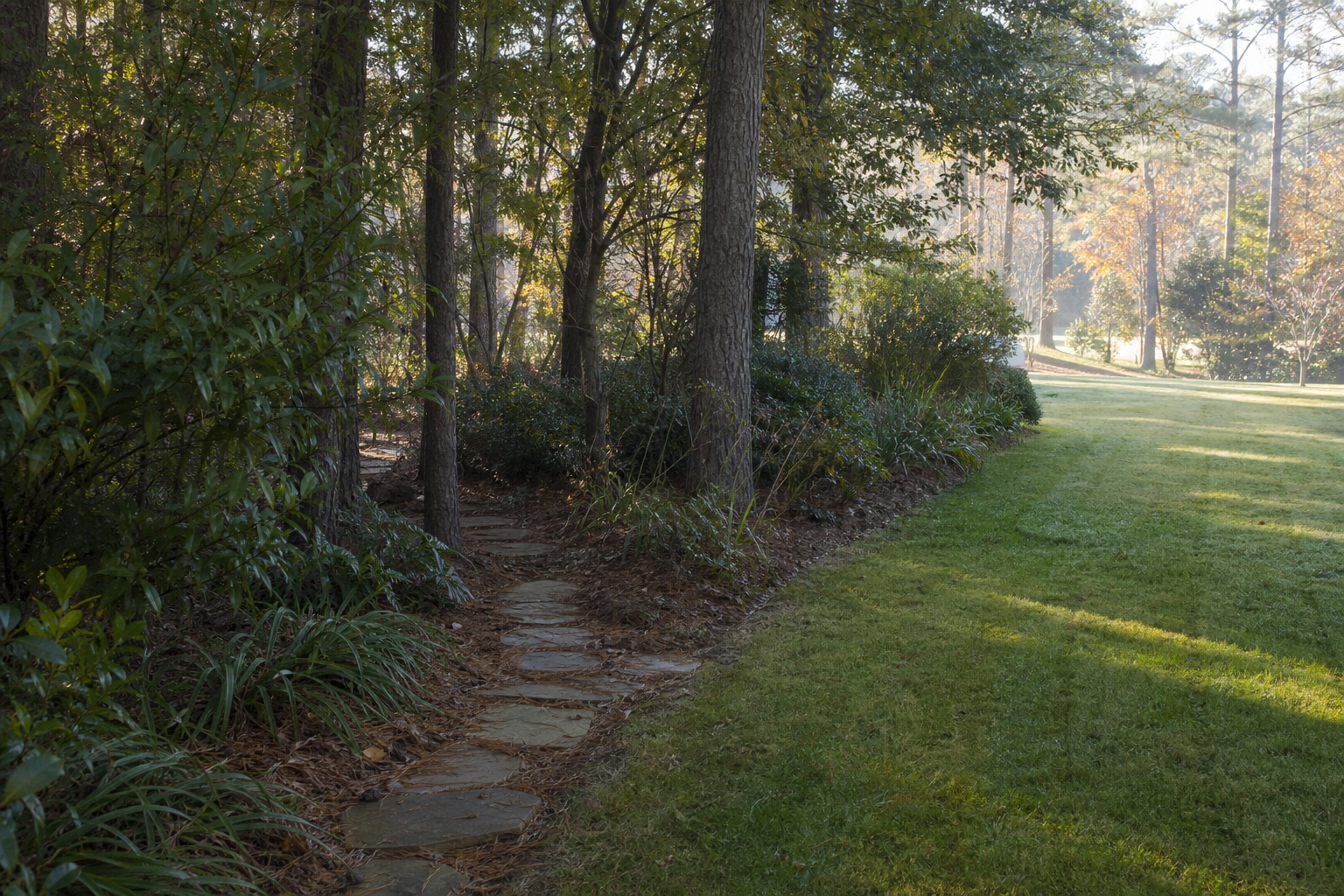
Why does mapping play areas and paths matter before contacting a professional?
Mapping play areas and walking paths shows where people spend the most time outdoors around the property. This detail helps a pest professional prioritize which yard zones to review first during a tick control assessment in Boiling Springs, SC, saving time for everyone involved.
Children's play sets, trampolines, and seating areas often sit near shaded borders. These spots deserve attention since they combine habitat and human activity. Homeowners seeing similar pressure can also review requesting service from Paladin before scheduling.
Walking paths between the house, garage, and yard edges are worth tracing too. A path that skirts a brush pile connects two relevant zones on your map.
Once these areas are marked, share the map when you reach out. It turns a general concern into a focused conversation. This connects closely with family flea and tick protection when you are comparing next steps.
What this means for your home
- Practical takeaway: Mapping play areas and walking paths shows where people spend the most time outdoors around the property.
Should homeowners document yard conditions before scheduling a visit?
Yes, documenting yard conditions ahead of time helps the conversation move faster once you reach out. Photos of shaded areas, brush, and pet paths give a professional useful context before they discuss the property with you directly during the assessment.
Simple photos taken during daylight work well. Include wide shots of the yard along with closer images of specific problem spots. For a wider plan, pair this with flea and tick control so the whole property is covered.
Note any recent changes too, such as new landscaping or increased wildlife sightings. These details add context without requiring technical knowledge.
Keep your notes brief and factual. A short list of observations is more useful than a lengthy narrative. Homeowners seeing similar pressure can also review requesting service from Paladin before scheduling.
What this means for your home
- Documentation should summarize findings, treated areas, product locations where applicable, and the recommended follow-up plan.
- Service notes should tell you what was found, what was treated, and what to watch for before the next visit.
- Practical takeaway: Yes, documenting yard conditions ahead of time helps the conversation move faster once you reach out.
Is a yard-use overlay different from a standard habitat checklist?
A yard-use overlay combines habitat awareness with how your family actually uses the space each day. It layers daily routines onto general guidance, which gives a fuller picture than a habitat checklist alone, helping a professional focus attention where activity and habitat truly overlap.
Standard checklists often list generic risk factors like leaf litter or tall grass. They rarely account for how often people or pets pass through those areas. This connects closely with yard flea treatment when you are comparing next steps.
An overlay adds that missing layer. It marks where habitat exists and also where habitat and daily activity intersect.
This combined view helps a professional focus the assessment where it matters most. It also helps homeowners understand their own yard more clearly. For a wider plan, pair this with flea and tick control so the whole property is covered.
What this means for your home
- Practical takeaway: A yard-use overlay combines habitat awareness with how your family actually uses the space each day.
- Condition correction lowers repeat pressure by addressing moisture, food sources, harborage, and easy entry points.
Can seasonal changes shift which yard zones need attention?
Yes, seasonal growth patterns can shift which yard zones need attention throughout the year in Upstate South Carolina. Spring and summer often bring denser vegetation, while fall leaf drop can create new pockets of cover near borders and walking paths.
Grass and brush grow faster in warmer months. Areas that seemed clear in winter may need a second look by early summer. Homeowners seeing similar pressure can also review family flea and tick protection before scheduling.
Fall leaf litter can build up quickly near fences and garden beds. This seasonal buildup is worth noting on your yard map each year.
Revisiting your map periodically keeps it accurate. It also gives you a simple way to track changes over time. This connects closely with yard flea treatment when you are comparing next steps.
What this means for your home
- Practical takeaway: Yes, seasonal growth patterns can shift which yard zones need attention throughout the year in Upstate South Carolina.
- Condition correction lowers repeat pressure by addressing moisture, food sources, harborage, and easy entry points.
Family and pet protection
Pet-aware flea and tick treatment, yards your kids can use again
Yard fleas and ticks come back when shaded harborage isn't addressed. We treat the shaded perimeter, leaf litter zones, and pet rest areas. Re-entry windows are explicit.
Inside, we coordinate with your vet's pet protection plan. We do not replace the vet, we make the yard safer between treatments.
Why this post exists on the Paladin blog
This post was written by someone who actually does this work on Upstate homes, not by a contractor or a marketing team that has never seen the species in person. The Paladin blog exists to answer the questions we hear on real service calls, honestly, in plain English, without selling you a service you do not need. If a post helps you solve the problem on your own, that is a successful post for us. If you read it and decide you would rather have a trained technician on site, that is what the phone is for. Either path is fine.
A first Paladin visit is intended to document the activity, inspect relevant areas, and explain the proposed scope before work begins. Appointment timing and the exact inspection areas depend on the request and property access. Call (864) 816-7658 or use the contact form so the office can confirm the current options.
Paladin is based in Boiling Springs, SC and serves the approved Upstate locations listed on this site. Each recommendation should be tied to conditions documented at the property, including pest evidence, moisture, entry points, food, water, shelter, and access. The office confirms address availability without promising a route frequency or response window.
Keep exploring Paladin
Related Paladin services and guides for Upstate homeowners.
Frequently asked questions
What yard features are most relevant to a tick control assessment in Boiling Springs, SC?
Wooded edges, leaf litter, brush piles, stone walls, and tall grass are the most relevant features to note. These conditions align with habitat patterns described in CDC guidance and give a pest professional useful starting points for discussing an assessment with your household.
How does Paladin Pest Solutions approach a property review?
Paladin Pest Solutions applies Integrated Pest Management principles and multi-point inspections to review outdoor conditions around a home. This approach looks at the yard as a connected system rather than isolating a single spot, giving a broader view of relevant features.
Does mapping pet routes really make a difference?
Mapping pet routes helps identify where animals may carry ticks closer to the home and living spaces around the property. It adds useful context to a yard-use overlay, even though it does not replace a full professional assessment of the property, yard, and surrounding conditions.
Can homeowners reduce tick habitat on their own before calling a professional?
Homeowners can trim brush, clear leaf litter, and mow tall grass to reduce some habitat conditions around the property before reaching out. These steps support broader yard maintenance, though outcomes vary and a professional assessment can add further useful perspective on remaining zones.
Is Boiling Springs, SC part of Paladin's regular service area?
Yes, Paladin Pest Solutions is based in Boiling Springs, SC and serves approved locations across Upstate South Carolina as part of its regular coverage area. Exact-address availability is confirmed by the office when you reach out through the contact page or by phone.
What should I include when I contact Paladin about tick control?
Include a brief description of your yard, any shaded or wooded areas, and notes on pet or foot traffic patterns near those zones around your property. Photos of specific spots and recent landscaping changes are also helpful context for the conversation.
Ready to shield your family?
One call to Paladin and we’ll meet you where you are, from a quick walk-through to a long-term protection plan.