Upstate South Carolina · Practical, low-disruption pest work
Termite Treatment in Boiling Springs, SC: Comparing Baiting and Other Service Scopes
Termite Treatment in Boiling Springs, SC should start with a documented inspection. Then match the treatment zone, monitoring plan, and any moisture or wood-contact fixes to what was found. Compare full scopes side by side. Do…
- Treatments built around how your family actually uses the home
- Local dispatch from Spartanburg across the Upstate
- If a visit isn't needed, we'll say so on the phone
Quick Answer
Termite Treatment in Boiling Springs, SC should start with a documented inspection. Then match the treatment zone, monitoring plan, and any moisture or wood-contact fixes to what was found. Compare full scopes side by side. Do not pick a method by name alone.
For the next step, compare termite control and inspection, read about termite inspection services, or check where Paladin works across Upstate SC.
Key Takeaways
- Start with written inspection findings, not treatment names alone
- Ask what area each proposed treatment zone actually covers
- Learn how monitoring stations get checked over time
- Confirm what access points a service scope needs
- Keep moisture or wood-contact fixes separate from termite work
- Paladin offers Trelona ATBS baiting as one service option
- Get a written scope of work before comparing proposals
How should a homeowner compare termite treatment scopes after an inspection?
Start by reading the written inspection notes closely. Then line up each proposed scope against those specific findings. Compare treatment zones, monitoring plans, and any repair work side by side. A scope that matches real findings is easier to judge than one built on guesswork.
A termite inspection should give you notes you can read and keep. Look for clear descriptions of where activity or risk factors were seen. These notes become your reference point for every scope you review next. This connects closely with WDI inspection letters when you are comparing next steps.
Once you have that reference, ask each provider a simple question. How does your plan address these exact spots? A scope that only names a treatment type, without tying it to your findings, is hard to judge fairly.
Treat the comparison like a short worksheet. List the treatment zone, monitoring plan, access needs, and any separate fixes in columns. This makes it easy to spot where scopes match and where they differ. For a wider plan, pair this with Upstate SC service areas so the whole property is covered.
What this means for your home
- Boiling Springs service is adjusted to the home style, season, and pressure pattern instead of using the same checklist everywhere.
- Practical takeaway: Start by reading the written inspection notes closely.
- Service notes should tell you what was found, what was treated, and what to watch for before the next visit.
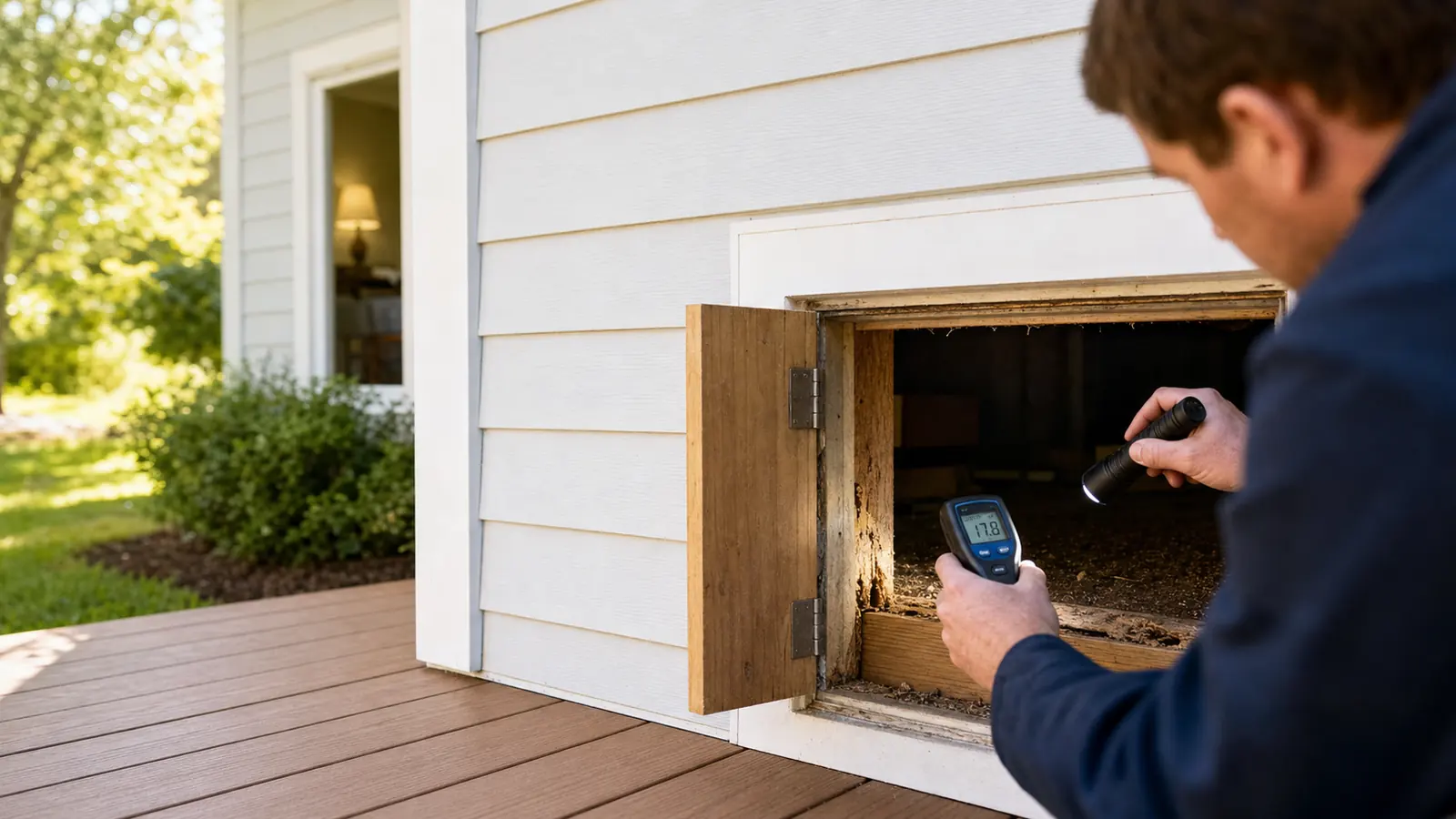
How does termite baiting fit a monitoring plan?
Baiting relies on stations placed around the home and checked on a set schedule. Monitoring shows whether activity is present and whether bait needs a refill. This ongoing check-in is part of the scope itself, not a one-time step. Ask how often stations get reviewed.
Baiting uses stations placed at set points around a property. These stations get checked over time. They are not treated once and left alone. The monitoring rhythm is a core part of what you pay for. Homeowners seeing similar pressure can also review termite control before scheduling.
When you compare scopes, ask how visits get scheduled. Ask what gets written down at each visit. A clear answer helps you see the full commitment behind a baiting plan.
Paladin offers Trelona Advance Termite Bait Stations as one service option within its termite control work. This is one method among several. It is not the only path for every property. This connects closely with requesting service from Paladin when you are comparing next steps.
What this means for your home
- Practical takeaway: Baiting relies on stations placed around the home and checked on a set schedule.
What is the first step in comparing termite treatment scopes?
Start with the written inspection notes. Those findings should shape every treatment zone and monitoring plan you review next. Do not start from a method name alone.
Prefer to skip the guessing?
We'll identify the pest, point out conditions, and quote what's actually needed.
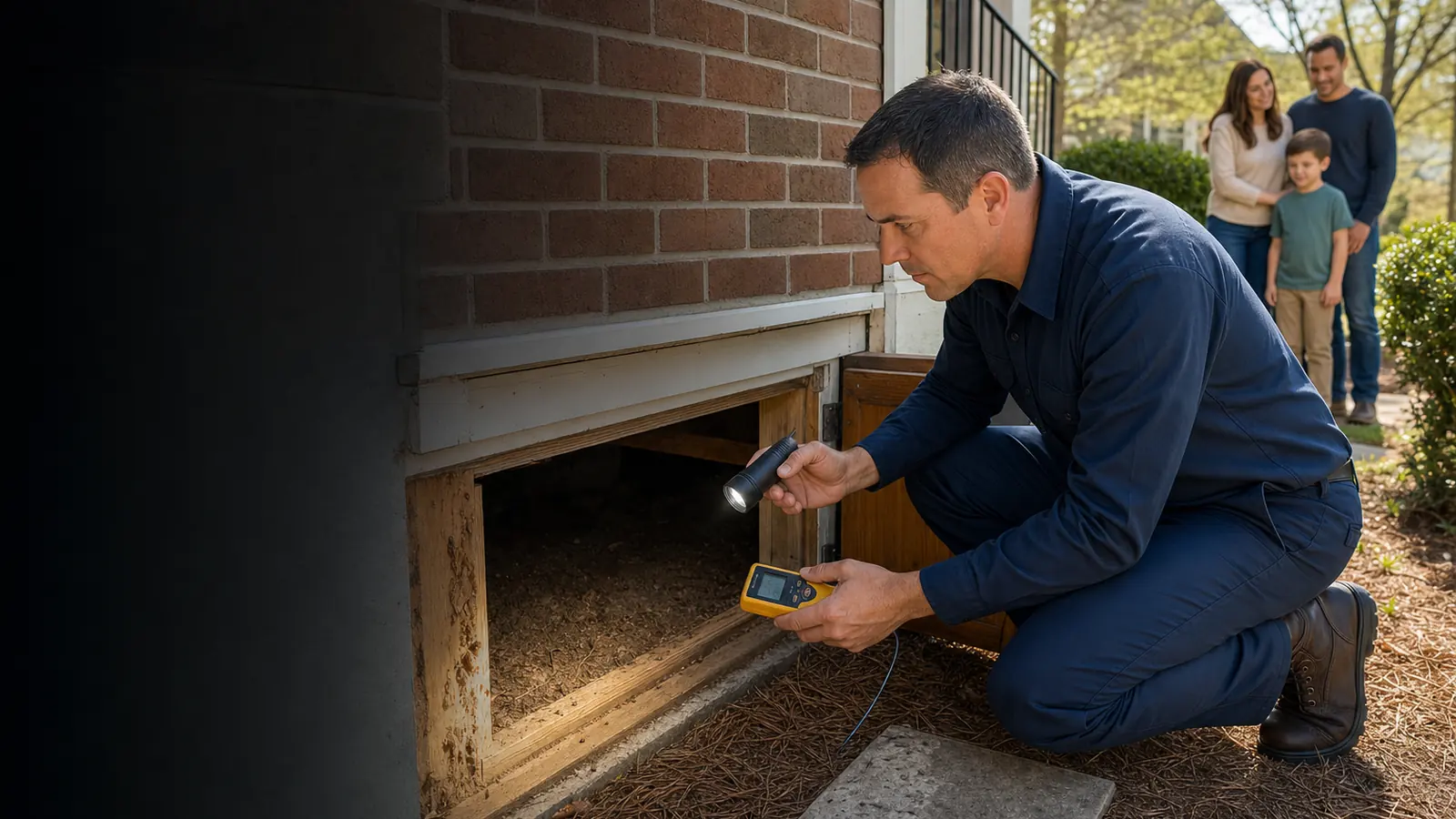
Which property conditions may require separate correction?
Moisture buildup, soil touching wood, and blocked vents often get noted apart from the termite treatment itself. These items may need their own fix, separate from bait stations or other termite methods. Ask if a proposal lists these tasks on their own line.
Inspection notes sometimes point out things that make a home more prone to termite activity. Wood touching soil is one example. Standing moisture near the foundation is another. These are upkeep items, not part of the termite method itself. For a wider plan, pair this with termite inspection services so the whole property is covered.
When you check a scope, look for corrective items listed apart from the termite service. If they get mixed into one line, it is harder to know what you are really paying for.
Ask each provider to explain these conditions in plain terms. Keep them separate from the main quote. Clear separation helps you make a smarter choice when comparing several scopes. Homeowners seeing similar pressure can also review WDI inspection letters before scheduling.
What this means for your home
- Practical takeaway: Moisture buildup, soil touching wood, and blocked vents often get noted apart from the termite treatment itself.
- Condition correction lowers repeat pressure by addressing moisture, food sources, harborage, and easy entry points.
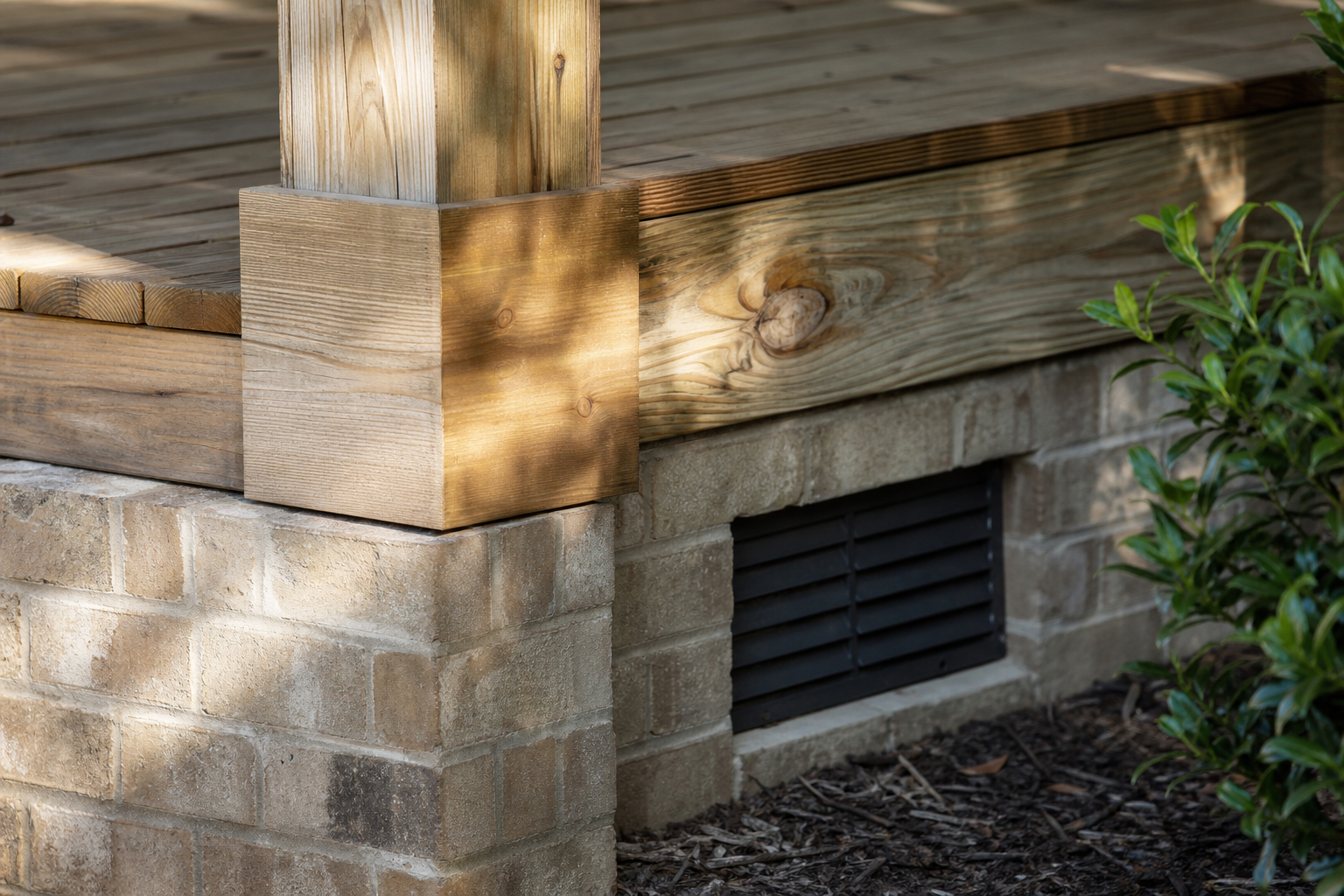
What access will a termite treatment scope require around the home?
Access needs change by method. They may include a clear path around the foundation, crawl space entry, or interior access to certain spots. Ask each provider to list access needs in writing. Knowing this early helps you prep the property and skip delays.
Different treatment methods call for different access levels. Exterior work near the foundation usually needs open ground space. Some visits may also call for crawl space or interior entry. This connects closely with Upstate SC service areas when you are comparing next steps.
Before work gets scheduled, ask what needs to be cleared. This might mean moving stored items off exterior walls. It might mean opening a crawl space hatch ahead of time.
Comparing access needs across scopes also shows how much daily routines may shift. A scope with fewer interior visits may suit some homes better than one needing frequent entry. For a wider plan, pair this with termite control so the whole property is covered.
What this means for your home
- Practical takeaway: Access needs change by method.
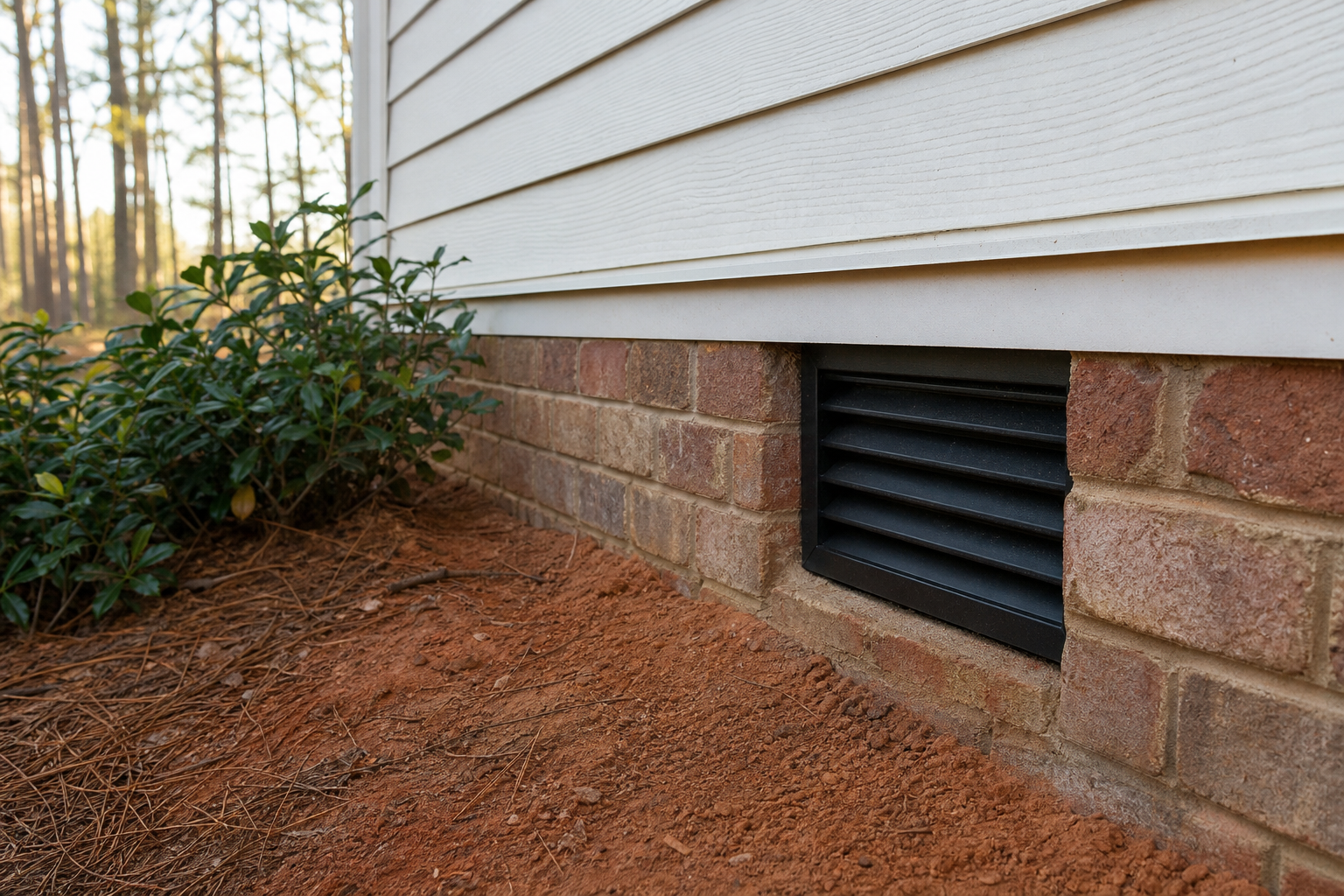
Why does the treatment zone matter more than the method name?
A method name alone does not show which parts of a property get covered. The treatment zone sets the boundary of the work. It may include certain walls, soil areas, or structures. Comparing zones side by side stops you from assuming full coverage that was never in the plan.
Two proposals can use the same general method yet cover very different areas. One might treat the full foundation perimeter. Another might focus only on one section noted during the inspection. Homeowners seeing similar pressure can also review requesting service from Paladin before scheduling.
Ask for a simple diagram or a written note on the treatment zone in each scope. This removes guesswork about what is actually included.
When you compare zones side by side, you can also spot gaps. A gap might be planned based on findings. Or it might be worth asking about before you move forward. This connects closely with termite inspection services when you are comparing next steps.
What this means for your home
- Practical takeaway: A method name alone does not show which parts of a property get covered.
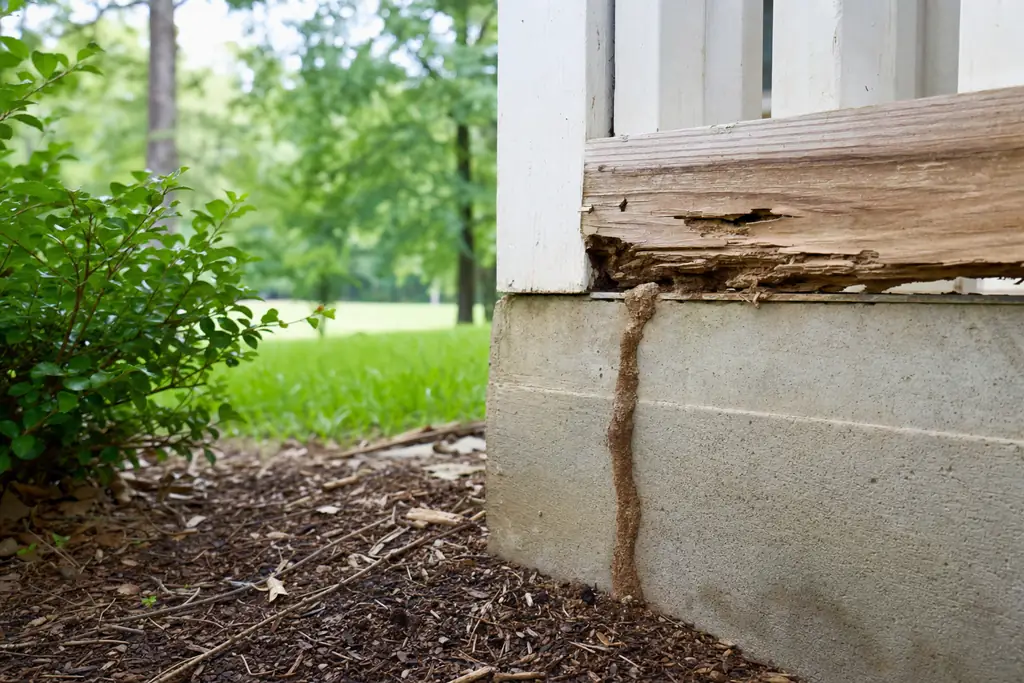
Should documentation be part of every termite treatment proposal?
Yes, documentation should come with any proposal, since written notes on findings, treatment zones, and monitoring plans give you a lasting record you can check later. Without it, spoken descriptions are hard to verify, compare fairly, or revisit once work begins.
A written proposal should state what was found and what will be treated. It should also say how future monitoring will work. This record helps later if you want to confirm what was first agreed upon. For a wider plan, pair this with WDI inspection letters so the whole property is covered.
Keep copies of inspection notes, proposed scopes, and any follow-up reports in one folder. This builds a simple history you can check if questions come up later.
When you compare several proposals, look at documentation quality too. A provider who writes things down clearly is usually easier to work with over time. Homeowners seeing similar pressure can also review requesting service from Paladin before scheduling.
What this means for your home
- Documentation should summarize findings, treated areas, product locations where applicable, and the recommended follow-up plan.
- Practical takeaway: Yes, documentation should come with any proposal, since written notes on findings, treatment zones, and monitoring plans give you a lasting record you can check later.
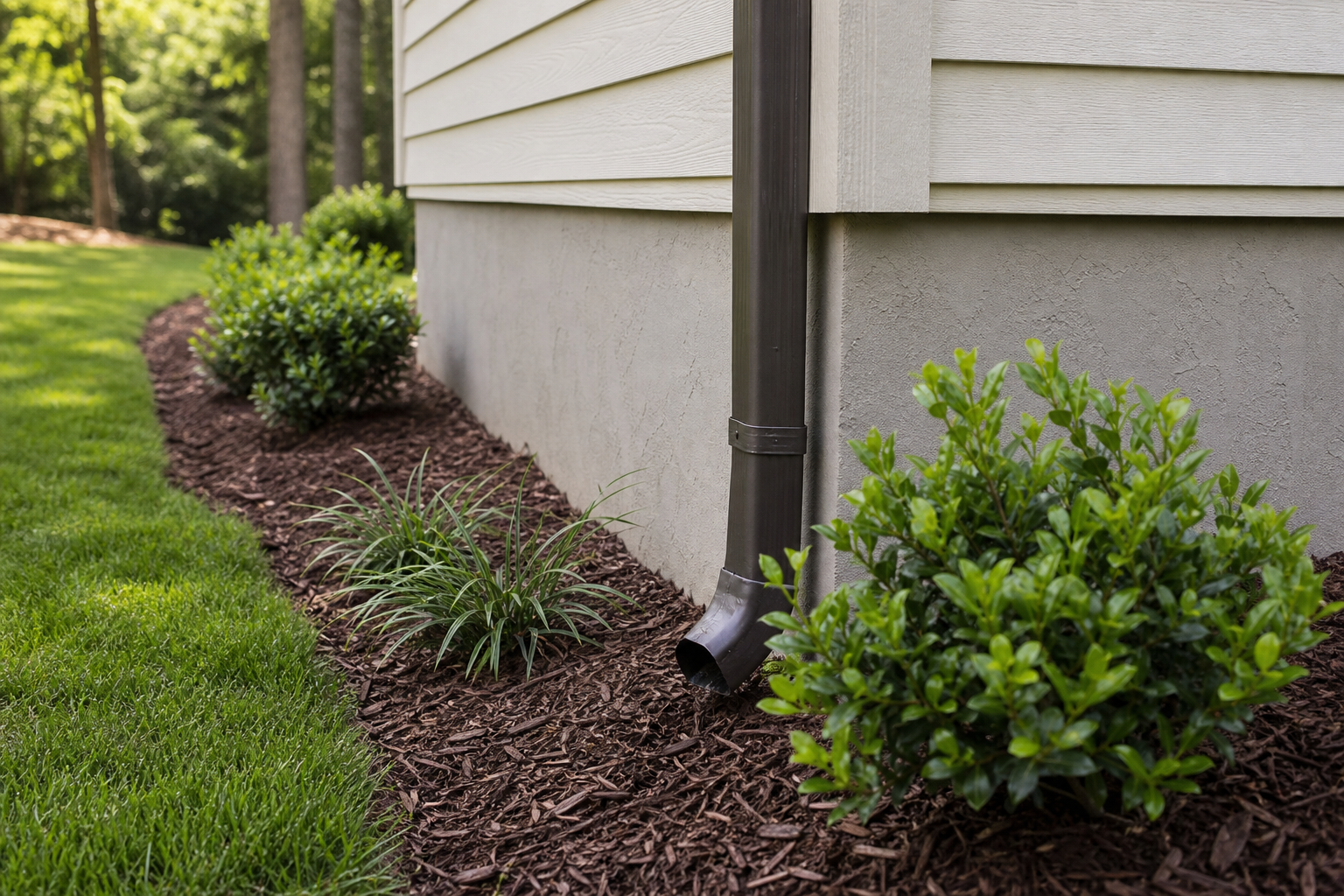
Can a scope-comparison worksheet simplify the hiring decision?
Yes, a short worksheet listing treatment zone, monitoring plan, access needs, and separate fixes helps you judge proposals fairly and side by side. It keeps focus on real details rather than method names alone, which supports a clearer, calmer hiring choice overall.
Building a worksheet is simple. A few rows covering findings, treatment zone, monitoring schedule, access needs, and separate fixes are usually enough to organize your review. This connects closely with termite control when you are comparing next steps.
Fill in each row using the written details from every proposal you get. Gaps in a proposal show up fast once you try to fill every row for it.
This worksheet keeps the choice grounded in facts, not general impressions. It also gives you a list to bring up with any provider before you sign off on a scope. For a wider plan, pair this with WDI inspection letters so the whole property is covered.
What this means for your home
- Practical takeaway: Yes, a short worksheet listing treatment zone, monitoring plan, access needs, and separate fixes helps you judge proposals fairly and side by side.
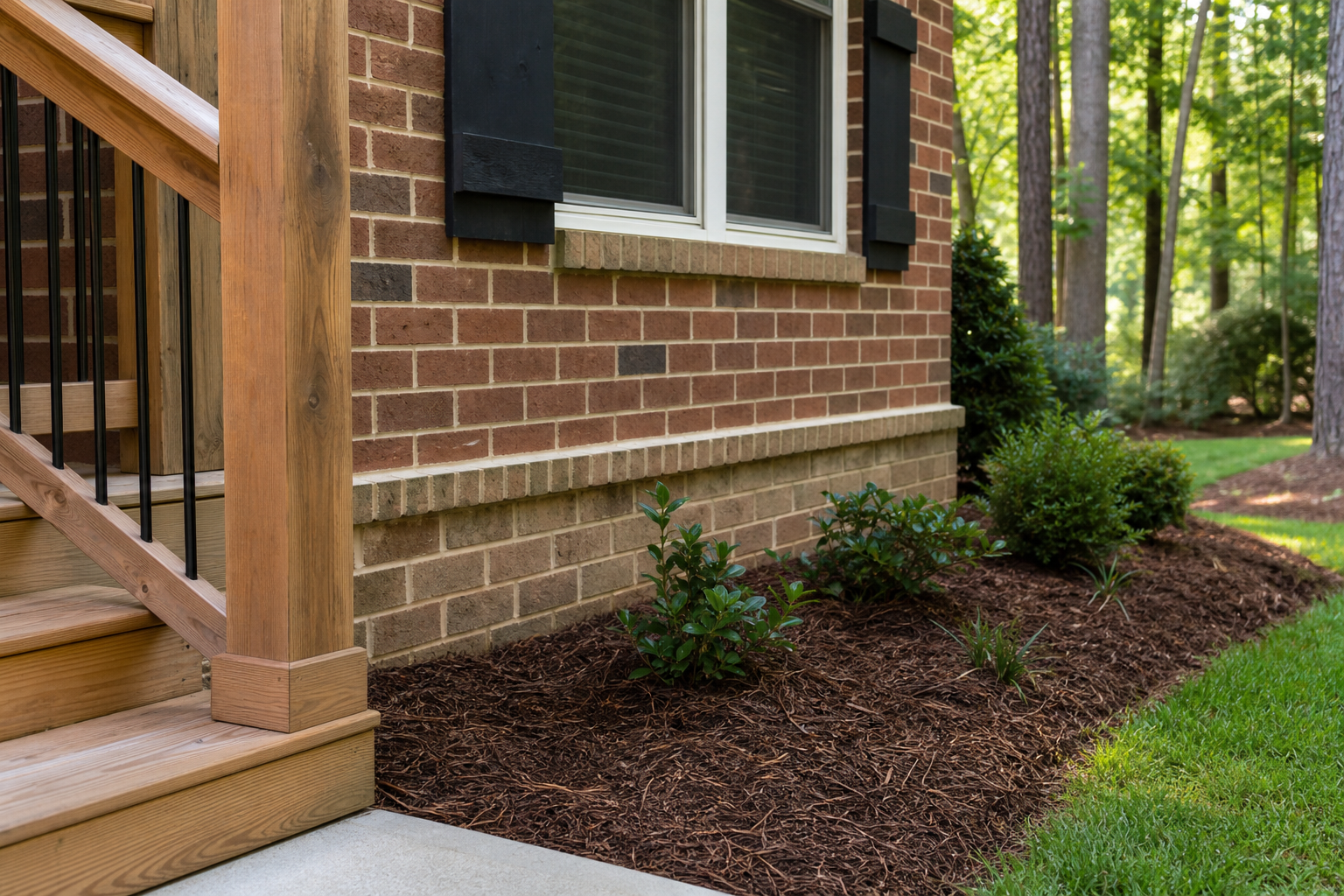
Is professional termite treatment in Boiling Springs, SC worth comparing across providers?
Yes. Comparing more than one provider gives you a wider view of treatment zones, monitoring plans, and access needs. Professional termite treatment Boiling Springs SC options can differ even with similar methods. Reviewing a few proposals leads to a more confident final choice.
No two providers write up their scope the same way, even with a similar method. Reviewing more than one proposal helps you spot differences in zone coverage or monitoring detail you might otherwise miss. Homeowners seeing similar pressure can also review termite inspection services before scheduling.
Ask each provider the same set of questions about zone, access, and monitoring. Matching questions make it easier to line up their answers side by side.
Paladin Pest Solutions is based in Boiling Springs, SC and serves approved spots across Upstate South Carolina. Exact-address availability gets confirmed by the office. Reaching out is a simple way to get a written scope for your own comparison. This connects closely with termite control when you are comparing next steps.
What this means for your home
- Boiling Springs service is adjusted to the home style, season, and pressure pattern instead of using the same checklist everywhere.
- Practical takeaway: Yes.
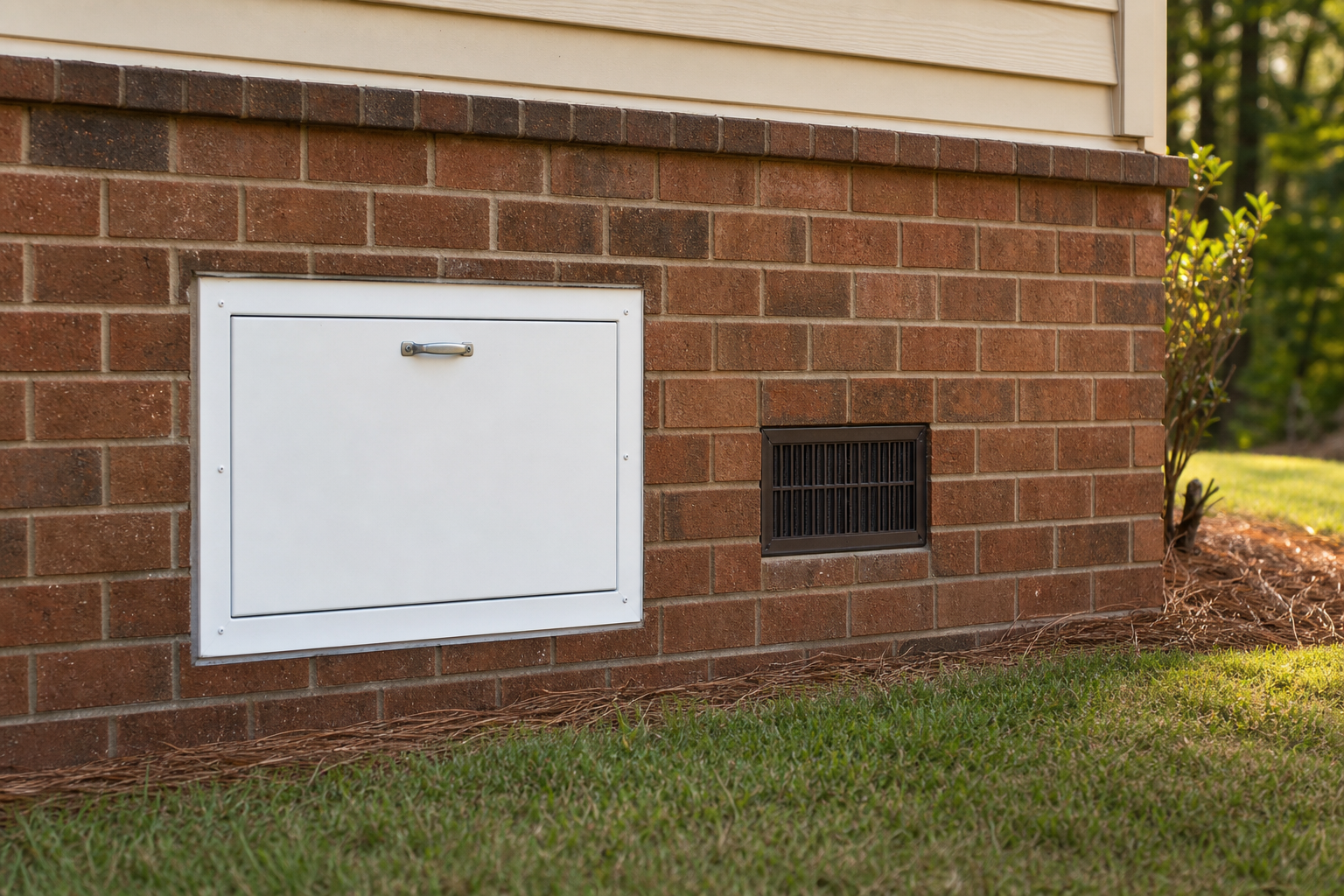
Termite inspection and Trelona ATBS
Subterranean termite work that's monitored on a measured cadence
Termite damage in the Upstate is usually invisible from inside the house. The inspection happens in the crawl space, at the foundation, and along the perimeter where wood meets soil.
Trelona ATBS bait stations on measured spacing intercept active colonies before damage becomes structural. We document the cadence so renewals and re-inspections are predictable.
Why this post exists on the Paladin blog
This post was written by someone who actually does this work on Upstate homes, not by a contractor or a marketing team that has never seen the species in person. The Paladin blog exists to answer the questions we hear on real service calls, honestly, in plain English, without selling you a service you do not need. If a post helps you solve the problem on your own, that is a successful post for us. If you read it and decide you would rather have a trained technician on site, that is what the phone is for. Either path is fine.
A first Paladin visit is intended to document the activity, inspect relevant areas, and explain the proposed scope before work begins. Appointment timing and the exact inspection areas depend on the request and property access. Call (864) 816-7658 or use the contact form so the office can confirm the current options.
Paladin is based in Boiling Springs, SC and serves the approved Upstate locations listed on this site. Each recommendation should be tied to conditions documented at the property, including pest evidence, moisture, entry points, food, water, shelter, and access. The office confirms address availability without promising a route frequency or response window.
Keep exploring Paladin
Related Paladin services and guides for Upstate homeowners.
Frequently asked questions
How should a homeowner start comparing termite treatment options?
Begin with written inspection findings, not a method name. Ask each provider how their scope addresses those findings, including treatment zone and monitoring plan. This keeps the comparison based on real conditions instead of assumptions about what a treatment might include.
What does a termite treatment zone actually describe?
The treatment zone shows which parts of the property get included in the work. This might mean certain foundation sections or soil areas. Two proposals with a similar method can still cover very different zones. Checking this detail stops you from assuming full coverage that was never scoped.
How often are termite bait stations typically monitored?
Monitoring schedules vary by provider and property. Ask directly how often stations will be checked under a given plan. Regular monitoring is a core part of a baiting scope, not a one-time step, and should be spelled out before you agree to a proposal.
Should moisture or wood-contact issues be listed separately from termite treatment?
Yes. Conditions like moisture buildup or wood touching soil are often separate from the termite treatment method itself. Ask providers to list these items on their own, not folded into one combined line. This helps you see exactly what each part of the proposal covers.
Does Paladin Pest Solutions offer termite baiting in Boiling Springs, SC?
Paladin offers Trelona Advance Termite Bait Stations as one service option within its broader termite control work. This is one method among several available approaches. A written scope discussion with the office can help clarify which option may fit a specific property and its findings.
What access does a termite treatment scope usually require?
Access needs depend on the method and the property. They may include clear space around the foundation or entry to a crawl space. Ask for a written list of access needs ahead of time. This helps you prep the property and avoid mix-ups on service day.
Ready to shield your family?
One call to Paladin and we’ll meet you where you are, from a quick walk-through to a long-term protection plan.