Upstate South Carolina · Pest control built around your household
Termite Exterminator in Boiling Springs, SC: Questions to Ask After Swarmers Appear
If you spot winged insects near your home, save a few specimens, photograph the area, and note the date and location before calling a termite exterminator in Boiling Springs, SC. A trained professional can confirm identification…
- Treatments built around how your family actually uses the home
- Local dispatch from Spartanburg across the Upstate
- If a visit isn't needed, we'll say so on the phone
Quick Answer
If you spot winged insects near your home, save a few specimens, photograph the area, and note the date and location before calling a termite exterminator in Boiling Springs, SC. A trained professional can confirm identification and outline next steps for inspection, since not every swarming insect indicates an active termite issue.
For the next step, compare termite control and inspection, read about termite inspection services, or check where Paladin works across Upstate SC.
Key Takeaways
- Save a few insect specimens in a sealed container for identification.
- Photograph swarmers, wings, and the exact location where found.
- Note the date, time, and weather when swarmers appeared.
- Flying ants and termite swarmers look similar but differ in shape.
- Identification is separate from a full property inspection.
- Ask what evidence the professional needs before the visit.
- A multi-point inspection helps map areas of concern.
How Can Termite Swarmers Be Distinguished From Flying Ants?
Termite swarmers have straight antennae, a uniform waist, and two pairs of wings that are equal in length. Flying ants have bent antennae, a pinched waist, and wings of different sizes. These details are easier to confirm with a saved specimen and clear photo rather than memory alone.
Homeowners often see a cluster of winged insects and assume the worst. Taking a moment to look closely can prevent unnecessary worry. This connects closely with WDI inspection letters when you are comparing next steps.
The body shape is the clearest clue. A straight waistline suggests a termite, while a narrow, wasp-like waist points to an ant.
Wing length matters too. Termite wings are roughly the same size, while ant wings are noticeably uneven in length. For a wider plan, pair this with Upstate SC service areas so the whole property is covered.
Because these differences are subtle, a physical sample examined by a professional is more reliable than a description over the phone.
What this means for your home
- Boiling Springs service is adjusted to the home style, season, and pressure pattern instead of using the same checklist everywhere.
- Identification comes first because the right termite protection plan depends on species, activity level, and where the pressure is living.
What Evidence Should Be Saved for Identification?
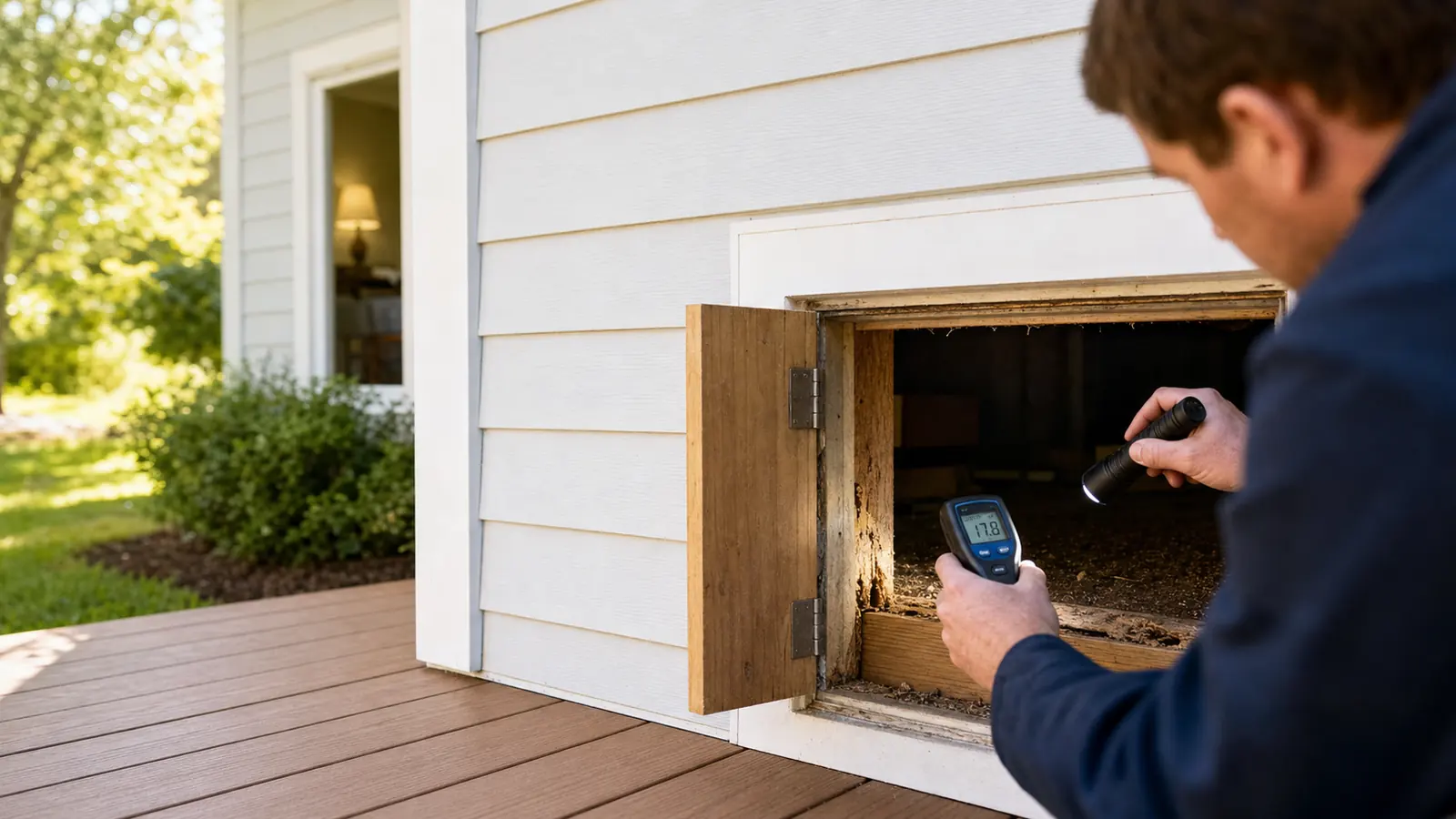
Collect a few insects in a sealed container or clear tape, and take close-up photos of the wings and body from multiple angles. Note where they were found, whether indoors or outside, and record the date and approximate time. This packet helps a professional identify the species quickly and accurately.
A simple resealable bag or small jar works fine for storing a few specimens. There is no need to handle large numbers or attempt to catch every insect in the area. Homeowners seeing similar pressure can also review termite control before scheduling.
Photos should be taken before the insects are disturbed if possible. A clear image of the wings laid flat is especially useful for comparison.
Write down the location details while they are fresh in your memory. Whether the swarmers appeared near a window, a foundation vent, or a woodpile can matter for later discussion. This connects closely with requesting service from Paladin when you are comparing next steps.
This kind of evidence packet turns a vague description into something a termite exterminator in Boiling Springs, SC can actually evaluate.
What this means for your home
- Practical takeaway: Collect a few insects in a sealed container or clear tape, and take close-up photos of the wings and body from multiple angles.
What should I do first if I see winged insects near my home?
Save a few specimens in a sealed container, take clear photos of the wings and body, and note the date and location. This evidence packet is helpful when speaking with a termite exterminator in Boiling Springs, SC about next steps.
Prefer to skip the guessing?
We'll identify the pest, point out conditions, and quote what's actually needed.
Does a Swarmer Sighting Determine the Treatment Scope?
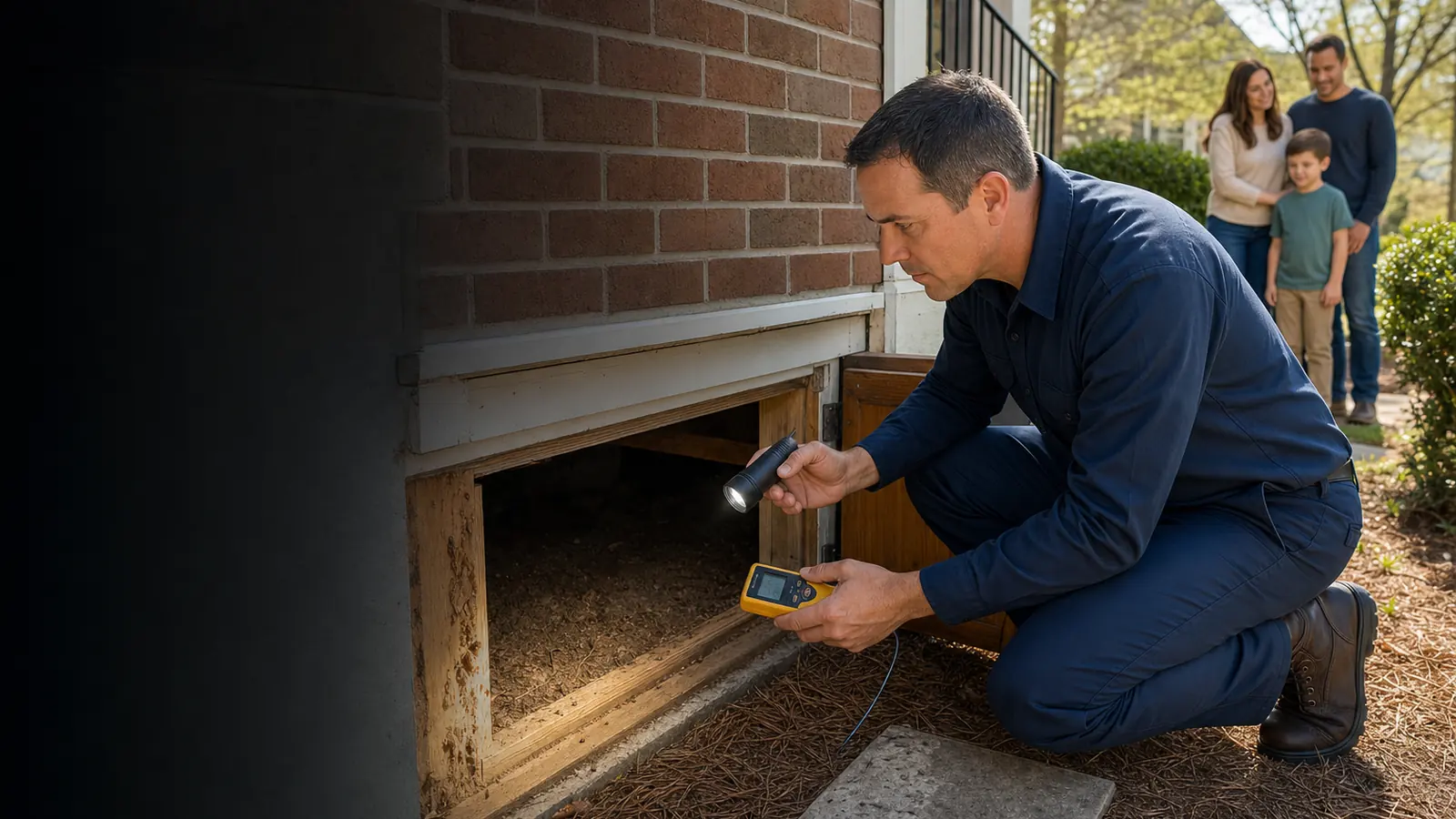
No single sighting can determine treatment scope on its own. Swarmer activity is one data point among several that a professional considers during a broader inspection. Outcomes vary depending on what a multi-point inspection finds throughout the property, rather than only at the spot where swarmers were seen.
It is tempting to assume that where swarmers appear is where every problem exists. That is not always accurate, since swarmers can travel some distance from their origin point. For a wider plan, pair this with termite inspection services so the whole property is covered.
A thorough look at the property considers multiple access points, moisture conditions, and structural features together. This broader view is different from reacting to a single sighting.
Because every home is different, professionals avoid drawing conclusions from one piece of evidence alone. That is part of why a full inspection process exists in the first place. Homeowners seeing similar pressure can also review WDI inspection letters before scheduling.
Asking how the inspection will be structured helps set realistic expectations before any visit begins.
What this means for your home
- Practical takeaway: No single sighting can determine treatment scope on its own.
- Boiling Springs service is adjusted to the home style, season, and pressure pattern instead of using the same checklist everywhere.
Which Questions Should Be Asked During the First Call?
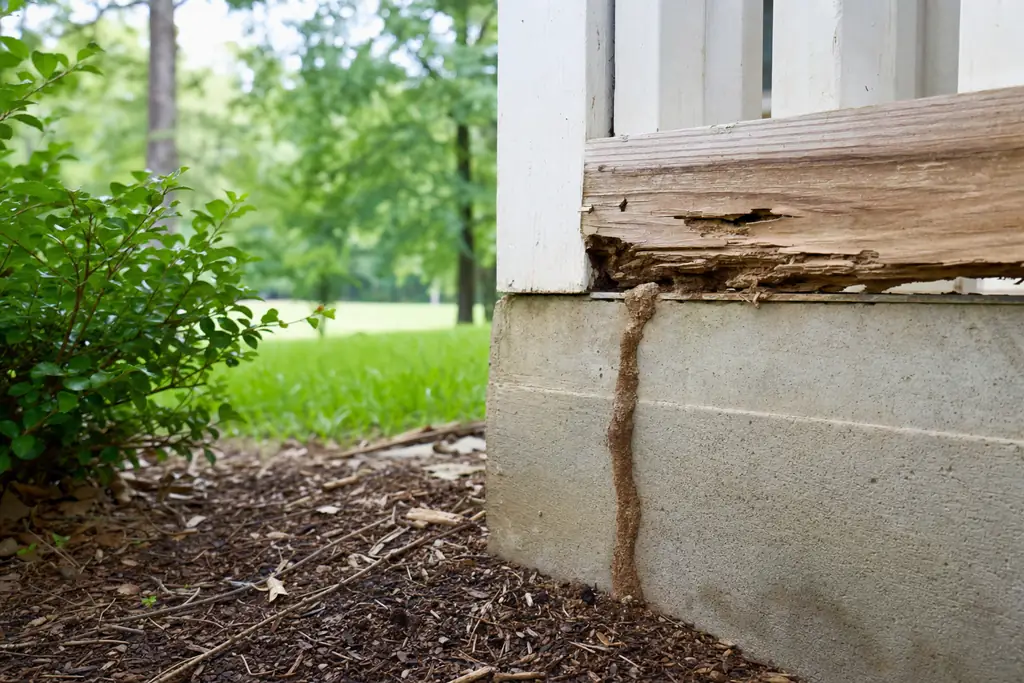
Ask what information the technician needs before arriving, whether photos or specimens are preferred, and how the inspection process typically unfolds. Also ask which areas of the home are usually checked and how findings will be communicated. These questions help you prepare and set clear expectations from the start.
A first call is a good time to gather logistics rather than expect an immediate diagnosis over the phone. Professionals generally prefer to see evidence in person or through clear photos first. This connects closely with Upstate SC service areas when you are comparing next steps.
Asking about the inspection process itself, such as which areas are typically checked, gives a sense of what to expect. This can include attics, crawl spaces, and foundation areas.
It also helps to ask how results will be shared after the visit. Some homeowners prefer a written summary, while others want a verbal walkthrough. For a wider plan, pair this with termite control so the whole property is covered.
Being prepared with these questions makes the whole process smoother for both the homeowner and the professional.
What this means for your home
- Practical takeaway: Ask what information the technician needs before arriving, whether photos or specimens are preferred, and how the inspection process typically unfolds.
- first call termite inspection
Should Every Winged Insect Sighting Trigger a Full Inspection?
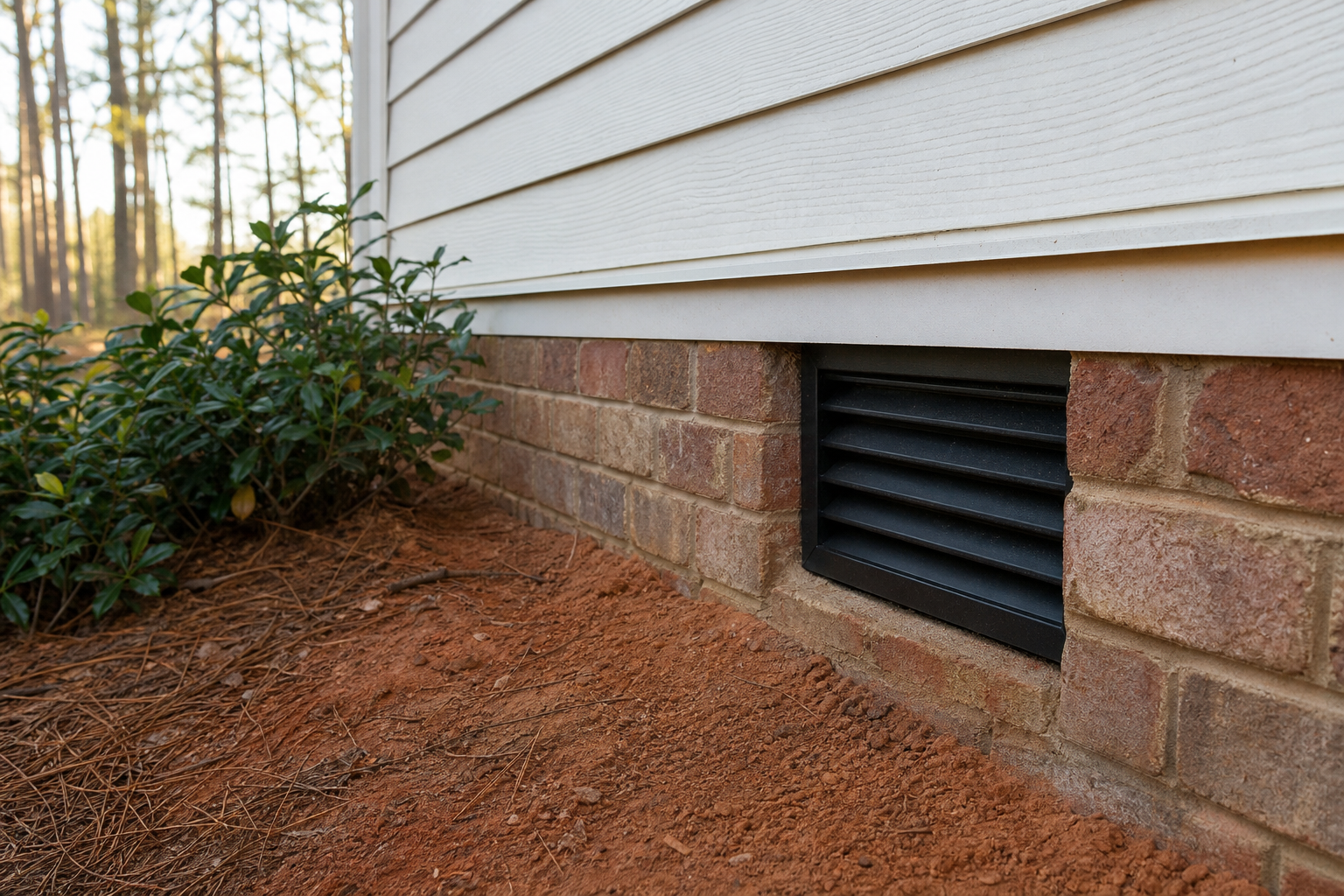
Not every winged insect sighting requires an immediate full inspection, but persistent or repeated swarms are worth reporting. A quick identification step can clarify whether the insects are termites or another species. This helps homeowners decide whether scheduling a broader inspection makes sense right away.
A single insect indoors, especially near a light source, is not unusual and does not always signal a larger issue. Repeated swarms over several days are more notable. Homeowners seeing similar pressure can also review requesting service from Paladin before scheduling.
Seasonal patterns can influence when swarmers appear, and one sighting does not always reflect ongoing activity. Documenting the pattern over time is more useful than reacting to one moment.
If swarmers keep appearing in the same area, that pattern itself is useful information to share with a professional. It changes the conversation from a single event to a repeated observation. This connects closely with termite inspection services when you are comparing next steps.
Weighing these factors together helps homeowners decide when to move from watching to scheduling an inspection.
What this means for your home
- Practical takeaway: Not every winged insect sighting requires an immediate full inspection, but persistent or repeated swarms are worth reporting.
- when to schedule inspection
How Should Discarded Wings Near Windows Be Documented?
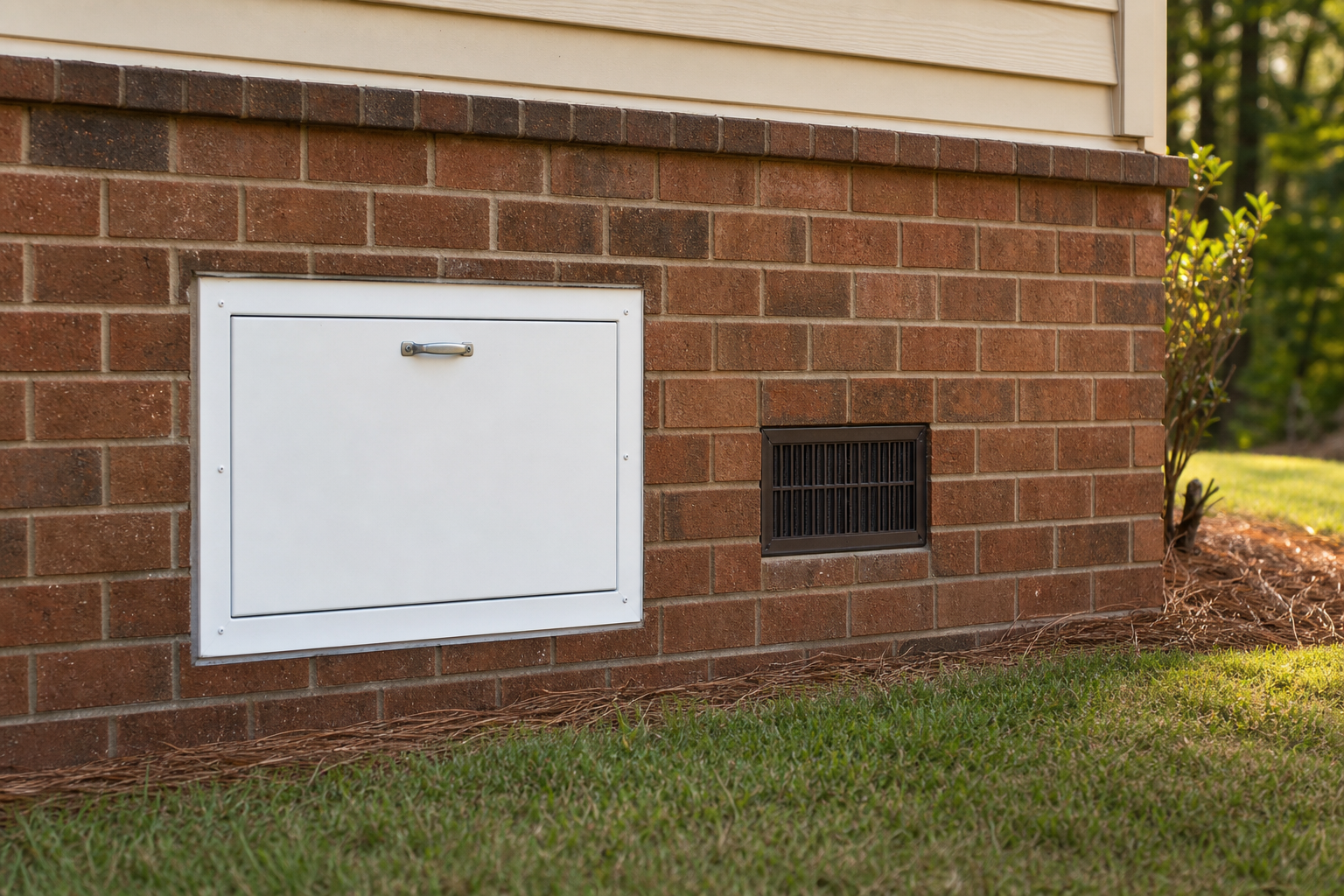
Photograph discarded wings in place before sweeping or cleaning the area, and note which window or door they were found near. Collect a small sample if possible and store it in a sealed container. This detail helps a professional understand where swarmers may have entered the home.
Discarded wings are a common sign that swarmers have already landed and shed them nearby. This detail is often overlooked once the area gets cleaned up. For a wider plan, pair this with WDI inspection letters so the whole property is covered.
Taking a photo before tidying preserves useful context about the exact spot. This is especially helpful if wings appear on a windowsill, doorframe, or floor near an entry point.
Keeping a small sample alongside the photo gives a professional two forms of documentation rather than one alone. This combination is more useful than either alone. Homeowners seeing similar pressure can also review requesting service from Paladin before scheduling.
These small documentation habits build a clearer picture of activity patterns around the home over time.
What this means for your home
- Practical takeaway: Photograph discarded wings in place before sweeping or cleaning the area, and note which window or door they were found near.
Can a Homeowner Prepare the Property Before an Inspection Visit?
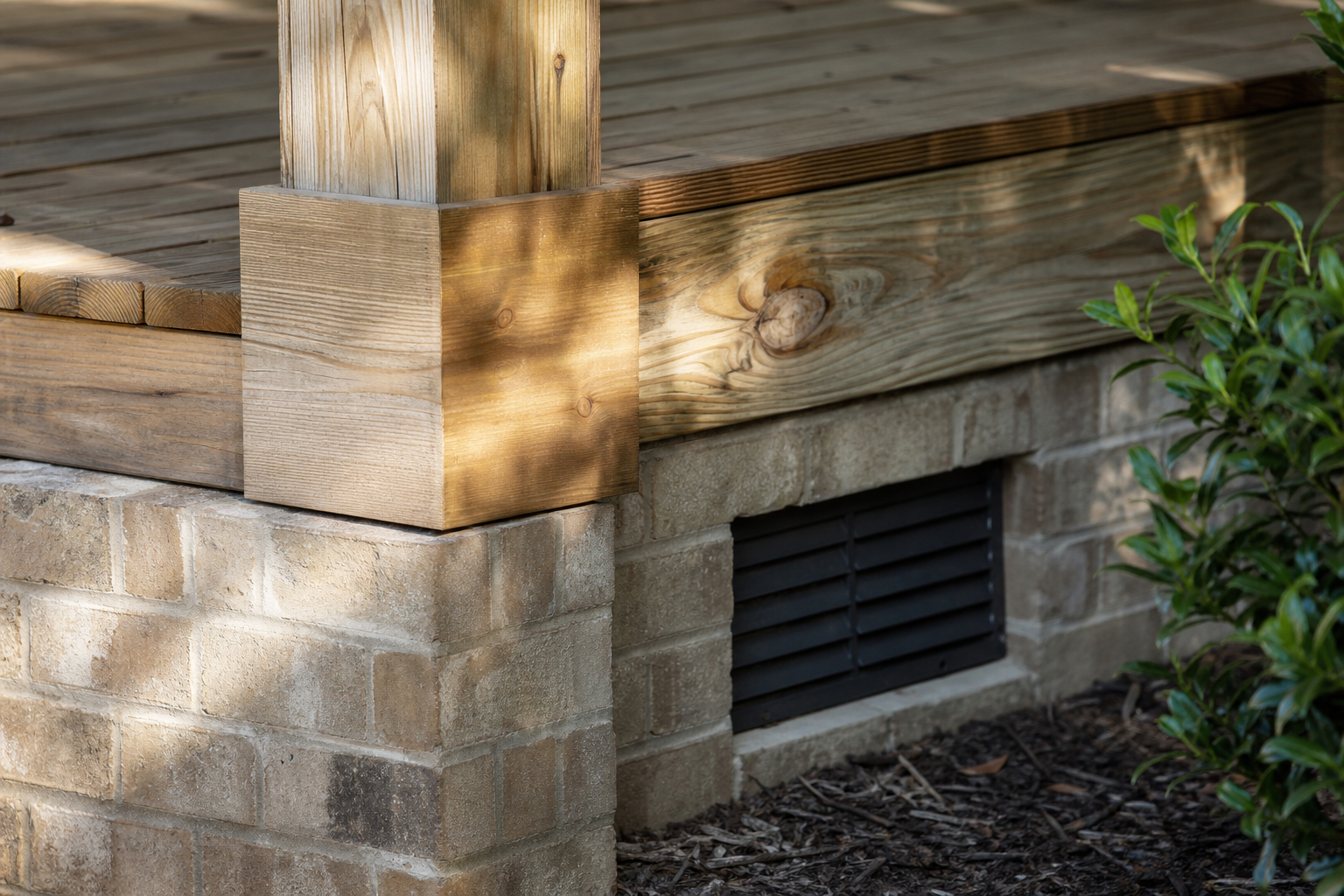
Yes, clearing access to crawl spaces, attics, and foundation areas ahead of time helps an inspection go smoothly. Gathering any saved specimens or photos in one place also saves time during the visit. These simple steps make the inspection process more efficient for everyone involved.
Moving stored items away from foundation walls or crawl space entrances gives a professional easier access to check those areas. This is a task any homeowner can handle beforehand. This connects closely with termite control when you are comparing next steps.
Having your evidence packet ready, including photos and any saved specimens, means less time spent searching during the visit. It also helps keep the conversation focused and organized.
Making a short list of where and when swarmers were seen is another useful preparation step. Written notes are often clearer than trying to recall details on the spot. For a wider plan, pair this with WDI inspection letters so the whole property is covered.
These preparations do not replace the inspection itself, but they do make it more productive for both sides.
What this means for your home
- The plan is adjusted for the home type and pest pressure instead of forcing a generic termite protection checklist.
- Practical takeaway: Yes, clearing access to crawl spaces, attics, and foundation areas ahead of time helps an inspection go smoothly.
Is It Worth Contacting a Professional Even for a Small Number of Swarmers?
Yes, even a small number of swarmers is worth mentioning to a professional, since early documentation can be useful later. A brief conversation can clarify whether further steps make sense based on what was observed. This approach avoids both overreacting and ignoring a pattern that might continue.
It is easy to dismiss just a few insects as not worth mentioning, but early records can be valuable if the pattern continues. Small observations add up over time. Homeowners seeing similar pressure can also review termite inspection services before scheduling.
A short conversation with a professional does not commit a homeowner to anything beyond sharing information. It simply opens the door to informed next steps.
This is also a chance to ask about what a multi-point inspection typically involves, so expectations are clear if one is scheduled later. This connects closely with termite control when you are comparing next steps.
Reaching out early, even with limited evidence, tends to be more useful than waiting until the picture becomes more complicated.
What this means for your home
- Practical takeaway: Yes, even a small number of swarmers is worth mentioning to a professional, since early documentation can be useful later.
Termite inspection and Trelona ATBS
Subterranean termite work that's monitored on a measured cadence
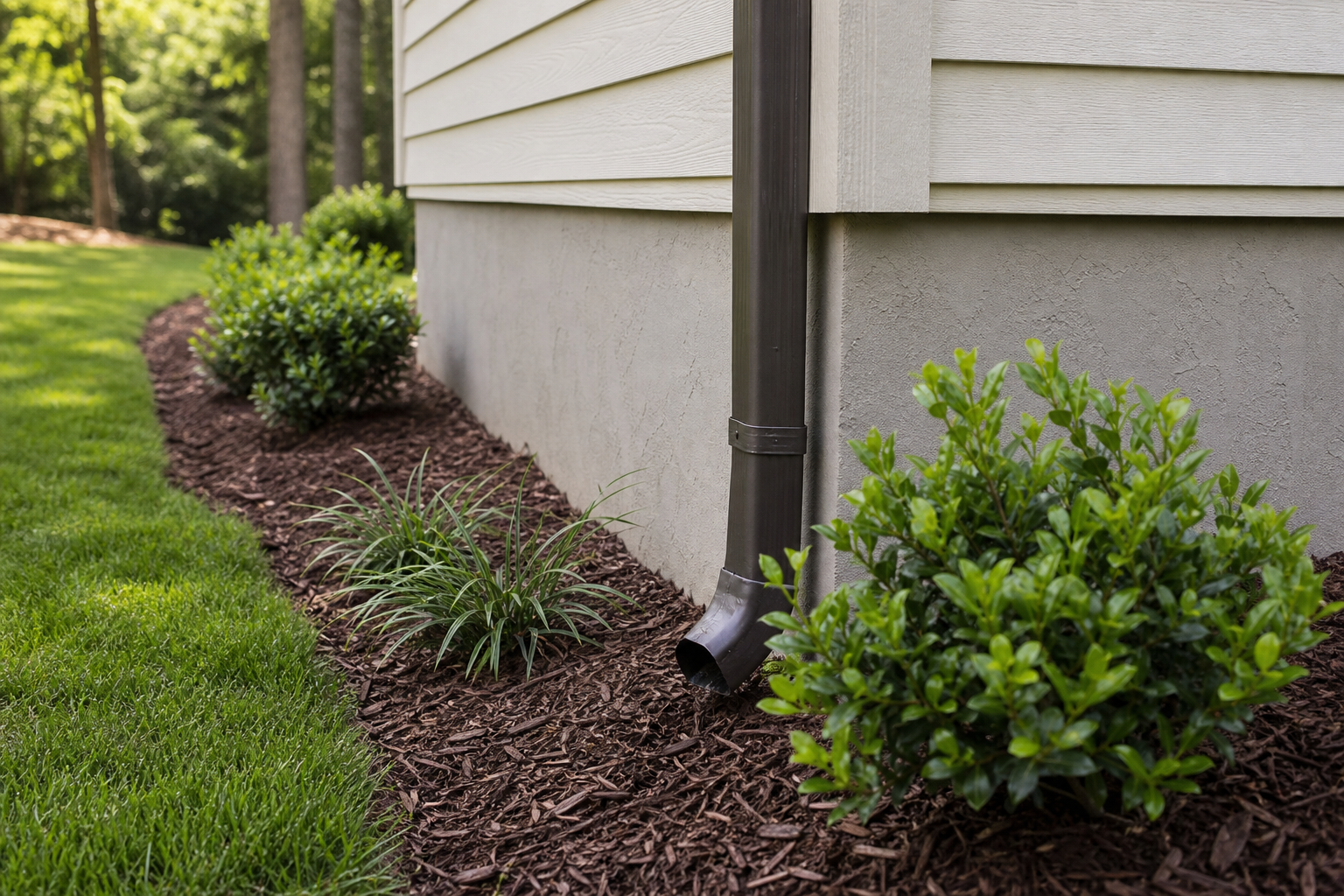
Termite damage in the Upstate is usually invisible from inside the house. The inspection happens in the crawl space, at the foundation, and along the perimeter where wood meets soil.
Trelona ATBS bait stations on measured spacing intercept active colonies before damage becomes structural. We document the cadence so renewals and re-inspections are predictable.
Why this post exists on the Paladin blog
This post was written by someone who actually does this work on Upstate homes, not by a contractor or a marketing team that has never seen the species in person. The Paladin blog exists to answer the questions we hear on real service calls, honestly, in plain English, without selling you a service you do not need. If a post helps you solve the problem on your own, that is a successful post for us. If you read it and decide you would rather have a trained technician on site, that is what the phone is for. Either path is fine.
A first Paladin visit is intended to document the activity, inspect relevant areas, and explain the proposed scope before work begins. Appointment timing and the exact inspection areas depend on the request and property access. Call (864) 816-7658 or use the contact form so the office can confirm the current options.
Paladin is based in Boiling Springs, SC and serves the approved Upstate locations listed on this site. Each recommendation should be tied to conditions documented at the property, including pest evidence, moisture, entry points, food, water, shelter, and access. The office confirms address availability without promising a route frequency or response window.
Keep exploring Paladin
Related Paladin services and guides for Upstate homeowners.
Frequently asked questions
How do I tell termite swarmers apart from flying ants at home?
Look closely at the waist and wings. Termites have a straight, uniform waist and two pairs of wings that are roughly equal in length, while flying ants have a pinched, narrow waist and wings of noticeably different sizes. A close-up photo taken in good light makes these small features much easier to compare later.
What information should I bring to a termite inspection appointment?
Bring any saved specimens stored in a sealed container, clear photos of the swarmers or discarded wings, and written notes about the date, time, and exact location where they were seen. Having this information organized ahead of time helps a professional understand the situation more quickly during the scheduled visit.
Does seeing swarmers in one room mean the whole house has termites?
Not necessarily. Swarmers can travel a noticeable distance from wherever they originated, so a sighting confined to one room does not confirm activity throughout the rest of the home. A broader, multi-point inspection considers several areas of the property before any conclusions are drawn about the extent of the situation.
How soon should I contact a professional after seeing swarmers?
There is no fixed timeline that applies to every situation, but documenting the sighting and reaching out sooner rather than later helps preserve useful details. Weather changes, routine cleaning, and the simple passage of time can all affect how much evidence remains available for review afterward.
Can I clean up the area where swarmers were found right away?
It helps to photograph the area and collect a small sample first before cleaning anything up. Once discarded wings and insects are swept away or vacuumed, that specific physical evidence becomes much harder to recover later for accurate identification purposes during a follow-up conversation or visit.
What areas does a termite inspection typically cover?
A multi-point inspection often includes areas like crawl spaces, attics, foundation walls, and other common access points found around a typical home. The exact scope can vary somewhat depending on the property's layout, construction features, and any specific concerns raised by the homeowner beforehand.
Ready to shield your family?
One call to Paladin and we’ll meet you where you are, from a quick walk-through to a long-term protection plan.