Upstate South Carolina · Pest control built around your household
Termite Control in Spartanburg, SC: Early Clues to Watch
The earliest termite clues around a Spartanburg home are easy to miss because they show up in the damp, shaded, low-traffic spots most people never inspect. Pencil-thin mud tubes climbing a foundation, a wood trim board that…
- Product placement chosen around kids, pets, and pollinators
- A real Spartanburg crew, not a national call center
- Plain-English findings before any treatment starts
Quick Answer
The earliest termite clues around a Spartanburg home are easy to miss because they show up in the damp, shaded, low-traffic spots most people never inspect. Pencil-thin mud tubes climbing a foundation, a wood trim board that sounds hollow when you tap it, tiny piles of what looks like sawdust or pepper near sills, and small discarded wings on a windowsill after a warm spring evening are the signals worth catching early. The smart move is simple: look around the moisture-prone parts of your home a couple of times a year, photograph anything suspicious, leave the evidence undisturbed, and get a professional inspection before you assume it is nothing.
For the next step, compare termite control and inspection, read about termite inspection services, or check where Paladin works across Upstate SC.
Key Takeaways
- Subterranean termites are common across the Upstate, and the first clues almost always appear in moisture-prone spots like crawl spaces, porch footings, and foundation lines.
- Mud tubes, hollow-sounding wood, frass, and discarded swarmer wings are the four early signs homeowners can safely look for.
- Do not break open mud tubes or scrape away evidence before a professional sees it; intact evidence helps confirm the species and the activity level.
- South Carolina has more than one termite species, and correct identification shapes the right management plan.
- A yearly look plus a professional inspection is far cheaper than waiting until a floor sags or a door frame crumbles.
What are the earliest termite clues a Spartanburg homeowner can actually see?
The earliest visible clues are pencil-width mud tubes on foundations or crawl-space piers, wood that sounds hollow or feels soft when you press it, small piles of frass that look like sawdust or coffee grounds, and discarded wings near windows or doors after a warm spring evening.
Termites are quiet by nature. They work inside wood and below the soil line, so by the time most people notice a problem the colony has often been active for a while. That is exactly why the early clues matter so much in a place like Spartanburg, where warm seasons run long and moisture sticks around in crawl spaces and shaded foundation walls. The good news is that the first signals are visible if you know where to look and what you are looking at. This connects closely with WDI inspection letters when you are comparing next steps.
Mud tubes are the classic giveaway. Subterranean termites build thin tunnels of soil and saliva to travel from the ground up to the wood they feed on while staying protected from dry air. You will most often find these tubes running up the outside or inside face of a concrete foundation, along brick, or up the piers under a porch or crawl space. They are usually about the width of a pencil and the color of the surrounding dirt. According to Clemson Cooperative Extension's guide to termites of South Carolina, the state is home to more than one termite species, and identifying which one you have helps a pest management professional build the right plan rather than guessing.
The other three early clues are quieter still. Wood that has been hollowed from the inside will sound papery or hollow when you tap it, and a screwdriver pressed gently into a damaged sill or trim board may sink in where solid wood should resist. Frass, the fine pellet-like droppings left by some termites, can collect in tiny piles near baseboards, sills, or window frames and is easy to mistake for sawdust. And after a warm, humid spring evening you may find small discarded wings, often in a loose pile on a windowsill or near a door, left behind by swarmers that flew, paired off, and shed their wings to start new colonies. For a wider plan, pair this with Upstate SC service areas so the whole property is covered.
What this means for your home
- Spartanburg service is adjusted to the home style, season, and pressure pattern instead of using the same checklist everywhere.
- Practical takeaway: The earliest visible clues are pencil-width mud tubes on foundations or crawl-space piers, wood that sounds hollow or feels soft when you press it, small piles of frass that look like sawdust or coffee grounds, and…
- Identification comes first because the right termite protection plan depends on species, activity level, and where the pressure is living.
Where in an Upstate home do early termite clues show up first?
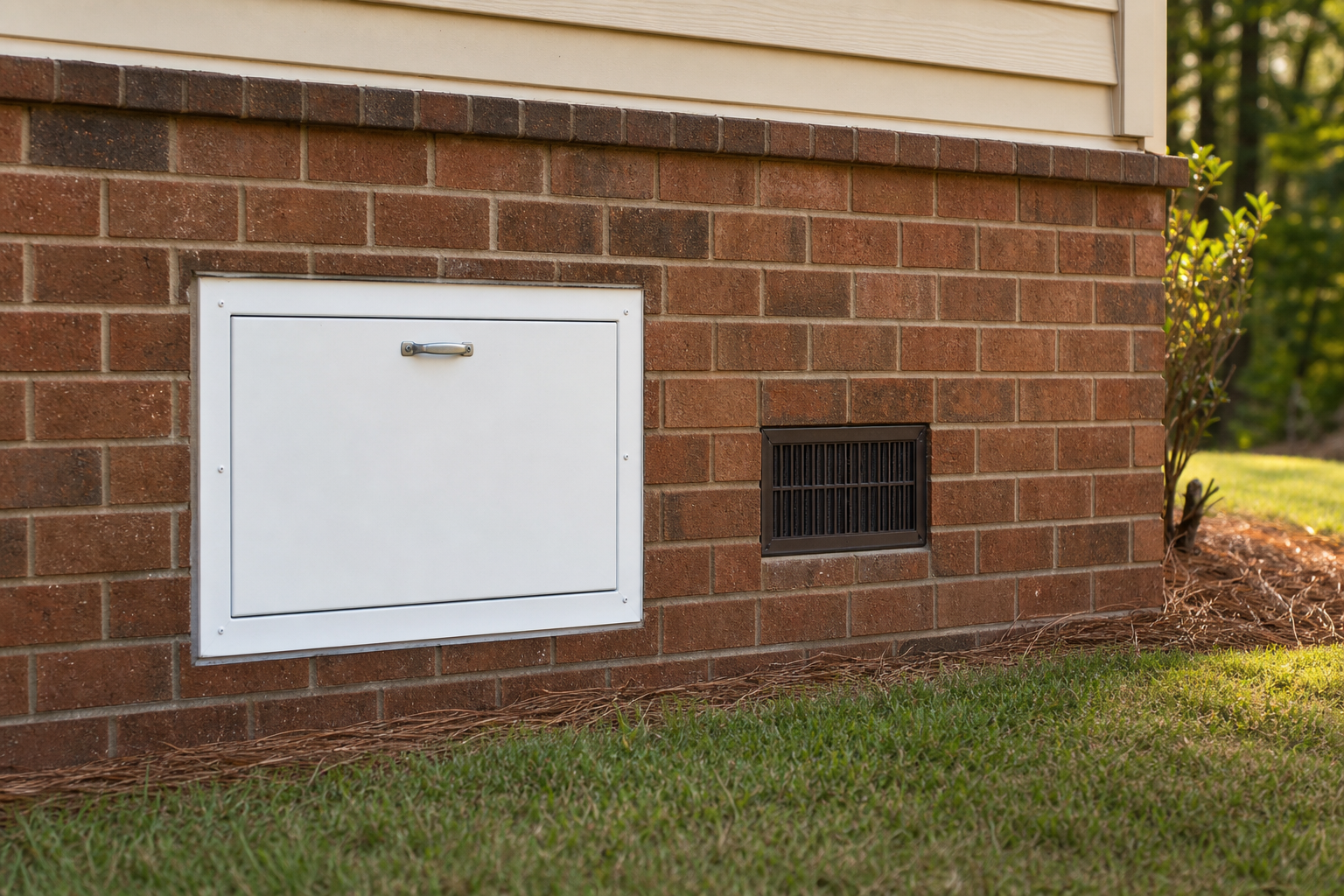
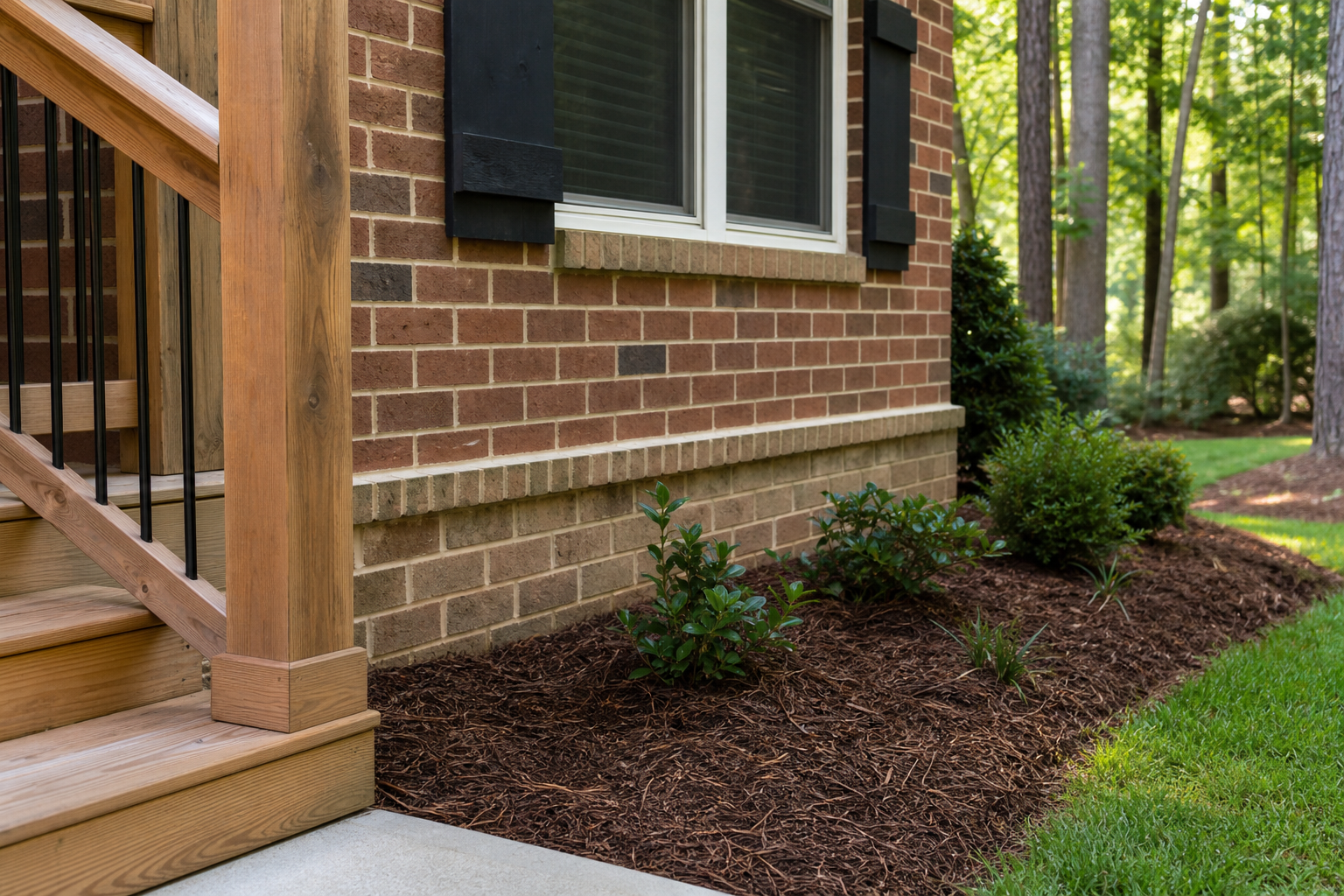
Early clues almost always appear in the damp, shaded, low-traffic areas of a home: the crawl space, the base of porch posts and steps, foundation lines behind shrubs, and anywhere wood sits close to soil or stays wet from a leak or poor drainage.
Termites follow moisture and cellulose, so the map of where to look is really a map of where your home stays damp. In a typical Upstate house that means starting low and working around the perimeter. The crawl space is the single most important place to check, because it is dark, humid, and full of the structural wood termites are after. A flashlight pass along the piers, sill plates, and floor joists once or twice a year catches a lot of problems while they are still small. Homeowners seeing similar pressure can also review termite control before scheduling.
Outside, pay attention to the parts of the foundation you normally walk right past. The base of a porch, the footings under wooden steps, and the foundation wall hidden behind a row of shrubs are all prime spots because they stay shaded and hold moisture against the wood. The header image on this page shows a real example: a mud tube climbing a concrete foundation to a damaged wood sill, tucked beside mulch and greenery exactly where a homeowner would never think to look. If you want a broader sense of the pest pressure that comes with Upstate yards and older foundations, our overview of Spartanburg pest control walks through how local conditions drive everything from termites to moisture pests.
Inside the house, the clues gather near water. Check around plumbing penetrations, beneath sinks, near the water heater, and along any wall that has had a past leak. Window and door frames are worth a look too, since swarmers are drawn to light and you may find their shed wings on a sill. None of this requires special tools, just a flashlight, a few minutes, and the habit of actually looking at the parts of the home you usually ignore. This connects closely with requesting service from Paladin when you are comparing next steps.
What this means for your home
- crawl space termite check Upstate
- Practical takeaway: Early clues almost always appear in the damp, shaded, low-traffic areas of a home: the crawl space, the base of porch posts and steps, foundation lines behind shrubs, and anywhere wood sits close to soil or stays wet…
Are discarded wings on my windowsill always a termite problem?
Not always, but they are worth taking seriously. Termite swarmers shed their wings after a spring flight, so a small pile of equal-sized wings near a window or door is a common early clue. Leave them in place and have the source confirmed by a professional rather than assuming.
Want a professional to look at this?
The office will confirm the available appointment date.
Why should you not disturb termite evidence before an inspection?
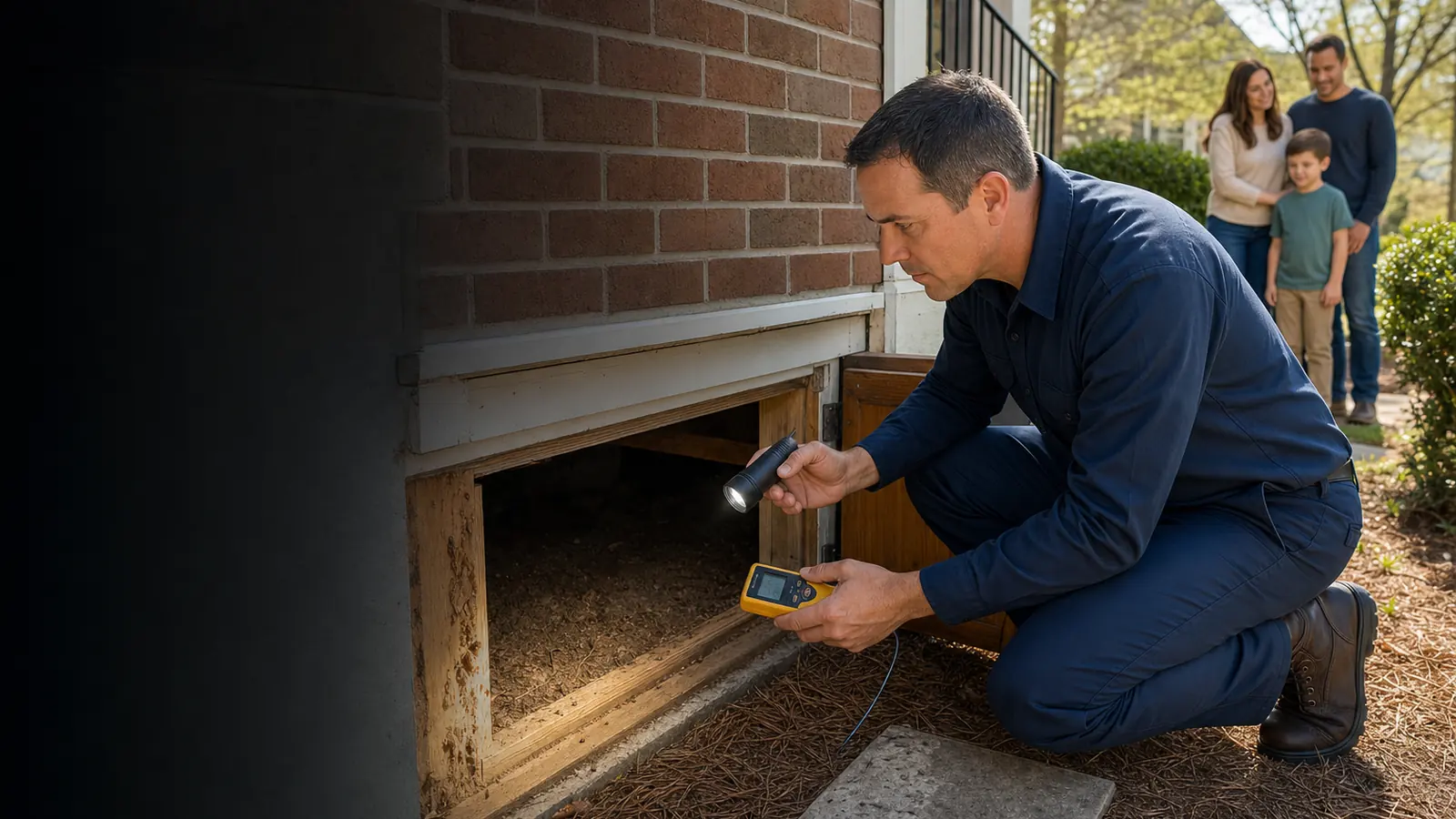
Intact evidence helps a professional confirm the species, gauge how active the colony is, and find the path back to the nest. Breaking open mud tubes, scraping away frass, or spraying store-bought product first can scatter the colony, hide the trail, and make an accurate diagnosis harder.
It is a natural reflex to want to knock down a mud tube or wipe away a suspicious pile the moment you see it. Resist that urge. The single most useful thing you can do for the person who inspects your home is to leave the evidence exactly as you found it. A mud tube that is still intact tells a trained eye whether termites are currently traveling through it. Frass left in place can be examined to help separate termite activity from other wood-damaging insects. Discarded wings can confirm a recent swarm rather than an old, dead one. For a wider plan, pair this with termite inspection services so the whole property is covered.
There is also a practical reason rooted in how these colonies behave. Disturbing a tube or hitting it with an over-the-counter spray can prompt the workers to seal it off and reroute, which scatters the activity and pushes it somewhere you cannot see. That makes the problem harder to trace and can give a false sense that the issue is gone when the colony has simply moved a few feet over. The U.S. Environmental Protection Agency's guidance on detecting and preventing termites underscores that proper detection and a planned treatment approach matter far more than a quick reaction.
The most helpful thing a homeowner can do is document instead of demolish. Take a few clear photos, note the date and the exact location, and avoid touching the area. If a board is actively crumbling or water is clearly feeding the spot, you can address an obvious leak, but leave the termite evidence itself alone. That short pause between spotting a clue and getting a professional look is what turns a guess into an accurate plan. Homeowners seeing similar pressure can also review WDI inspection letters before scheduling.
What this means for your home
- Practical takeaway: Intact evidence helps a professional confirm the species, gauge how active the colony is, and find the path back to the nest.
- Identification comes first because the right termite protection plan depends on species, activity level, and where the pressure is living.
- Service notes should tell you what was found, what was treated, and what to watch for before the next visit.
What are the top early termite checks for a Spartanburg home?
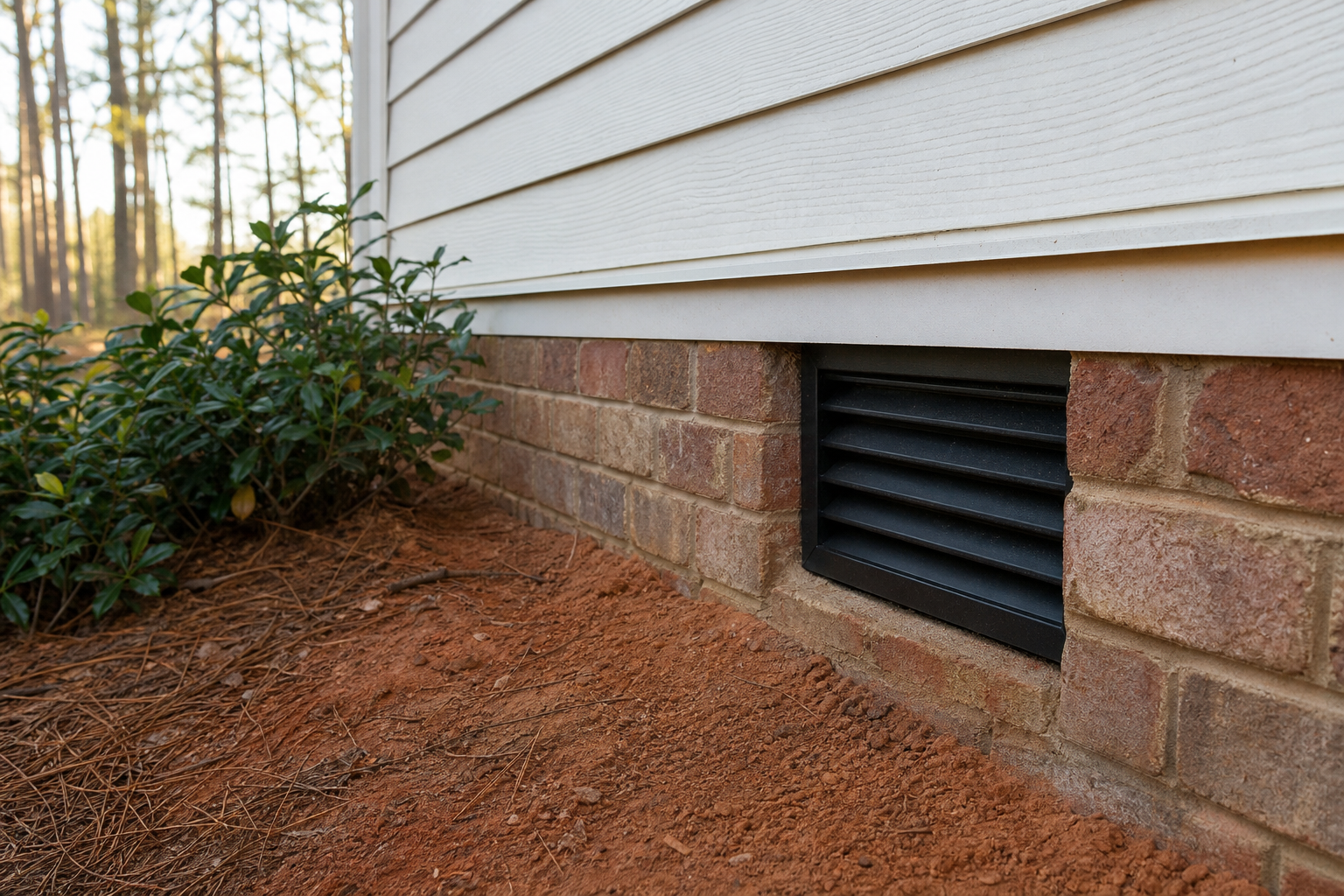
Walk the home with a flashlight a couple of times a year and check the same high-risk spots in the same order. The list below is the simple, safe routine that catches most early termite clues before they turn into structural damage.
Here is a homeowner-friendly order that mirrors how a professional thinks about a property, scaled down to a quick seasonal walk you can do yourself: This connects closely with Upstate SC service areas when you are comparing next steps.
- Scan the foundation perimeter. Walk the full outside of the house and look for pencil-width mud tubes on concrete, brick, or block, especially in shaded spots and behind shrubs.
- Check porch and step footings. These wood-to-soil contact points stay damp and are a favorite entry route, so look closely where posts and steps meet the ground.
- Light up the crawl space. Run a flashlight along the sill plates, piers, and floor joists, watching for tubes, soft wood, or staining.
- Tap suspect wood. Gently tap trim, sills, and framing that look weathered; a hollow or papery sound is worth flagging.
- Look for frass and wings. Check near baseboards, sills, and window frames for small piles of pellet-like frass or discarded swarmer wings.
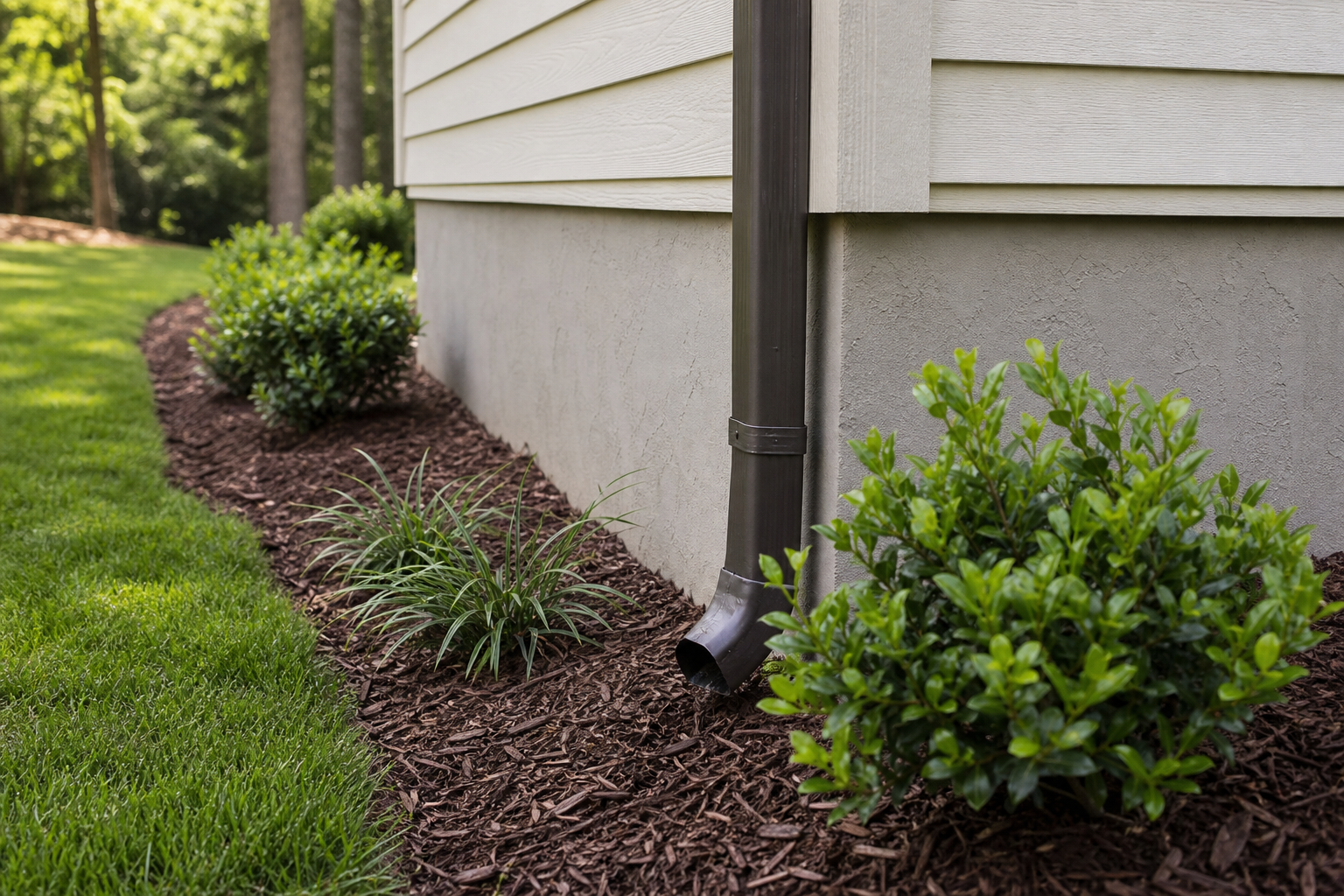
- Trace your moisture. Note any spot where wood stays wet, a downspout dumps against the foundation, or a slow leak keeps an area damp, because that is where termites concentrate.
- Photograph and pause. If you find anything, photograph it, note the location, leave it undisturbed, and schedule a professional inspection.
This routine takes most homeowners fifteen or twenty minutes twice a year, and it is the cheapest insurance you can buy against a major termite repair. Spring is an especially good time for the walk because swarmers are active and fresh wings or tubes are easier to spot. If anything on the list turns up, that is the moment to bring in a professional rather than wait and see, and you can contact Paladin Pest Solutions to set up a closer look.
What this means for your home
- Practical takeaway: Walk the home with a flashlight a couple of times a year and check the same high-risk spots in the same order.
- Spartanburg service is adjusted to the home style, season, and pressure pattern instead of using the same checklist everywhere.
- crawl space flashlight check
How do termites differ from other wood-damaging pests in the Upstate?
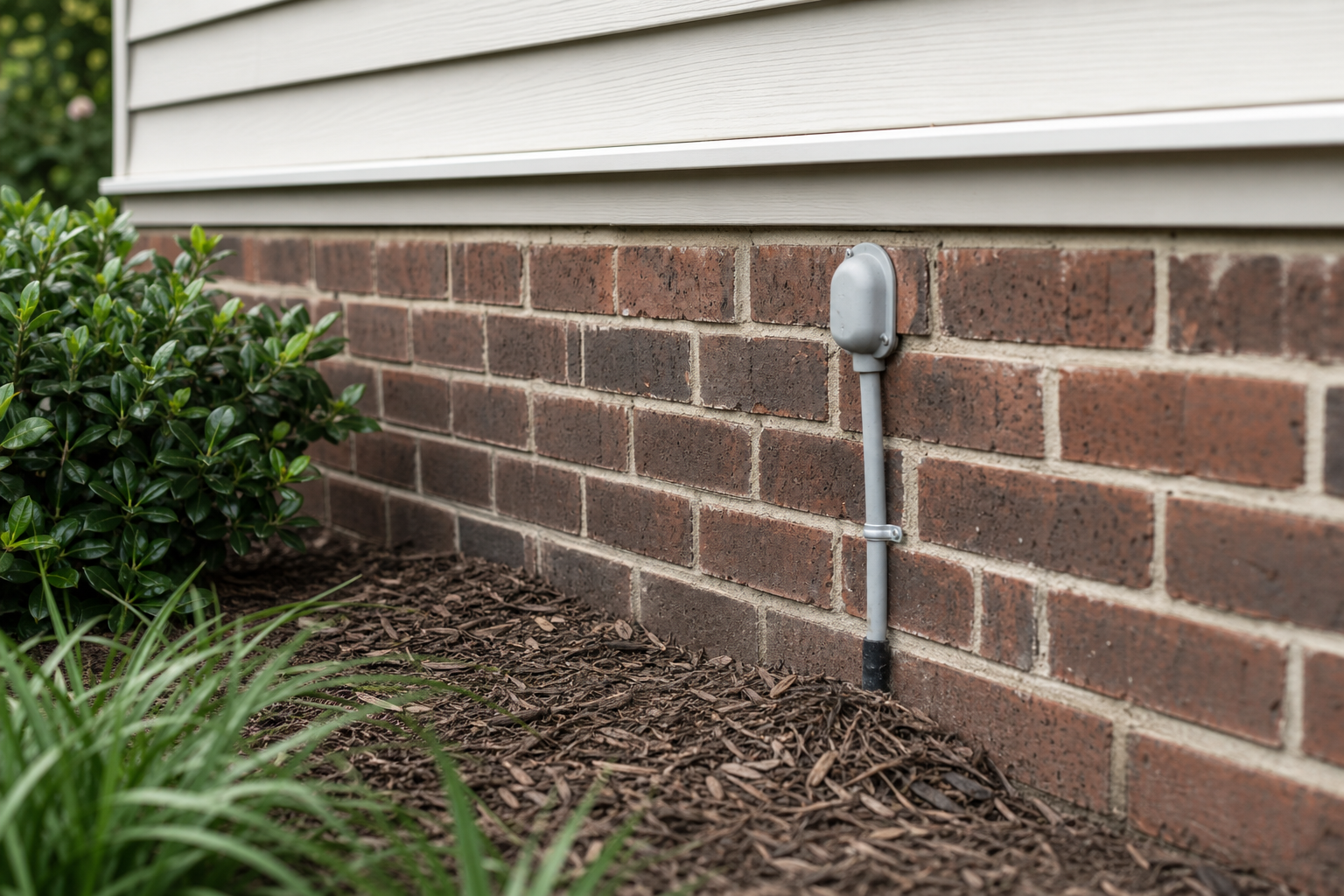
Termites eat cellulose and live in soil-connected or moisture-rich wood, building mud tubes and shedding wings in swarms. Carpenter ants and other wood pests leave different signs, which is why correct identification of the species is the first real step in any management plan.
Not every bit of wood damage means termites, and that distinction matters because the treatment plans are different. Termites consume the wood itself for the cellulose, hollowing it from the inside and leaving thin galleries packed with soil. Carpenter ants, by contrast, do not eat wood; they excavate it to nest and push the debris out, leaving coarser shavings rather than the soil-lined galleries termites create. Telling them apart by their signs is a big part of why professionals slow down to identify the species before recommending anything. Homeowners seeing similar pressure can also review requesting service from Paladin before scheduling.
Spartanburg sits in a part of South Carolina where subterranean termites are a baseline reality rather than a rare event, largely because the climate keeps soil warm and damp for much of the year. These termites are tied to three things in particular: cellulose to eat, soil to nest in, and moisture to survive. That is why the early clues cluster around decks, the area beneath buildings, leaky pipes, and any wood that stays wet. Knowing the species and confirming that it is termites and not another pest is what lets a professional design a focused plan instead of a generic one.
Because identification is the hinge that the whole plan turns on, the worst thing a homeowner can do is self-diagnose, spray something, and move on. A measured look at the evidence, ideally left intact, gives a far better outcome. If you are weighing whether what you found is termites or something else, professional termite control starts with that identification step and builds the management approach from there.
What this means for your home
- Practical takeaway: Termites eat cellulose and live in soil-connected or moisture-rich wood, building mud tubes and shedding wings in swarms.
When should a Spartanburg homeowner call a professional about termites?
Call as soon as you spot any of the four early clues, when you find wood that flexes or crumbles, or when you simply want a baseline inspection for peace of mind. Early professional confirmation is far cheaper than waiting for visible structural damage.
There is no downside to calling early. If your seasonal walk turns up a mud tube, a hollow-sounding board, a pile of frass, or a scatter of discarded wings, that is reason enough to bring in a professional. You do not need to be certain, and in fact you should not try to be certain on your own; that is the inspector's job. The point of catching clues early is to shorten the window between activity and treatment, and a phone call is the fastest way to do that. For a wider plan, pair this with WDI inspection letters so the whole property is covered.
A professional inspection looks at the whole structure the way your quick walk cannot, getting deep into the crawl space, checking the parts of the framing you cannot easily reach, and confirming the species so the management plan fits the actual problem. The Paladin approach starts by understanding the why behind the pressure, including the moisture, the entry points, and the conditions that invited termites in the first place, before recommending any treatment. That is the difference between solving the problem and just chasing the symptom.
We are happy to help. Call (864) 816-7658 or email info@paladinpestsolutions.com, and you can also reach us through our contact page. Our office hours are Monday through Friday from 8am to 8pm and Saturday from 10am to 4pm. We are based in Boiling Springs and serve homeowners across Spartanburg and the wider Upstate, and with nearly two decades of industry experience we built our work around true comprehensive Integrated Pest Management rather than one-size-fits-all spraying.
What this means for your home
- Spartanburg service is adjusted to the home style, season, and pressure pattern instead of using the same checklist everywhere.
- Practical takeaway: Call as soon as you spot any of the four early clues, when you find wood that flexes or crumbles, or when you simply want a baseline inspection for peace of mind.
Termite inspection and Trelona ATBS
Subterranean termite work that's monitored on a measured cadence
Termite damage in the Upstate is usually invisible from inside the house. The inspection happens in the crawl space, at the foundation, and along the perimeter where wood meets soil.
Trelona ATBS bait stations on measured spacing intercept active colonies before damage becomes structural. We document the cadence so renewals and re-inspections are predictable.
Keep exploring Paladin
Related Paladin services and guides for Upstate homeowners.
Frequently asked questions
How early can termite activity be detected in a Spartanburg home?
Often well before structural damage, if you look in the right places. Mud tubes on the foundation, hollow-sounding wood, frass near sills, and discarded swarmer wings can all appear while the problem is still small, which is why a twice-a-year visual walk is so valuable.
Is it safe to break open a mud tube to see if termites are inside?
It is better not to. Disturbing a tube can scatter the colony and reroute activity to a spot you cannot see, and intact evidence helps a professional confirm the species and gauge how active the colony is. Photograph it and leave it undisturbed.
Does South Carolina have more than one kind of termite?
Yes. South Carolina is home to multiple termite species, and identifying which one is present helps a pest management professional design a more effective management program rather than applying a generic treatment.
Which Upstate areas does Paladin serve for termite help?
Paladin is based in Boiling Springs and serves Spartanburg, Greenville, Boiling Springs, Taylors, Fountain Inn, Piedmont, Travelers Rest, Landrum, Simpsonville, Lyman, Duncan, Greer, Roebuck, Gaffney, Cowpens, and Chesnee across Upstate South Carolina.
Ready to shield your family?
One call to Paladin and we’ll meet you where you are, from a quick walk-through to a long-term protection plan.