Upstate South Carolina · Local pest crew, plain-English answers
Termite Baiting System in Boiling Springs, SC: Questions About Monitoring and Scope
A termite baiting system in Boiling Springs, SC works best when you ask clear questions first. Ask about inspection evidence, station placement, monitoring frequency, property access, and written service records. These five areas…
- Careful, targeted treatments built around your household
- Local Upstate route, real callbacks from our Spartanburg office
- Honest scoping, never a sales script
Quick Answer
A termite baiting system in Boiling Springs, SC works best when you ask clear questions first. Ask about inspection evidence, station placement, monitoring frequency, property access, and written service records. These five areas shape how well a baiting program tracks activity. They also help you compare providers with confidence before hiring anyone.
For the next step, compare termite control and inspection, read about termite inspection services, or check where Paladin works across Upstate SC.
Key Takeaways
- Ask for written inspection evidence before any baiting plan begins.
- Site conditions like moisture and grading affect station placement.
- Monitoring schedules should be documented in a service record.
- Clear yard and foundation access supports consistent bait checks.
- Ask how findings could change the scope of service.
- Request records showing station locations and inspection dates.
- Compare providers using documented evidence rather than price alone.
What should a homeowner ask about inspection, placement planning, monitoring, and follow-up for termite baiting?
Ask what the inspection found. Ask where stations will go and why. Ask how often monitoring happens and what triggers a follow-up visit. These four questions reveal how a provider handles evidence and site conditions. That approach matters more than any single treatment method alone.
A termite baiting system depends on accurate information gathered before anything is installed. Ask what the inspector observed. Ask where they looked around the property. This connects closely with WDI inspection letters when you are comparing next steps.
Placement planning should reflect real site conditions, not a stock plan. Ask why certain areas were chosen. The answer should tie back to soil, moisture, or structure type.
Monitoring frequency varies by provider and by conditions found on site. Ask how often stations get checked. Ask what happens between visits. For a wider plan, pair this with Upstate SC service areas so the whole property is covered.
Follow-up plans should connect to what monitoring reveals. Ask what findings would lead to added stations. Ask what would change the overall service plan.
What this means for your home
- Boiling Springs service is adjusted to the home style, season, and pressure pattern instead of using the same checklist everywhere.
- Practical takeaway: Ask what the inspection found.
- The plan is adjusted for the home type and pest pressure instead of forcing a generic termite protection checklist.
What should a professional termite baiting inspection document?
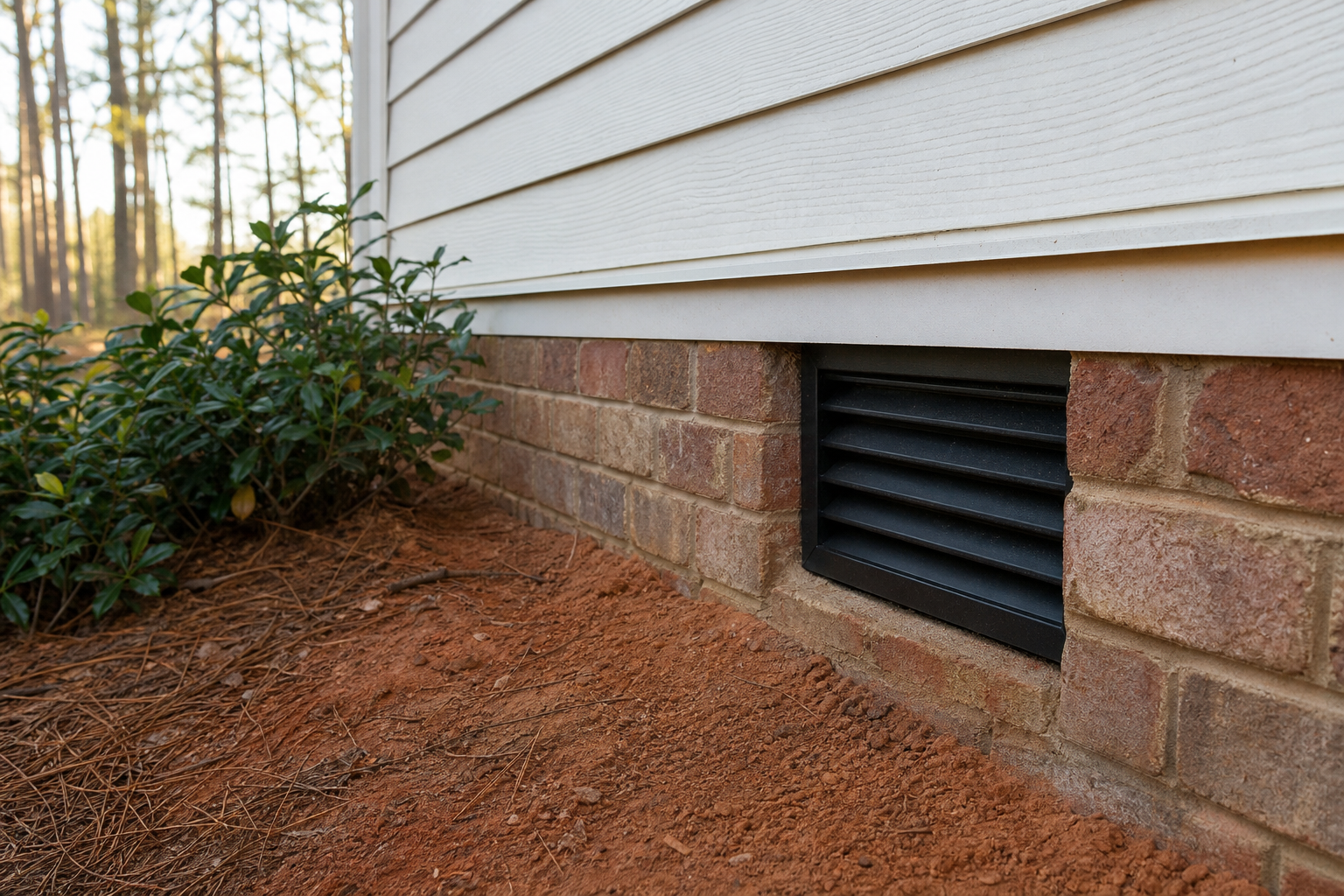
A thorough inspection should note visible signs, structural access points, moisture sources, and soil contact areas near the foundation. This written record becomes the baseline for station placement. It also supports later comparisons during monitoring visits over the life of the program.
Documentation starts with a walkthrough of the exterior foundation. It should note any visible wood-to-soil contact. These notes explain why certain zones need closer attention. Homeowners seeing similar pressure can also review termite control before scheduling.
Moisture patterns matter because they can influence activity near a structure. An inspector should note gutters, downspouts, and grading. These features affect how water moves around the home.
Interior access points like crawl spaces or slab edges should also be part of the record. This gives a fuller picture of the property beyond the yard. This connects closely with requesting service from Paladin when you are comparing next steps.
Photos and written notes together create a useful reference point. You can revisit this record later. It shows what has changed or stayed the same.
What this means for your home
- Documentation should summarize findings, treated areas, product locations where applicable, and the recommended follow-up plan.
- Service notes should tell you what was found, what was treated, and what to watch for before the next visit.
- Practical takeaway: A thorough inspection should note visible signs, structural access points, moisture sources, and soil contact areas near the foundation.
How often should termite bait stations be checked?
Monitoring frequency varies by provider and by site conditions found during the initial inspection. Ask your provider what schedule they follow. Ask how that schedule might change based on what monitoring visits reveal over time.
Talk to the Paladin office.
Ask about the next available appointment and what the inspection includes.
Which findings can change the termite baiting service scope?
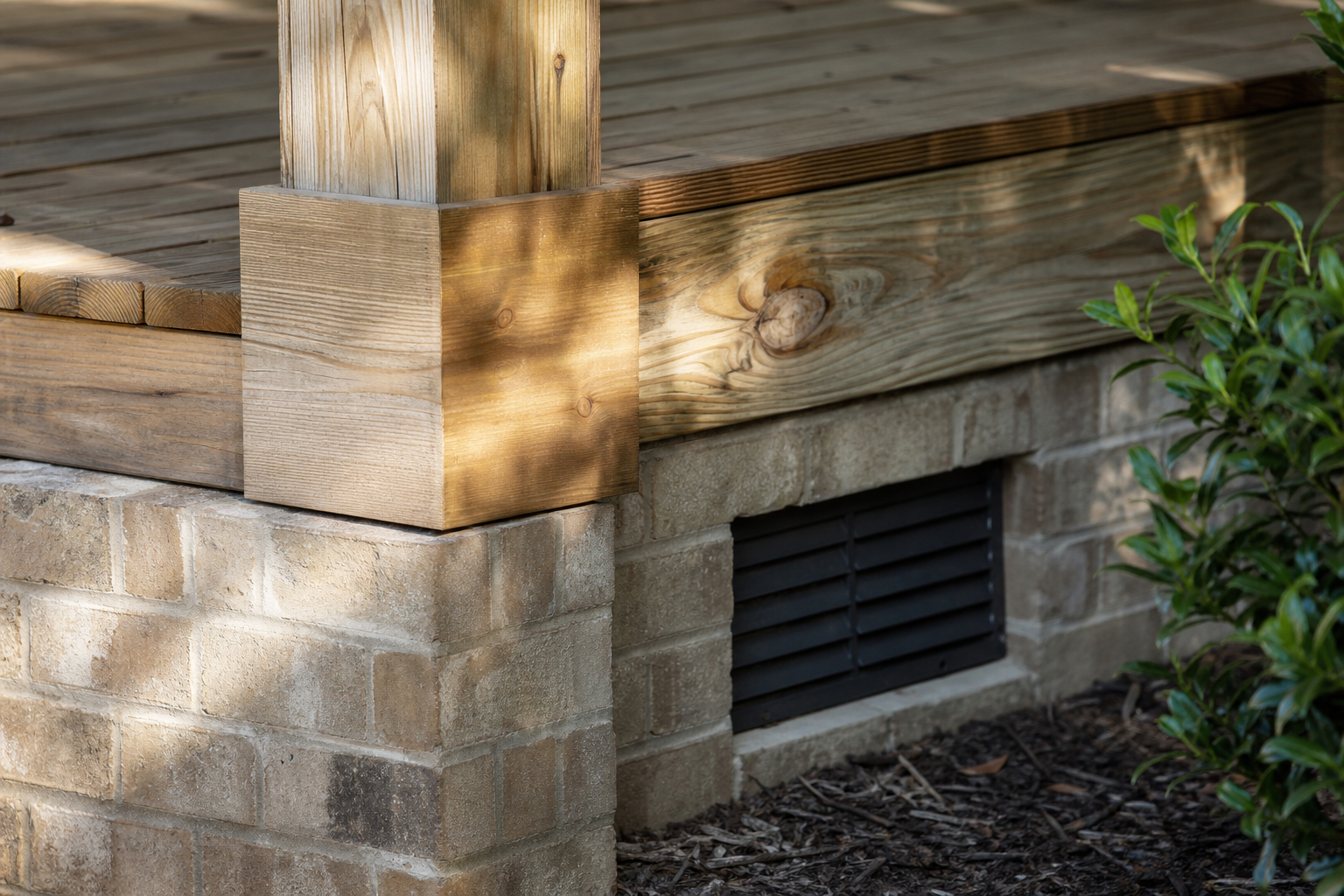
New wood damage, added moisture sources, or shifts in soil contact near the foundation can change a baiting program's scope. Ask how these changes get communicated. Ask how they get documented as part of ongoing service records so nothing gets missed.
Scope changes usually follow new evidence found during a monitoring visit. Ask how a provider decides when the original plan needs adjusting. For a wider plan, pair this with termite inspection services so the whole property is covered.
Landscaping changes, like new mulch beds or altered grading, can shift moisture levels near a foundation. These changes may prompt a review of station locations.
Structural changes, such as an addition or a new deck, can affect where termites might travel. Ask whether these changes get reviewed on a regular basis. Homeowners seeing similar pressure can also review WDI inspection letters before scheduling.
A clear scope change process protects both the homeowner and the provider. Written notes explaining any adjustment help keep expectations aligned.
What this means for your home
- Practical takeaway: New wood damage, added moisture sources, or shifts in soil contact near the foundation can change a baiting program's scope.
- Condition correction lowers repeat pressure by addressing moisture, food sources, harborage, and easy entry points.
How does property access affect termite baiting monitoring?
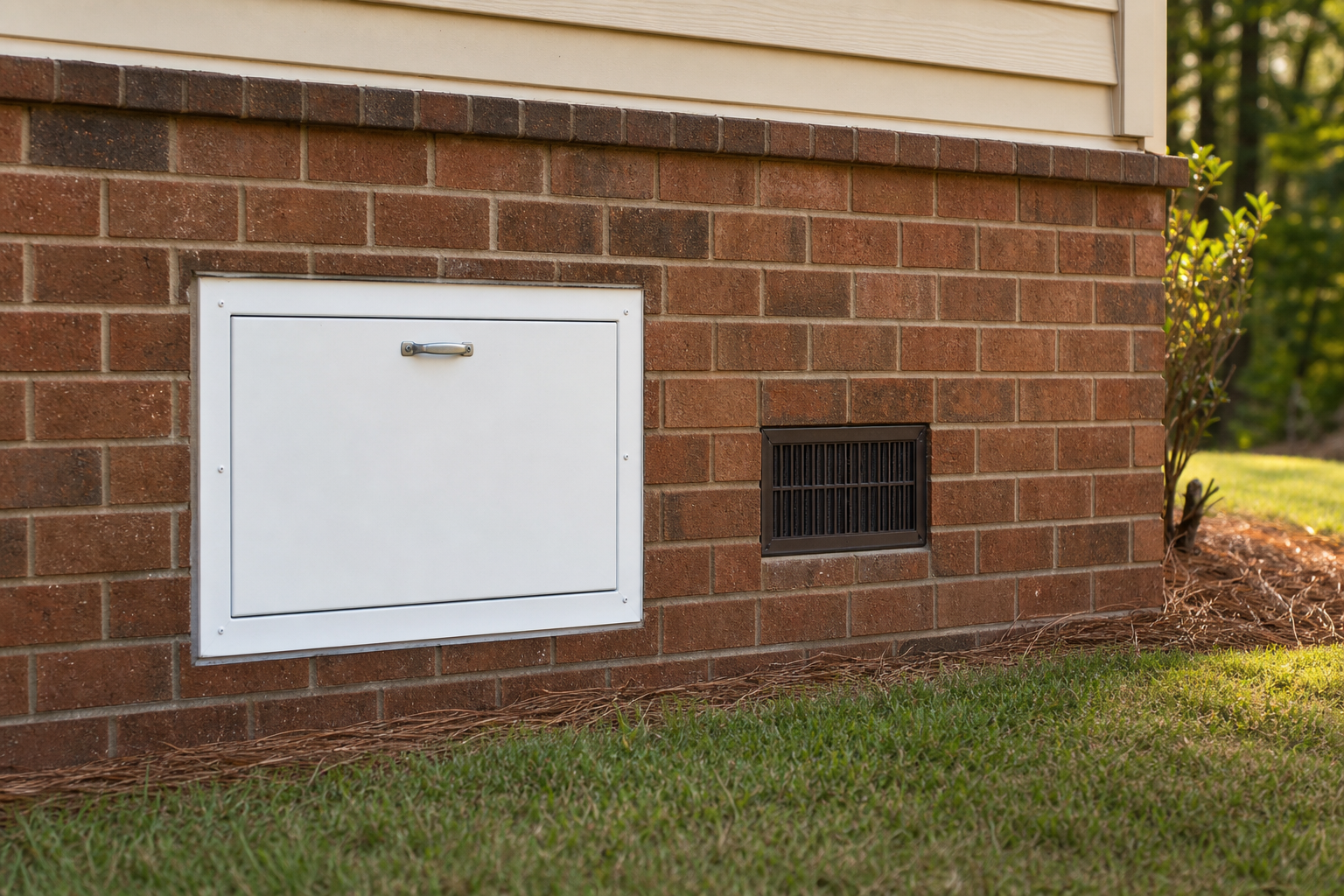
Consistent access to the yard, foundation perimeter, and crawl space keeps monitoring visits on track. Missed stations become less likely when access stays clear. Ask what access is needed. Ask how to prepare the property before each scheduled check happens.
Bait stations are typically placed around the foundation perimeter, so clear paths matter. Overgrown landscaping or stored items can block a full check. This connects closely with Upstate SC service areas when you are comparing next steps.
Locked gates, pets, or parked vehicles near the foundation can also slow down a visit. Ask what steps help a monitoring visit go smoothly.
Crawl space access may be relevant depending on the layout of the property. Ask whether interior access is ever needed for a complete check. For a wider plan, pair this with termite control so the whole property is covered.
Keeping access consistent supports accurate, repeatable monitoring over time. This lowers the chance of missed stations or incomplete records.
What this means for your home
- The plan is adjusted for the home type and pest pressure instead of forcing a generic termite protection checklist.
- Practical takeaway: Consistent access to the yard, foundation perimeter, and crawl space keeps monitoring visits on track.
Should a homeowner request written service records for termite baiting?
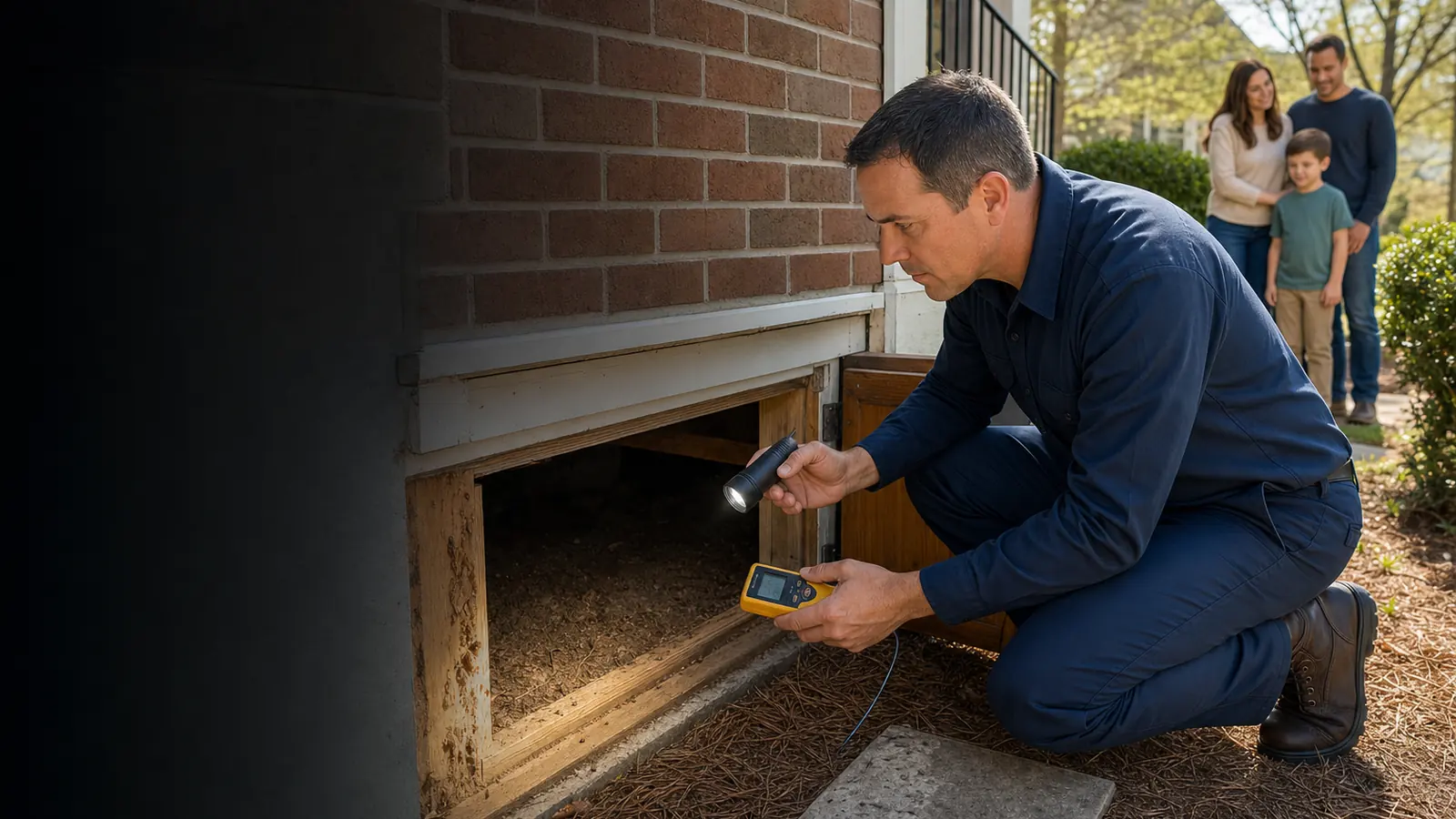
Yes, written service records give you a reliable history of inspections, station locations, and monitoring dates across the life of a baiting program. These records help track patterns over time and support informed decisions if the property changes hands or the service plan needs updating later.
A service record should list dates, station conditions, and notes from each visit. This creates a timeline that is easy to review later. Homeowners seeing similar pressure can also review requesting service from Paladin before scheduling.
Records also help if a different provider ever takes over the property. A documented history avoids starting from zero with no baseline information.
If a property changes ownership, these records may be useful during a sale. Buyers and sellers alike benefit from a clear paper trail. This connects closely with termite inspection services when you are comparing next steps.
Ask how records are stored and how you can access them. A provider willing to share this information openly shows a transparent process.
What this means for your home
- Practical takeaway: Yes, written service records give you a reliable history of inspections, station locations, and monitoring dates across the life of a baiting program.
- Documentation should summarize findings, treated areas, product locations where applicable, and the recommended follow-up plan.
- Condition correction lowers repeat pressure by addressing moisture, food sources, harborage, and easy entry points.
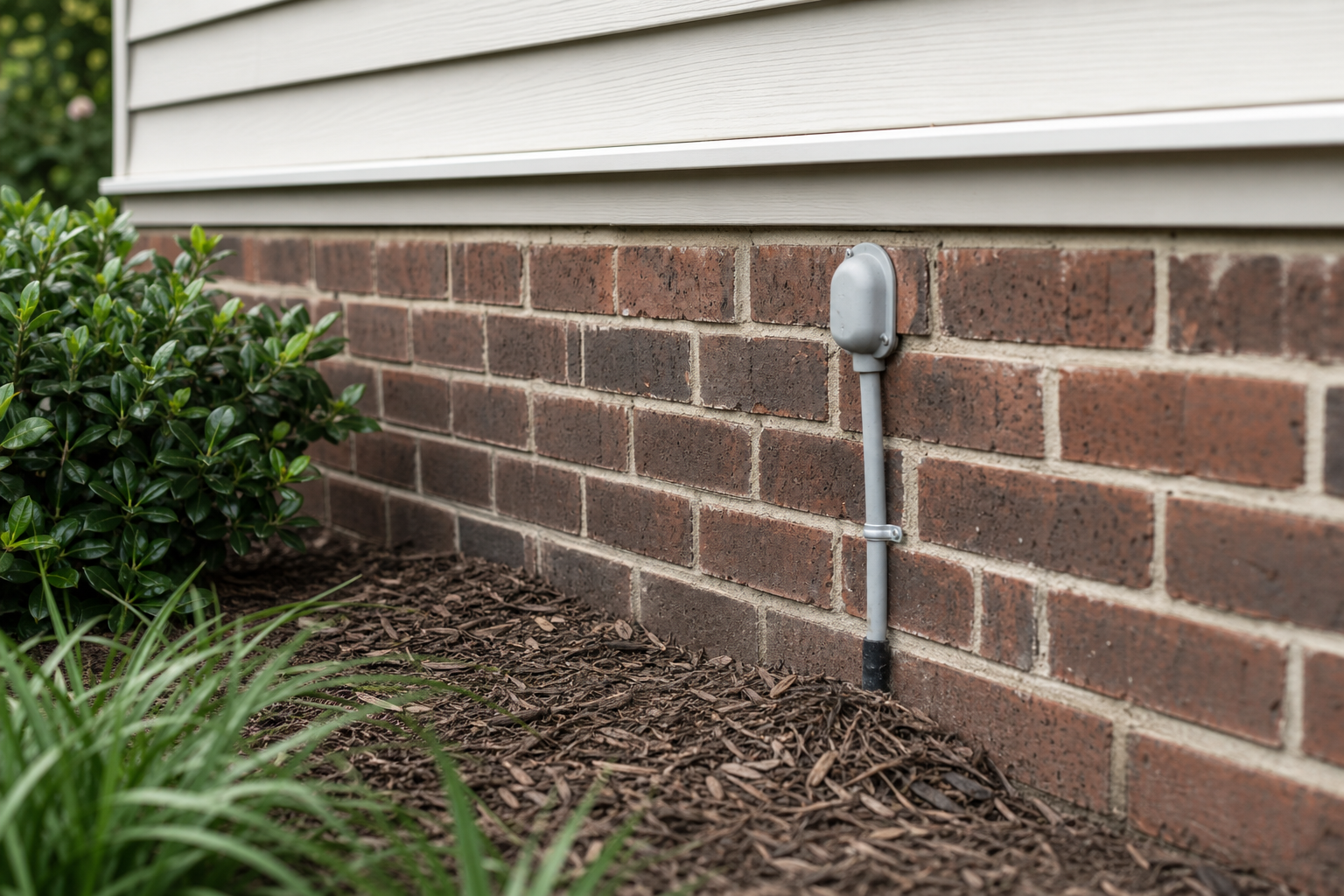
Why do site conditions matter for termite baiting placement?
Site conditions such as soil type, moisture levels, and landscaping features shape where bait stations go. They also affect how well monitoring works over time. Ask how these conditions were assessed. Ask how they were factored into the overall placement plan.
Soil moisture near a foundation can vary widely depending on grading and drainage. Ask how these differences were identified during the inspection. For a wider plan, pair this with WDI inspection letters so the whole property is covered.
Mulch beds, dense plantings, or standing water can all affect where stations make sense. These features should be part of the conversation before placement begins.
Sun exposure and soil compaction can also play a role in activity patterns near a structure. Ask how the provider accounts for these variables. Homeowners seeing similar pressure can also review requesting service from Paladin before scheduling.
Understanding site conditions helps set realistic expectations for the baiting program. It also explains why placement can differ between properties.
What this means for your home
- Condition correction lowers repeat pressure by addressing moisture, food sources, harborage, and easy entry points.
- Practical takeaway: Site conditions such as soil type, moisture levels, and landscaping features shape where bait stations go.
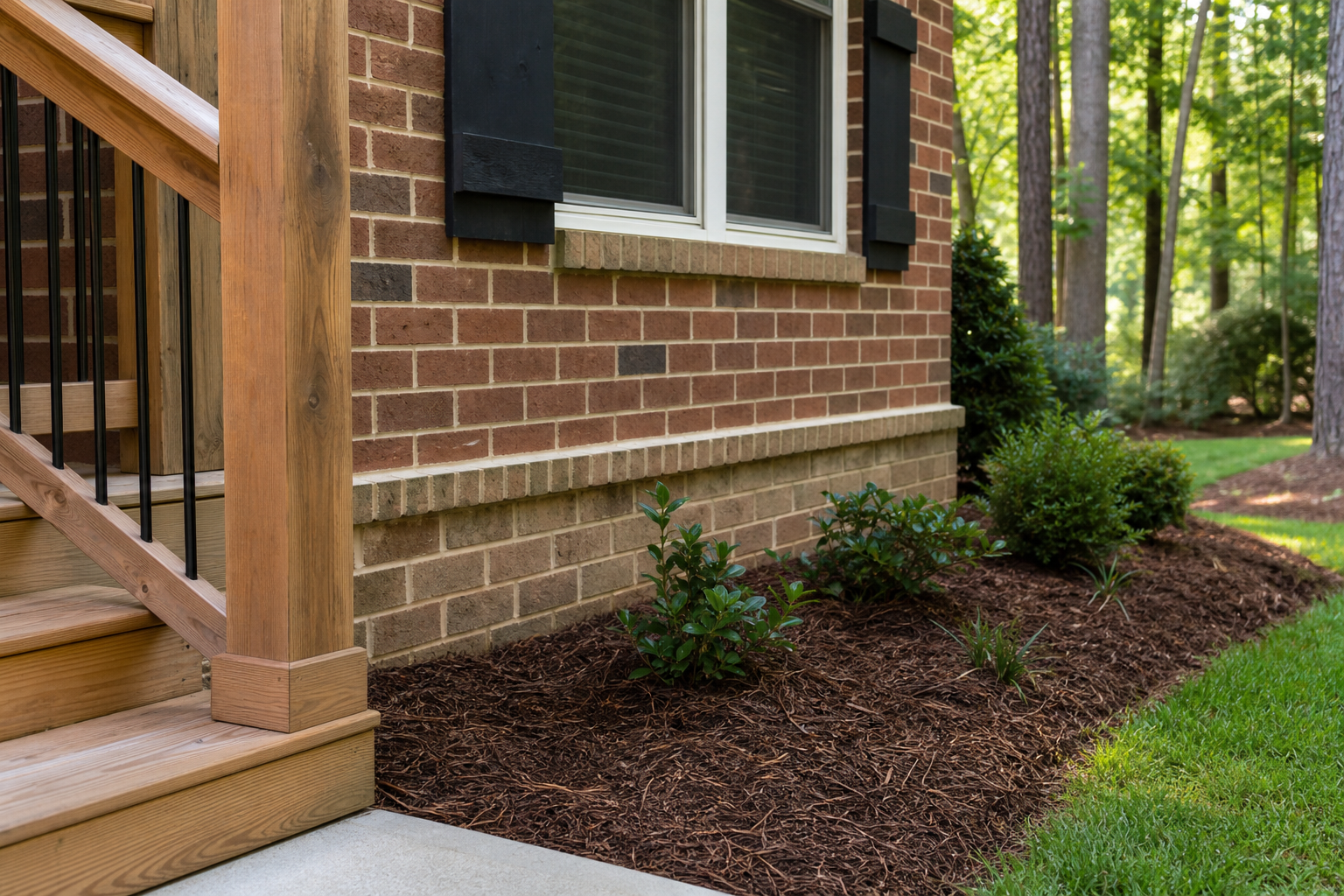
Can a homeowner compare termite baiting providers using documented evidence?
Yes. Comparing written inspection notes, placement reasoning, and monitoring schedules gives a clearer basis for choosing a provider. This works better than price alone. Ask each provider for documentation. That way you can compare their approach side by side before deciding.
Ask each provider to explain their inspection process in writing. This makes it easier to compare thoroughness across different companies. This connects closely with termite control when you are comparing next steps.
Request a sample of what a monitoring report looks like. Seeing the format ahead of time helps set expectations for ongoing communication.
Compare how each provider describes their process for adjusting scope. A vague answer here may signal weaker recordkeeping overall. For a wider plan, pair this with WDI inspection letters so the whole property is covered.
Documented evidence removes guesswork from the comparison process. It shifts the decision toward verifiable information rather than assumptions.
What this means for your home
- Practical takeaway: Yes.
- The plan is adjusted for the home type and pest pressure instead of forcing a generic termite protection checklist.
- Documentation should summarize findings, treated areas, product locations where applicable, and the recommended follow-up plan.
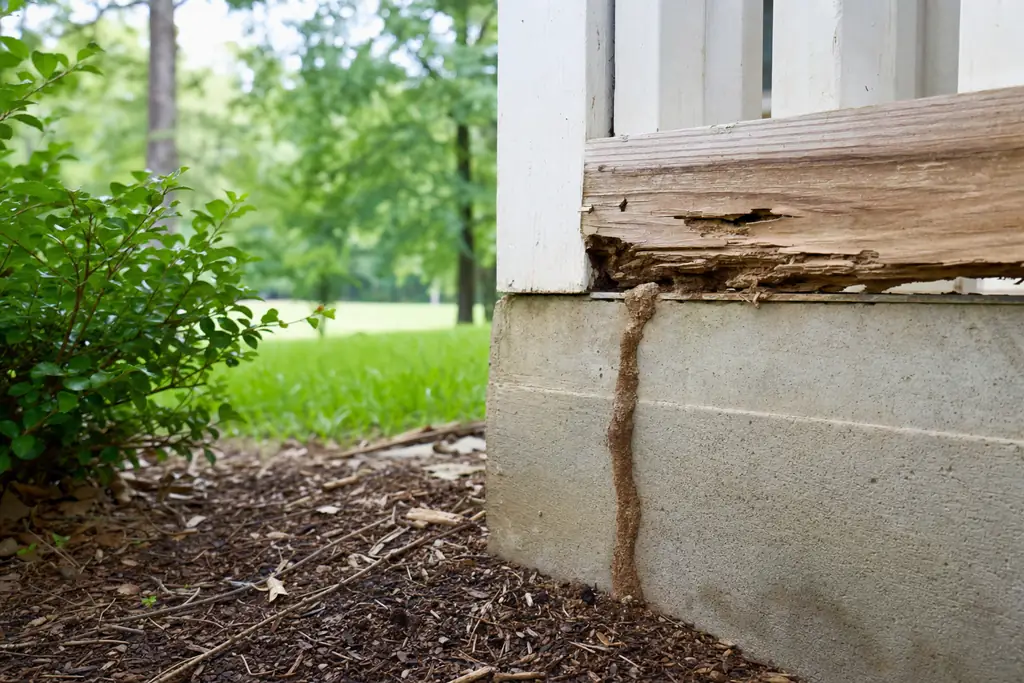
Termite inspection and Trelona ATBS
Subterranean termite work that's monitored on a measured cadence
Termite damage in the Upstate is usually invisible from inside the house. The inspection happens in the crawl space, at the foundation, and along the perimeter where wood meets soil.
Trelona ATBS bait stations on measured spacing intercept active colonies before damage becomes structural. We document the cadence so renewals and re-inspections are predictable.
Why this post exists on the Paladin blog
This post was written by someone who actually does this work on Upstate homes, not by a contractor or a marketing team that has never seen the species in person. The Paladin blog exists to answer the questions we hear on real service calls, honestly, in plain English, without selling you a service you do not need. If a post helps you solve the problem on your own, that is a successful post for us. If you read it and decide you would rather have a trained technician on site, that is what the phone is for. Either path is fine.
A first Paladin visit is intended to document the activity, inspect relevant areas, and explain the proposed scope before work begins. Appointment timing and the exact inspection areas depend on the request and property access. Call (864) 816-7658 or use the contact form so the office can confirm the current options.
Paladin is based in Boiling Springs, SC and serves the approved Upstate locations listed on this site. Each recommendation should be tied to conditions documented at the property, including pest evidence, moisture, entry points, food, water, shelter, and access. The office confirms address availability without promising a route frequency or response window.
Keep exploring Paladin
Related Paladin services and guides for Upstate homeowners.
Frequently asked questions
What questions should I ask before starting a termite baiting system in Boiling Springs, SC?
Ask about the inspection findings, why specific station locations were chosen, how often monitoring occurs, and what would trigger a scope change. These questions help you understand the reasoning behind the plan. This is better than accepting a generic approach with no documentation to back it up.
Does property access affect how termite baiting monitoring is scheduled?
Yes, clear access to the foundation perimeter and yard supports timely, complete monitoring visits. Ask what access is expected before each visit takes place. Gates, thick landscaping, or stored items can otherwise delay a thorough check of every station on the property.
Why should I request written records for a termite baiting program?
Written records create a timeline of inspections, station conditions, and monitoring visits. This history proves useful if you switch providers later or sell the property. It gives the next party a documented baseline to work from, instead of starting over with no history at all.
Can site conditions like moisture change where bait stations are placed?
Yes, moisture levels, grading, and landscaping features can all shape placement decisions around a foundation. Ask your provider how they evaluated these conditions during the inspection process. That way you understand the reasoning behind each station location on your property before work begins.
How do I compare different termite baiting providers effectively?
Compare written inspection notes, placement explanations, and monitoring report formats across providers. Asking for documentation upfront lets you judge thoroughness and communication style before deciding. This approach works better than relying only on general claims or comparing price tags alone.
Ready to shield your family?
One call to Paladin and we’ll meet you where you are, from a quick walk-through to a long-term protection plan.